

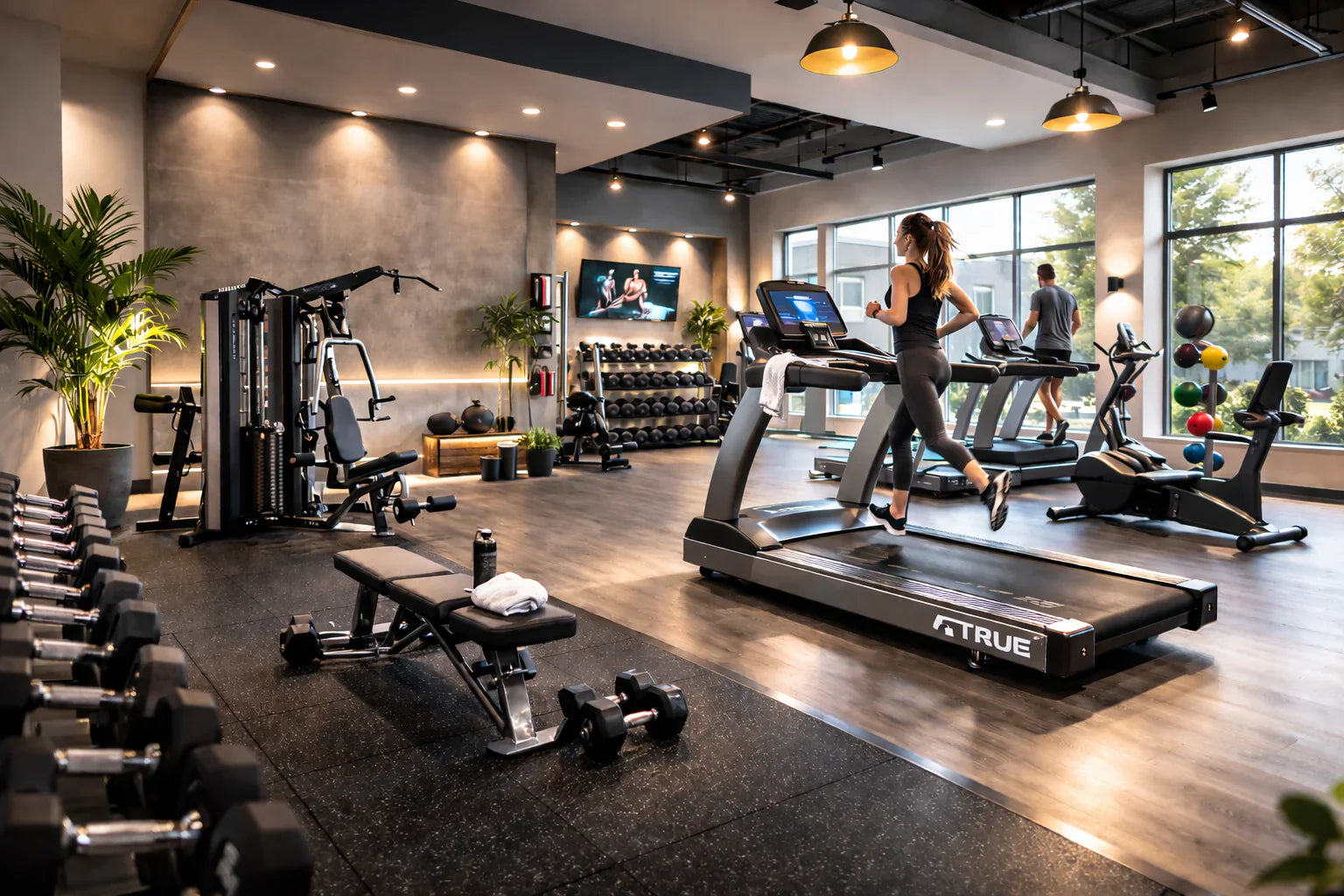
Spring is a natural reset point for many gyms. As the weather improves, training volume increases, new members arrive, and existing members often return with renewed motivation.
For facility managers and gym owners, this seasonal shift is the perfect opportunity to step back and evaluate your equipment, layout, and overall member experience. Small adjustments now can improve utilization, extend equipment lifespan, and create a more effective training environment for the months ahead.
After more than 30 years in the commercial fitness equipment industry, we have seen one consistent pattern. The gyms that perform best are not necessarily the ones with the most equipment. They are the ones that regularly reassess how their equipment is used and how their floor space supports member behavior.
Here are five areas every commercial gym should review this spring.
1. Review Equipment Utilization
Before making any new equipment purchases, start by observing what your members actually use.
Walk your facility during peak hours and look for patterns. Certain machines will almost always be occupied, while others may see little activity throughout the day.
Common high-utilization areas often include:
-
Free weight zones
-
Functional trainers and cable systems
-
Cardio lines featuring treadmills and rowers
For example, equipment from brands like HOIST Fitness, Life Fitness, and Body-Solid is designed for heavy commercial use and often becomes a core part of the training floor. Functional trainers, dual cable machines, and plate-loaded strength equipment frequently attract consistent traffic because they allow members to perform a wide variety of exercises.
Understanding these usage patterns helps facility managers decide whether to adjust layouts, add additional units, or repurpose underused space.
2. Inspect and Service Your Equipment
Spring is also an ideal time for preventative maintenance.
Commercial equipment experiences constant wear, especially in busy facilities. Regular inspections ensure equipment remains safe, functional, and appealing to members.
Key areas to check include:
-
Cable integrity and pulleys
-
Bolts and frame stability
-
Upholstery wear
-
Weight stack operation
-
Cardio belt condition and motor performance
Cardio machines from TRUE Fitness and Life Fitness, for example, are built for long-term durability, but they still benefit from routine servicing. Preventative maintenance can extend equipment life by years and prevent costly downtime during peak training periods.
A well-maintained facility also signals professionalism and care to your members.
3. Evaluate Your Floor Layout
Sometimes equipment is underused not because of the equipment itself, but because of where it is placed.
Members tend to gravitate toward areas that are visible, accessible, and energetic. Equipment placed in isolated corners or behind other machines can easily become overlooked.
Take time to evaluate the flow of your gym floor:
-
Is the cardio line clearly visible when members enter the facility?
-
Are strength machines grouped logically by muscle group or training style?
-
Do functional training areas have enough open space?
-
Is there enough room around racks and free weights for safe movement?
For example, grouping HOIST selectorized machines together can create a clear strength training circuit. Meanwhile, placing Body-Solid squat racks and plate-loaded equipment in a dedicated strength zone helps serious lifters train efficiently without crowding other members.
Thoughtful zoning can dramatically improve both utilization and overall member satisfaction.

4. Identify Strategic Equipment Gaps
A facility reset does not always require a full equipment overhaul. Sometimes adding one or two strategic pieces can significantly improve the training experience.
Common upgrades commercial gyms consider in the spring include:
-
Functional trainers for versatile strength training
-
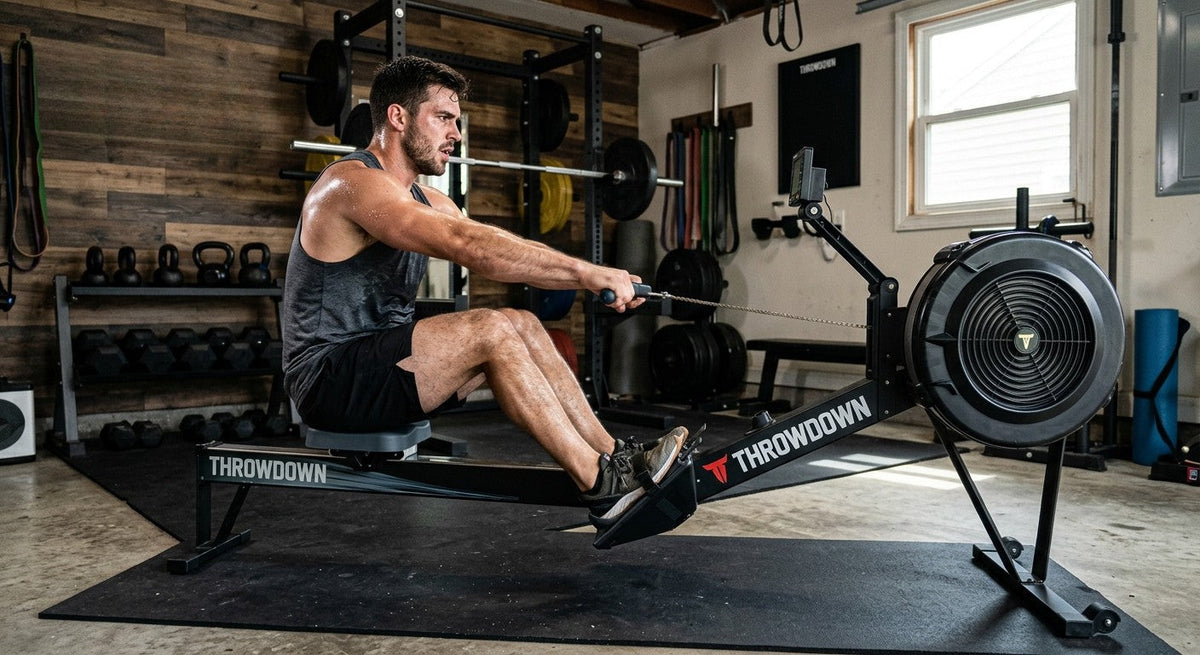
Rowing machines for full-body cardio conditioning
-
Plate-loaded equipment for serious lifters
-
Additional dumbbell ranges for expanding strength areas
For example:
-
HOIST functional trainers offer exceptional versatility and can support dozens of exercises in a single station.
-
Life Fitness selectorized machines remain a staple in many commercial facilities due to their ergonomic design and durability.
-
Body-Solid racks and strength stations provide reliable performance for free weight training areas.
-
TRUE treadmills continue to be among the most trusted cardio machines for commercial environments.
Strategic additions can help relieve bottlenecks in busy training areas and provide new options for members.
5. Prepare for Increased Training Volume
Spring often leads into one of the busiest training periods of the year. As members increase their activity levels, gyms must be prepared to accommodate higher usage.
Facilities that plan ahead typically perform better during these seasonal shifts.
Consider whether your current equipment mix supports increased demand in areas like:
-
Cardio training
-
Free weights
-
Functional training
-
Recovery and mobility
Expanding open training areas or adding additional cable stations can reduce wait times and improve the member experience during peak hours.
A Strategic Reset for the Season Ahead
Spring is more than just a seasonal change. For many fitness facilities, it is an opportunity to reassess what is working and where improvements can be made.
Reviewing equipment utilization, maintaining machines, improving floor layout, and identifying strategic upgrades can all contribute to a more effective training environment.
At The Fitness Outlet, we have spent over 30 years helping commercial gyms, corporate wellness centers, and public safety facilities build smarter training spaces using trusted brands like HOIST Fitness, Life Fitness, TRUE Fitness, and Body-Solid.
If you are considering equipment upgrades or a layout refresh this season, our team can help you evaluate your options and identify the right solutions for your facility.
Contact us today to learn more about commercial fitness equipment and facility planning.


Share:
Why Great Gym Equipment Goes Unused (And How to Fix It)
Spring Strength Challenge: 30 Days of Progress