


Achieve your fitness goals within your budget with our financing.
Free Delivery on Orders $599+
Fast, reliable delivery on all qualifying orders.
Price Match Guarantee
Shop confidently knowing you're getting the best deal.
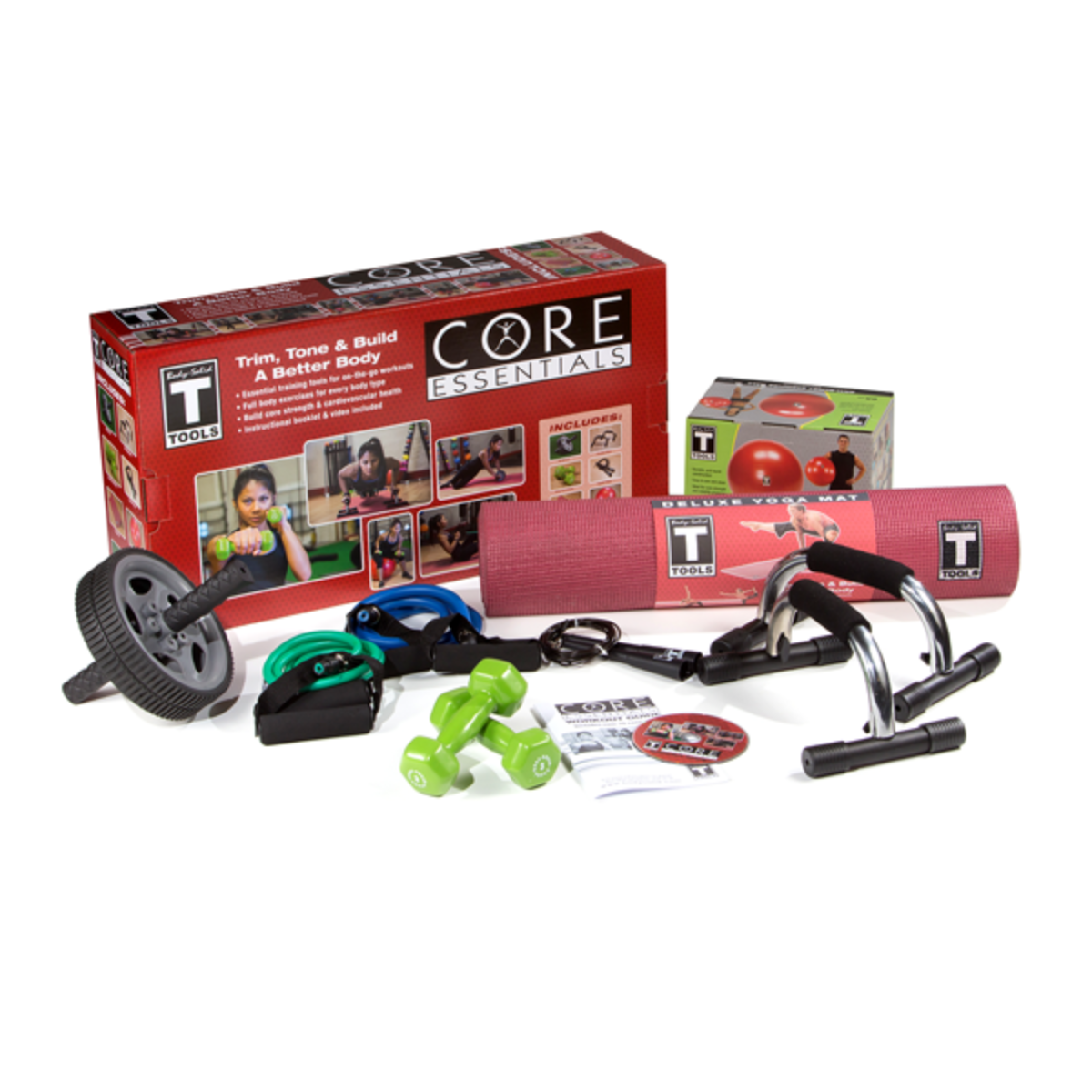
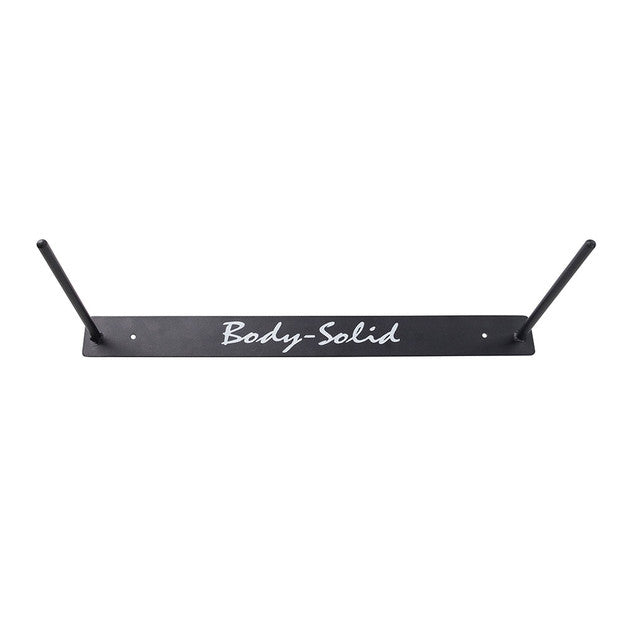
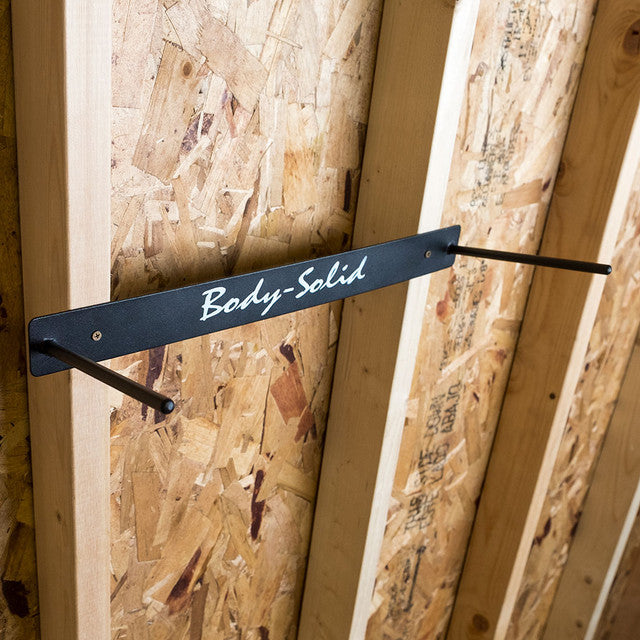
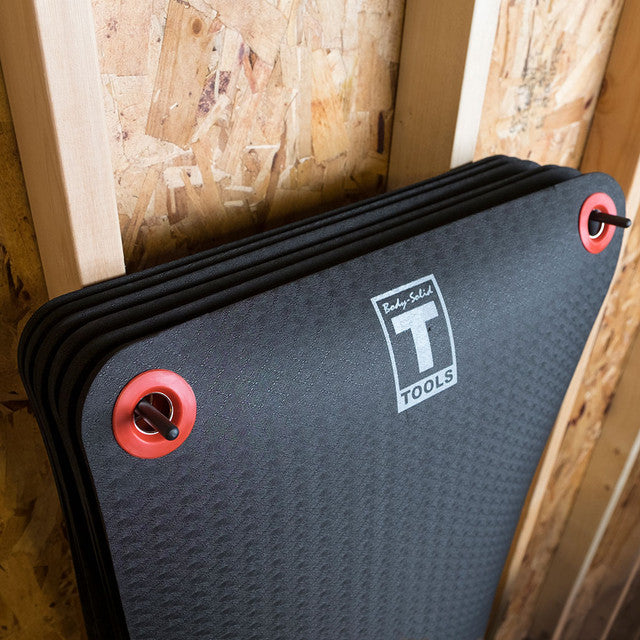
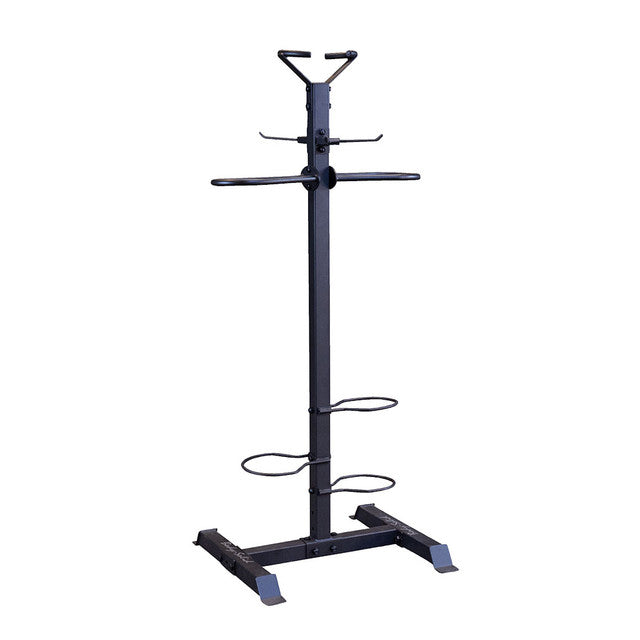

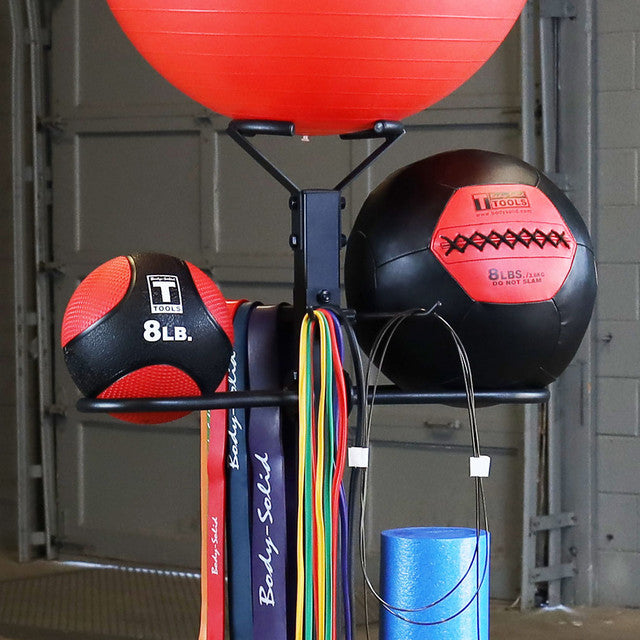
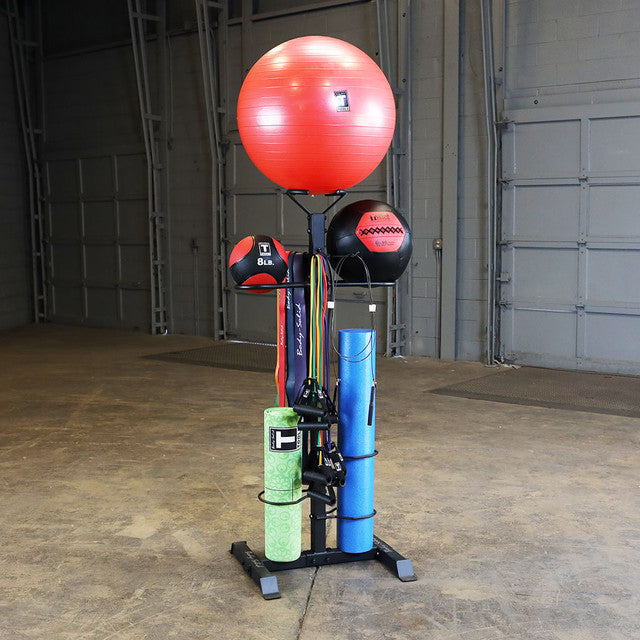
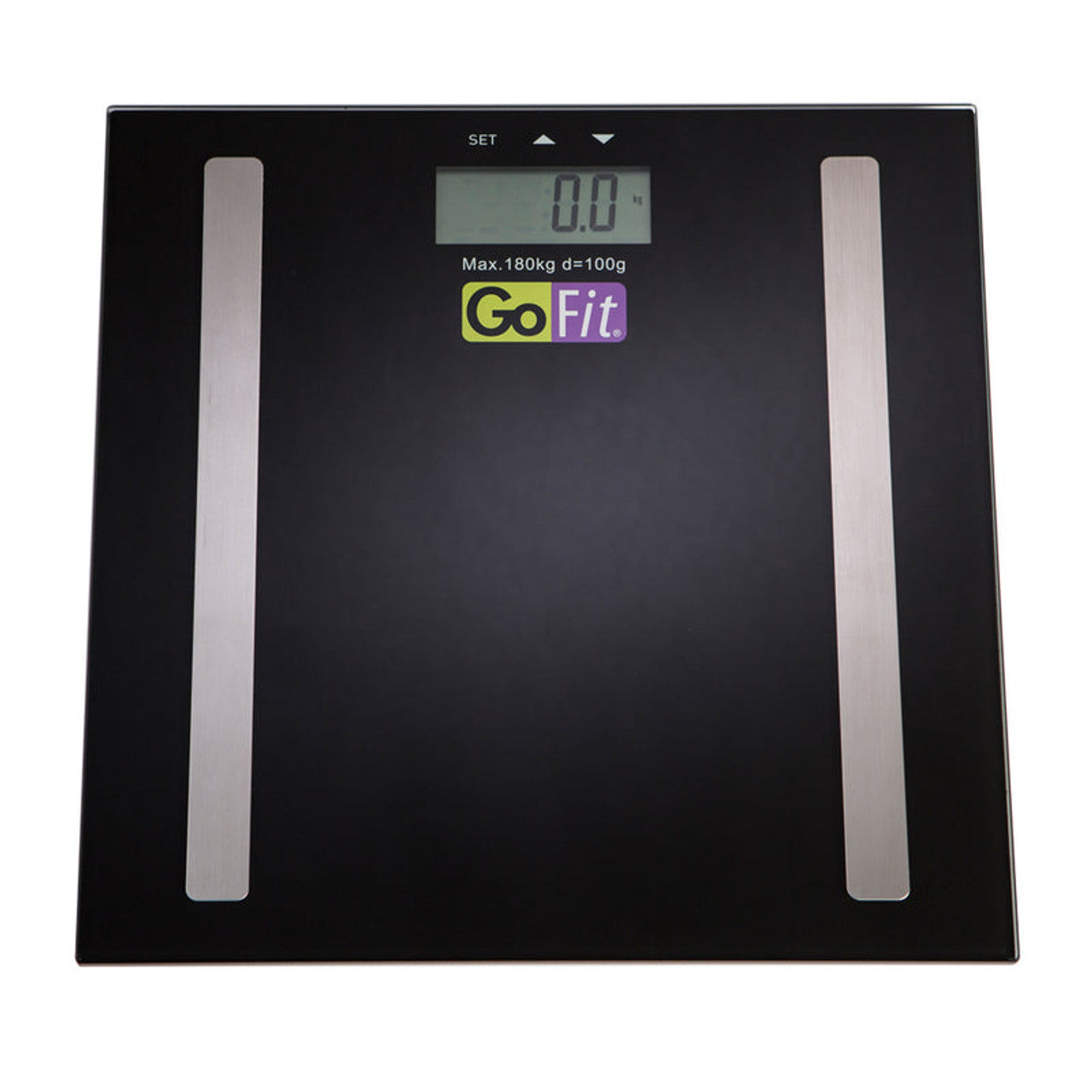
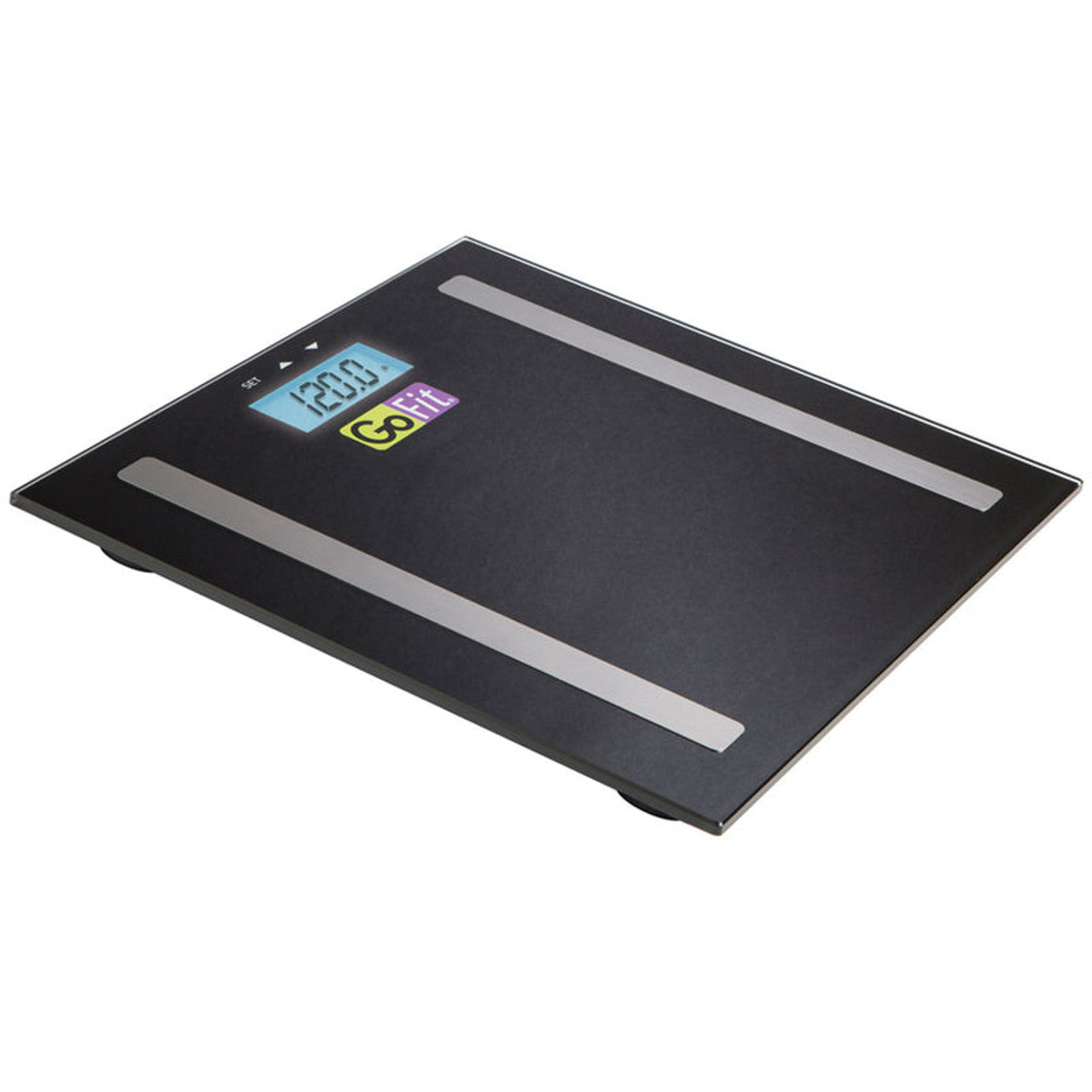
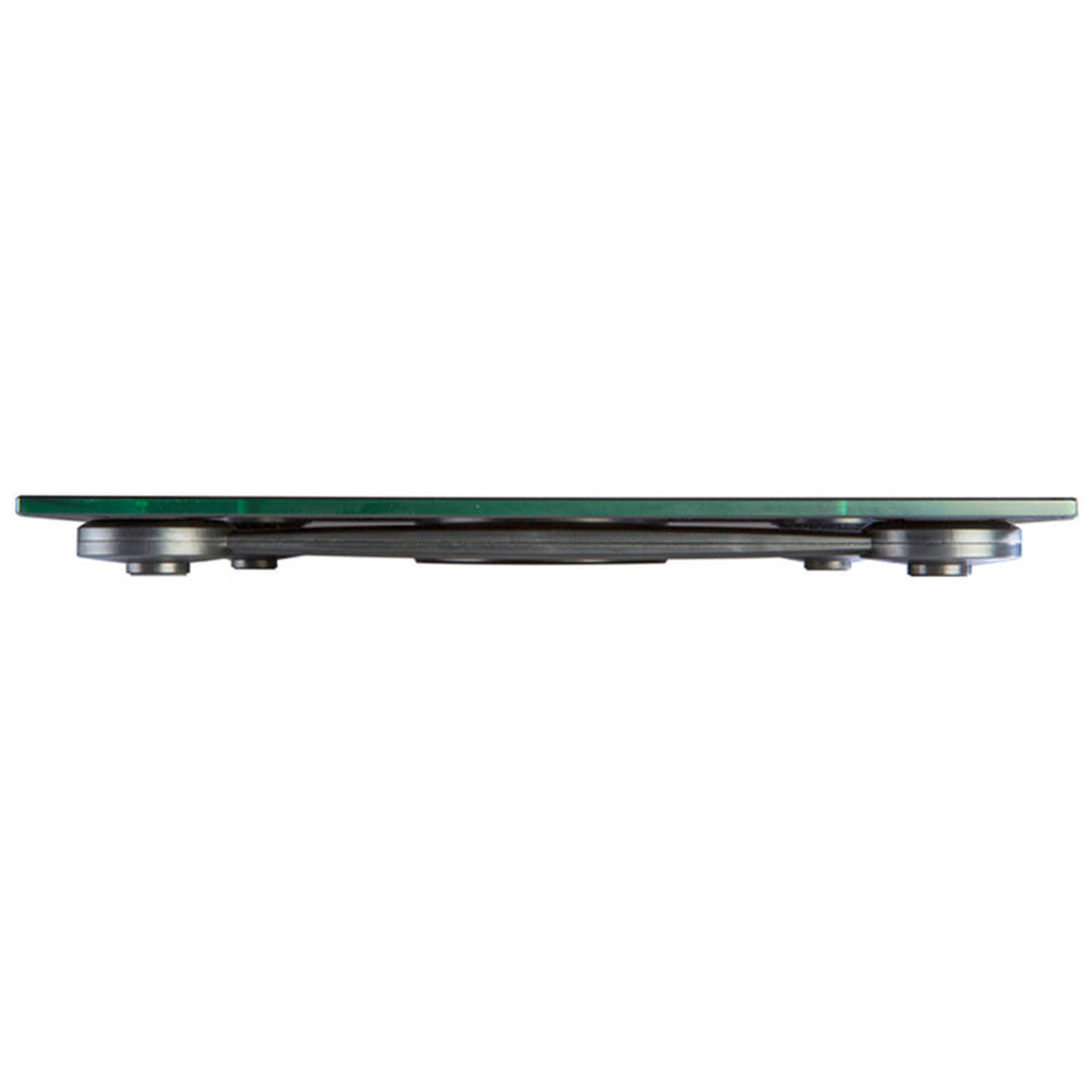
Fitness Accessories are essential tools that enhance workouts, support proper movement, and expand the functionality of both home and commercial fitness spaces. This category includes a wide range of complementary equipment designed to improve training efficiency, comfort, and versatility across strength, cardio, mobility, and recovery routines. Fitness accessories are often the finishing pieces that help users customize workouts to their goals and training environment.
Who Fitness Accessories Are Best For
Fitness accessories are suitable for all fitness levels, from beginners building foundational habits to experienced athletes refining performance. They are widely used by home gym owners, personal trainers, physical therapists, and commercial facilities looking to add flexibility and depth to existing equipment setups. Because accessories are adaptable and easy to use, they work well in shared environments and individual training spaces alike.
Key Benefits of Fitness Accessories
The primary benefit of fitness accessories is versatility. Small, targeted tools can dramatically increase exercise variety without requiring large equipment investments or additional floor space. Accessories help users improve grip strength, stability, balance, and mobility while supporting proper form during strength and conditioning workouts.
Many fitness accessories are designed to reduce strain and enhance comfort. Items such as mats, supports, and grips help protect joints and improve workout quality, while resistance-based accessories allow users to progress gradually or add intensity without changing primary equipment. Accessories also play an important role in warm-ups, cooldowns, and recovery-focused routines.
Common Use Cases and Training Environments
Fitness accessories are commonly used for strength training, functional fitness, rehabilitation, and mobility work. In home gyms, they allow users to expand exercise options around core equipment like racks, benches, or cardio machines. In commercial gyms and studios, accessories support group training, personal training sessions, and corrective exercise programs.
They are also frequently incorporated into recovery routines, stretching sessions, and low-impact workouts. Because accessories are portable and easy to store, they fit seamlessly into multipurpose rooms, fitness classes, and shared-use environments.
Types of Fitness Accessories
This category includes resistance bands, weightlifting accessories, functional training tools, balance and mobility equipment, mats, storage solutions, and recovery-focused items. Some accessories are designed to increase resistance or add challenge, while others focus on support, alignment, or injury prevention. The variety within this category allows users to tailor their training approach without altering their main equipment setup.
Why Choose The Fitness Outlet
Shoppers choose The Fitness Outlet for Fitness Accessories because of our focus on premium, purpose-driven fitness solutions. We curate accessories that complement professional-grade equipment, emphasizing durability, usability, and performance. Whether supporting strength training, mobility, or recovery, our fitness accessories help users get more value and versatility from every workout environment.
Fitness Accessories: Small Tools That Make a Big Impact on Training
Fitness accessories are often the most overlooked part of a gym setup—but they’re also some of the most versatile and cost-effective tools available. From improving strength and mobility to supporting recovery and injury prevention, the right accessories enhance workouts across all fitness levels. Whether used in home gyms, community fitness centers, or commercial facilities, fitness accessories add flexibility, variety, and functionality without taking up significant space.

“Fitness accessories enhance strength, mobility, recovery, and workout variety with minimal space requirements.”
What Are Fitness Accessories?
Fitness accessories are supplemental training tools designed to support, enhance, or expand traditional workouts. Unlike large machines, accessories are typically portable, easy to store, and adaptable to multiple training styles.
They’re commonly used to:
-
Add resistance or challenge
-
Improve mobility and flexibility
-
Support balance and coordination
-
Enhance recovery and warm-up routines
-
Increase exercise variety without large equipment investments
Strength & Resistance Accessories
These accessories are designed to complement free weights, machines, and bodyweight training.
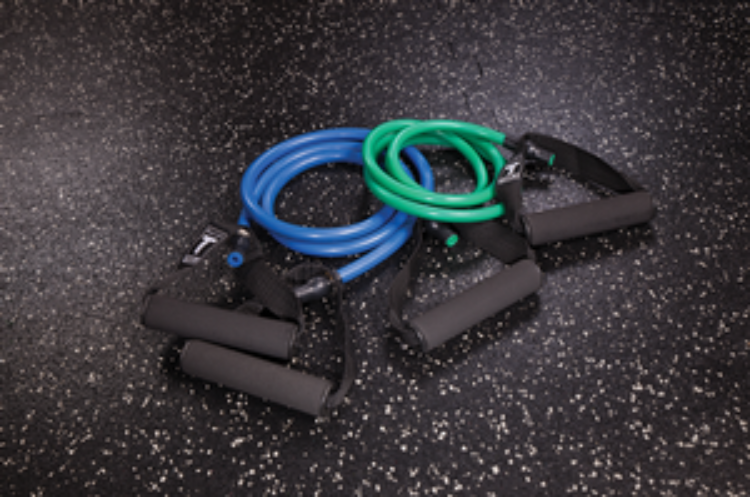
Resistance Bands
Resistance bands are one of the most versatile accessories available. They support strength training, mobility work, rehabilitation, and warm-ups. Bands are ideal for all fitness levels because resistance can be scaled easily.
Common uses include:
-
Assisted pull-ups
-
Glute activation
-
Shoulder mobility
-
Light strength training
Kettlebells
Kettlebells support dynamic, full-body movements that build strength, power, and endurance. They’re commonly used for swings, goblet squats, presses, and carries.
Their compact size makes them ideal for functional training areas and smaller gyms.
Medicine Balls & Slam Balls
Medicine balls and slam balls add explosive and rotational training options. They’re widely used for core work, power development, and conditioning circuits.

Caption: “Strength accessories expand training variety without adding bulky equipment.”
Core & Stability Accessories
Core training is foundational to overall fitness, and accessories make it more engaging and effective.
Stability Balls
Stability balls are used for core activation, balance training, and mobility work. They can also add instability to traditional strength exercises, increasing muscle engagement.
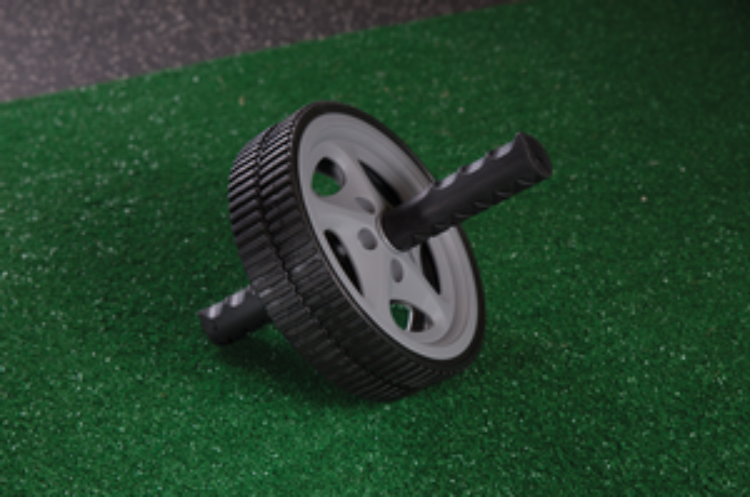
Ab Wheels and Core Sliders
Ab wheels and sliders intensify core exercises by increasing range of motion and control demands. These tools are compact, affordable, and effective for progressive core training.
Mobility, Recovery & Stretching Accessories
Recovery and mobility accessories are essential for injury prevention and long-term performance.
Foam Rollers
Foam rollers support self-myofascial release, helping reduce muscle tightness and improve circulation. They’re commonly used before and after workouts.
Massage Balls
Massage balls allow for targeted pressure on smaller muscle groups, such as calves, hips, shoulders, and feet.
Stretch Straps and Yoga Blocks
These tools support flexibility training, assisted stretching, and mobility routines—especially helpful for beginners or those with limited range of motion.
Conditioning & Cardio Accessories
Accessories can also enhance cardiovascular and metabolic training.
Jump Ropes
Jump ropes provide efficient, high-intensity cardio in a very small footprint. They’re popular in boxing-style workouts, conditioning circuits, and athletic training.
Agility Ladders and Cones
Agility ladders and cones support coordination, speed, and footwork drills. These are often used in athletic, functional, and group training environments.
Functional Training & Bodyweight Accessories
Suspension Trainers
Suspension trainers use bodyweight and gravity to create scalable resistance. They’re excellent for full-body strength, core stability, and functional movement patterns.
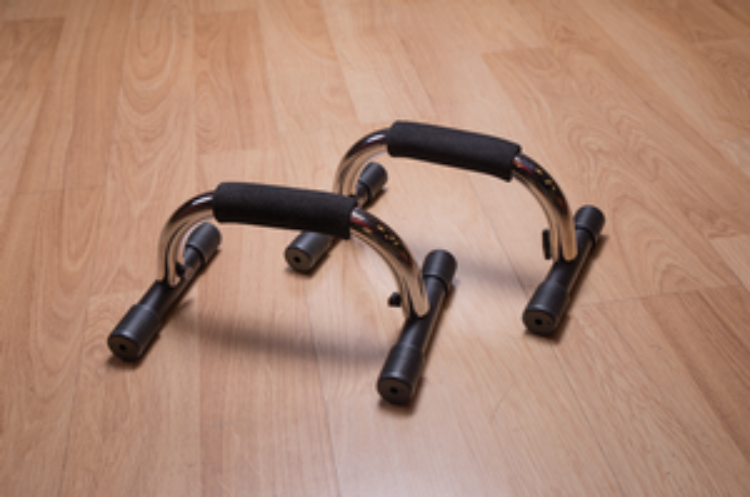
Push-Up Handles and Parallettes
These accessories improve wrist comfort, range of motion, and exercise variety during bodyweight training.
Organization & Storage Accessories
Keeping accessories organized is just as important as choosing the right ones.
Storage Racks and Wall Systems
Accessory storage racks keep equipment visible, accessible, and off the floor—improving safety and cleanliness in shared gyms.
Space Efficiency Benefits
Because accessories are compact, proper storage allows facilities to offer a wide variety of training tools without cluttering the floor.
Home vs. Commercial Use Considerations
Home Gyms
Accessories are especially valuable in home gyms due to their affordability, versatility, and minimal space requirements. A small collection can replace multiple large machines.
Commercial & Shared Facilities
In shared gyms, accessories expand programming options and reduce congestion on machines. Durability and easy cleaning are key considerations.
Who Benefits Most From Fitness Accessories?
Fitness accessories are ideal for:
-
Beginners building foundational strength
-
Advanced athletes adding variety and challenge
-
Home gym owners with limited space
-
Physical therapy and rehabilitation environments
-
Group training and functional fitness programs
They’re often the most-used tools in any well-rounded fitness space.
FAQs
Are fitness accessories effective for strength training?
Are fitness accessories good for recovery?
Are accessories beginner-friendly?