

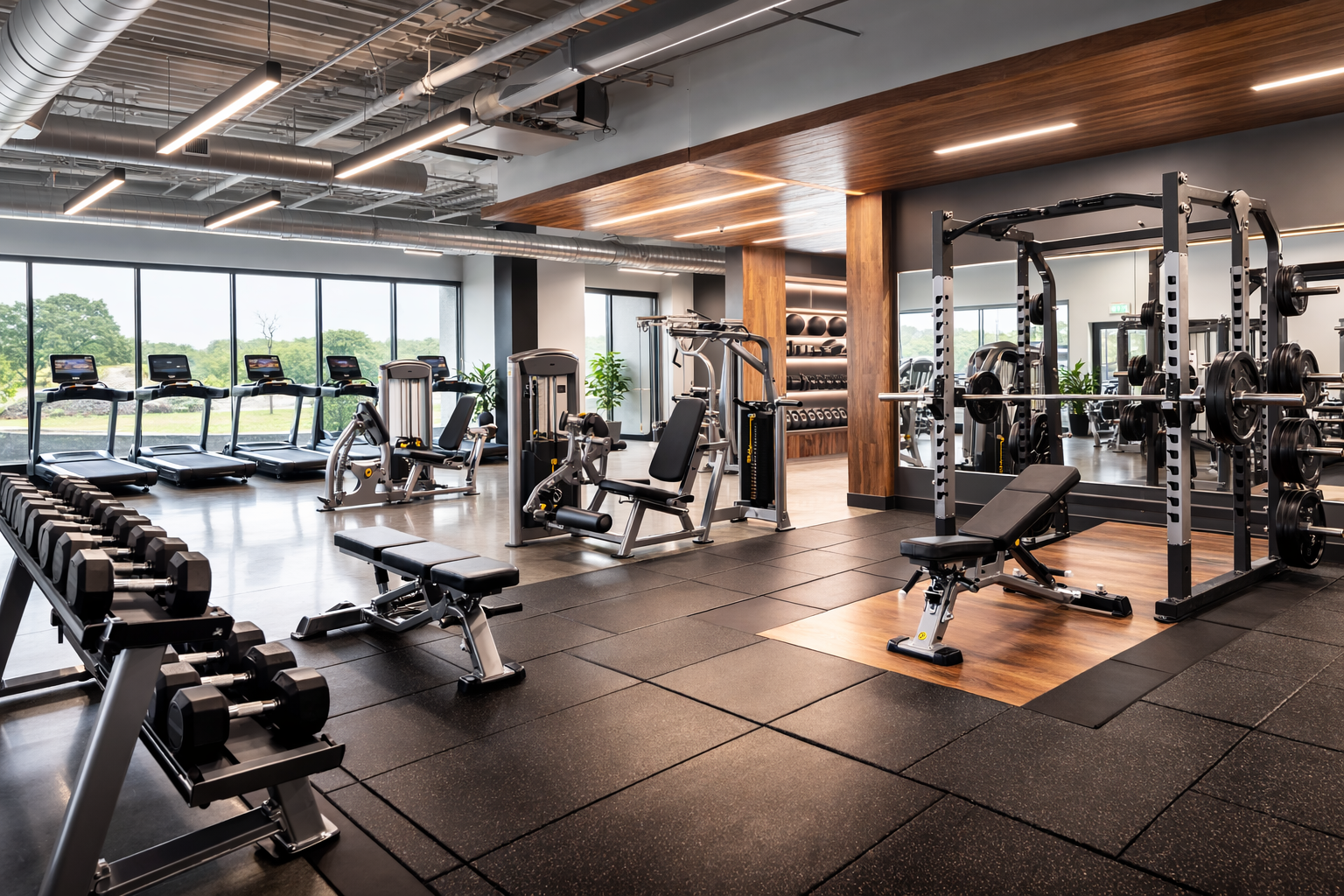
Walk into almost any commercial gym and you will see the pattern immediately. Certain machines always have a line. Others have barely been touched since installation.
For gym owners and facility managers, every square foot of floor space is an investment. When equipment sits idle, that investment is not producing returns.
After more than 30 years in the commercial fitness equipment industry, we have seen one consistent truth. Underutilized equipment is rarely a product issue. It is a planning issue. Utilization comes down to strategy, placement, member education, and alignment with your membership base.
Here is how to get it right.

What Members Consistently Use
Understanding utilization starts with knowing what naturally attracts members.
Cardio Equipment
Treadmills remain the most used piece of equipment in commercial gyms. They are intuitive, approachable, and deliver immediate results. Members of all fitness levels gravitate toward them because there is almost no learning curve.
Ellipticals continue to perform well, especially among older members and those seeking joint friendly training. They offer consistency across a wide range of demographics.
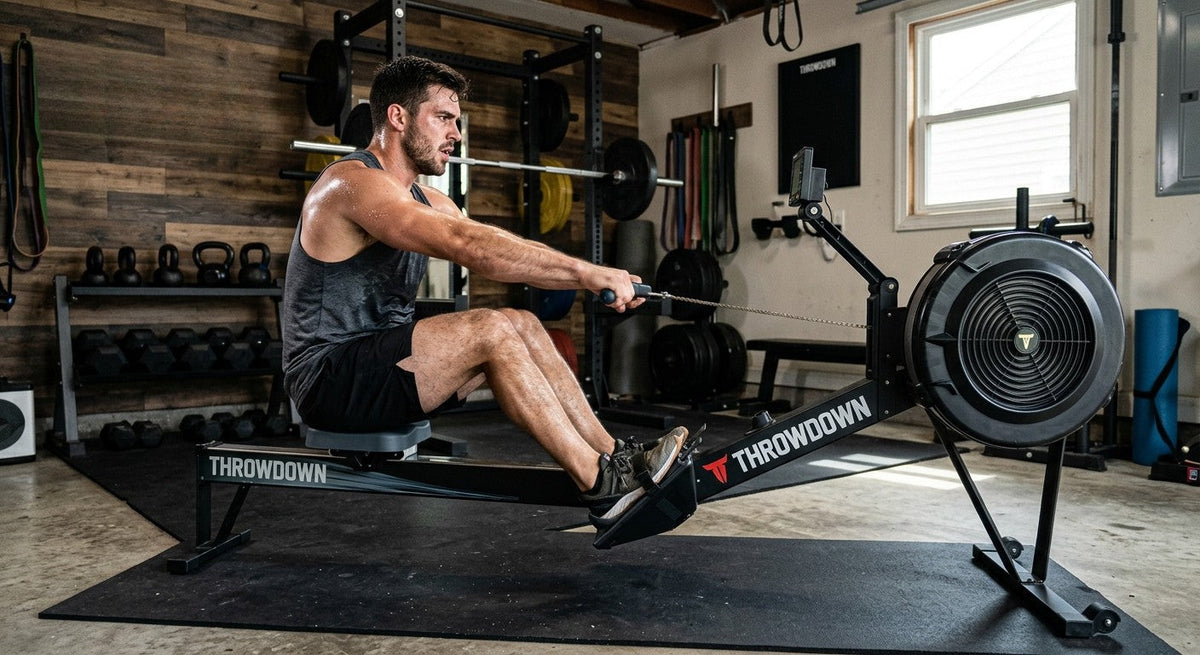
Rowers have grown in popularity in recent years, driven by boutique fitness and increased awareness of full body conditioning. When introduced properly, they can become high value additions to the floor.
StepMills and stair climbers appeal to members looking for high intensity, lower body focused workouts. Facilities that position them visibly and integrate them into programming often see strong and consistent usage.
Strength and Functional Training
Free weights almost never underperform.
Dumbbells, barbells, and squat racks deliver some of the highest return on investment per square foot in any commercial facility. They serve beginners and advanced lifters alike and form the backbone of serious training environments.
Functional trainers and multi-gyms have become central to modern gym layouts. Members increasingly seek versatile, movement based training that mirrors real world strength demands. A well designed functional zone is consistently one of the busiest areas on the floor.
Wellness and Recovery
Today’s members expect more than just a workout.
Recovery focused amenities such as saunas, cold plunge tubs, massage chairs, and vibration platforms are becoming competitive differentiators. Facilities that invest in recovery demonstrate a commitment to the full fitness journey, which strengthens retention and overall perceived value.
Why Great Equipment Still Goes Unused
When quality equipment underperforms, the cause typically falls into three areas.
Placement and Visibility
Members follow energy and sight lines. Equipment placed in low traffic areas or tucked into corners consistently underperforms, regardless of brand or build quality.
High value pieces should be visible, accessible, and integrated into the natural flow of the floor. If members do not see it, they are unlikely to use it.
Lack of Member Education
Some equipment requires little explanation. Others benefit from guidance.
Rowers, vibration platforms, ergometers, and Pilates reformers can deliver excellent results, but only when members feel confident using them.
Facilities that drive utilization build education into onboarding. This can include staff led orientations, short demonstrations, QR codes linking to tutorials, or classes built around specific equipment. Assuming members will figure it out on their own often reduces return on investment.
Misalignment With the Membership Base
Equipment must match the people walking through your doors.
A facility serving older adults has different needs than one targeting competitive athletes. A corporate wellness center differs from a boutique performance studio. When purchasing decisions do not reflect actual membership demographics, utilization suffers.
The issue is not the equipment. It is the strategy behind the purchase.
Matching Equipment to Your Membership
Before making significant investments, start with data.
Member surveys, informal conversations on the floor, and usage tracking provide valuable insight into what people want more of and what they are ignoring.
Programming should support your equipment mix. A Pilates reformer sitting alone may gather dust. The same reformer anchoring a weekly class becomes a consistent driver of engagement.
Also consider the new member experience. What feels accessible on day one. What becomes aspirational over time. Facilities that design equipment around a progression path consistently see stronger overall utilization.
Making Smarter Purchasing Decisions
Upfront cost matters, but so does longevity.
Commercial equipment endures heavy daily use. Investing in durable, serviceable brands often reduces total cost of ownership over a seven to ten year period. Consider warranty coverage, maintenance requirements, and parts availability before making a purchase.
Floor layout also plays a critical role. Overcrowding reduces usability across the board. Each piece needs adequate clearance for safety and comfort. A thoughtfully spaced facility feels premium and inviting. A cramped one feels stressful, and members notice.
Strategic spacing increases usage.
Ready to Optimize Your Facility
At The Fitness Outlet, we have spent over three decades helping commercial gyms, boutique studios, corporate wellness centers, and public safety facilities make smart equipment decisions.
Whether you are opening a new location or rethinking an existing floor plan, our commercial consulting team can help you identify the right equipment mix for your membership base, space, and long term goals.
Contact us today to schedule a free commercial consultation.


Share:
How to Upgrade Your Home Gym Without Starting Over
Spring Facility Reset: How Commercial Gyms Should Evaluate Their Equipment and Layout