


A short-term challenge gives you a clear goal and a defined timeline. Instead of guessing what to do each day, you follow a structured plan that builds over time.
The key to making real progress is progressive overload. That means gradually increasing the difficulty of your workouts by adding weight, reps, or overall intensity.
Spring naturally supports this kind of reset. As people become more active and motivated, consistency becomes easier, which is often the biggest barrier to progress.
What You Need to Get Started
You do not need a full commercial gym to see results. A well-equipped home setup can support everything in this challenge.
At a minimum, most people will benefit from having:
- Dumbbells or adjustable dumbbells
- A weight bench
- Space to move safely
From there, adding a squat rack or functional trainer opens up significantly more training options.
At The Fitness Outlet, we carry strength equipment from brands like Body-Solid, HOIST Fitness, and Life Fitness, all designed to support consistent training at home or in light commercial environments.

How the 30-Day Challenge Is Structured
This challenge is designed to build gradually so that you can stay consistent without burning out.
- Week 1 focuses on building the habit and dialing in form
- Weeks 2 and 3 increase intensity and volume
- Week 4 is where you push for measurable progress
You will train four days per week, with rest or recovery days in between.
How to Incorporate Cardio
While this challenge is primarily focused on building strength, adding some cardio can improve endurance, support recovery, and help you stay consistent over the full 30 days.
You do not need long or complicated sessions. In most cases, 15 to 25 minutes of cardio on non-lifting days or after your workouts is enough to see benefits.
This could include:
- Walking or incline treadmill sessions
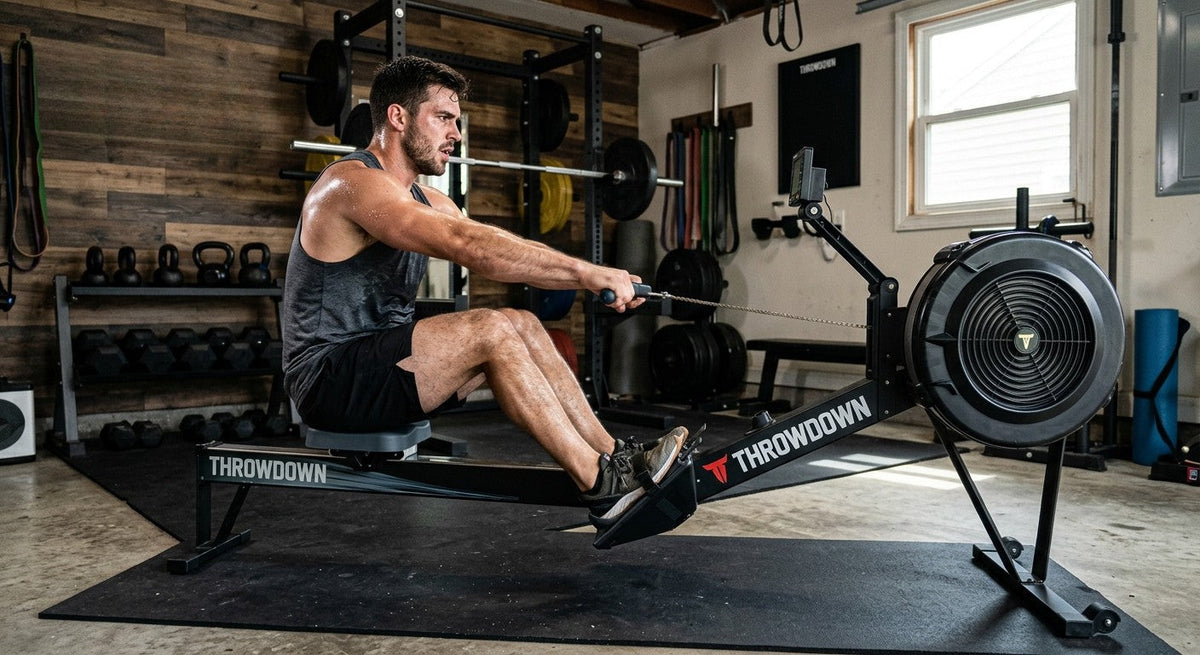
- Rowing intervals
- Cycling workouts
- Light conditioning circuits
Equipment like treadmills, indoor bikes, or rowing machines can make it easier to stay consistent and add variety to your routine.
The goal is not to replace strength training, but to support it. A balanced approach will help you feel better, recover faster, and get more out of each workout.
Beginner Plan
If you are newer to strength training or returning after time off, the beginner structure keeps things simple and effective.
A typical week might include:
- Upper body day
- Lower body day
- Full body session
- Core or accessory day
- Rest or light recovery days
Your workouts will focus on foundational movements such as:
- Dumbbell bench press
- Seated shoulder press
- Rows
- Goblet squats
- Romanian deadlifts
- Step-ups or lunges
The goal is to build consistency, improve form, and progress gradually each week.
Intermediate Plan
For those with more experience, the structure becomes more focused and allows for greater intensity.
A typical weekly split looks like:
- Push day (chest, shoulders, triceps)
- Pull day (back, biceps)
- Leg day
- Rest or recovery
- Full body or functional training day
Exercises may include:
- Bench press and incline press
- Lat pulldowns or pull-ups
- Cable rows
- Squats and deadlifts
- Lunges and accessory work
Using equipment like a HOIST functional trainer or a Body-Solid power rack allows for more variety and continued progression.
Beginner vs Intermediate: What’s the Difference?
| Category | Beginner Plan | Intermediate Plan |
|---|---|---|
| Training Split | Full body + simple splits | Push / Pull / Legs + full body |
| Frequency | 3–4 days per week | 4–5 days per week |
| Focus | Form, consistency, basic strength | Strength progression and volume |
| Equipment Needs | Dumbbells, bench, bands | Rack, cables, heavier weights |
| Intensity | Moderate | Moderate to high |
| Progression Style | Add reps, light weight increases | Increase weight, volume, intensity |
| Experience Level | New or returning lifters | Consistent training background |
How to Progress Each Week
To get the most out of this challenge, you need to track your progress and make small, consistent improvements over time.
The goal each week is to do slightly more than you did the week before. That could mean adding weight, completing an extra rep or two, or improving your control and form.
These small improvements compound quickly. Over 30 days, they lead to noticeable strength gains and better confidence in your workouts.
Recovery Matters Too
Progress is not just about how hard you train. It is also about how well you recover.
During a structured challenge, your body is under consistent stress. Sleep, hydration, and rest days all play an important role in how well you perform and improve.
Even simple recovery habits like stretching or light movement on rest days can help reduce soreness and keep you consistent.
Setting Up Your Home Gym for Success
Consistency becomes much easier when your environment supports your routine.
You do not need a large space to train effectively. A well-planned setup with a bench, adjustable weights, and a rack or functional trainer can support a wide range of exercises.
Equipment from brands like Life Fitness, HOIST, and Body-Solid is designed to be durable and versatile, making it easier to grow your training over time.
A dedicated space removes friction and makes it easier to stay committed throughout the full 30 days.
Stay Consistent and Build Momentum
The goal of this challenge is not just to complete workouts. It is to build a routine that lasts.
By the end of the 30 days, you should feel stronger, more confident, and more consistent in your training. Those are the habits that lead to long-term results.
Spring is simply the starting point. What you build now can carry forward into the rest of the year.
Ready to Upgrade Your Setup?
If you are looking to improve your home gym or add new strength equipment, The Fitness Outlet offers a wide range of options for every level.
From adjustable dumbbells and benches to full racks and functional trainers, our team can help you find the right equipment to support your goals.


Share:
Spring Facility Reset: How Commercial Gyms Should Evaluate Their Equipment and Layout
Complete Guide to Functional Trainer Machines: Everything You Need to Know