


Design a garage gym that grows with you, performs like a commercial space, and looks intentional, not improvised.
The garage gym has evolved. What used to be a couple of dumbbells next to a lawn mower is now one of the most powerful ways to build a serious strength and conditioning space at home.
In 2026, homeowners want more than convenience. They want durability, smart layout planning, and equipment that supports long-term progress. A well-designed garage gym can rival many commercial facilities, if it’s built strategically.
At The Fitness Outlet, we help customers create garage gyms that feel structured, scalable, and built to last. Whether you're starting with one key piece or designing a full performance space, the right foundation makes all the difference.

Step One: Start With a Strength Anchor
Every garage gym needs a centerpiece. This is the machine or system that defines how you train.
For many homeowners, that anchor is a premium home gym or functional trainer.
A system like the HOIST V4 Elite Home Gym is ideal for those who want guided strength training with a small footprint and clean layout. It keeps workouts structured, controlled, and efficient, perfect for consistent, long-term use.
If you prefer more versatility and movement freedom, a functional trainer such as the HOIST Mi5 Functional Trainer or BodyCraft HFT Pro allows:
-
Cable-based strength in multiple planes
-
Rotational and unilateral training
-
Progression into more advanced programming
Functional trainers often provide more exercise variety per square foot, which is why they’ve become increasingly popular in garage gym builds.
Your anchor determines the tone of your space.
Step Two: Add Free Weight Infrastructure
While machines provide structure, free weights provide scalability.
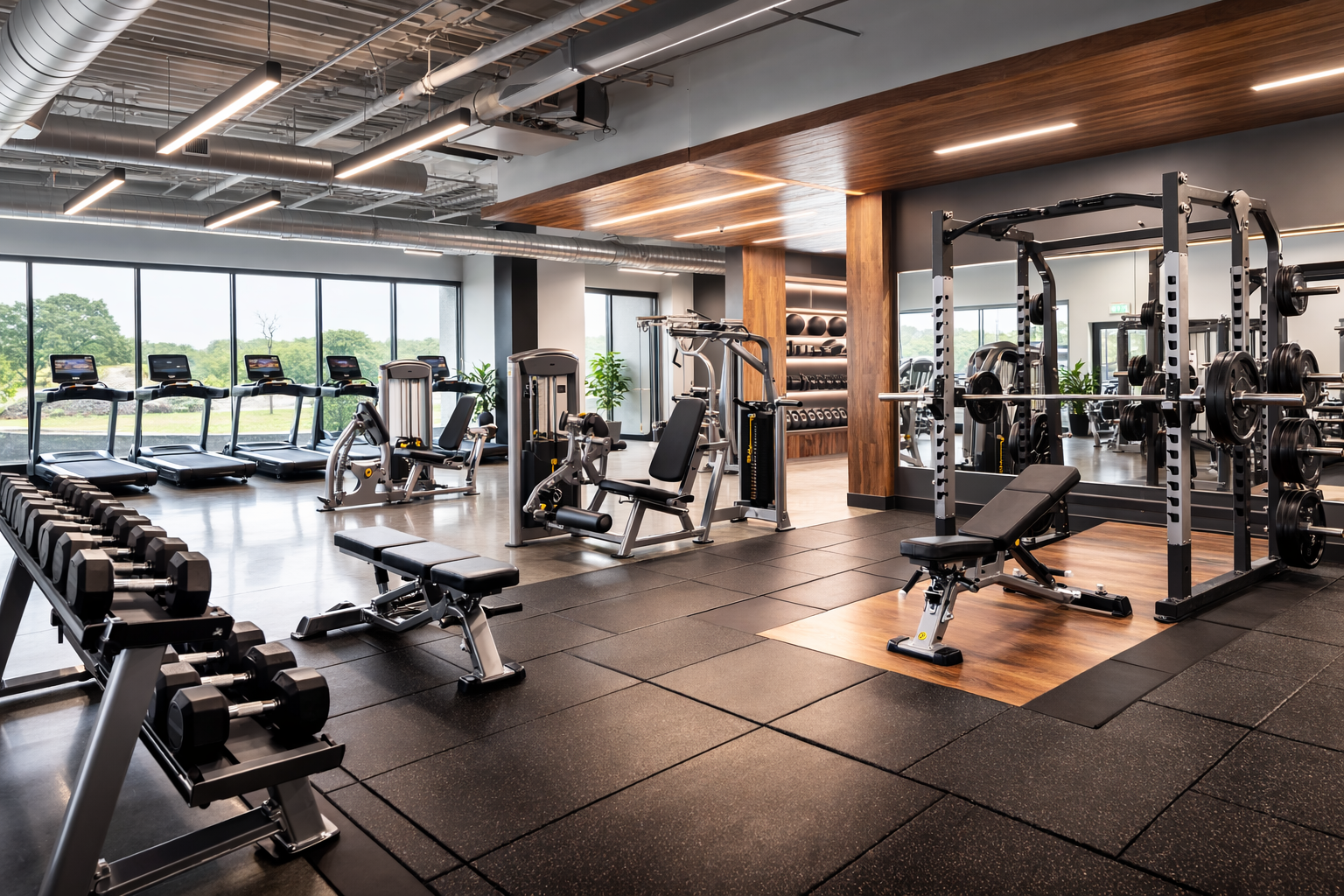
A properly built garage gym almost always includes a rack or cage system paired with a quality bench. This allows you to progress in foundational lifts like squats, presses, and rows without outgrowing your space.
For example:
-
Adjustable bench for durability and heavy pressing
-
A solid power rack or cage system for barbell progression
-
Organized plate storage to maintain clean walkways
Free weight zones allow your training to evolve. They also maximize the open, industrial feel that many garage gym owners prefer.
Planning this zone correctly prevents clutter and keeps your layout functional.
Step Three: Conditioning That Matches Your Goals
Garage gyms are no longer just strength spaces. Conditioning equipment rounds out the room and supports heart health, fat loss, and athletic performance.
Popular additions include:
-
Air bikes for high-intensity interval training
-
Compact treadmills for incline walking or running
-
Rowing machines for low-impact full-body conditioning
The key is choosing equipment that fits your training style and available floor space without overcrowding the room.
Remember: a garage gym should feel open and intentional, not packed wall-to-wall.
Flooring, Layout, and Flow Matter More Than You Think
One of the biggest mistakes homeowners make is buying equipment before planning layout.
Garage gyms need:
-
Proper rubber flooring to protect concrete and reduce vibration
-
Clear walkways between strength and conditioning zones
-
Storage solutions for plates, dumbbells, and accessories
Creating defined zones improves safety and makes the space feel professional rather than improvised.
Even small garages can feel high-end when the layout is intentional.
Building in Phases: The Smart Approach
You don’t need everything at once.
A strategic garage gym build often follows this progression:
-
Strength anchor (home gym or functional trainer)
-
Bench + rack setup
-
Conditioning piece
-
Storage and recovery additions
This phased approach allows you to invest in quality equipment without rushing decisions.
Premium brands like HOIST and Body-Solid are built to handle long-term residential use, which protects your investment over time.
Who Is a Garage Gym Best For?
Garage gyms work especially well for:
-
Busy professionals who want zero commute
-
Strength-focused lifters
-
Athletes needing consistent training access
-
Families sharing equipment
If you value privacy, flexibility, and control over your training environment, a garage gym is one of the smartest investments you can make.
Designing a Garage Gym That Grows With You
The best garage gyms are not overfilled. They are thoughtfully designed around progression.
Ask yourself:
-
Will my training evolve in the next 3–5 years?
-
Do I want guided strength or movement freedom?
-
How much ceiling height do I have?
-
How much open floor space do I want to preserve?
Answering these questions first prevents expensive mistakes later.
At The Fitness Outlet, we help customers evaluate ceiling height, layout constraints, training style, and long-term goals before recommending equipment. A garage gym should feel like a smart investment — not an impulse purchase.
Frequently Asked Questions
What is the best equipment for a garage gym in 2026?
A strong foundation includes a functional trainer or home gym, a quality adjustable bench, a rack or cage system, and at least one conditioning machine. The best setup depends on your space and goals.
Is a garage gym worth the investment?
For many homeowners, yes. It eliminates commute time, increases training consistency, and allows full control over your environment. Over time, it can cost less than long-term gym memberships.
How much space do I need for a garage gym?
Even a single-car garage can support a high-quality setup with proper planning. Layout and ceiling height matter more than square footage alone.
Should I choose a home gym or a functional trainer?
Home gyms provide guided, structured movement and are excellent for straightforward strength training. Functional trainers offer greater exercise variety and progression potential. The right choice depends on your experience and long-term goals.
Can I request a garage gym layout or quote?
Yes. The Fitness Outlet offers free quotes and space planning support. Our team can help you choose equipment that fits your garage dimensions, budget, and training style.
Share:
Functional Trainer vs. Home Gym: Which Is Best for Your Home in 2026?
Commercial-Grade Equipment at Home: Is It Worth It in 2026?