


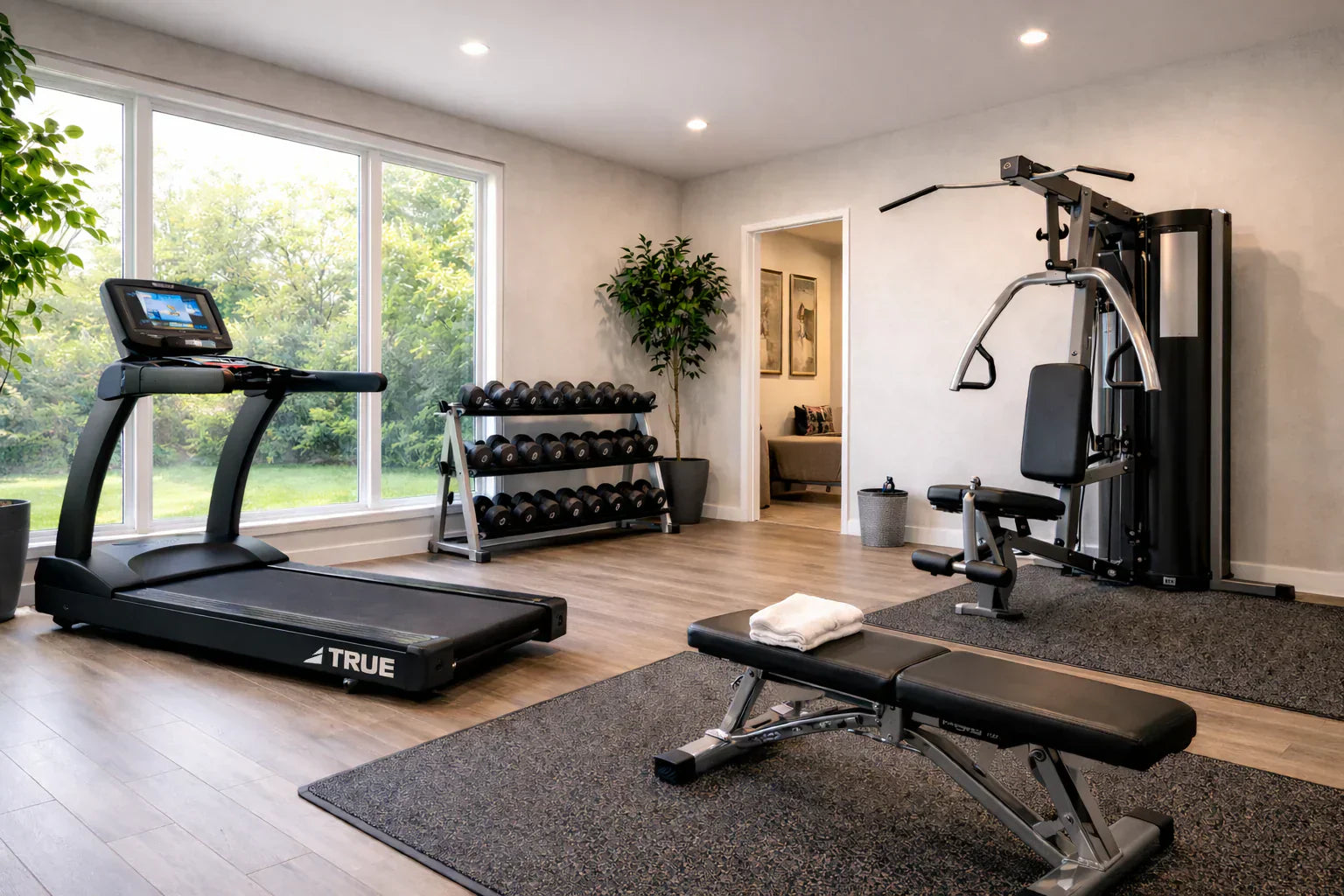
When people hear the phrase commercial-grade fitness equipment, they often picture large health clubs filled with heavy-duty treadmills and strength machines that seem indestructible. But in 2026, the definition has expanded. Commercial equipment is no longer limited to massive gym floors. It is now found in boutique studios, corporate wellness spaces, apartment complexes, hotels, athletic training rooms, and even serious home gyms.
So what does commercial-grade really mean today? And how do you know whether you need light commercial or full commercial equipment for your space?
At The Fitness Outlet, we help businesses, developers, and performance-focused homeowners design spaces that match real usage demands. Understanding commercial classifications is the first step in making a smart investment.

What Does Commercial-Grade Fitness Equipment Actually Mean?
Commercial-grade equipment is built to withstand repeated daily use. Unlike standard residential machines, commercial models are engineered with stronger frames, heavier internal components, and upgraded motors or drive systems designed for long operating hours.
In practical terms, commercial equipment typically offers:
• Higher weight capacities
• Stronger steel frames and reinforced welds
• Industrial-grade motors and electronics
• Longer warranty coverage for commercial environments
• Enhanced stability for high-traffic use
This durability is critical in spaces where multiple users train throughout the day. Whether it is a corporate gym or a multi-unit housing facility, equipment must perform consistently without frequent downtime.
Brands such as TRUE Fitness, Spirit Fitness, Life Fitness, StairMaster, and Hoist Fitness have built reputations around producing equipment that meets these higher standards.
Where Commercial Equipment Is Being Used in 2026
The demand for commercial-grade fitness equipment continues to grow beyond traditional gyms. Today’s buyers include:
• Corporate offices building wellness spaces
• Apartment and condominium communities
• Hotels and hospitality environments
• Schools and athletic facilities
• Personal training studios
• Serious home gym owners who want long-term durability
The rise of private training spaces and high-end residential gyms has blurred the line between residential and commercial use. Many homeowners now choose commercial equipment for its performance feel, longevity, and premium build quality.
Light Commercial vs Full Commercial: Understanding the Difference
Not all commercial equipment is built for the same environment. In 2026, manufacturers clearly distinguish between light commercial and full commercial classifications.
Light commercial equipment is designed for moderate daily use. This category works well for small studios, apartment fitness rooms, hotels, and high-use residential spaces. These machines offer stronger construction than traditional home models while maintaining manageable footprints and price points.
Full commercial equipment is engineered for continuous, all-day use in busy fitness centers and health clubs. Models such as the TRUE Fitness CS900 treadmill or the Spirit CT800 treadmill are designed to handle high user turnover, extended operating hours, and demanding training environments without sacrificing performance.
For many projects, light commercial equipment offers an ideal balance between durability, cost, and space efficiency. Full commercial equipment becomes essential in facilities expecting heavy, uninterrupted daily usage.
Choosing correctly depends on projected traffic, user experience levels, and long-term maintenance planning.
Commercial Cardio Equipment: Performance That Lasts
Cardio machines often take the most wear in any facility. Commercial treadmills, ellipticals, bikes, and stepmills are built with larger motors, thicker decks, sealed bearings, and reinforced components that extend lifespan under stress.
Popular commercial cardio options carried by The Fitness Outlet include:
• TRUE Fitness CS900 Treadmill
• Spirit Fitness CT800 Treadmill
• StairMaster 4G StepMill
• Life Fitness Club Series+ Treadmill
• Spirit Fitness CE800 Elliptical
These machines are engineered for smooth operation and long-term reliability. For business owners, this translates to lower downtime and fewer service interruptions. For serious home users, it means investing once instead of replacing equipment every few years.
Commercial Strength Equipment: Built for Repetition and Stability
Strength training equipment in commercial settings must withstand thousands of repetitions weekly. Frames are reinforced, cable systems are designed for continuous travel, and weight stacks are engineered for durability.
Commercial strength options may include:
• Hoist Fitness ROC-IT selectorized stations
• Life Fitness Signature Series strength equipment
• Power racks and cages built for institutional use
• Plate-loaded machines for athletic environments
While full selectorized strength equipment is typically placed in commercial facilities, many performance-focused home gyms now incorporate light commercial racks or cable systems for increased durability.
The key difference is usage volume. Commercial strength equipment is designed for shared spaces, while residential strength equipment is typically optimized for single-user environments.
When Does Commercial Equipment Make Sense for a Home Gym?
In 2026, more homeowners are choosing commercial-grade equipment for private gyms. This is especially true for:
• Multi-user households
• Athletic training rooms
• High-intensity training environments
• Garage gyms with year-round use
• Clients planning long-term investment in their fitness space
While commercial equipment requires a higher upfront investment, it often delivers better long-term value due to durability and resale strength.
However, not every home gym requires full commercial models. The right solution depends on how often the equipment will be used and by how many people.
Planning a Commercial Fitness Space
Designing a commercial fitness environment involves more than selecting machines. Floor planning, electrical requirements, traffic flow, ceiling height, ventilation, and maintenance access all matter.
At The Fitness Outlet, we offer:
• Free quotes and space planning consultations
• Equipment recommendations based on projected usage
• Delivery and professional installation
• Ongoing service support
Whether you are building a corporate wellness center, upgrading an apartment fitness room, or designing a high-performance private gym, our team helps match equipment to real-world demands.

Share:
The Ultimate Garage Gym Setup for 2026: Build It Right From Day One
How to Upgrade Your Home Gym Without Starting Over