


High-Performance Spaces for Strength, Speed, and Recovery
An athlete’s training space is very different from a standard home gym. It’s not about squeezing in as many machines as possible or creating a showroom look. A true athlete’s training room is built around performance, movement quality, and recovery, with every square foot serving a purpose.
Whether you’re training for a specific sport, supporting multiple athletes in one household, or building a private performance space, thoughtful design makes a major difference. The right layout and equipment allow athletes to train harder, recover better, and reduce injury risk over time. This type of training room is designed for serious athletes, competitive youth, and performance-focused individuals who want more than a general fitness setup.
At The Fitness Outlet, we help athletes and performance-focused clients design training rooms that support real goals, not generic workouts.
Start With Purposeful Layout Planning
Before choosing equipment, the layout of an athlete’s training room should be planned around how the body moves, not just where machines fit. Athletes need space to accelerate, decelerate, rotate, and stabilize. Crowded layouts limit training quality and increase injury risk.
A well-designed athlete training room typically prioritizes:
-
Clear walkways and open floor space
-
Defined zones for strength, conditioning, and recovery
-
Equipment placed to support safe movement patterns
Even in smaller rooms, creating intentional zones helps the space feel organized and functional rather than cramped. Many high-performance rooms benefit from fewer machines and more usable floor area.

Strength Training for Athletic Performance
Strength training is the foundation of athletic development, but for athletes, it’s not just about lifting heavier weights. It’s about building force efficiently, maintaining proper movement patterns, and supporting long-term durability across seasons.
An effective athlete training room prioritizes versatile strength equipment that allows for both structured resistance training and free movement. Rather than filling the space with single-purpose machines, performance-focused rooms typically rely on a combination of functional training systems and carefully selected selectorized equipment to support a wide range of athletes and training goals.
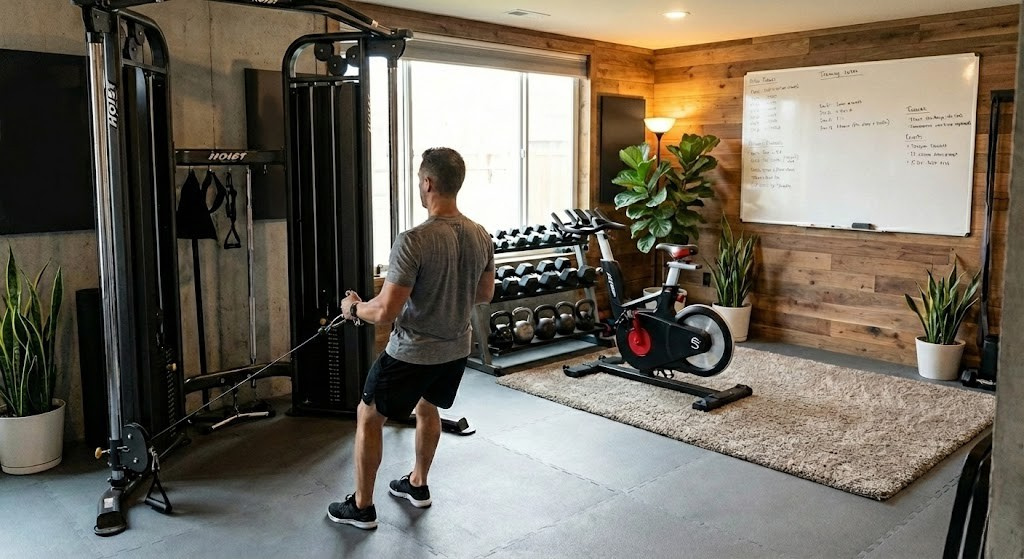
Functional trainers and cable-based systems are especially valuable in athlete environments because they support rotational movement, unilateral loading, and sport-specific strength patterns, all while maintaining a relatively compact footprint. Selectorized strength equipment plays a complementary role, offering controlled resistance for accessory work, injury prevention, and rehab-focused training where consistency and joint safety matter.
Common strength solutions used in athlete training rooms include:
-
Functional trainers for cable-based strength, rotational work, and multi-plane movement
-
Selectorized strength equipment for controlled, joint-friendly resistance, unilateral training, and in-season support
Brands such as Life Fitness and Hoist Fitness are frequently chosen in athlete training spaces for their smooth biomechanics, durability, and ability to handle repeated high-intensity use without sacrificing movement quality.
When selected intentionally, strength equipment supports not just performance gains, but better movement mechanics, injury prevention, and long-term athletic progression.
Conditioning and Sports-Specific Training
Conditioning for athletes goes beyond steady-state cardio. Training rooms should support short bursts of power, sustained effort, and sport-specific conditioning patterns. This type of training is commonly supported by commercial cardio equipment designed for athletic conditioning, especially when durability and performance matter.
High-performance conditioning areas often include:
-
Equipment that supports interval training
-
Tools for full-body conditioning
-
Machines that challenge coordination and endurance
For multi-sport athletes, versatility is key. Equipment that allows resistance changes, bodyweight integration, or varied movement patterns helps keep training adaptable across seasons. This might include sprint work, incline training, or high-intensity conditioning tools that challenge both cardiovascular capacity and coordination.
Low-Impact Conditioning and Recovery
Recovery in an athlete’s training room goes beyond rest days. Active recovery and mobility-focused work play a critical role in maintaining training volume, improving movement quality, and reducing injury risk over time.
Low-impact conditioning equipment allows athletes to stay moving on lighter training days, during warm-ups, or as part of cooldown routines without placing unnecessary stress on the joints. Rowing machines are commonly used in performance environments for this purpose, offering controlled, full-body movement that supports circulation and aerobic conditioning.
Examples of low-impact conditioning equipment often used in athlete training rooms include:
-
Life Fitness Row HX Rower for smooth, joint-friendly full-body cardio
-
WaterRower rowing machines for controlled conditioning and active recovery sessions
In addition to low-impact cardio, dedicated recovery tools are essential for supporting mobility, soft-tissue health, and nervous system recovery. These tools take up minimal space but have an outsized impact on how athletes feel and perform over time.
Common recovery tools found in athlete training rooms include:
-
Yoga or training mats for mobility work, stretching, and floor-based exercises
-
Foam rollers for self-myofascial release and muscle prep
-
Personal massagers for targeted soft-tissue recovery
Combining low-impact conditioning with simple recovery tools creates a recovery-focused zone that supports both short-term readiness and long-term athletic durability.
Space-Saving Solutions for Multi-Sport Training
Not every athlete has access to a large training facility. Many home training rooms need to support multiple sports, age groups, or training styles within a limited footprint.
Space-efficient solutions can include:
-
Dual-purpose machines that support multiple exercises
-
Compact commercial equipment with small footprints
-
Open training areas that can be reconfigured as needed
Designing for flexibility allows the room to evolve as training needs change, whether that means shifting from in-season conditioning to off-season strength or accommodating multiple athletes in the same space.
Equipment Selection That Supports Performance
The best athlete training rooms combine durability, versatility, and intelligent design. Commercial-grade equipment is often the best choice for athletes because it’s built to handle repeated, high-intensity use while maintaining smooth, controlled movement.
At The Fitness Outlet, we work with performance-driven brands such as Life Fitness, Hoist Fitness, True Fitness, and Spirit Fitness, allowing us to tailor equipment recommendations based on sport, training style, and available space.
The goal isn’t to overfill the room, but to select equipment that supports how athletes actually train.
Designing a Room That Grows With the Athlete
Athletes evolve, and their training spaces should too. A smart training room design allows for progression, whether that means adding equipment, changing layouts, or shifting focus between strength, conditioning, and recovery.
Planning for growth helps protect the investment and ensures the space remains effective year after year. Flexible layouts and scalable equipment choices make it easier to adapt as training demands increase.
Why Work With The Fitness Outlet
Designing an athlete’s training room requires more than choosing equipment. It requires understanding performance goals, movement patterns, and long-term development.
Whether you’re building a private home training space or a performance room for multiple athletes, our team offers free quotes and space planning support to help you design a training environment that fits your goals, budget, and available space.

Share:
Commercial Fitness for Every Space and Budget
Cycling Workouts for Endurance & Power