


Achieve your fitness goals within your budget with our financing.
Free Delivery on Orders $599+
Fast, reliable delivery on all qualifying orders.
Price Match Guarantee
Shop confidently knowing you're getting the best deal.


Life Fitness E1 Elliptical Cross Trainer


Life Fitness E3 Elliptical Cross-Trainer

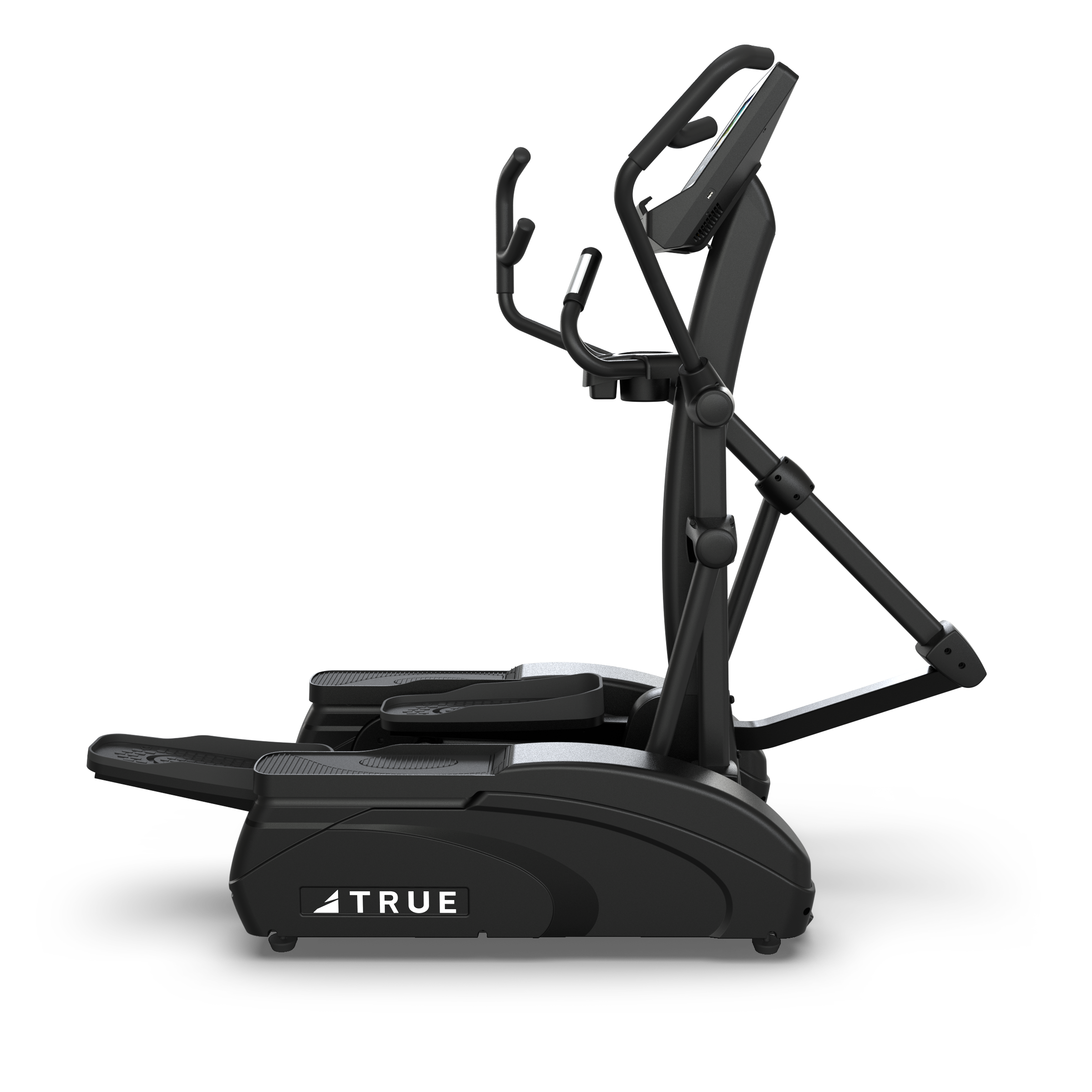
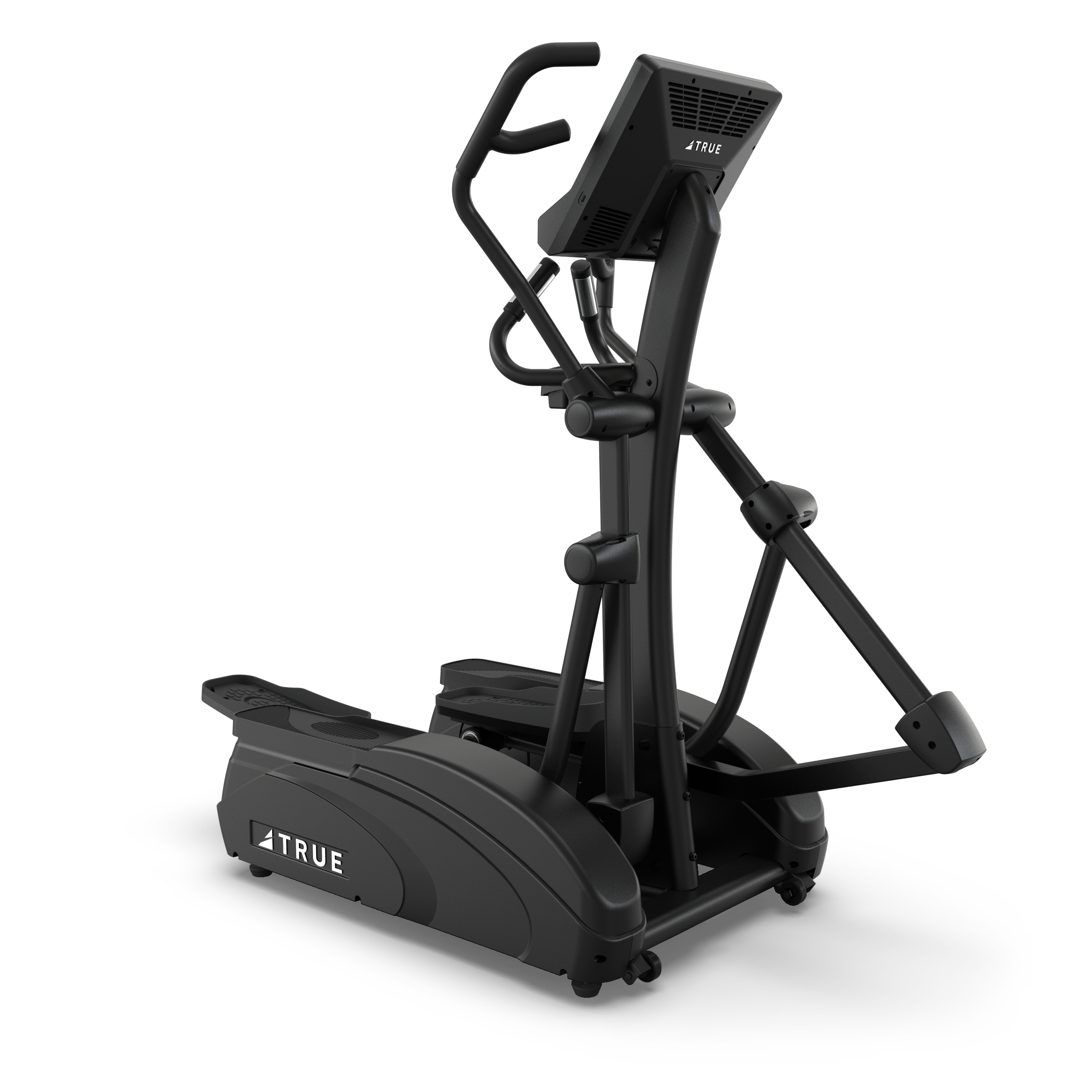
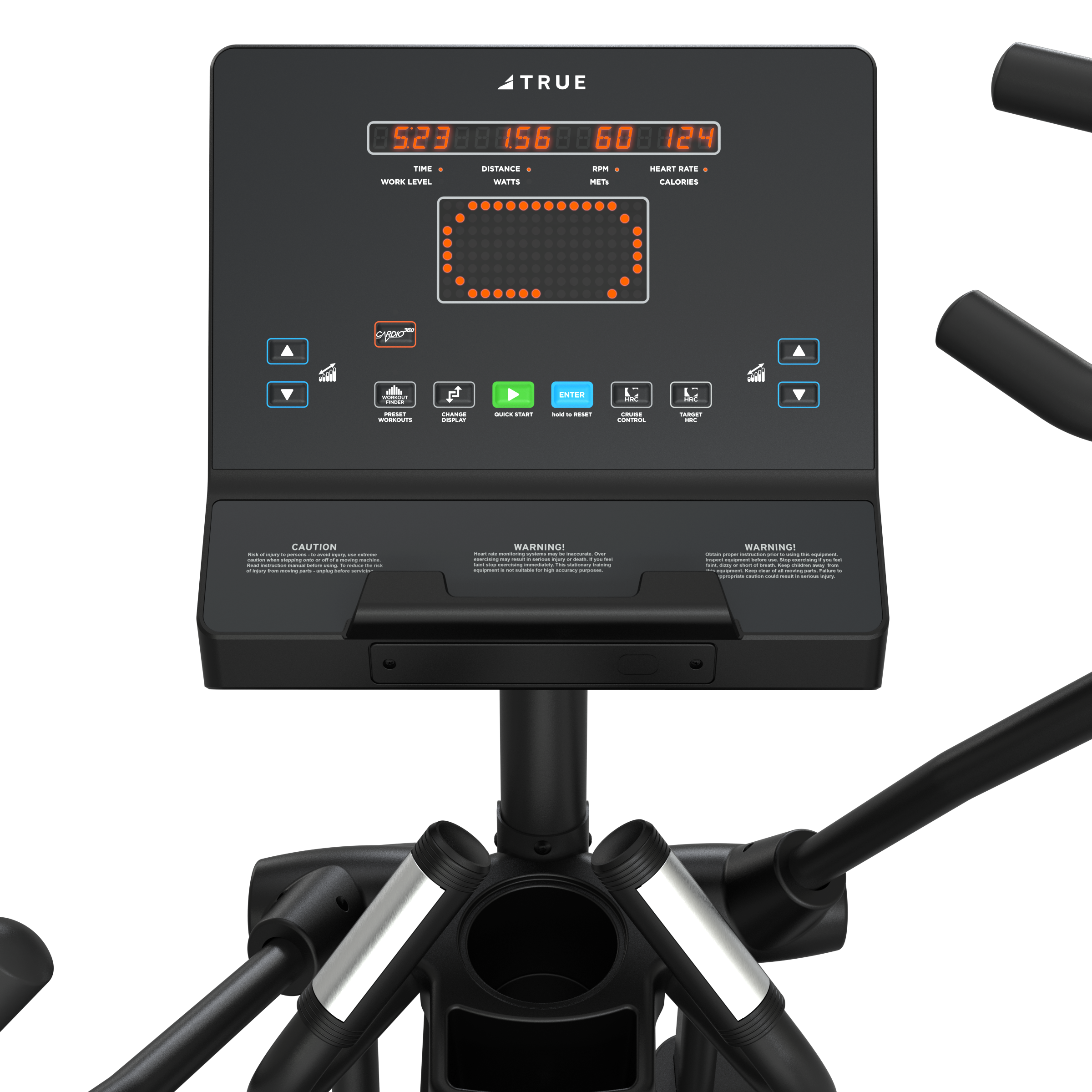
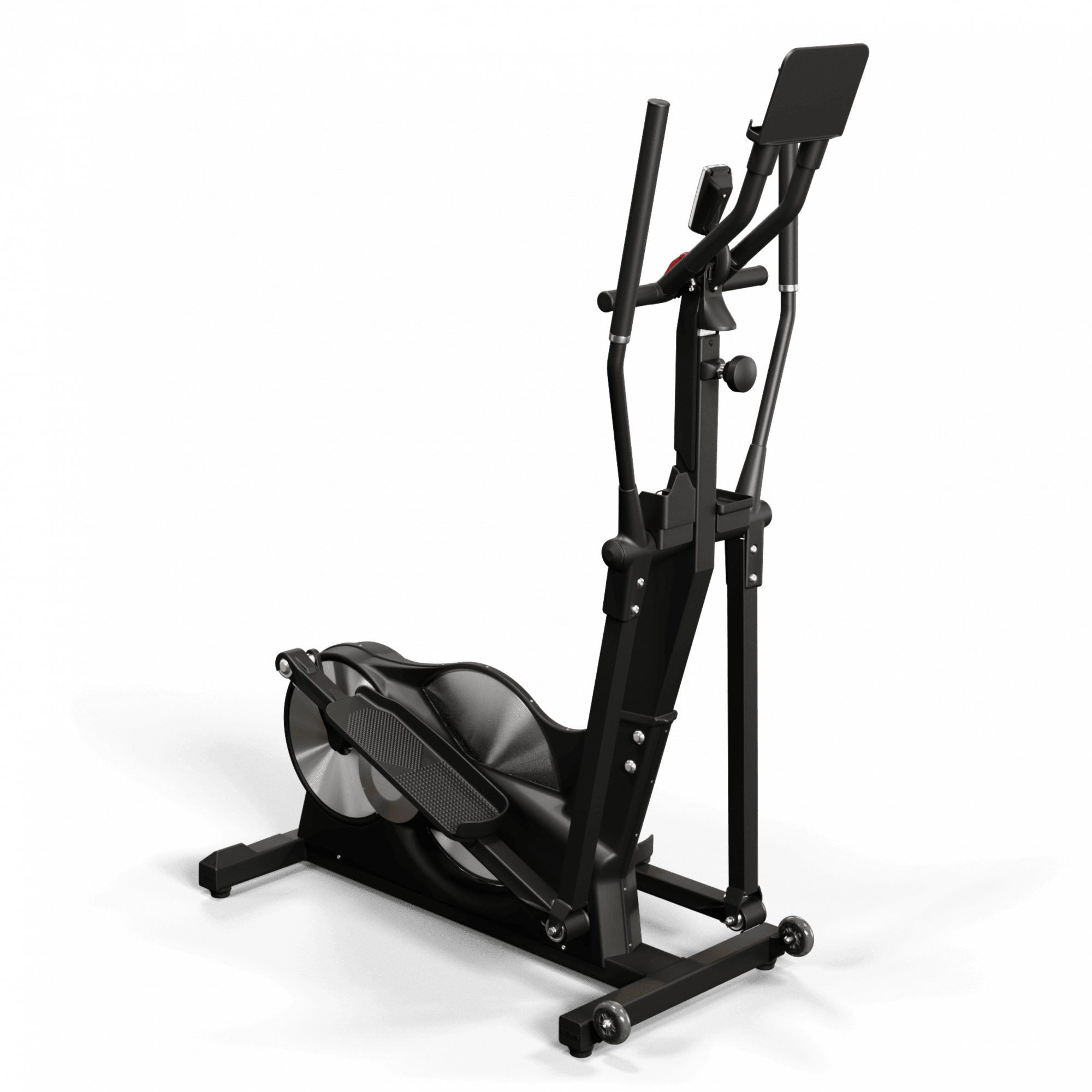


Landice E7 ACHIEVE Elliptical Trainer
Front-Drive vs Rear-Drive Ellipticals Explained
Elliptical machines are designed to provide smooth, low-impact cardio, but not all ellipticals feel the same. One of the most important design differences is whether the flywheel is positioned at the front or the rear of the machine. Front-drive and rear-drive ellipticals offer distinct stride mechanics, space requirements, and overall workout experiences.
Understanding these differences helps you choose an elliptical that aligns with your fitness goals, space constraints, and comfort preferences.
Front-Drive Ellipticals: Compact and Running-Style Motion
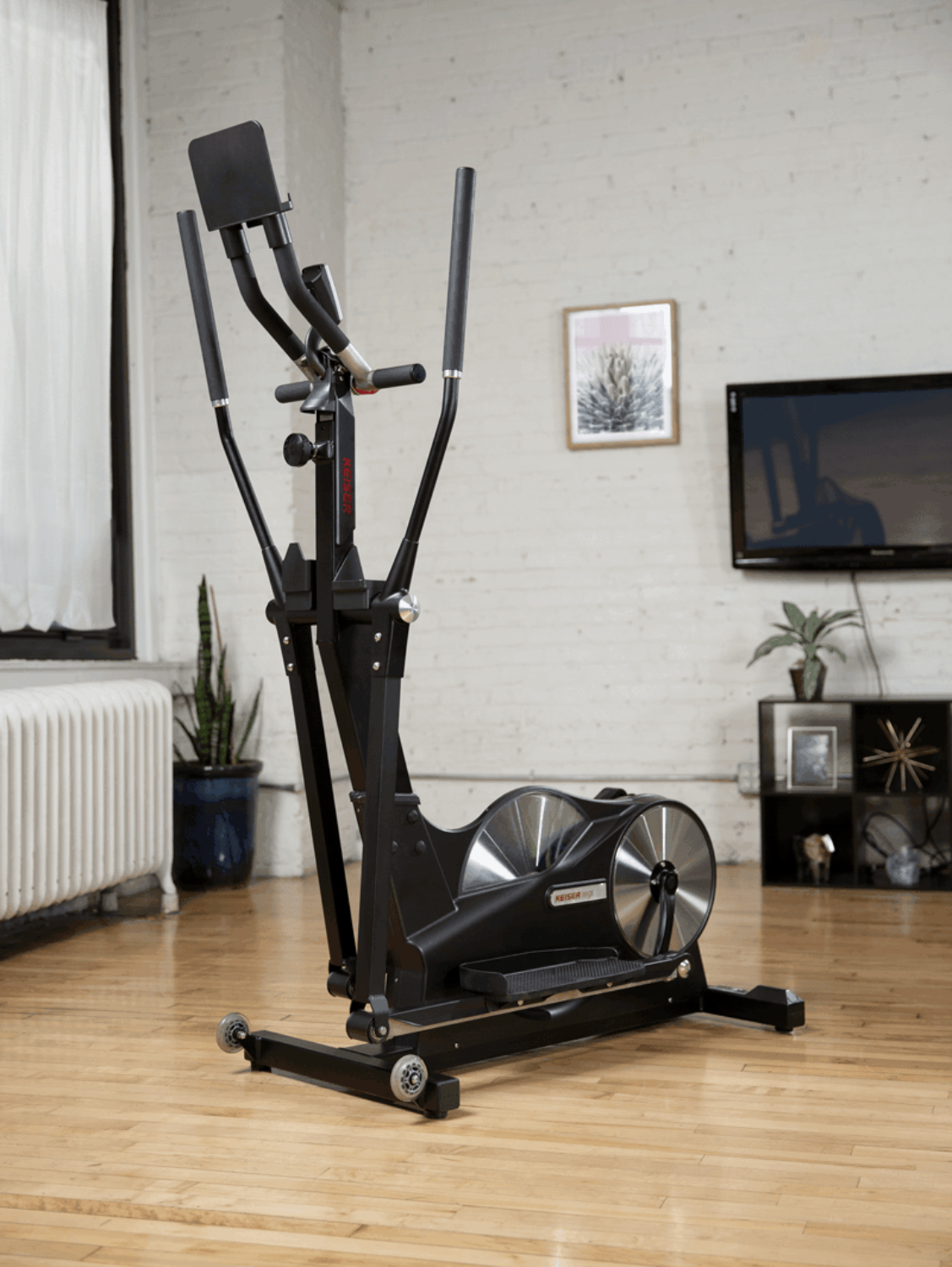
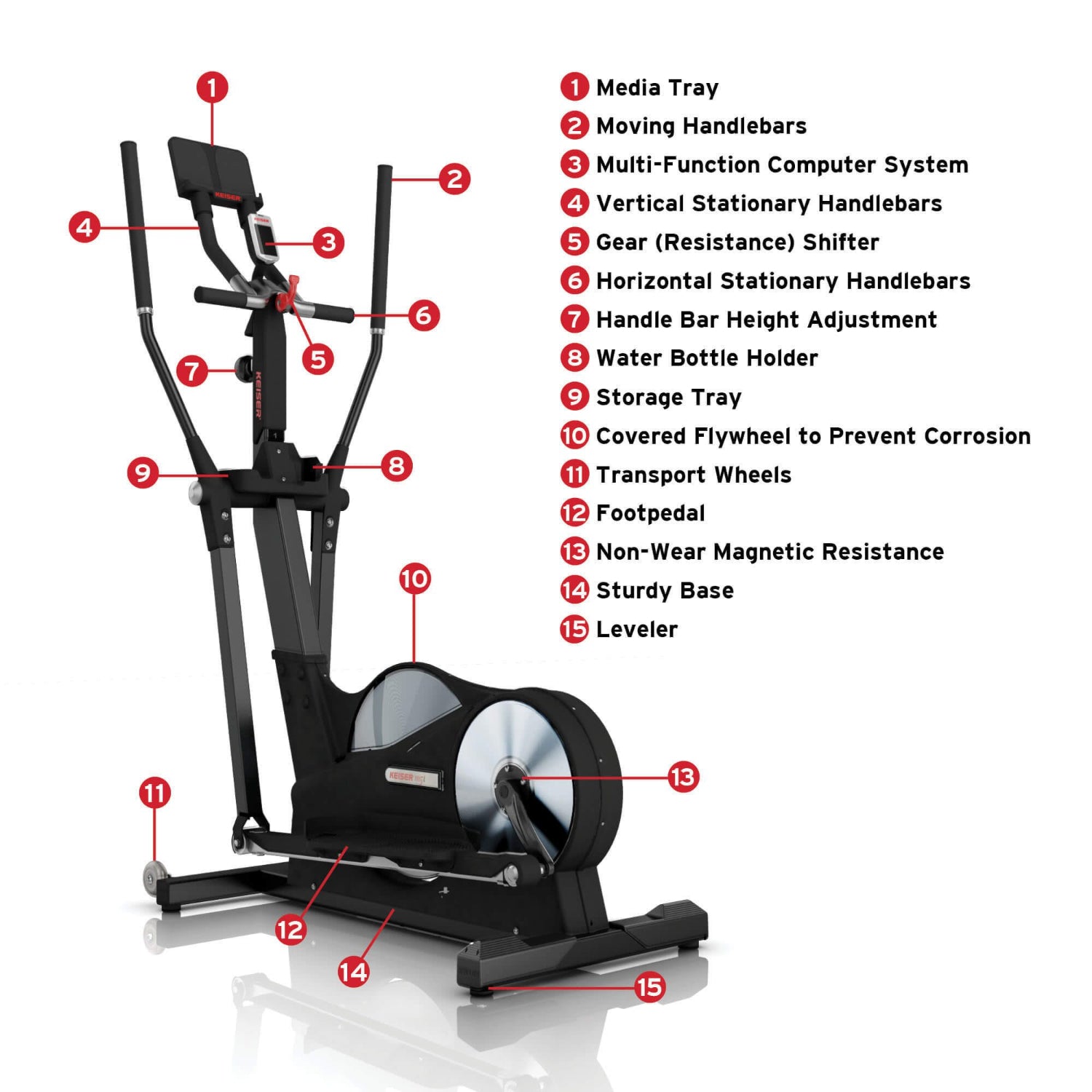
Front-drive ellipticals place the flywheel at the front of the machine, often resulting in a flatter, more forward-driven stride. This motion tends to feel closer to walking or running, which appeals to users who want a familiar gait pattern.
Because of their design, front-drive ellipticals are typically more compact than rear-drive models. This makes them a strong choice for home gyms, apartments, and spaces where floor length is limited. Many front-drive ellipticals also feature adjustable incline or ramp systems, allowing users to change muscle emphasis without increasing impact.
Rear-Drive Ellipticals: Longer Stride and Gym-Style Feel
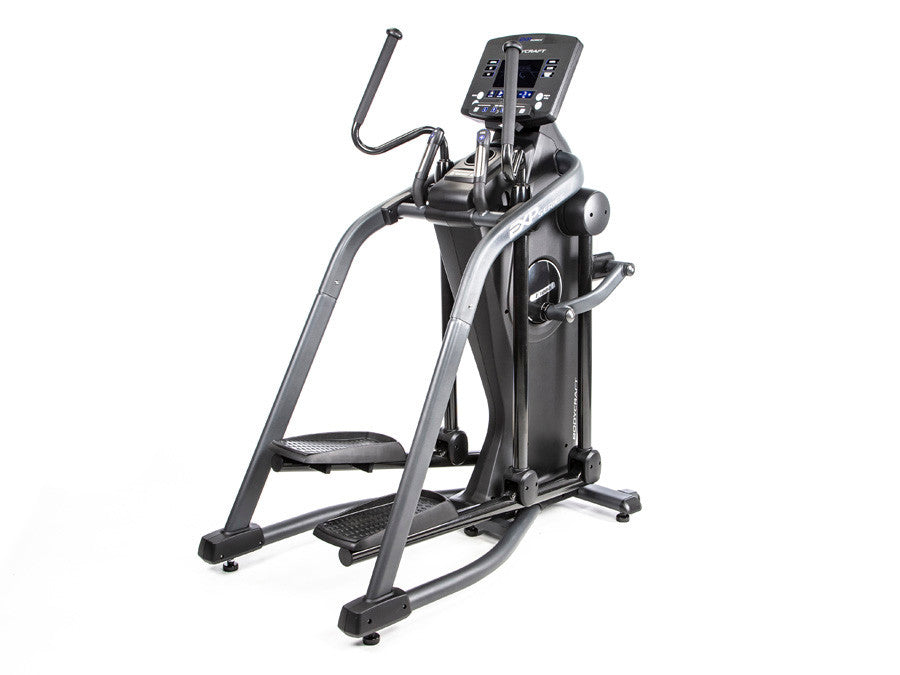
Rear-drive ellipticals position the flywheel behind the user, creating a longer, more elliptical stride path. This design often feels smoother and more fluid, closely resembling the motion found on many commercial gym ellipticals.
Rear-drive models are commonly chosen by users who prioritize stride length, stability, and a health-club-style workout experience. While they typically require more floor space, they often deliver a more natural, flowing motion that is well suited for longer workouts and consistent cardio training.
Choosing the Right Drive Type for Your Space and Goals
Both front-drive and rear-drive ellipticals provide effective, low-impact cardio. The best choice depends on available space, desired stride feel, and how the machine will be used. Shoppers with limited space often lean toward front-drive designs, while those seeking a premium, gym-like experience frequently prefer rear-drive models.
This collection highlights front-drive and rear-drive ellipticals that showcase the strengths of each design, helping users compare options and find the right fit.

How Drive Design Affects Elliptical Performance
Elliptical drive design plays a major role in how the machine feels during use. While all ellipticals aim to reduce joint impact, the placement of the flywheel influences stride length, posture, and overall comfort. Understanding these mechanics helps buyers make a more informed decision.
Stride Path and Biomechanics
Front-drive ellipticals typically guide the feet through a flatter motion that mimics walking or running. This can feel intuitive for users transitioning from treadmills or outdoor running. Rear-drive ellipticals, on the other hand, guide the feet through a longer oval path, which many users describe as smoother and more fluid.
Neither design is inherently better, but the difference in motion can significantly affect comfort and preference over longer workouts.
Space Requirements and Footprint
Space is often a deciding factor when choosing between front-drive and rear-drive ellipticals. Front-drive models are generally shorter in length and easier to fit into smaller rooms or shared spaces. Rear-drive ellipticals usually require more clearance but offer increased stability and stride length.
For home users working within limited square footage, front-drive ellipticals often provide a better balance of performance and space efficiency.
Stability and Workout Feel
Rear-drive ellipticals are known for their stable, planted feel. The longer base and rear flywheel placement help reduce movement during intense workouts, which appeals to users focused on longer sessions or higher resistance levels.
Front-drive ellipticals may feel slightly more upright and compact, which some users prefer for shorter workouts or mixed-use training routines.
Adjustability and Training Variety
Many front-drive ellipticals include adjustable incline or ramp features that allow users to change stride angle and target different muscle groups. Rear-drive ellipticals may offer fixed or adjustable stride lengths, depending on the model, supporting a range of user heights and workout intensities.
Training goals, rather than drive type alone, should guide which features matter most.
Who Each Design Is Best For
Front-drive ellipticals are often chosen by users who want a compact machine with a running-style feel. They are popular in home gyms, apartments, and multipurpose rooms.
Rear-drive ellipticals are frequently preferred by users seeking a commercial-style experience with longer stride length and enhanced stability. They are well suited for dedicated fitness spaces and users who prioritize smooth, continuous motion.
FAQs
What is the main difference between front-drive and rear-drive ellipticals?
Are rear-drive ellipticals better than front-drive models?