


Staying consistent with fitness rarely comes down to motivation alone. More often, it depends on whether your workout routine still fits your life as the year unfolds.
Weather changes, schedules shift, and energy levels rise and fall. A plan that feels perfect in winter can feel restrictive by summer. That’s why a seasonal workout plan is such an effective approach to long-term, year-round fitness. Instead of forcing the same routine all year, seasonal training adapts to your environment, lifestyle, and goals, helping you stay consistent without burning out.
At The Fitness Outlet, we see this approach work especially well for people training at home, where flexibility and practicality matter just as much as performance.
What a Seasonal Workout Plan Really Is
A seasonal workout plan is a flexible form of workout periodization that allows your training to evolve throughout the year instead of staying locked into one structure. Rather than pushing maximum intensity at all times, you give your body and mind space to shift focus as your needs change.
Over time, this approach naturally supports:
better consistency across the year
reduced mental and physical fatigue
fewer overuse injuries from repetitive training
a more balanced blend of strength, cardio, and recovery
Instead of viewing changes in routine as setbacks, seasonal training treats them as a smart and intentional part of progress.

Winter: Indoor Focus and Foundational Strength
Winter is often the most challenging season to stay active. Shorter days, colder weather, and packed holiday schedules can make long or complex workouts feel overwhelming. During this time of year, simplicity becomes one of the most powerful tools for consistency.
Winter training works best when it emphasizes foundational strength, controlled movement, and low-impact cardio that can be done indoors. Workouts don’t need to be long or intense — what matters most is maintaining a steady rhythm that carries you through the season.
Many people rely on indoor equipment during winter to remove weather-related barriers, including:
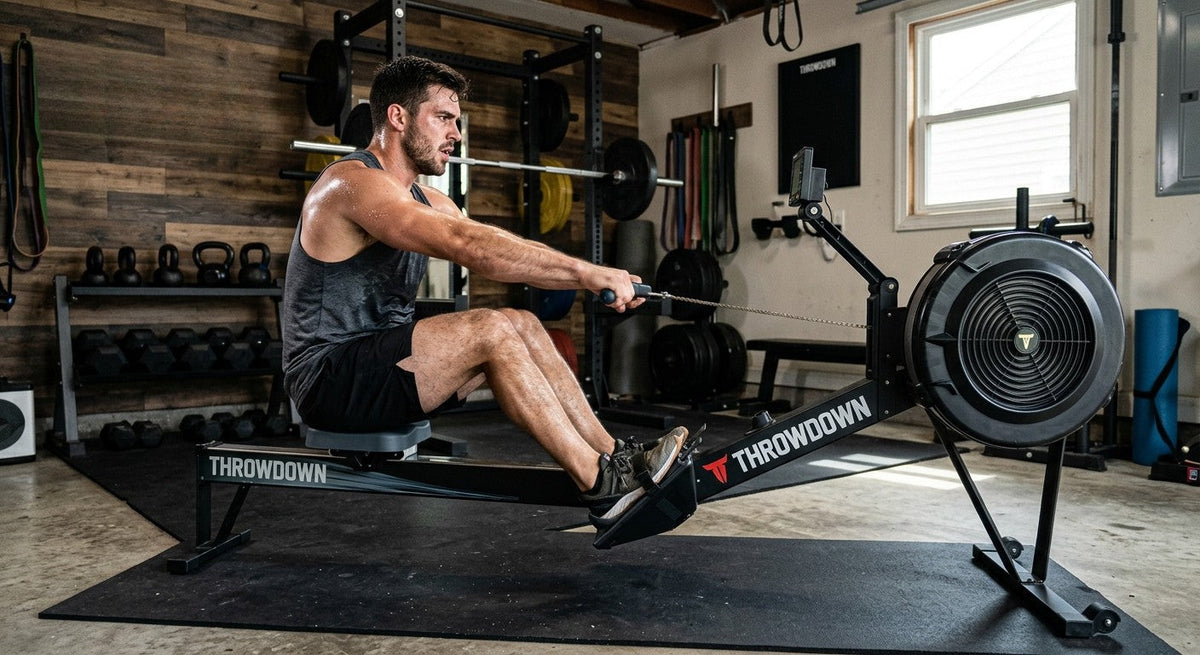
treadmills, ellipticals, or rowing machines for joint-friendly cardio
strength machines or adjustable dumbbells for focused resistance training
With the right setup, winter becomes a productive building phase rather than a pause in progress.
Spring: Momentum, Balance, and Variety
Spring often brings a noticeable shift in energy. As the days get longer and routines feel lighter, many people find it easier to stay motivated and consistent with their workouts. This season is less about starting over and more about expanding on the foundation built during winter.
Training in spring tends to balance resistance training with cardiovascular conditioning. Workouts may become slightly longer and more dynamic, with a greater emphasis on movement variety and overall athleticism.
Equipment that supports this transition particularly well includes:
functional trainers or cable systems for versatile, multi-plane movement
indoor cycles or spin bikes for steady-state and interval cardio
adjustable free weights and mobility tools that allow progression and recovery
Spring is a season of rebuilding momentum and enjoying the process again.
Summer: Efficient Training That Fits Real Life
Summer schedules are rarely predictable. Travel, family events, and outdoor activities often take priority, which means rigid workout plans can quickly become frustrating. During this season, flexibility matters more than structure.
Instead of chasing long gym sessions, summer training works best when it’s efficient and adaptable. Short, full-body workouts and cardio-focused sessions help maintain fitness while leaving room for an active lifestyle outside the gym.
Many people gravitate toward simple, space-efficient tools during summer, such as:
compact or folding cardio machines that fit smaller spaces
adjustable dumbbells or kettlebells for quick strength sessions
bodyweight or suspension training tools that travel well
The goal during summer isn’t to push harder — it’s to stay consistent without feeling restricted.
Fall: Structure, Strength, and Long-Term Focus
Fall is a natural reset point. As routines stabilize and temperatures cool, many people feel ready to recommit to structured training. This season offers an opportunity to refocus on strength, technique, and long-term goals without the distractions of summer.
Workouts during fall often emphasize progressive resistance training, supported by mobility work and intentional recovery. It’s also a common time to reassess your home gym setup and invest in equipment that supports the months ahead.
Fall-friendly equipment often includes:
power racks or all-in-one gym systems for progressive strength training
selectorized strength machines for controlled, repeatable movements
heavier dumbbells or barbell setups that support long-term progression
This phase sets the foundation for winter and beyond.
How to Build Your Own Seasonal Workout Plan
Creating a seasonal workout plan doesn’t require constant program changes or strict rules. The key is learning to adjust your training focus while keeping movement consistent.
A practical approach is to:
adapt workout length to match your schedule
rotate emphasis rather than eliminating movements entirely
use your equipment to support your current goals
allow flexibility when life inevitably changes
This mindset keeps fitness sustainable instead of stressful.
Training for the Long Run
The most effective workout plan isn’t the most intense one — it’s the one you can maintain throughout the year.
By embracing a seasonal workout plan, you give yourself permission to adapt without guilt. Over time, that flexibility leads to better results, fewer setbacks, and a healthier relationship with fitness.
At The Fitness Outlet, we believe your home gym should support every season of training — not just the first few weeks of the year.


Share:
How to Choose the Right Home Cardio Equipment for Your January Goals
Walking HIIT on a Treadmill: Burn Calories Without Running