

Wellness & Buying Guidance | The Fitness Outlet
As the year comes to a close, many people begin thinking about what they want to do differently in January. Fitness goals often sit at the top of that list, but choosing the right home cardio equipment can feel overwhelming when motivation is high and options are endless.
The truth is, the “best” piece of cardio equipment is not the most advanced or the most expensive. It is the one that fits your goals, your space, and your daily routine in a way that makes consistency easier.
This guide is designed to help you choose home cardio equipment based on how you realistically plan to train in January, not how you imagine training on your most motivated day.
Start With Your Real January Goal
Before comparing equipment types or features, it helps to be honest about what you want out of cardio training this winter.
Some people want to rebuild the habit of daily movement. Others are focused on fat loss or improving endurance. Some are returning to exercise and need low-impact options, while others are ready for structured training and progression.
Your goal should guide your equipment choice, not the other way around.

If Your Goal Is Consistency and Daily Movement
For many people, January success comes down to showing up more often, not training harder. Equipment that is simple, accessible, and easy to store tends to support this goal best.
Walking-focused cardio options are especially effective here. Walking pads, under-desk treadmills, and compact treadmills make it easier to move throughout the day without committing to long workouts or dedicating an entire room to fitness.
Low-profile walking pads from brands like WalkingPad are designed with apartments and multi-use spaces in mind. They offer quiet operation, minimal setup, and easy storage, which helps remove barriers to daily movement and makes consistency more realistic.
If Your Goal Is Fat Loss and Structured Cardio
If fat loss is a priority, structure matters more than intensity. Equipment that allows you to control pace, duration, and workout format makes it easier to follow a plan and stay consistent over time.
Folding treadmills are a popular choice for this goal, offering the flexibility to walk, jog, or run while still fitting into smaller homes. Indoor cycling equipment is another effective option, providing low-impact cardio that works well for both interval training and steady-state sessions.
Folding treadmills from brands like Spirit Fitness and Life Fitness are designed to balance performance with space efficiency, making them a practical option for structured January training without overwhelming your home.
If Your Goal Is Low-Impact Training or Joint Comfort
For users prioritizing joint health, comfort and smooth motion should come first.
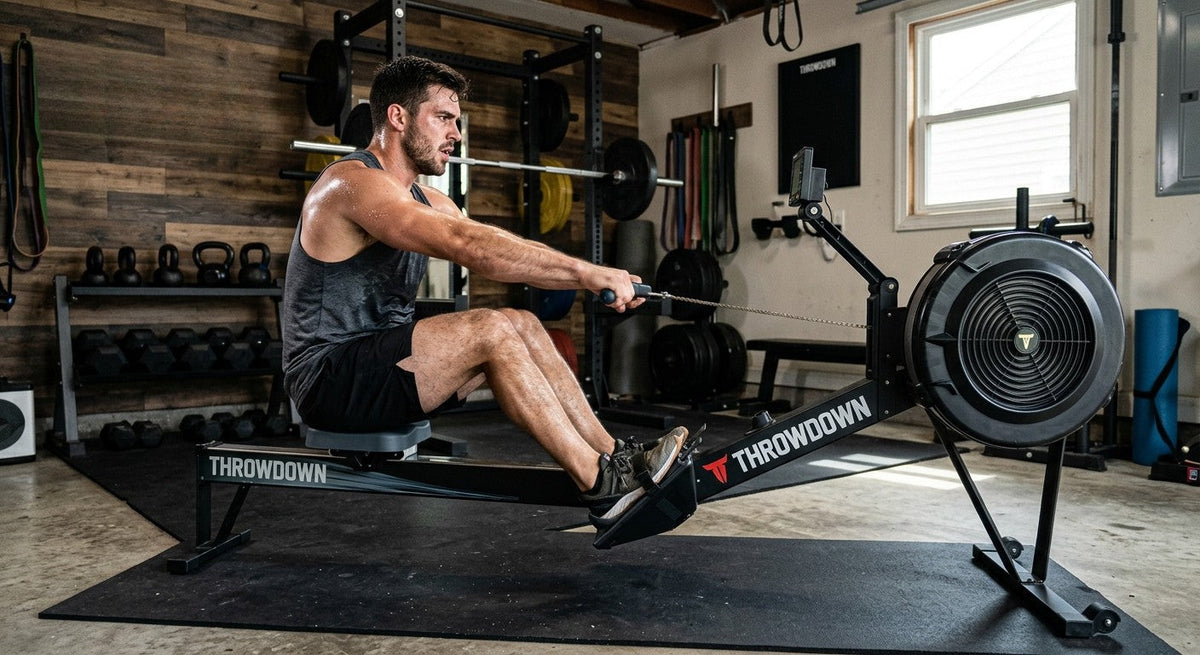
Low-impact cardio equipment such as stationary bikes, rowers, and ellipticals helps reduce stress on the knees, hips, and ankles. Walking-focused equipment with good shock absorption can also be an effective way to maintain activity without discomfort.
Rowers and bikes offer controlled movement and full-body engagement with minimal joint strain, making them especially appealing for those returning to exercise or managing joint sensitivity.
If Your Goal Is Performance and Progression
Some people enter January ready for more structured, performance-driven training. In these cases, durability, stability, and build quality matter more than compactness alone.
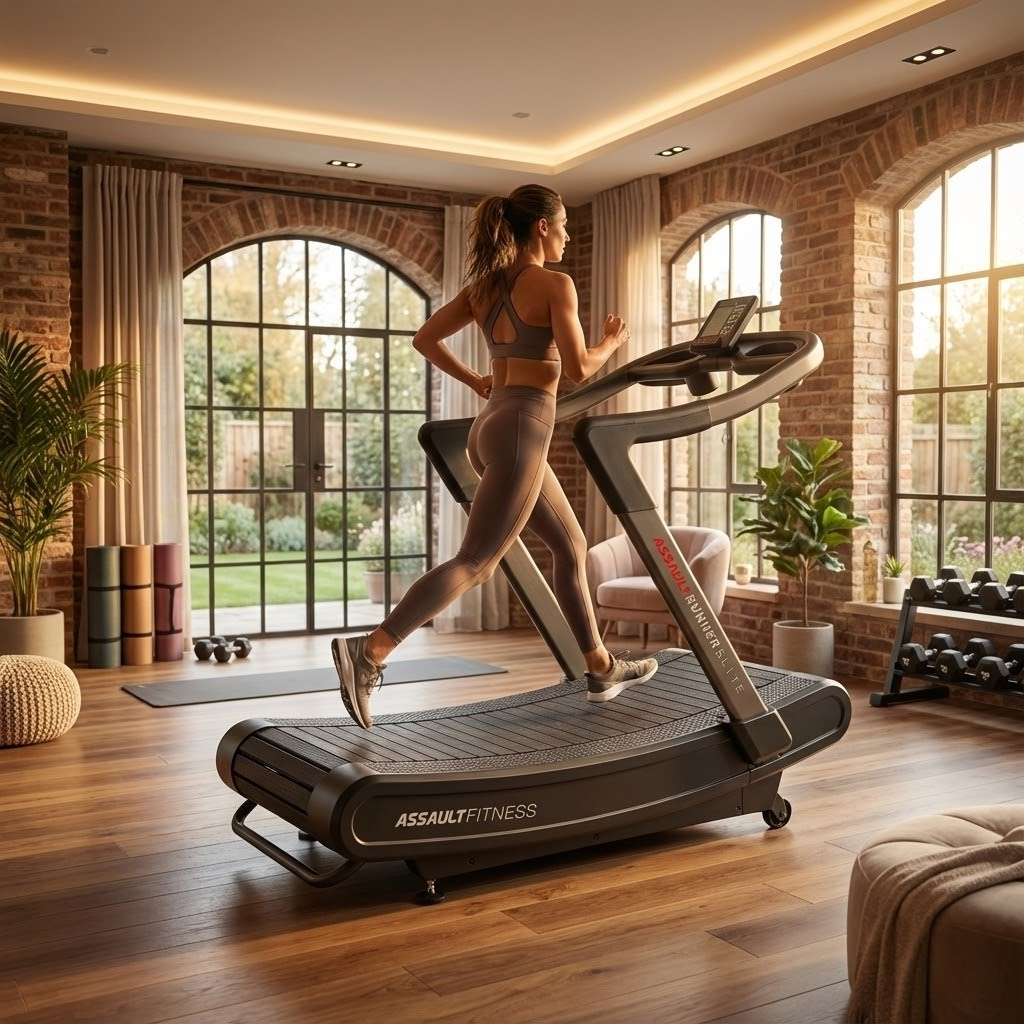
Higher-performance treadmills and commercial-inspired home cardio equipment are designed to handle frequent use, longer sessions, and higher training demands. Many modern designs now offer folding or space-conscious frames, making it possible to train seriously without dedicating an entire room to equipment.
Premium brands like Life Fitness are known for building cardio equipment that supports long-term progression while still integrating well into refined home environments.
Match the Equipment to Your Space, Not Just Your Goal
One of the most common January mistakes is choosing equipment without fully considering how it fits into your home.
Apartments and small homes require thoughtful planning. Noise, vibration, footprint, and storage all play an important role in long-term success. Equipment that folds, stores easily, or integrates smoothly into daily life is far more likely to be used consistently.
Before buying, consider where the equipment will live, how often it will be moved, and whether it shares space with everyday activities.
Avoid the All-or-Nothing Equipment Trap
January motivation can push people toward buying equipment that is more complex than necessary. Advanced features and large displays may look appealing, but they are not required for results.
In many cases, simpler equipment leads to better consistency. The most effective cardio routine is the one you can repeat week after week without friction.
Progress comes from showing up regularly, not from having the most features.
Think Beyond January
While January is a natural starting point, the best equipment decisions consider the months ahead.
Ask yourself whether the equipment will still fit your routine in the spring, whether intensity can be adjusted over time, and whether it supports recovery as well as effort.
Choosing equipment that adapts to changing needs helps build habits that last longer than a single season.
Choosing the right home cardio equipment does not need to be complicated. The right choice is the one that aligns with your goals, your space, and how you realistically plan to move.
At The Fitness Outlet, we believe fitness equipment should work in real homes and real lives. Whether your January focus is daily movement, structured training, low-impact cardio, or long-term performance, choosing the right category of equipment can make consistency easier and progress more sustainable.
The new year is not about doing everything at once. It is about choosing tools that support progress, one session at a time.


Share:
Best Folding Treadmills for Apartments & Small Homes
Creating a Seasonal Workout Plan for Year-Round Results (Without Burning Out)