


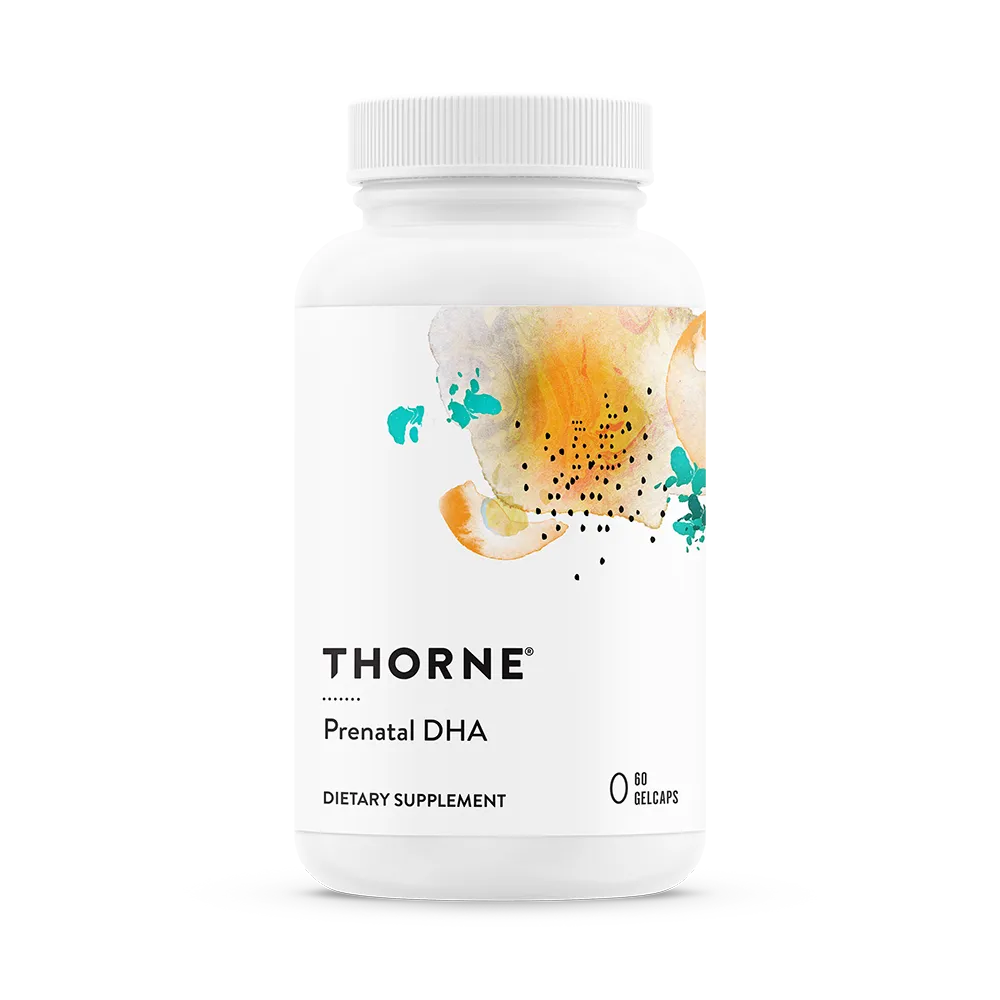
Prenatal DHA
Sku: SP606P
Pairs well with
If you have any questions, you are always welcome to contact us. We'll get back to you as soon as possible, within 24 hours on weekdays.
-
Customer Support
Have a question about this product? Not sure which equipment is right for you? Our fitness experts are just a call or click away.
📞 Call us at: 866-883-4863
📧 Email us at: sales@thefitnessoutlet.comWe’re happy to assist with product details, delivery options, custom quotes, or anything else you need. Let us help you find the perfect fit for your fitness goals!
Description
DHA is an omega-3 fatty acid that is essential for the development of a healthy brain, as well as nerves and eyes. DHA is especially important for healthy fetal and infant development, accumulating in a baby’s developing brain primarily during the third trimester of pregnancy through the first two years of life. DHA supports a healthy pregnancy as well.* Although the body can make some DHA, its conversion rate is low, so most DHA needs to be consumed in the diet. The primary dietary sources of DHA – fatty, cold-water fish – aren’t heavily consumed in a western diet, so an omega-3 nutritional supplement can help a mother reach an optimal DHA level.
Benefits of Thorne’s Prenatal DHA
- Provides nutritional support for a healthy pregnancy*
- Supports memory and mood – before, during, and after pregnancy*
- Promotes normal fetal brain and nervous system development*
- Supports metabolism by helping to maintain a healthy insulin response*
- Promotes DHA levels in breast milk to support baby’s growth and development*
- Supports immune function*
- Helps maintain a healthy inflammatory response*
- Promotes healthy heart function*
Features of Thorne’s Prenatal DHA
- Provides 650 mg of DHA and 200 mg of EPA per serving
- Rosemary, mint, and mixed tocopherols help reduce fish burps and are gentle on the stomach for mothers who experience pregnancy-related nausea*
- The easy-to-take gelcaps are smaller than most omega-3 supplements
- Tested for more than 250 environmental contaminants, including heavy metals, pesticides, dioxins, and PCBs
DHA by the numbers
- Approximately 60 percent of a healthy brain is comprised of fat.
- DHA accounts for more than 90 percent of the fatty acids in the brain.
- DHA accounts for more than 90 percent of the fatty acids in the retina.
- Two lobes of the brain – frontal and prefrontal – rely heavily on DHA and are responsible for the ability to learn, problem solve, focus attention, and maintaining a positive mood.*
- Average daily U.S. adult intake of DHA and EPA is only 90 mg; and only 40 mg in children and teenagers.
- Most researchers recommend a minimum of 500 mg DHA + EPA daily.
- This product has been third-party tested and certified to verify what's in the package matches what's on the label and to confirm it contains no unsafe levels of contaminants, such as heavy metals, pesticides, and microorganisms.
Suggested Use:
Take 2 gelcaps daily or as recommended by your health-care practitioner.
Warnings:
ALLERGY WARNING
This product is contraindicated in an individual with a history of hypersensitivity to any of its ingredients.
The omega-3 fatty acids in Prenatal DHA are derived from fish and/or shellfish.
PREGNANCY
If pregnant, consult your health-care practitioner before using this product.
INTERACTIONS
There are no known adverse interactions or contraindications at publication date.
