


Spirit Fitness XT685 Treadmill


Spirit Fitness XT485 Folding Treadmill


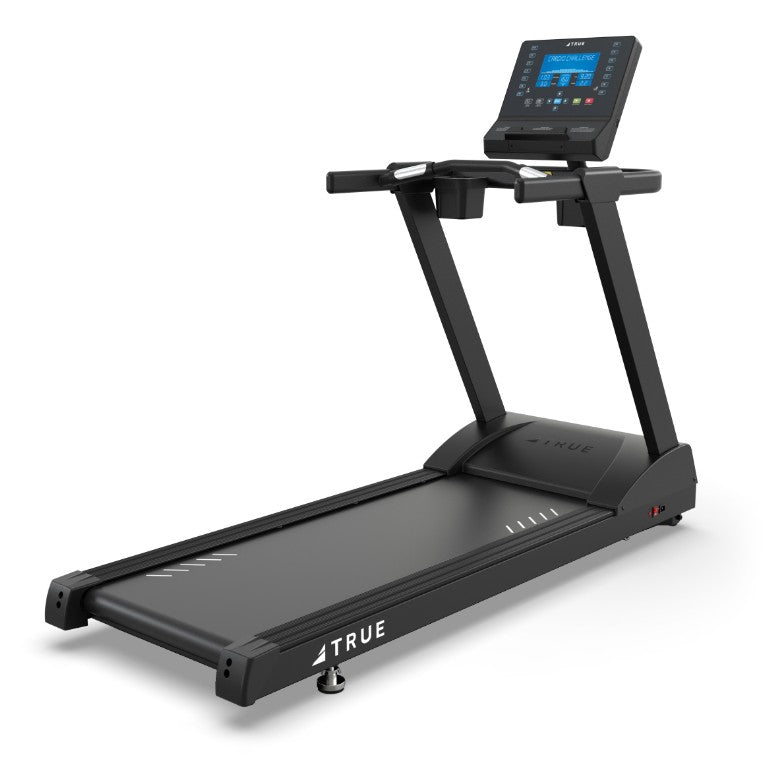
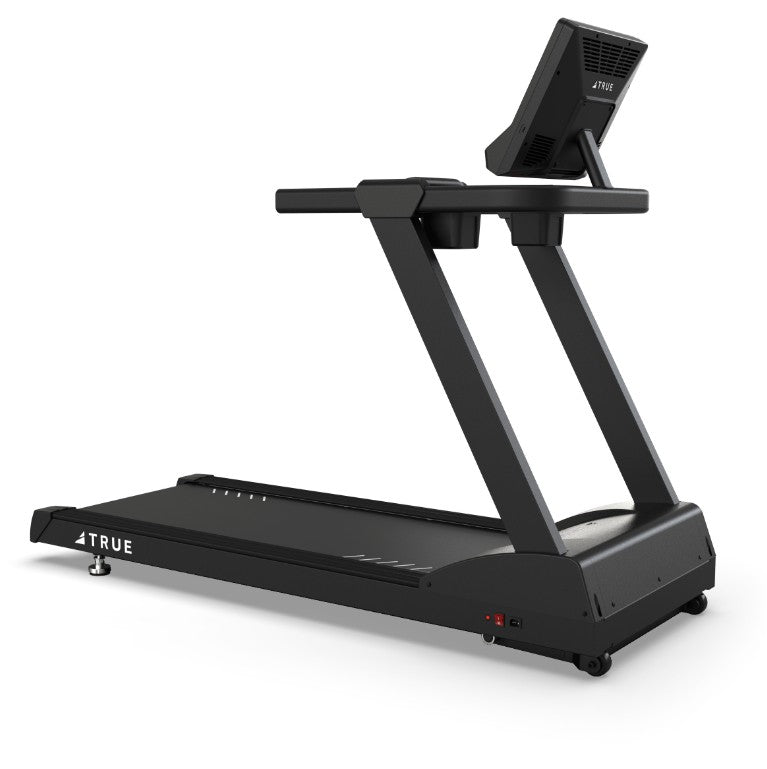
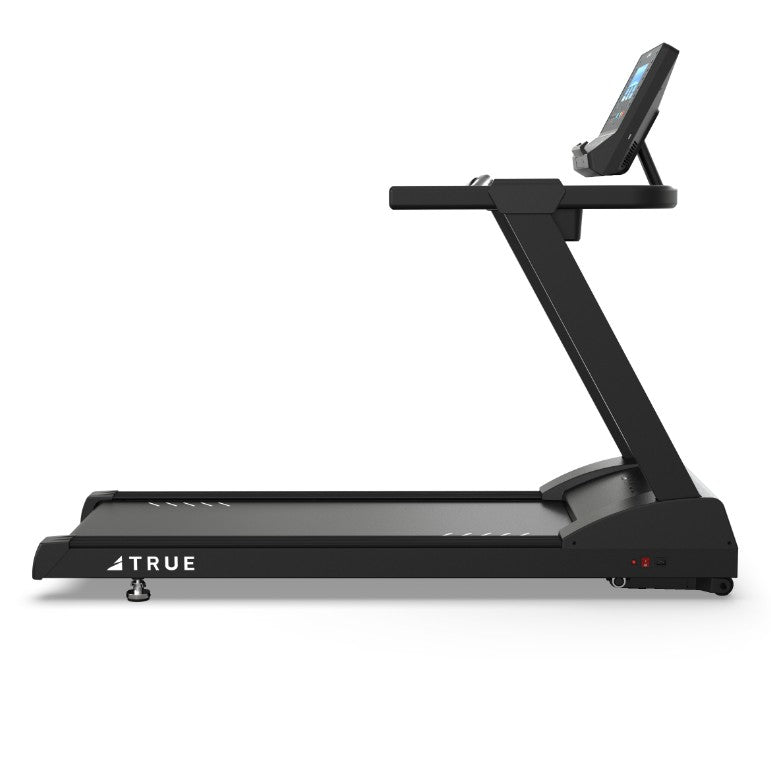
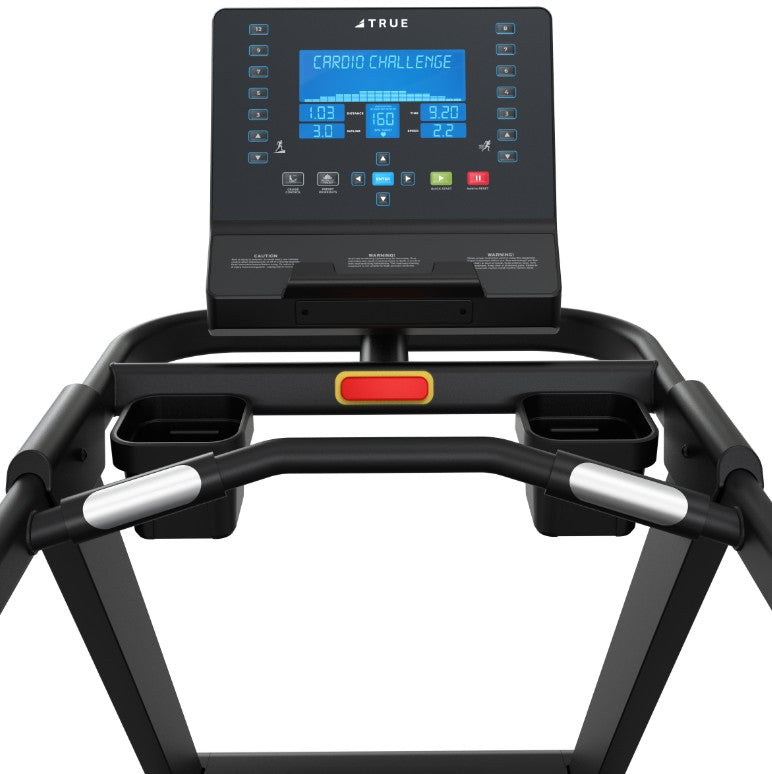


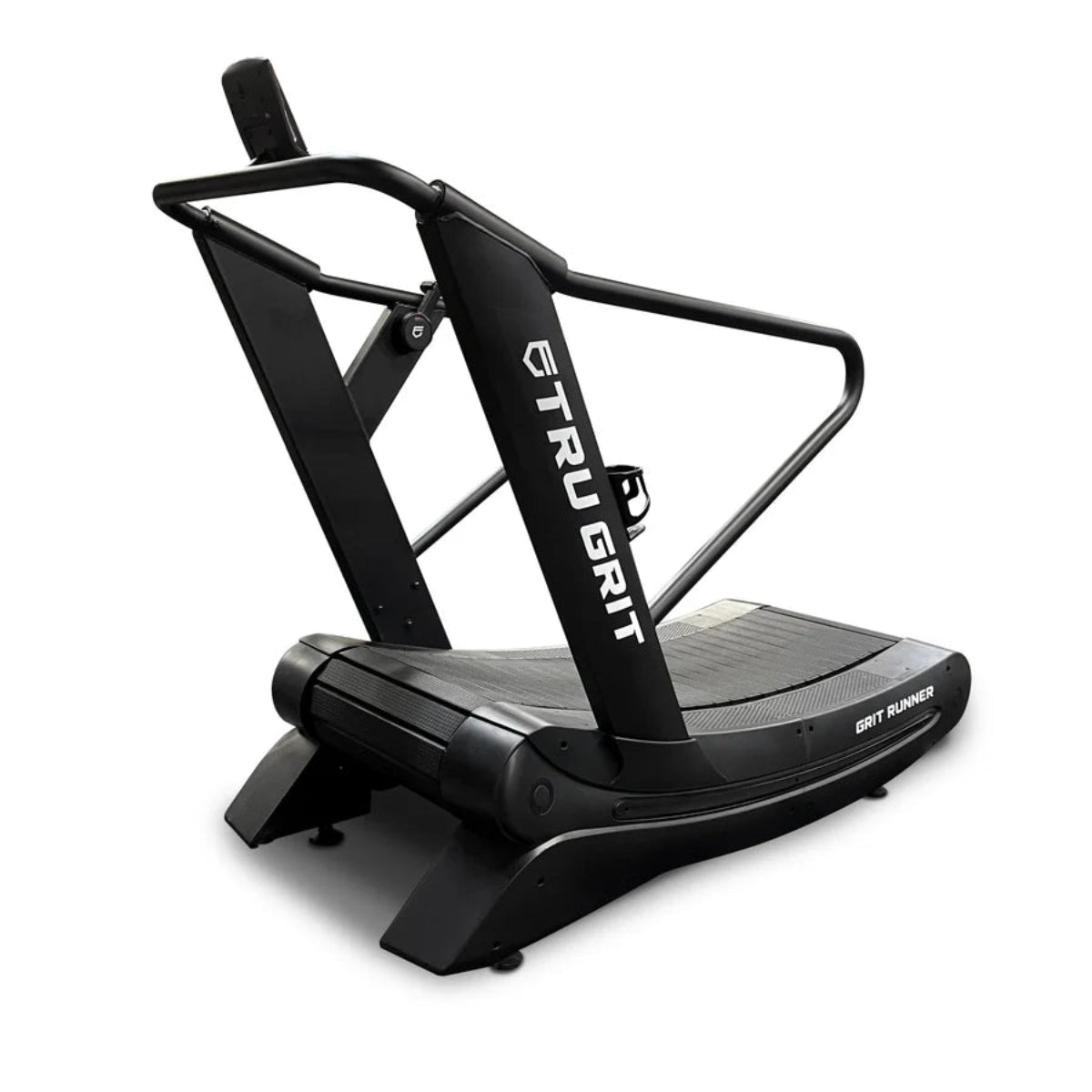
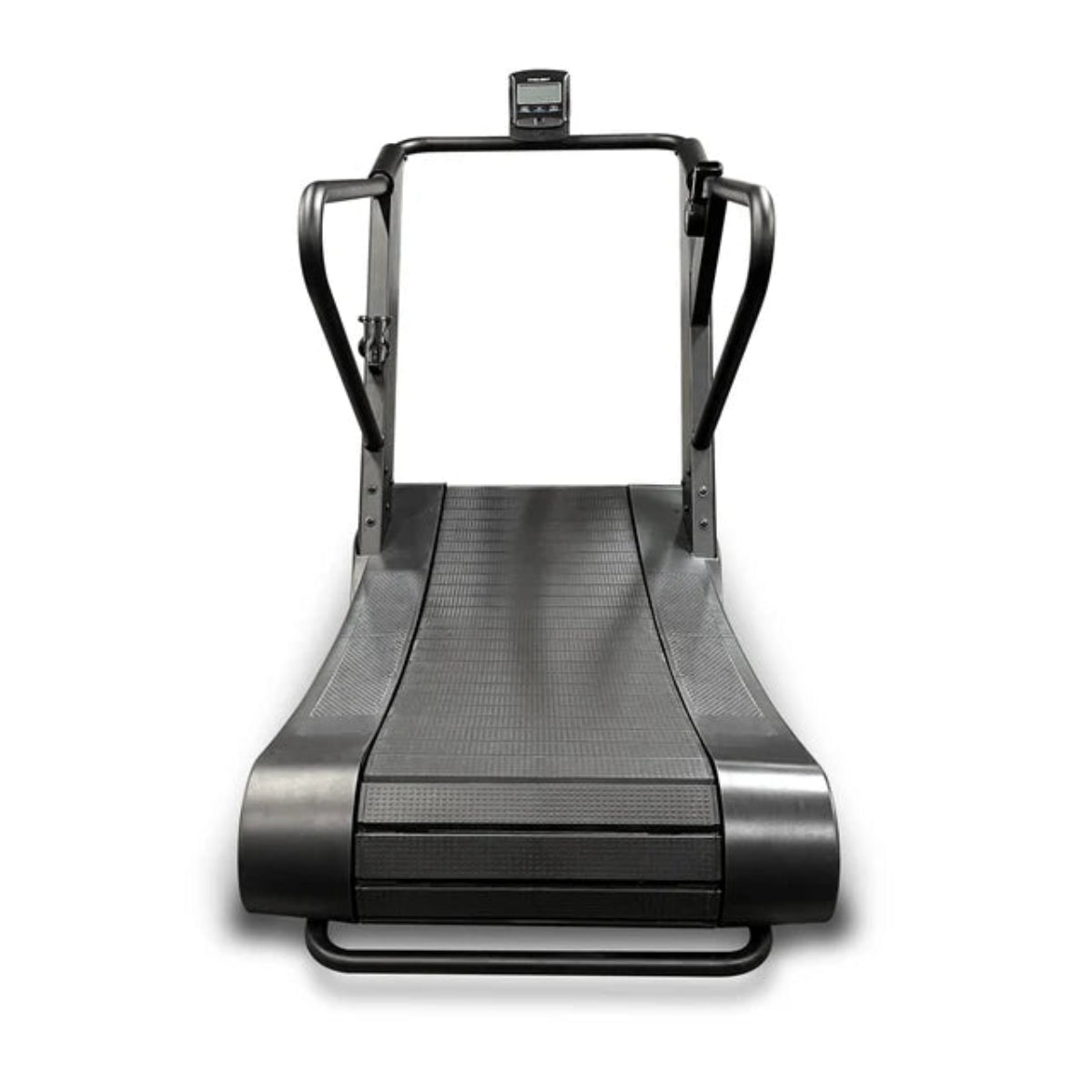
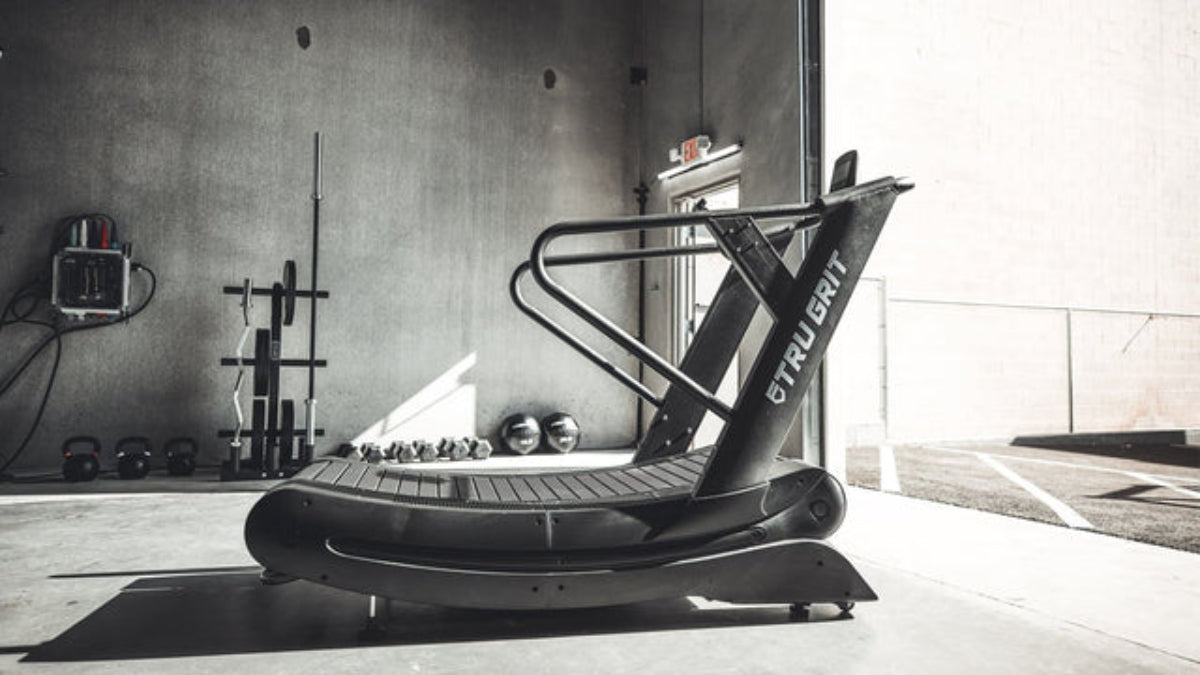
Tru Grit Fitness - Grit Runner Curved Manual Treadmill
Who High Weight Capacity Treadmills Are Best For
These treadmills are well suited for heavier users, taller individuals, and anyone who values a more solid, grounded feel underfoot. They are also commonly chosen for multi-user households and light commercial environments where equipment must withstand frequent use. Users focused on walking programs, steady-state cardio, or gradual progression into higher-intensity workouts benefit from the stability and confidence these machines provide.
Key Benefits of Reinforced Treadmill Design
The primary benefit of higher weight capacity treadmills is enhanced stability. Heavy-duty frames, reinforced decks, and wider running surfaces reduce flex and vibration during use, creating a smoother and more secure workout experience. Powerful motors designed for continuous duty help maintain consistent belt speed under load, preventing strain on internal components and improving longevity.
Advanced cushioning systems play a key role in comfort and joint protection. These decks are built to absorb impact more evenly, reducing stress on knees, hips, and lower back while supporting heavier footfalls. Improved belt tracking and roller systems further contribute to smooth, quiet operation and reduced maintenance.
Common Use Cases and Training Environments
Treadmills in this category are commonly used for structured walking programs, incline training, rehabilitation-focused cardio, and long-duration workouts. In home gyms, they offer peace of mind for users who want equipment designed for their needs rather than pushing lighter-duty machines beyond intended limits. In commercial and wellness settings, higher weight capacity treadmills accommodate a broader user base without compromising performance.
Design Features and Variations
High weight capacity treadmills vary by frame thickness, motor horsepower, deck size, and cushioning technology. Some models emphasize wider belts and longer decks for taller users, while others focus on compact footprints paired with reinforced internals. Incline capabilities, console sophistication, and handrail design may also vary depending on intended use and environment.
Why Choose The Fitness Outlet
Shoppers choose The Fitness Outlet for Treadmills Built for Higher Weight Capacity because of our commitment to premium, user-focused fitness equipment. We curate treadmills designed for strength, stability, and long-term performance, helping customers select machines that deliver safe, comfortable cardio training with confidence at home or in professional settings.
Treadmills Built for Higher Weight Capacity: Stability, Durability, and Confidence Underfoot
Treadmills designed for higher weight capacity play a critical role in making cardio training safer, more comfortable, and more sustainable for a wider range of users. These machines are engineered with reinforced frames, powerful motors, and impact-absorbing decks that maintain performance and stability under heavier loads. For users who exceed standard treadmill limits—or simply want equipment that feels solid and secure—high-capacity treadmills offer peace of mind and long-term reliability.

High-capacity treadmills are built with reinforced frames and decks for enhanced stability and comfort.
Why Weight Capacity Matters in a Treadmill
Weight capacity is more than a number on a spec sheet. It directly affects safety, performance, and longevity.
Structural Integrity and Safety
Treadmills with higher weight ratings use stronger frames, thicker decks, and reinforced welds. This reduces flexing during use and helps the machine remain stable at walking, jogging, or running speeds. For users near or above standard limits, a higher-rated treadmill significantly lowers the risk of excessive vibration or mechanical strain.
Smoother, More Confident Workouts
Even users below the maximum rating often prefer high-capacity treadmills because they feel more solid underfoot. Less deck flex and better shock absorption translate into smoother strides and improved confidence—especially during longer sessions.
What Qualifies as a High-Weight-Capacity Treadmill?
Most standard home treadmills are rated for approximately 250–300 pounds. High-capacity treadmills typically start above this range and are built to handle sustained use under greater loads.
Reinforced Frame Construction
Heavy-duty treadmills often use thicker steel tubing and wider frames to distribute weight evenly. This construction reduces lateral movement and improves overall durability, particularly important for users who value stability.
Deck Thickness and Cushioning Systems
A thicker running deck paired with advanced cushioning systems helps absorb impact forces more effectively. This not only protects joints but also minimizes stress on the treadmill’s internal components, extending its usable lifespan.

Thicker decks and advanced cushioning help support higher user weights and reduce impact.
Motor Power and Performance Under Load
Motor strength is a key differentiator in treadmills built for higher weight capacity.
Continuous-Duty Motor Ratings
High-capacity treadmills typically feature continuous-duty motors designed to operate efficiently under load without overheating. These motors maintain consistent belt speed during workouts, even as resistance increases.
Walking, Jogging, and Running Considerations
Heavier users often begin with walking-based workouts, making low-speed motor smoothness especially important. A strong motor ensures quiet, controlled operation at walking speeds while still supporting progression to jogging or running when appropriate.
Belt Size, Deck Width, and User Comfort
Comfort and confidence are closely tied to running surface dimensions.
Wider Running Belts
High-weight-capacity treadmills often feature wider belts to provide additional side-to-side stability. This extra space helps users feel more secure and reduces the risk of missteps.
Longer Deck Lengths
Adequate deck length supports natural stride mechanics, particularly for taller users. Combined with strong frame support, longer decks contribute to a more comfortable and biomechanically sound workout.

Wider and longer decks improve comfort and stability for users seeking higher-capacity treadmills.
Shock Absorption and Joint-Friendly Design
Low-impact design becomes even more important as body weight increases.
Multi-Zone Cushioning
Premium high-capacity treadmills often use multi-zone cushioning systems that vary firmness across the deck. Softer zones absorb impact at footstrike, while firmer zones provide stable push-off—reducing stress on joints and connective tissue.
Long-Term Joint Protection
For users managing joint sensitivity, arthritis concerns, or previous injuries, proper cushioning supports consistent cardio training without excessive discomfort or fatigue.
Home vs. Commercial High-Capacity Treadmills
Choosing the right environment category ensures the treadmill matches expected usage.
Home High-Weight-Capacity Treadmills
Home models emphasize quiet operation, intuitive controls, and compact design while still supporting higher user weights. These treadmills are ideal for individuals seeking reliable daily walking or jogging workouts in a private setting.
Commercial and Light Commercial Models
Commercial-grade treadmills are built for continuous use by multiple users and often support significantly higher weight capacities. They feature industrial-grade components, stronger motors, and enhanced cooling systems—making them suitable for gyms, physical therapy clinics, and apartment fitness rooms.
Incline, Speed, and Training Versatility
High-capacity treadmills are not limited to basic walking.
Incline Training Benefits
Incline functionality allows users to increase workout intensity without increasing speed. This is especially valuable for heavier users, as incline walking can elevate heart rate while remaining joint-friendly.
Speed Ranges That Support Progression
A well-designed high-capacity treadmill offers smooth speed transitions, allowing users to progress gradually from walking to jogging or running without sacrificing stability.
Durability, Maintenance, and Long-Term Value
A treadmill built for higher weight capacity is an investment in long-term performance.
Reduced Wear and Tear
Stronger components experience less strain during each workout, which can reduce maintenance needs over time. Belts, decks, and motors tend to last longer when operating within comfortable load margins.
Warranty and Brand Support
Buyers should look for strong warranties on the frame and motor, as these components reflect the manufacturer’s confidence in the treadmill’s durability. Reputable brands often provide better long-term parts availability and service support.
Who Should Choose a High-Weight-Capacity Treadmill?
These treadmills are especially well-suited for:
-
Users exceeding standard treadmill weight limits
-
Individuals prioritizing stability and joint comfort
-
Walkers and joggers seeking confident footing
-
Rehabilitation or wellness-focused environments
-
Facilities serving a diverse range of body types
Even users well below the maximum rating often appreciate the solid feel and durability these machines provide.
FAQs
Is it okay to use a treadmill near its maximum weight rating?
Do high-weight-capacity treadmills feel different to use?