


Achieve your fitness goals within your budget with our financing.
Free Delivery on Orders $599+
Fast, reliable delivery on all qualifying orders.
Price Match Guarantee
Shop confidently knowing you're getting the best deal.
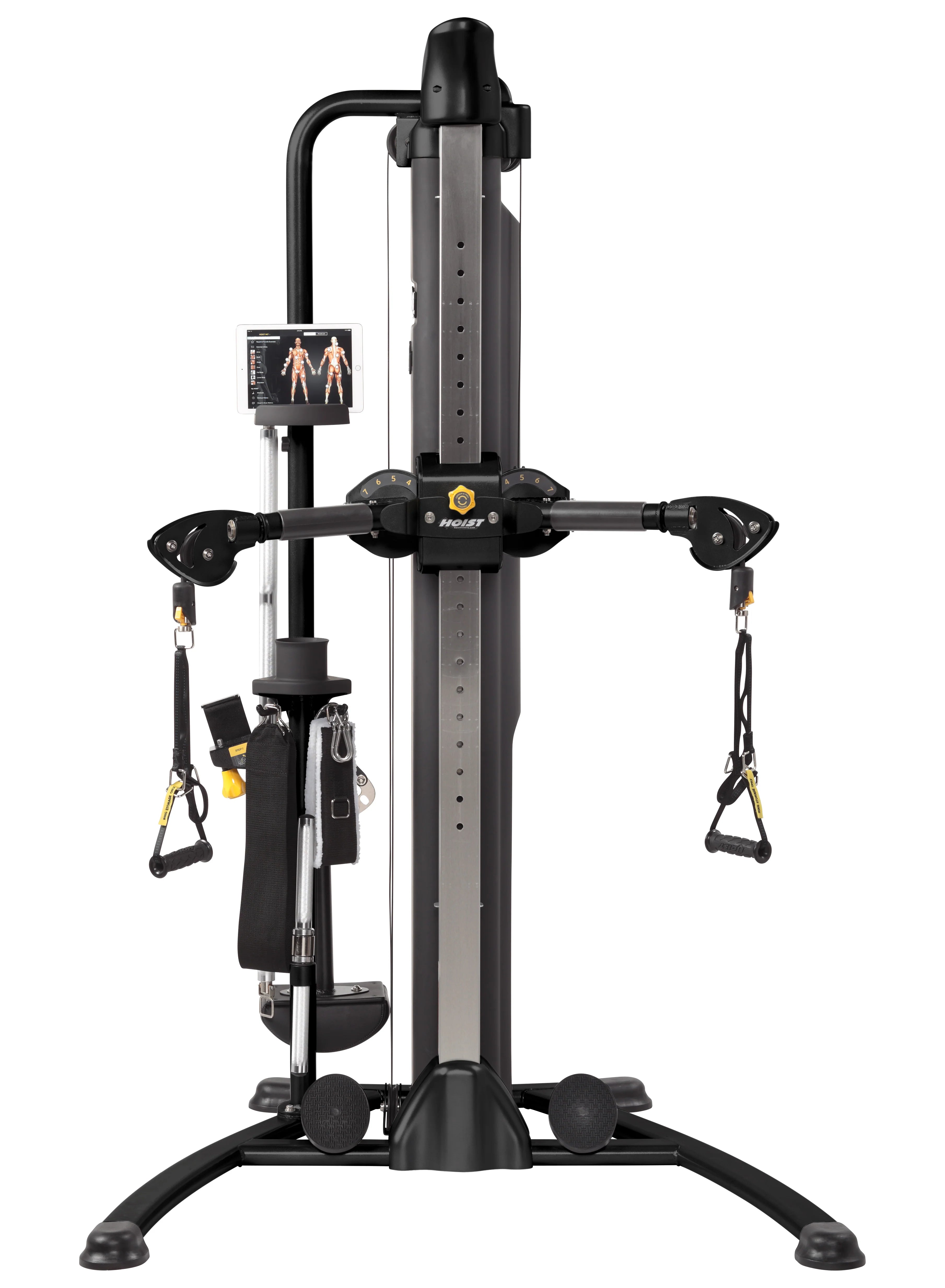
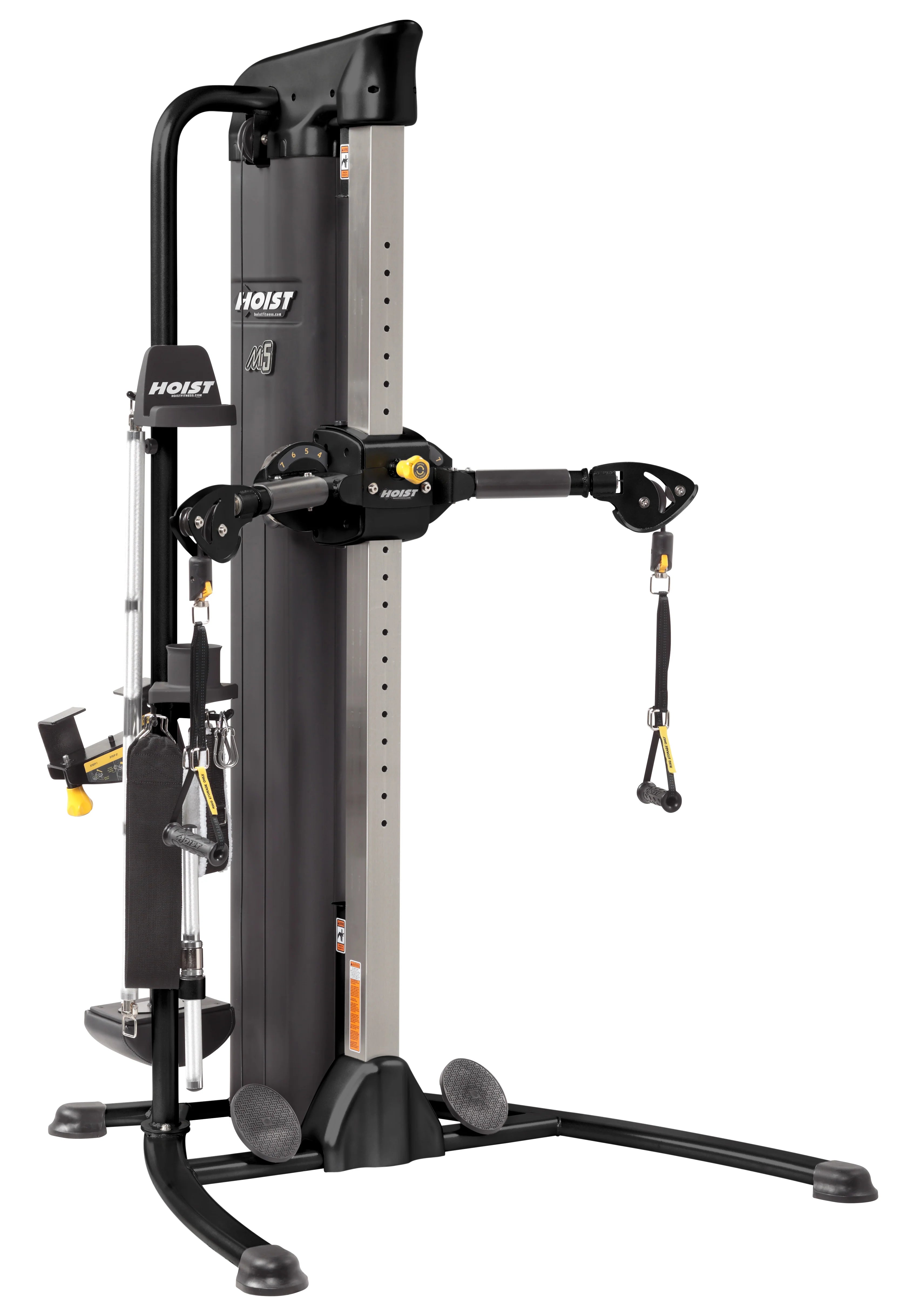
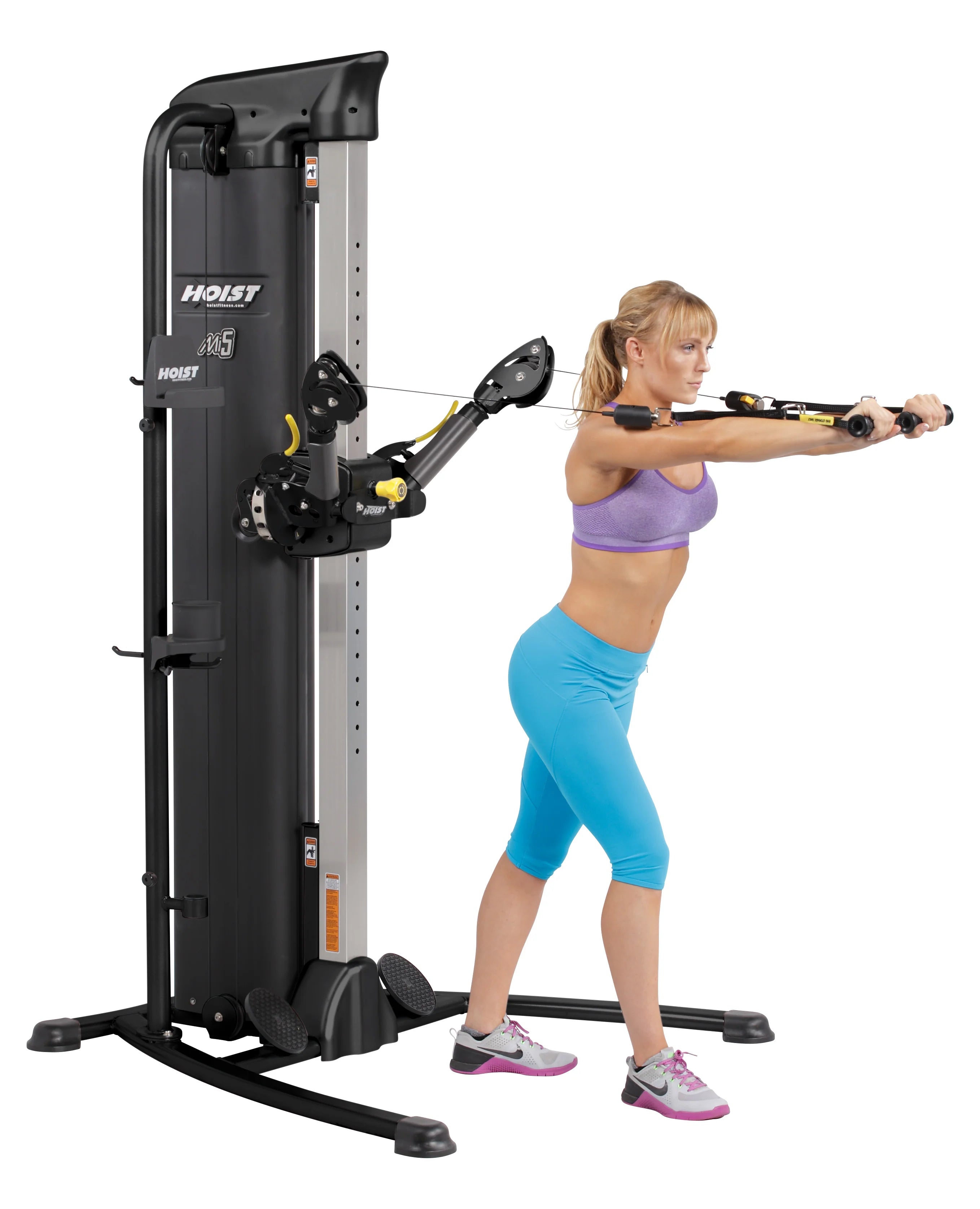
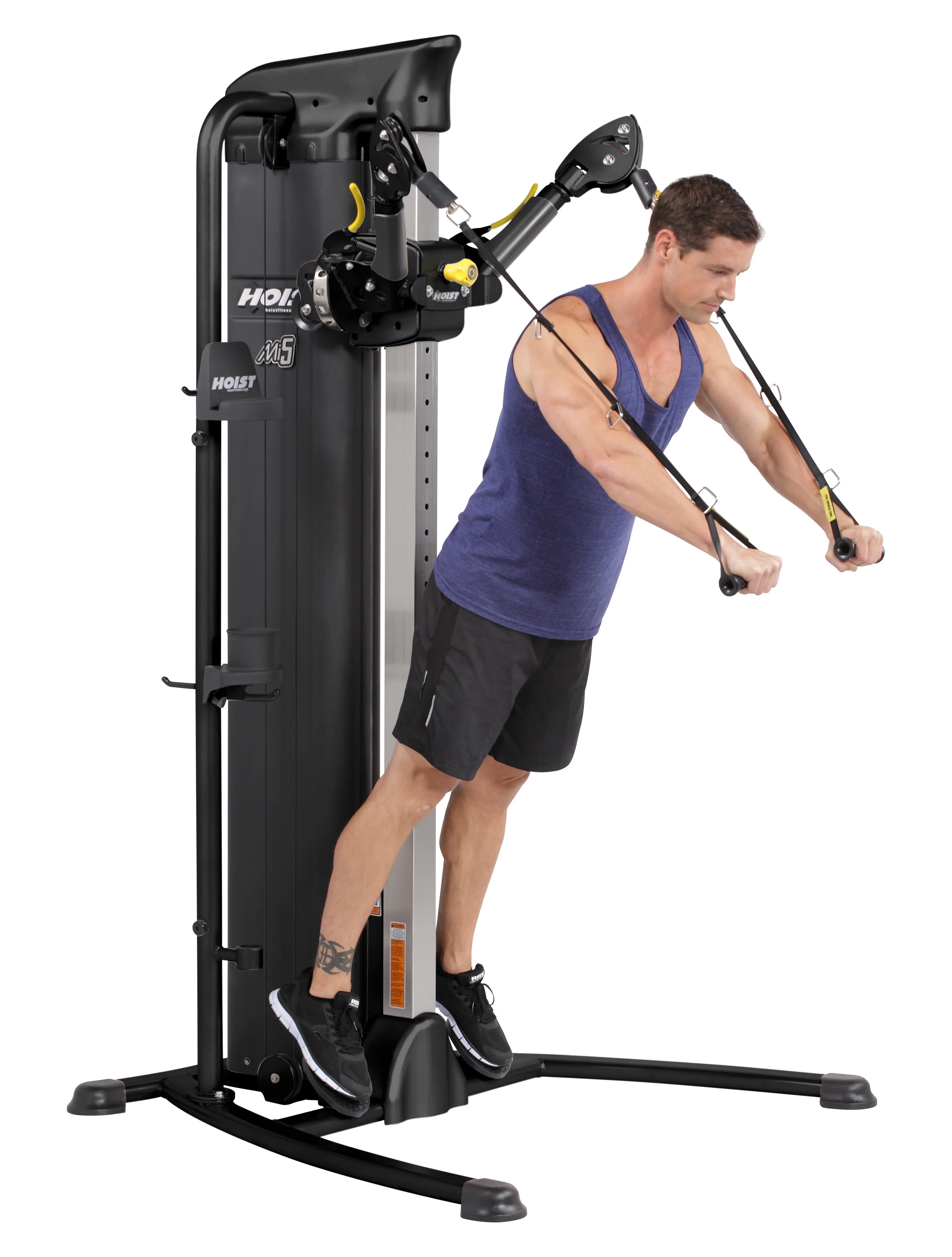
Hoist Fitness Mi5 Functional Trainer
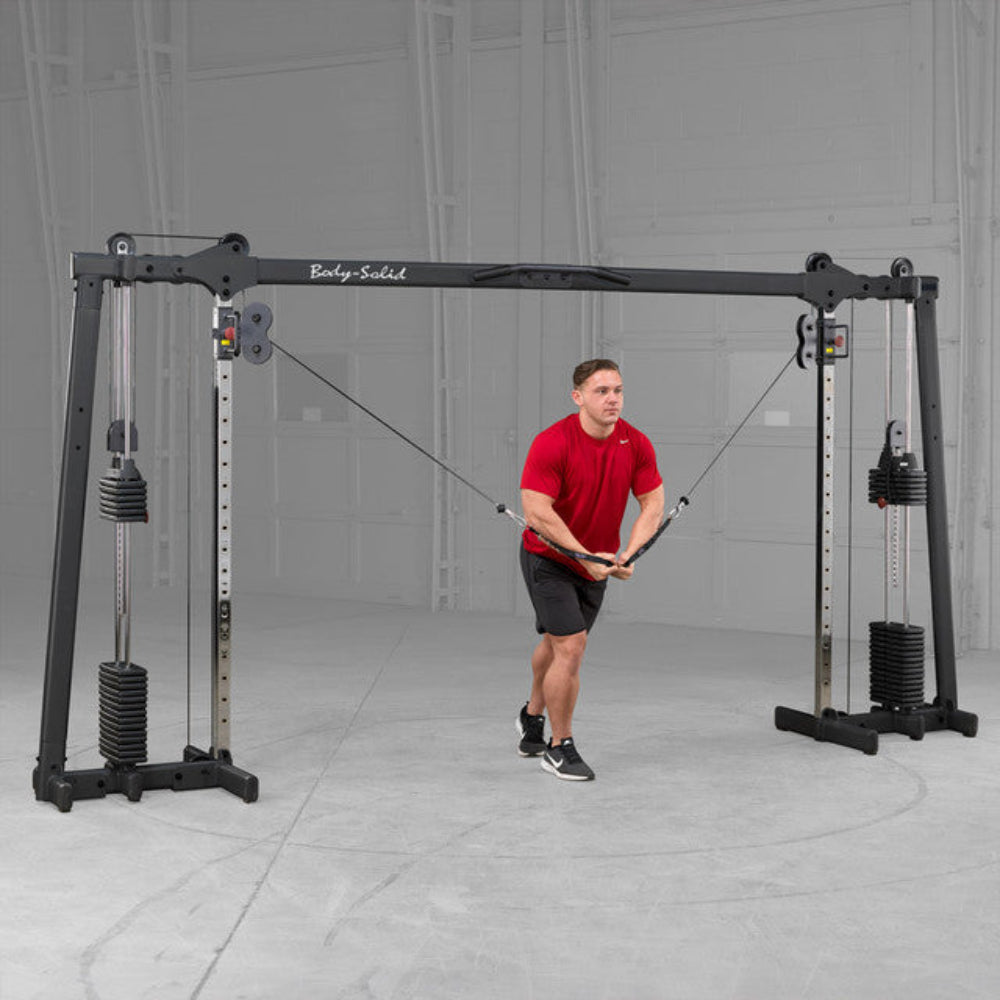
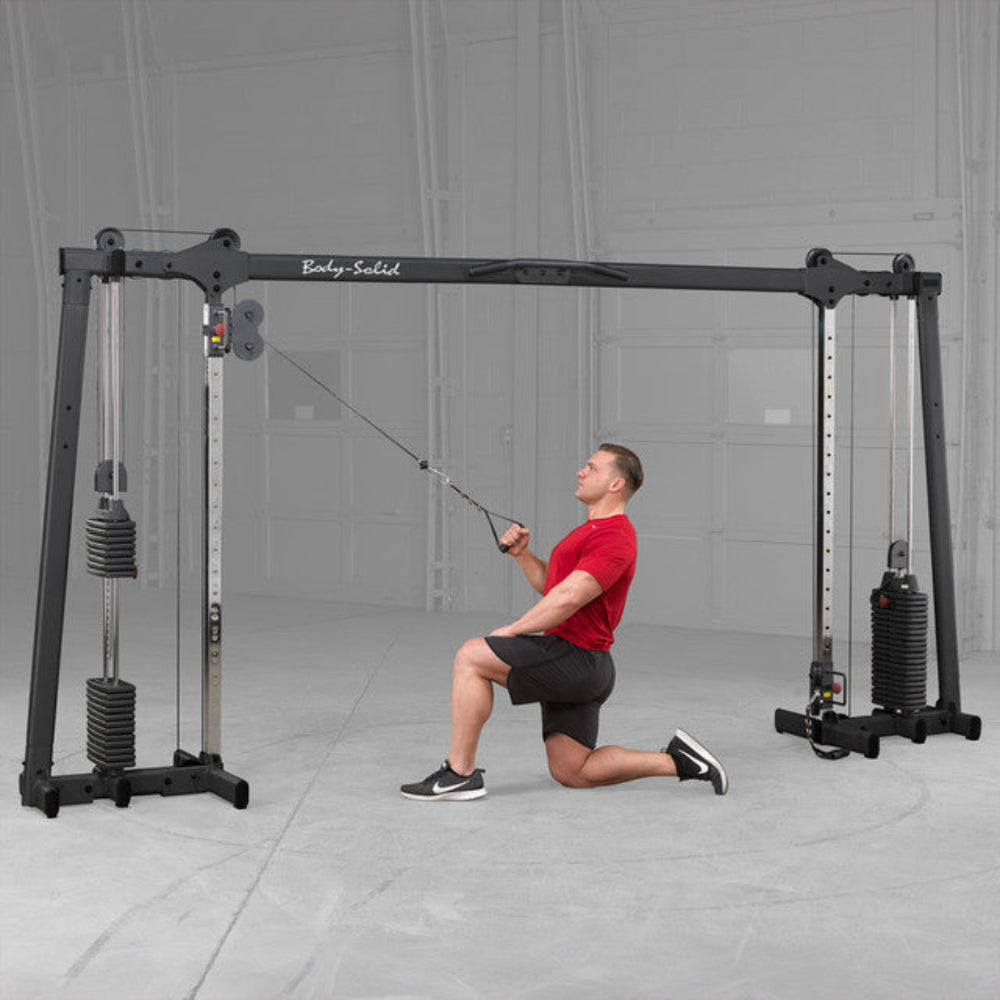
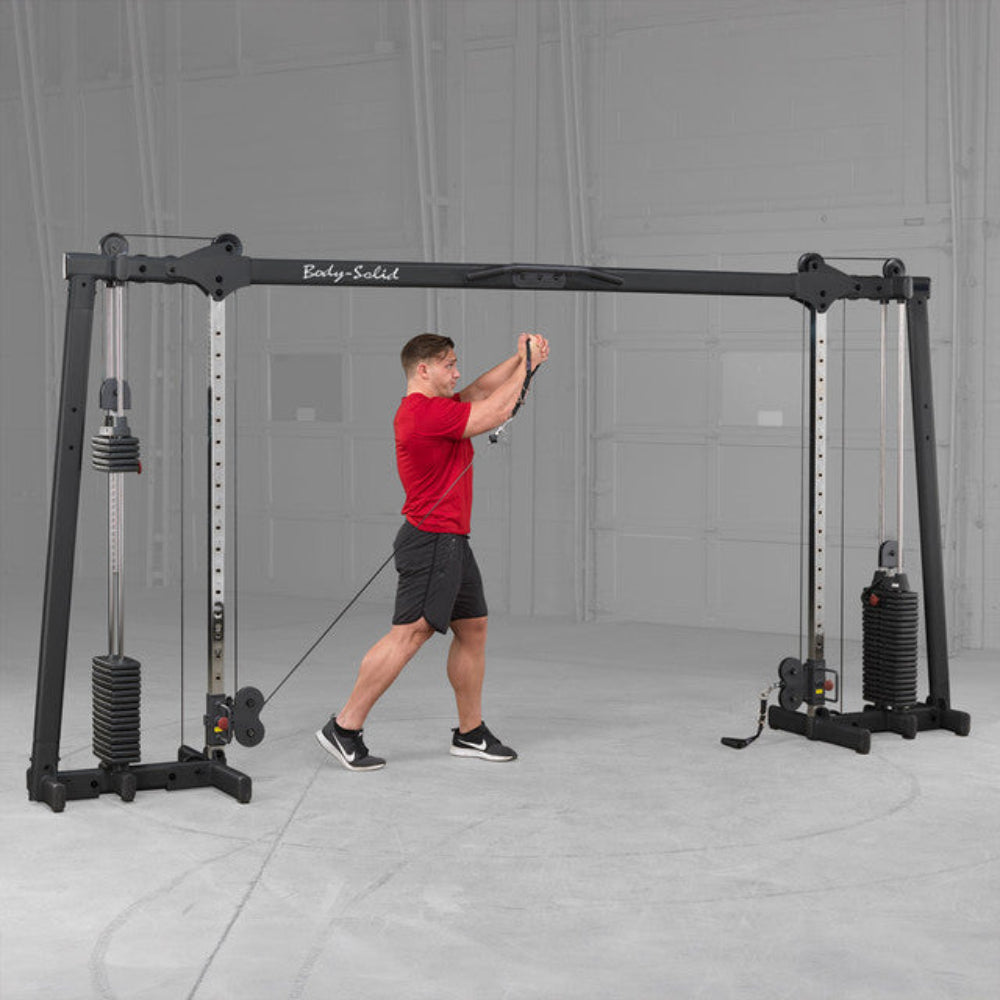
Body-Solid GDCC250 Cable Crossover Functional Trainer
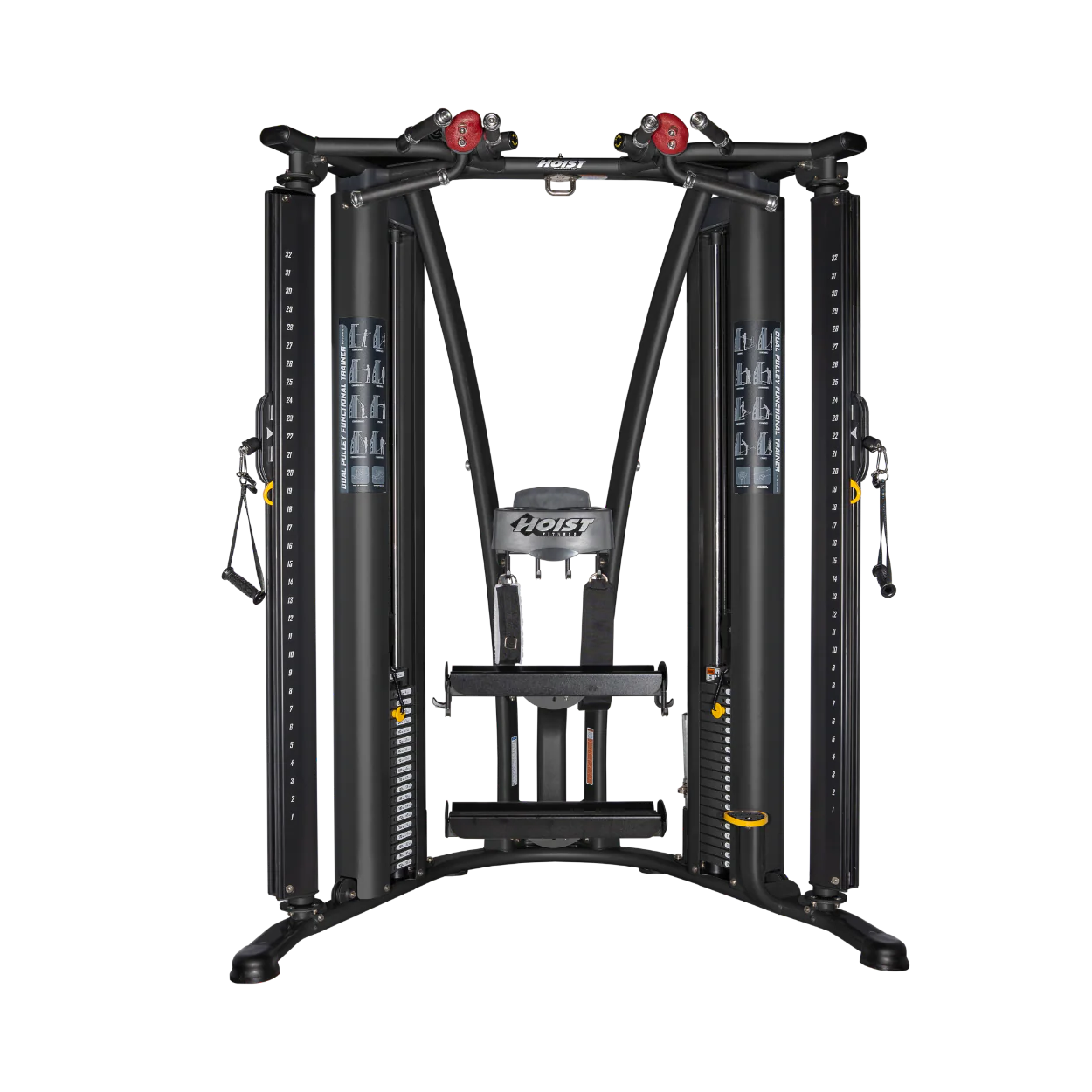
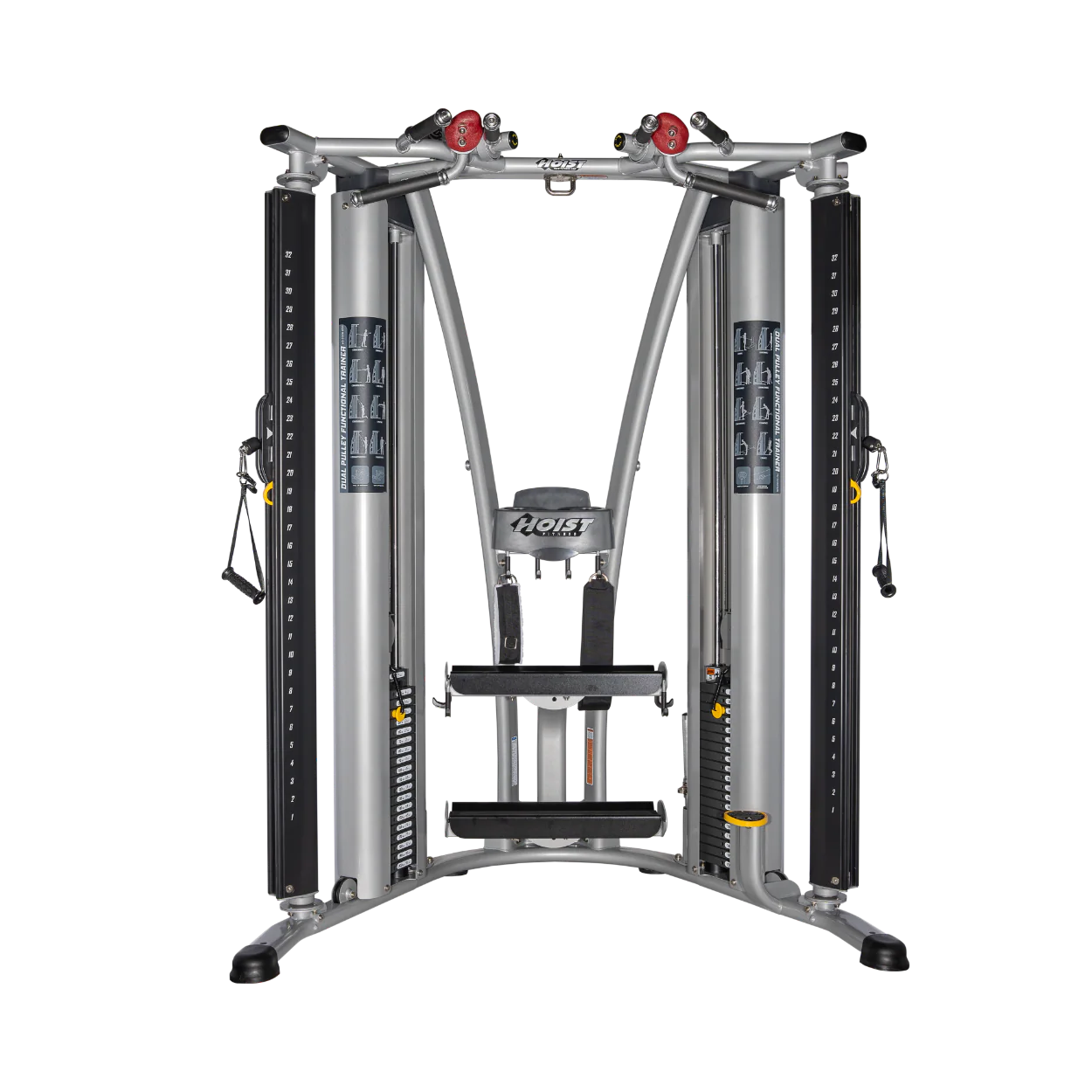
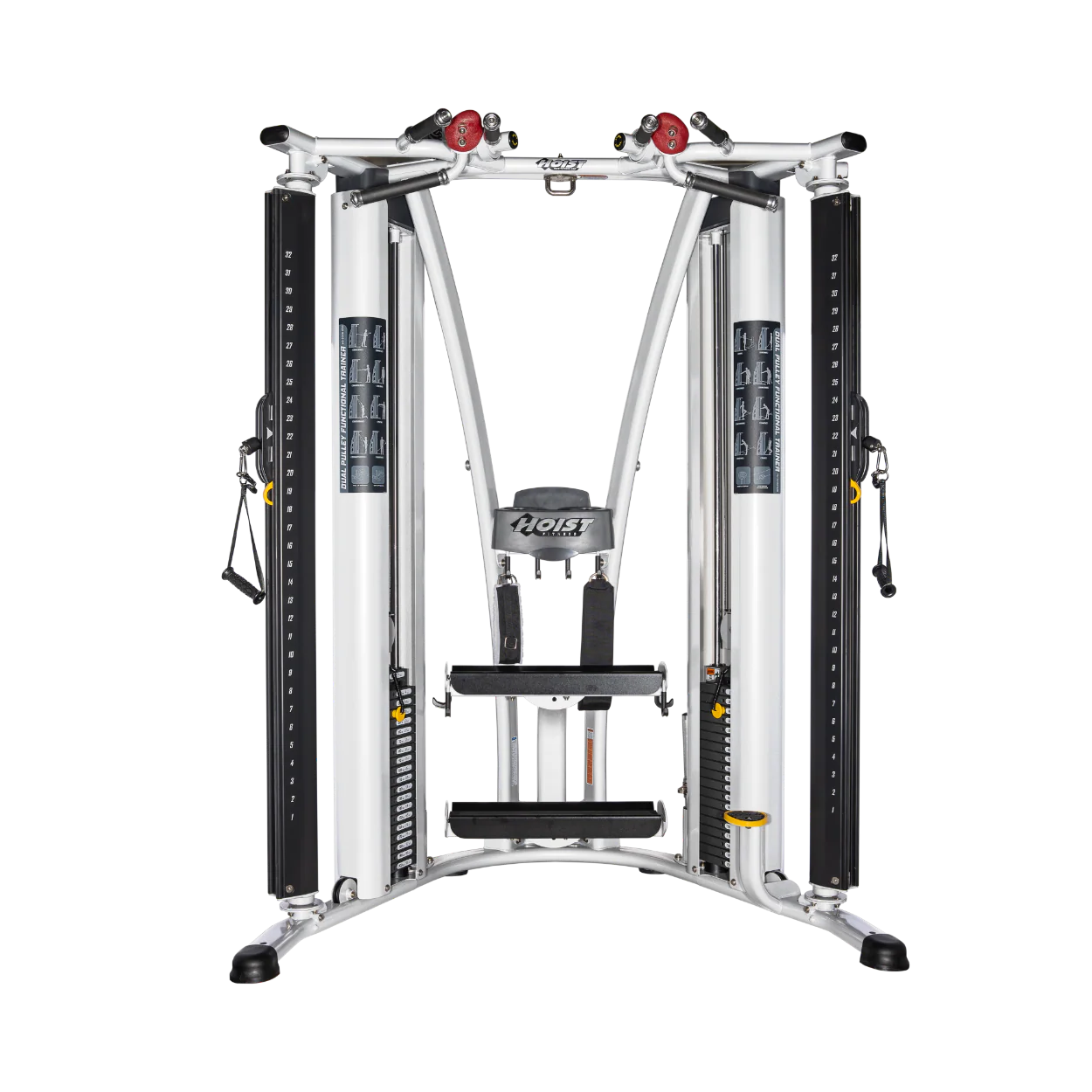
Hoist Fitness HD3000 Commercial Functional Trainer


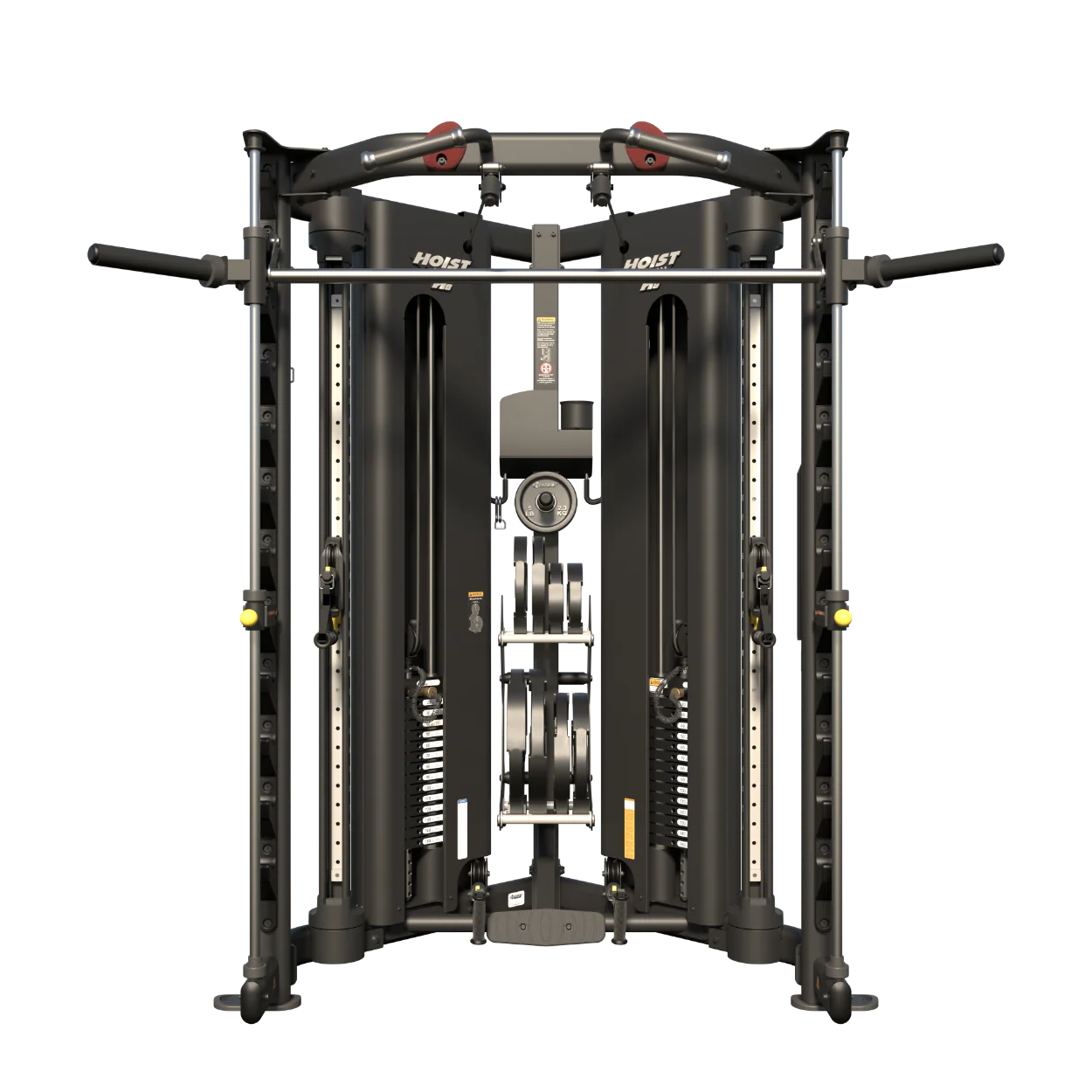
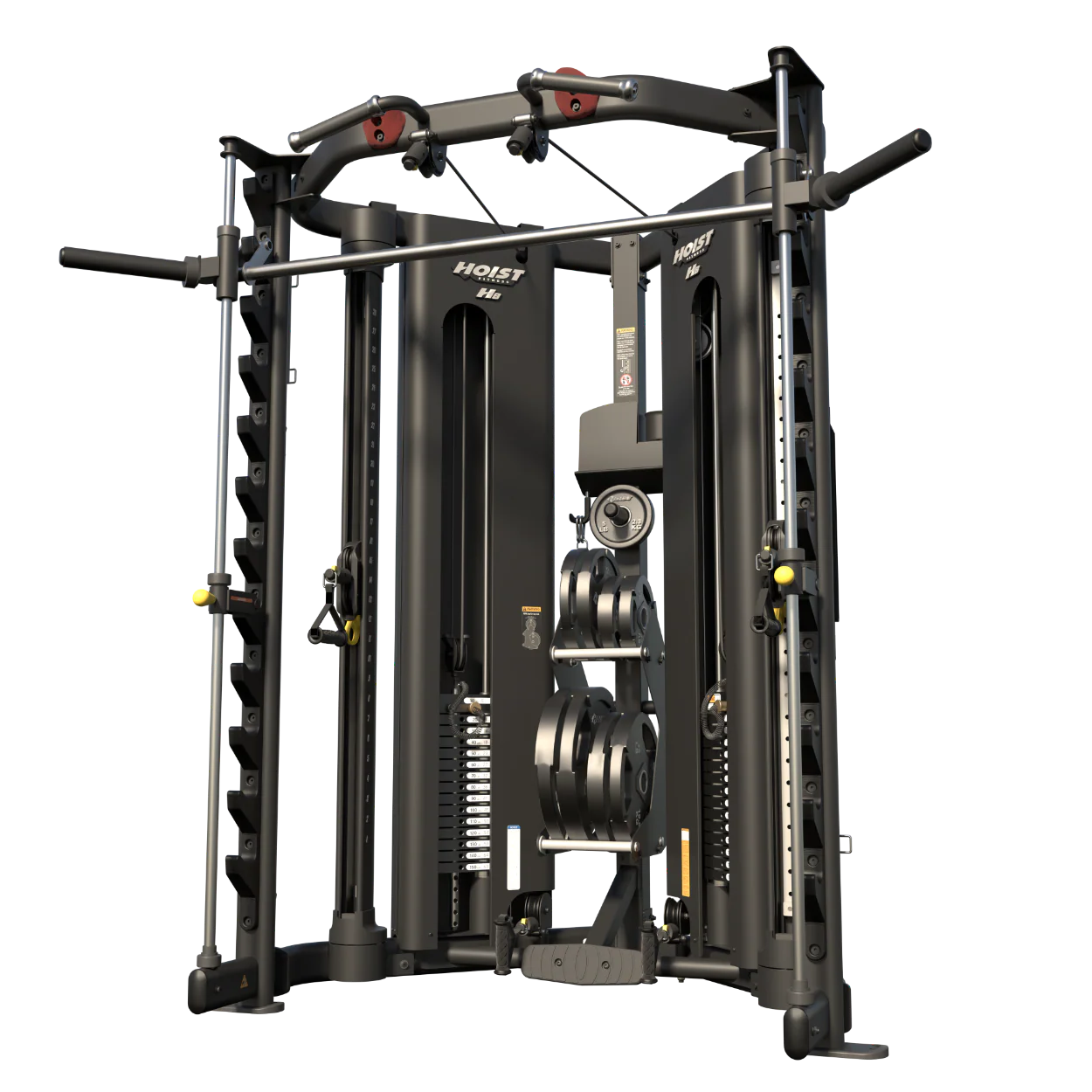
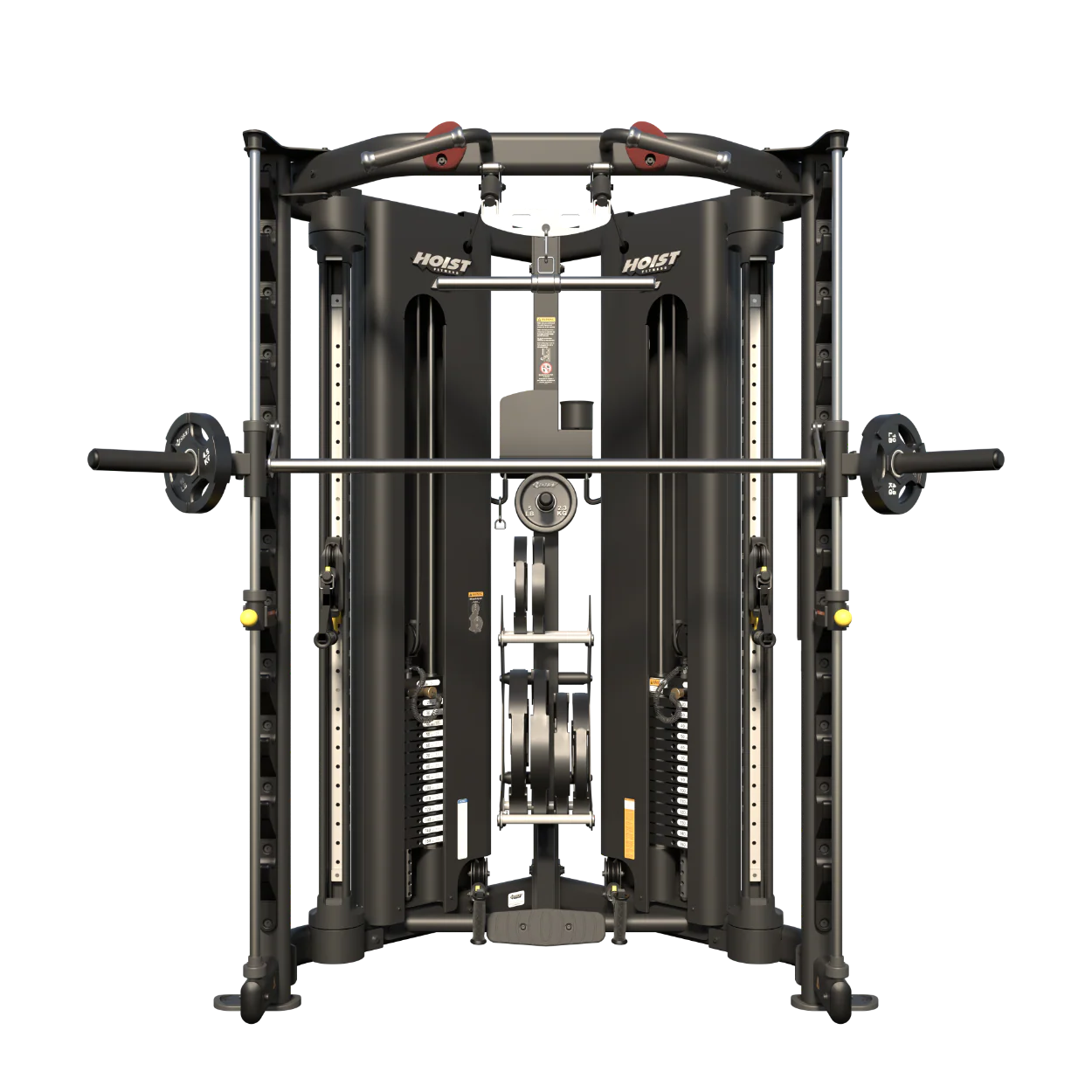
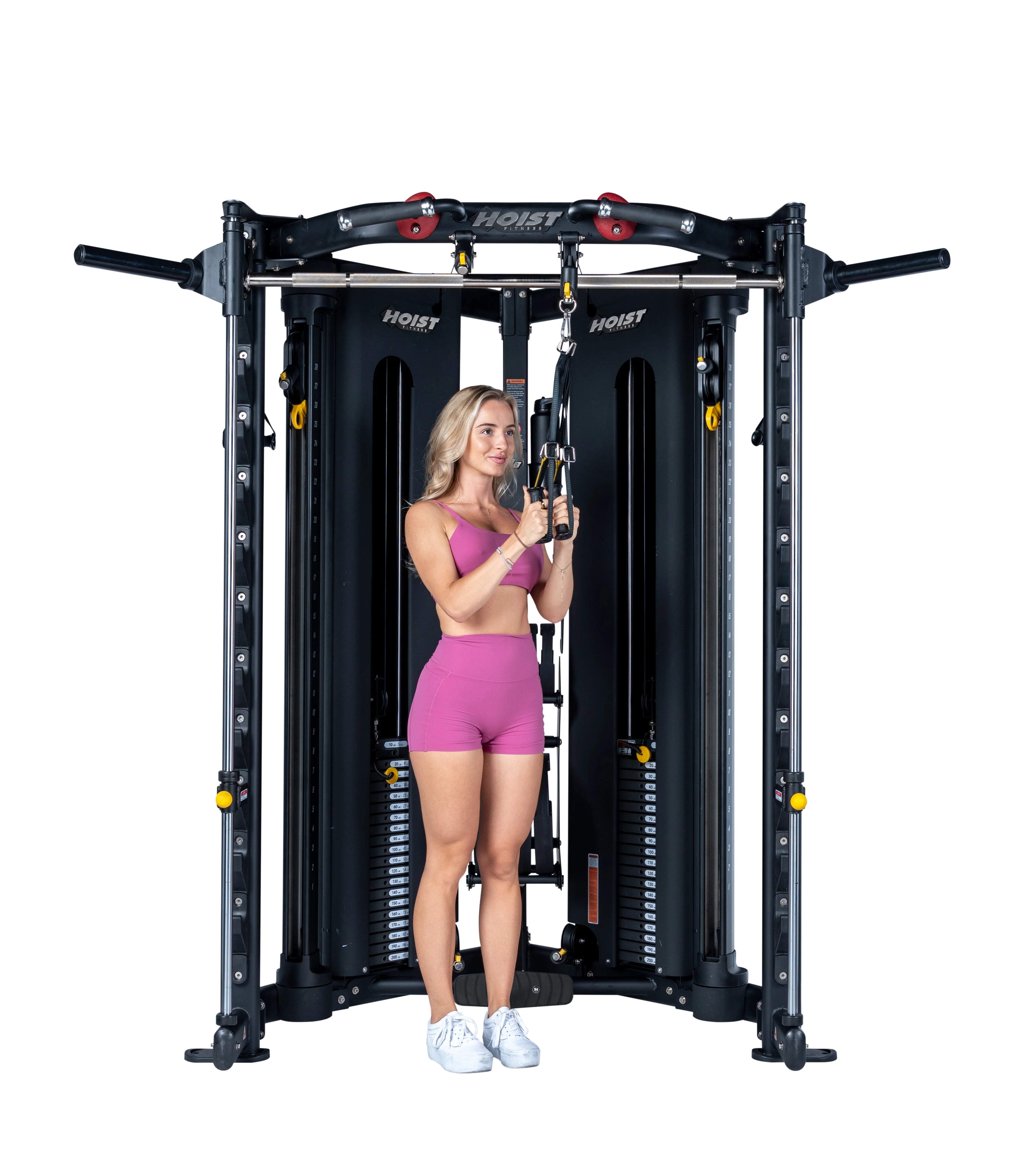
Hoist Fitness H-8 Functional Trainer


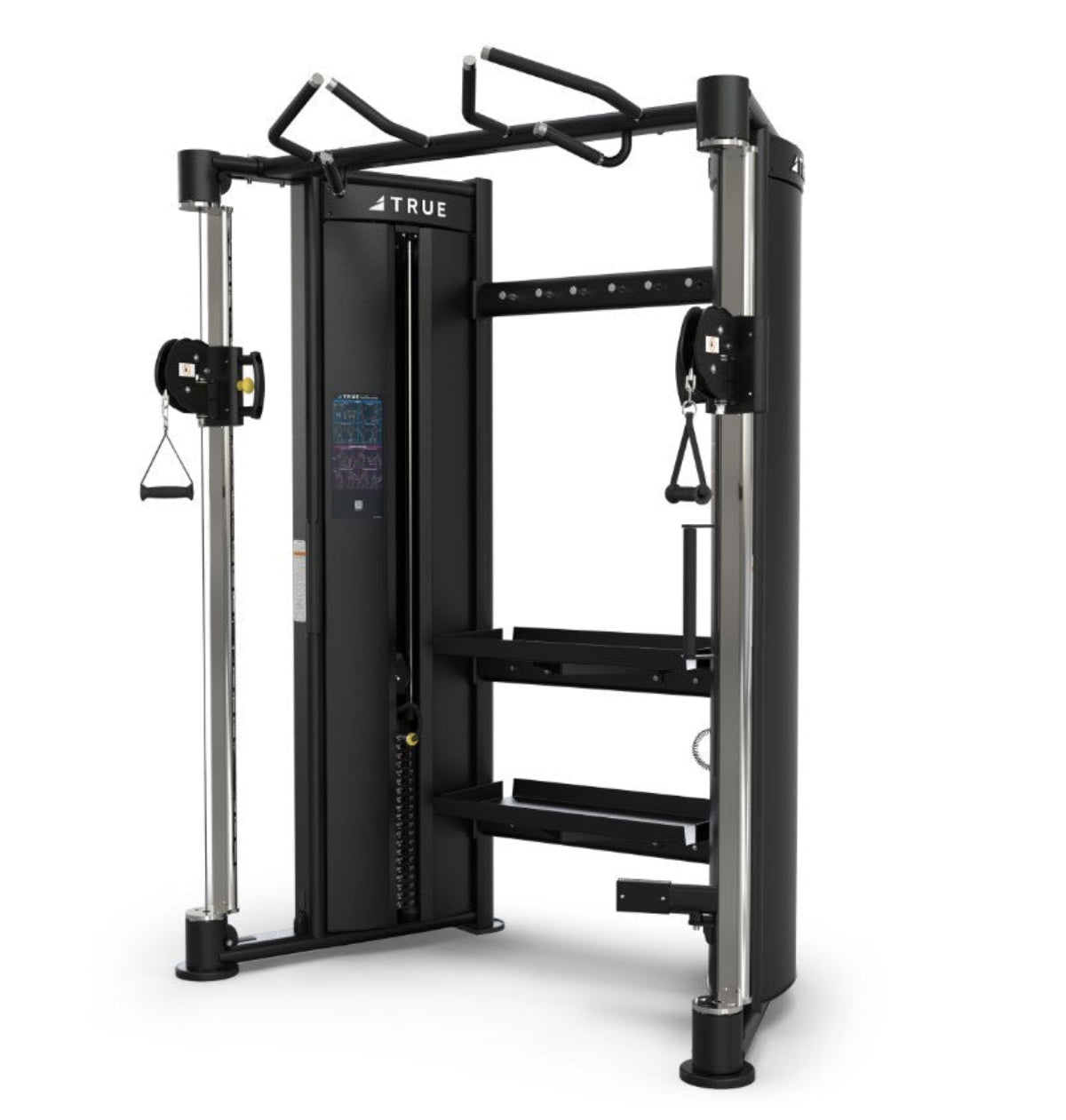
True Fitness FT-900 Functional Trainer

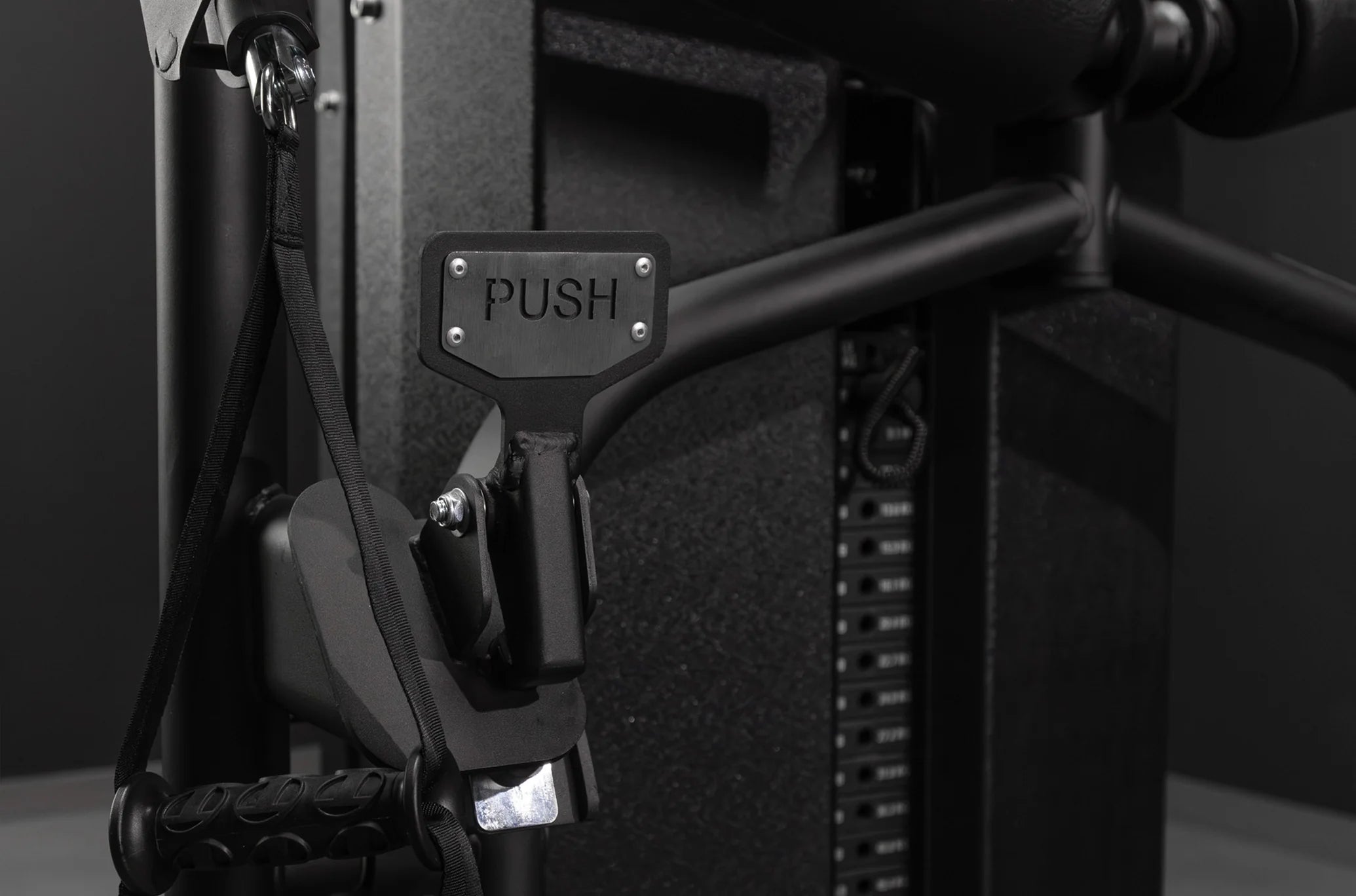

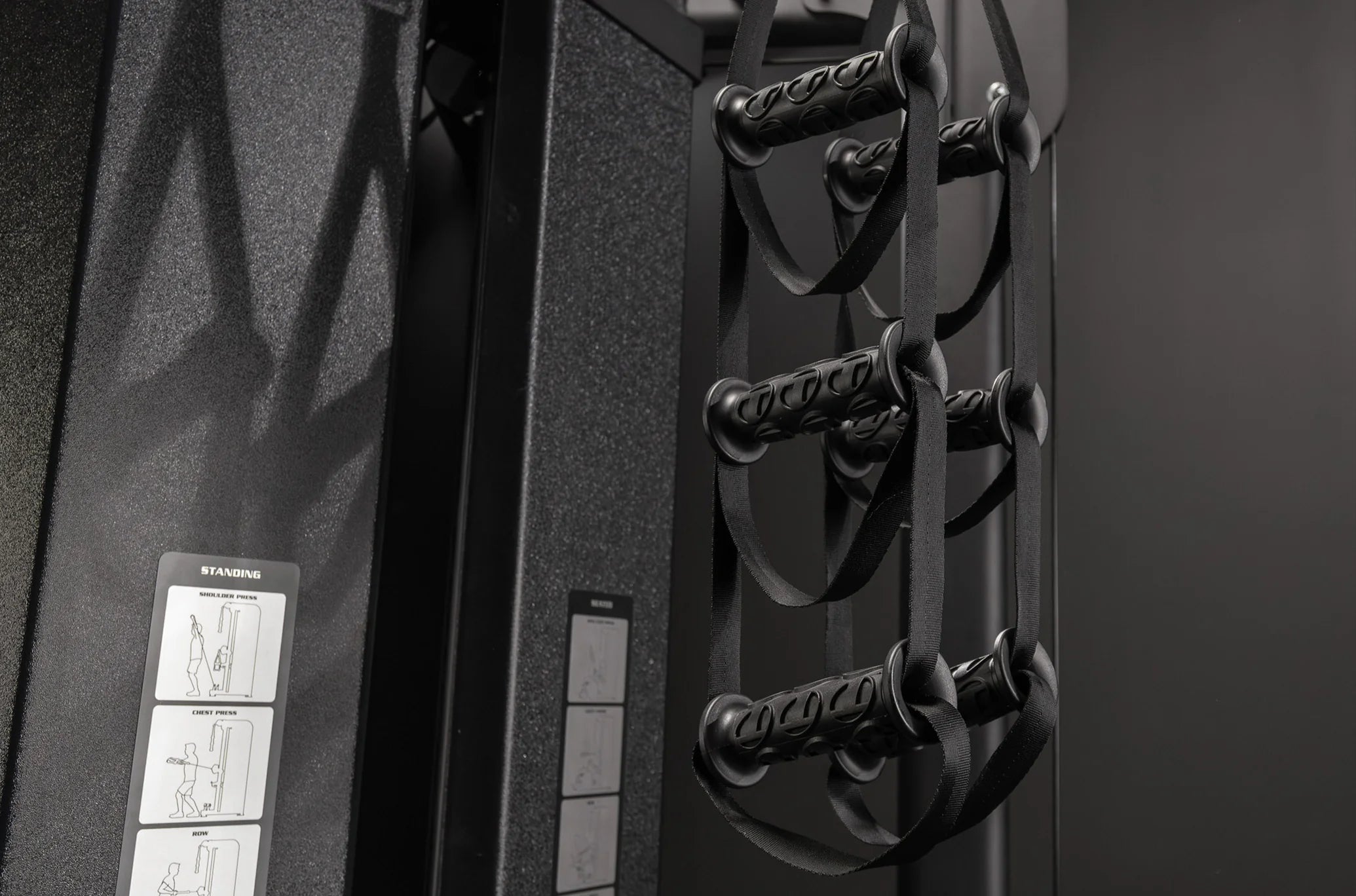
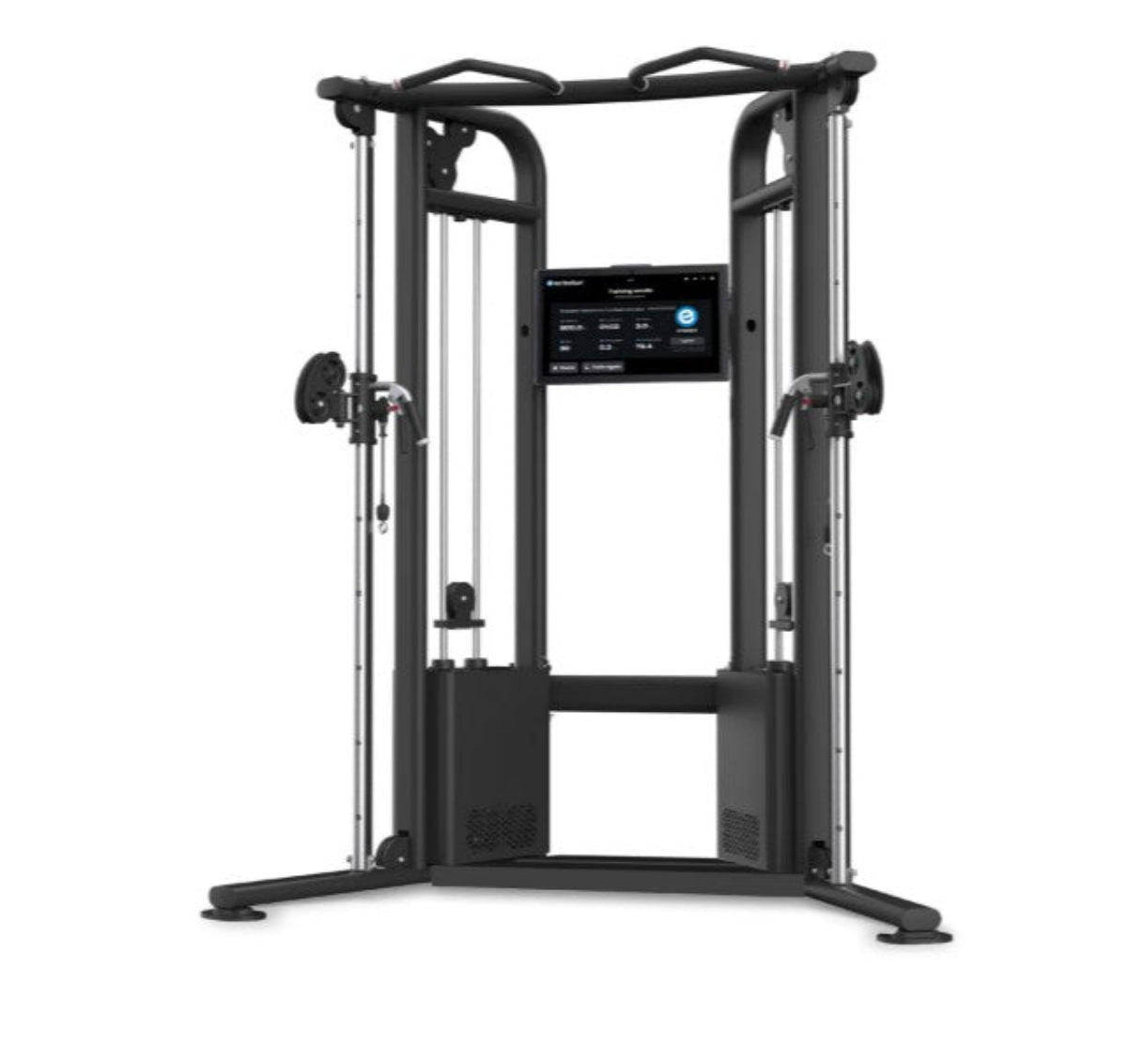
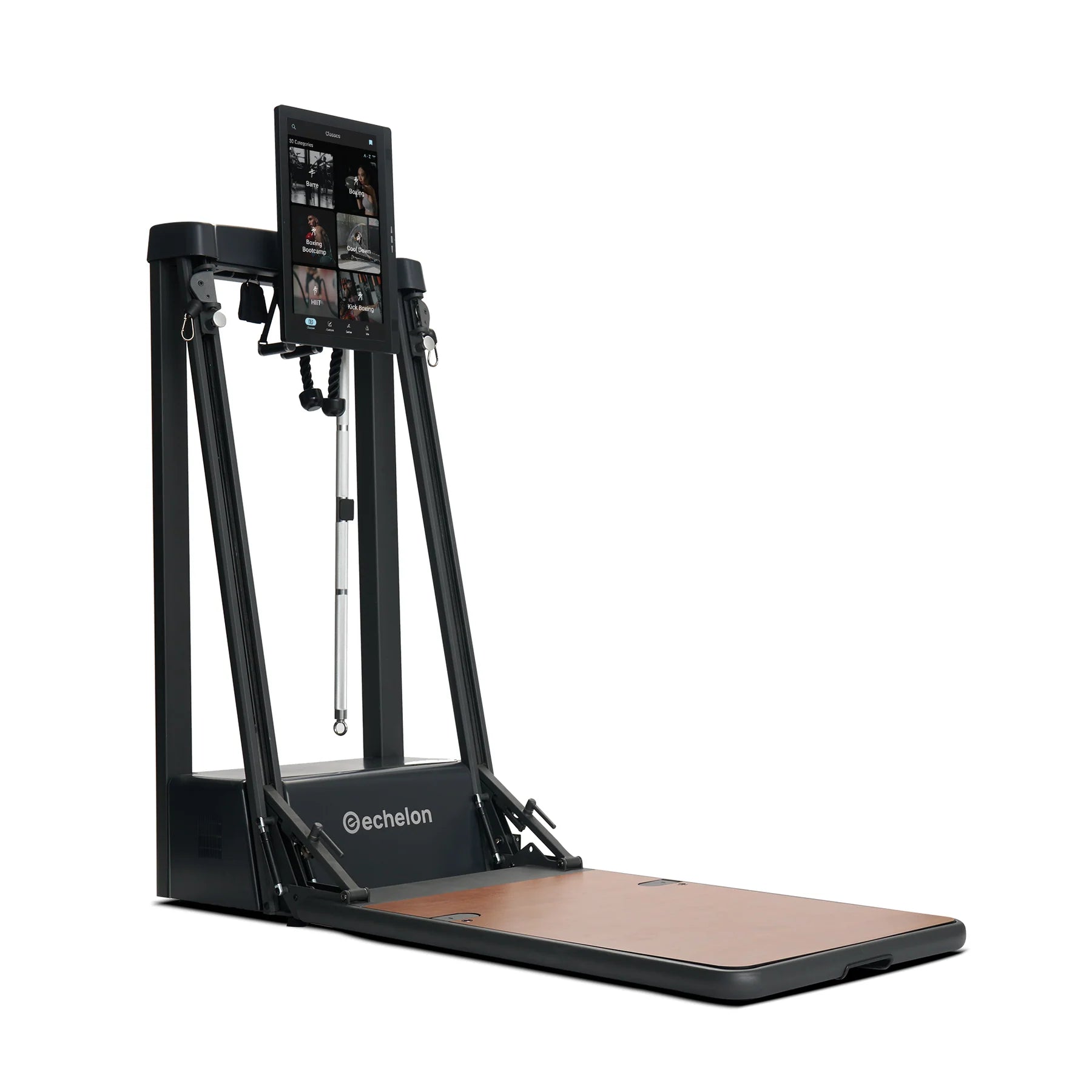
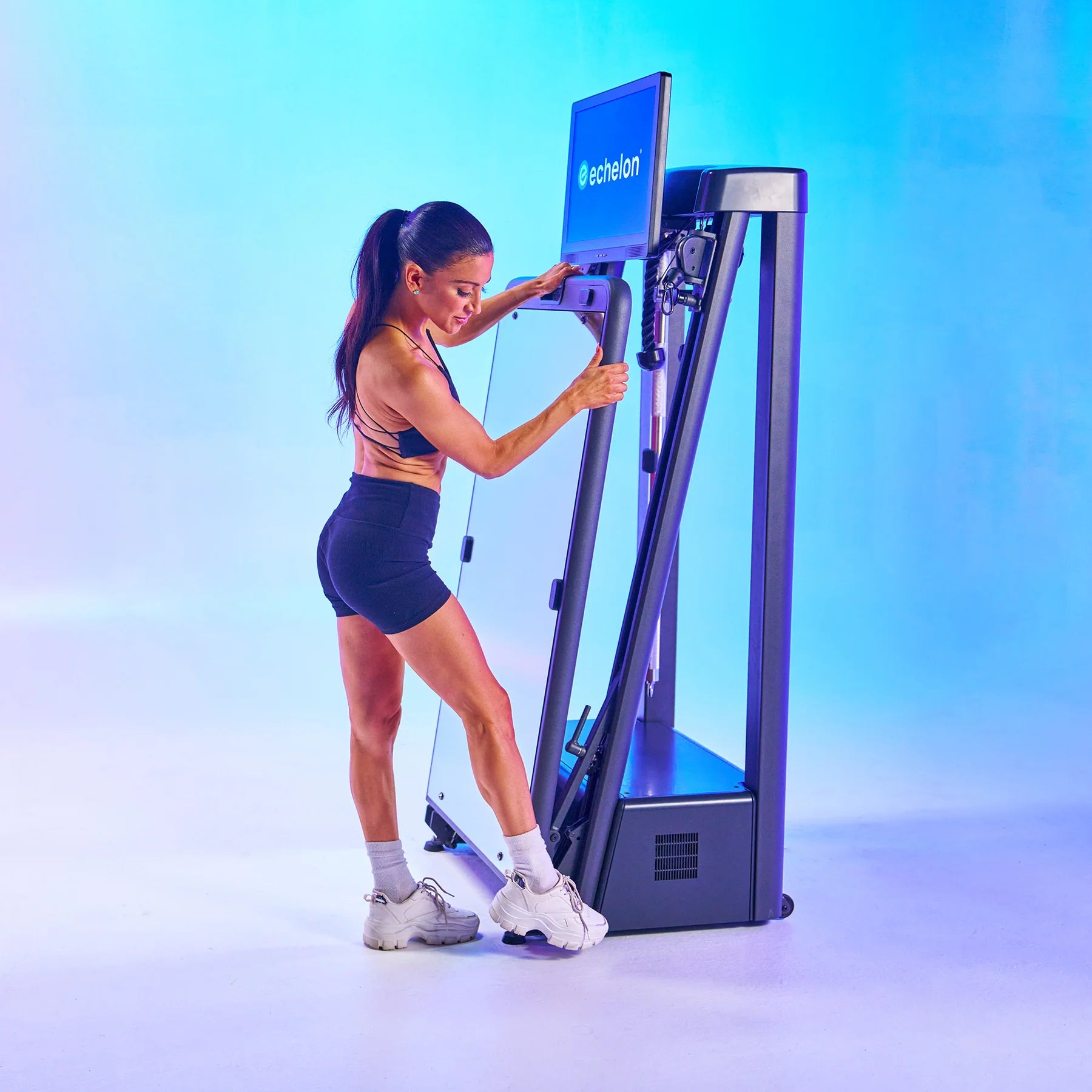
Echelon Fitness Digital Dual Adjustable Pulley Pro
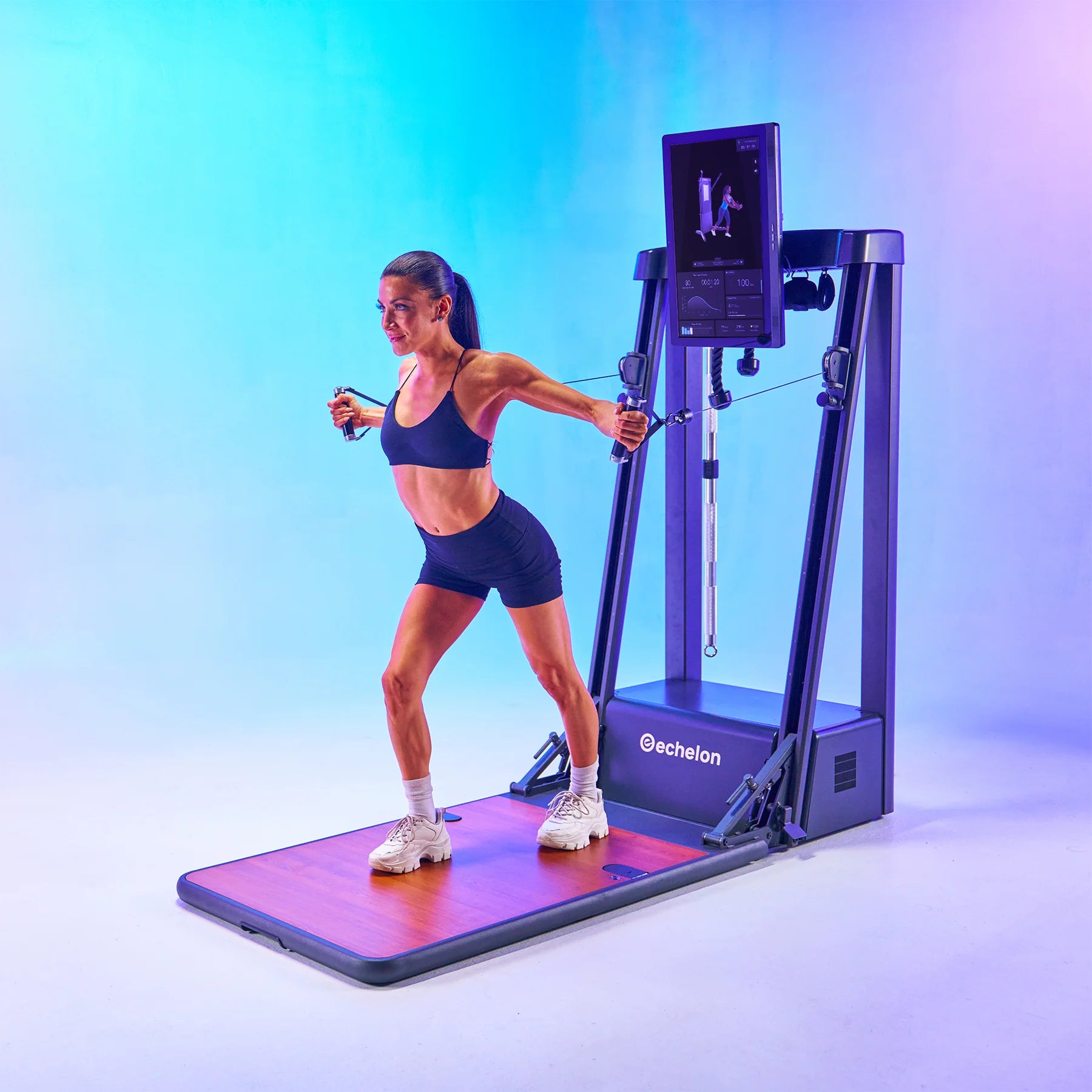
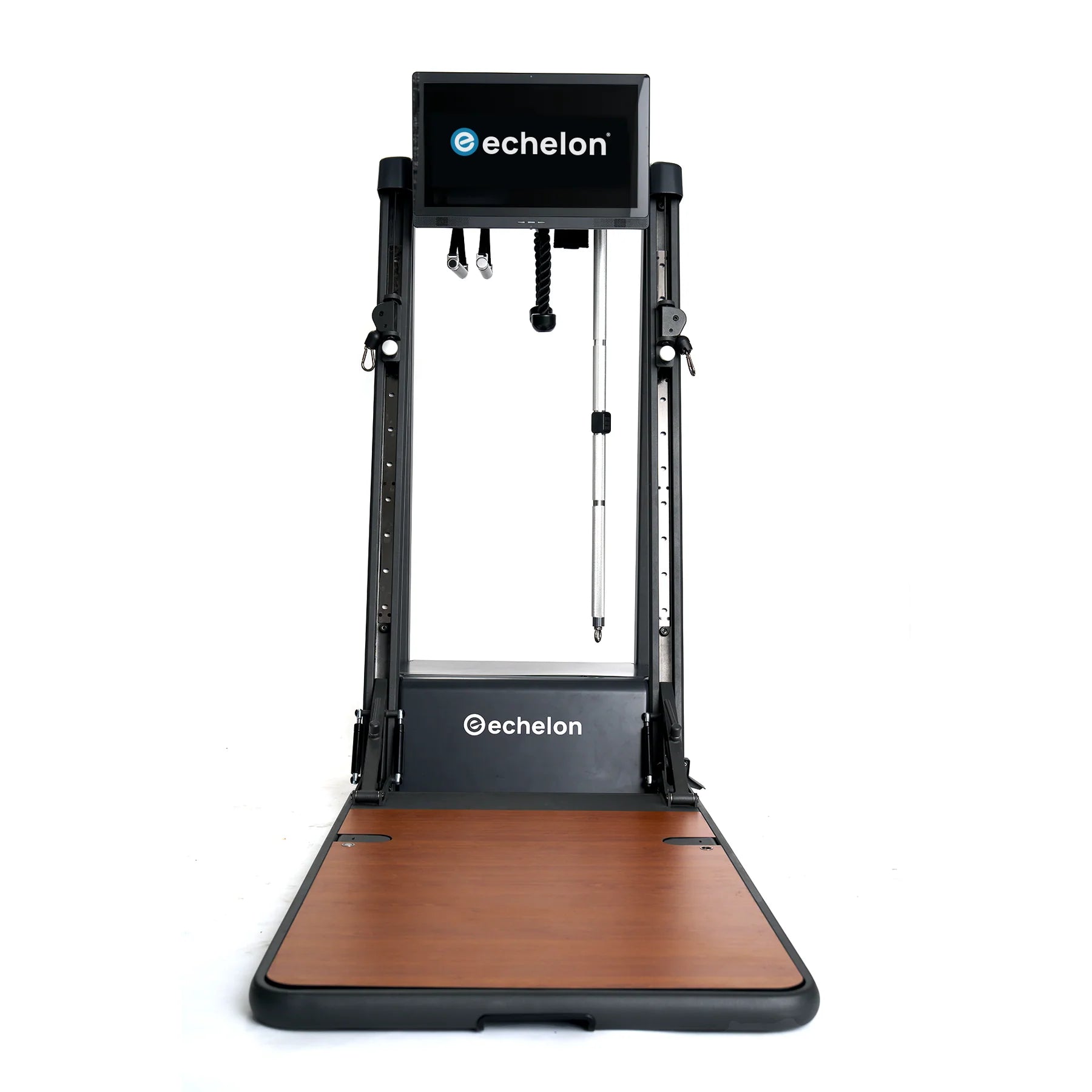
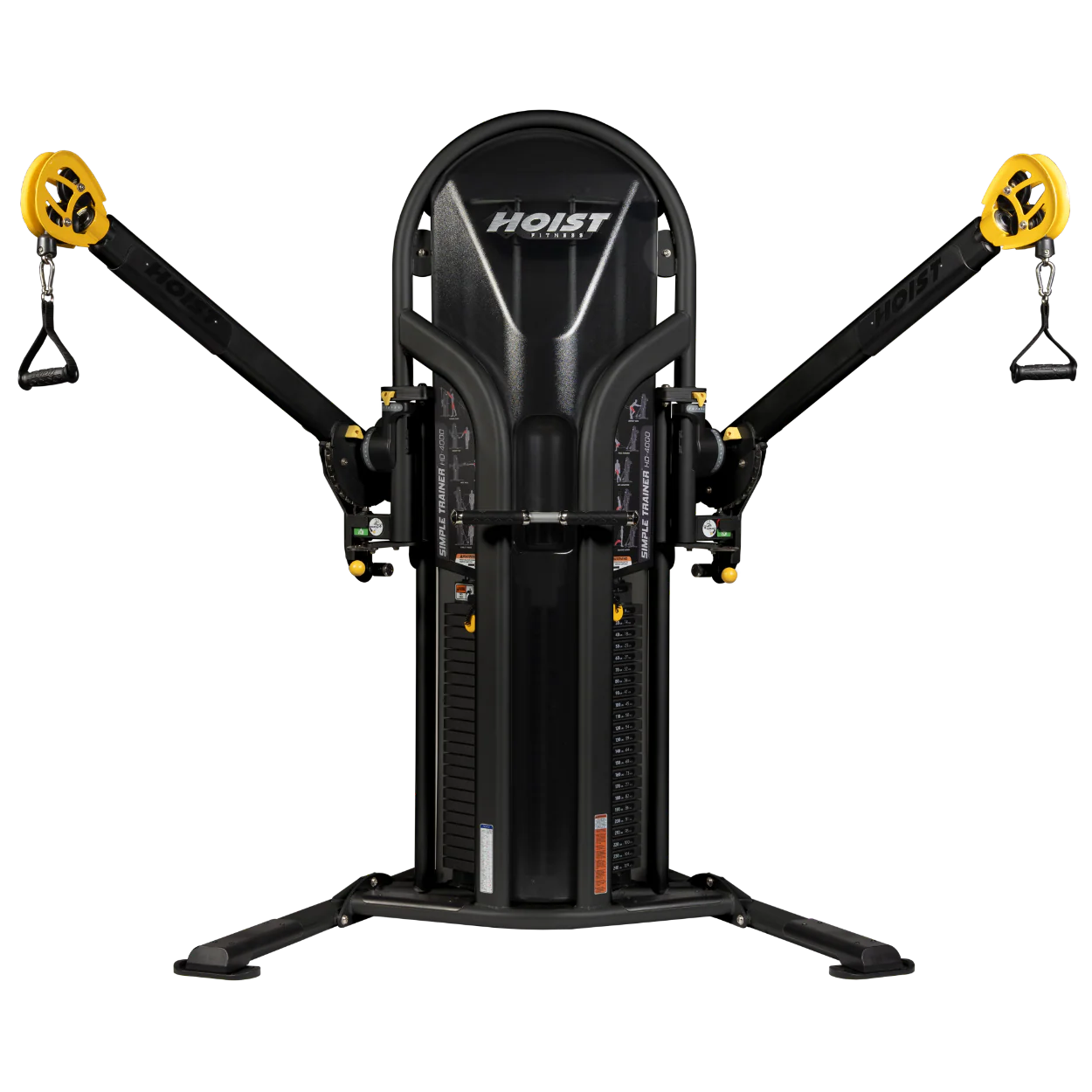
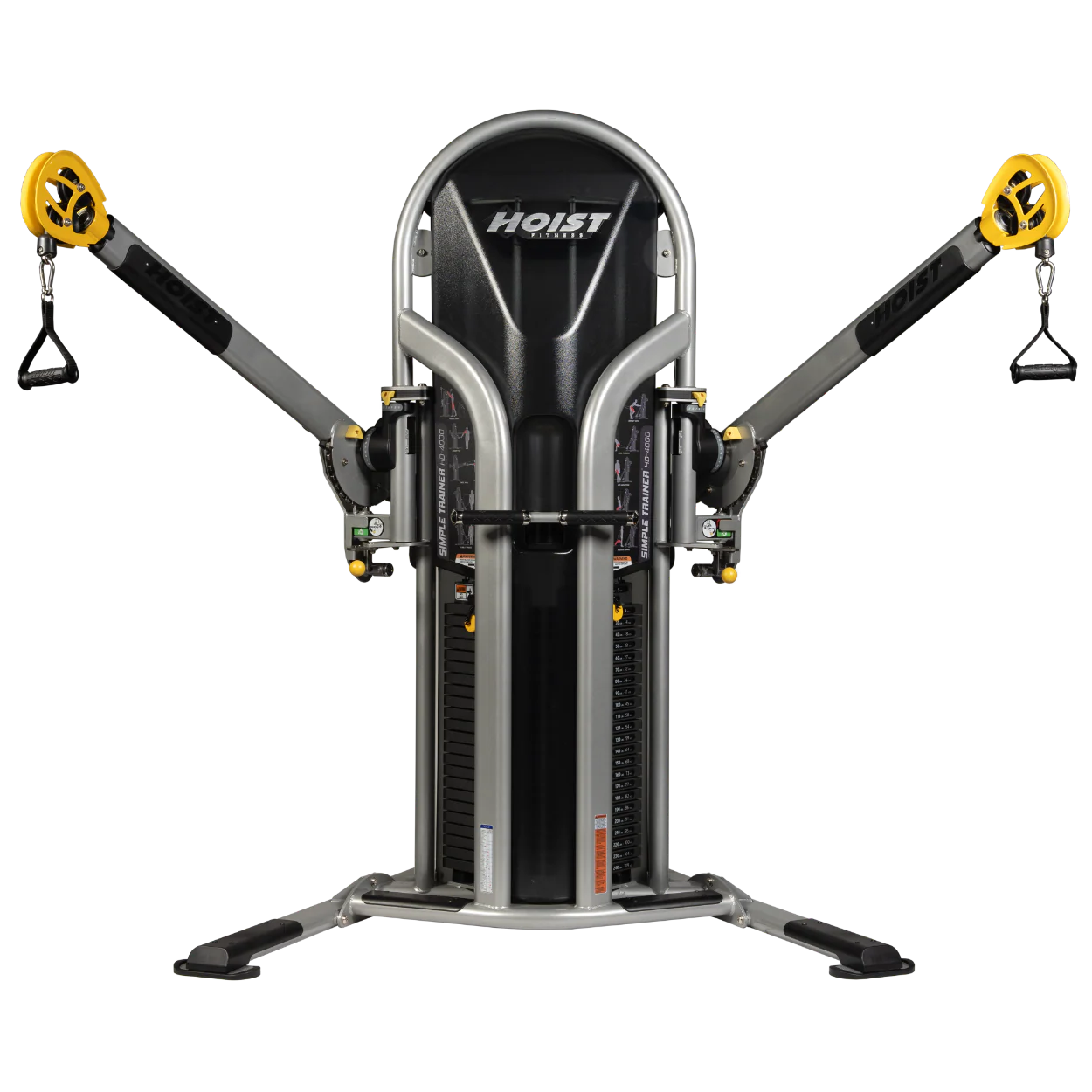
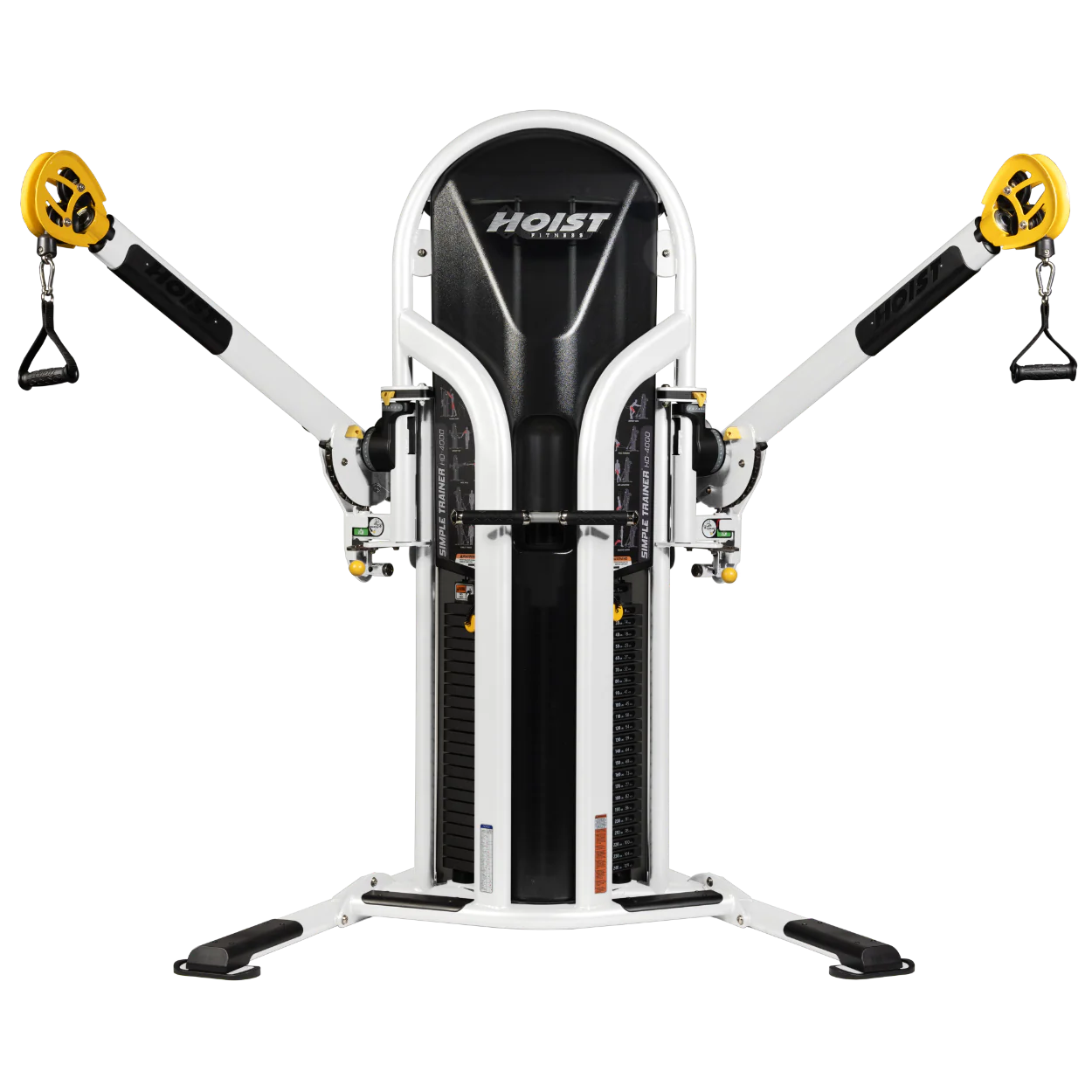
Hoist Fitness HD4000 Simple Trainer - Functional Trainer


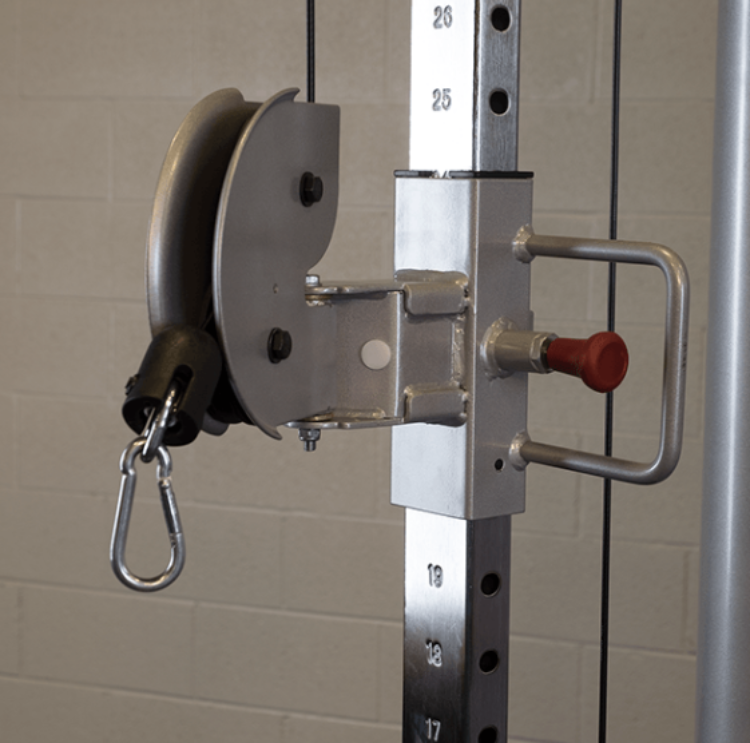

Body-Solid Pro Club Series II Functional Trainer


Spirit Fitness CSF-FUNT Functional Trainer


TKO Strength Functional Trainer
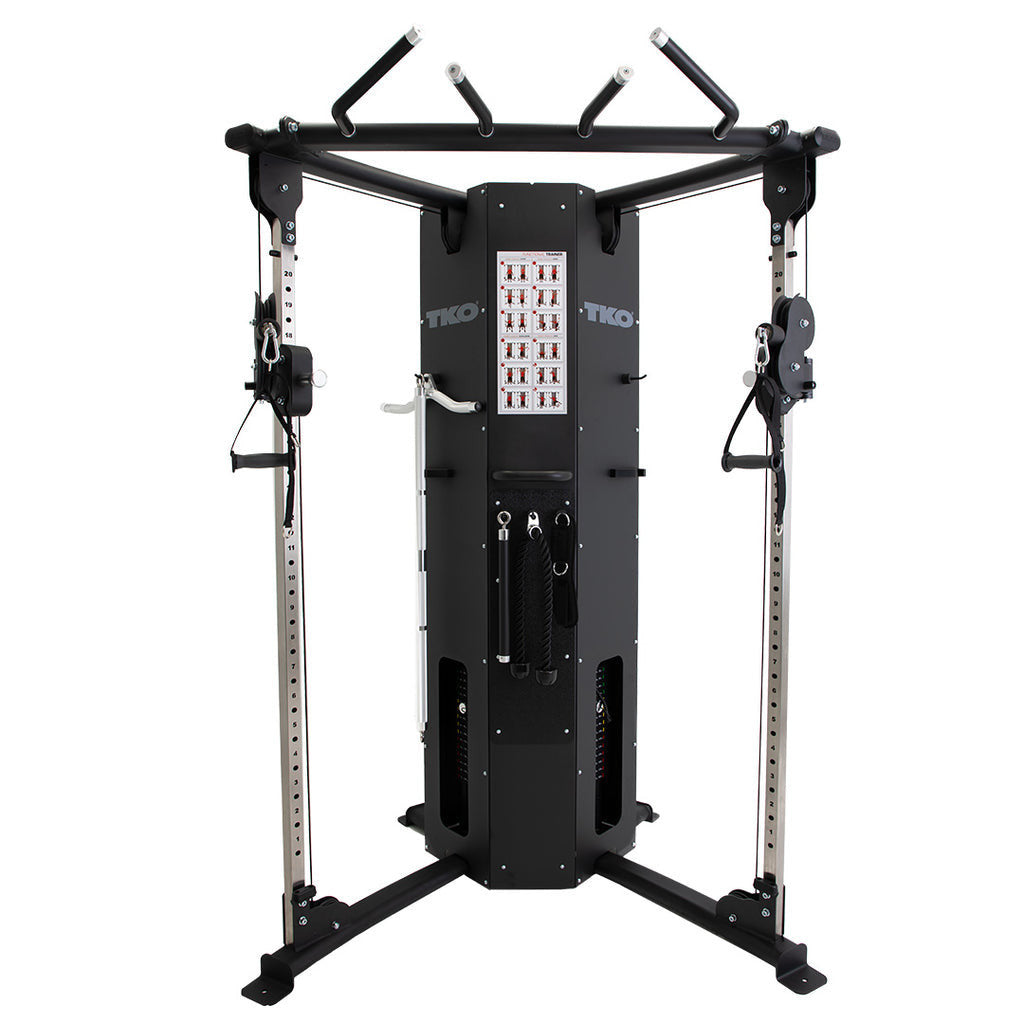
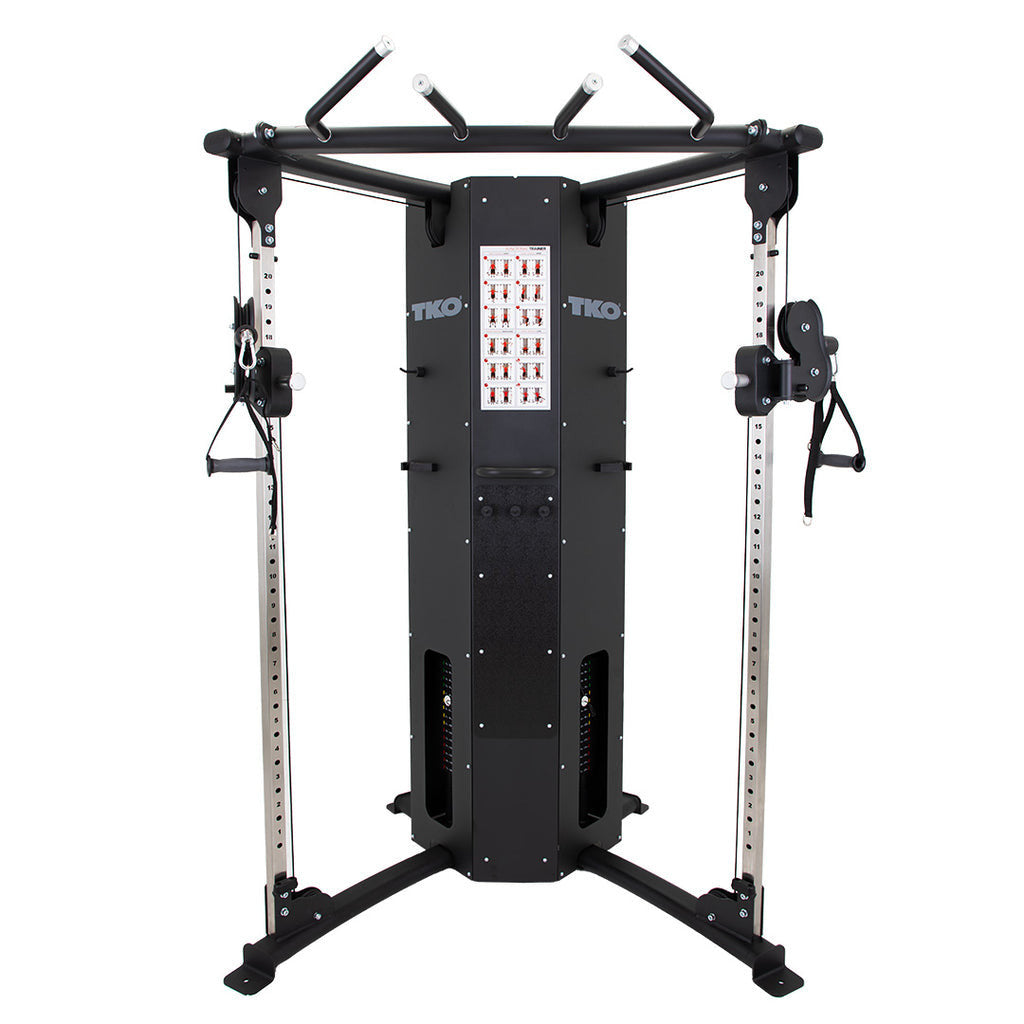
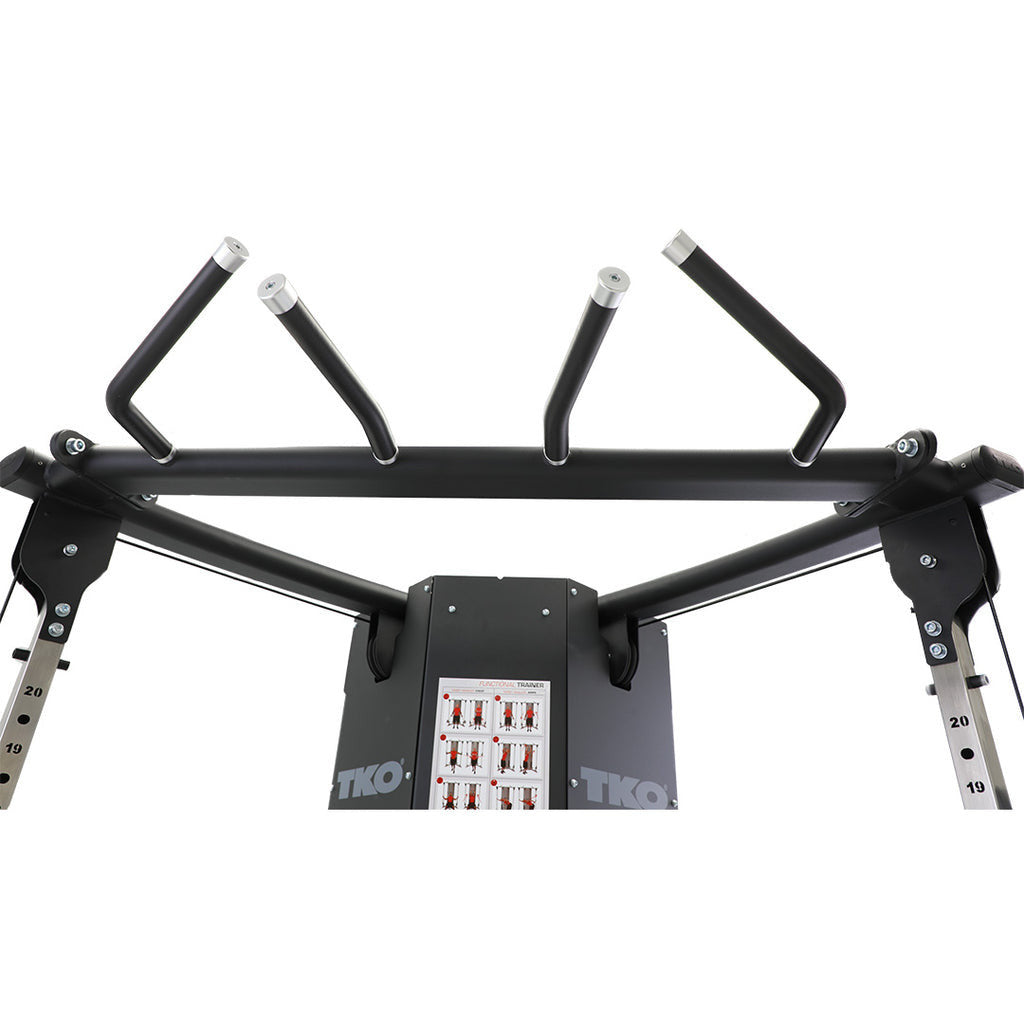
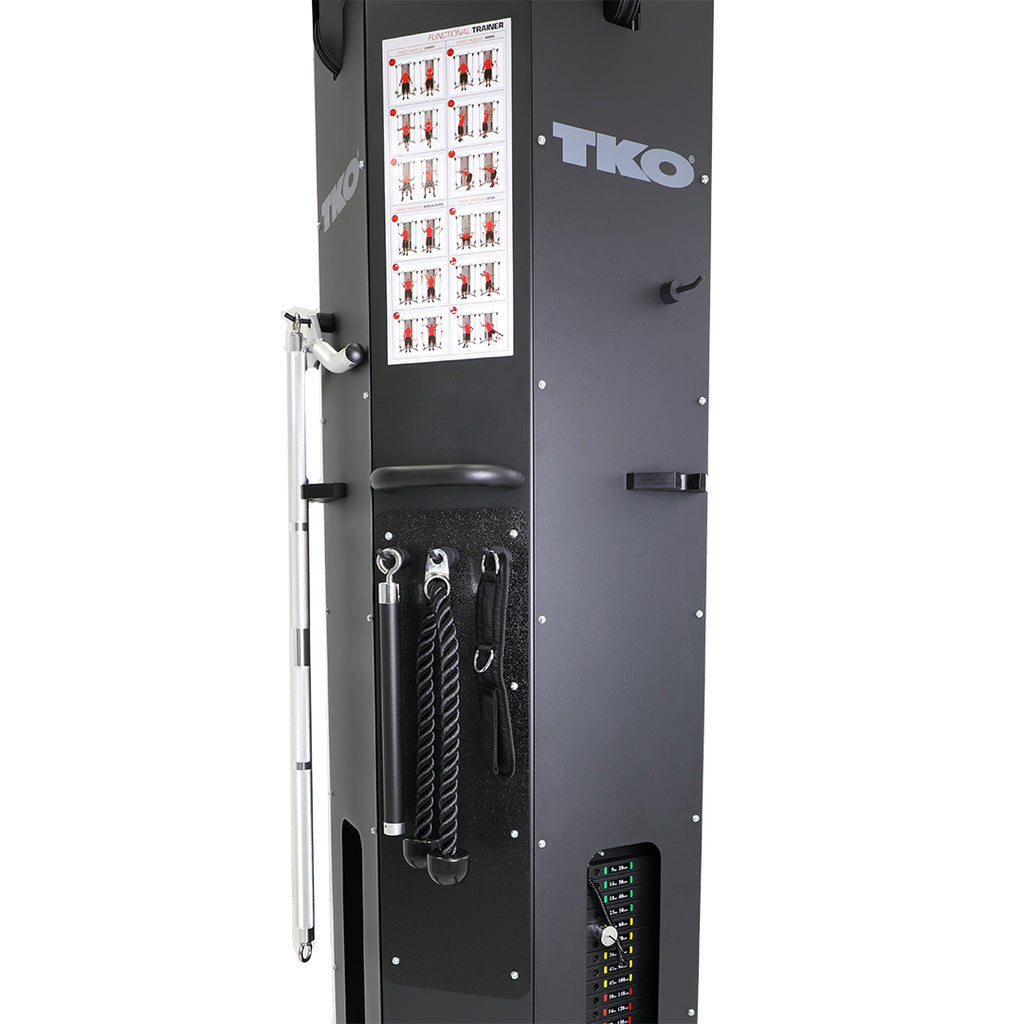
TKO Strength Light Commercial Functional Trainer - Black Frame
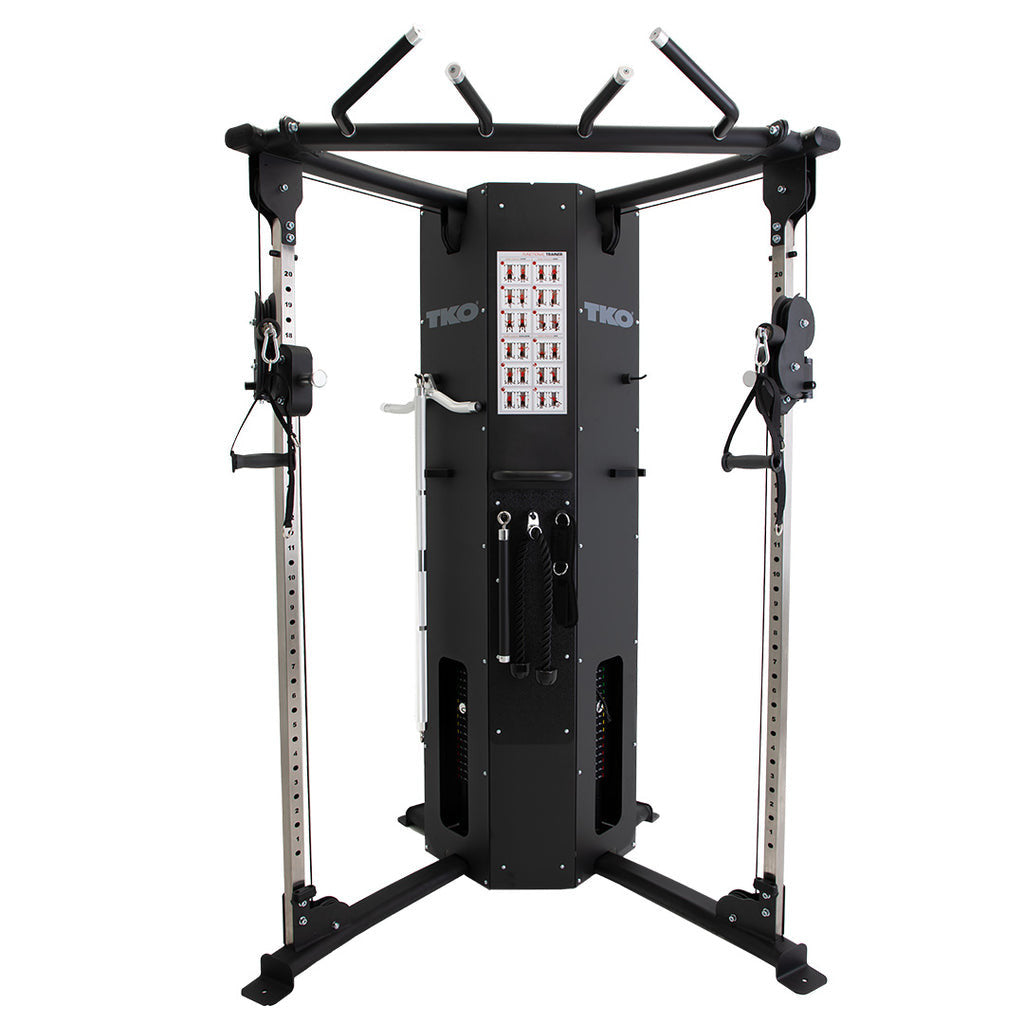
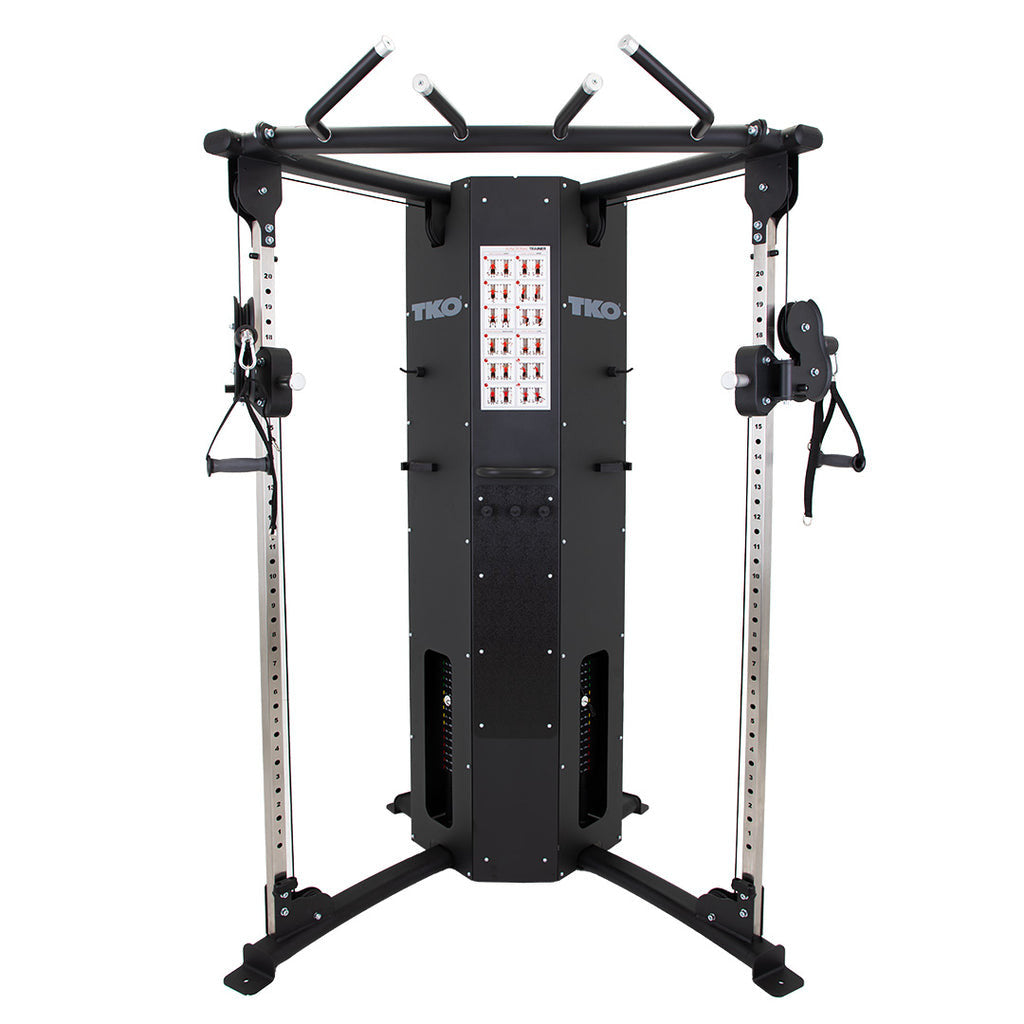
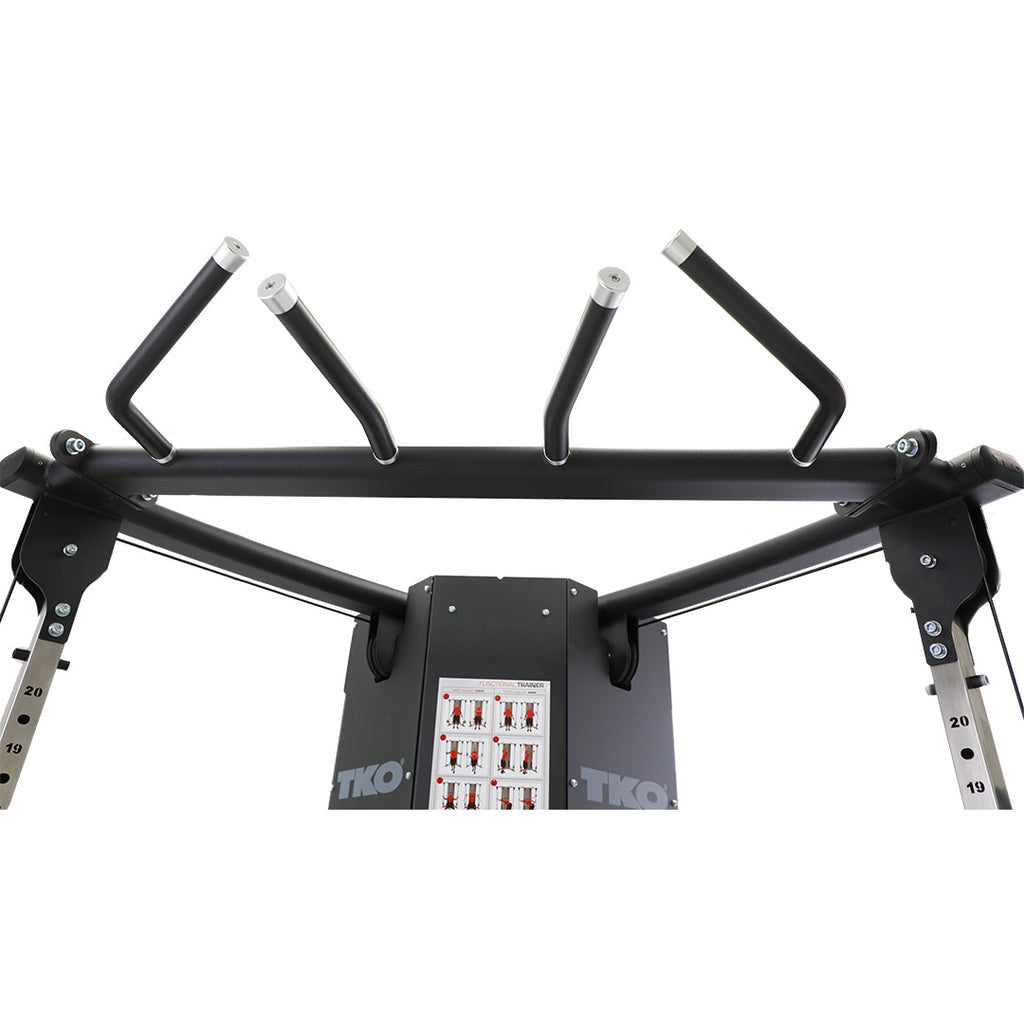
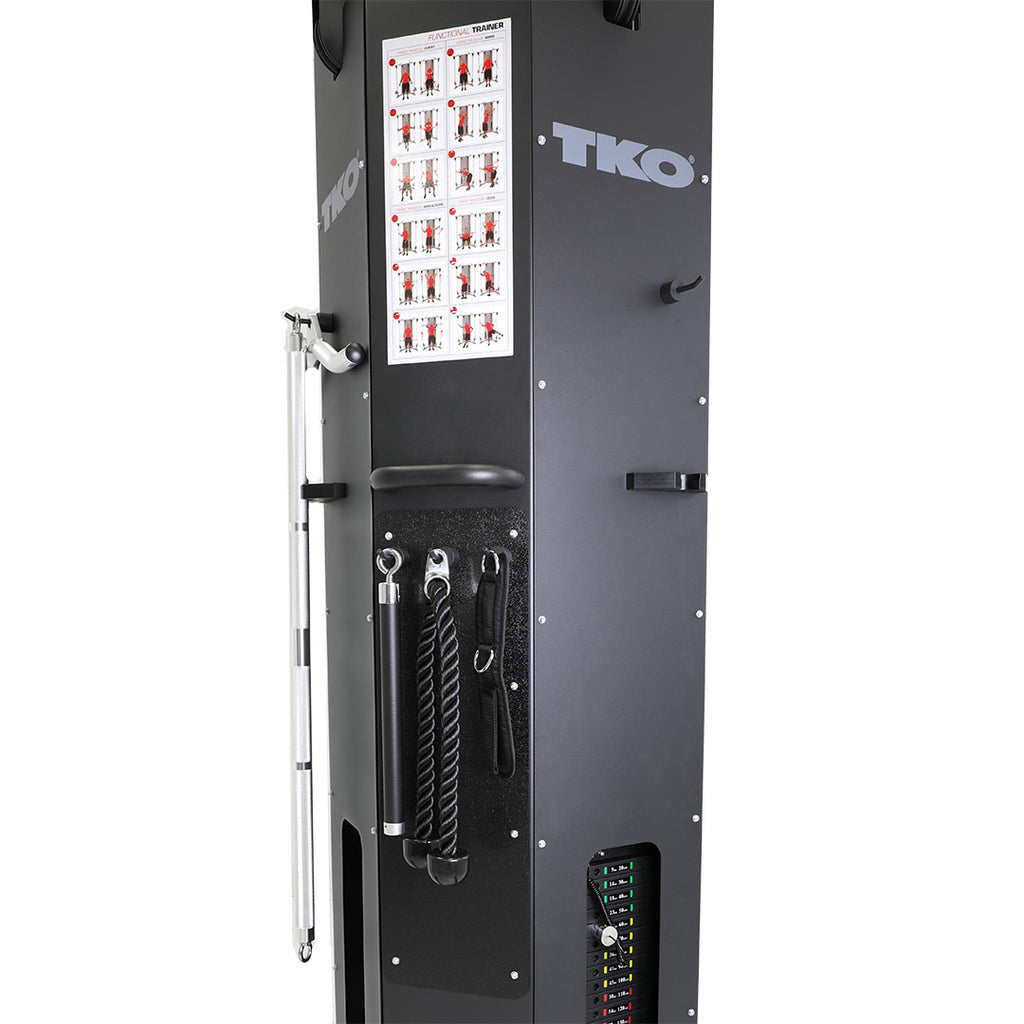
TKO Strength Light Commercial Functional Trainer - Graphite Frame


Who Functional Trainer Cable Machines Are Best For
Functional trainers are well suited for intermediate to advanced users, athletes, and anyone focused on functional strength, mobility, and performance. They are also widely used by personal trainers and physical therapists because the adjustable pulley system allows exercises to be customized for different body types, strength levels, and movement limitations. Home users value these machines for their ability to replace multiple pieces of equipment with a single, adaptable system.
Key Benefits of Functional Cable Training
The primary advantage of functional trainer cable machines is freedom of movement. Dual adjustable pulleys allow resistance to be applied from multiple angles, supporting exercises that engage stabilizing muscles and improve coordination. Constant tension throughout each movement promotes balanced muscle activation and smoother strength curves compared to traditional free weights.
Functional trainers support a wide range of exercises, including presses, rows, rotations, lunges, pulls, and core movements. Because resistance is guided and adjustable, users can train safely at varying loads, making these machines suitable for strength development, conditioning, and corrective exercise. The ability to train unilaterally also helps address muscular imbalances and improve symmetry.
Common Use Cases and Training Environments
These machines are commonly used for full-body functional training, athletic conditioning, and rehabilitation-focused workouts. In home gyms, functional trainers appeal to users seeking professional-grade versatility without excessive floor space. In commercial and clinical settings, they provide consistent, repeatable resistance for both high-performance training and controlled therapeutic movement.
Types and Design Variations
Functional trainer cable machines vary by frame size, resistance system, and pulley configuration. Some models feature dual weight stacks for independent arm movement, while others use plate-loaded or hybrid resistance designs. Compact wall-mounted or corner units are available for space-conscious installations, while larger freestanding models offer expanded range of motion and heavier resistance capacity. Premium systems may include adjustable columns, multiple handle attachments, and integrated storage.
Why Choose The Fitness Outlet
Shoppers choose The Fitness Outlet for Functional Trainer Cable Machines because of our focus on premium, performance-driven fitness equipment. We curate functional trainers built for smooth operation, durability, and biomechanical accuracy, helping customers select systems that support effective, adaptable strength training at home or in professional environments.
Functional Trainer Cable Machines: Versatile Strength Training for Home and Commercial Gyms
Functional trainer cable machines are among the most versatile pieces of strength equipment available. Built around adjustable dual-pulley systems, these machines support a wide range of movements that mirror real-world and athletic patterns. From traditional strength exercises to functional and rehabilitation-focused training, functional trainers allow users to train the entire body with smooth, controlled resistance.

What Is a Functional Trainer Cable Machine?
A functional trainer is a strength machine built around two independently adjustable pulleys, typically mounted on vertical columns. Each pulley can be raised or lowered to multiple height positions, allowing resistance to be applied from virtually any angle.
Unlike fixed-path machines, functional trainers support free movement patterns. This enables users to perform presses, rows, rotations, lunges, and sport-specific movements that closely replicate natural motion.
Why Functional Trainers Are So Popular
Functional trainer cable machines appeal to a wide range of users due to their adaptability and efficiency.
Unmatched Exercise Variety
With a single functional trainer, users can perform dozens—often hundreds—of exercises. Common movements include chest presses, lat pulldowns, cable rows, flys, curls, triceps extensions, woodchops, and single-leg exercises. This versatility makes functional trainers ideal for full-body workouts without changing machines.
Adjustable Resistance Angles
Because the pulleys adjust vertically, resistance can be applied from high, mid, or low positions. This allows for precise targeting of muscle groups and supports movement patterns that are difficult to replicate with free weights alone.
Smooth, Joint-Friendly Resistance
Cable systems provide constant tension throughout each repetition, reducing joint stress and promoting controlled movement. This makes functional trainers suitable for users with joint concerns and those focused on longevity and injury prevention.
Functional Trainer vs. Traditional Weight Machines
Functional trainers differ significantly from selectorized or plate-loaded machines.
-
Traditional machines guide movement along fixed paths, offering stability and ease of use.
-
Functional trainers allow free movement, requiring more stabilization and coordination.
For users seeking athletic, functional strength that transfers to daily activities and sports, functional trainers offer a more dynamic training experience.
Key Components of a Quality Functional Trainer
Not all cable machines are built the same. Several design factors directly impact performance, durability, and training feel.
Dual Adjustable Pulleys
Independent pulleys allow unilateral training, which helps correct muscle imbalances and improve coordination. Look for machines with a wide range of height adjustment points to maximize exercise options.
Weight Stack vs. Plate-Loaded Resistance
-
Weight stack functional trainers offer quick adjustments and smooth operation, making them popular in home and commercial settings.
-
Plate-loaded functional trainers allow higher resistance ceilings and appeal to advanced strength athletes.
Pulley Ratio and Resistance Feel
Pulley ratios affect how resistance is delivered. A 2:1 ratio provides smoother movement and greater range of motion, while a 1:1 ratio delivers heavier resistance. Some premium machines offer both options for added versatility.
Footprint and Space Considerations
Functional trainers are often chosen for their efficient use of space.
Compact but Capable
Many functional trainers have a relatively small footprint compared to multi-station gyms, especially when mounted against a wall or integrated into a rack system. This makes them ideal for home gyms and studios where space is at a premium.
Clearance for Movement
While the footprint may be compact, users should account for additional clearance in front of the machine to perform lunges, presses, and rotational exercises safely.
Home vs. Commercial Functional Trainers
Choosing the right functional trainer depends on usage demands.
Home Functional Trainers
Home models prioritize compact design, smooth operation, and ease of adjustment. They are well-suited for individual users or families seeking a versatile strength solution without a full commercial setup.
Commercial and Light Commercial Trainers
Commercial-grade functional trainers feature heavier frames, higher weight capacities, and components designed for continuous use. These machines are common in gyms, physical therapy clinics, and athletic training facilities.
Training Applications Beyond Strength
Functional trainers excel in multiple training contexts beyond traditional muscle building.
Athletic Performance and Sports Training
Cable resistance allows athletes to train explosive, rotational, and diagonal movements that translate directly to sports performance.
Rehabilitation and Corrective Exercise
Physical therapists and trainers often use functional trainers for controlled, progressive rehabilitation exercises. Adjustable resistance and smooth motion support safe recovery.
Core and Stability Training
Many core exercises—anti-rotation presses, chops, and lifts—are ideally performed on a functional trainer, engaging stabilizing muscles throughout the body.
Accessories and Expandability
Most functional trainers include or support a variety of attachments:
-
Straight bars and curl bars
-
Rope handles
-
Ankle straps
-
Adjustable D-handles
Some systems also allow integration with racks, Smith machines, or half racks, expanding training possibilities even further.
FAQs
Can a functional trainer replace a full gym?
Are cable machines effective for muscle growth?
Do functional trainers require a lot of maintenance?