


Achieve your fitness goals within your budget with our financing.
Free Delivery on Orders $599+
Fast, reliable delivery on all qualifying orders.
Price Match Guarantee
Shop confidently knowing you're getting the best deal.
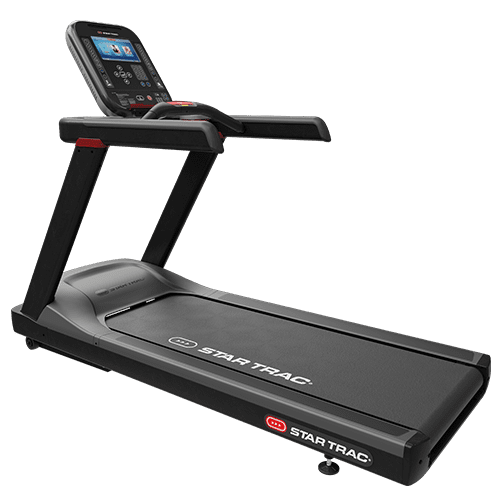
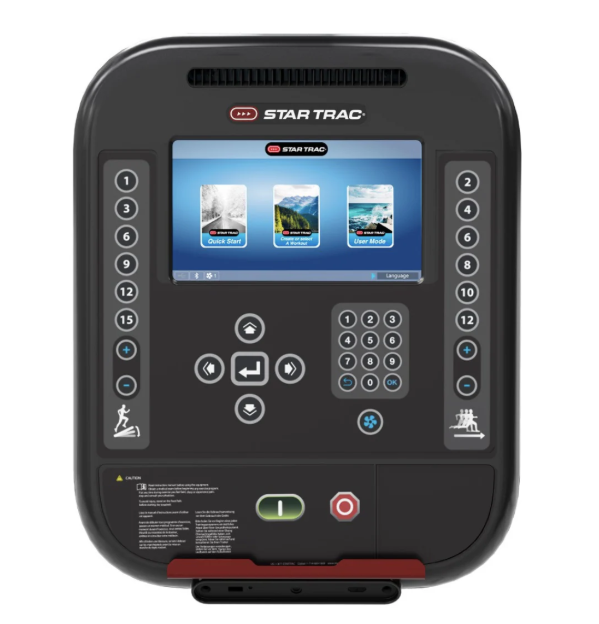

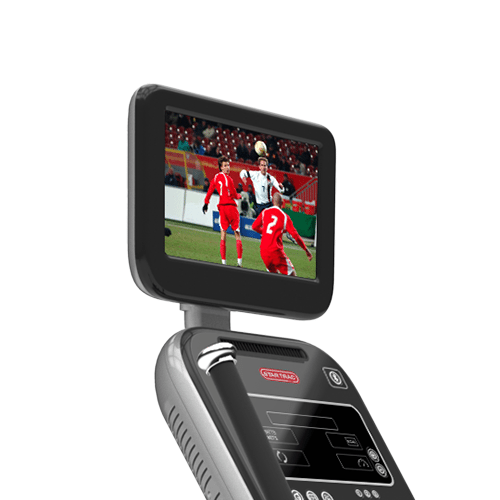
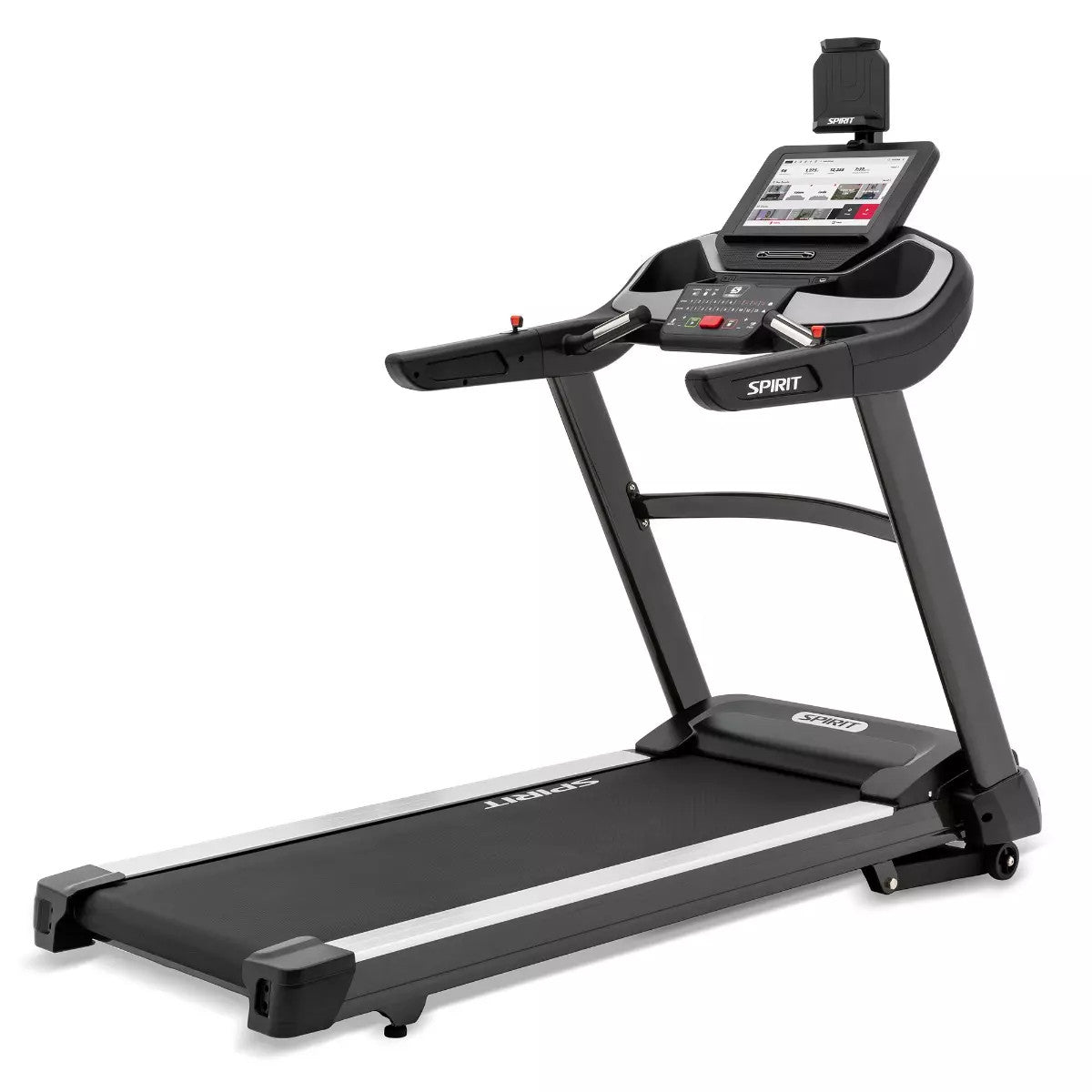
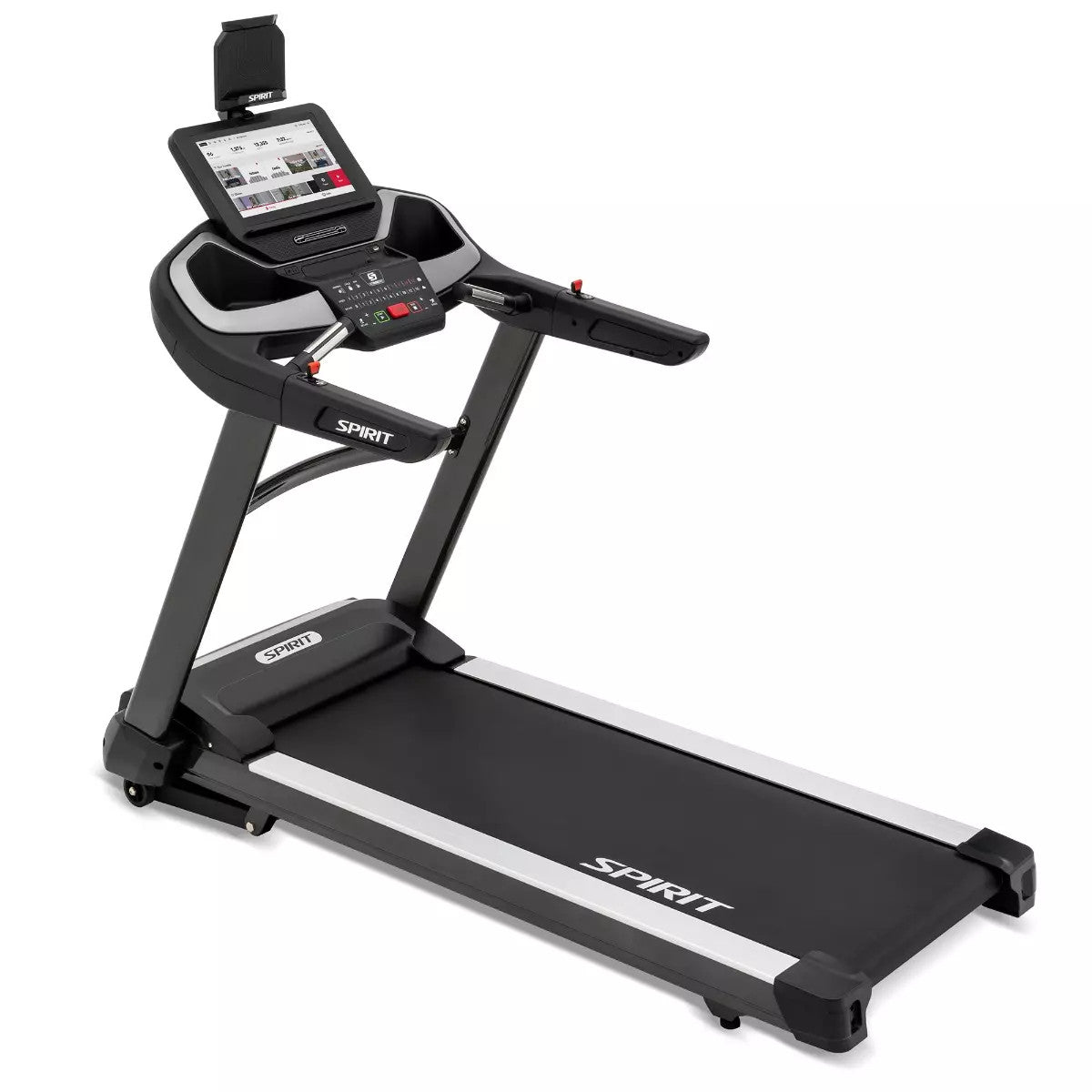
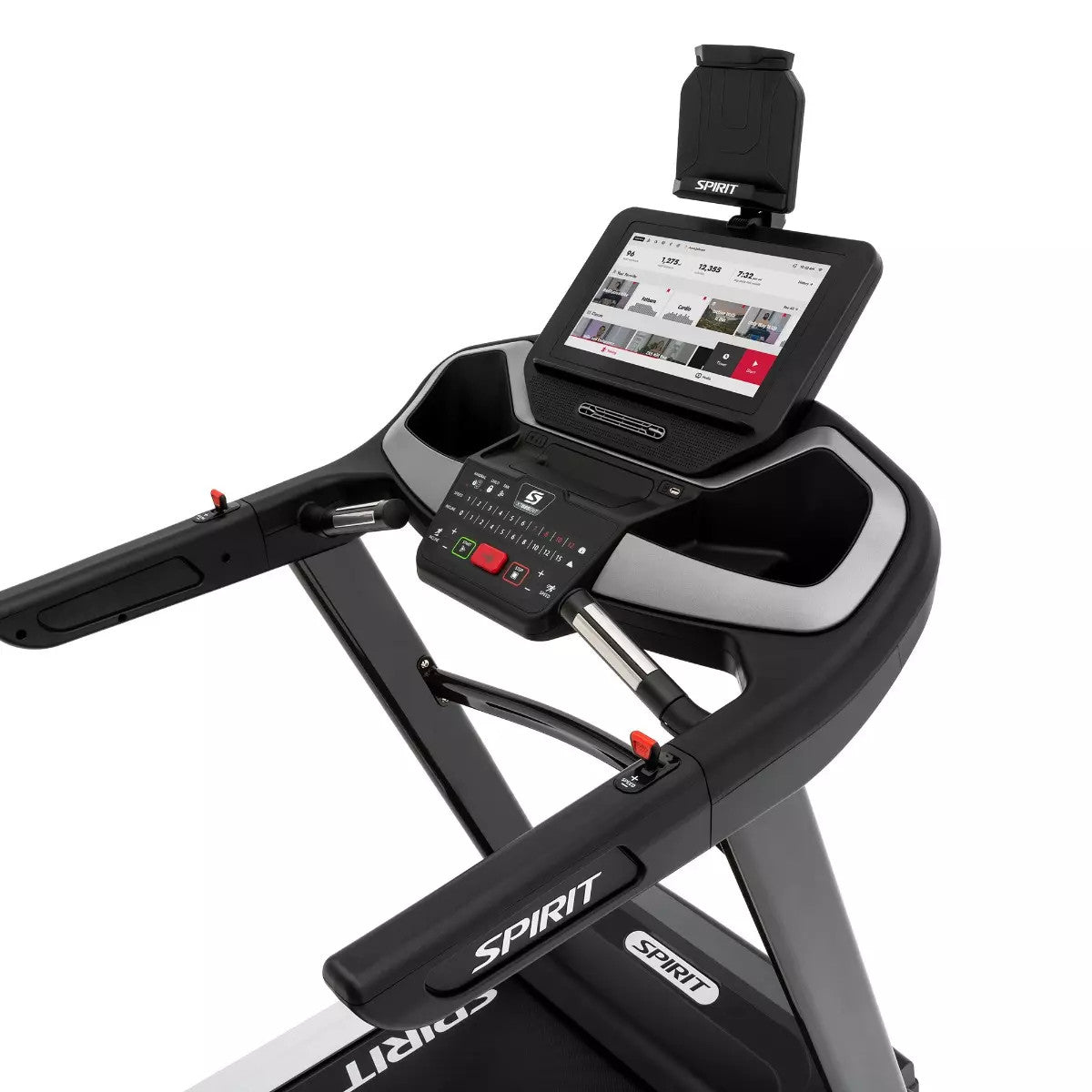
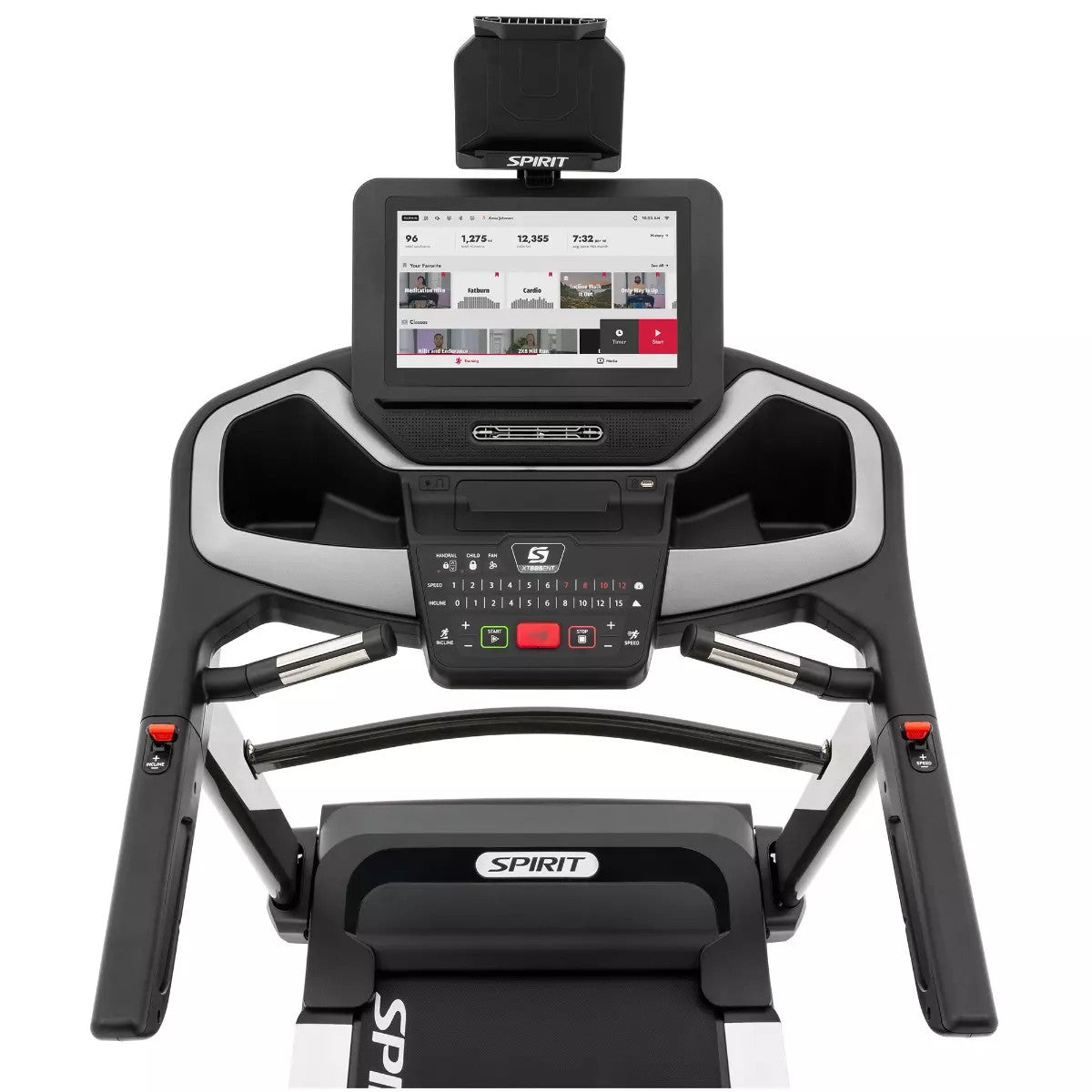
Spirit Fitness XT685ENT Treadmill
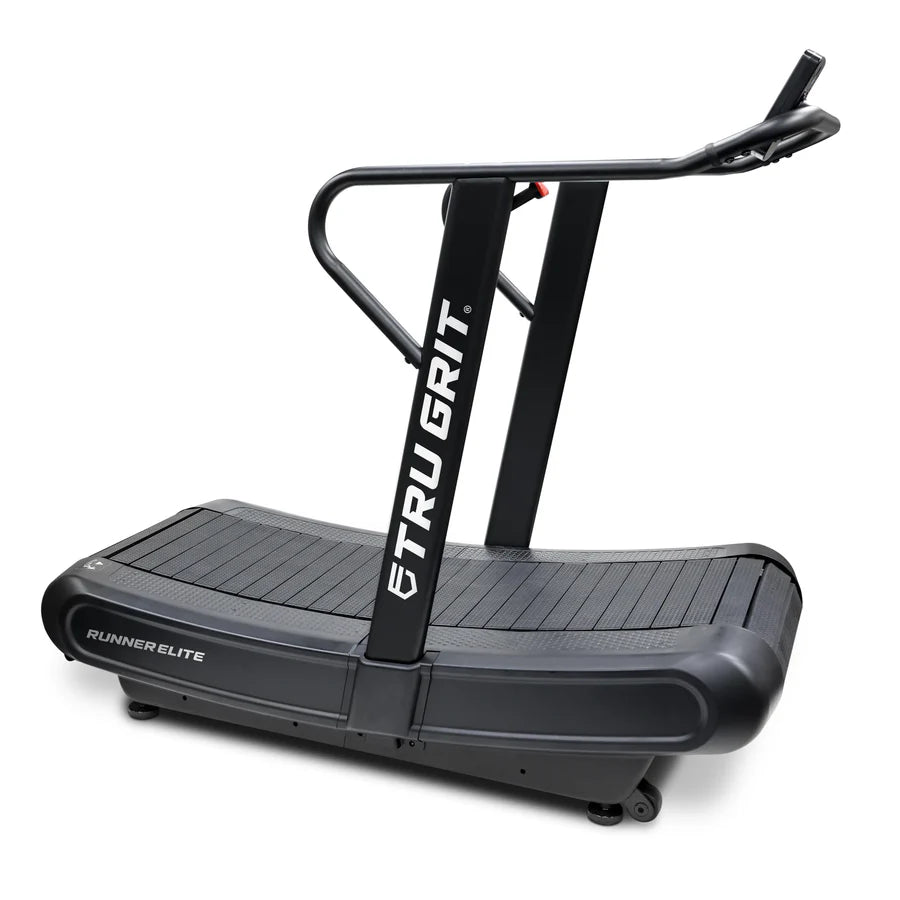
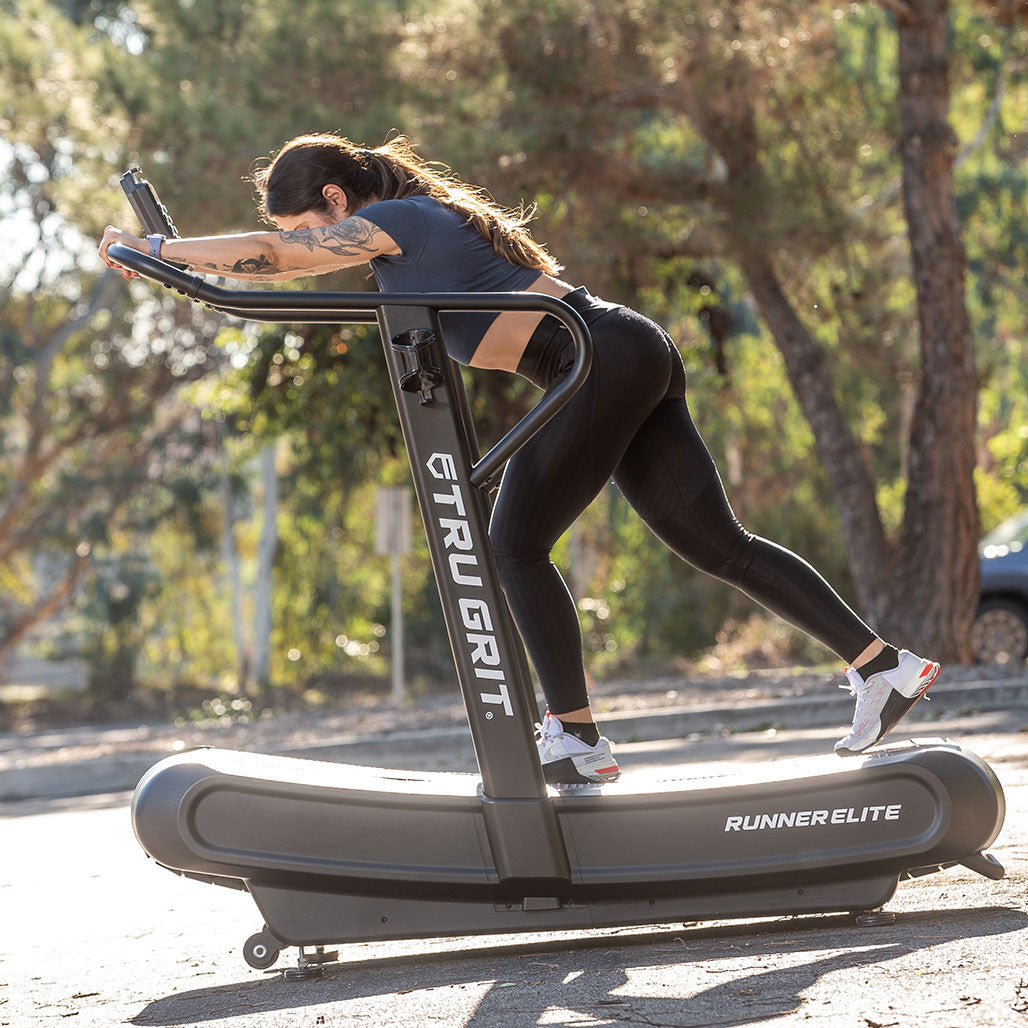
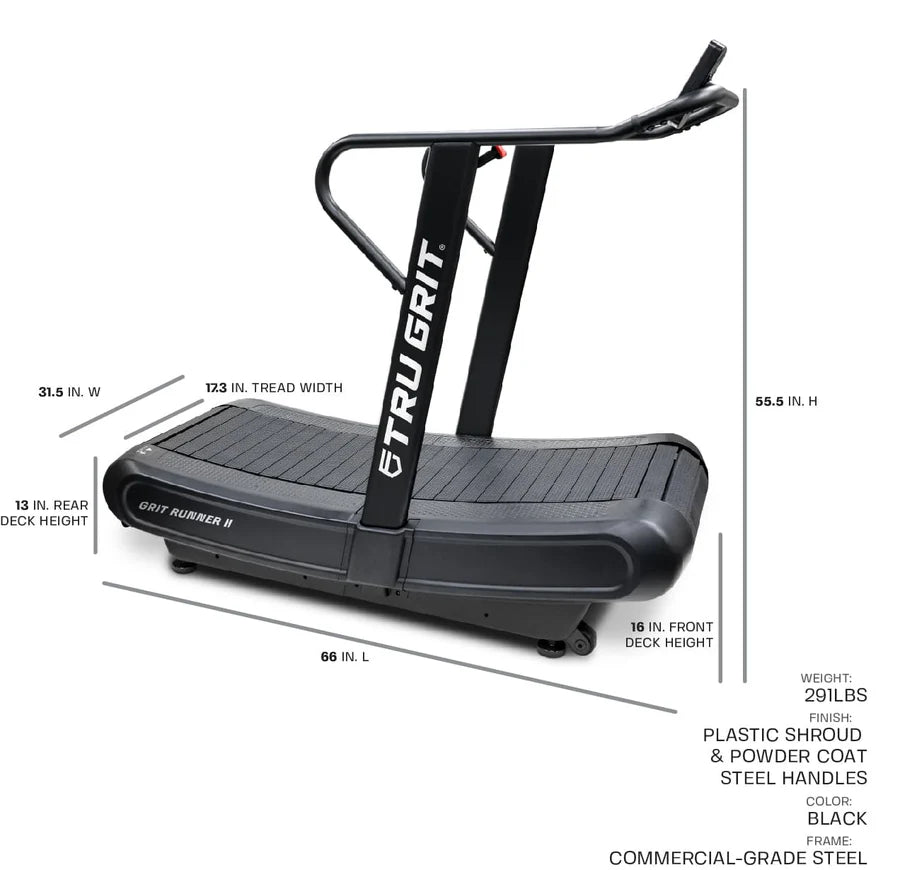
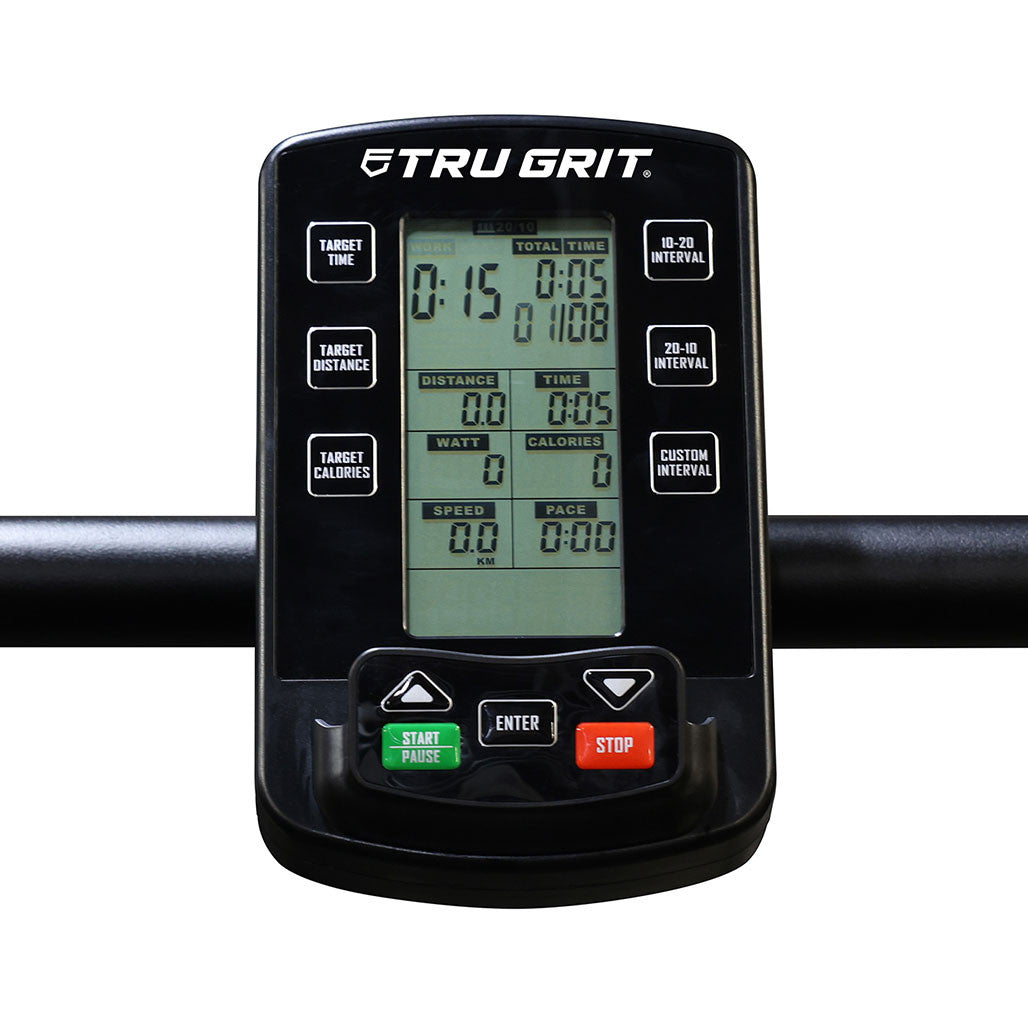
Tru Grit Fitness - Grit Runner Elite Treadmill
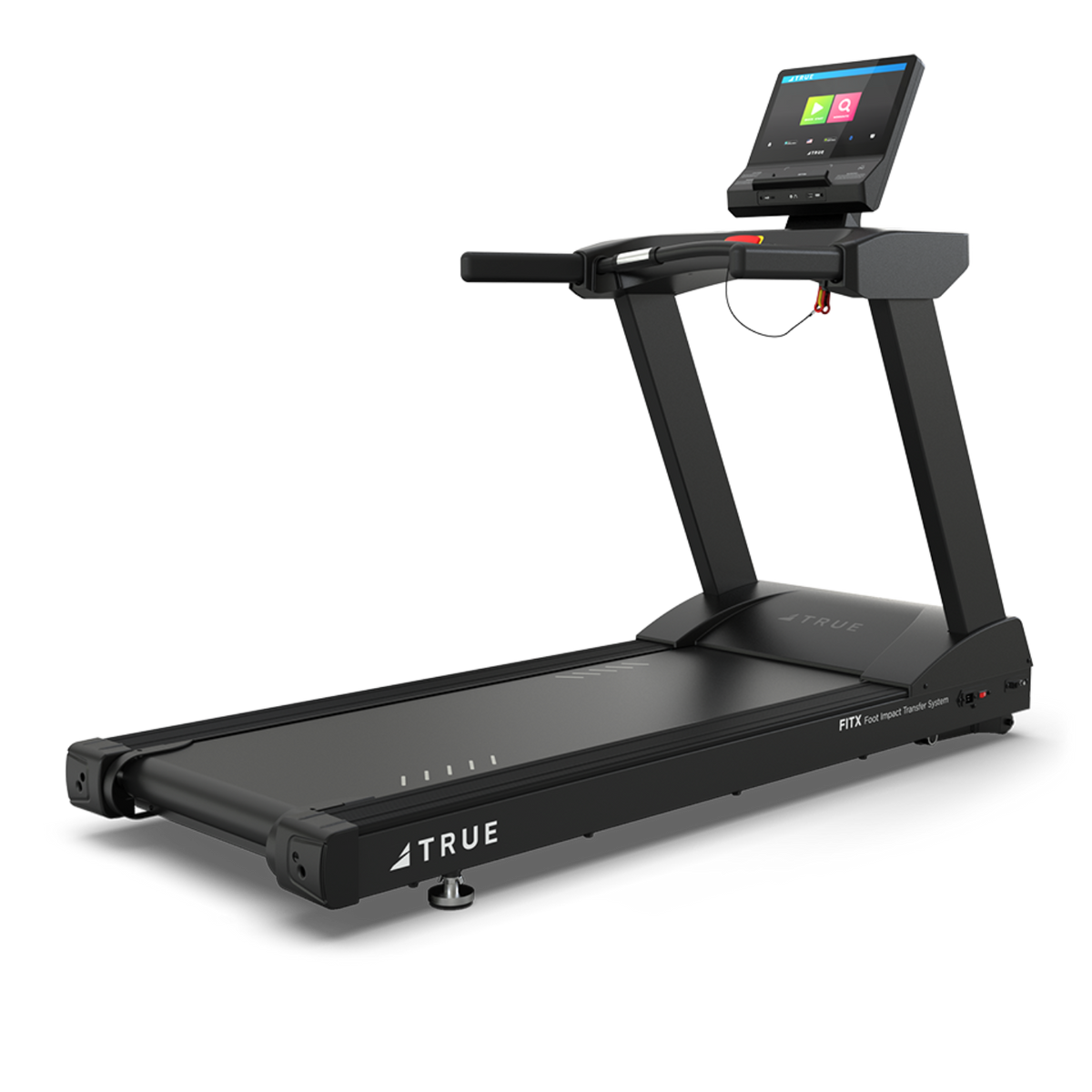
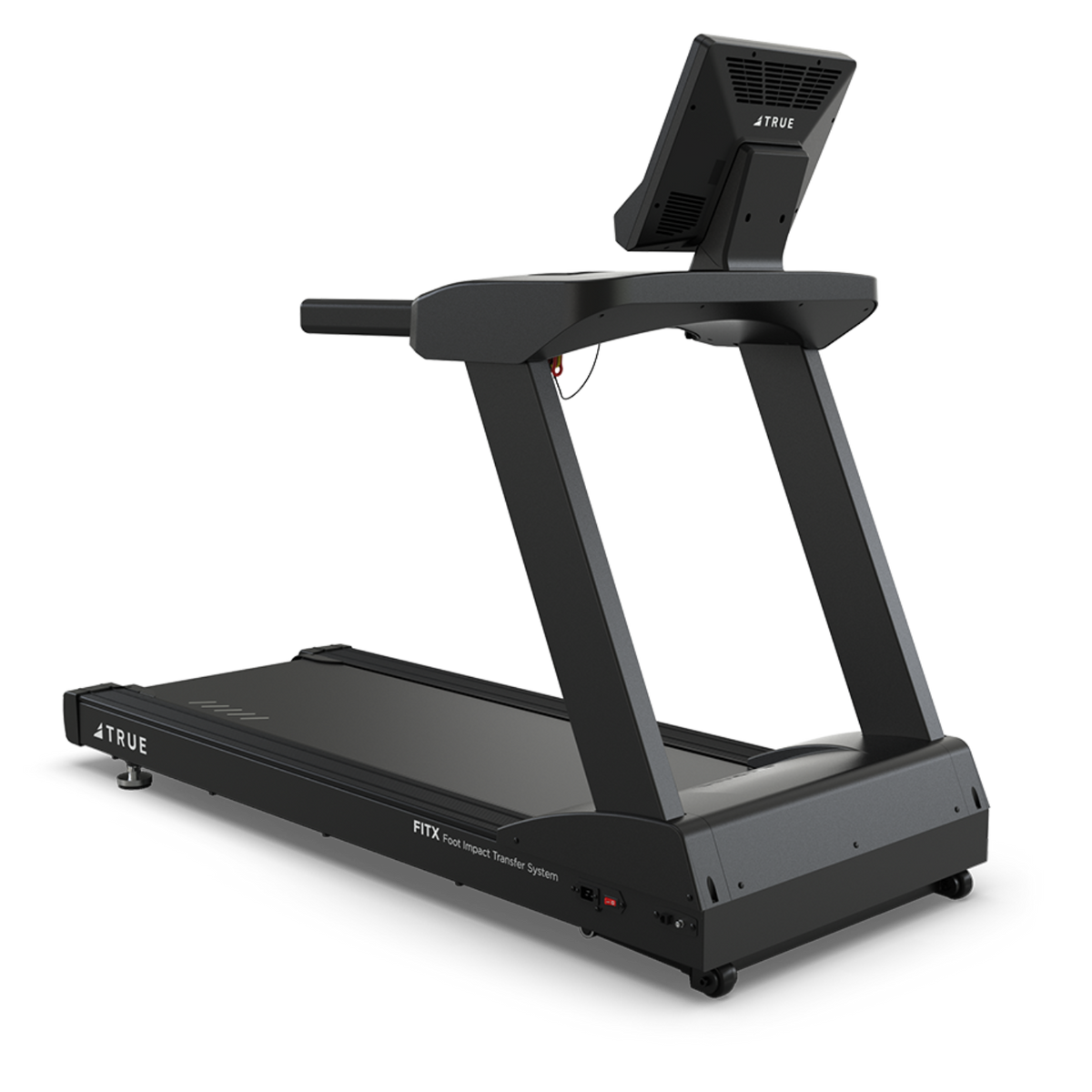
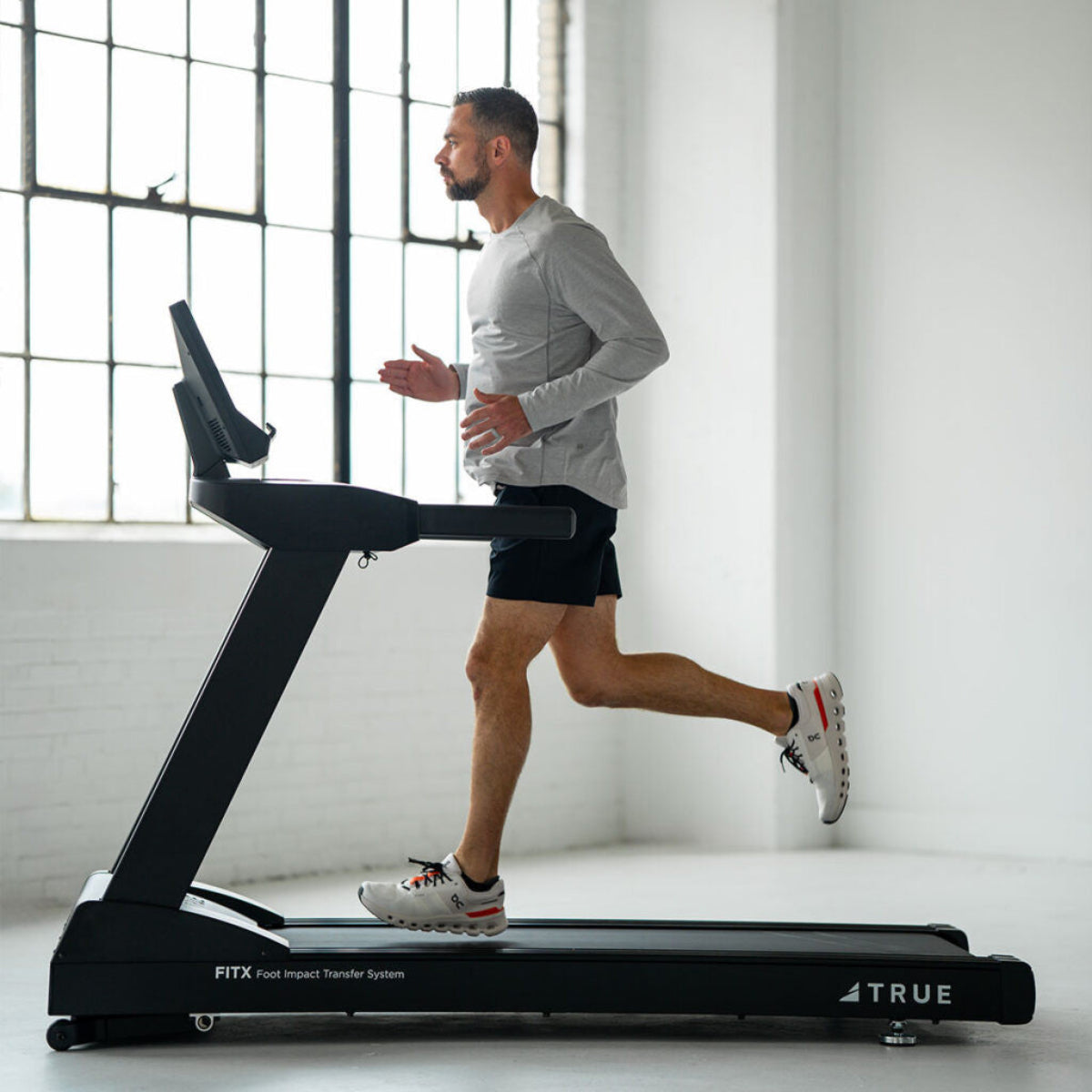
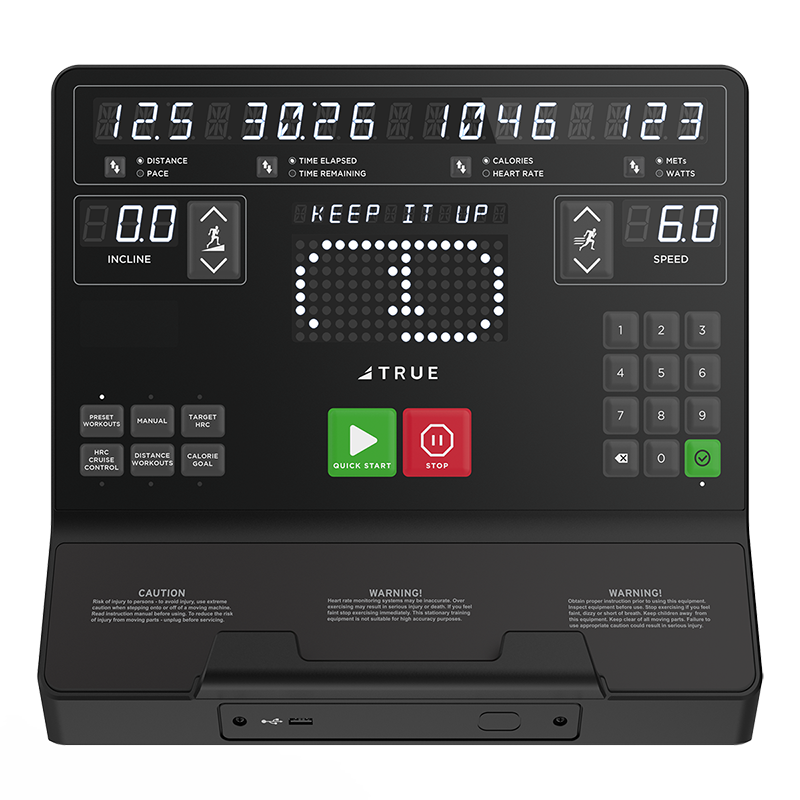
True Fitness Gravity Treadmill
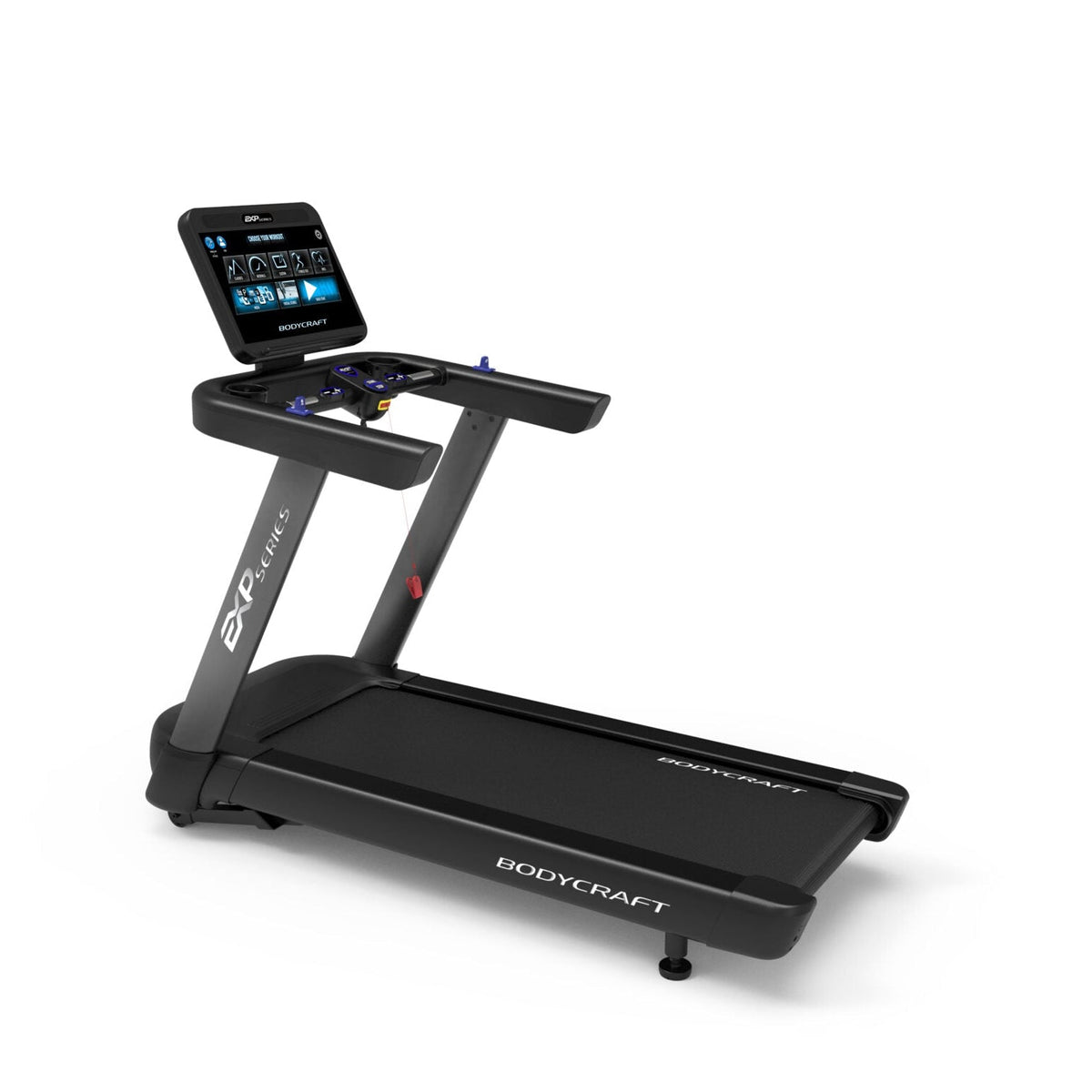
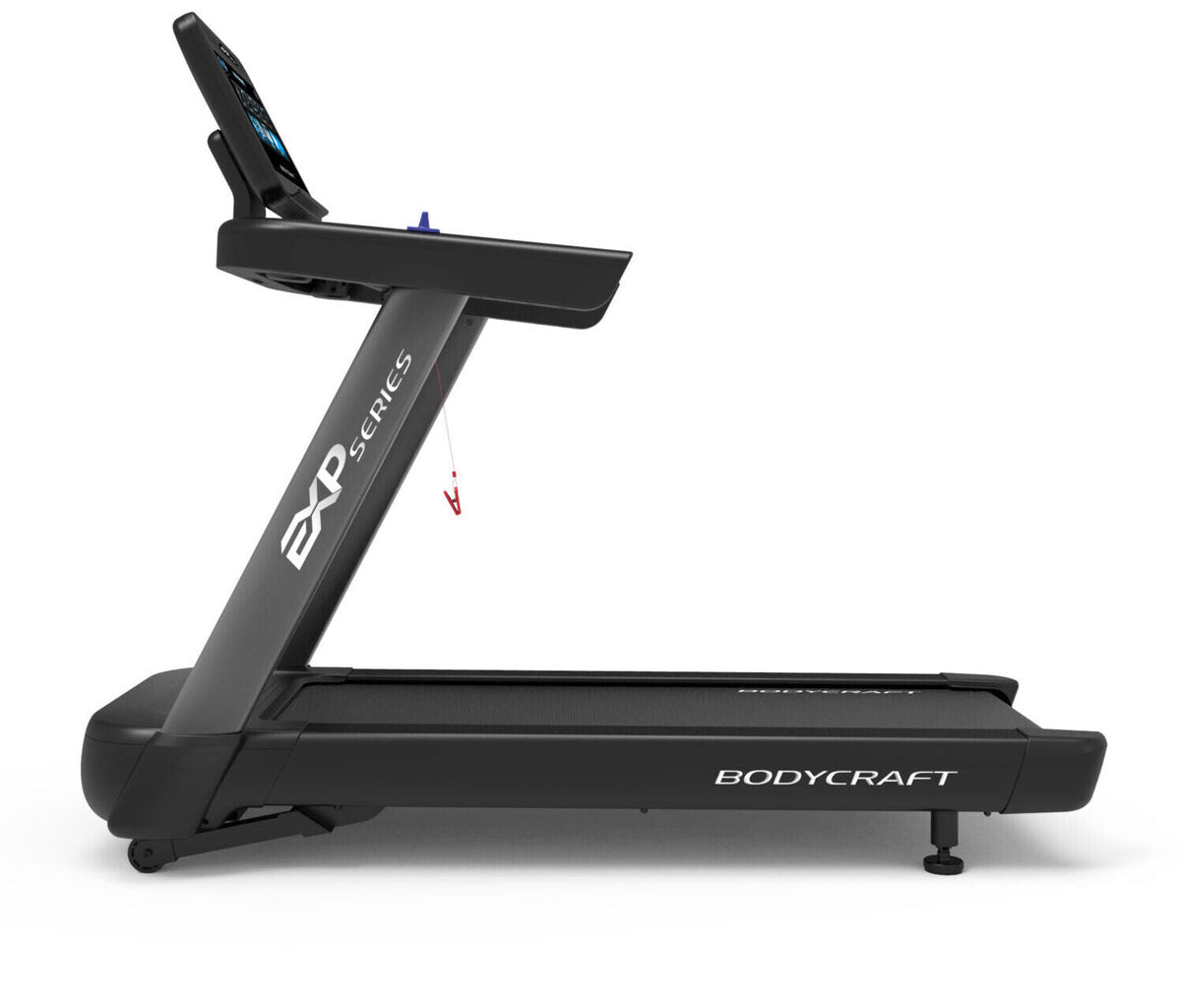
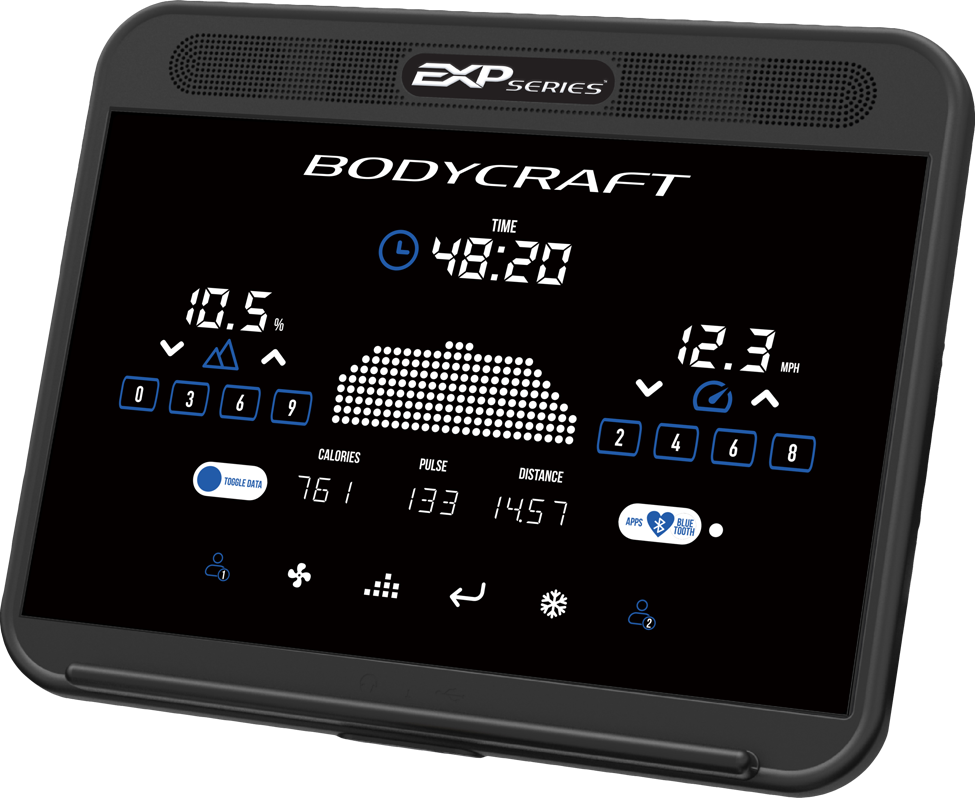
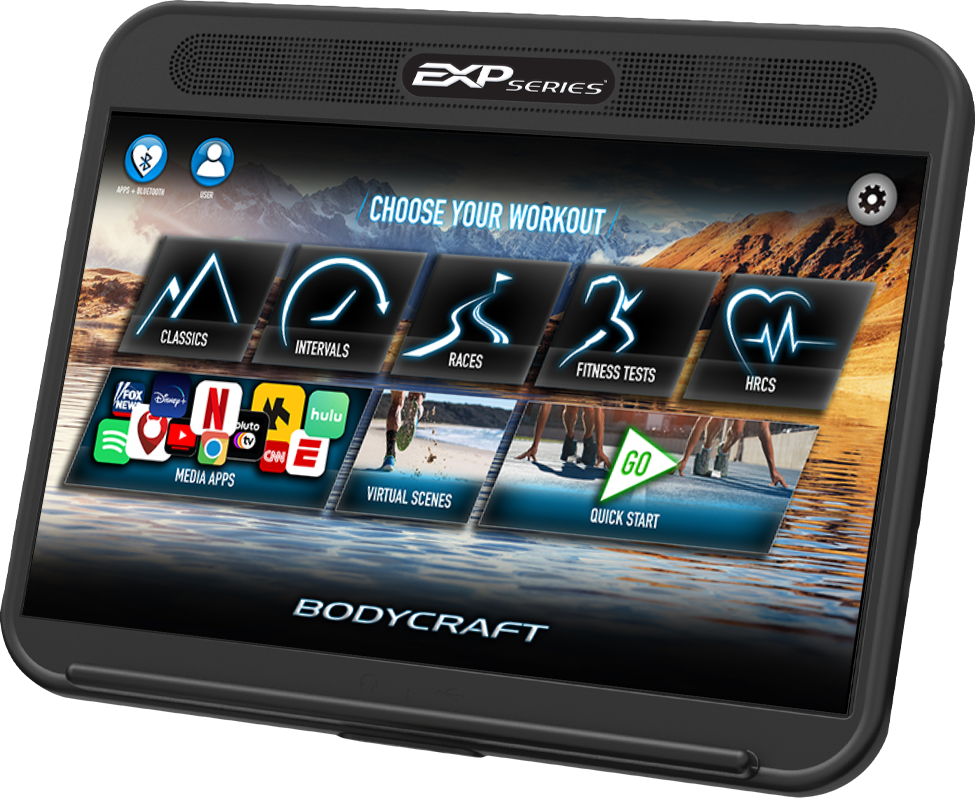
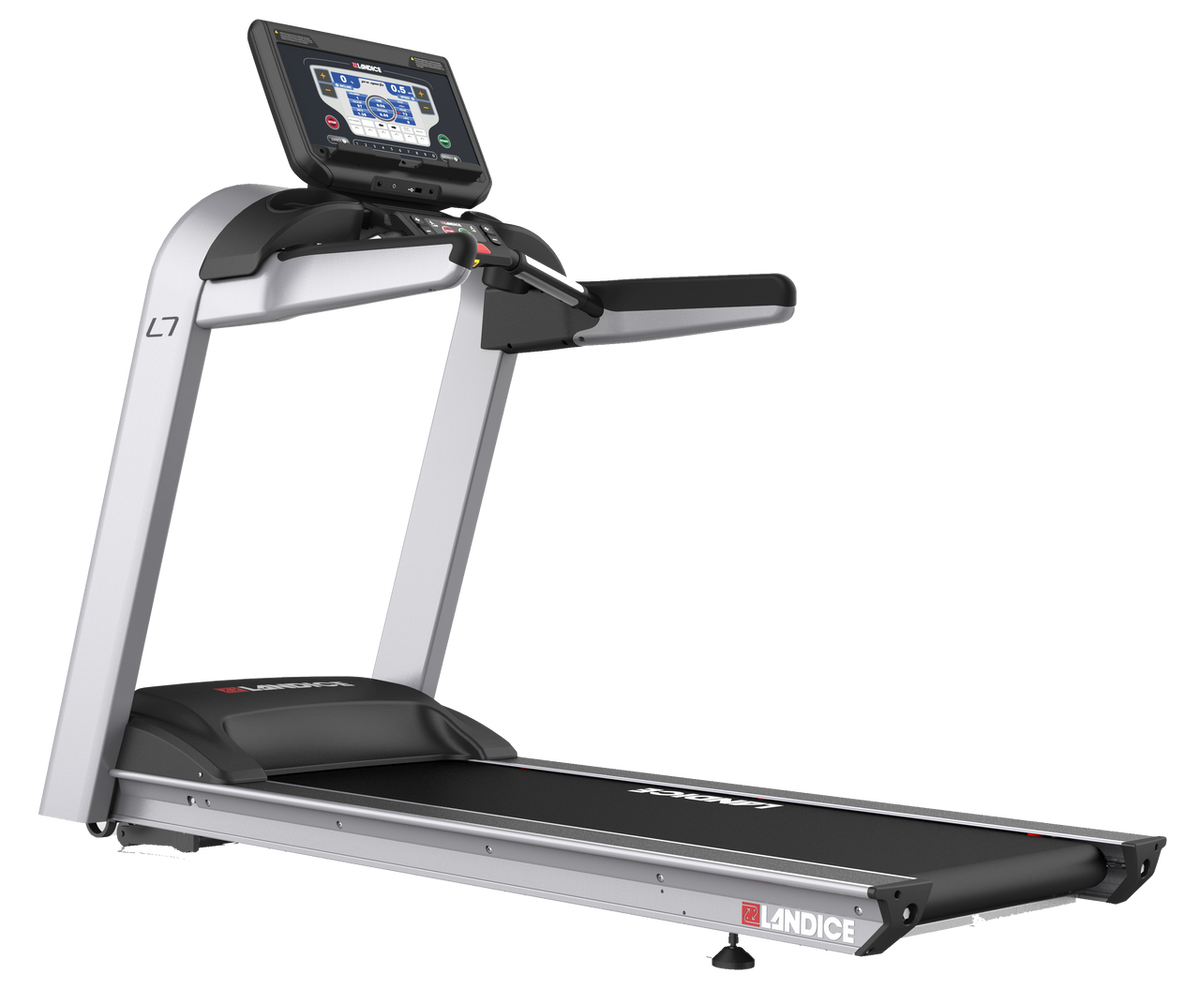
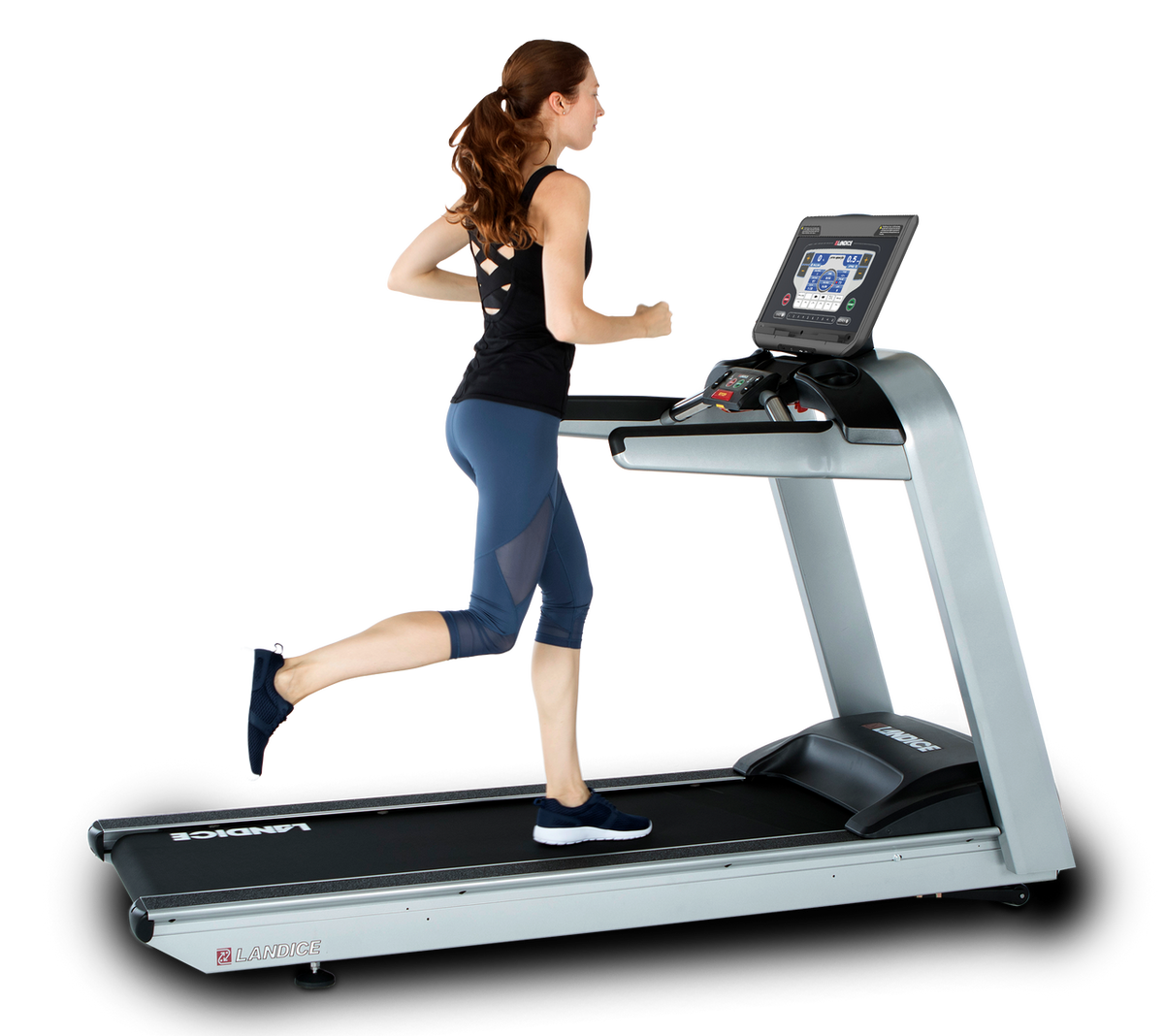
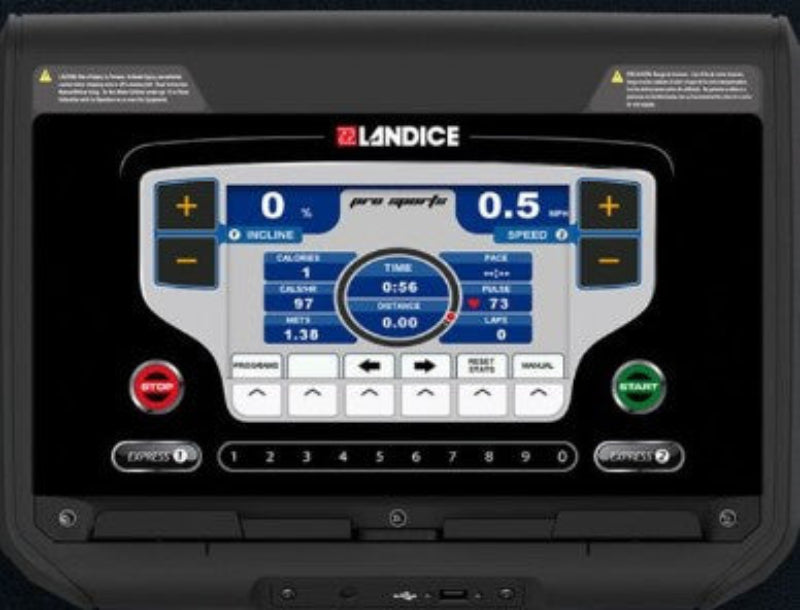
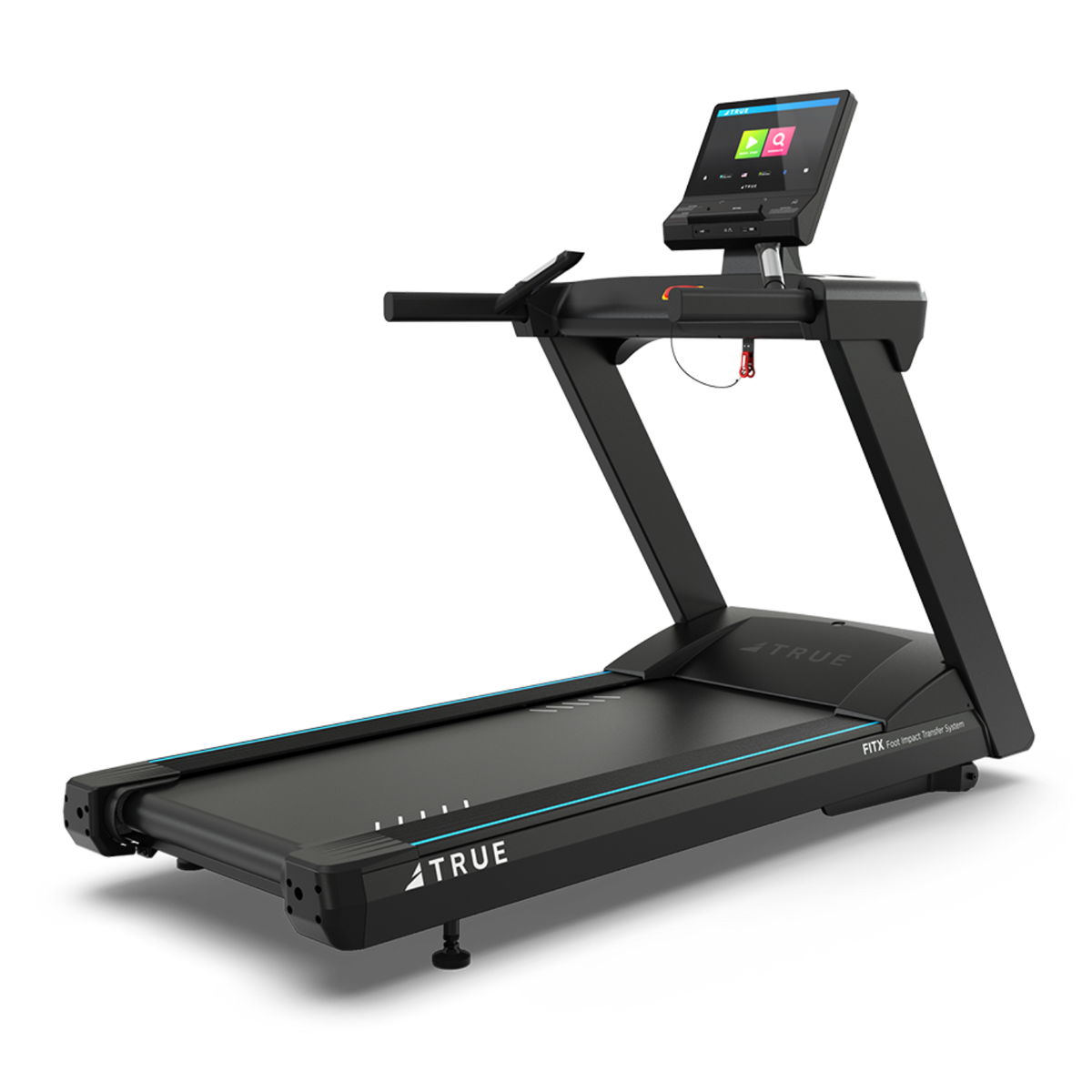
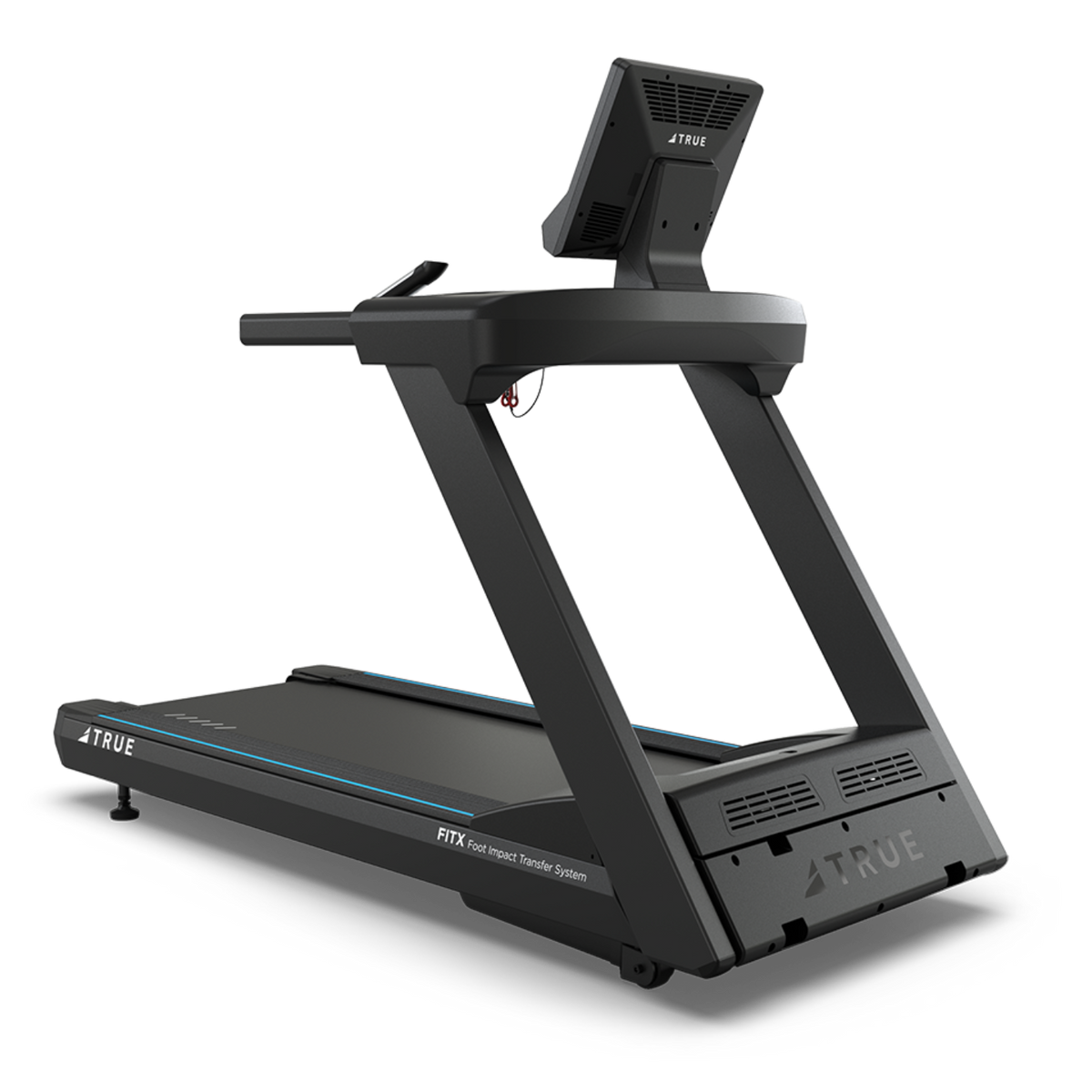
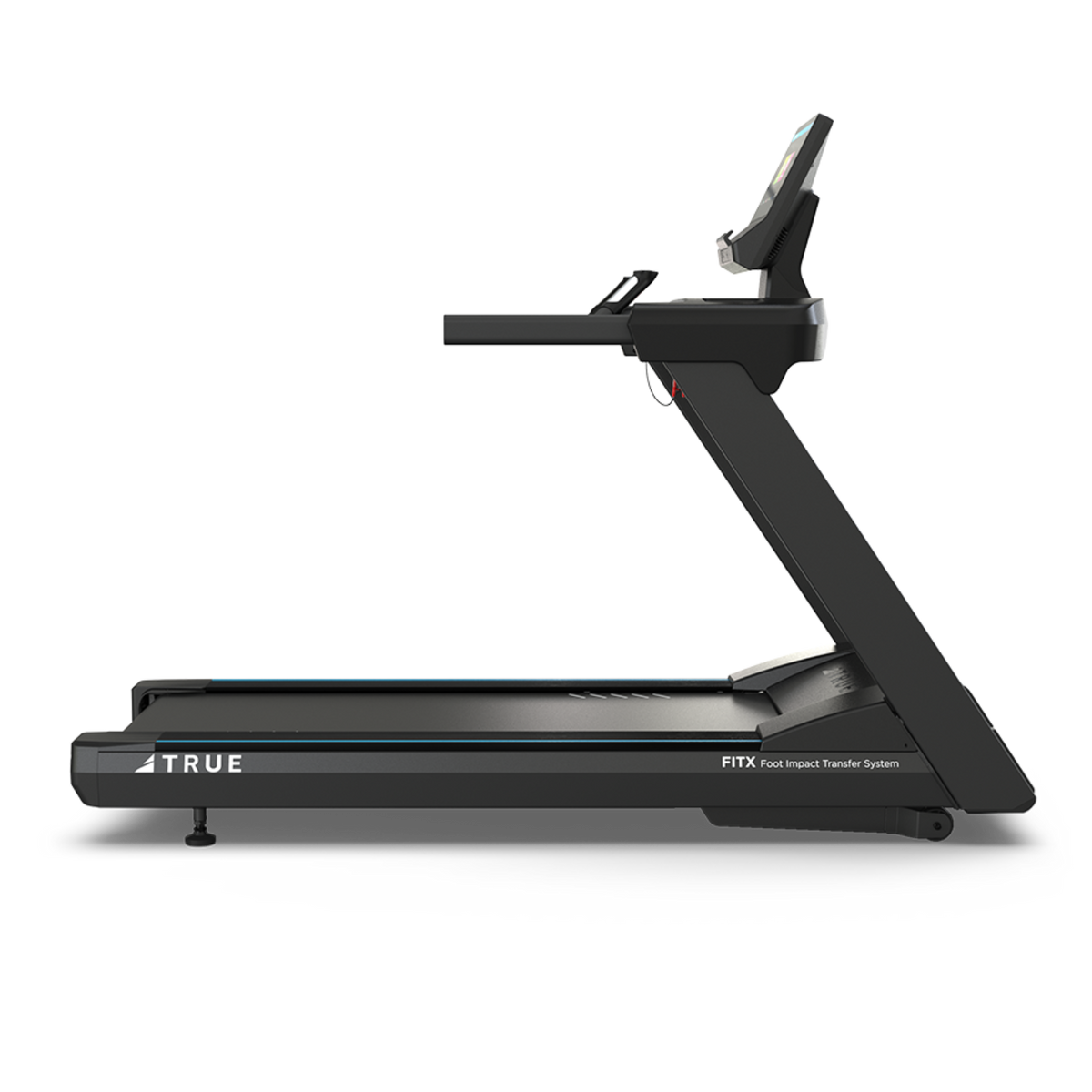
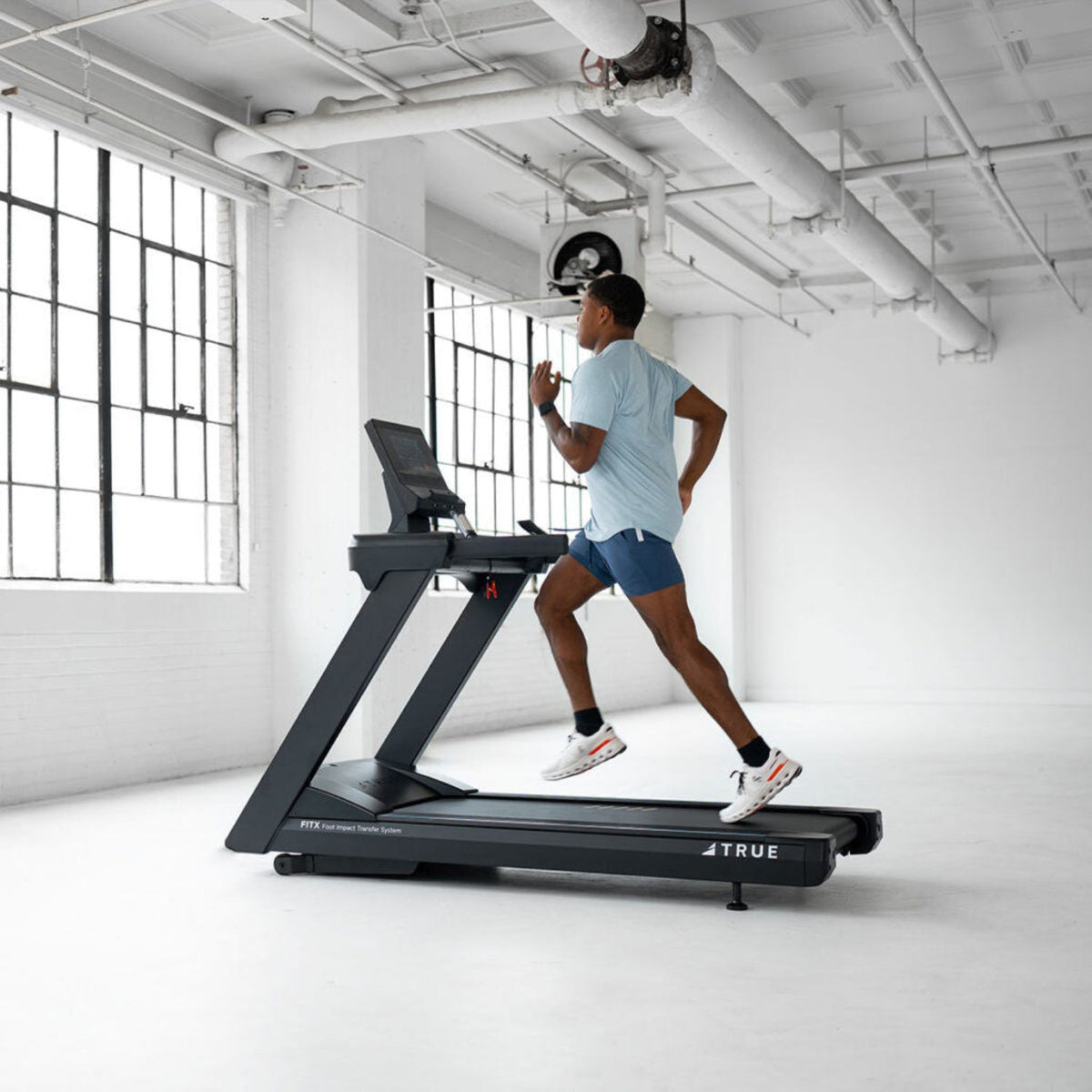
TRUE Fitness Gravity Plus Treadmill


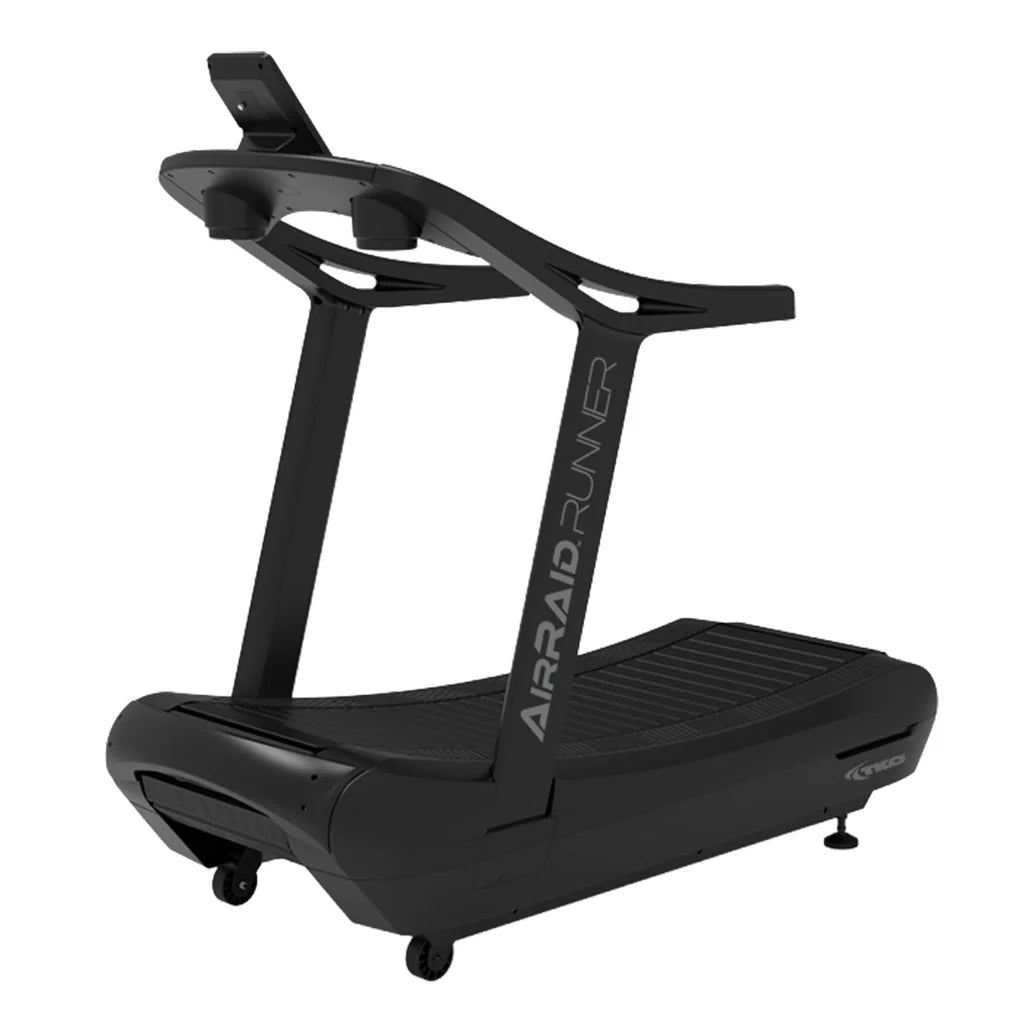
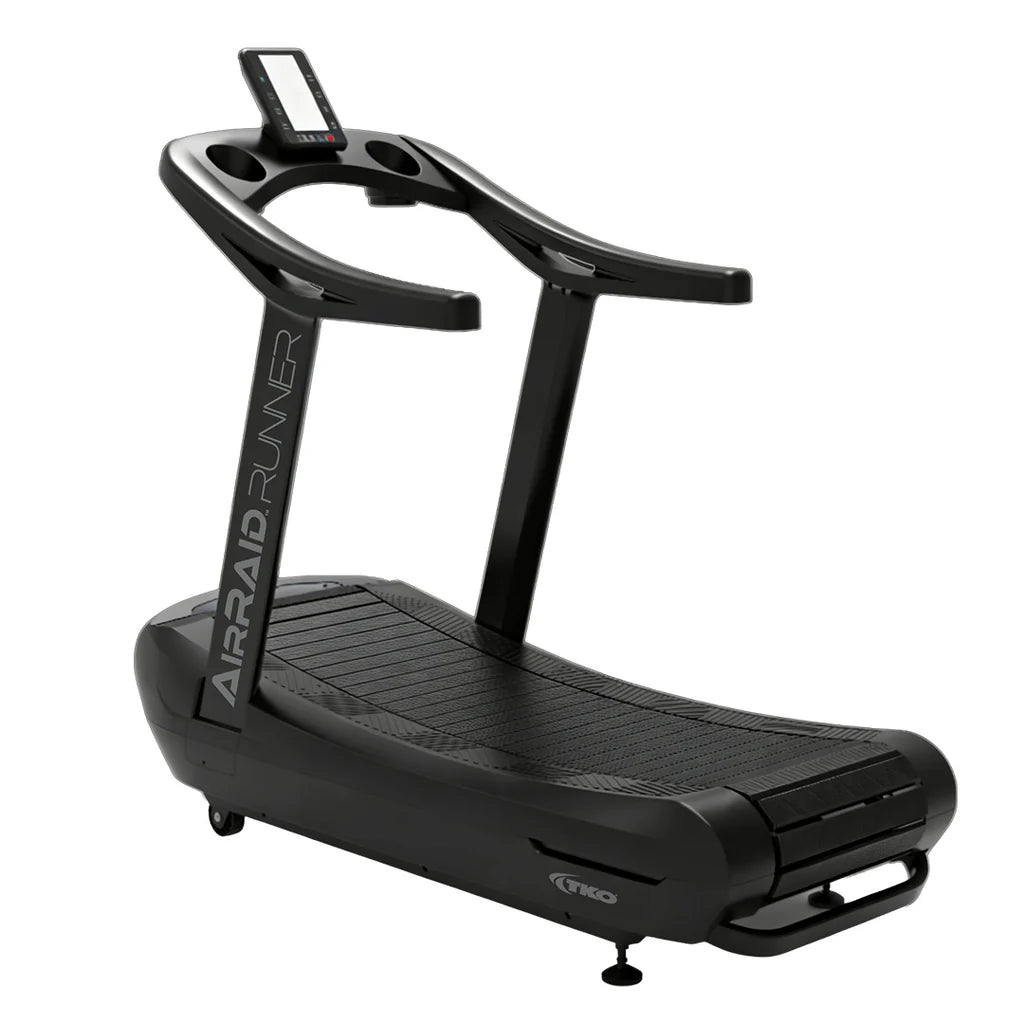
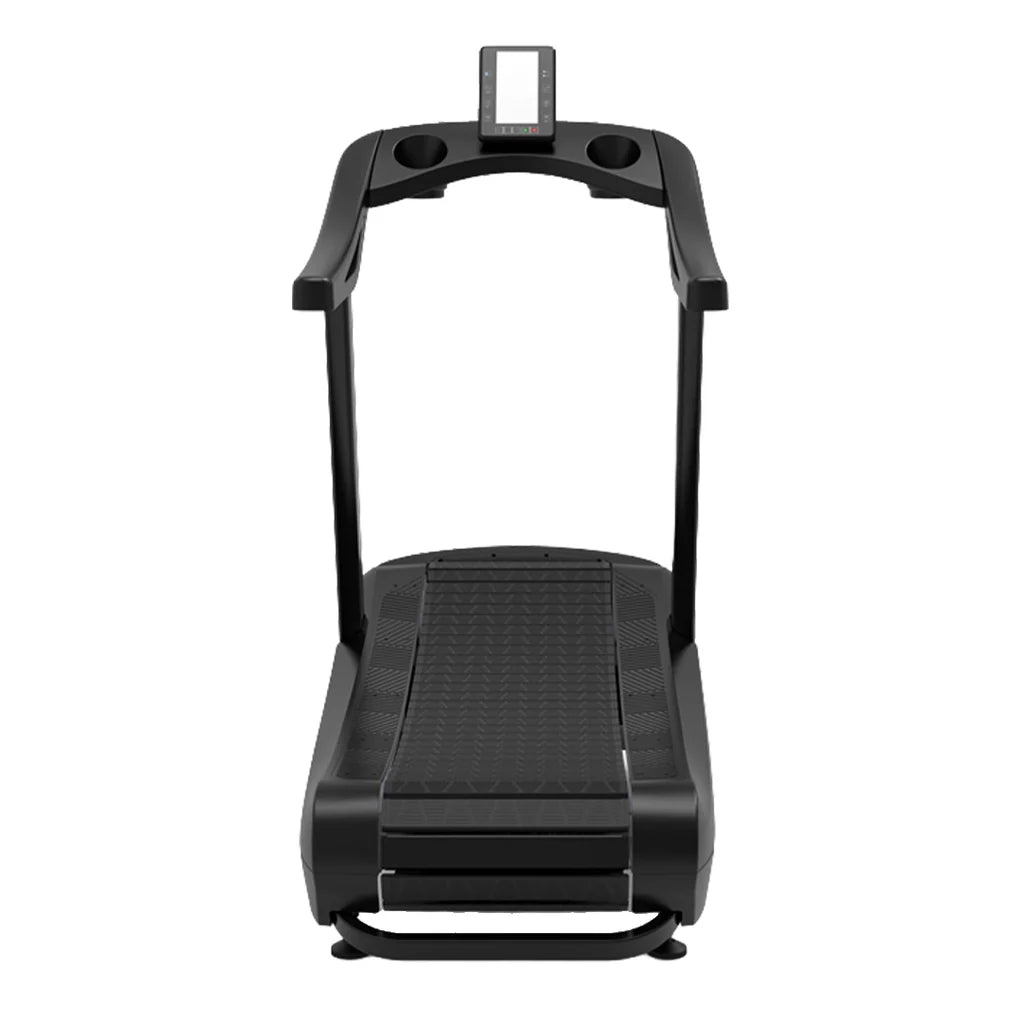
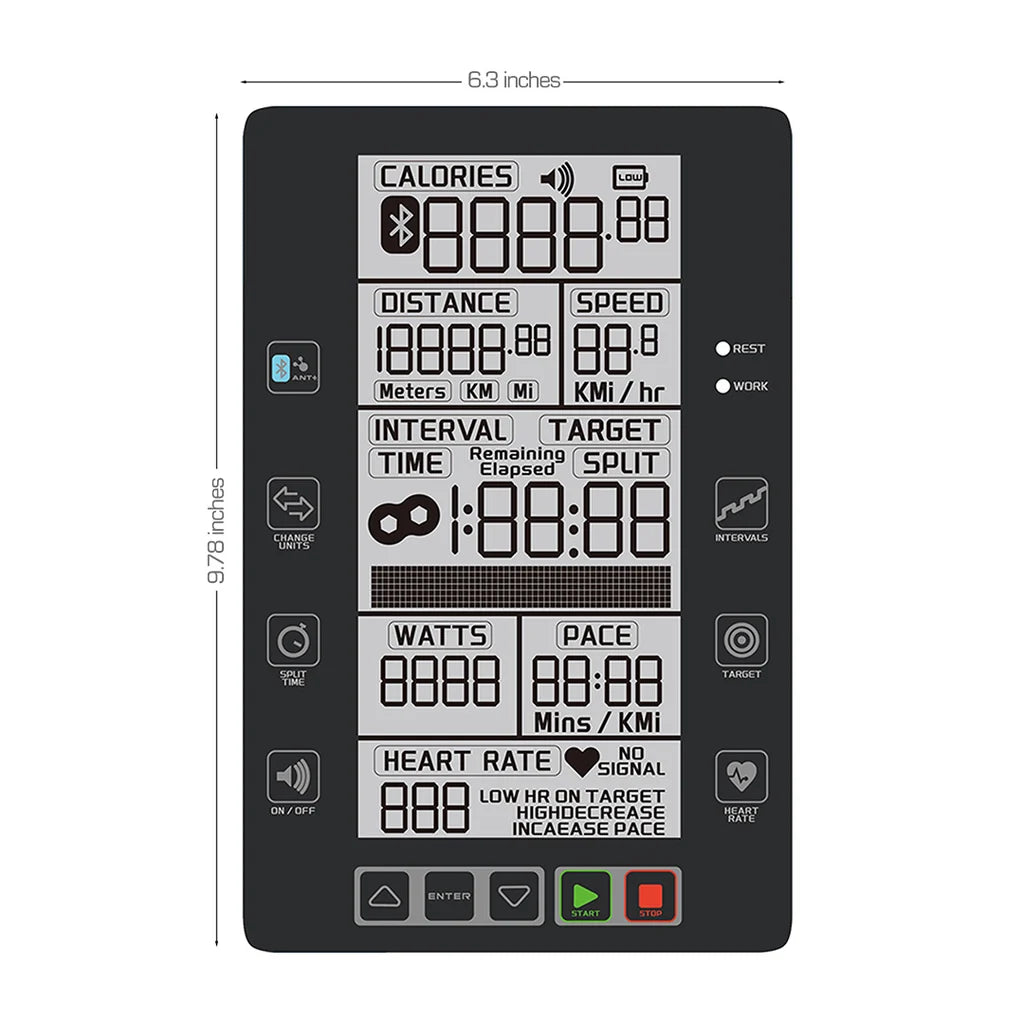
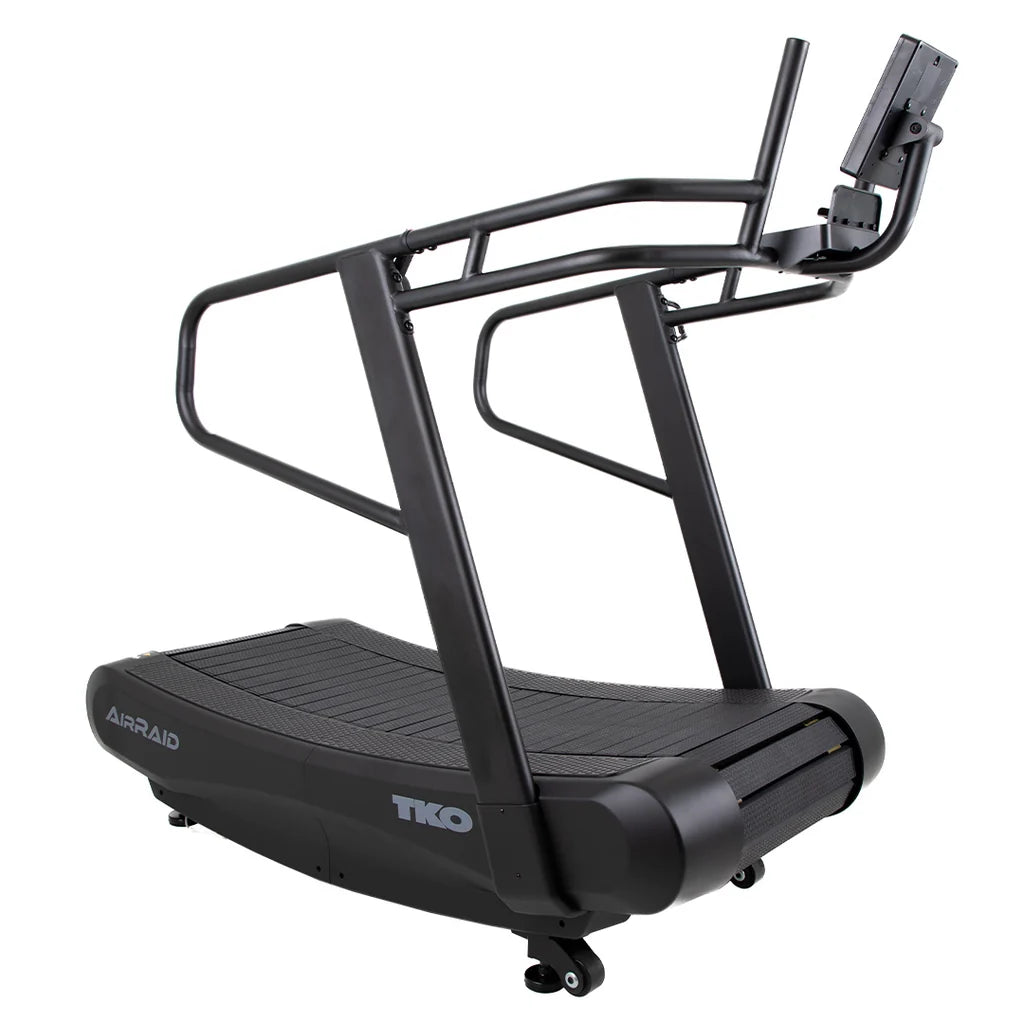
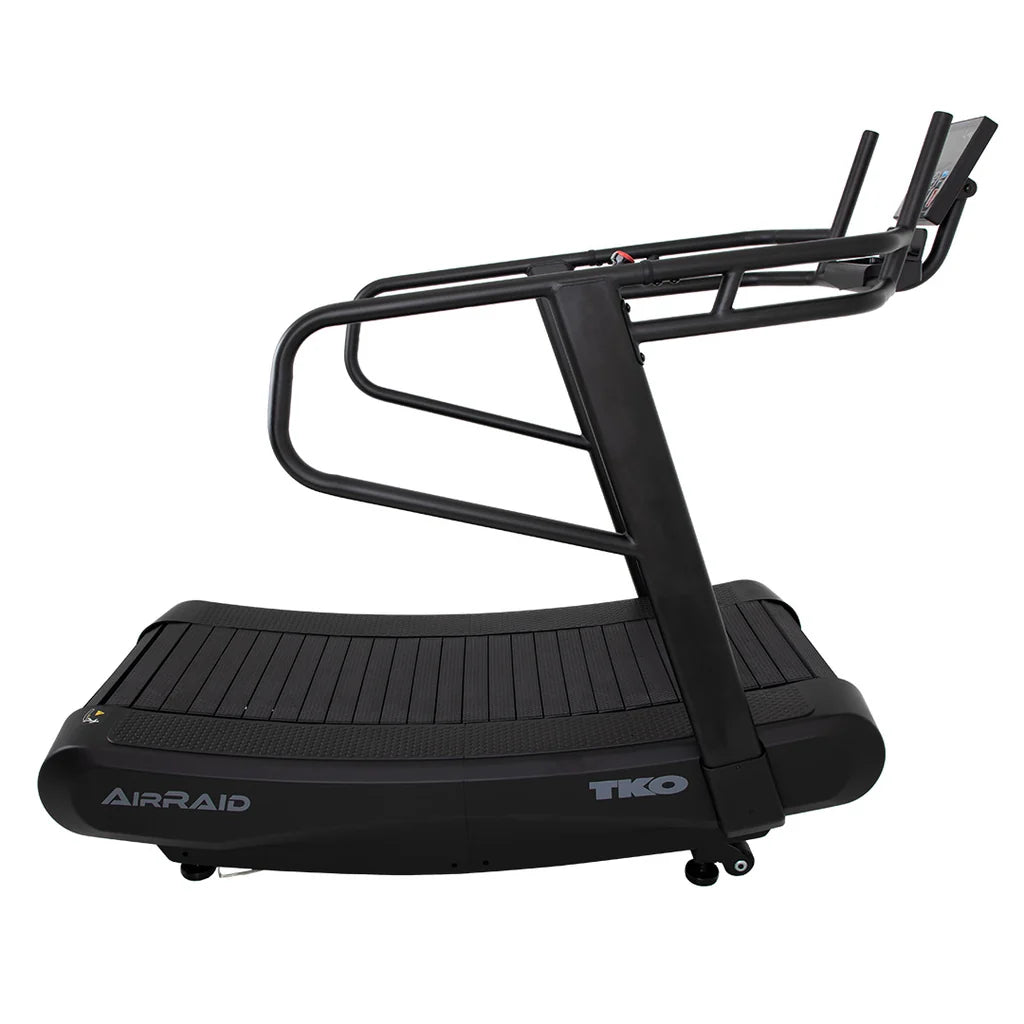
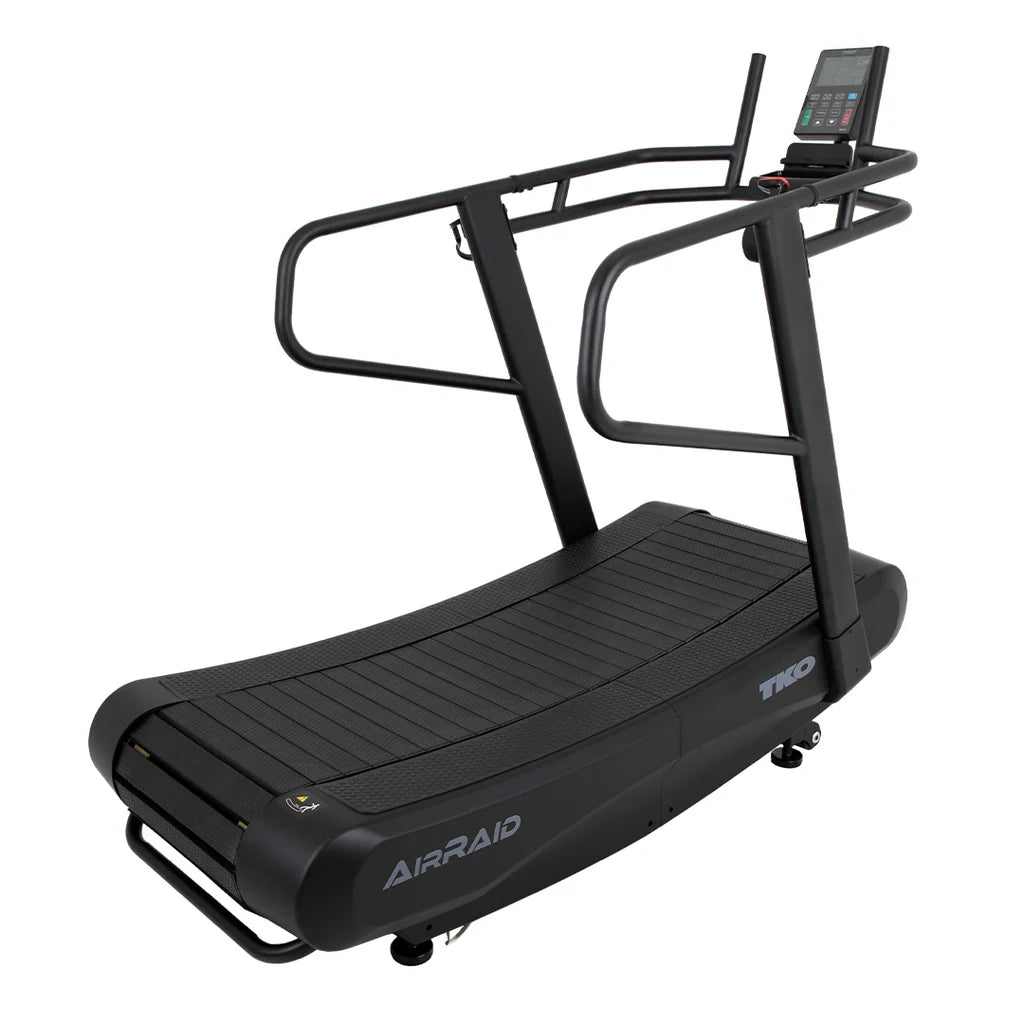
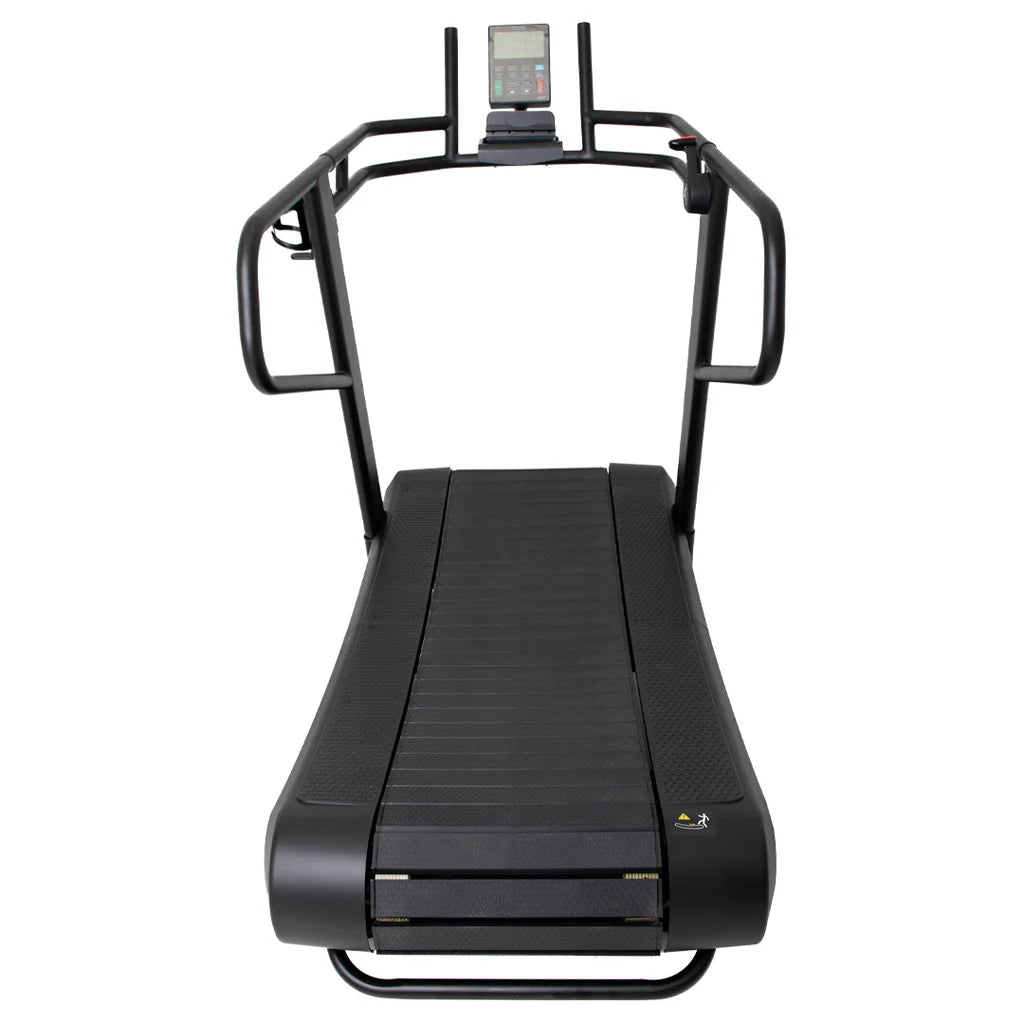
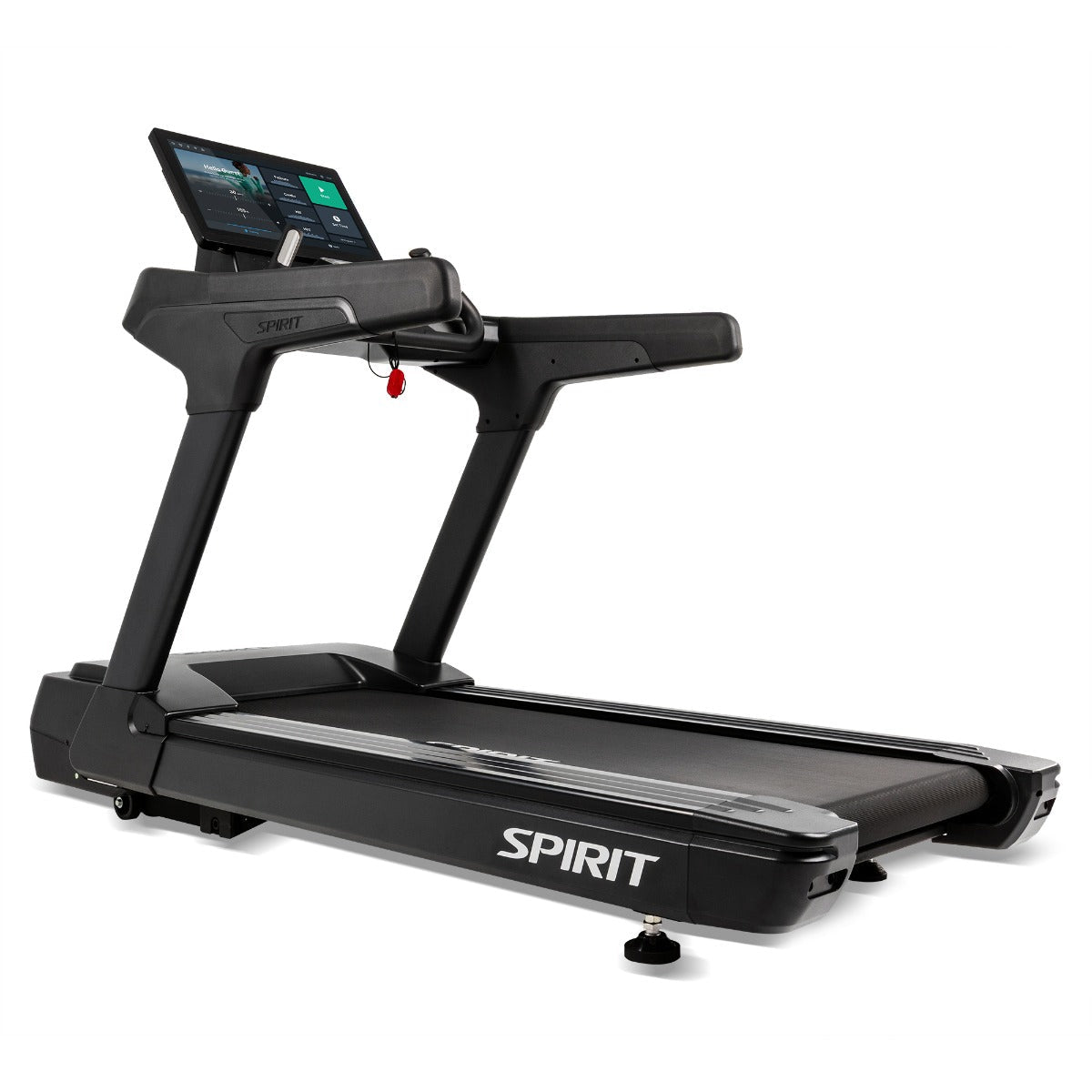
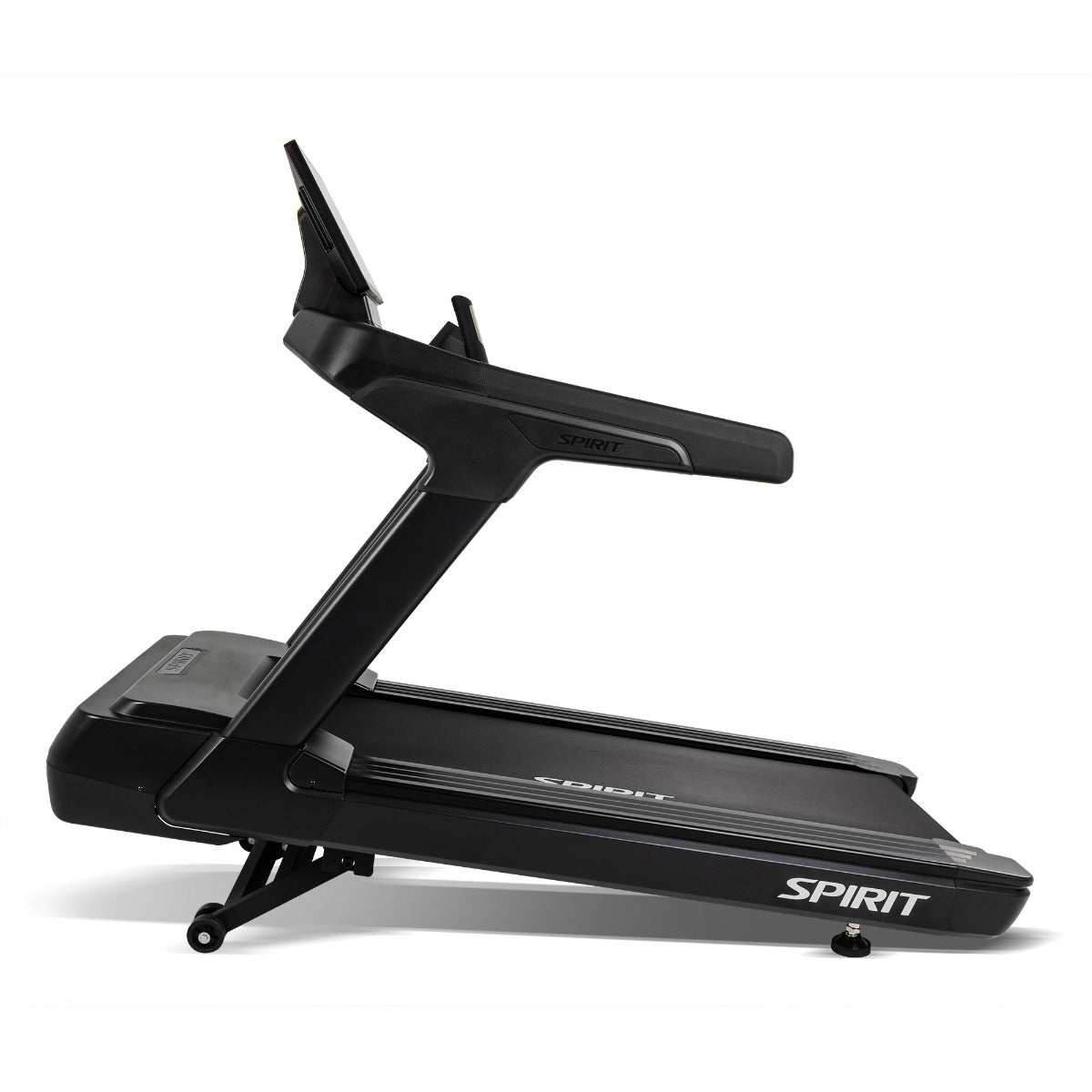
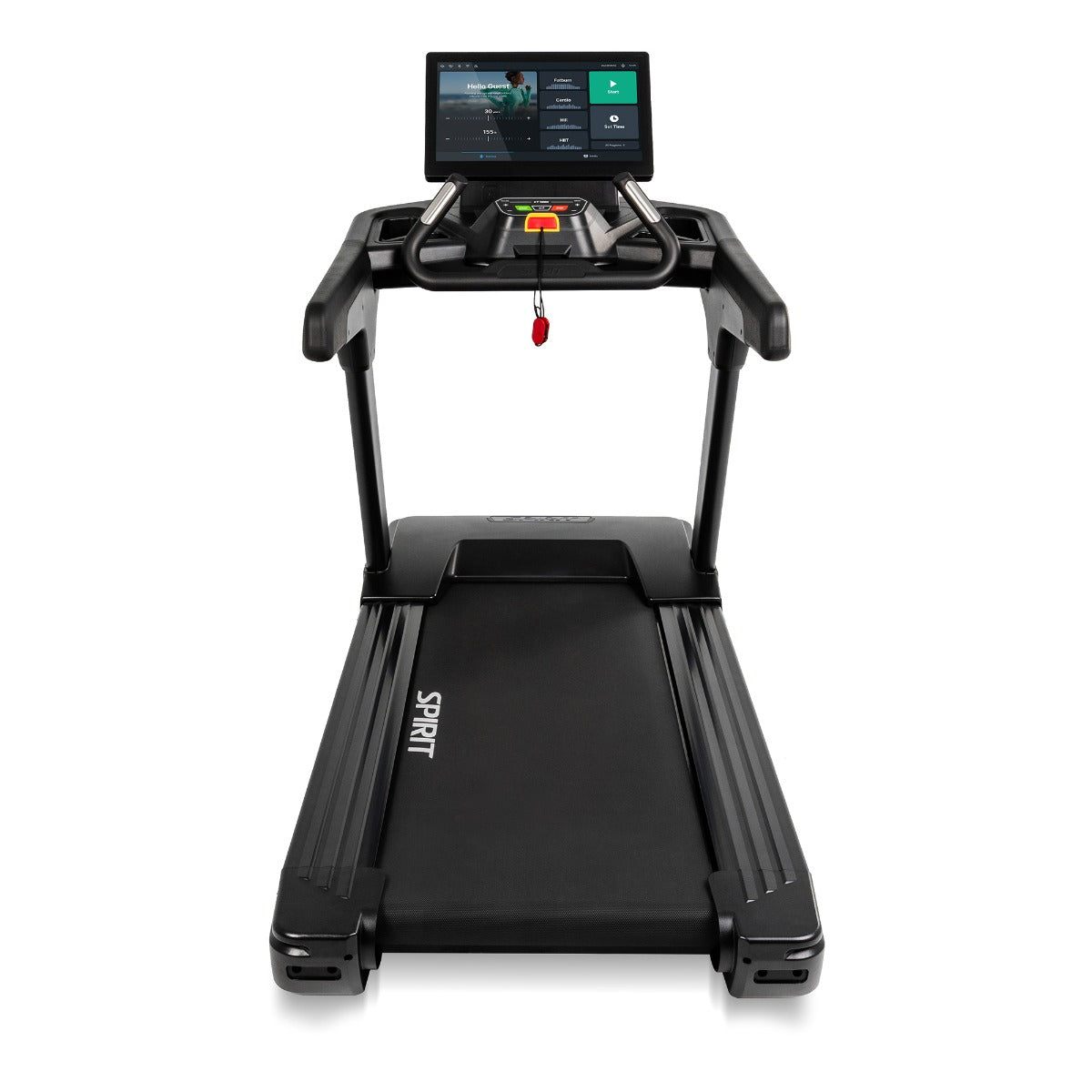
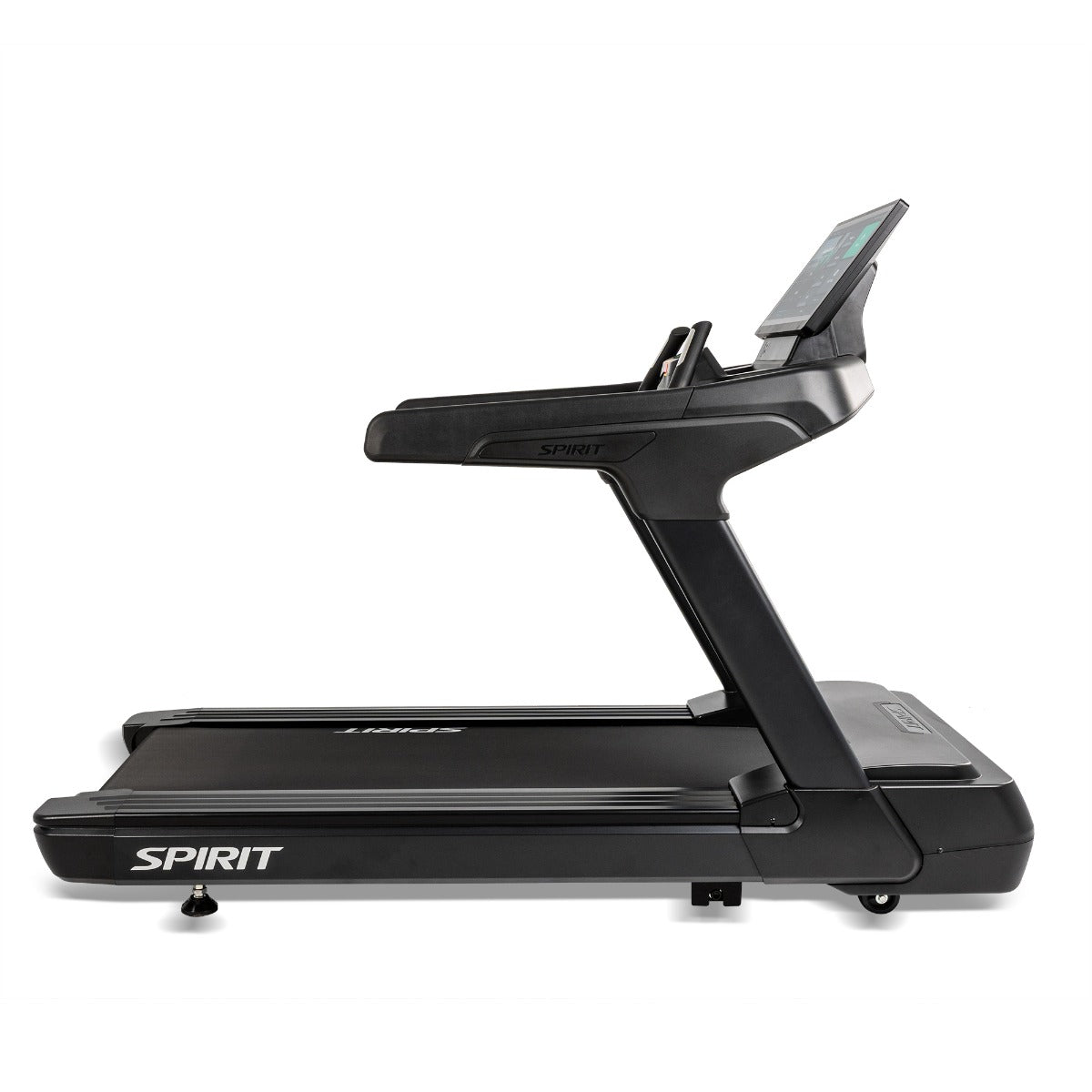
Spirit Fitness CT1000ENT Treadmill
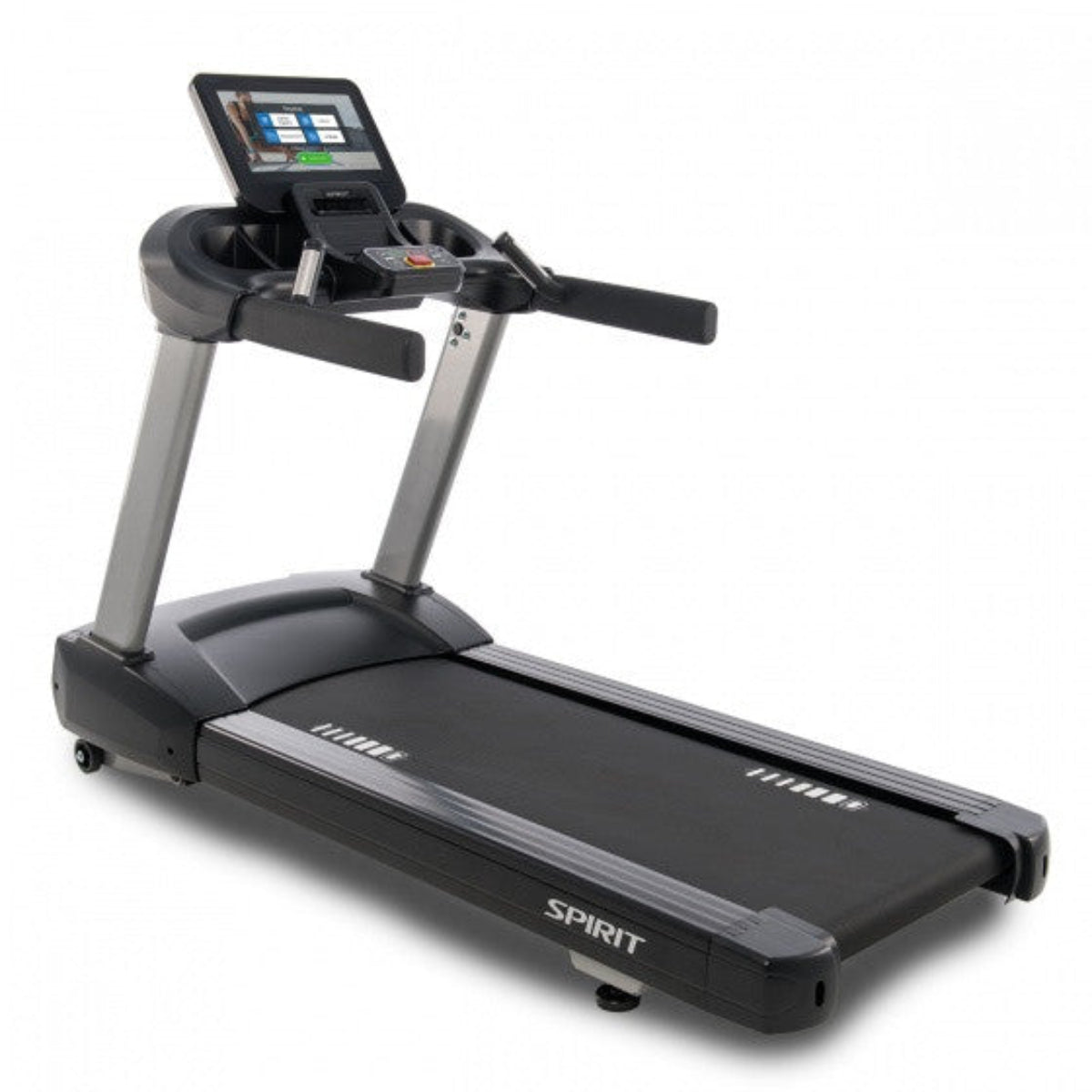
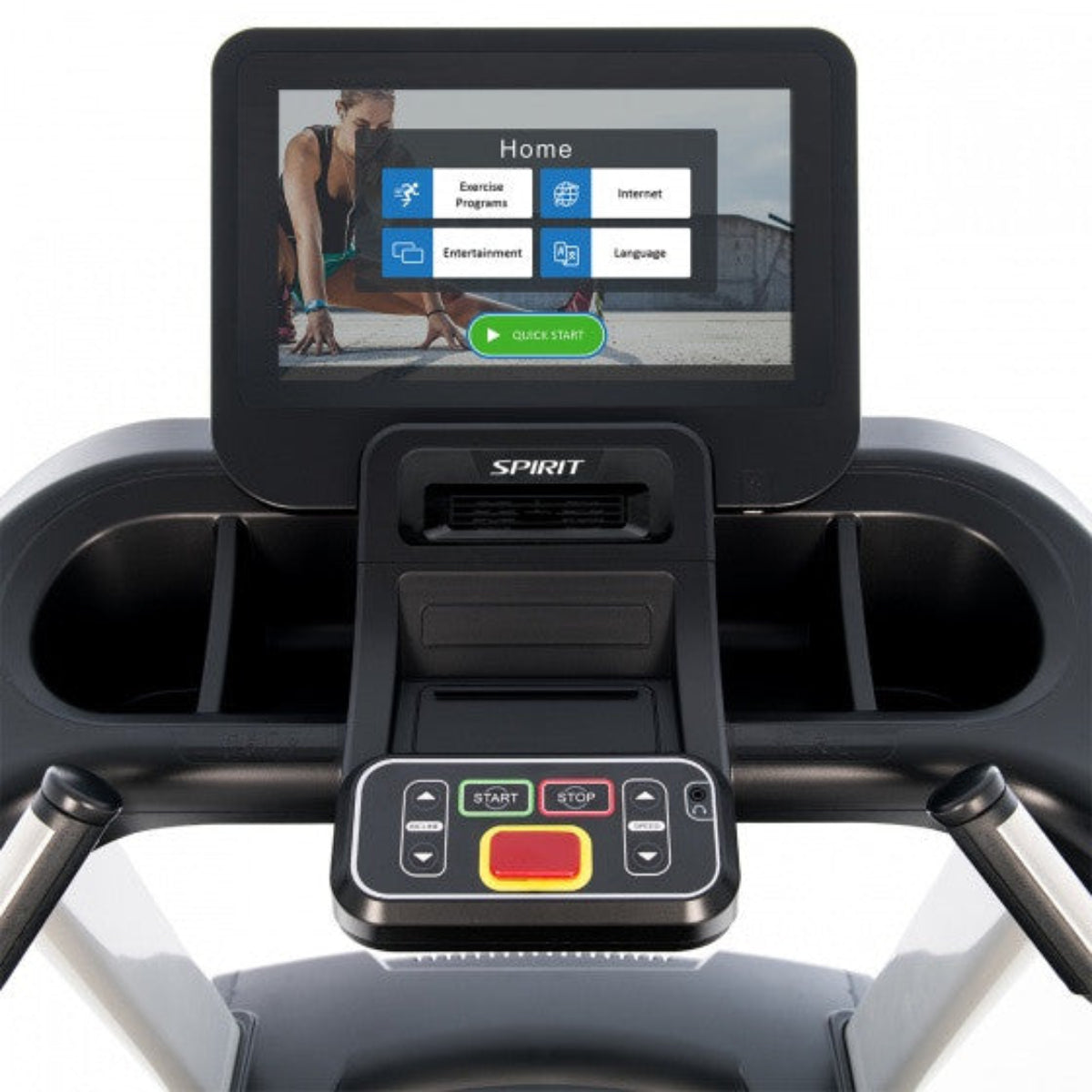
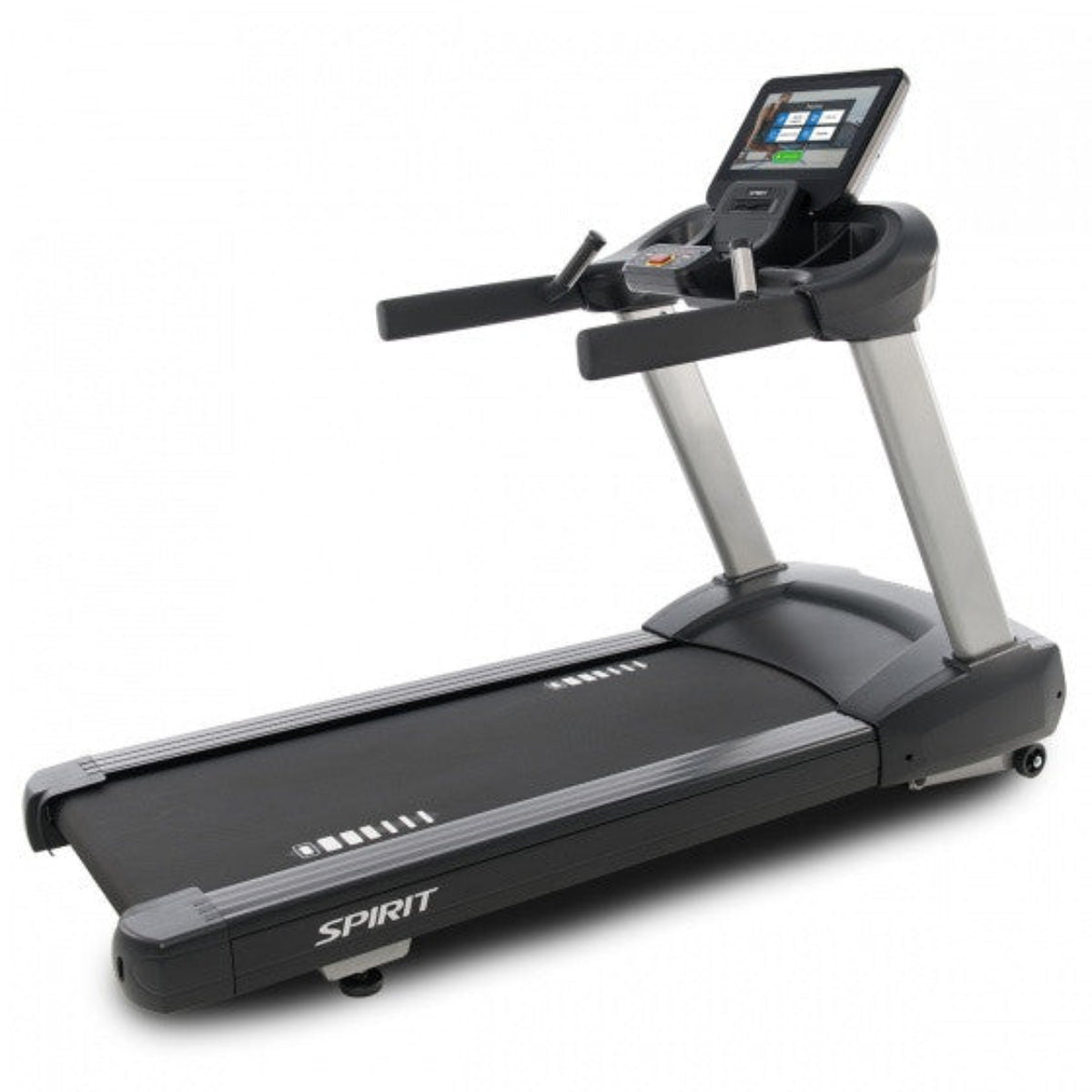
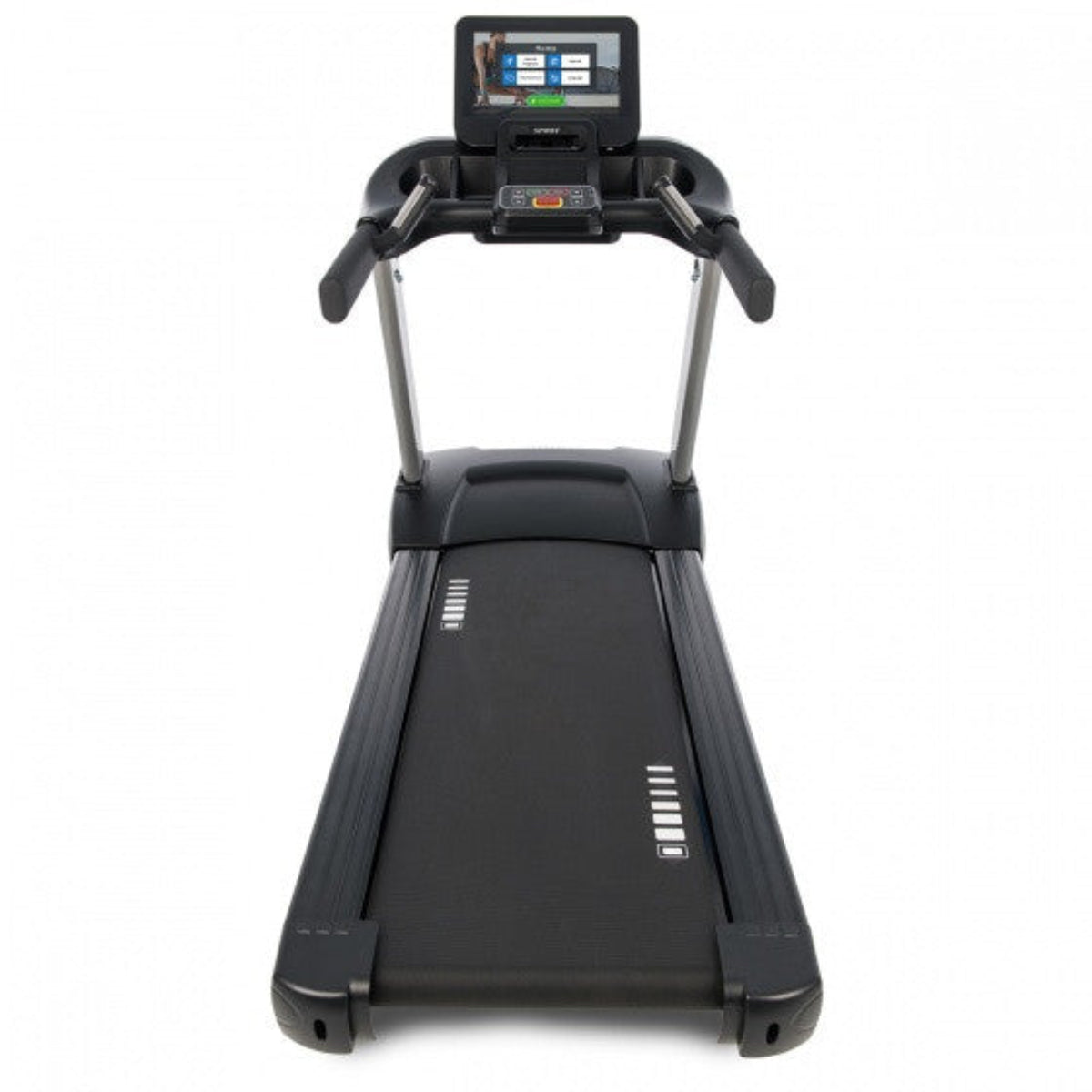
Spirit Fitness CT800ENT Treadmill
Who Commercial-Grade Treadmills Are Best For
Commercial-grade treadmills are ideal for gyms, studios, corporate wellness centers, hotels, and rehabilitation facilities where equipment is used for many hours each day. They are also chosen by performance-focused home users who want the same stability and longevity found in professional environments. These treadmills accommodate walkers, runners, and interval trainers across varying body types and fitness levels.
Key Benefits of Commercial Construction
The defining advantage of commercial-grade treadmills is durability. Heavy-gauge steel frames, oversized rollers, and high-duty motors are designed for continuous operation without overheating or speed fluctuation. Reinforced decks and wide running surfaces provide a stable, confident feel even during high-speed or incline training.
Advanced cushioning systems help manage impact and reduce joint stress, making these treadmills suitable for longer sessions and high-frequency use. Precision belt tracking and robust electronics contribute to smooth operation and reduced maintenance requirements, which is critical in shared-use environments.
Common Use Cases and Training Environments
Commercial-grade treadmills are commonly used for steady-state cardio, interval training, incline workouts, and rehabilitation-focused programs. In professional settings, they support diverse user populations and demanding schedules. In high-end home gyms, they offer peace of mind for users who want equipment capable of handling daily, high-intensity training without compromise.
Design Features and Technology Variations
Treadmills in this category vary by motor rating, console sophistication, and incline capability. Some models focus on intuitive, durable consoles for facility use, while others integrate advanced performance metrics, heart rate monitoring, and connectivity options. Handrail design, deck size, and service access also differ depending on intended environment and user needs.
Why Choose The Fitness Outlet
Shoppers choose The Fitness Outlet for Commercial-Grade Treadmills because of our commitment to premium, professional-level fitness equipment. We curate treadmills trusted in commercial environments for their reliability and performance, helping customers invest in cardio solutions that deliver consistent results in both facility and high-demand home settings.
Commercial-Grade Treadmills: Built for Performance, Durability, and Continuous Use
Commercial-grade treadmills are designed for one purpose above all else: reliable performance under constant demand. Found in professional gyms, training facilities, rehabilitation centers, and high-end residential settings, these treadmills are engineered to withstand heavy daily use while delivering consistent speed, incline, and cushioning. For buyers who prioritize longevity, stability, and a premium training experience, commercial-grade treadmills represent the gold standard in cardio equipment.

Commercial-grade treadmills are engineered for continuous use, stability, and long-term durability.
What Makes a Treadmill Commercial-Grade?
Commercial treadmills are built to far higher standards than most residential models. Their design focuses on durability, safety, and performance consistency rather than portability or compact storage.
Heavy-Duty Frame Construction
Commercial treadmills use reinforced steel frames designed to handle repetitive impact from users of varying sizes and training styles. This rigid construction minimizes vibration, improves stability at higher speeds, and extends the machine’s lifespan.
Higher Weight Capacity Ratings
Most commercial-grade treadmills support significantly higher user weight capacities than standard home units. These higher ratings reflect stronger frames, thicker decks, and components designed to handle both static and dynamic loads throughout the day.
Motor Power and Continuous-Duty Performance
The motor is one of the most critical differences between commercial and home treadmills.
AC and High-End DC Motors
Commercial treadmills often use AC motors or premium continuous-duty DC motors. These motors are designed to run for extended periods without overheating, maintaining consistent belt speed even under heavy loads or steep incline.
Smooth Operation at All Speeds
Whether supporting slow rehabilitation walking or fast interval running, commercial motors deliver smooth acceleration and deceleration. This consistency is essential in environments where multiple users rely on predictable performance.

Commercial treadmill motors are built for continuous, high-demand operation.
Deck, Belt, and Cushioning Systems
Thicker Running Decks
Commercial treadmills feature thicker decks that resist flexing and absorb impact more effectively. This not only protects joints but also reduces wear on the belt and motor system.
Advanced Cushioning Technology
Multi-zone cushioning systems are common in commercial models. These systems balance shock absorption with firmness, reducing joint stress while preserving an efficient running feel—important for users training frequently.
Wider and Longer Running Surfaces
To accommodate a wide range of users and stride lengths, commercial treadmills typically offer larger running surfaces. Extra width improves safety and confidence, while longer decks support natural gait mechanics.
Incline, Speed, and Training Capability
Commercial treadmills are designed to support diverse training styles.
Higher Speed Ranges
Professional-grade treadmills support higher top speeds suitable for sprinting, interval training, and athletic conditioning. These speeds are maintained reliably without belt slippage or lag.
Robust Incline Systems
Incline motors and lift mechanisms in commercial treadmills are built for frequent elevation changes. This supports incline walking, hill intervals, and performance-focused training without excessive mechanical strain.

Commercial treadmills support demanding incline and speed-based training.
Console Design and User Experience
Intuitive, Durable Consoles
Commercial treadmill consoles are built to withstand constant use. Buttons, touchscreens, and controls are reinforced and designed for easy cleaning and long-term reliability.
Workout Programs and Data Tracking
Most commercial treadmills include built-in programs for interval training, fat loss, endurance, and heart rate–based workouts. Many also support connectivity with wearables or fitness platforms, enhancing user engagement.
Simple Operation for Multi-User Environments
In gyms and shared spaces, ease of use is essential. Commercial treadmills are designed so users of all experience levels can start workouts quickly and adjust settings safely.
Commercial vs. Residential Treadmills
Understanding the difference helps buyers choose the right category.
-
Residential treadmills focus on compact design, folding features, and lighter-duty motors for limited daily use.
-
Commercial treadmills prioritize durability, stability, and performance for hours of daily operation.
Some high-end home users choose commercial treadmills for their superior build quality, even when commercial certification isn’t required.
Use Cases Beyond Traditional Gyms
Commercial-grade treadmills are used in a wide range of settings.
Training Facilities and Athletic Performance Centers
Athletes rely on commercial treadmills for speed work, incline training, and conditioning programs that demand absolute reliability.
Rehabilitation and Medical Environments
Physical therapy clinics value the smooth speed control, cushioning, and safety features of commercial treadmills—especially for walking-based rehab programs.
High-End Home Gyms
Serious home users often choose commercial models to avoid frequent maintenance and ensure a professional-grade training experience.
Maintenance, Serviceability, and Longevity
Designed for Easy Servicing
Commercial treadmills are built with service access in mind. Components such as belts, decks, and motors are designed to be replaced or maintained efficiently.
Longer Lifespan and Lower Downtime
Because they’re built for continuous use, commercial treadmills often last significantly longer than residential models—especially when used in home environments.
Warranty Coverage
Commercial-grade treadmills typically include robust warranties on frames and motors, reflecting confidence in long-term durability.
Who Should Choose a Commercial-Grade Treadmill?
Commercial treadmills are ideal for:
-
Gyms, studios, and fitness facilities
-
Training centers and athletic programs
-
Physical therapy and rehabilitation clinics
-
Apartment and hotel fitness rooms
-
Serious home users prioritizing durability and performance
For these environments, lighter-duty treadmills can become a liability rather than a value.
Need Help Planning a Commercial Fitness Facility?
Tell us about your facility, equipment needs, layout, and intended use. Our team can help compare equipment and prepare a quote.
FAQs
How long do commercial treadmills last?
When is a commercial treadmill appropriate?
Are commercial treadmills louder than home treadmills?