

Wellness & Lifestyle | The Fitness Outlet
The holidays are busy. Schedules change, routines get disrupted, and the pressure to “stay on track” can feel heavier than usual. Between travel, family time, work deadlines, and seasonal commitments, fitness often gets pushed to the bottom of the list.
That is normal.
Staying active during the holidays does not need to look like your regular training schedule. It does not need to be intense, perfectly planned, or consistent in the traditional sense. What matters most during this time of year is maintaining movement in a way that supports your energy, your mood, and your overall well-being.
This guide is about letting go of perfection and focusing on what actually works during the holidays.
Redefining What “Staying Active” Really Means
For many people, fitness becomes all or nothing during the holidays. Either workouts happen exactly as planned, or they do not happen at all. This mindset often leads to frustration, guilt, and burnout before the new year even begins.
Staying active does not mean hitting personal records or following a rigid program. During the holidays, it simply means continuing to move your body in ways that feel manageable and supportive.
That might look like shorter workouts, lighter intensity, or more rest than usual. It might mean choosing movement that helps reduce stress rather than add to it. The goal is not progress at all costs. The goal is continuity.
Movement during the holidays is about maintenance, not transformation.

Why Movement Still Matters During the Holidays
Even small amounts of movement can make a meaningful difference. Staying active helps support circulation, joint mobility, and mental clarity, all of which tend to decline when routines are disrupted.
Movement can also help regulate stress levels during a season that often comes with emotional and mental overload. A short walk, a quick strength session, or a few minutes of stretching can reset your energy and improve how you feel for the rest of the day.
Perhaps most importantly, maintaining some level of activity helps preserve the habit itself. When fitness remains part of your life, even in a reduced form, it becomes much easier to return to more structured training after the holidays.
Simple Ways to Stay Active Without Overthinking It
Holiday movement should feel flexible and approachable. These strategies are designed to fit into real schedules, not ideal ones.
Short bodyweight sessions
Ten to twenty minutes of bodyweight training can be more than enough during the holidays. Simple movements like squats, lunges, push-ups, and planks can be done almost anywhere and provide full-body engagement without preparation.
There is no need for a long warm-up or complex programming. Focus on steady movement, controlled repetitions, and breathing.
Walking counts
Walking is one of the most underrated forms of exercise, especially during the holidays. It requires no equipment, no setup, and no mental effort.
A short walk after meals, during travel breaks, or as a way to step outside for fresh air can help maintain activity levels and improve digestion and mood.
Mobility and recovery work
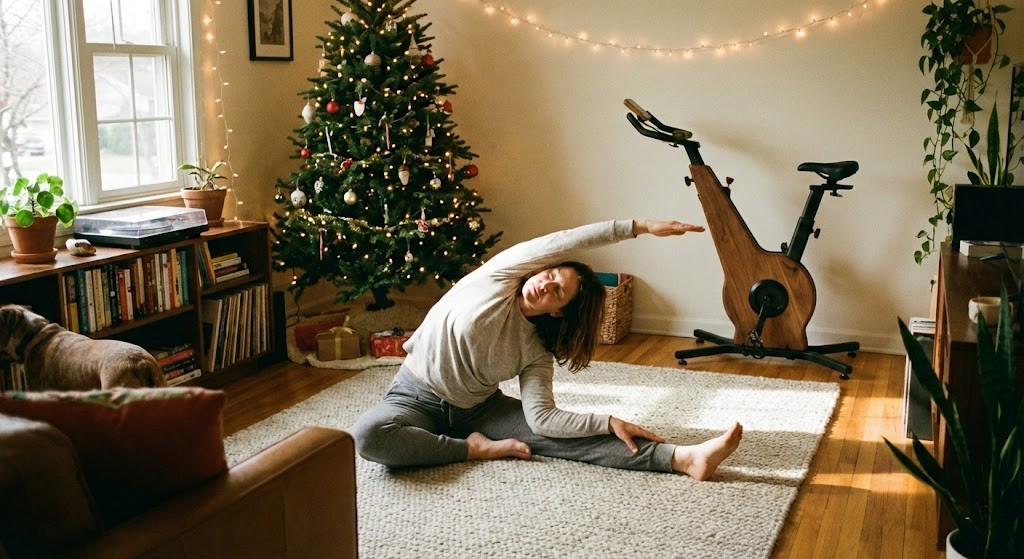
Stretching, mobility drills, and light recovery sessions are often overlooked during busy seasons, but they are especially valuable when stress levels are high.
Gentle movement helps reduce stiffness, improve circulation, and support better sleep. Even five to ten minutes can be beneficial.
Let movement fit the day
Instead of scheduling workouts around your day, allow movement to fit into it. If time opens up unexpectedly, use it. If it does not, let it go without guilt.
Flexibility is a strength during the holidays.
How Equipment Can Help Without Complicating Things
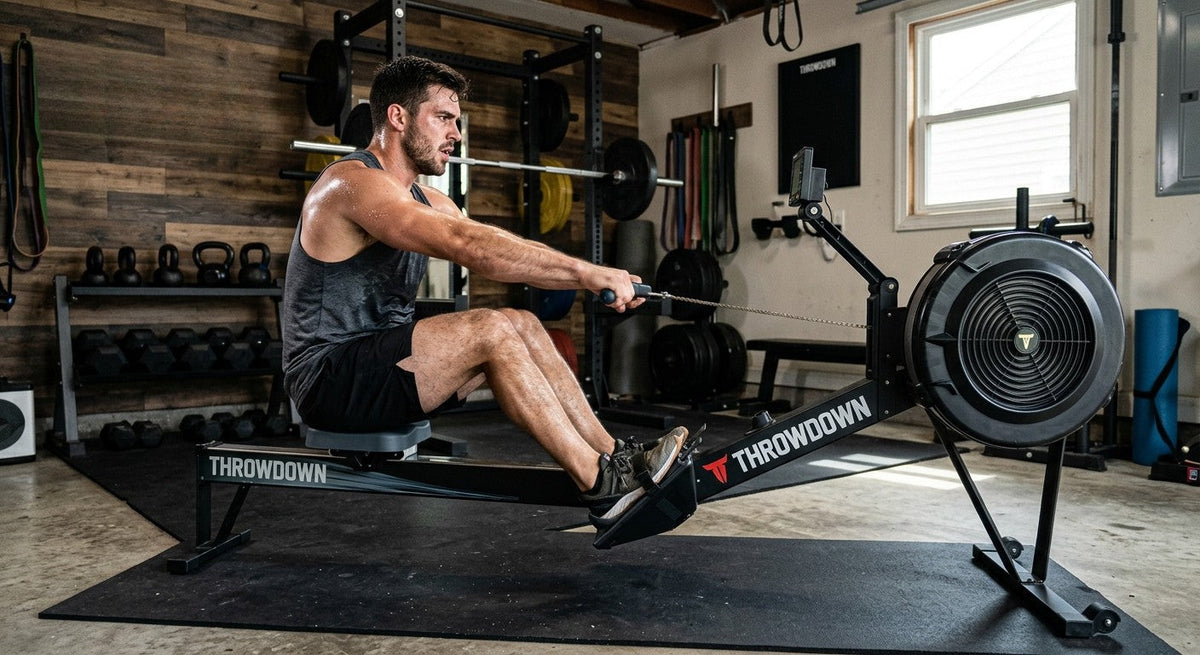
While bodyweight movement is often the easiest option during the holidays, equipment can make staying active more convenient and comfortable, especially when weather, daylight, or travel limits outdoor activity.
The key is accessibility. Equipment that is easy to use, quick to set up, and familiar can support movement without turning workouts into a project.
Indoor cardio machines make it easier to stay active when outdoor walks are less appealing. Adjustable benches and compact strength equipment allow for quick strength sessions without rearranging your space. Flooring and mats add comfort and reduce friction when squeezing in short workouts.
The goal during the holidays is not to maximize training. It is to remove barriers. Equipment that supports ease and consistency can play a meaningful role in that process.
Letting Go of the All-or-Nothing Mindset
One of the most common mistakes during the holidays is treating fitness as something that must be done perfectly or not at all. This mindset often leads to stopping entirely until the new year.
In reality, staying active is not about maintaining peak performance. It is about staying connected to your body and your habits.
Missing workouts does not undo progress. Eating differently does not erase months of consistency. The holidays are a temporary shift, not a setback.
Allowing yourself to adapt, scale back, and adjust expectations keeps fitness sustainable long term.
Listening to Your Body and Using the Holidays as a Reset
The end of the year can be mentally and emotionally demanding. Sleep schedules change, stress levels rise, and energy can fluctuate from day to day. During this time, staying active also means listening closely to how your body feels.
Some days may call for movement, while others may call for rest. Both are part of staying active in a sustainable way. Slowing down when needed is not a setback, it is a form of progress that supports long-term consistency.
The holidays can also serve as a natural pause point. Instead of pushing through them as if nothing has changed, this is a valuable time to reset. Reflect on what worked in your fitness routine this year and what did not. Notice which habits felt supportive and which felt forced.
This awareness helps remove pressure and creates clarity. When January arrives, you are not restarting from zero. You are continuing forward with a better understanding of what actually fits your life.
Staying active during the holidays does not require discipline or sacrifice. It requires permission to simplify.
Movement during this season should support your life, not compete with it. Whether that means short bodyweight sessions, daily walks, light mobility work, or occasional equipment-based workouts, the right approach is the one that keeps you moving without adding stress.
At The Fitness Outlet, we believe fitness should adapt to real life. The holidays are no exception.


Share:
Training Tip: Bodyweight Strength Training for Small Spaces
Best Folding Treadmills for Apartments & Small Homes