

Consistency is the holy grail of fitness. However, staying consistent isn't just about discipline—it’s about recovery.
There’s a reason most people start strong in the gym but taper off in a few weeks. It’s not laziness or lack of motivation; it’s the accumulation of fatigue, soreness, and mental exhaustion.
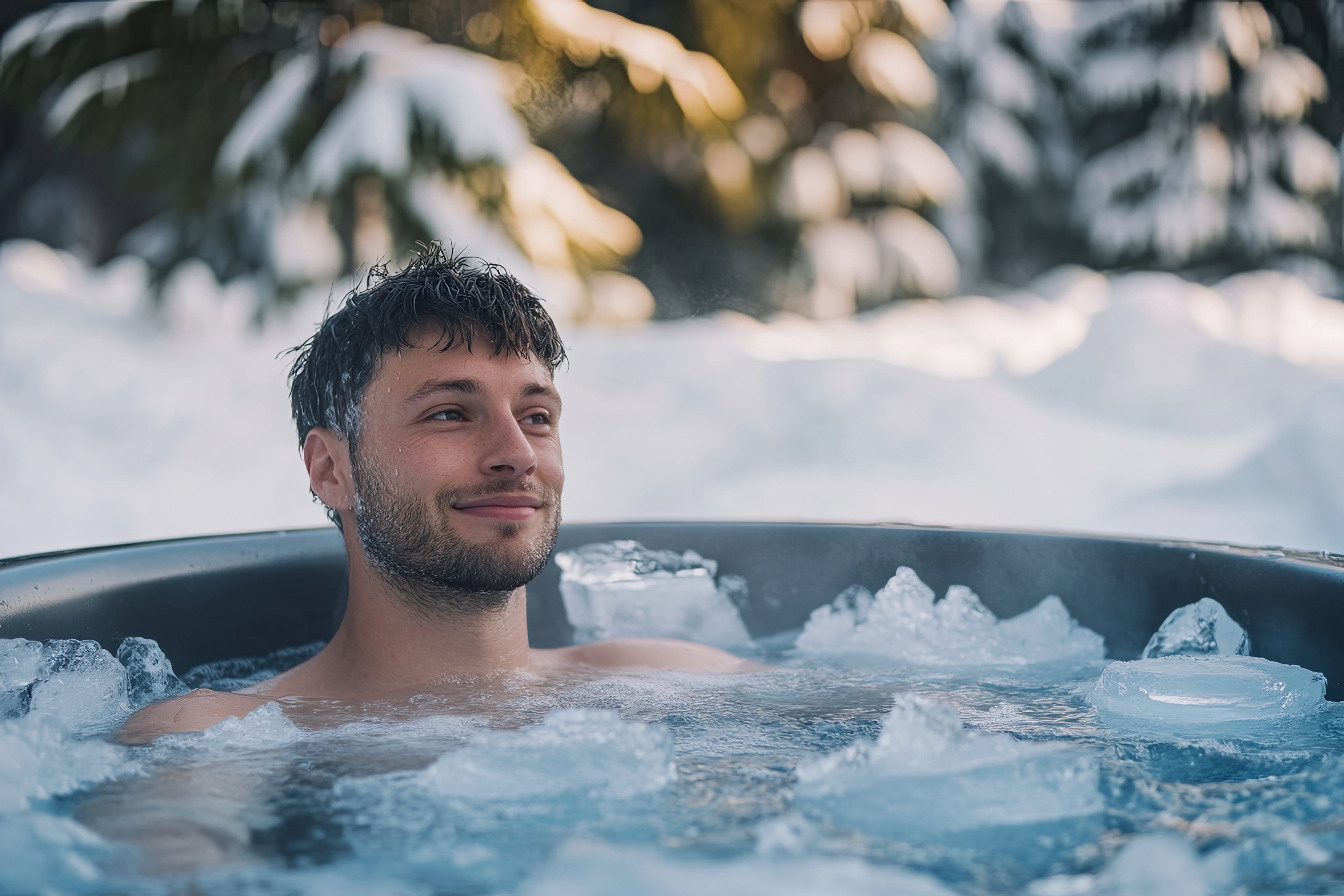
When your body doesn’t recover properly, it gets harder to show up the next day. You start negotiating with yourself: maybe skip today, maybe I’ll just stretch instead. To counter this scenario, you need to make recovery part of the plan, and one surprisingly simple and effective way to do that is with a cold plunge.
Cold Plunge for Post-Workout Recovery
Most people treat the end of a workout like a mic drop. Done. Shower. Protein shake. Move on.
However, that window right after exercise is critical. Your body is flooded with stress hormones. Muscles are inflamed. Your nervous system is revving. If you don’t dial that down effectively, fatigue accumulates, and the next workout feels twice as hard.
This is where cold plunges can help your body reset for the next intense training session.
Cold exposure brings down inflammation, flushes out lactic acid, and helps you sleep better, and all of this matters more than most supplements you might be taking.
More importantly, they give you a mental reset. A cold plunge activates the sympathetic nervous system, which is often referred to as the “fight or flight” response. But ironically, once you're out of the water, it promotes calm and focus. This response releases dopamine and norepinephrine, which enhance mood, reduce stress, and even support better sleep quality.
Physically, the cold constricts blood vessels, reducing swelling and inflammation. Once you're out, blood flow surges back, helping carry oxygen and nutrients to tired muscles, which speeds up the recovery process.
When and How to Take a Cold Plunge After WorkOut

Timing makes all the difference with cold plunging.
If you’ve just finished a long run, an intense HIIT session, or any kind of endurance training, a cold plunge can do wonders. It calms inflammation, helps muscles bounce back quicker, and makes that sore “next day” feel a little less brutal.
But if you’ve just hit a heavy strength or hypertrophy session — think squats, deadlifts, or anything where you're chasing muscle growth — it’s better to wait. Jumping into the cold right after lifting can actually dull the inflammation you want for building strength. A good rule of thumb? Wait about 6 to 8 hours, or save the plunge for cardio and recovery days.
How to Get Started Without Burning Out
Of course, cold exposure is not comfortable, and honestly, it’s not supposed to be. However, a strategic start can ease things for you.
- Week 1: End your shower with 30 seconds of cold water
- Week 2: Increase to a minute
- Week 3: Try a full-body cold shower or prep a chilled bath
- Week 4: Go for a 3–5 minute plunge at 50–59°F
Once you have established your routine, consider investing in a high-quality plunge tub or barrel plunge with ozone filtration and temperature control. Investing in a specialized cold plunge tub can also help you build an easy and simple routine. They also evidently have more benefits compared to cold showers.
Lastly, cold plunges aren’t a magic pill. They won't fix bad sleep, a chaotic diet, or stress overload. But when those other habits are in check, this one habit can make a big difference.

Share:
Why Suana Would be the Smartest upgrade for Your Airbnb
Can You Get Fit Using Only a Rowing Machine?