


What home gym equipment works best for two people?
Choose equipment that both people can adjust comfortably, use at their own ability level, and fit into their routines. Prioritize easy-to-change resistance, appropriate body fit, enough room to move, and the type of workouts both people will actually do. A versatile strength station and one shared cardio machine can be a better starting point than buying duplicate equipment.
Buying fitness equipment for one person is already a decision. Buying for two adds a different question: will the same machine work equally well for both users? A shared home gym should support two sets of goals, body proportions, schedules, and preferences, not just the person who shops first.
Before you buy, have both people try the equipment or review its adjustment range and manufacturer guidance. The right choice is one you can each set up independently and comfortably.
Start with two workout plans, not one equipment wish list
Write down each person's most common workouts. One person may prefer walking or cycling while the other prioritizes strength training. Look for overlap before deciding what to buy. If both want cardio, a shared treadmill or bike may make sense; if one prefers cardio and the other strength, a cardio machine plus compact resistance equipment may serve the household better.
Ask how often each person expects to train, whether they will exercise at the same time, and which adjustments they are willing to make between sessions. These answers can save more money and frustration than choosing equipment by appearance alone.
Adjustability matters more when two people share a machine
For cardio equipment, both users should check whether the seat, handlebars, pedals, or running area suit their bodies and movement. For strength equipment, look at resistance increments, cable or handle positions, bench settings, and whether changing configurations is straightforward. An adjustment range listed on a product page does not automatically guarantee a comfortable fit for everyone.
Test a realistic switch between users: finish one exercise, change the settings, and start again. If it feels cumbersome in a showroom, it may be even less appealing on a busy weekday.
Choosing shared strength equipment
Adjustable dumbbells can let two people select different loads without keeping a large collection of fixed weights. A functional trainer can offer a variety of cable exercises, though users should confirm its adjustment positions, resistance options, and room requirements. An adjustable bench adds flexibility, but check whether both people can set it up comfortably and move it safely.
If both people want to train simultaneously, one cable station may become a bottleneck. Consider a second small strength station or alternate exercises rather than assuming one machine can serve two people at once.
Choosing shared cardio equipment
Treadmill: Worth comparing when both users enjoy walking or running. Check the usable running surface, speed and incline controls, safety features, and the manufacturer's required clearance.
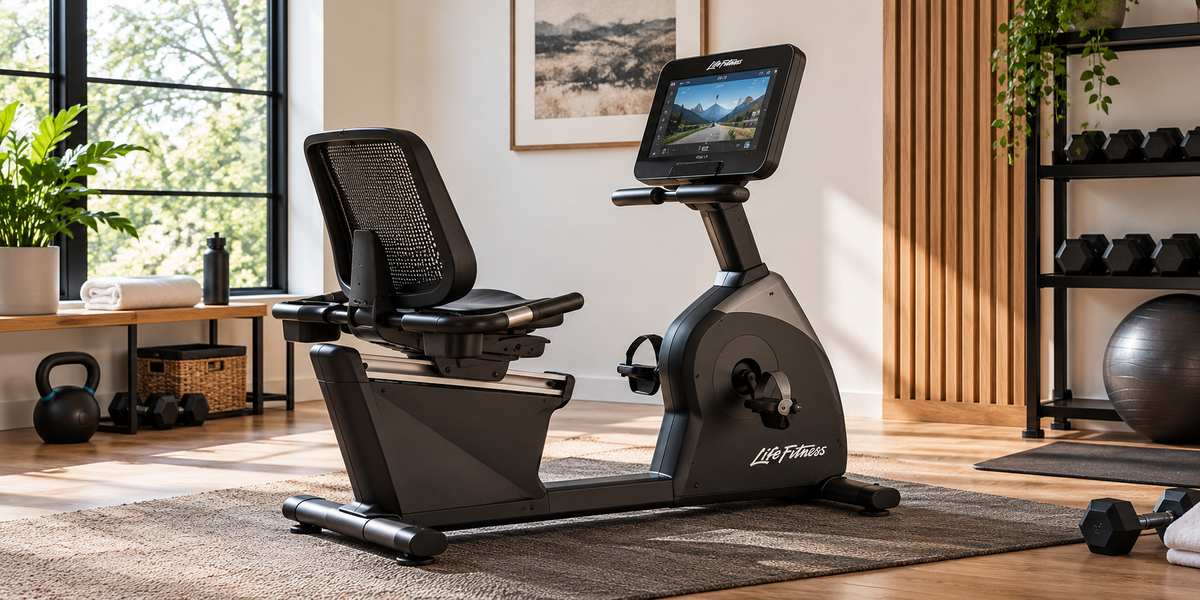
Exercise bike: Often attractive when users want different resistance levels and quick workout changes. Both riders should verify saddle and handlebar fit and ease of mounting and dismounting.
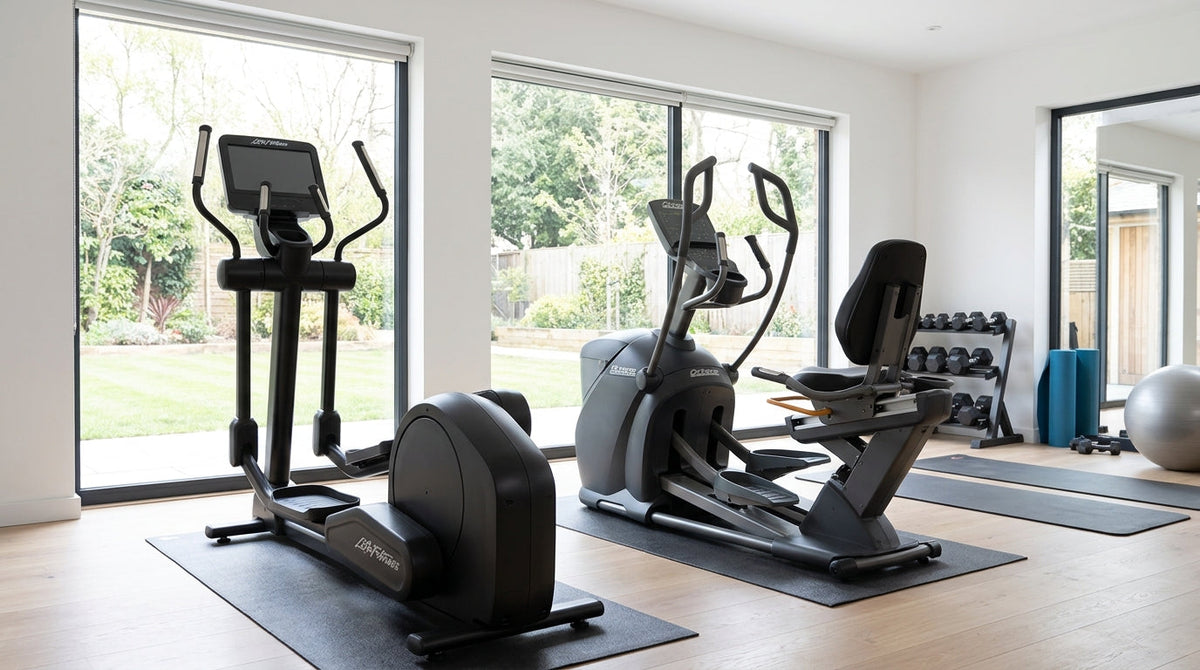
Elliptical: A possibility when both prefer standing cardio. Stride feel and motion can vary, so a comfortable fit for one user does not prove it will work for the other. Read our elliptical-versus-bike comparison if you're deciding between these options.
One machine or two? Match the layout to your schedule
When you train at different times, one versatile machine may be sufficient. If you frequently exercise together, two complementary stations—for example, a bike and adjustable dumbbells—can reduce waiting. Measure the operating space, not just the equipment footprint, and check doorways, delivery access, ceiling height, and safe clearances using each manufacturer's instructions.
For compact layouts, our small home gym design guide covers room planning in greater detail.
Four equipment options to compare for a shared home gym
These currently active TFO products represent different ways to serve two users. They are comparison starting points, not universal recommendations: confirm individual fit, current specifications, and space requirements before buying.

PowerBlock Pro 50 Set Dumbbell (5-50lbs)
Compare if: Two users need quick changes between lighter and heavier dumbbell settings.

Spirit Fitness CSF-FUNT Functional Trainer
Compare if: Both people want versatile cable-based strength exercises in one station.

Keiser Fitness M3i Indoor Bike with Bluetooth
Compare if: Two riders prefer cycling and want to evaluate fit and resistance changes.

Life Fitness Atmos Treadmill
Compare if: Walking or running is the shared priority, with room for safe use.
A practical two-person buying checklist
Before purchasing, have each person confirm that they can reach the controls, change resistance or position without assistance, and complete their intended movements comfortably. Check the room for safe operating clearance and whether both can train simultaneously. Finally, agree on a realistic budget and decide whether one versatile purchase or two smaller stations offers more consistent use.
Bottom line
The best shared home gym is not necessarily the one with the most equipment. It's the one both people can adjust, access, and enjoy using regularly. Start with your overlapping goals, verify fit for each user, and choose a layout that works with your schedules.
Share:
How to Choose a Recumbent Exercise Bike: Comfort, Fit, and Features Explained