


Achieve your fitness goals within your budget with our financing.
Free Delivery on Orders $599+
Fast, reliable delivery on all qualifying orders.
Price Match Guarantee
Shop confidently knowing you're getting the best deal.
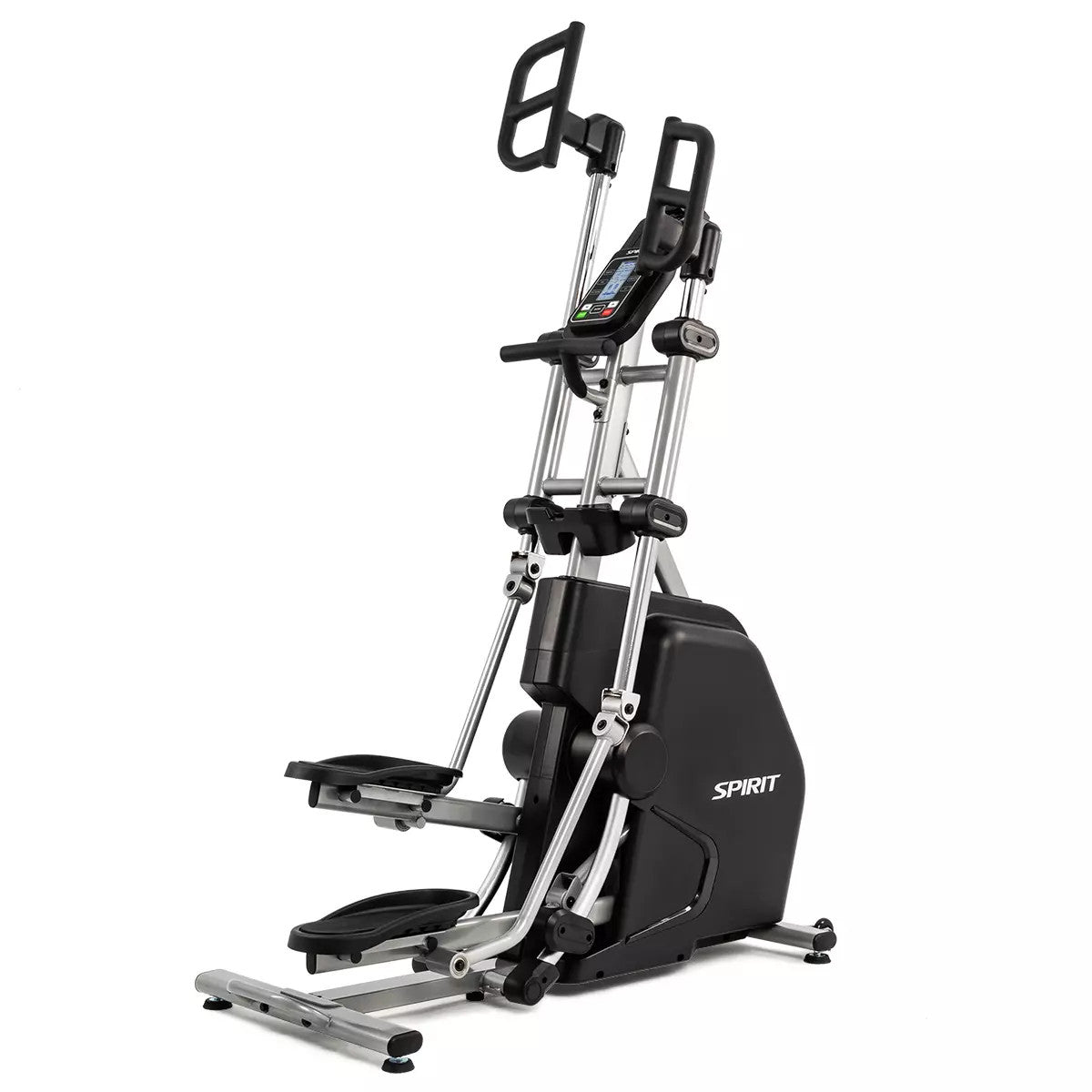
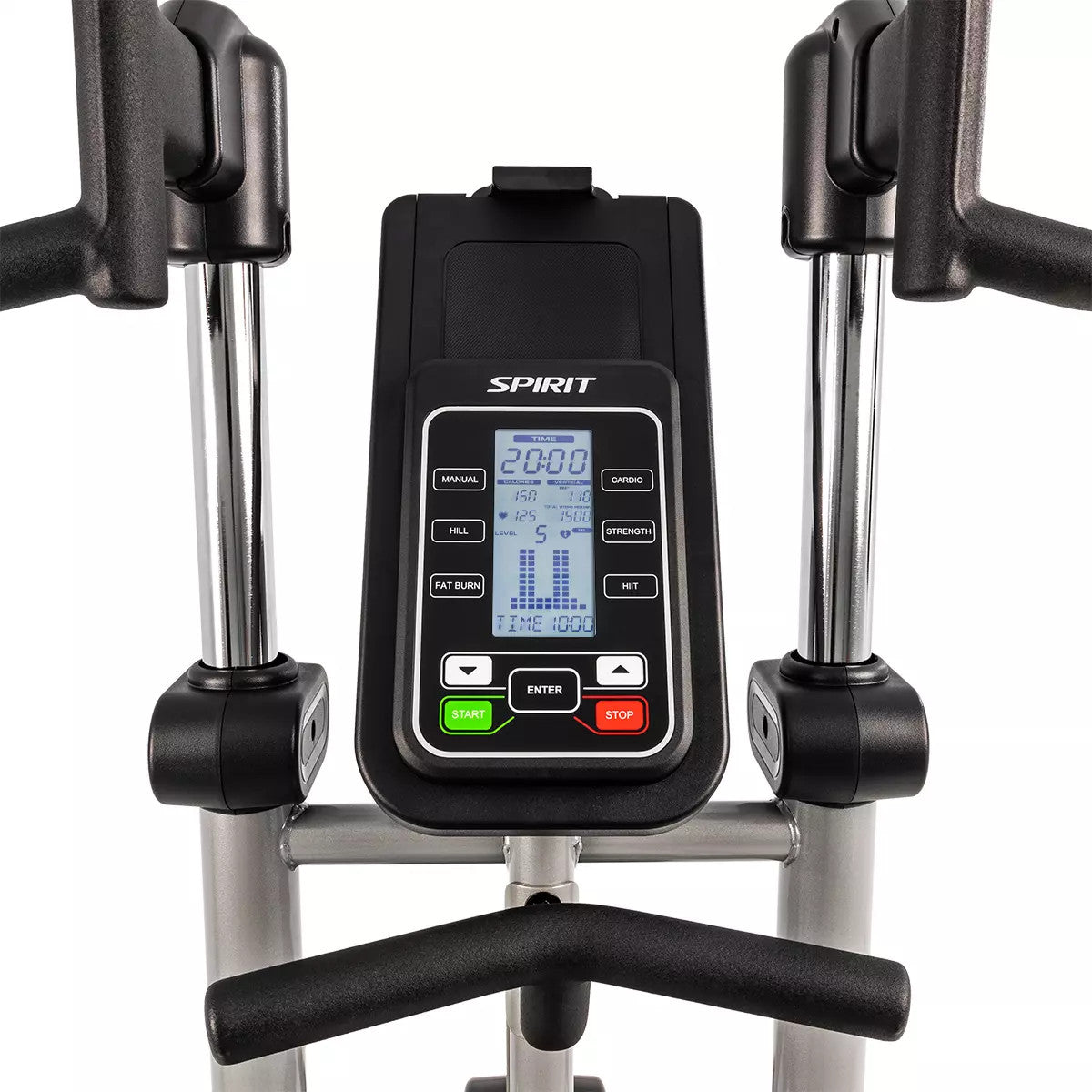
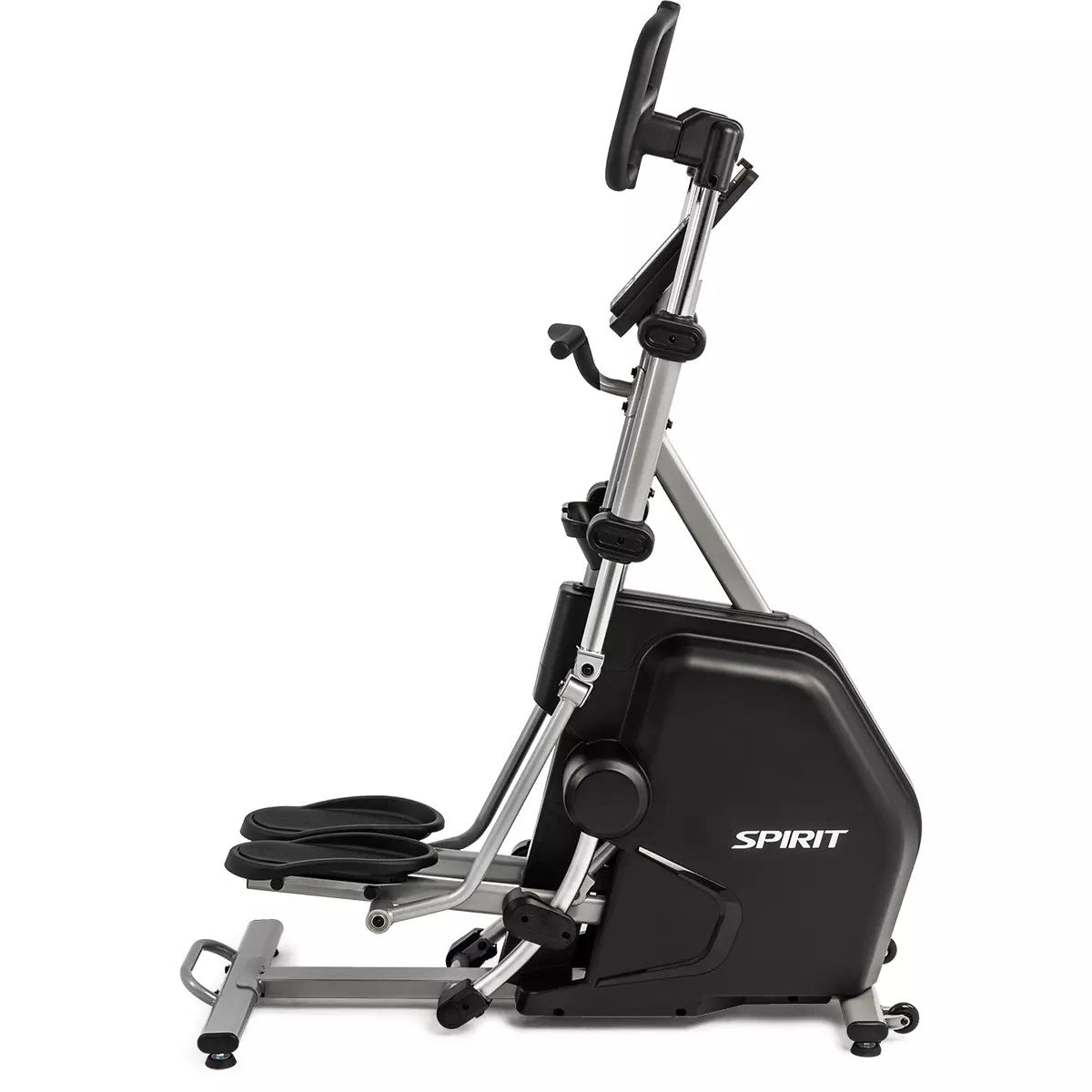
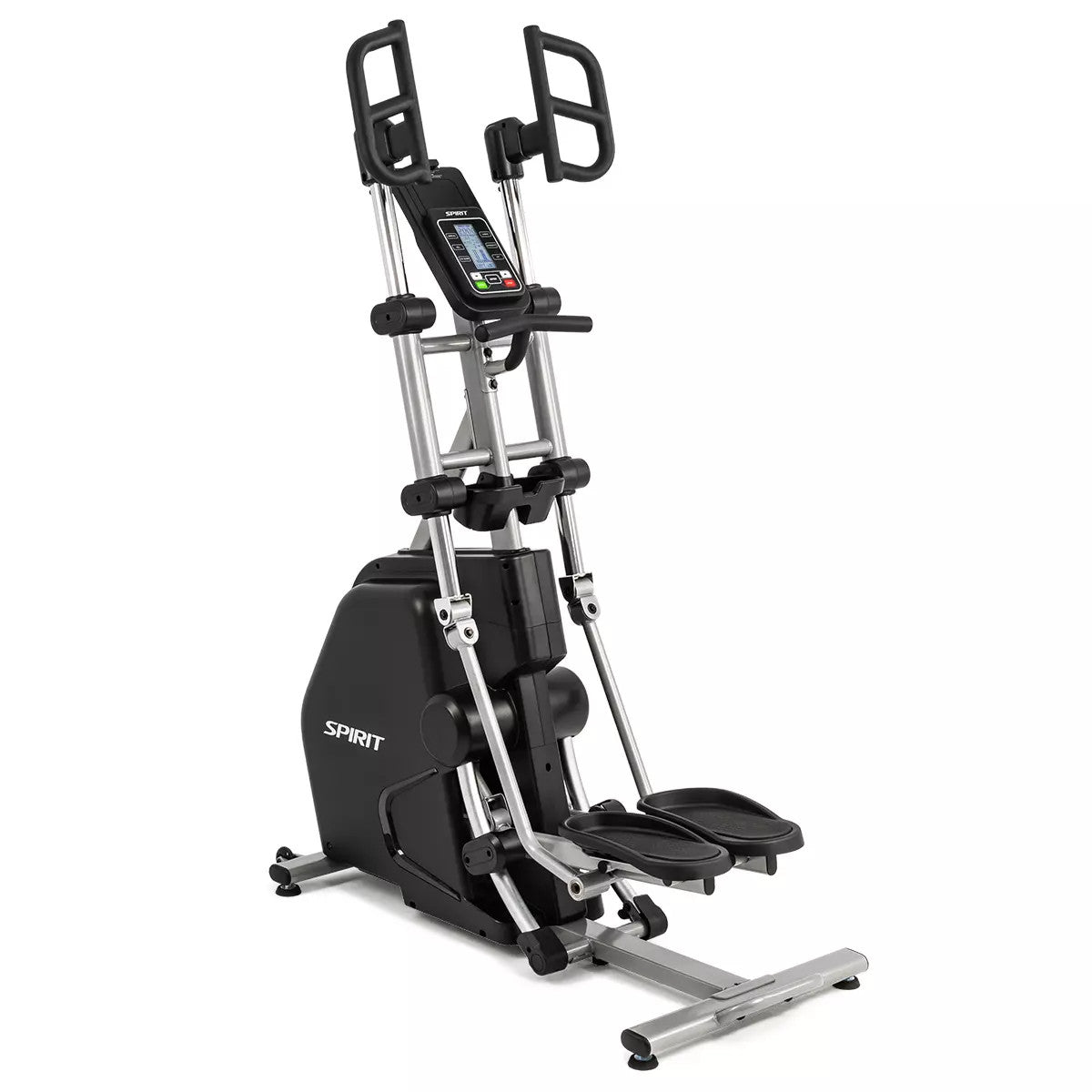
Spirit Fitness CVC800 Vertical Climber
Vertical Climbers Overview
Vertical climbers are high-intensity cardio machines designed to simulate a natural climbing motion while engaging both the upper and lower body. Using coordinated pushing and pulling movements, vertical climbers deliver efficient cardiovascular training that also challenges muscular endurance, making them a popular choice for performance-focused workouts.
Who Vertical Climbers Are Best For
Vertical climbers are well suited for experienced fitness users, athletes, and anyone looking to maximize calorie burn in a short amount of time. They are commonly used for interval training, conditioning circuits, and functional fitness programs. Because the movement pattern is low-impact, vertical climbers are also appealing to users who want intense cardio without repetitive pounding on the joints.
Key Benefits of Vertical Climbers
Vertical climbers provide full-body engagement by activating the legs, glutes, core, shoulders, arms, and back in a single, continuous motion. This coordinated movement increases heart rate quickly while promoting balanced muscle activation. Many users appreciate the upright posture, compact footprint, and minimal floor space required compared to larger cardio machines.
Performance-Oriented Design and Build Quality
Well-built vertical climbers feature durable frames, smooth resistance systems, and stable climbing rails that support fast-paced, repetitive movement. Many models are designed for commercial or light commercial use, making them suitable for home gyms, training studios, and performance facilities that demand reliability and long-term durability.

Understanding Vertical Climbers and How They Work
Vertical climbers are designed around a simple but demanding movement pattern: alternating climbing steps paired with synchronized upper-body pushing and pulling. This motion mimics climbing a ladder or steep incline, requiring continuous coordination between the arms, legs, and core. Resistance is typically generated through air, magnetic, or mechanical systems that respond to user effort.
Unlike traditional cardio machines that isolate lower-body movement, vertical climbers distribute the workload across the entire body. This allows users to achieve high heart rates quickly while also building muscular endurance and grip strength.
Vertical Climbers vs Traditional Cardio Machines
Compared to treadmills, bikes, or ellipticals, vertical climbers emphasize vertical movement rather than horizontal motion. This results in a higher demand on stabilizing muscles and upper-body involvement. While treadmills and bikes are often used for steady-state cardio, vertical climbers are commonly used for intervals, conditioning sessions, and time-efficient workouts.
Vertical climbers are also valued for their compact design. Their upright footprint makes them easier to place in smaller training areas, home gyms, or performance studios where floor space is limited.
Training Applications and Workout Styles
Vertical climbers are frequently used in high-intensity interval training, athletic conditioning, and functional fitness programs. Short bursts of climbing paired with recovery periods allow users to build cardiovascular capacity and muscular endurance simultaneously. They are also effective as part of circuit training, alternating with strength or bodyweight exercises.
Because resistance scales with effort, vertical climbers can accommodate a wide range of fitness levels. Beginners can focus on controlled, slower climbs, while advanced users can increase speed and intensity for more demanding sessions.
FAQs
Are vertical climbers good for full-body workouts?
Are vertical climbers low impact?