








If you’ve spent any time in a gym, you’ve probably seen a Smith machine. For some, it’s an essential tool that provides safety and confidence under the bar. For others, it’s a controversial piece of equipment that doesn’t get the credit it deserves. The truth is somewhere in the middle: the Smith machine is an incredibly versatile piece of strength equipment, and whether you’re training in a commercial gym or browsing home gym Smith machines for sale, it can play a major role in your fitness journey.
What a Smith Machine Is — and How It Works
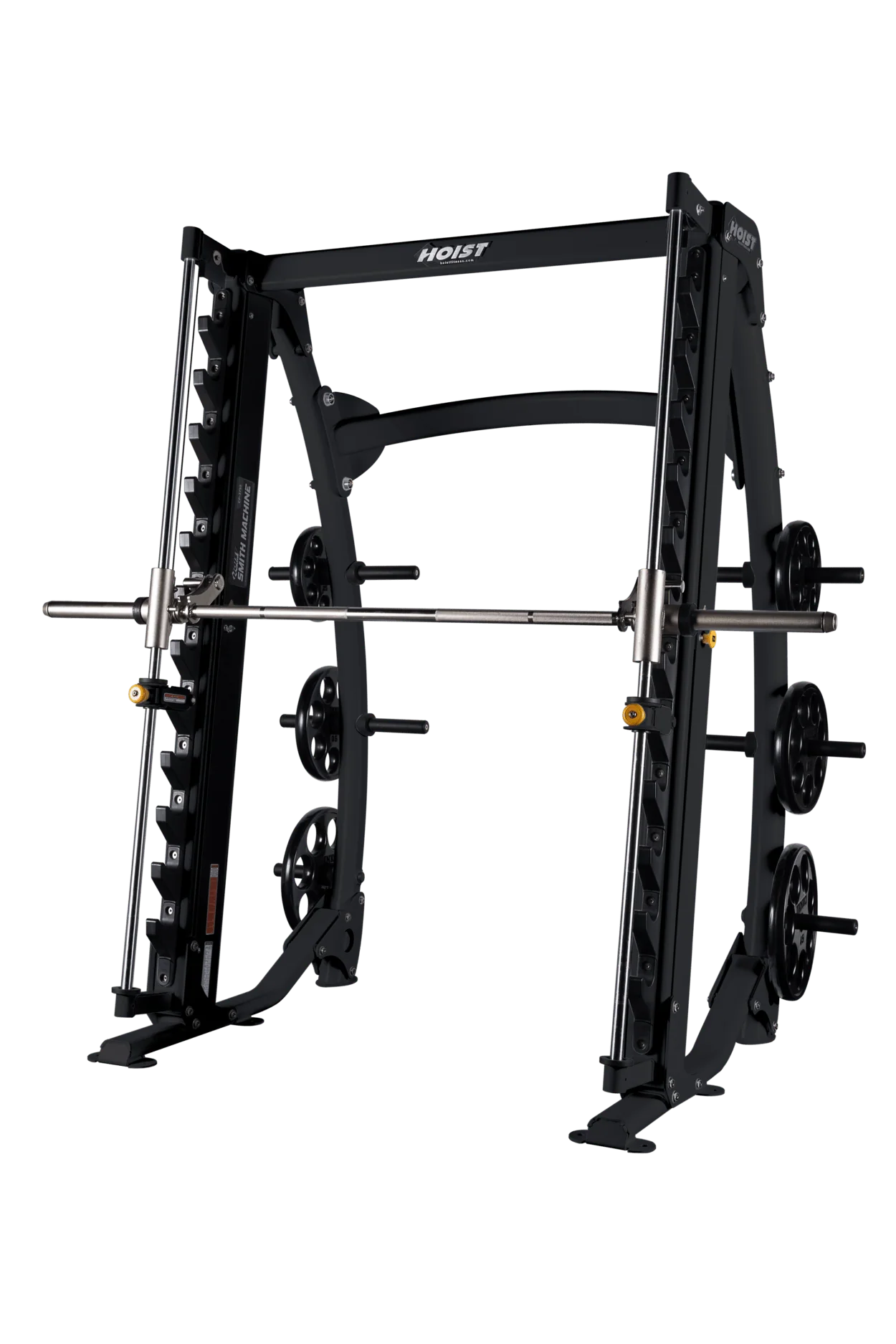
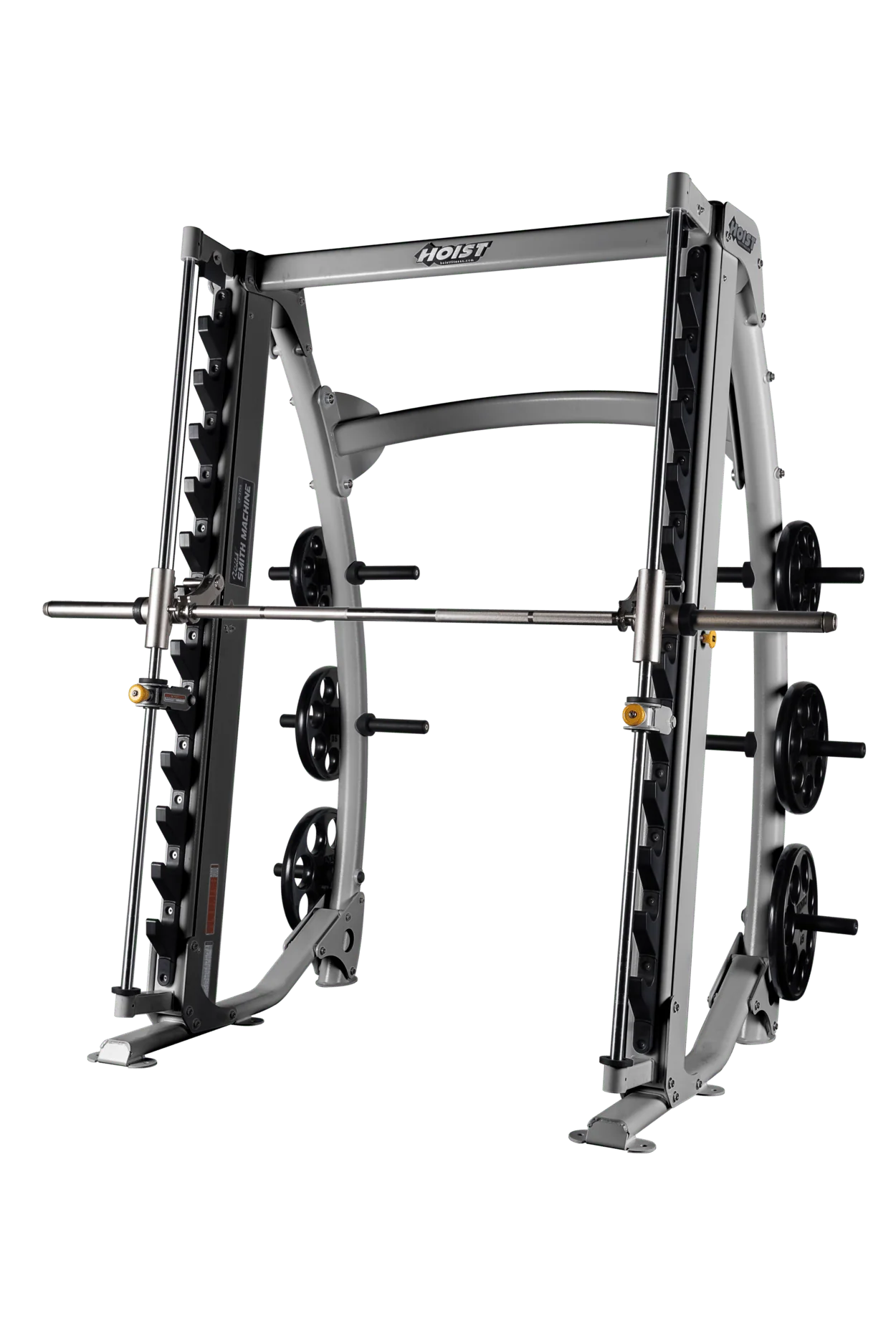
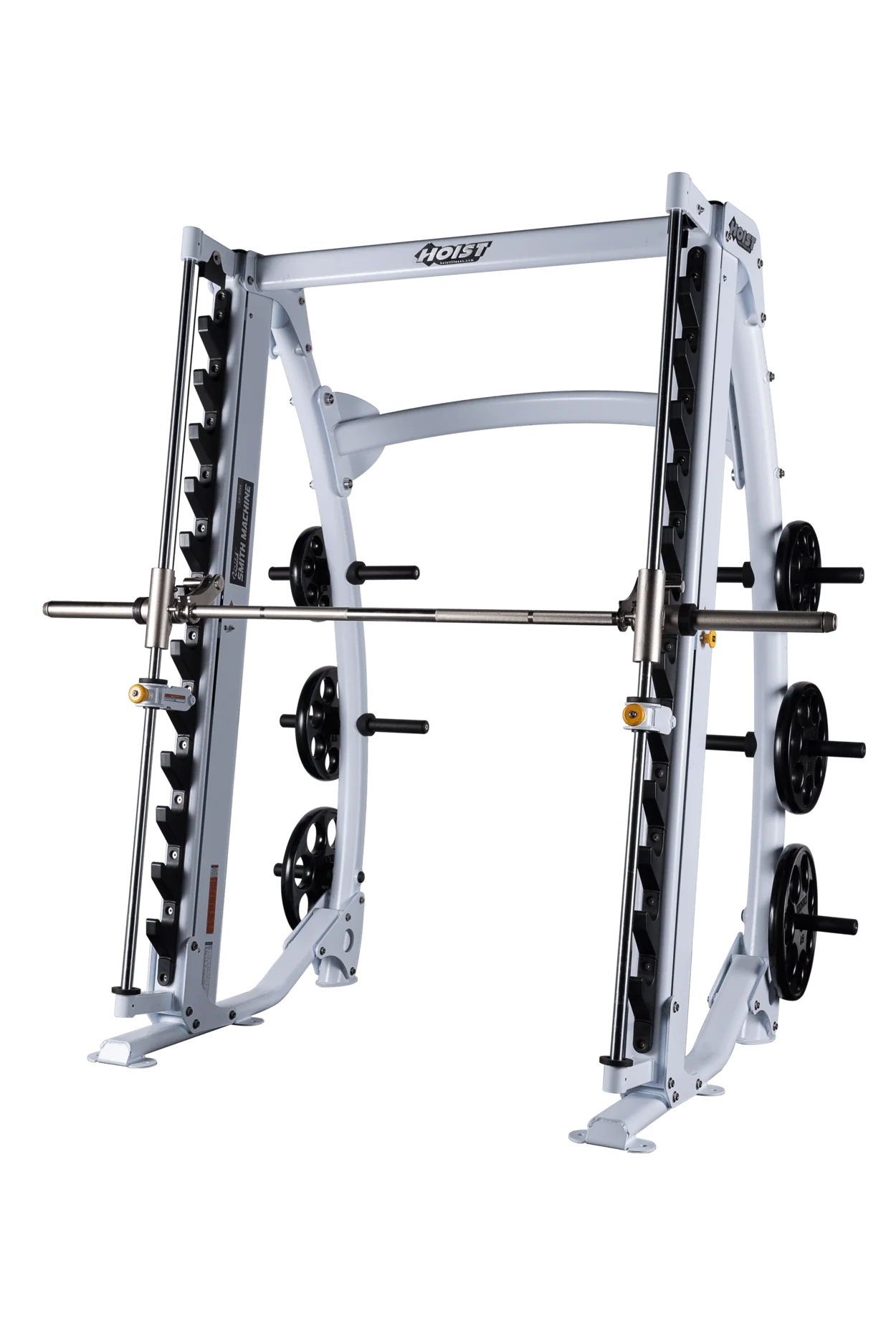
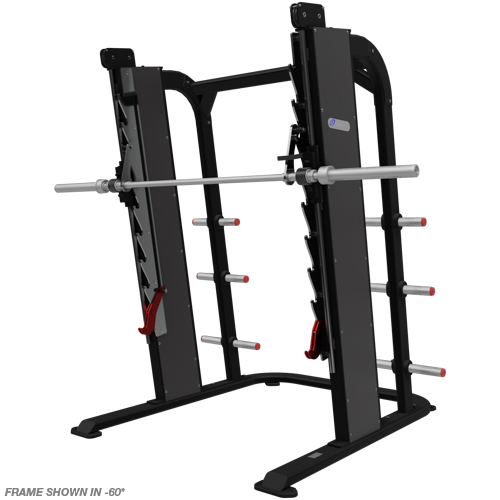
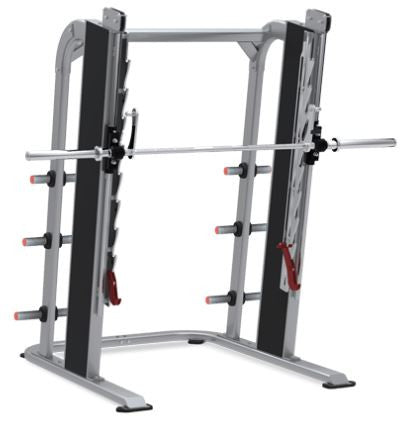
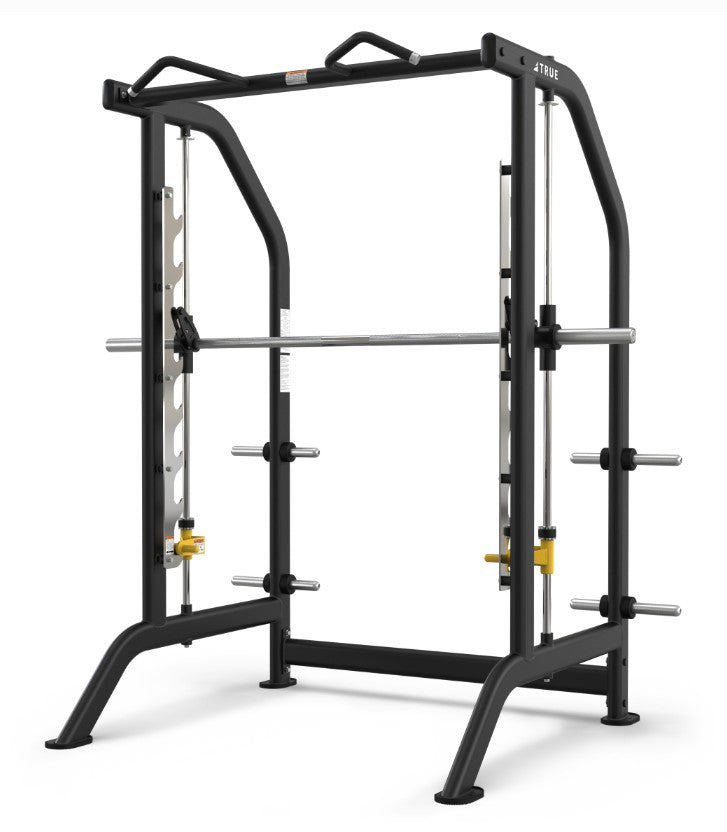
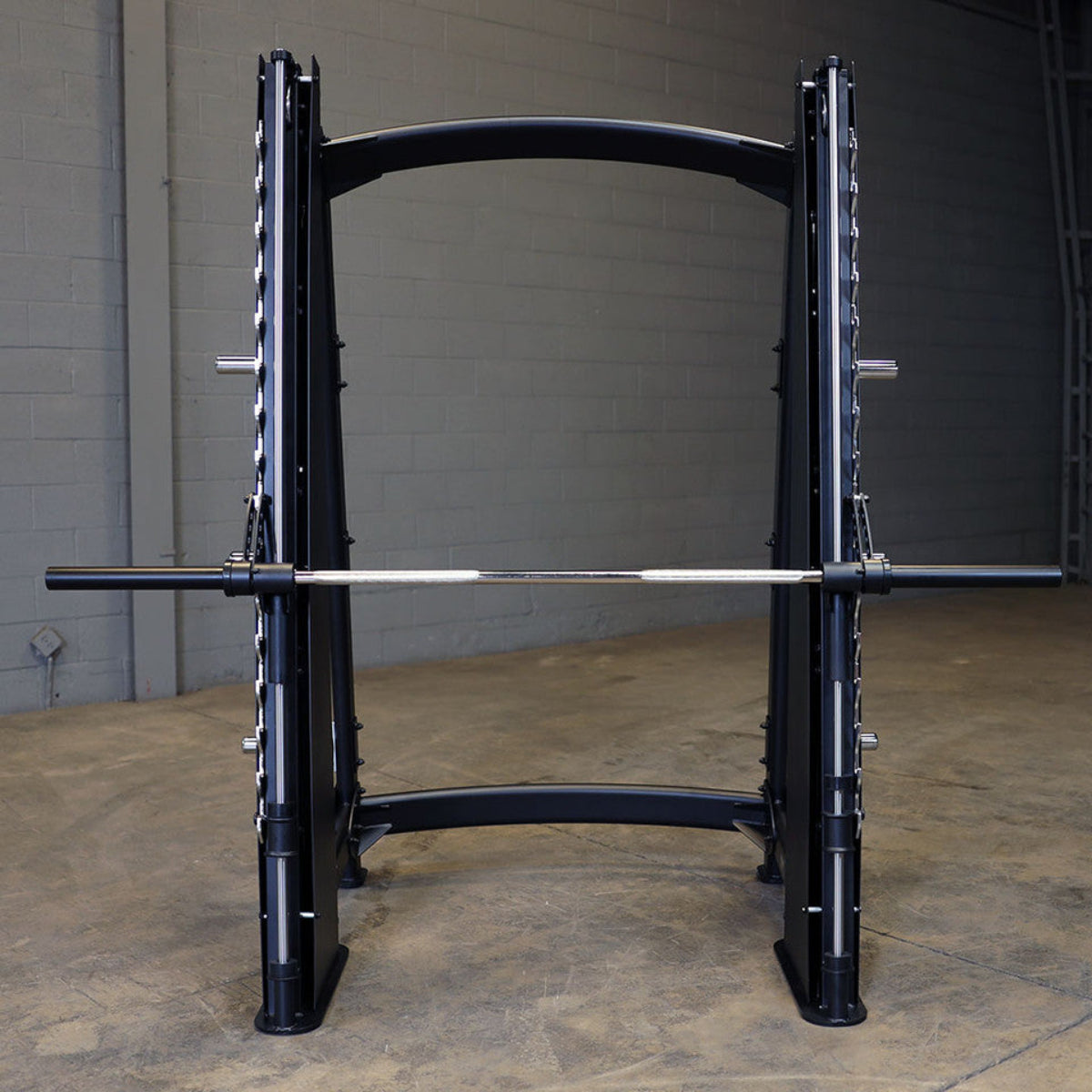
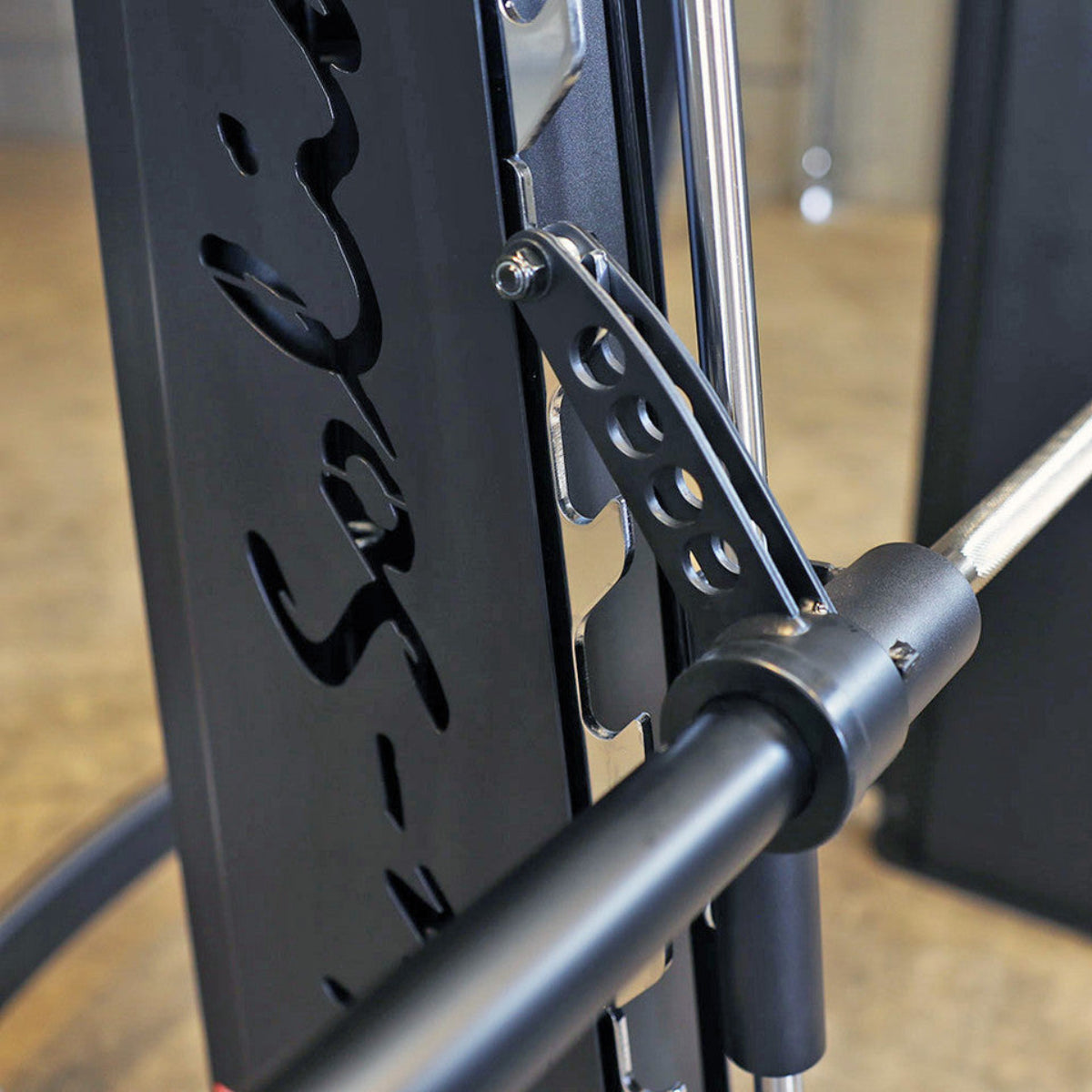
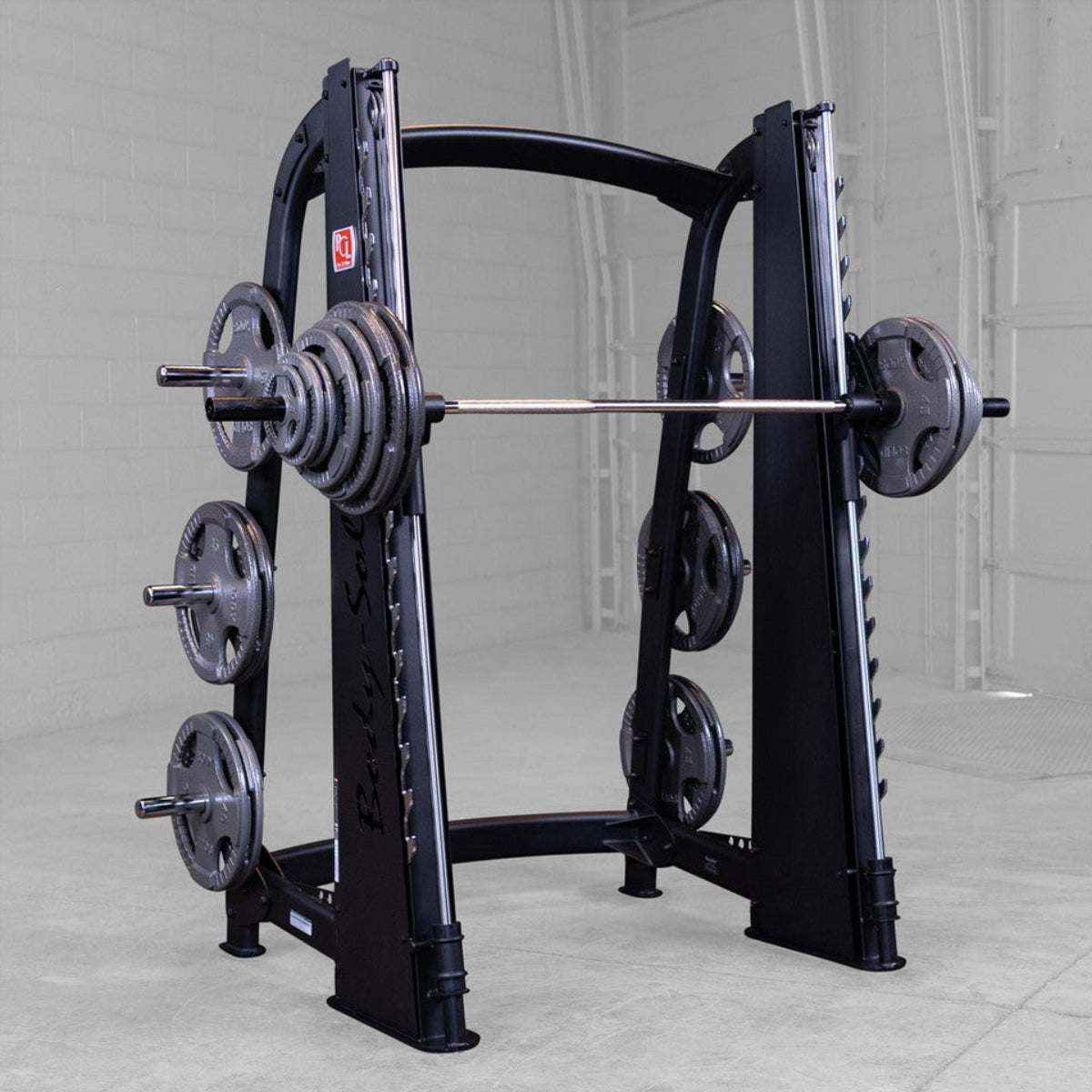
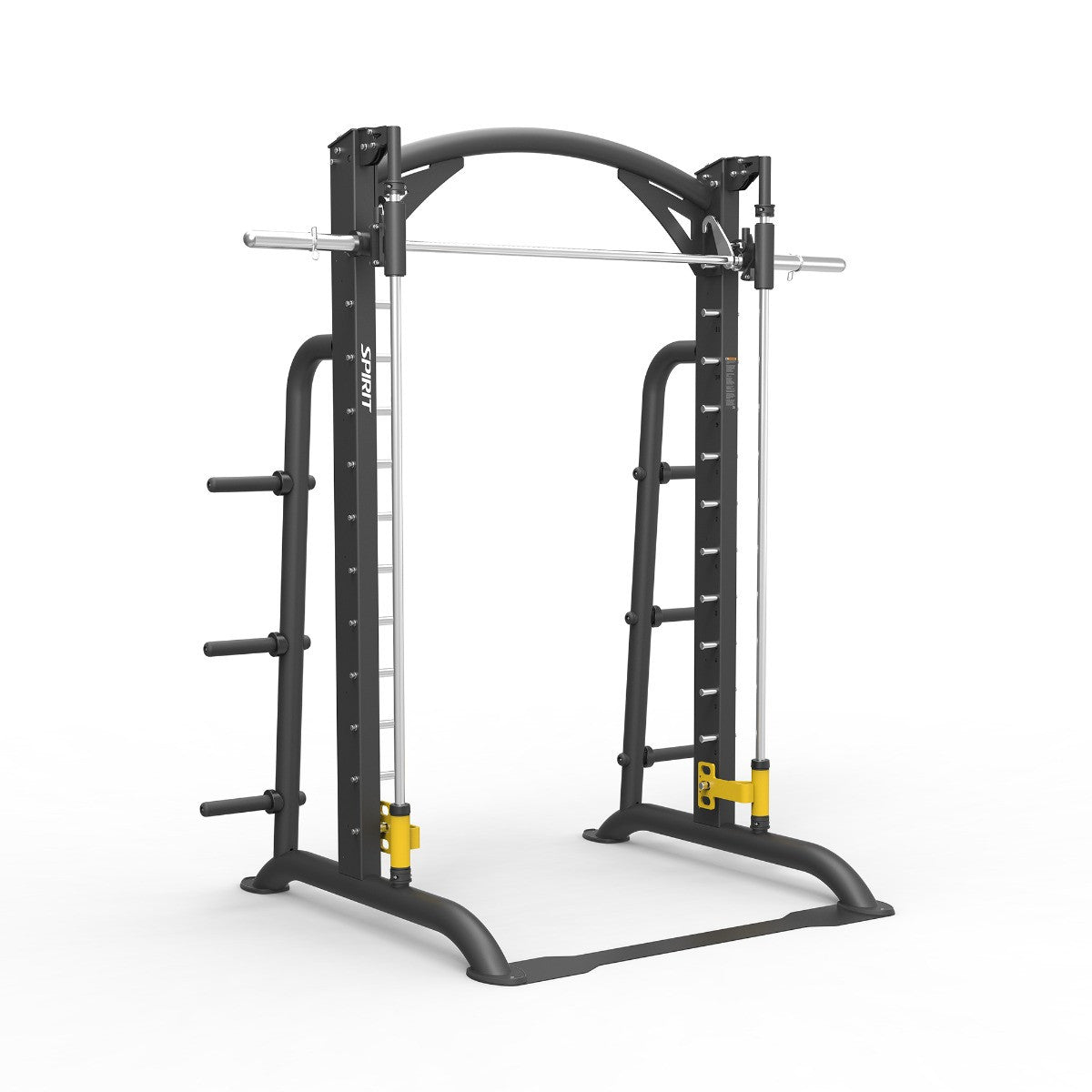
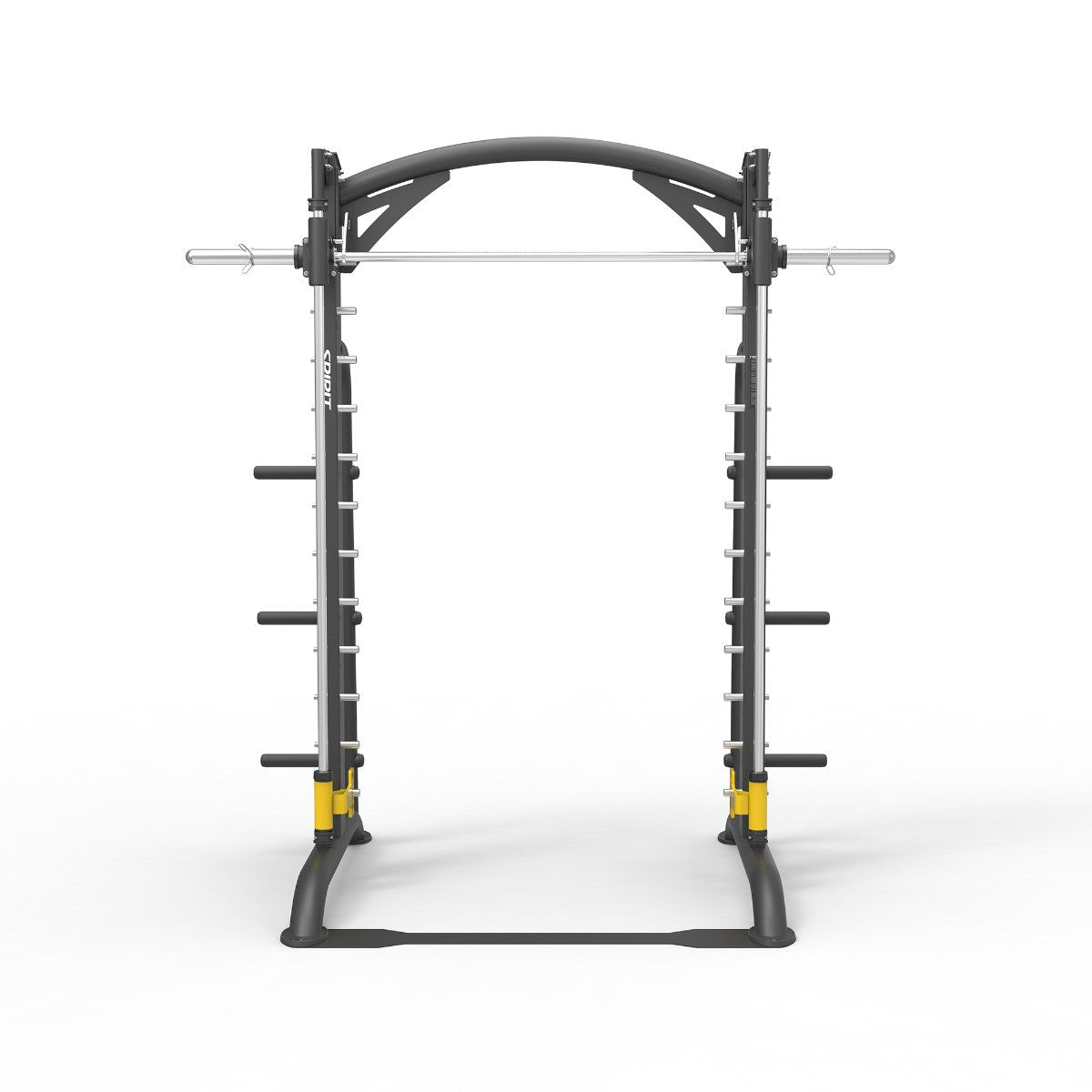
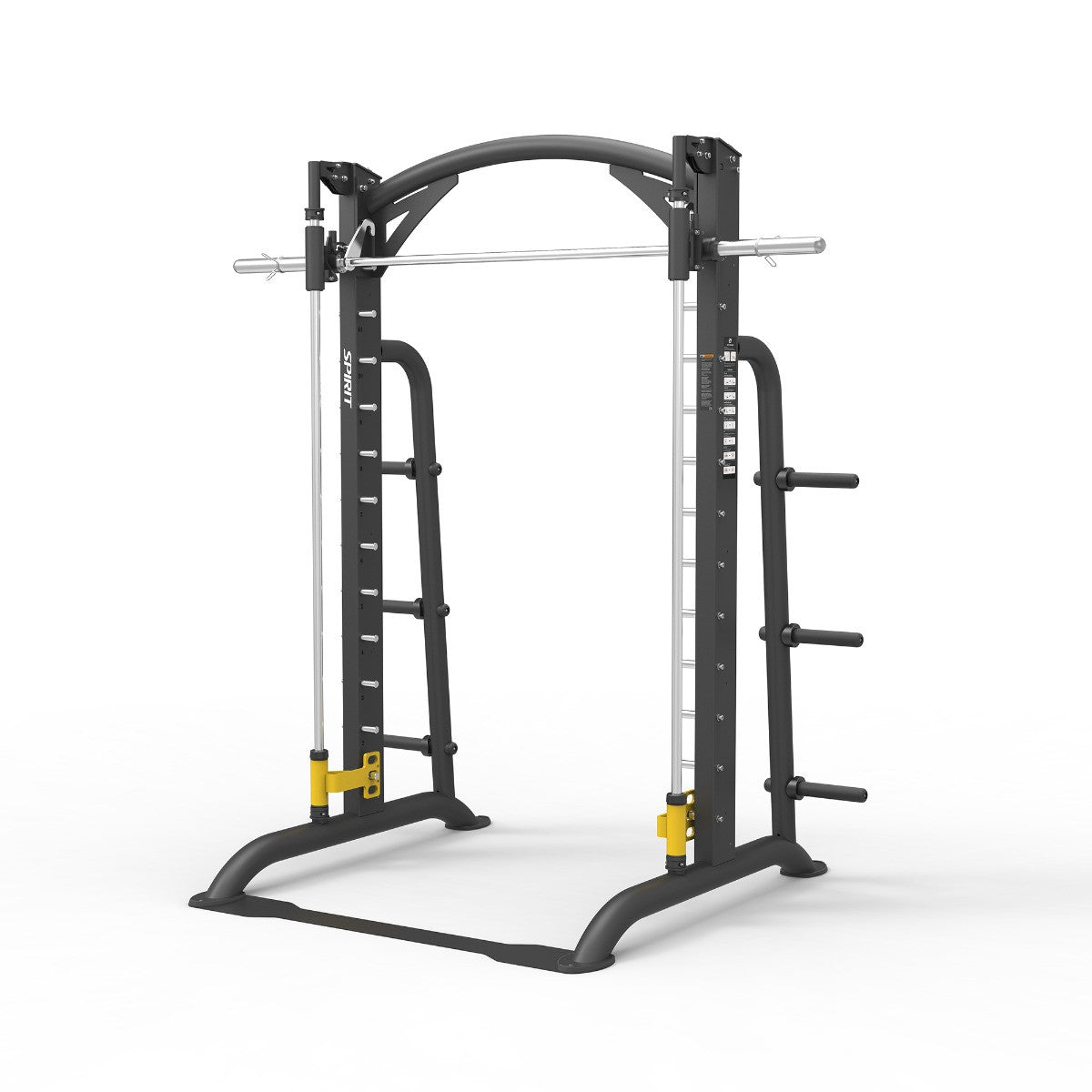
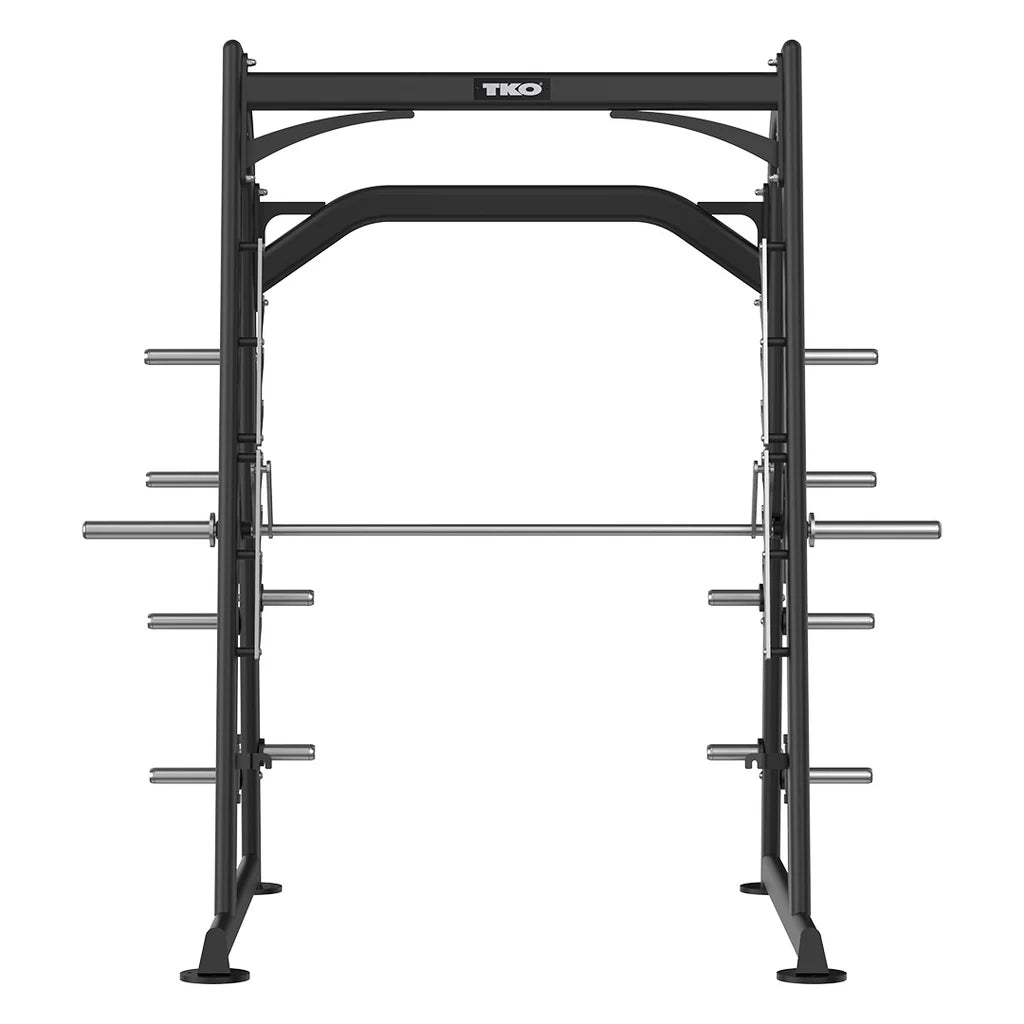
At its core, a Smith machine is a barbell fixed inside a steel frame, gliding on rails that control the bar’s path. This design makes the bar move in a straight line (sometimes slightly angled), and it can be locked in place at various heights with a simple twist of the wrist. That means built-in safety features, especially valuable when you’re lifting heavy weights without a spotter.
Using it is straightforward. You adjust the bar to the right height, load your plates, and set your stance. As you perform the exercise, the rails keep the bar steady, allowing you to focus on form and muscle engagement. When you’re done, simply rotate the bar back into the hooks. This ease of use is why so many beginners feel comfortable starting their lifting journey here — but advanced lifters also rely on Smith machines for heavy hypertrophy training, burnout sets, and even rehabilitation.

Benefits, Drawbacks, and How It Stacks Up to Free Weights
The biggest advantage of a Smith machine is safety. The ability to re-rack instantly makes it appealing for solo training. It also removes the balance element of free weights, letting you isolate muscles more effectively. Many bodybuilders love the Smith machine for exactly this reason: it allows them to push harder without worrying about stabilizers giving out first.
On the flip side, the fixed bar path can be limiting. Unlike a free barbell, which lets you move naturally, the Smith machine locks you into a specific track. That means less engagement of stabilizer muscles and less “functional” strength development. Some lifters argue this makes it less effective overall, but really, it just depends on your goals.
So, which is better — Smith machine or free weights? The answer is both. Free weights build balance, coordination, and raw strength. Smith machine exercises build targeted muscle and let you train safely without a spotter. A smart workout plan includes both.
Safe Training, Beginners, and Rehabilitation
One of the reasons the Smith machine for beginners is so popular is because it takes away the intimidation factor of lifting. The guided rails make it easier to focus on form without worrying about dropping the bar. This makes it one of the safest ways to learn basics like squats, bench presses, and overhead presses.
The same features make it valuable for rehabilitation. Physical therapists often incorporate Smith machine movements for people recovering from knee, hip, or shoulder injuries. The fixed bar path reduces instability, helping users rebuild strength in a controlled way. And since the safety hooks are always there, you can stop mid-rep without risk.
Whether you’re brand new to lifting, working your way back from injury, or simply want peace of mind while training at home, the Smith machine is an excellent solution.
Exercises, Workouts, and How to Program Them
One of the most common misconceptions is that Smith machines are “only for squats.” In reality, they can provide a full-body workout. Some of the best Smith machine exercises include:
-
Squats and lunges for legs and glutes
-
Bench presses and incline presses for chest
-
Overhead presses for shoulders
-
Rows and shrugs for back
-
Calf raises for lower legs
-
Split squats for unilateral strength
How you use these exercises depends on your goals. If muscle growth is the priority, you can increase training volume with multiple sets of presses, squats, and rows. If you’re chasing strength, the Smith machine lets you load heavier while keeping risk low. For weight loss, combining lunges and presses into a circuit can deliver both strength and cardio benefits.
When programming, many lifters start their workout with free-weight compound lifts (like deadlifts or barbell squats), then transition to the Smith machine for accessory work or “finishers.” This hybrid approach provides the best mix of strength, stability, and hypertrophy.
Squats, Mistakes, and Finding the Right Setup
The Smith machine squat deserves its own discussion, because it’s the movement most associated with the equipment — and also the one most often criticized. Critics argue that squatting on rails is unnatural, and they’re not wrong. The fixed bar path does remove some of the balance and stabilizer engagement of a free barbell squat.
But that doesn’t mean Smith squats are ineffective. In fact, they can be incredibly useful for hypertrophy, rehab, or lifting heavy safely. The key is foot placement. Many people make the mistake of placing their feet too far forward, which can put stress on the knees. Keeping your stance closer to natural squat mechanics makes the movement much safer and more effective.
Other common mistakes include locking out joints at the top of the rep, loading too much weight before mastering form, or relying exclusively on Smith machine squats instead of mixing in free squats.
If you compare the Smith machine vs. squat rack vs. power rack, each has a role. The Smith machine prioritizes safety and solo training, the squat rack gives you freedom of movement, and the power rack is the most versatile for heavy free lifting with spotter arms.
Buying a Smith Machine for Home Use
If you’re browsing for a Smith machine for sale, there are a few important features to keep in mind. Build quality should be the first priority — a sturdy frame and smooth track system make a huge difference in both performance and longevity. Some models use counterbalanced bars to make the starting weight lighter, which can be useful for beginners or rehab.
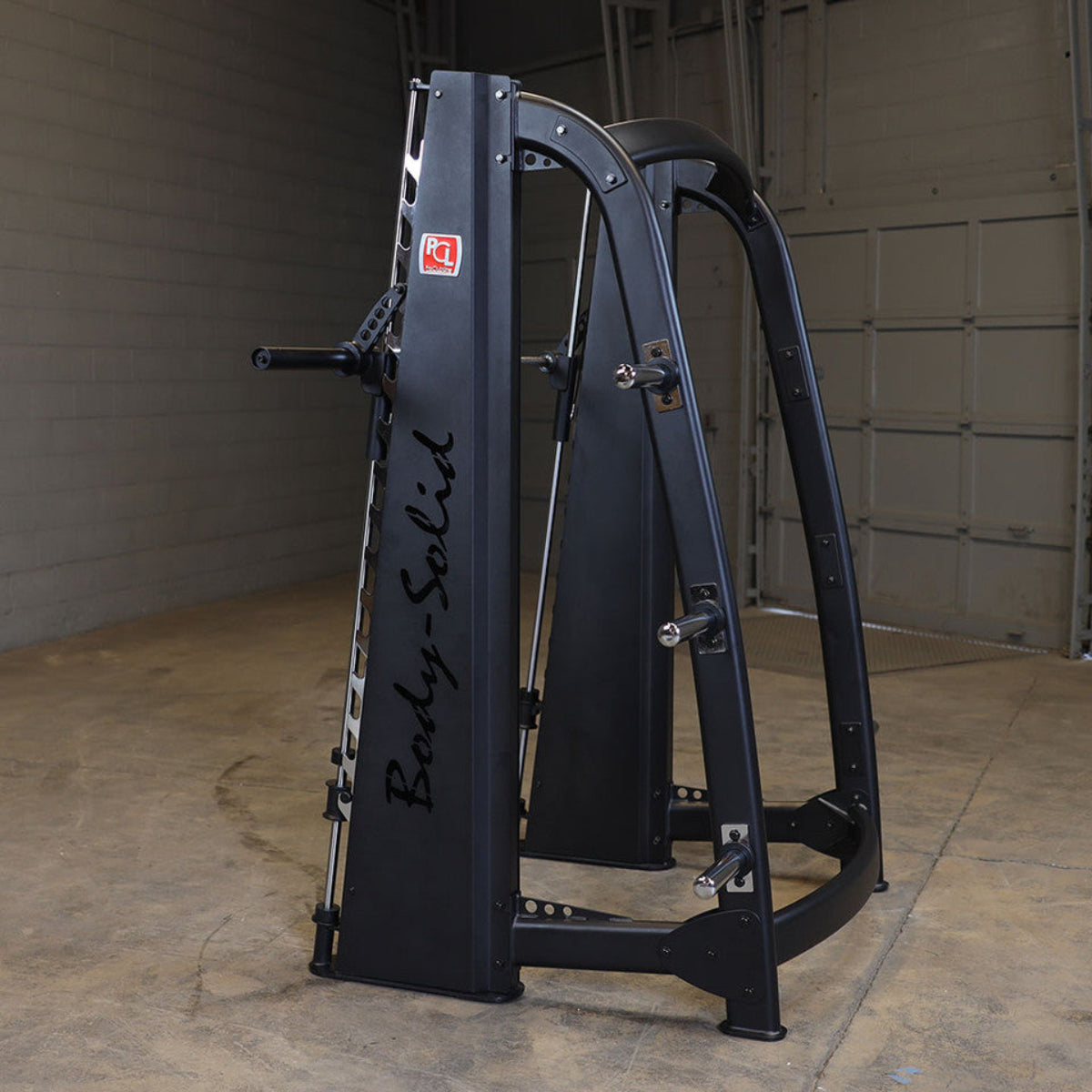
Space is another factor, since even compact home gym Smith machines still require floor and ceiling clearance. Attachments like cable pulleys or benches add versatility if you want an all-in-one setup. And of course, brand matters — a Nautilus Smith Machine or a Body-Solid model has the reputation and durability to last for years.
Think of it as an investment. A high-quality Smith machine can replace multiple pieces of equipment in your home gym, giving you both safety and versatility in one. At The Fitness Outlet, we carry a wide selection of Smith machines from trusted brands like Nautilus, Body-Solid, BodyCraft, Hoist, and True — so whether you’re building your first home gym or upgrading to commercial-grade quality, you’ll find the best fit for your training goals.
| Model | Best For | Key Features | Price Range |
|---|---|---|---|
| Body-Solid Series 7 Smith Machine | Home gyms & light commercial | 7-degree bar angle for natural movement, heavy-duty frame, multiple safety lockouts | $$ |
| Nautilus Smith Machine | Commercial facilities & serious lifters | Smooth commercial-grade rails, integrated counterbalance, versatile design | $$$$ |
| BodyCraft EXP CSM Smith Machine | Versatility & safety | Patented 3D bar movement (up/down and forward/back), self-spotting safety hooks | $$$ |
| True Fitness XFW-6800 Smith Machine | Premium gyms & advanced users | Angled bar path, oversized steel tubing, commercial durability | $$$$ |
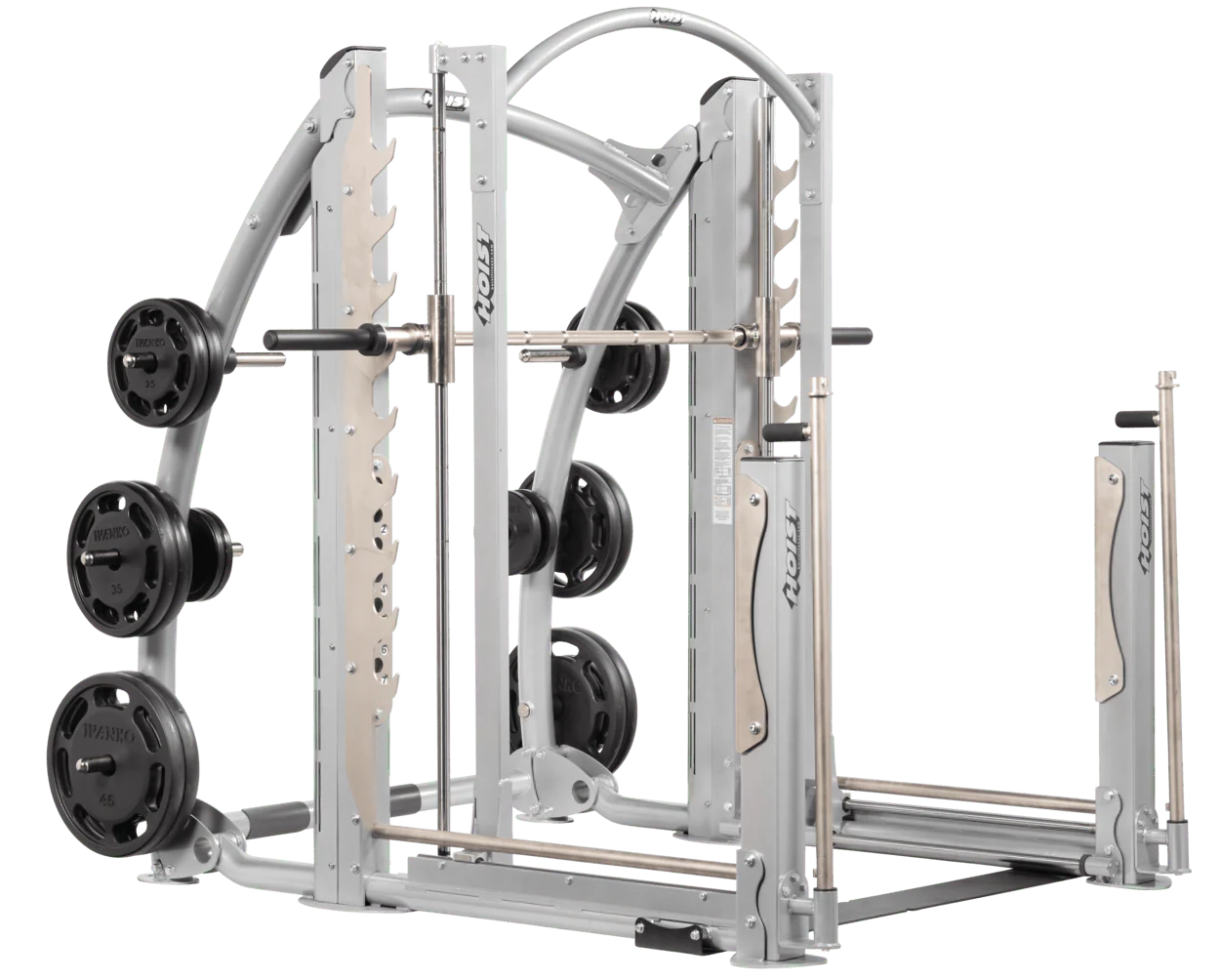
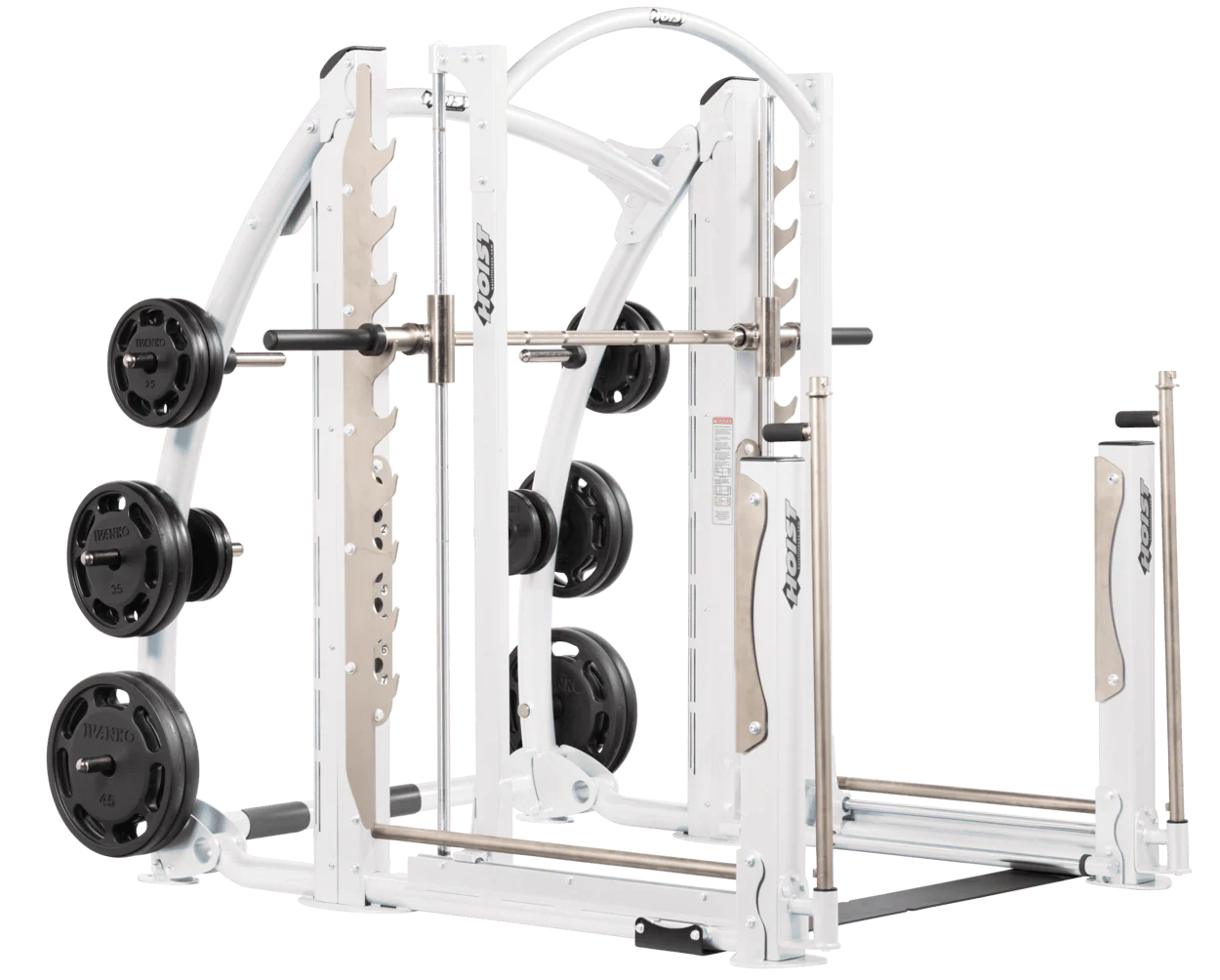
| Hoist Fitness Mi-Smith Dual Action | Premium home gyms & all-level user | Ultra-Lite Lifting System™ (30 lb. start weight), compact walk-through frame, commercial-grade build, integrated safety features, HOIST Strength app support | $$$ |
Creativity, Comparisons, and Myths
One of the overlooked strengths of the Smith machine is its versatility beyond the obvious lifts. Creative lifters use it for inverted rows, assisted pull-ups, hip thrusts, shrugs, and even as a stretching anchor. This flexibility makes it more than just a squat substitute.
Of course, myths still circulate. You’ve probably heard that Smith machines are “useless,” that you “can’t build real strength” with them, or that they’re “only for beginners.” All of these are untrue. Used correctly, they’re an effective tool for hypertrophy, overload, and safe training for lifters at all levels.
Compared to other equipment, the Smith machine fills a unique niche. It’s not meant to replace free weights, and it’s not as specialized as a leg press or cable system. Instead, it’s a versatile bridge between safety and strength, which is why it remains such a mainstay in both commercial and home gyms.
The Smith machine has sparked plenty of debate, but it’s far from a useless relic. It’s a safe, effective, and versatile training tool that can benefit beginners, bodybuilders, and even advanced lifters looking for ways to train heavy with confidence. Whether you’re setting up a commercial gym or building your ultimate home gym Smith machine setup, this piece of equipment deserves a spot in the conversation — and possibly in your fitness space. If you’re ready to invest in a Smith machine for your home or facility, explore our collection at The Fitness Outlet. We offer expert guidance and premium models so you can train safely, effectively, and with confidence for years to come.