


Achieve your fitness goals within your budget with our financing.
Free Delivery on Orders $599+
Fast, reliable delivery on all qualifying orders.
Price Match Guarantee
Shop confidently knowing you're getting the best deal.
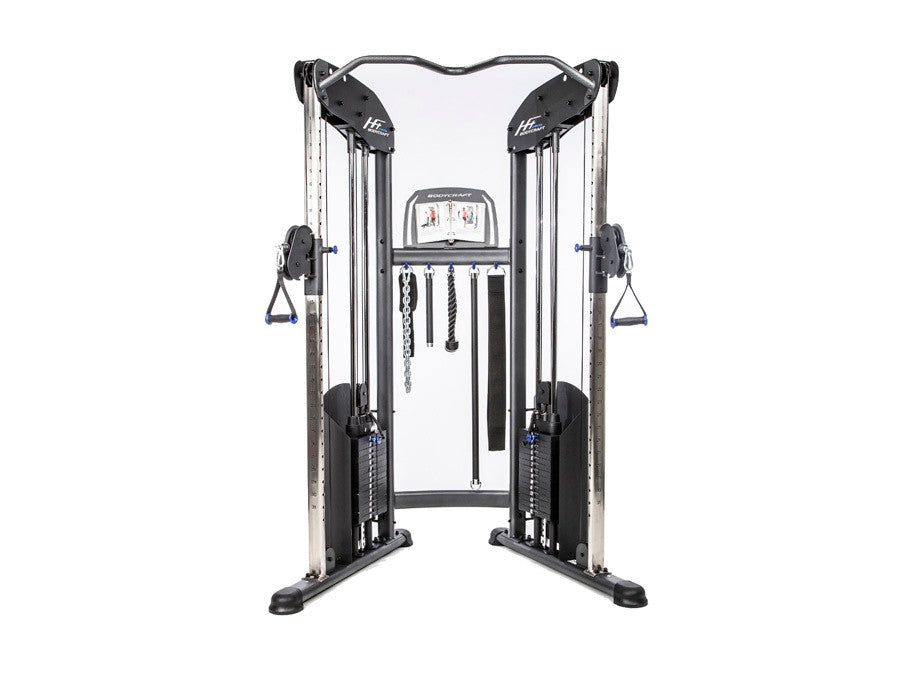
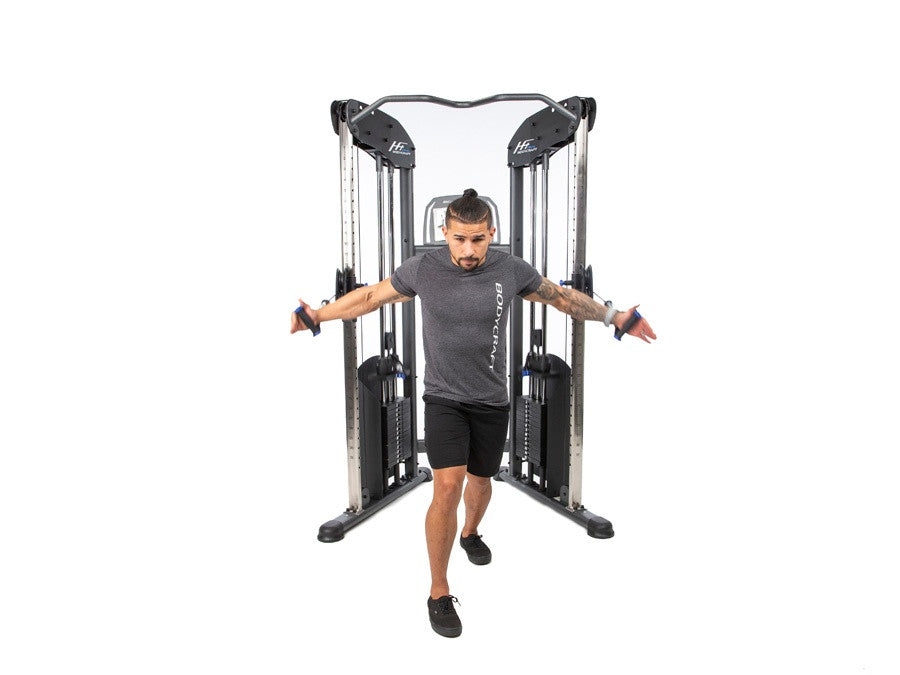
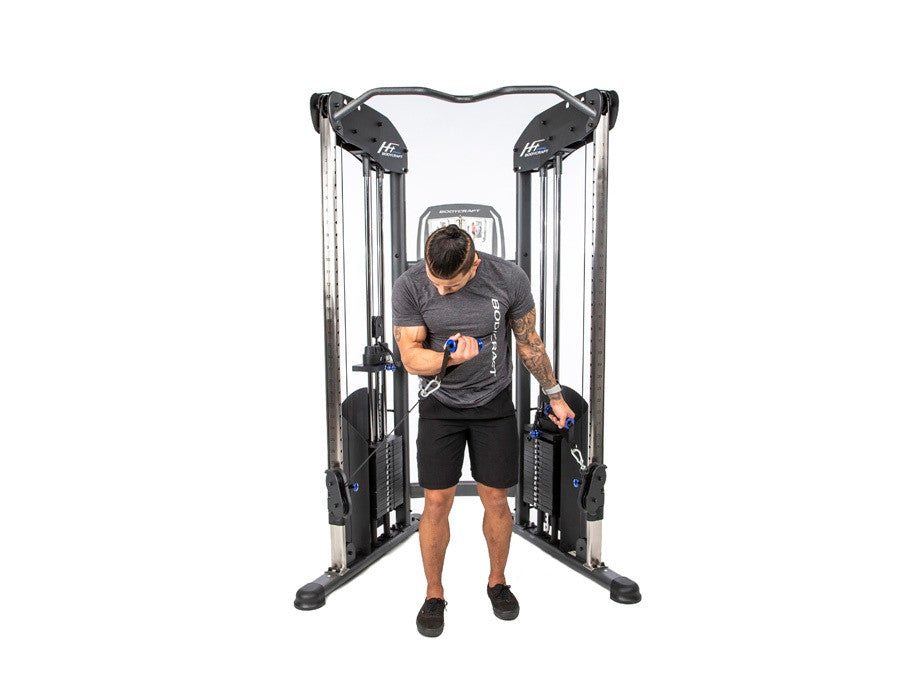
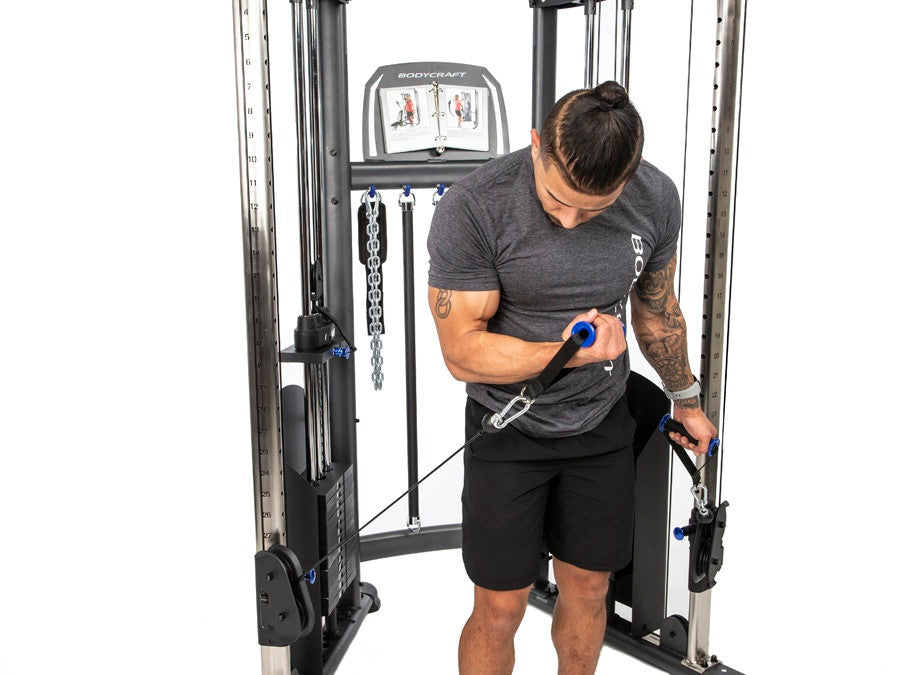
BodyCraft HFT PRO Functional Trainer


BodyCraft RFT PRO Rack Functional Trainer
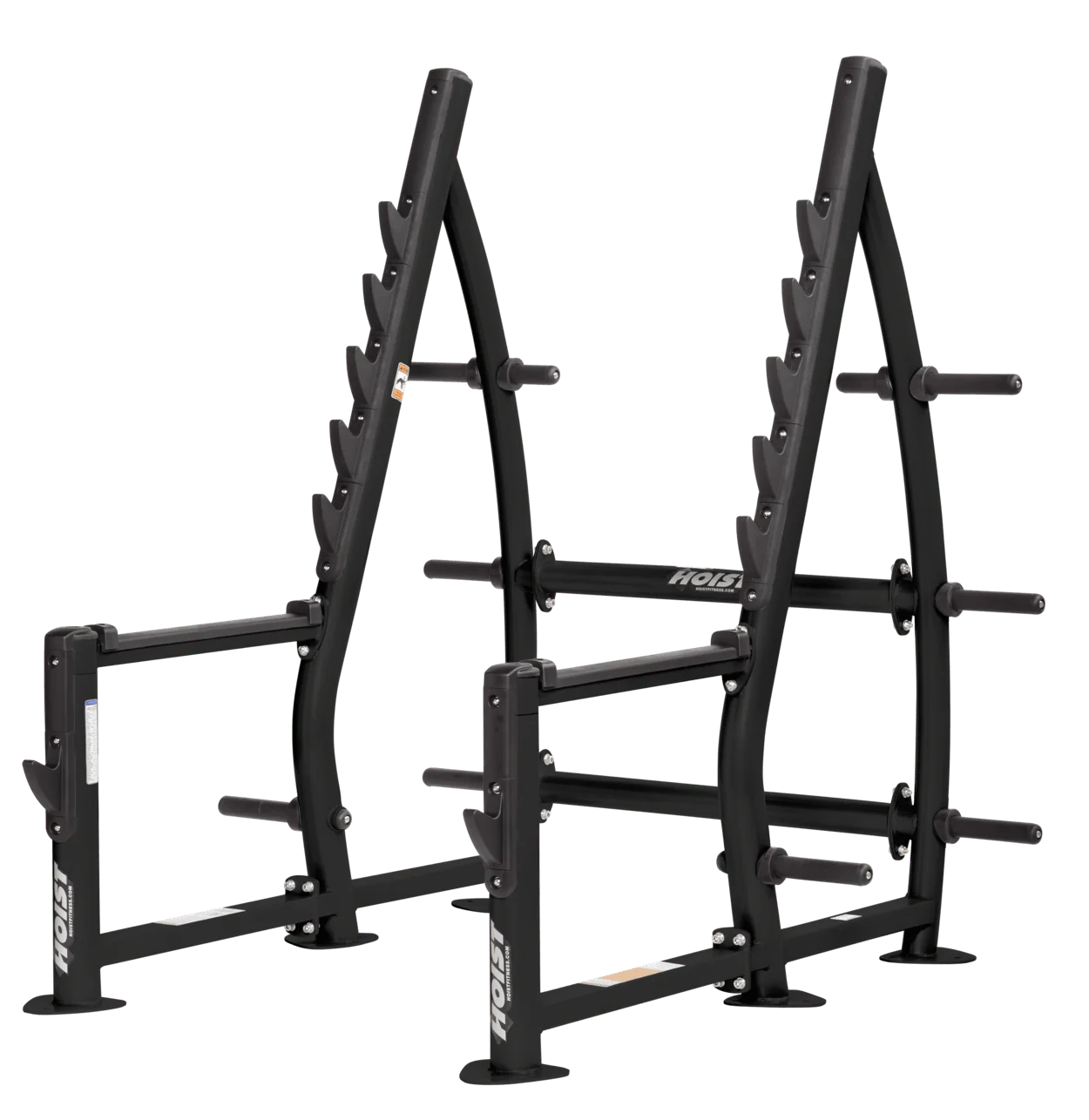
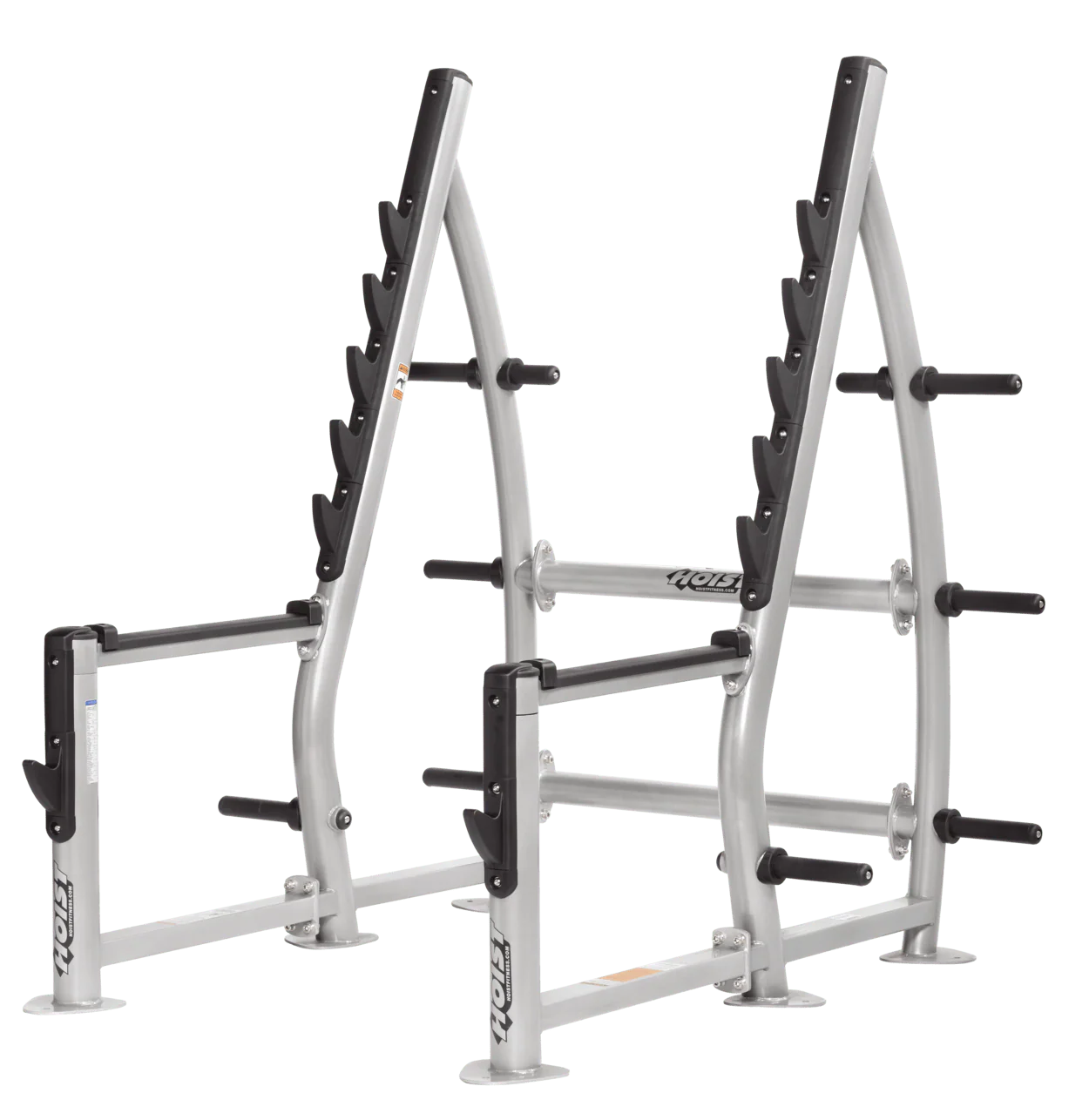
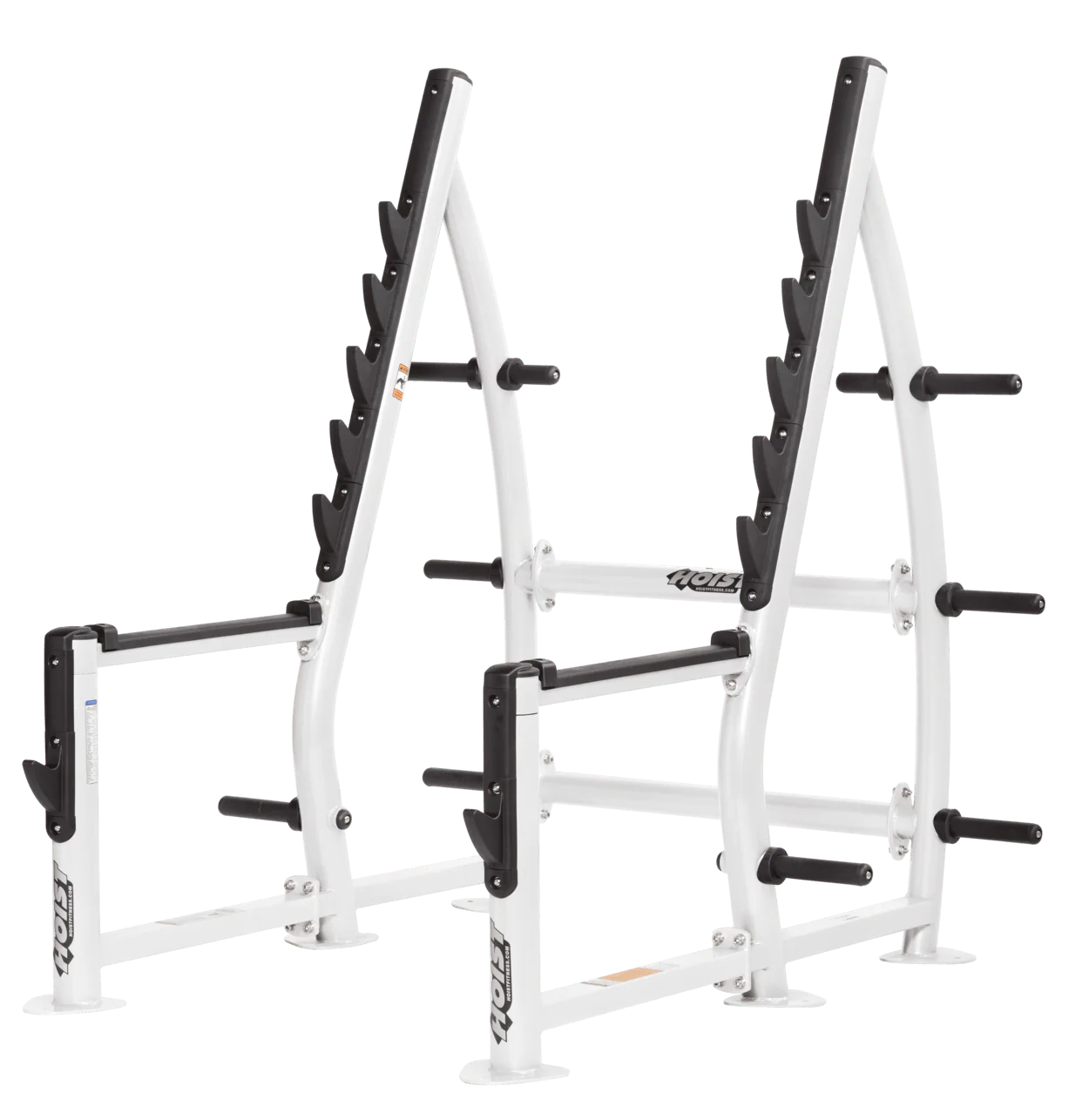
Hoist Fitness CF3367 Squat Rack


True Fitness Launch Recumbent Bike
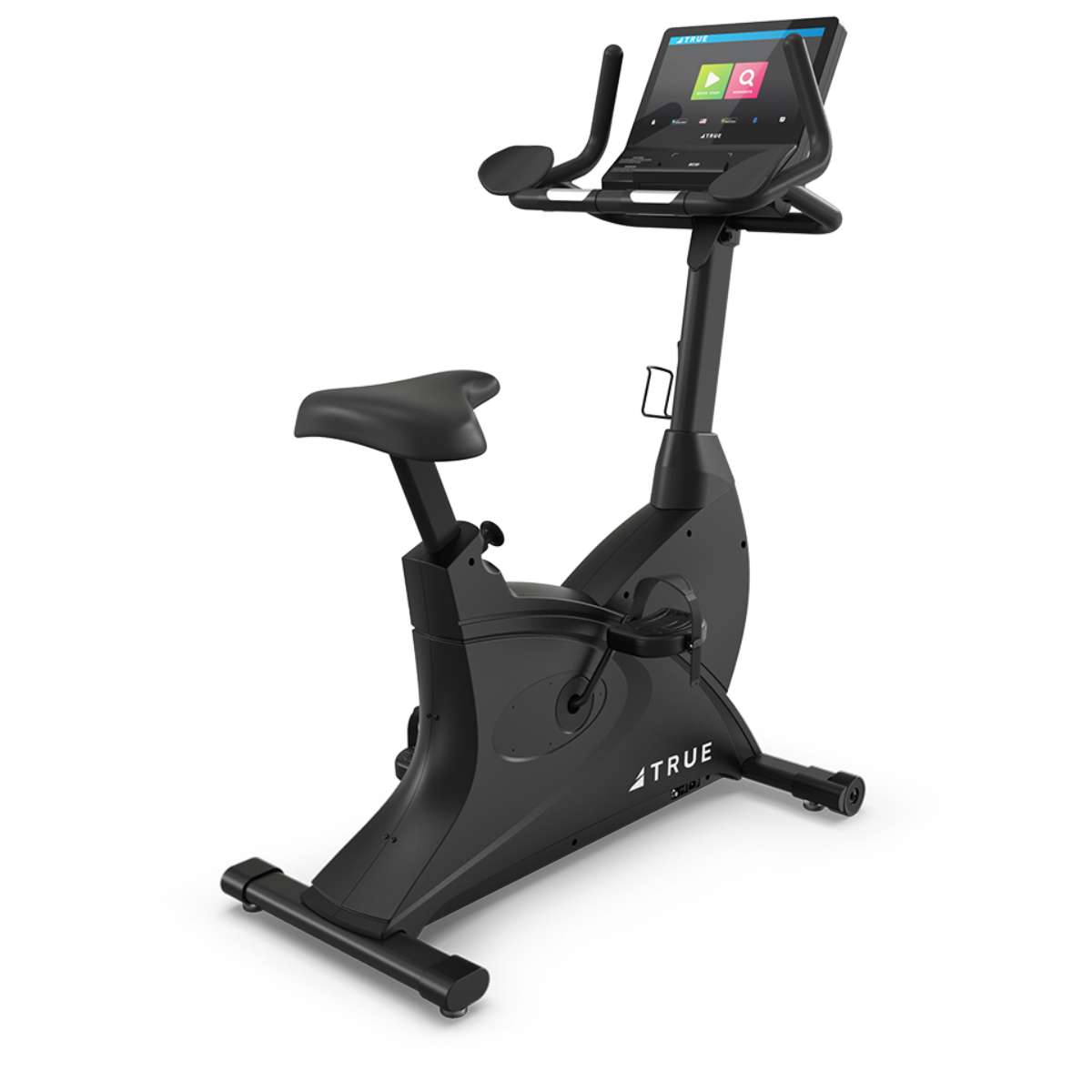


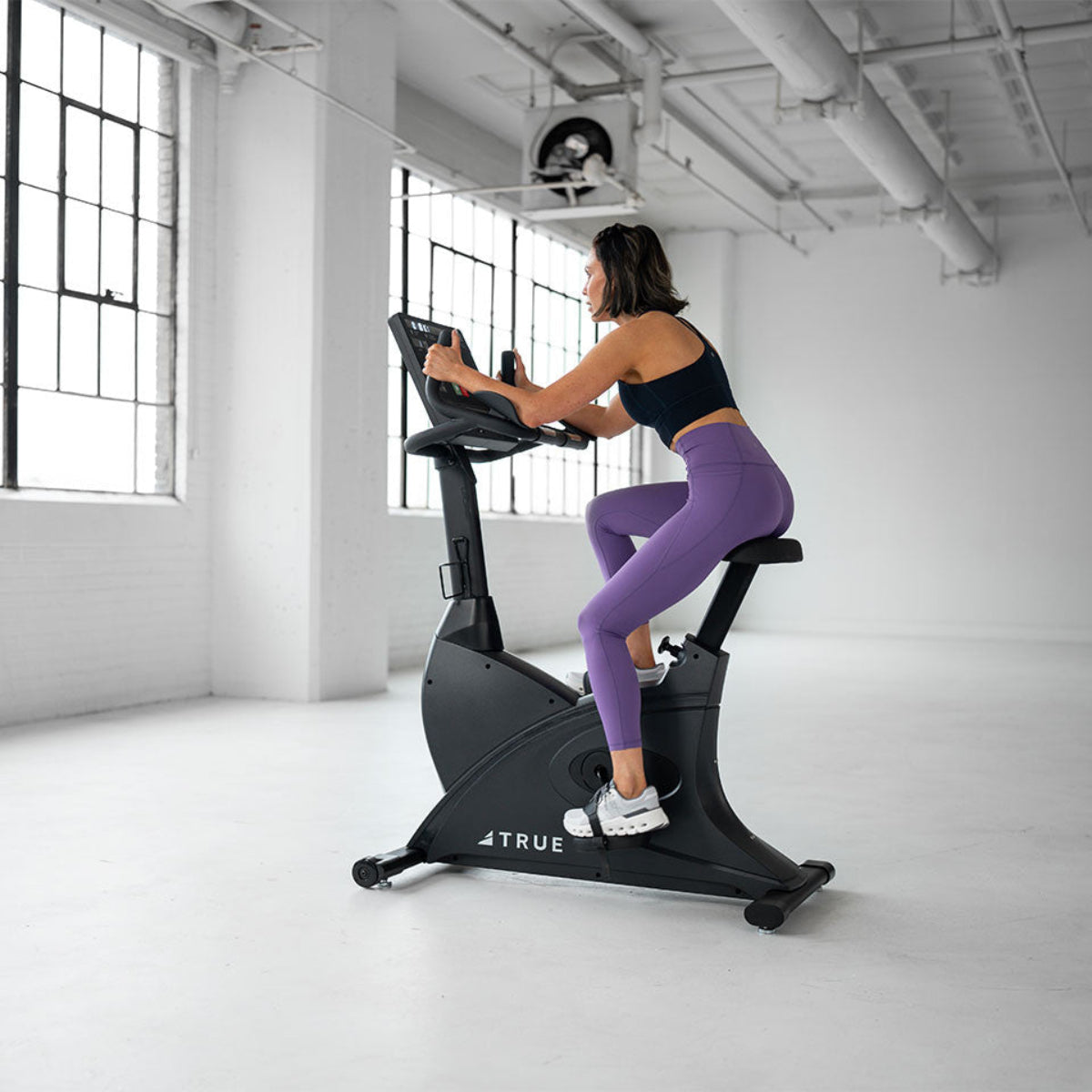
True Fitness Launch Upright Bike


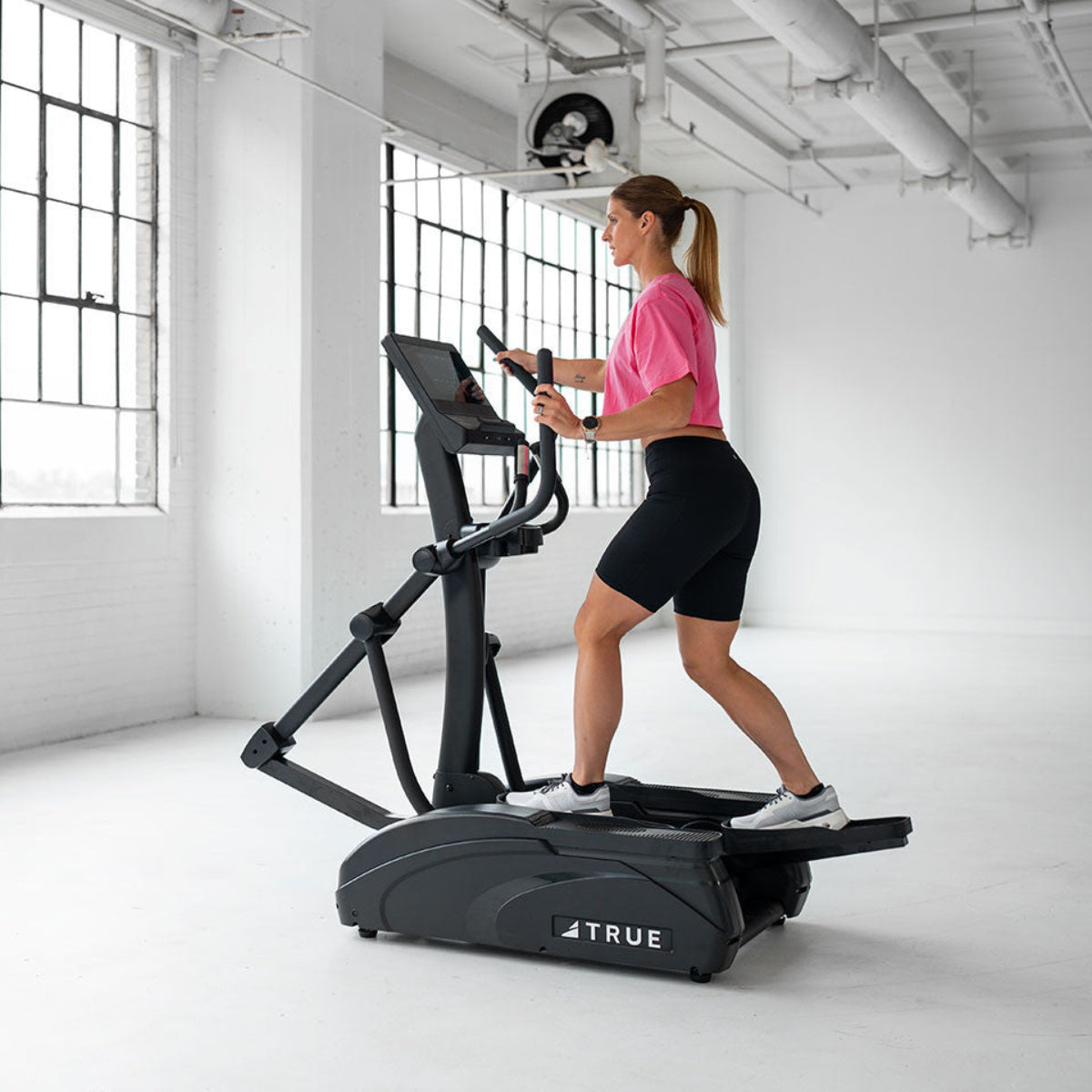
True Fitness Launch Elliptical

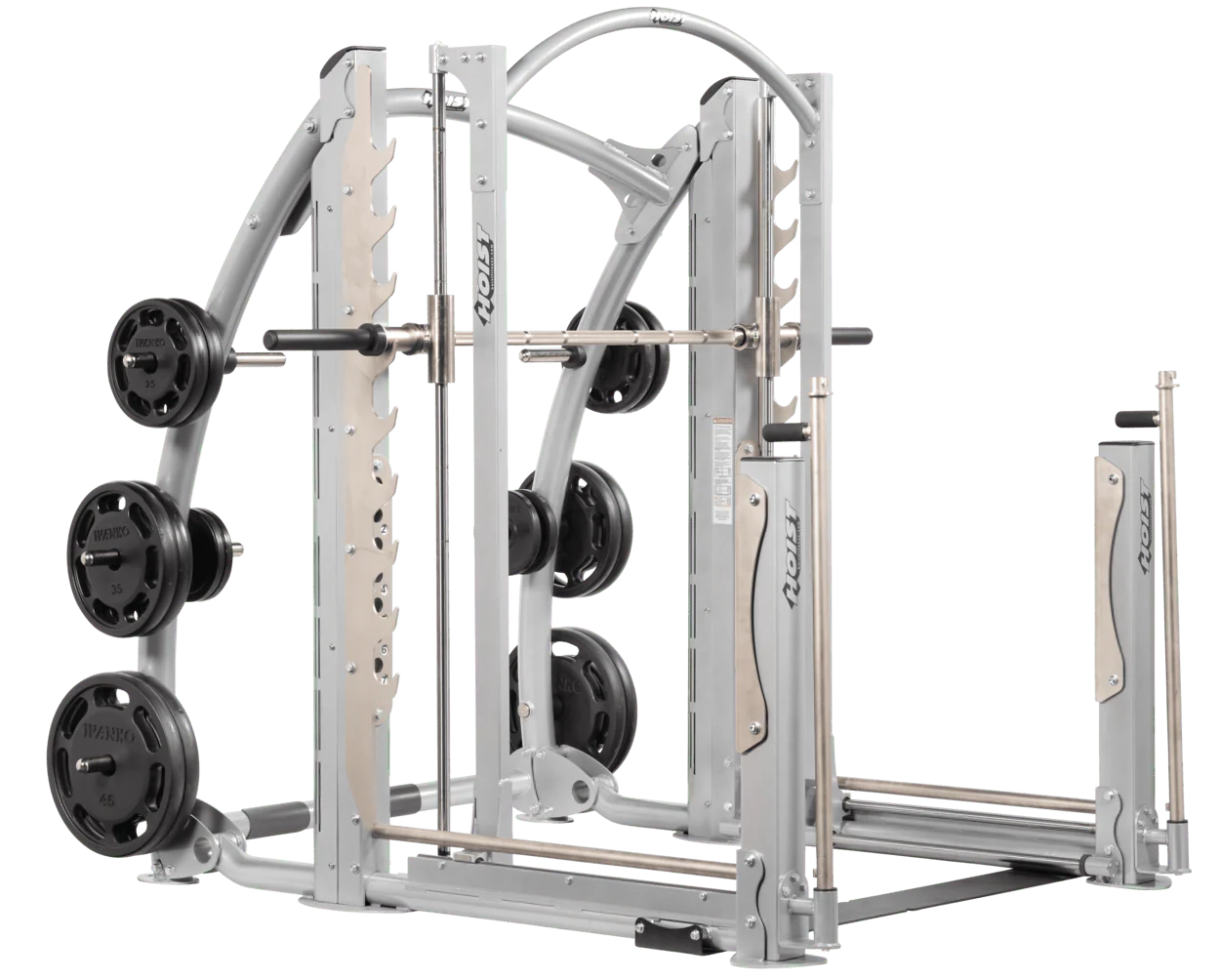
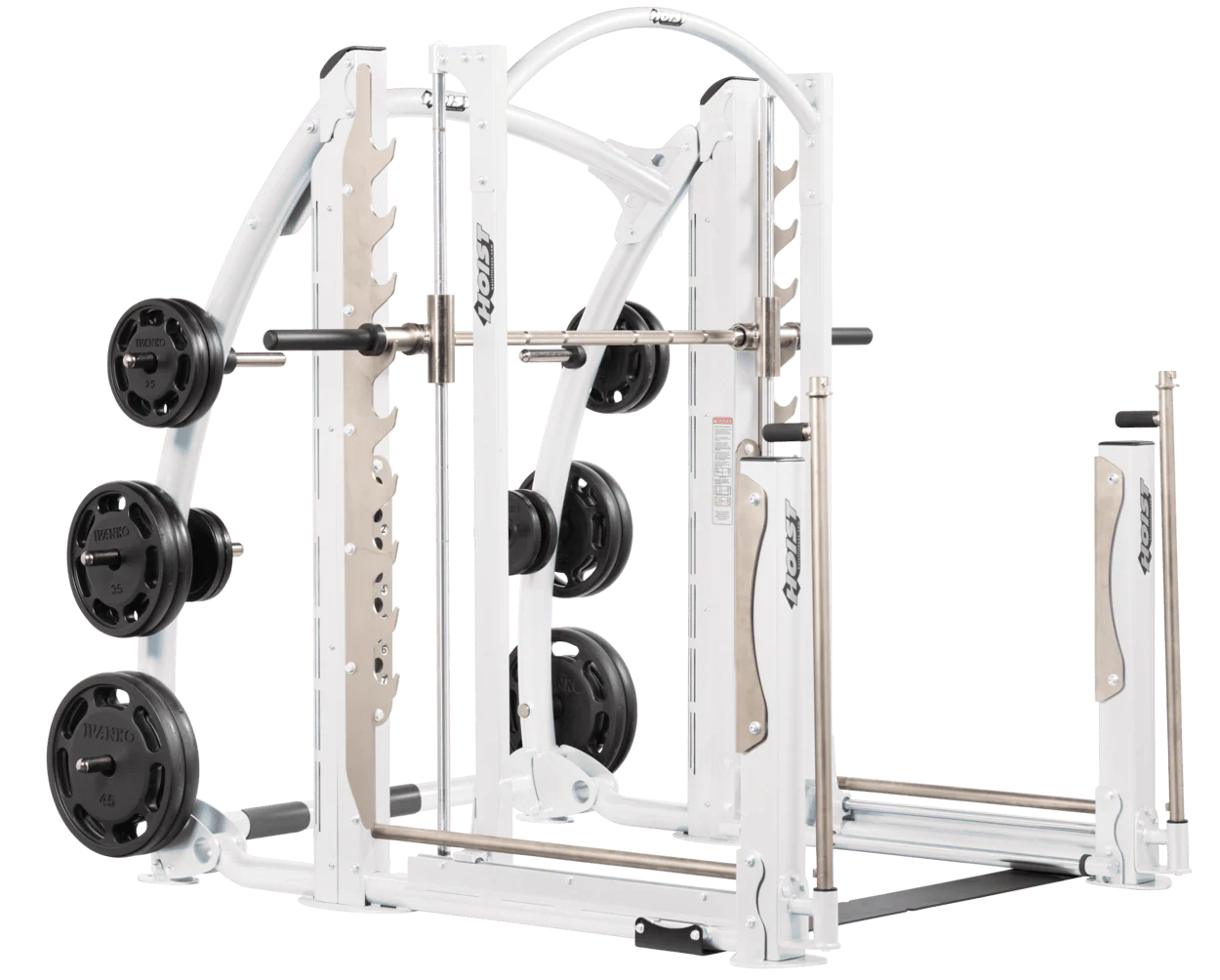
Hoist Fitness CF3754 Commercial Dual Action Smith Machine
Residential Community Fitness Center Equipment is designed to support shared-use fitness spaces within apartment complexes, condominium buildings, and planned residential communities. This category focuses on commercial-grade durability, intuitive operation, and broad user accessibility to meet the needs of diverse resident populations. These fitness solutions help property owners and managers create reliable, appealing amenities that encourage regular physical activity.
Who Community Fitness Center Equipment Is Best For
Community fitness center equipment is ideal for multi-family housing developments, HOA-managed communities, student housing, and mixed-use residential properties. It is selected to accommodate residents of varying ages, fitness levels, and experience, from beginners to seasoned exercisers. Equipment in this category must perform consistently with minimal supervision while remaining easy to use and safe in shared environments.
Key Benefits of Commercial Equipment in Residential Settings
The primary benefit of residential community fitness equipment is durability under frequent use. Heavy-duty frames, commercial-rated motors, and reinforced components are built to handle daily traffic from multiple users. Low-impact cardio options and guided strength machines support joint-friendly workouts while reducing the risk of misuse or injury.
Ease of use is another critical advantage. Clear displays, simple controls, and adjustable components allow residents to begin workouts quickly without instruction. Quiet operation and smooth movement contribute to a comfortable, welcoming fitness space that can be used throughout the day without disturbing nearby residences.
Common Use Cases and Community Environments
Residential community fitness center equipment is commonly used in amenity gyms located within apartment buildings, clubhouses, or dedicated wellness rooms. These spaces typically support walking, running, cycling, elliptical training, and general strength workouts. Equipment must be versatile enough to serve both casual users and residents following more structured fitness routines.
Equipment Types and Layout Considerations
This category typically includes commercial-grade treadmills, ellipticals, exercise bikes, functional trainers, and selectorized strength machines. Layouts are designed to balance cardio and strength offerings while maximizing floor efficiency. Modular equipment selections allow communities to scale fitness centers based on square footage, resident density, and amenity goals.
Why Choose The Fitness Outlet
Shoppers choose The Fitness Outlet for our focus on premium, shared-use fitness solutions. We curate commercial-grade equipment that balances durability, user accessibility, and space efficiency, helping residential communities invest in fitness centers that deliver long-term value and positive resident experiences.
Residential Community Fitness Center Equipment: Durable, Accessible Solutions for Shared Living Spaces
Residential community fitness centers serve a diverse group of users, from beginners and casual exercisers to experienced gym-goers. Unlike private home gyms or large commercial clubs, these shared spaces must balance durability, accessibility, noise control, and efficient use of space—while remaining welcoming and easy to use. Thoughtfully selected fitness equipment supports resident wellness, increases amenity value, and reduces long-term maintenance concerns.

“Residential community fitness centers prioritize durability, accessibility, and space-efficient layouts.”
What Is a Residential Community Fitness Center?
A residential community fitness center is a shared gym located within an apartment complex, condominium building, or planned residential community. These facilities are designed for regular, moderate use by residents rather than the high-volume traffic of commercial gyms.
Because users vary widely in experience and fitness level, equipment selection emphasizes simplicity, safety, and versatility—ensuring the space is approachable for all residents.
Core Goals of Community Fitness Spaces
Broad Resident Accessibility
Equipment must be easy to use and adjustable to accommodate different body types and fitness levels. Clear controls, intuitive design, and low-impact options help reduce barriers to participation.
Durability for Shared Use
While not as intense as full commercial gyms, residential fitness centers still experience frequent daily use. Light-commercial or commercial-grade equipment helps ensure reliability and longevity.
Efficient Use of Space
Most community gyms have limited square footage. Equipment must deliver full-body training options without overcrowding or compromising safety and traffic flow.
Essential Cardio Equipment for Community Gyms
Cardio machines are typically the most-used equipment in residential fitness centers.
Treadmills
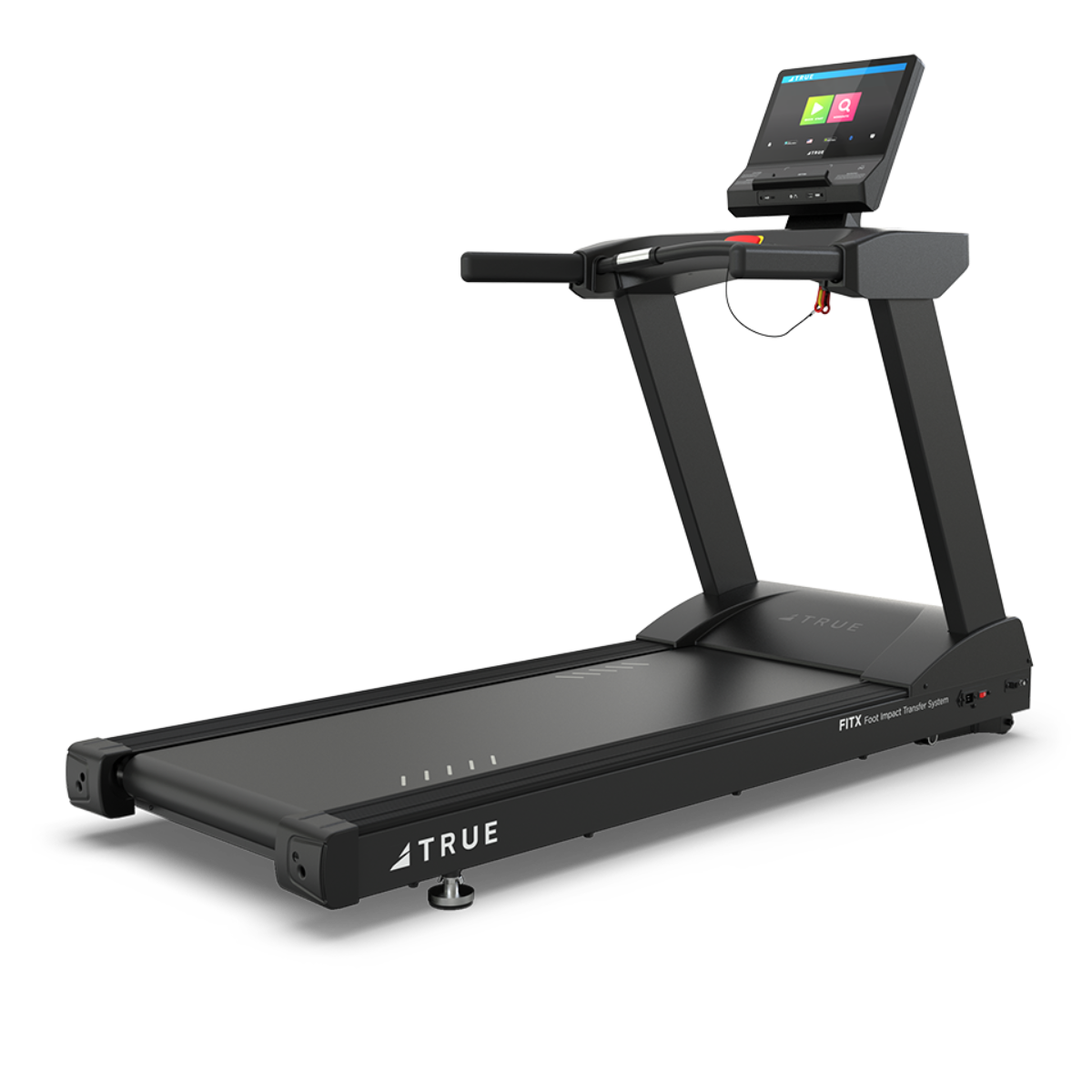
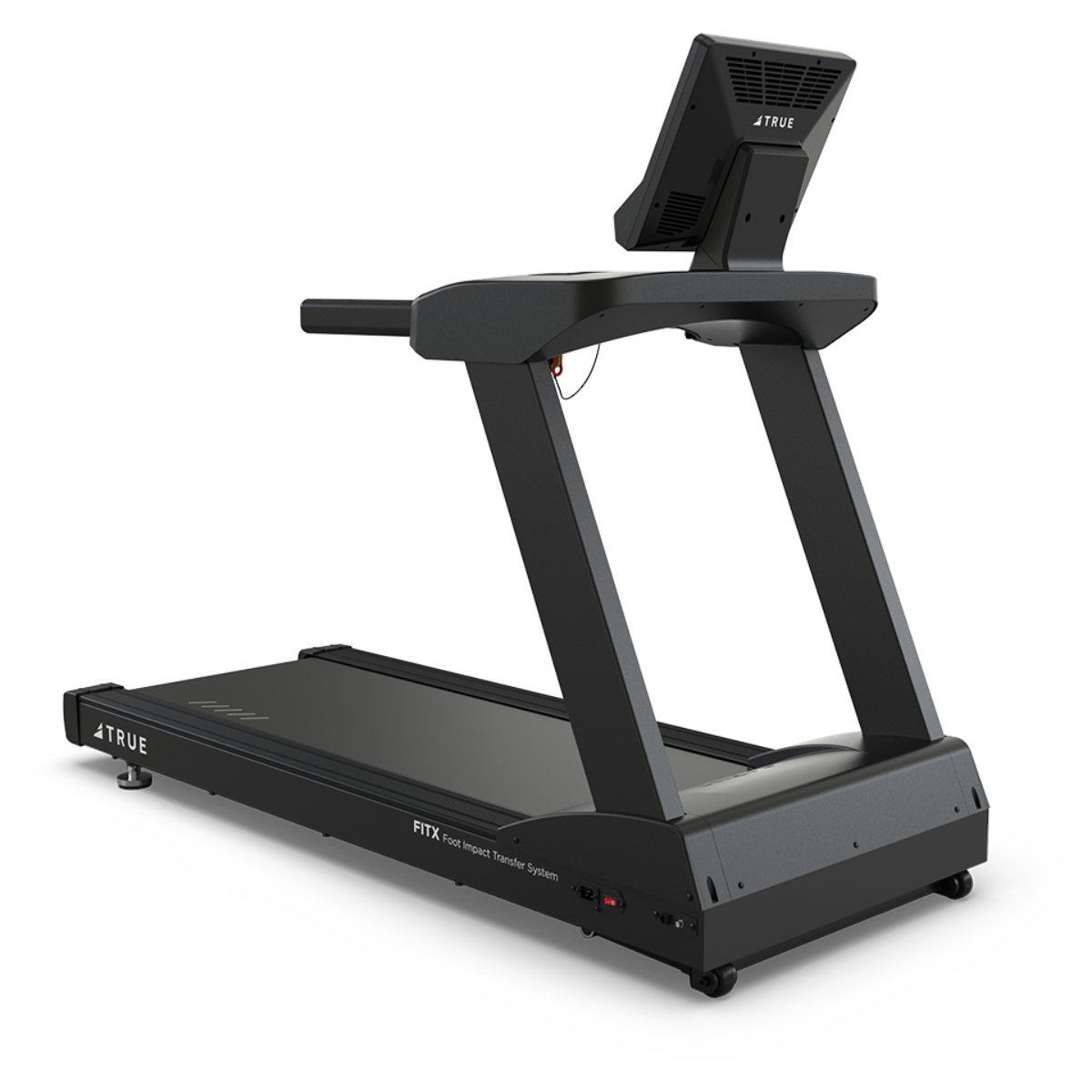
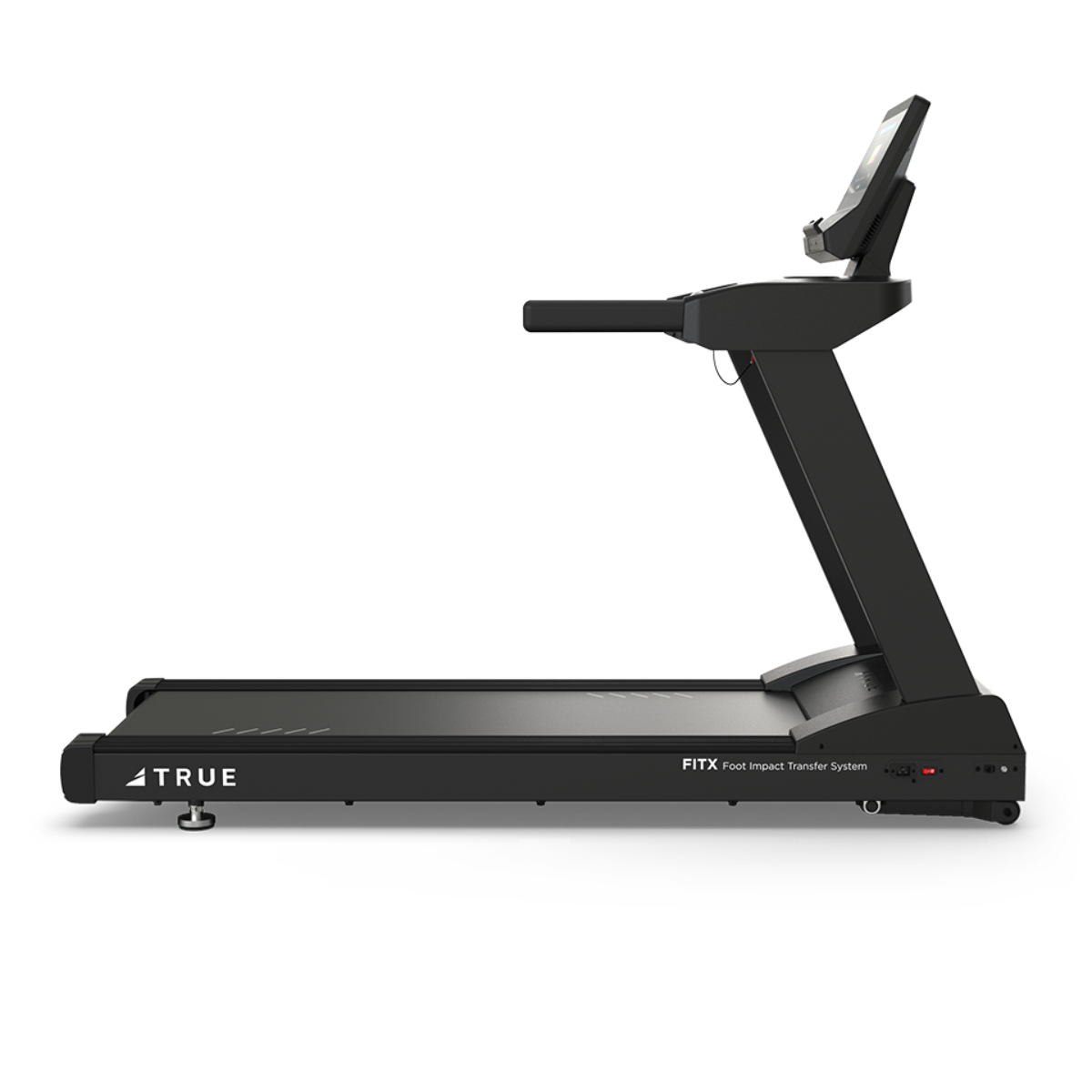
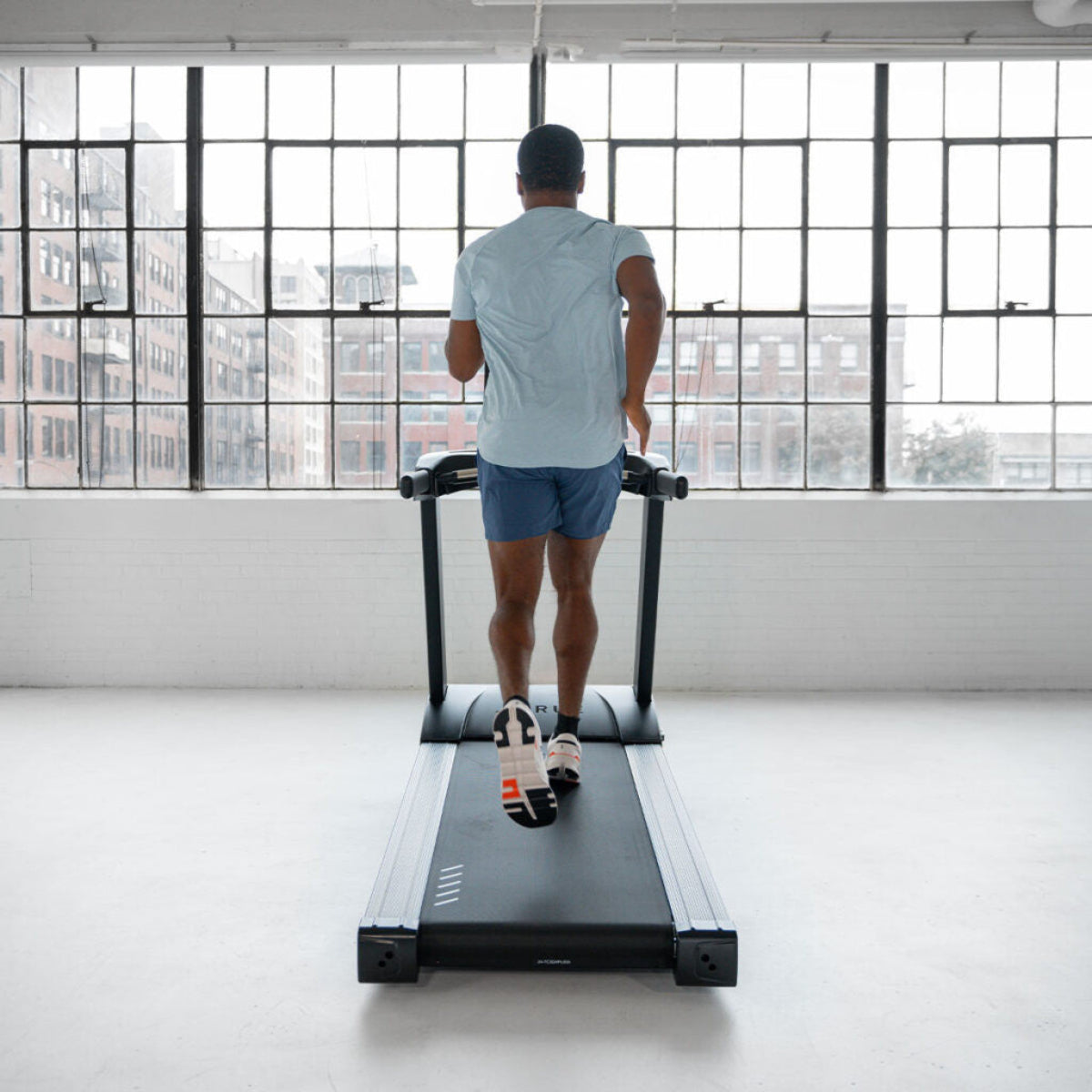
Treadmills remain a staple due to their familiarity and versatility. Models with good cushioning, quiet motors, and intuitive consoles support walking, jogging, and light running while minimizing noise in multi-level buildings.
Elliptical Trainers
Ellipticals are popular in community gyms because they provide low-impact, full-body cardio suitable for a wide range of users. Their smooth motion makes them accessible to residents seeking joint-friendly workouts.
Exercise Bikes
Upright and recumbent bikes offer low-impact cardio options that are easy to use. Recumbent bikes, in particular, appeal to older adults and residents prioritizing comfort and back support.
Strength Training Equipment That Works in Shared Spaces
Strength equipment in community gyms should be effective without being intimidating.
Selectorized Strength Machines
Selectorized machines allow residents to train major muscle groups safely and independently. Guided movement paths and built-in weight stacks reduce the need for instruction and supervision.
Functional Trainer Cable Machines
Functional trainers are ideal for residential gyms because they support dozens of exercises within a single footprint. Adjustable pulleys make them adaptable for beginners, experienced users, and light rehabilitation.
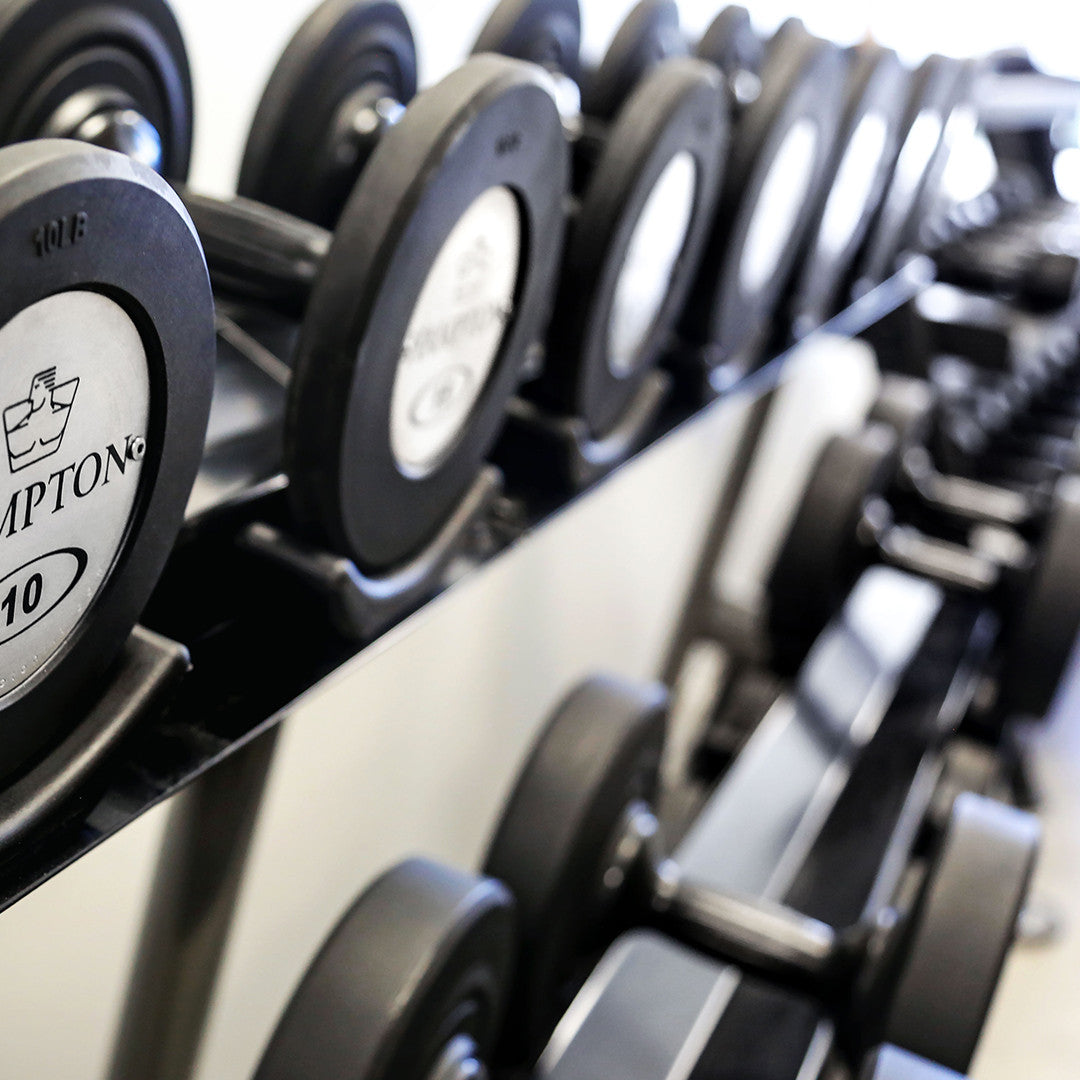
Dumbbells and Adjustable Benches
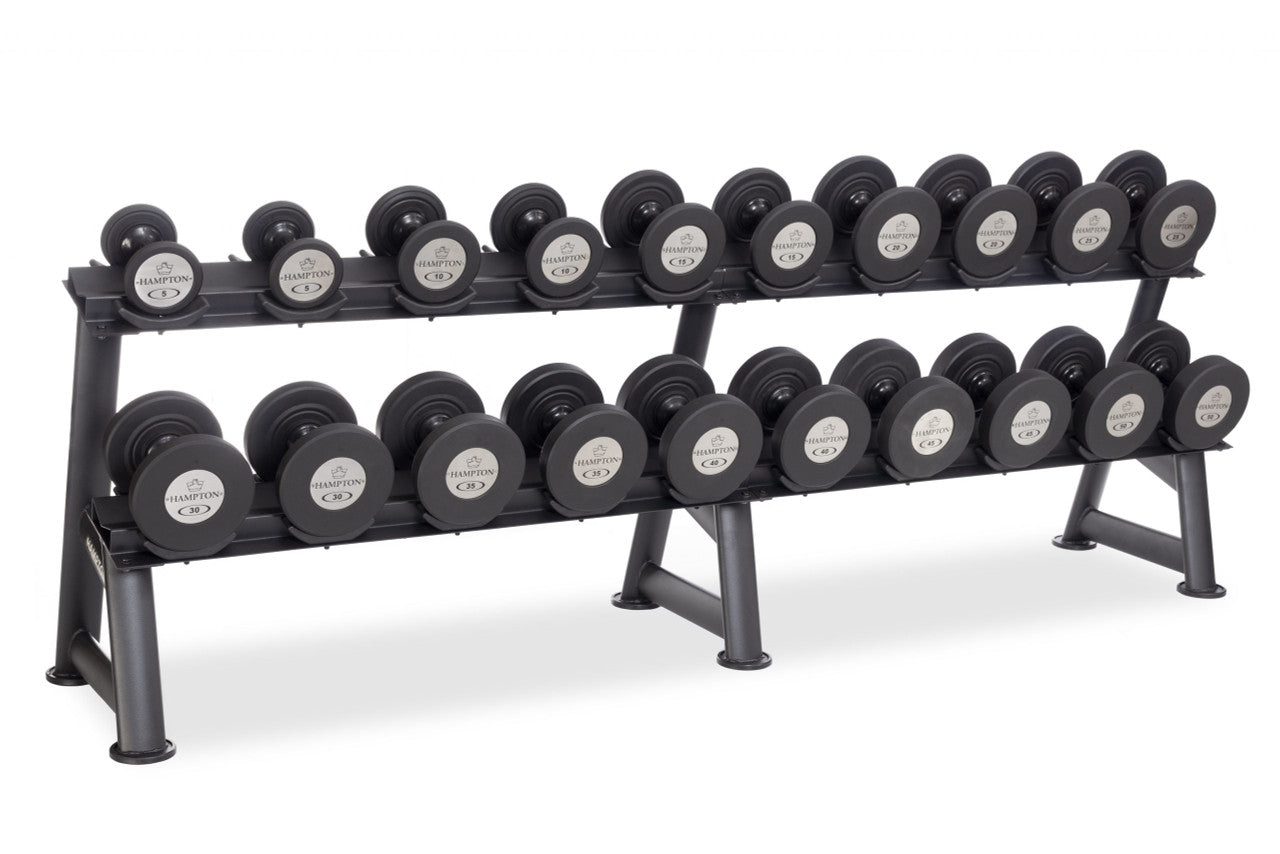
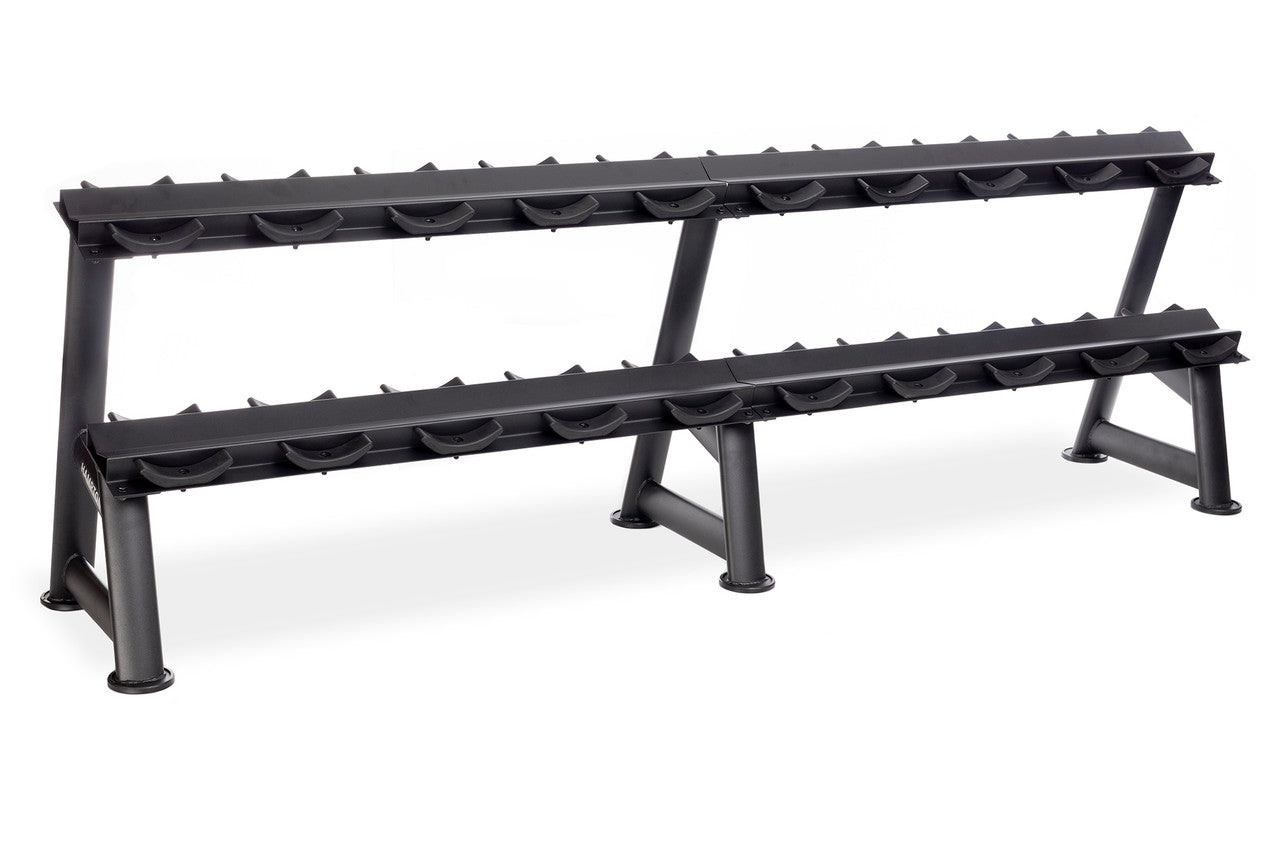
A compact dumbbell set paired with adjustable benches adds flexibility without requiring large racks or platforms. This setup supports basic strength training while maintaining a clean, organized appearance.
Layout, Flooring, and Safety Considerations
Clear Spacing and Traffic Flow
Proper spacing between machines reduces congestion and improves safety. Cardio equipment is often placed along walls, while strength equipment is grouped to allow supervised-style visibility.
Flooring and Noise Reduction
Rubber flooring helps absorb impact, reduce vibration, and protect subfloors—especially important in multi-story residential buildings.
Safety and Signage
Clear signage, mirrors, and adequate lighting support safe equipment use and help residents feel confident during workouts.
Residential vs. Commercial Gym Equipment
While similar in appearance, residential community gyms differ from commercial facilities in usage patterns.
-
Residential community equipment prioritizes ease of use, moderate durability, and space efficiency.
-
Commercial gym equipment is designed for continuous, high-intensity use by experienced users.
Selecting the right grade prevents overpaying for unnecessary features while still ensuring reliability.
Customizing Equipment by Community Type
Apartment and Condo Complexes
These gyms benefit from balanced cardio and strength selections that appeal broadly while fitting compact spaces.
Active Adult and Senior Communities
Low-impact cardio machines, step-through bikes, and selectorized strength equipment support comfort and safety.
Mixed-Use Residential Developments
Versatile, light-commercial equipment supports diverse users while keeping maintenance manageable.
Benefits of a Well-Planned Community Fitness Center
Investing in the right equipment delivers long-term value:
-
Increased resident satisfaction and retention
-
Enhanced property appeal and marketability
-
Reduced maintenance and downtime
-
Efficient use of available space
-
Support for resident health and wellness
A thoughtfully designed fitness center becomes a meaningful lifestyle amenity rather than an underused room.
Who Should Invest in Residential Community Fitness Center Equipment?
This category is ideal for:
-
Apartment property managers
-
Condominium associations and HOAs
-
Residential developers
-
Active adult and mixed-use communities
-
Corporate housing and residential campuses
For these environments, durable, accessible equipment supports consistent resident use and long-term value.
FAQs
How much space is needed for a community fitness center?
Should community gyms include strength equipment?