



Achieve your fitness goals within your budget with our financing.
In Stock & Ready to Ship
Fast, reliable delivery on all qualifying orders.
Price Match Guarantee
Shop confidently knowing you're getting the best deal.


Life Fitness E1 Elliptical Cross Trainer


Life Fitness E3 Elliptical Cross-Trainer





Front-Drive vs Rear-Drive Ellipticals
Front-drive and rear-drive elliptical cross-trainers can provide effective low-impact cardio, but their designs can create different stride paths, footprints, and workout feels. This guide helps you compare the two layouts and then evaluate specific elliptical and cross-trainer models for your home or facility.

Choose Based on Your Priorities
Drive type is only one part of the decision. These five featured models give you a practical starting point for comparing different brands, designs, footprints, and workout approaches.
Compare Featured Elliptical & Cross-Trainer Models
Use the comparison as a starting point. Open each product page for the complete specifications, current configuration, pricing, and warranty information.
| Model | Brand | Good fit for | Why compare it |
|---|---|---|---|
| Life Fitness E1 Elliptical Cross-Trainer | Life Fitness | Home cardio | 20-inch stride, 20 resistance levels, and a home-focused design. |
| Life Fitness E3 Elliptical Cross-Trainer | Life Fitness | Consistent home training | 20-inch stride, 20 resistance levels, and CoachZone workout guidance. |
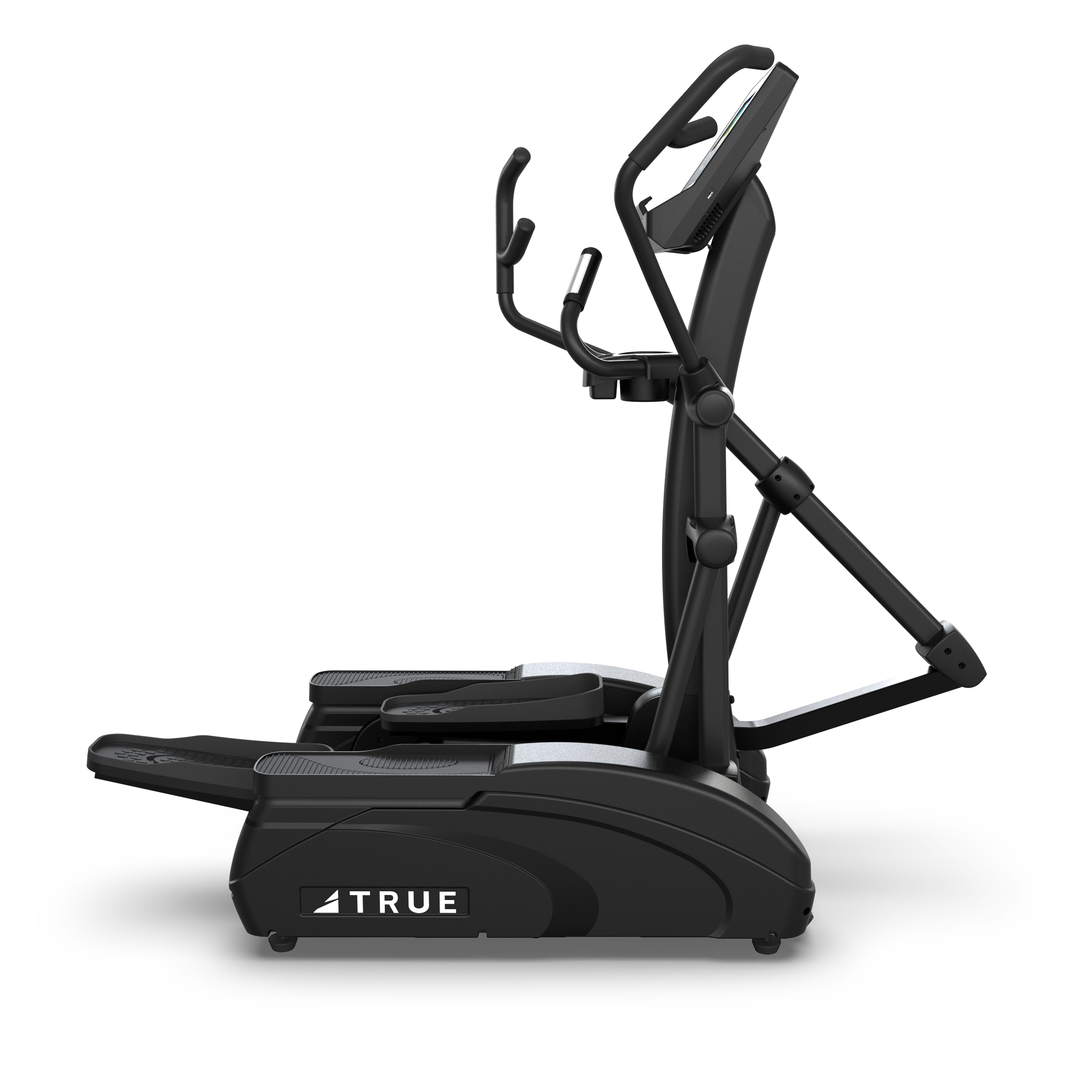
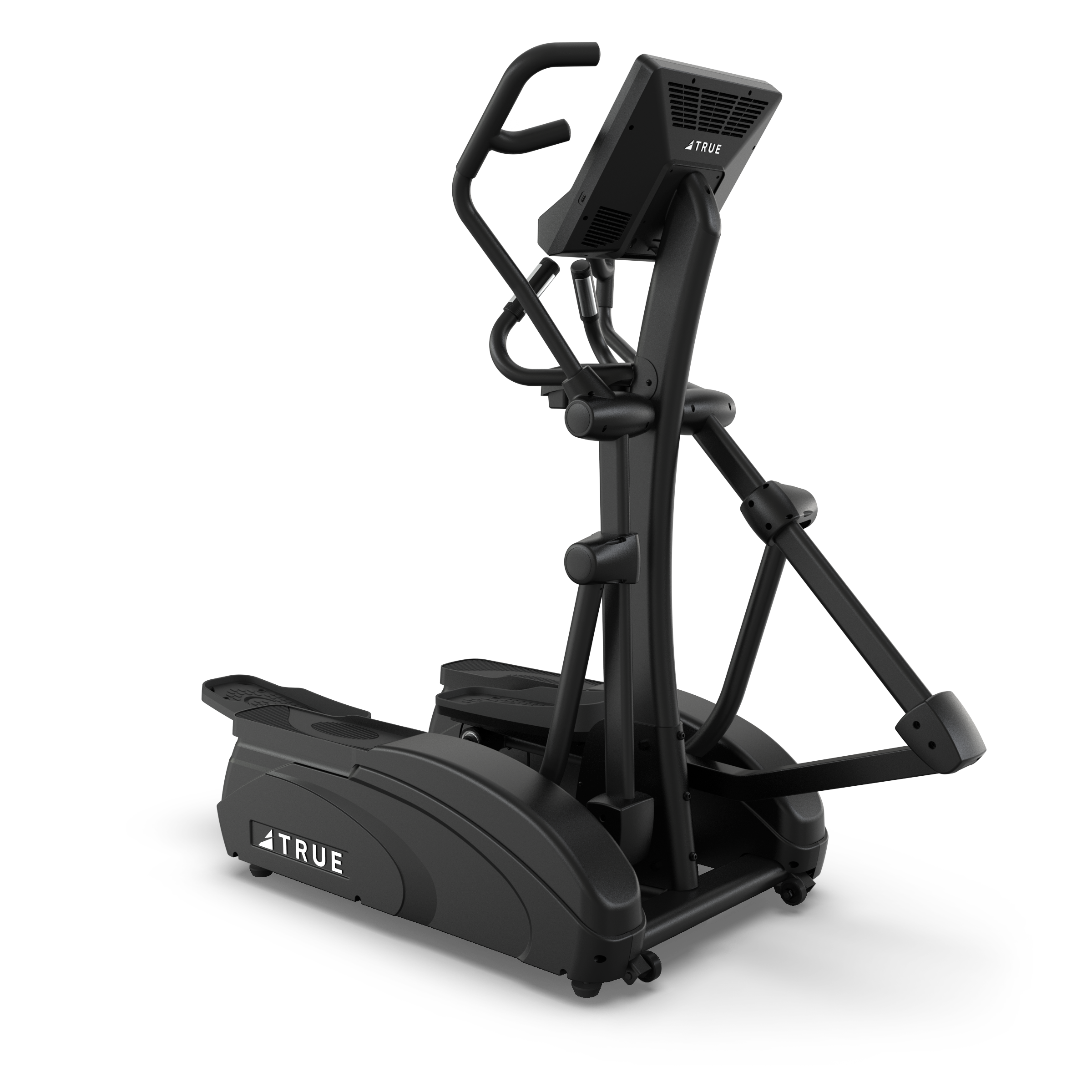
| TRUE Fitness M50 Elliptical | TRUE Fitness | Space-conscious home gyms | Compact 42-inch physical length and 21-inch stride. |
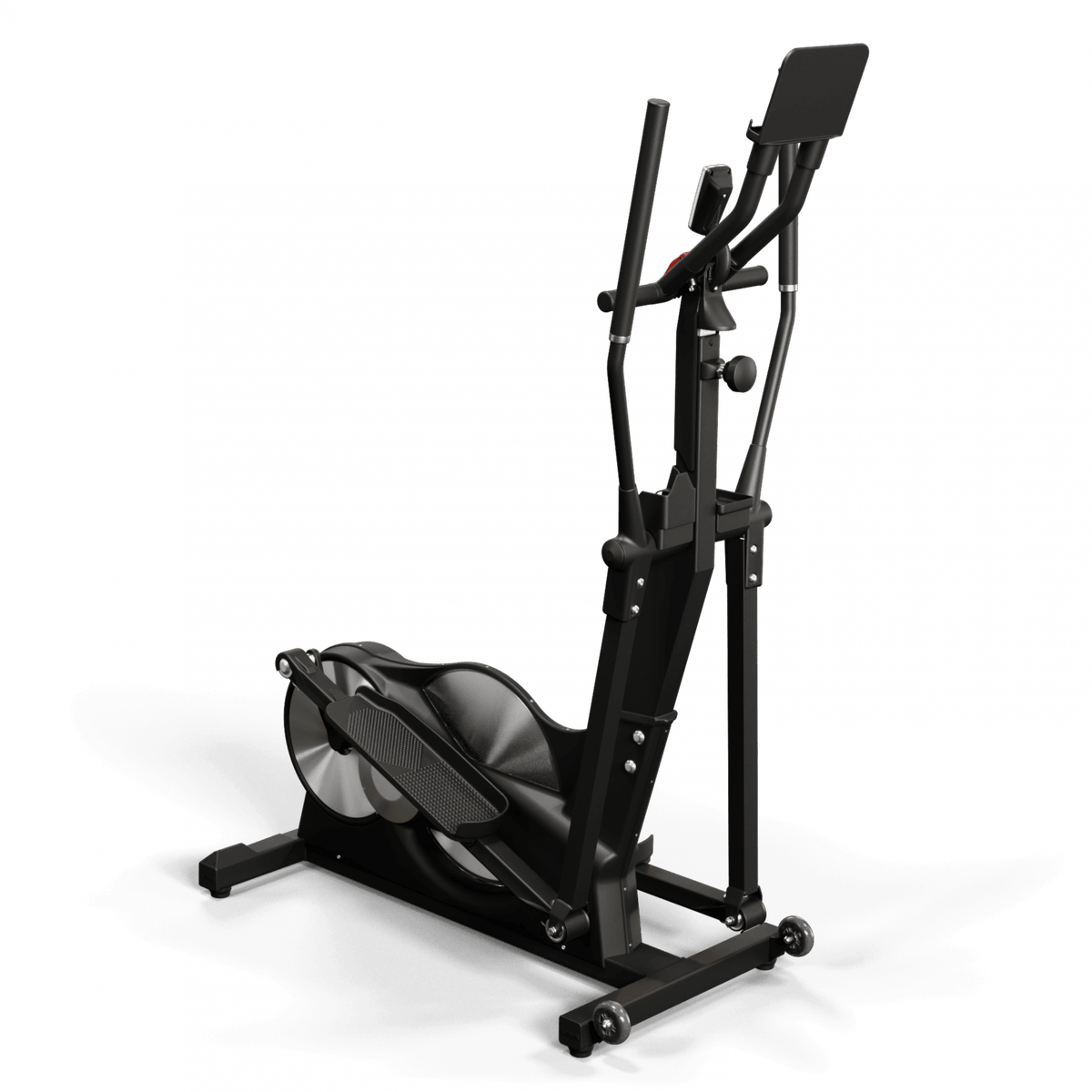
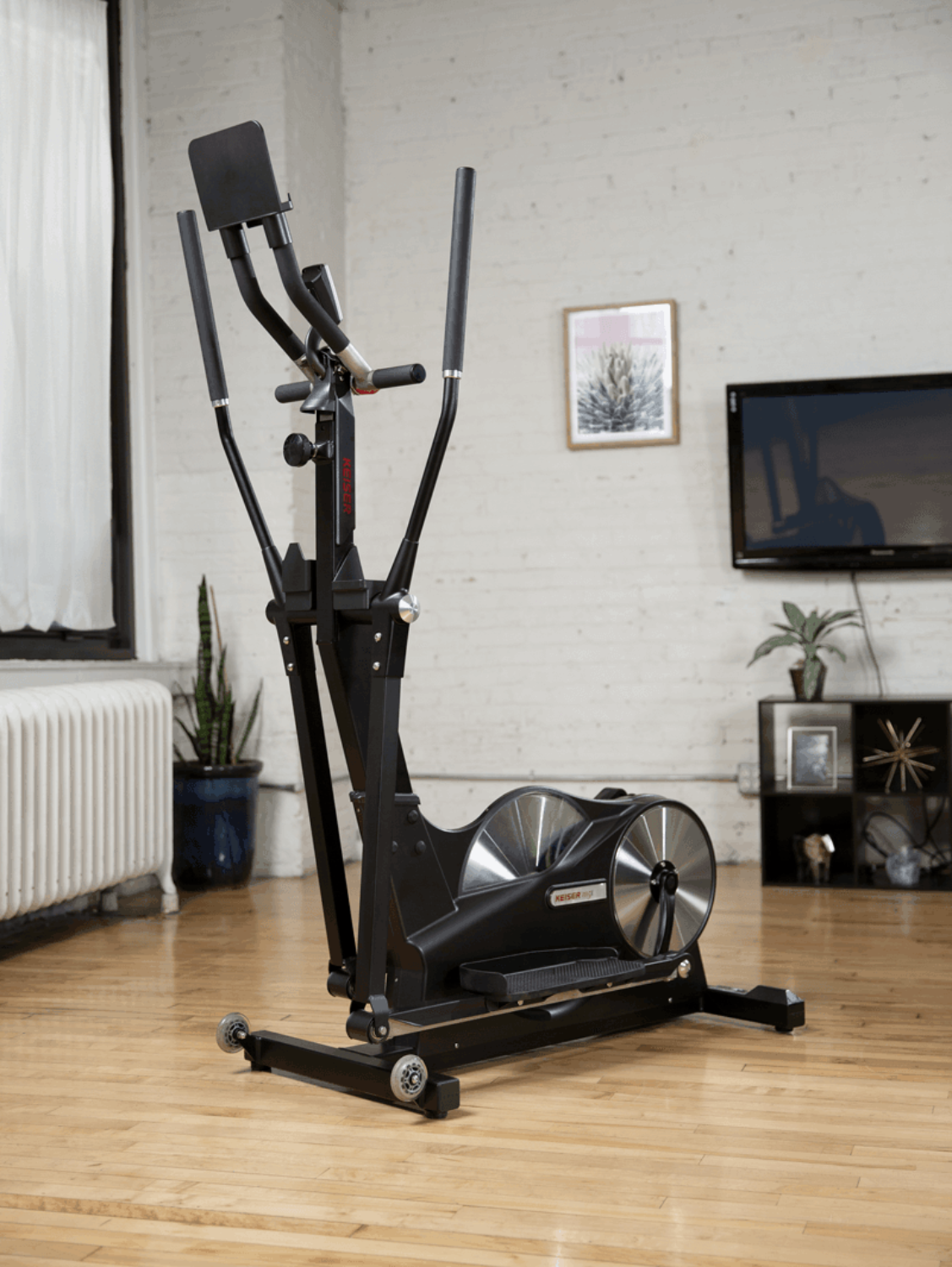
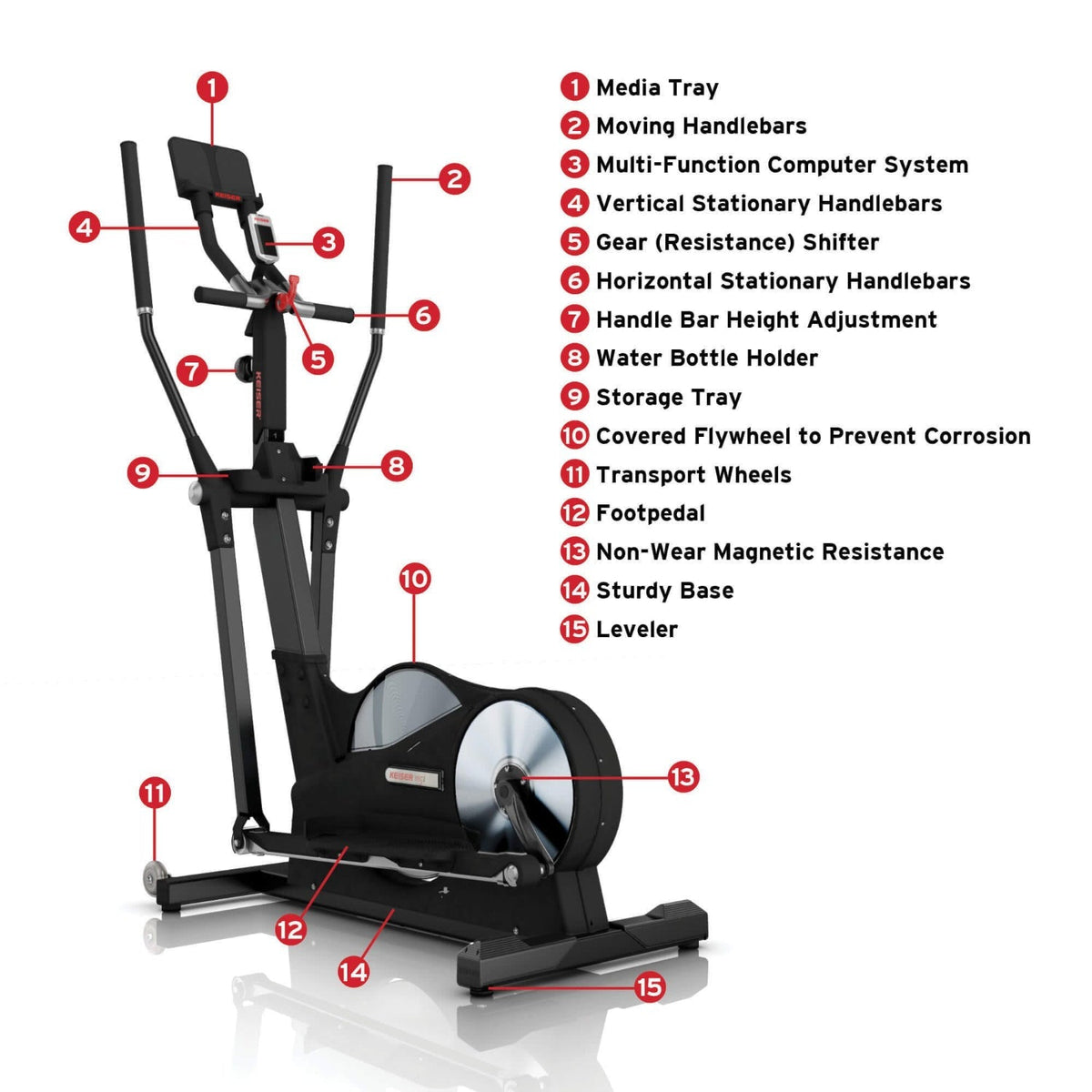
| Keiser Fitness M5 Strider Elliptical Machine | Keiser | Compact spaces and studios | Compact strider format with magnetic resistance and a 23-inch width. |
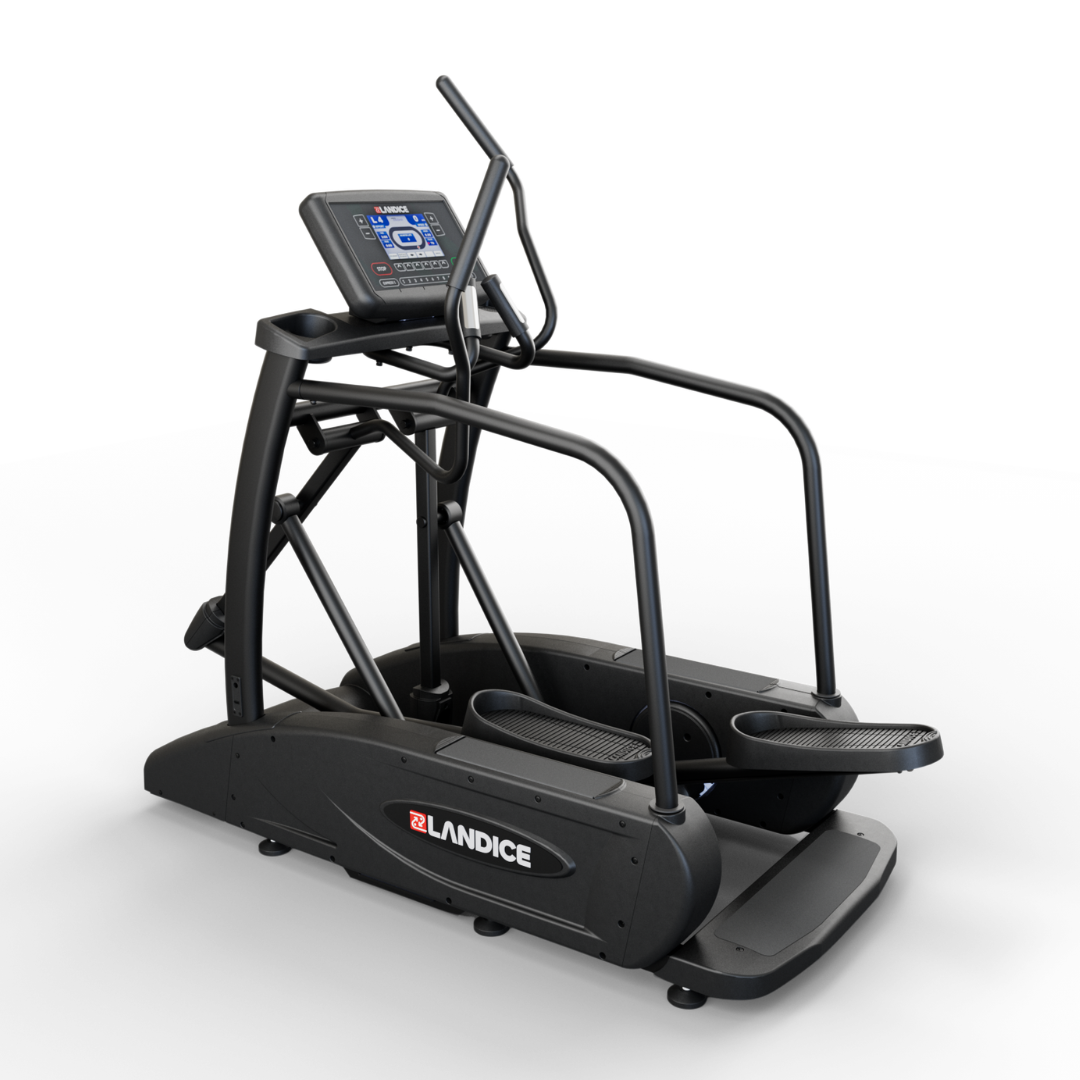
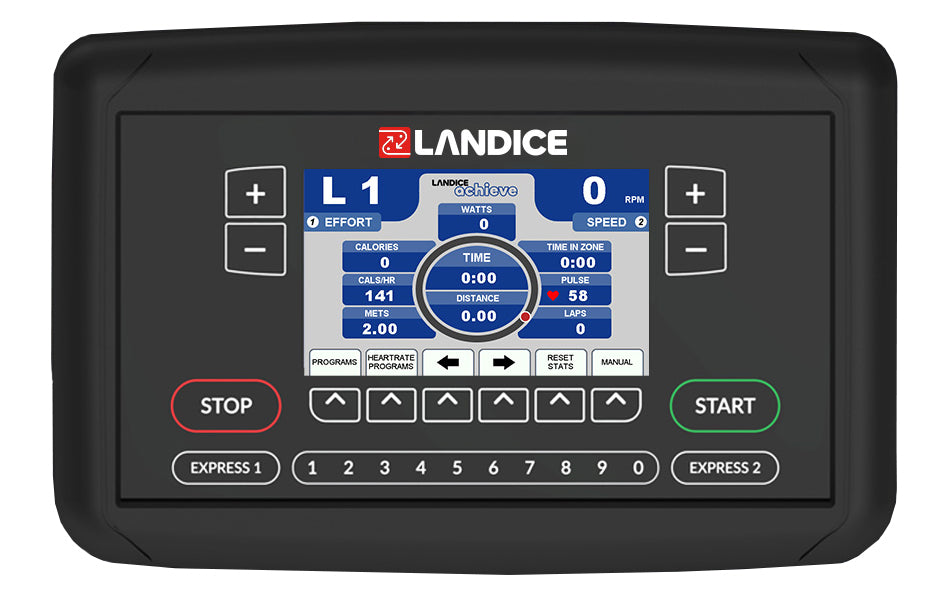
| Landice E7 ACHIEVE Elliptical Trainer | Landice | Premium home training | Center-drive design and a 21-inch fixed stride. |

Compact Design Can Be a Priority
Front-drive ellipticals place the flywheel toward the front of the machine. That layout is often associated with a shorter overall machine and a stride feel that can be familiar to users coming from walking or running.
When space is limited, compare the actual length and width of the machine rather than relying on drive type alone. Also consider step-up height, stride length, operating clearance, and the path into the room.
- Measure doorways and the route into the workout area.
- Compare the published footprint and the space needed for safe use.
- Consider stride length for the tallest person who will use the machine.
- Review the exact console and resistance system on each model.

Stride Feel and Space Matter
Rear-drive ellipticals position the flywheel behind the user and are commonly associated with a longer, more flowing stride path. The exact experience still varies by model, so the machine's published specifications and design should guide the final choice.
A rear-drive design can make sense when you have enough room and prefer the feel of a longer, continuous stride. Compare the machine's overall dimensions, stride, stability, resistance, and intended use rather than assuming every rear-drive elliptical feels the same.
Compare small-footprint ellipticals if room size is your primary constraint.
Front-Drive vs Rear-Drive: What Should You Buy?
Neither layout is automatically better. The right elliptical depends on the user's preferred motion, available floor space, stride requirements, training frequency, and the features that matter most.
Need Help Choosing the Right Elliptical?
Tell us how you plan to use the equipment, who will use it, and what matters most. Our equipment specialists can help narrow the options.
FAQs
What is the main difference between front-drive and rear-drive ellipticals?
Are rear-drive ellipticals better than front-drive models?