


Achieve your fitness goals within your budget with our financing.
Free Delivery on Orders $599+
Fast, reliable delivery on all qualifying orders.
Price Match Guarantee
Shop confidently knowing you're getting the best deal.
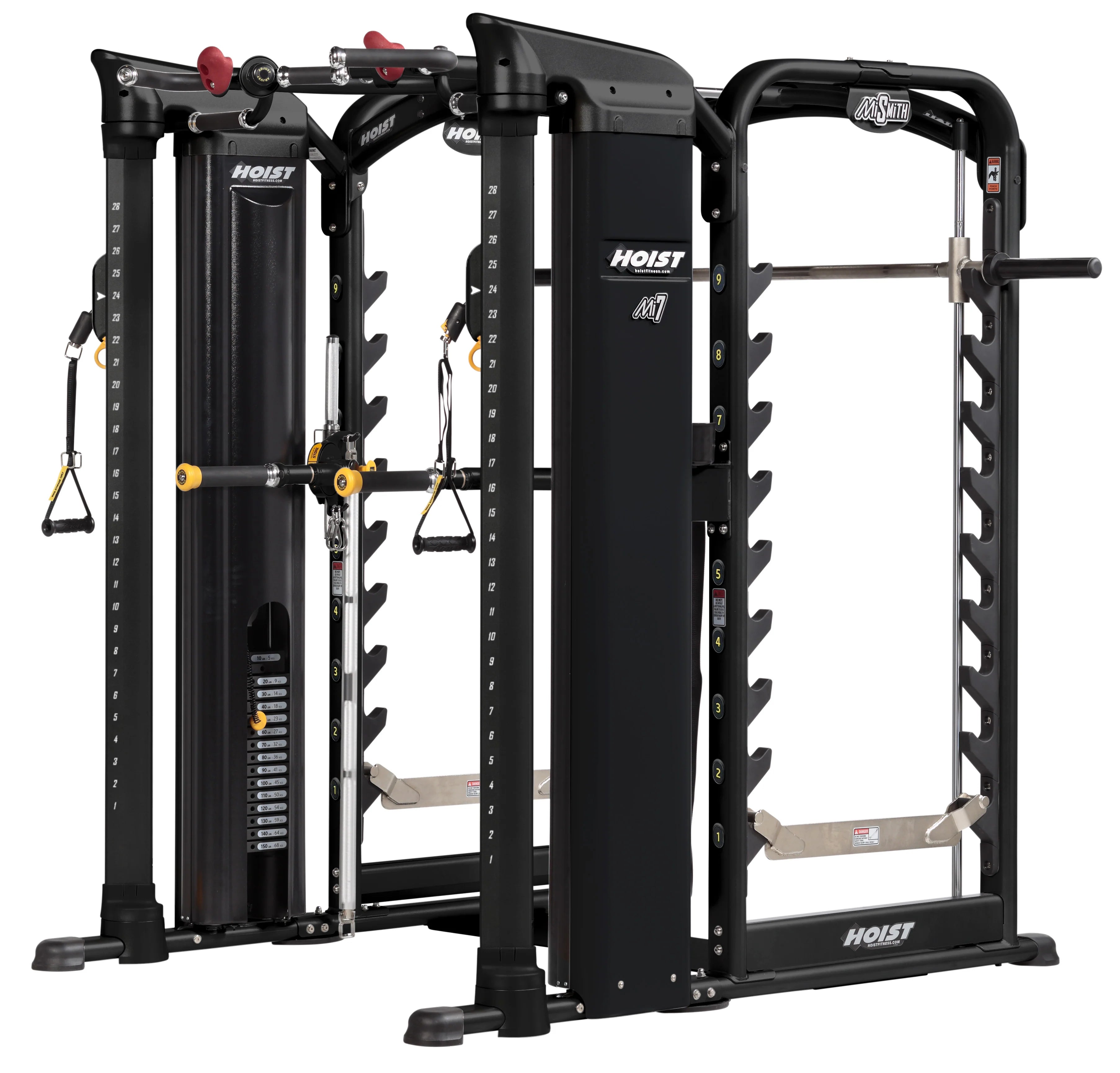
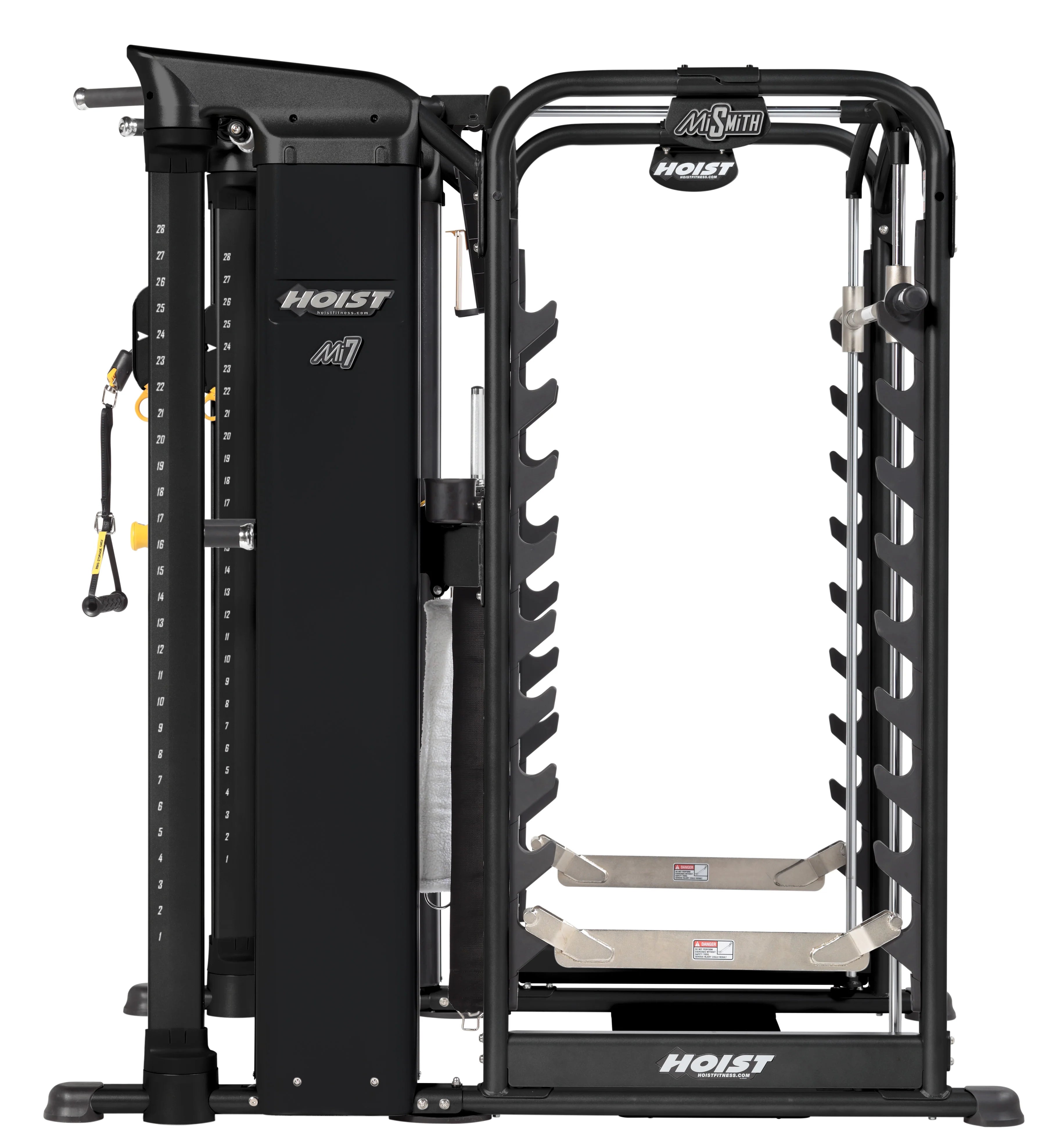
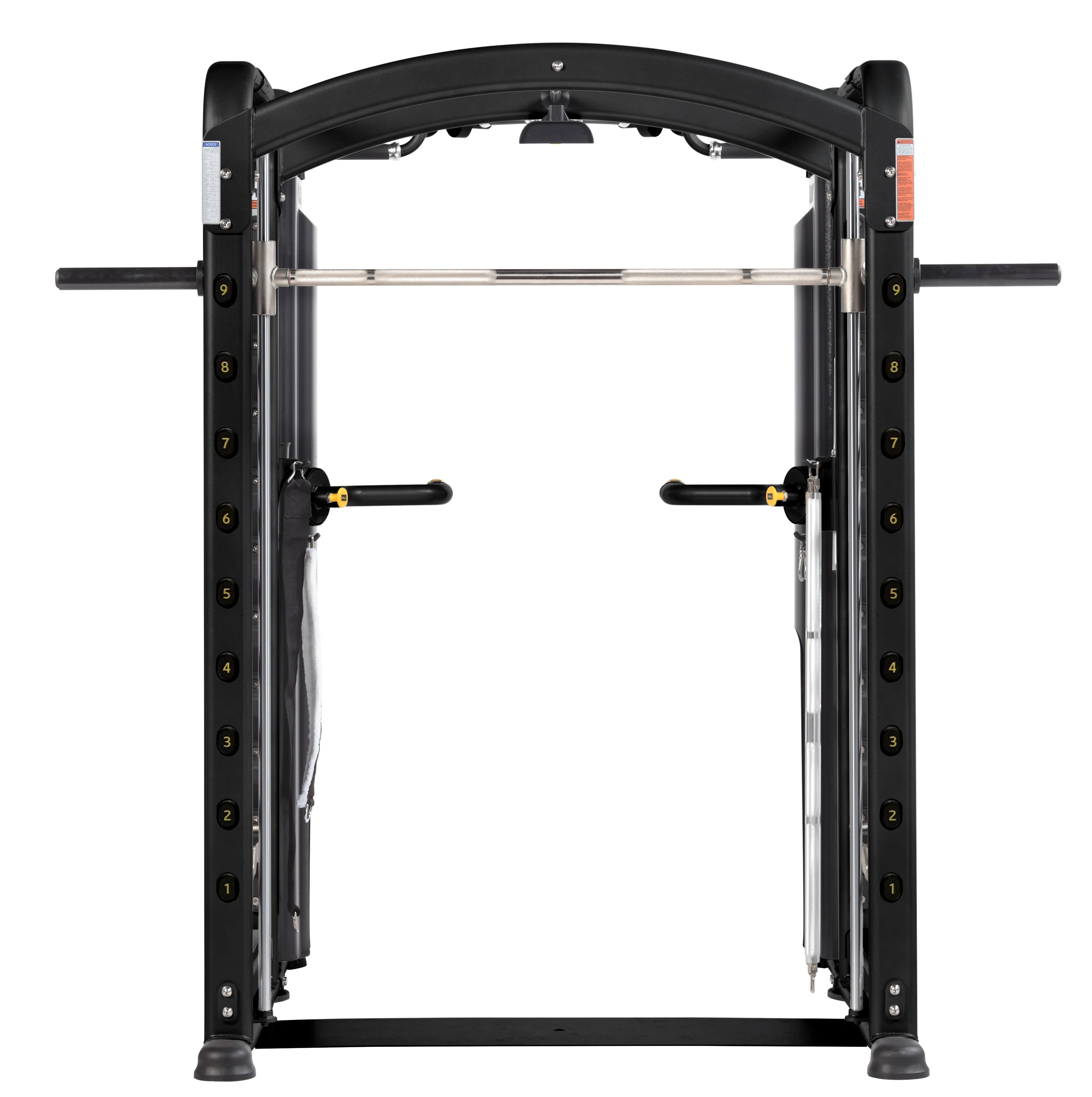
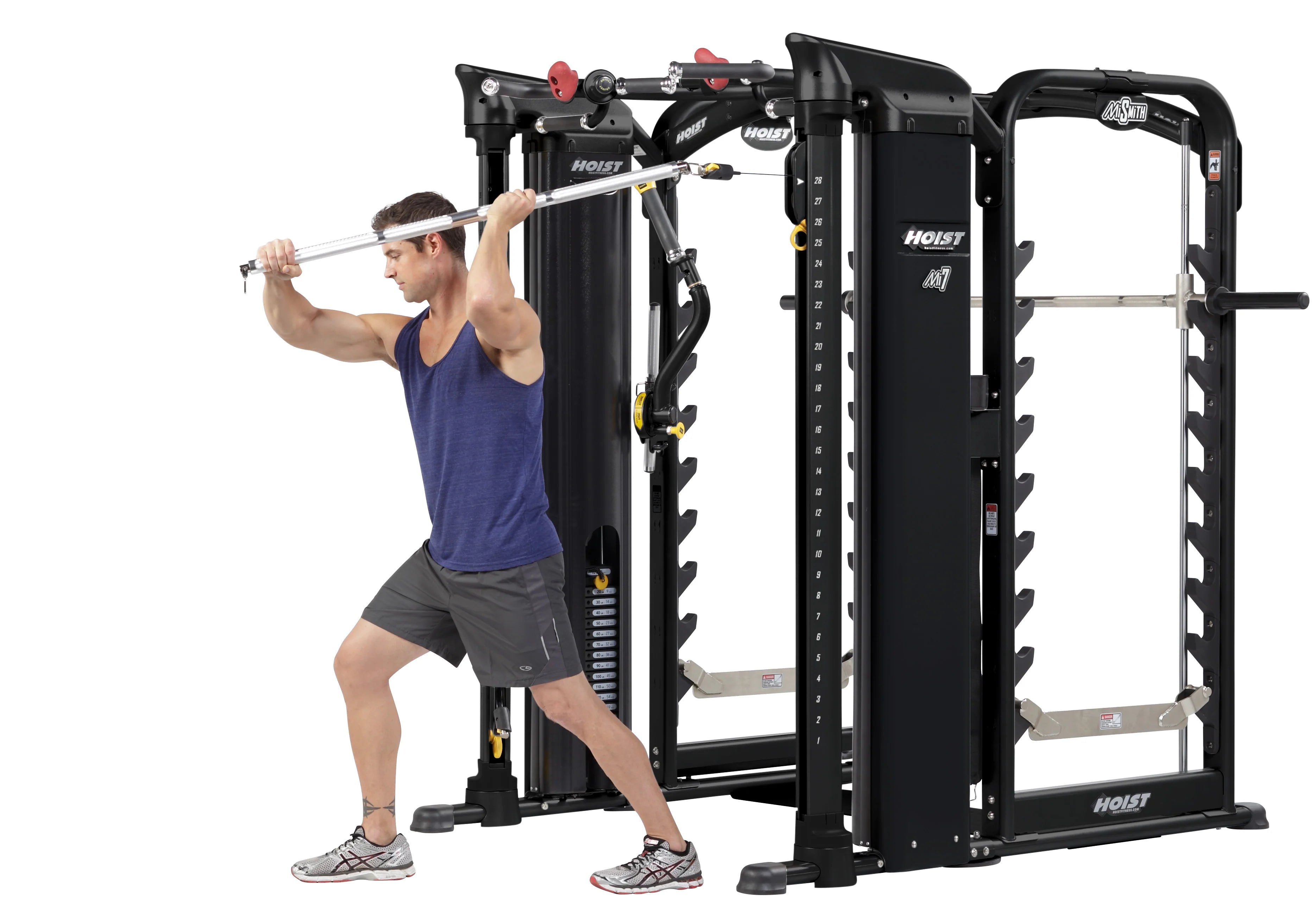
Hoist Fitness Mi7 Smith Ensemble Functional Training System
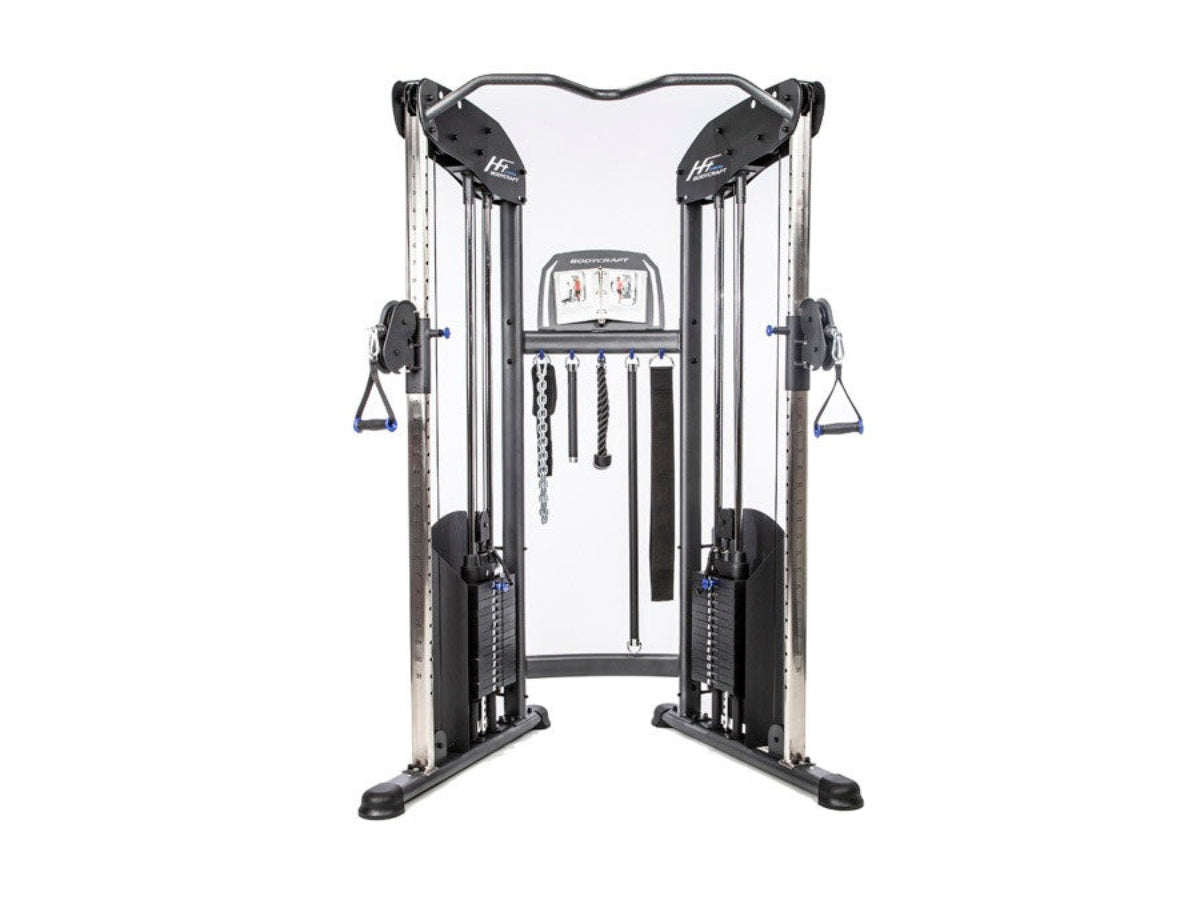
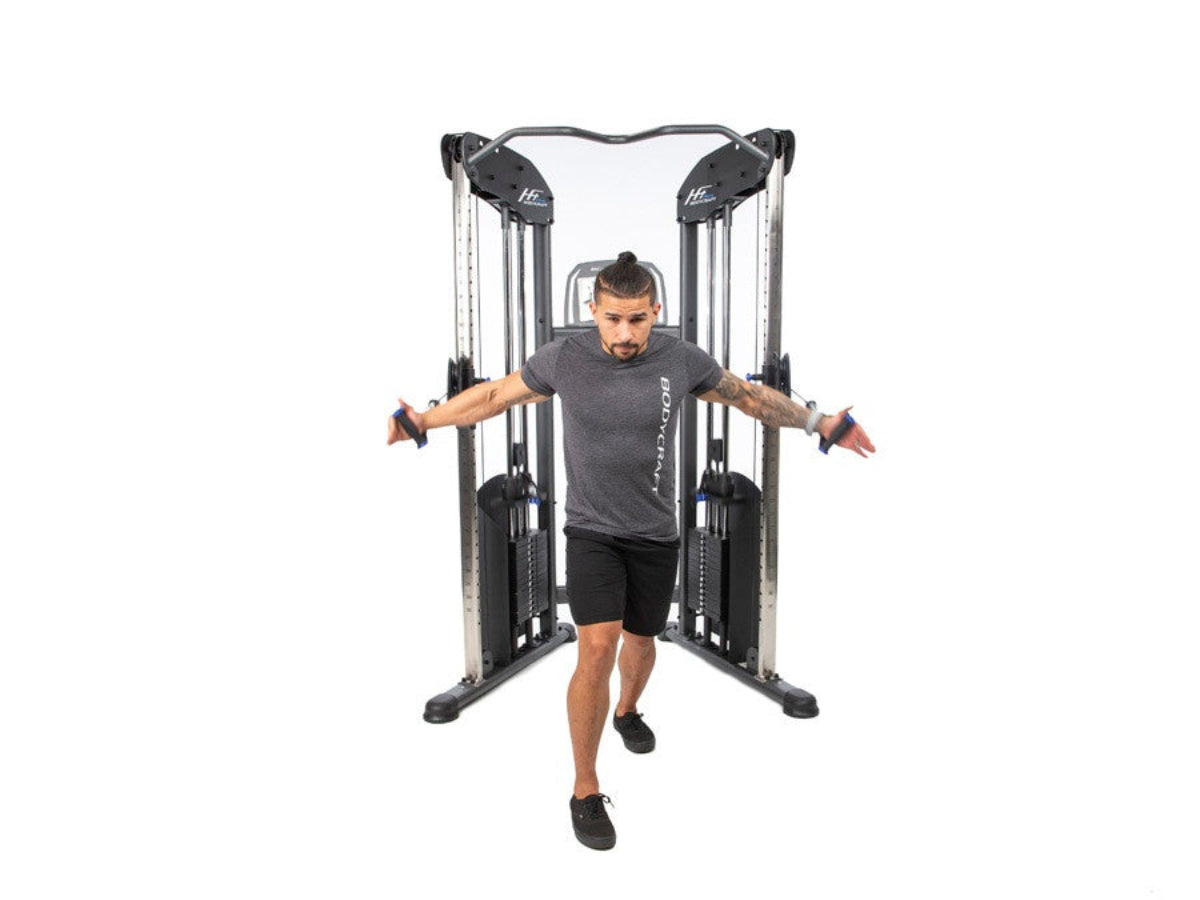
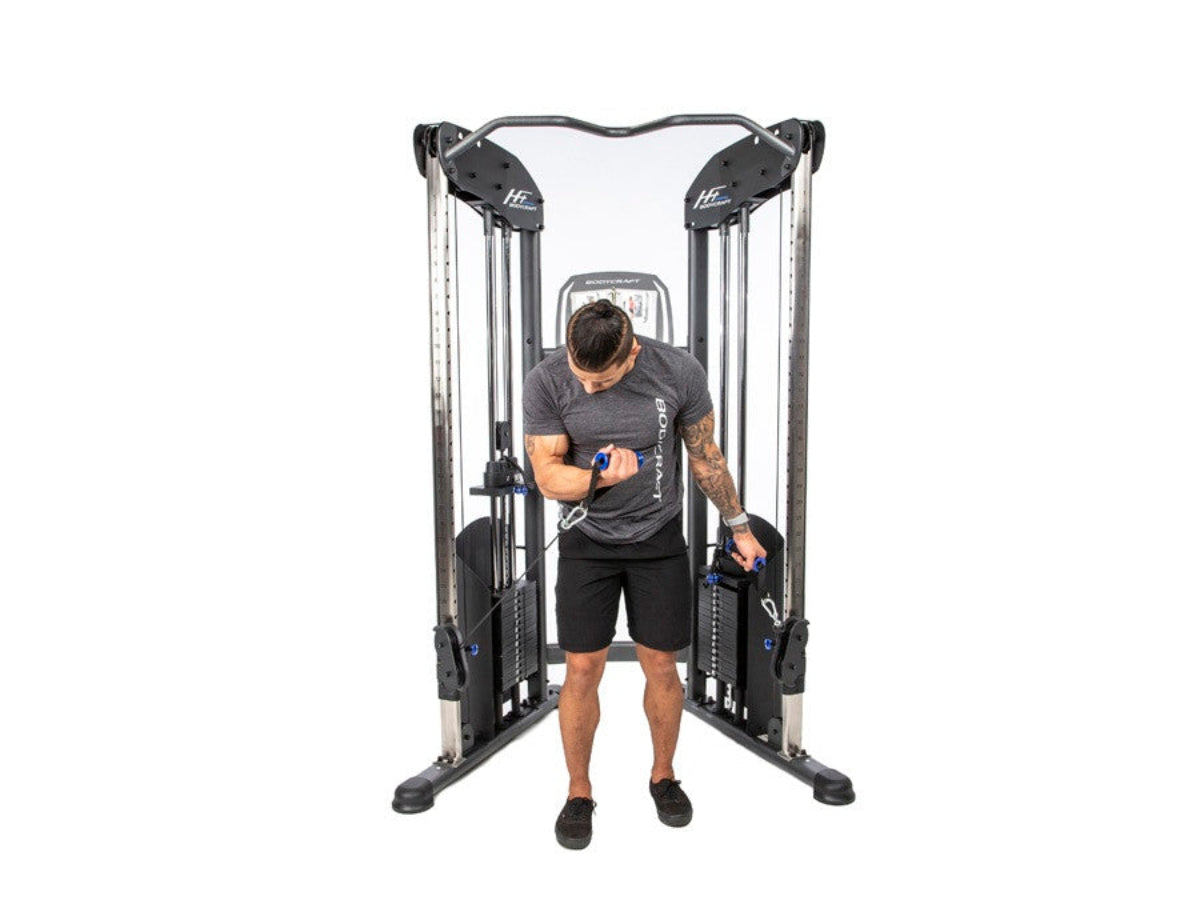
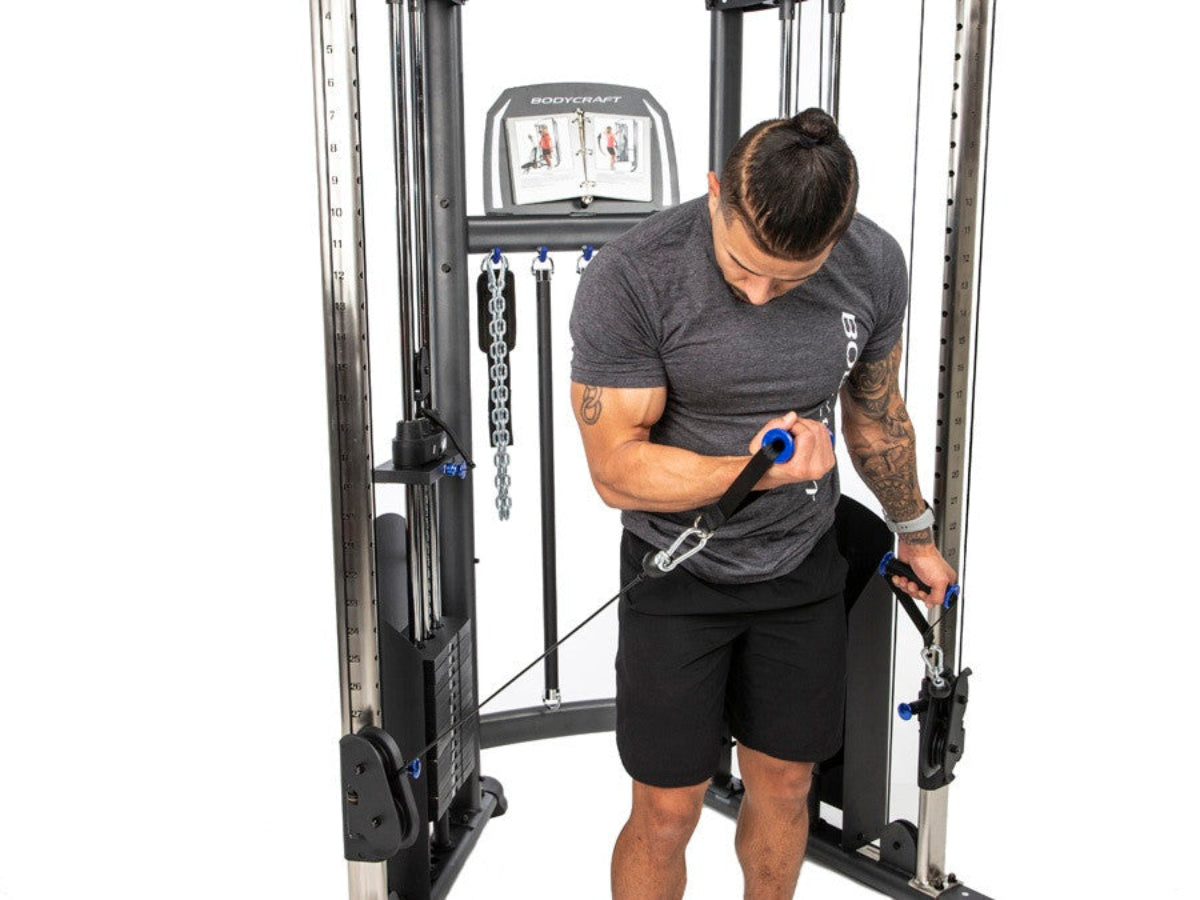
BodyCraft HFT PRO Functional Trainer


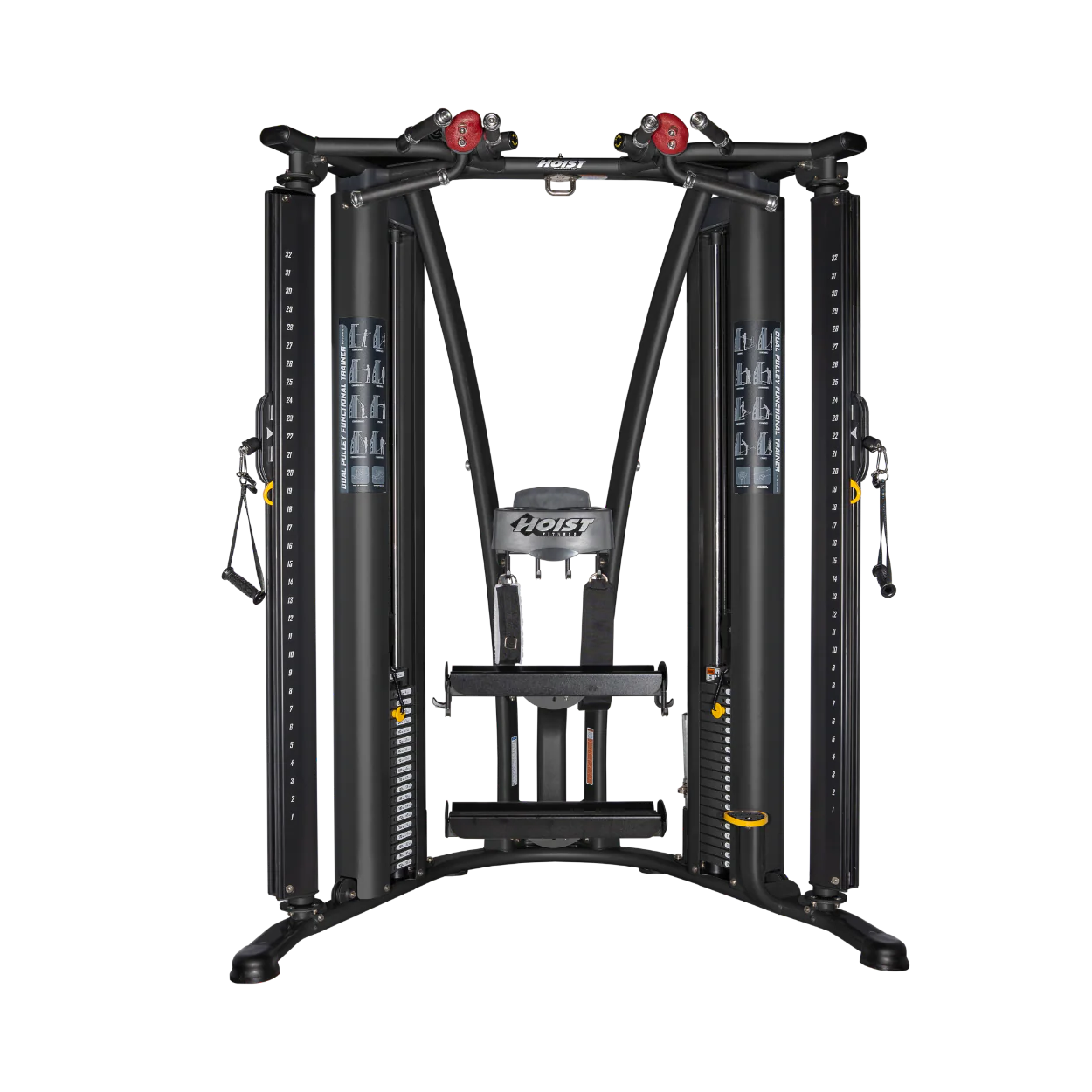
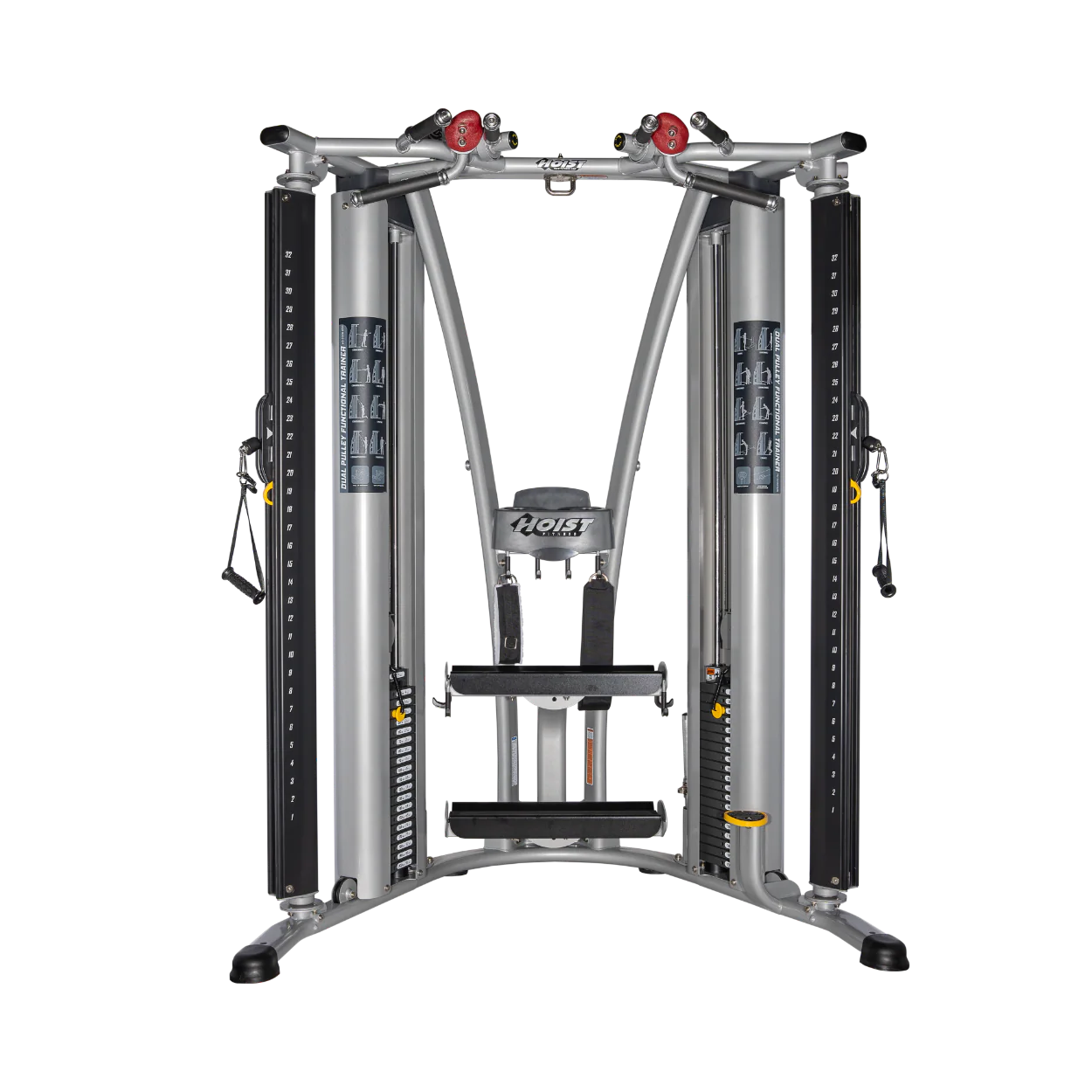
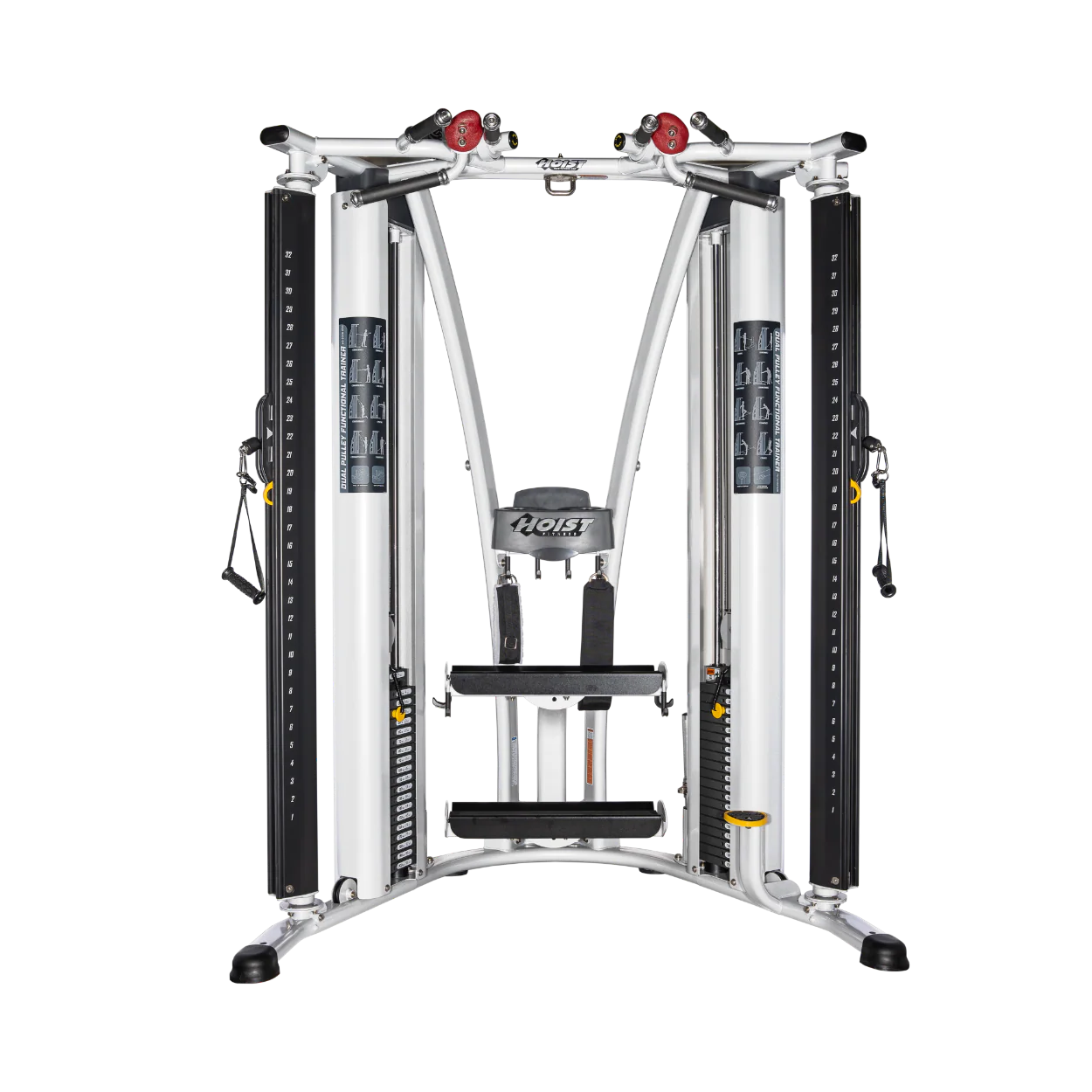
Hoist Fitness HD3000 Commercial Functional Trainer

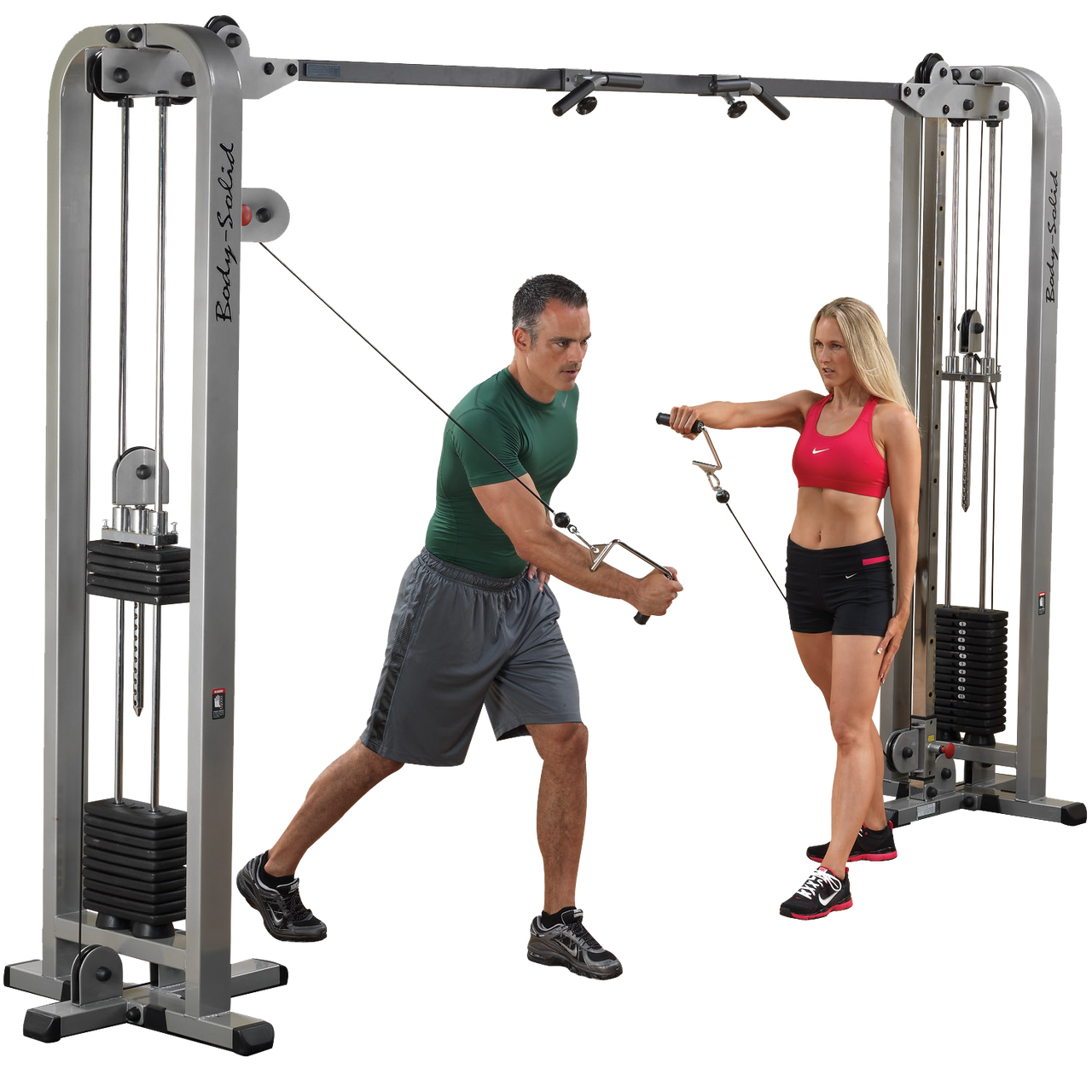
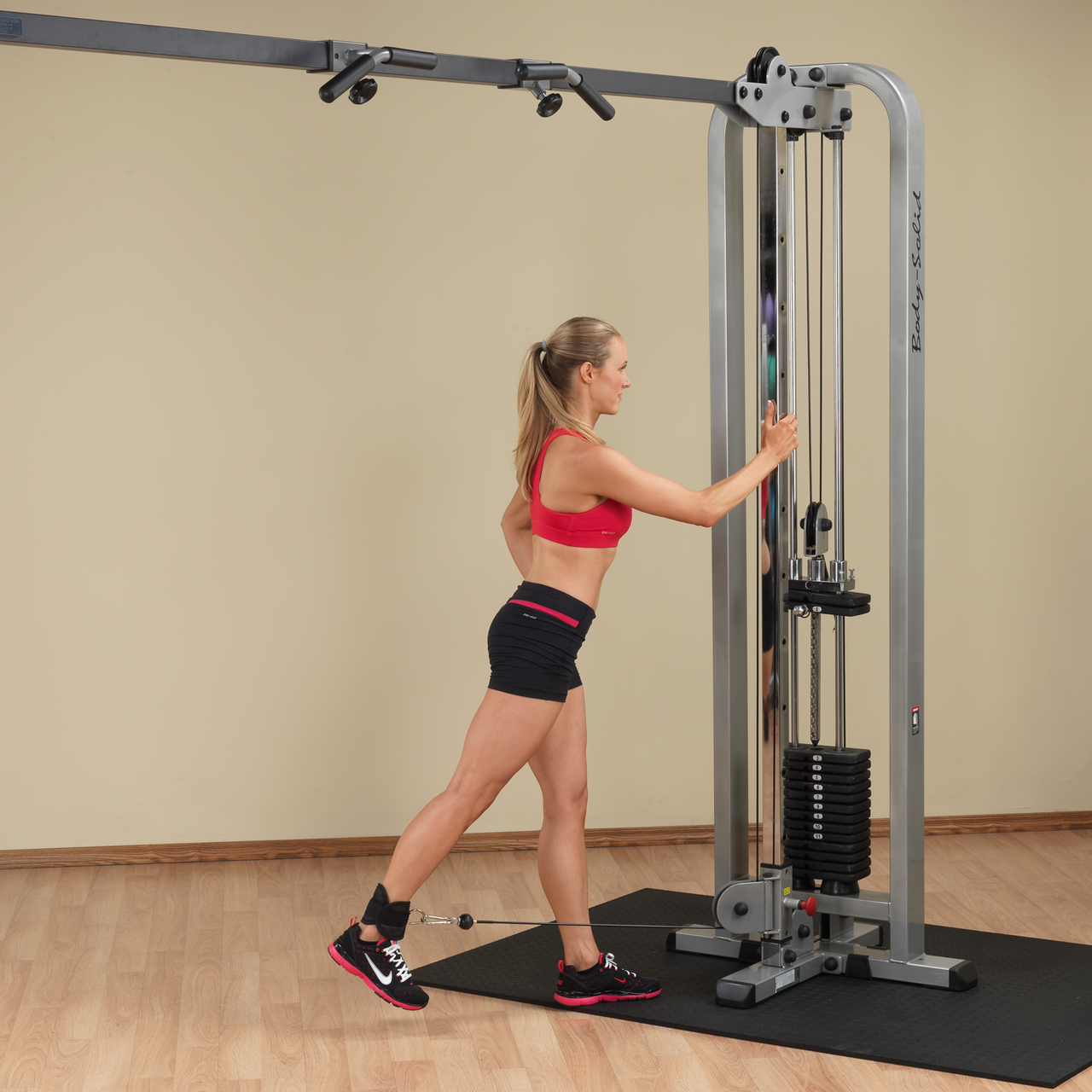
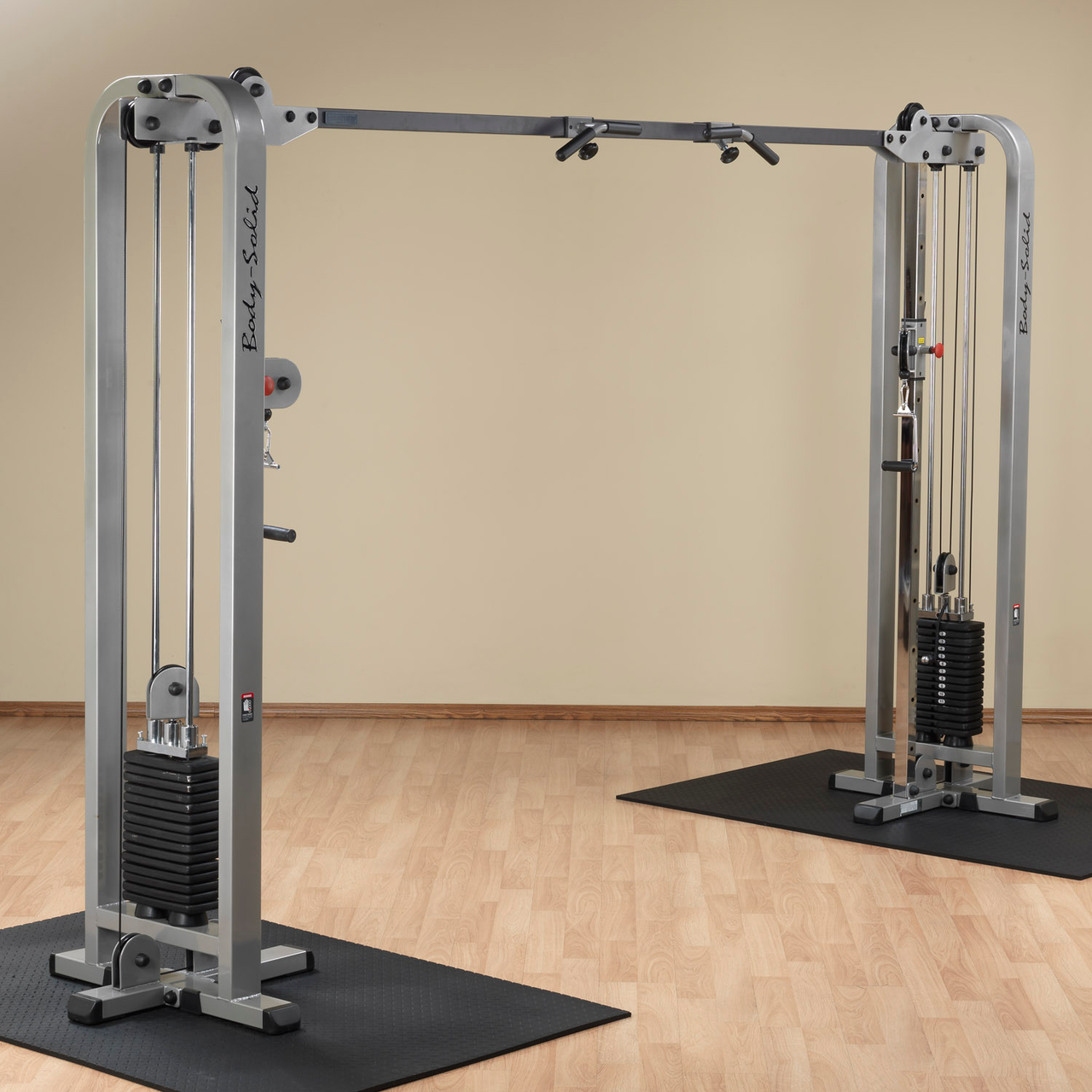
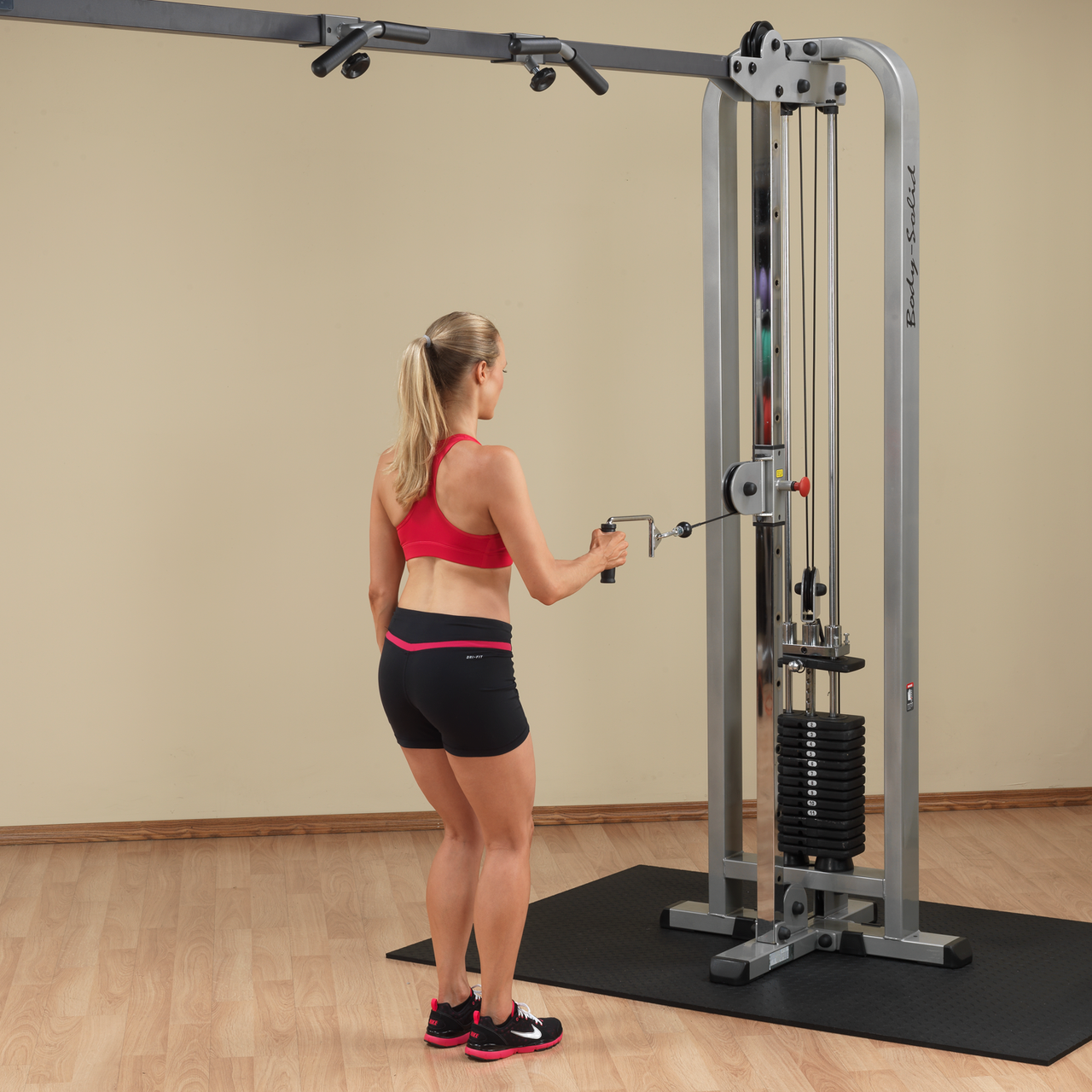
Body-Solid ProClub Line Cable Crossover - SCC1200G


Nautilus Inspiration® Dual Adjustable Pulley


Spirit Fitness CSF-FUNT Functional Trainer


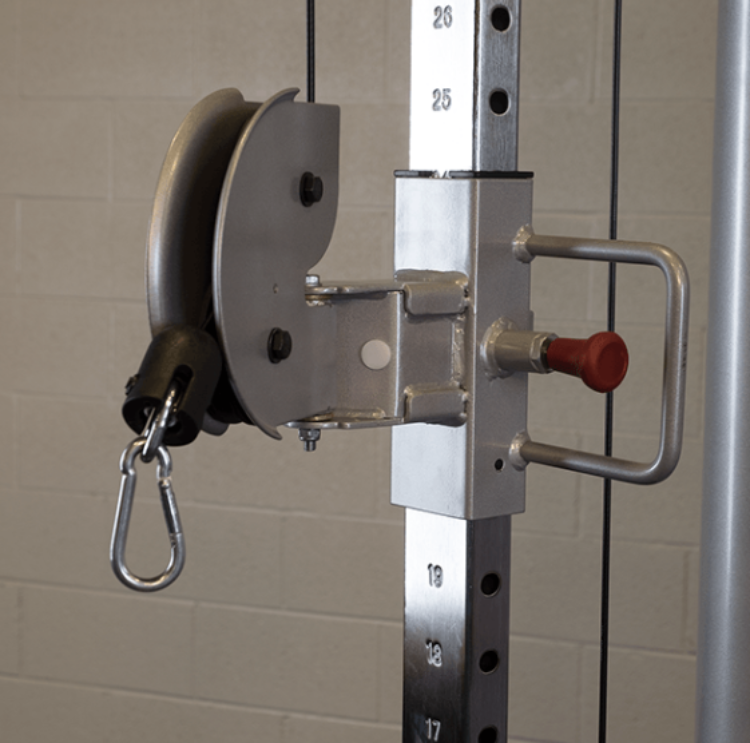

Body-Solid Pro Club Series II Functional Trainer
Commercial-grade functional trainers are among the most versatile strength machines found in modern gyms, training studios, and athletic facilities. Designed for high-frequency use, these machines feature dual adjustable pulleys, heavy-duty frames, and precision cable systems that support a wide range of exercises for users of all fitness levels.
Unlike selectorized machines that limit movement paths, functional trainers allow free, natural motion. This makes them ideal for strength training, functional movement, rehabilitation exercises, and sport-specific training in both commercial and performance-focused environments.
Who Commercial Functional Trainers Are Best For
Commercial functional trainers are well suited for fitness facilities that serve multiple users throughout the day. They are commonly used in:
• Commercial gyms and health clubs
• Personal training studios
• Athletic performance centers
• Corporate and institutional fitness rooms
• Physical therapy and rehab clinics
These machines are ideal for facilities that want maximum training variety without dedicating large amounts of floor space to multiple single-use machines.

Key Benefits of Commercial Functional Trainers
Functional trainers support nearly unlimited exercise variety. Users can perform pushing, pulling, rotational, and lower-body movements using adjustable pulley heights and interchangeable attachments.
Key benefits include:
• Full-body strength and conditioning from one machine
• Smooth, consistent resistance across all ranges of motion
• Adjustable pulley systems for users of different heights and abilities
• Compact footprint compared to multi-station selectorized equipment
• Suitable for strength training, rehab, and functional movement
Because functional trainers accommodate both bilateral and unilateral exercises, they are especially valuable for improving balance, coordination, and real-world strength.
Design and Durability for Commercial Use
Commercial-grade functional trainers are engineered for durability and long-term reliability. Features typically include thick steel frames, commercial-grade cables and pulleys, precision bearings, and heavy weight stacks designed to withstand constant daily use.
Many models also include integrated storage, multiple pull-up grip options, and compatibility with additional attachments, allowing facilities to customize their setup without expanding their footprint.
Trusted Brands and Build Quality
This collection features commercial functional trainers from respected fitness manufacturers known for performance, engineering, and long-term support. These brands design equipment specifically for professional environments, ensuring smooth operation, minimal maintenance, and consistent performance over time.
Each model in this collection is selected to meet the demands of busy fitness facilities while providing a premium training experience for users.
Why Commercial Gyms Rely on Functional Trainers
Functional trainers have become a staple in commercial fitness environments because they combine versatility, efficiency, and durability. Instead of dedicating floor space to multiple machines, gyms can offer hundreds of exercises from a single, compact unit.
From beginner-friendly cable rows to advanced rotational core work, functional trainers allow trainers and members to scale workouts easily without switching equipment.
Functional Trainers vs Selectorized Machines
While selectorized machines isolate specific muscle groups, functional trainers allow free movement patterns that better replicate real-life activities and athletic motion.
Functional trainers:
• Support multi-plane movement
• Encourage natural joint alignment
• Allow faster transitions between exercises
• Reduce congestion on the gym floor
For facilities focused on functional fitness, personal training, or athletic development, functional trainers often replace multiple traditional machines.
Use Cases in Commercial Settings
Commercial functional trainers are widely used for:
• Personal training sessions
• Small-group training
• Strength circuits
• Athletic conditioning
• Rehabilitation and corrective exercise
Their adjustability makes them accessible to beginners while still challenging advanced users, making them one of the most inclusive pieces of strength equipment available.
Space Efficiency and Facility Planning
One of the biggest advantages of functional trainers is how much training value they deliver per square foot. In smaller commercial gyms or studios, a single functional trainer can replace multiple stations without sacrificing exercise variety.
Many facilities pair functional trainers with free weights, benches, and cardio equipment to create flexible training zones that adapt throughout the day.
Choosing the Right Commercial Functional Trainer
When selecting a functional trainer for commercial use, facilities typically consider:
• Weight stack capacity
• Pulley adjustment range
• Frame stability and footprint
• Cable smoothness and durability
• Compatibility with attachments and accessories
The best commercial models balance heavy-duty construction with smooth movement and intuitive adjustability for both trainers and members.
FAQs
What makes a functional trainer commercial-grade?
Are functional trainers good for beginners?
How much space does a commercial functional trainer require?