


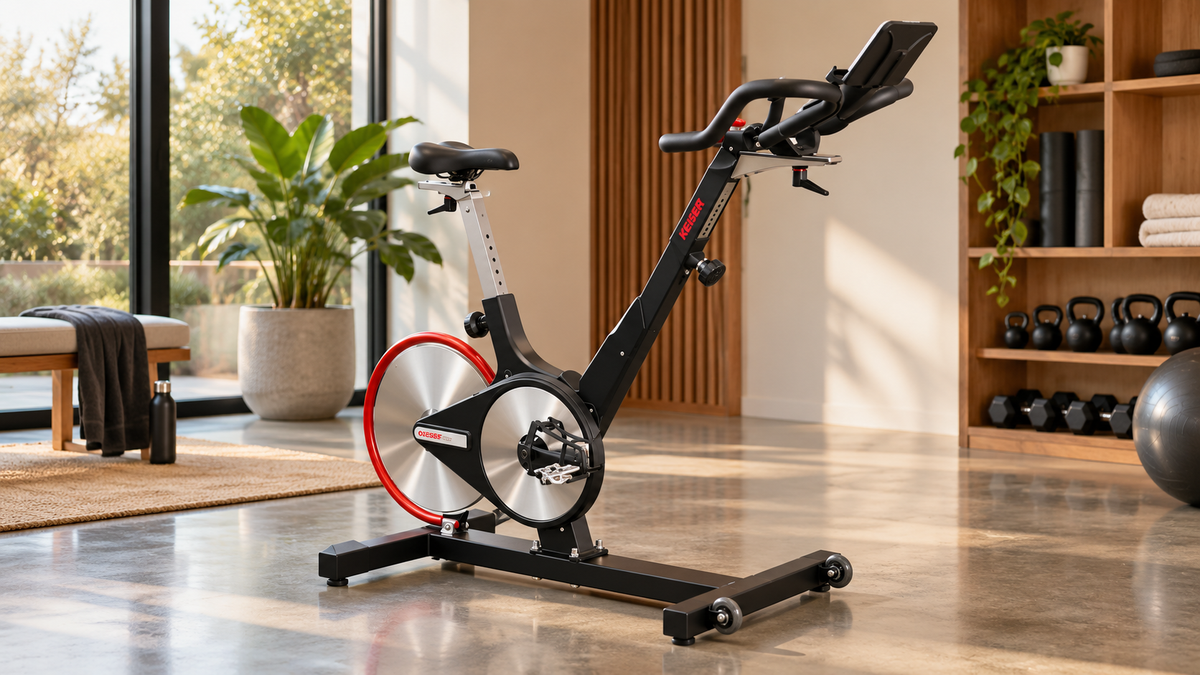
How Do You Choose the Right Exercise Bike for Home?
Start with the riding position and workout style you prefer. Upright bikes are versatile and relatively compact, recumbent bikes provide a supported seated position, indoor cycling bikes suit riders who want a more performance-focused feel, and air bikes are designed for high-intensity full-body intervals. Then compare fit, adjustability, resistance, footprint, console features, and service support.
Choosing an exercise bike for home is easier when you first decide how you want to ride. The right bike should fit your body, your available space, and the type of training you are most likely to do consistently.
This guide compares the four main exercise-bike styles, the features that matter most, and current models worth considering from The Fitness Outlet.
| Bike Type | Best For | What to Compare | Typical Footprint |
|---|---|---|---|
| Upright Bike | General home cardio and traditional seated riding | Seat adjustment, resistance range, console, stability | Compact to medium |
| Recumbent Bike | Supported seating and easy-access cardio | Seat position, back support, pedal reach, step-through access | Medium to large |
| Indoor Cycling Bike | Studio-style rides, cadence work, and intervals | Fit adjustment, resistance feel, pedals, connectivity | Compact to medium |
| Air Bike | Short, high-intensity full-body training | Fan resistance, handle movement, seat fit, stability | Medium to large |
1. Upright Bikes: A Versatile Choice for Home Cardio
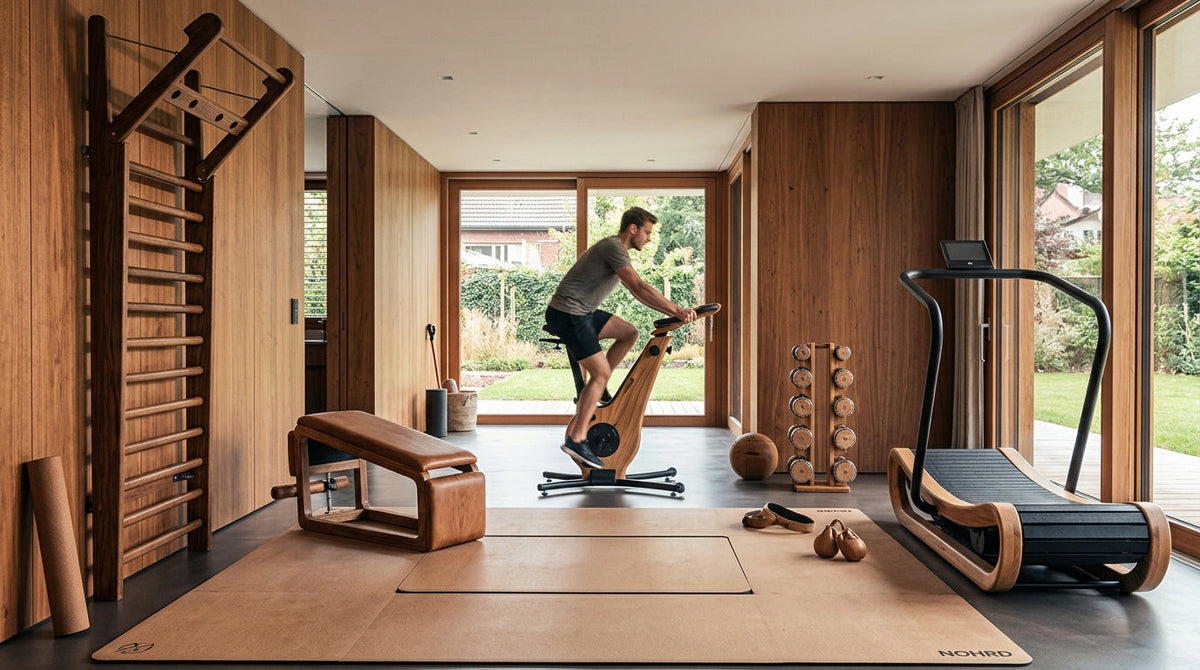
Upright bikes use a traditional seated riding position and usually take up less room than recumbent models. They are a practical all-around choice for shoppers who want steady cardio, interval options, and a familiar cycling posture without building a studio-style setup.
When comparing upright bikes, pay close attention to seat adjustment, how easily you can reach the pedals and handlebars, resistance range, console readability, and overall stability.

Spirit Fitness XBU55 Upright Bike
Best for: Home users who want a popular residential upright bike with a traditional riding position and compact cardio footprint.

Life Fitness C1 Upright Bike
Best for: Home users who want a premium upright bike with a familiar riding position and multiple console choices.
2. Recumbent Bikes: Supported, Seated Cardio

Recumbent bikes place the rider in a supported seated position with the pedals in front of the body. They are worth comparing if back support, step-through access, or a more relaxed riding position is important to you.
Fit is especially important on a recumbent bike. Check seat travel, backrest design, pedal reach, entry height, resistance controls, and how easily the seat can be adjusted between users.

Spirit Fitness XBR55 Recumbent Bike
Best for: Shoppers who prioritize a supported seated position, step-through access, and adjustable resistance for home cardio.

Spirit Fitness XBR95 Recumbent Bike
Best for: Shoppers who want a higher-demand Spirit recumbent option for comfortable, supported home cardio.
3. Indoor Cycling Bikes: For a More Performance-Focused Ride
Indoor cycling bikes are designed for riders who want a more cycling-focused feel, frequent cadence changes, standing efforts, and structured interval training. They can work especially well for people who enjoy studio-style workouts or want to follow app-based cycling sessions.
Compare fore-and-aft seat adjustment, handlebar adjustment, pedal setup, resistance feel, connectivity, and whether the console or app ecosystem matches how you plan to train.

LeMond Fitness RevMaster Pro
Best for: Riders who want a highly searched indoor cycle for studio-style training and performance-focused home workouts.

Spinning Spinner A3 Indoor Spin Bike
Best for: Shoppers who want a popular indoor cycling bike for home spin workouts and interval sessions.
4. Air Bikes: Full-Body Interval Training
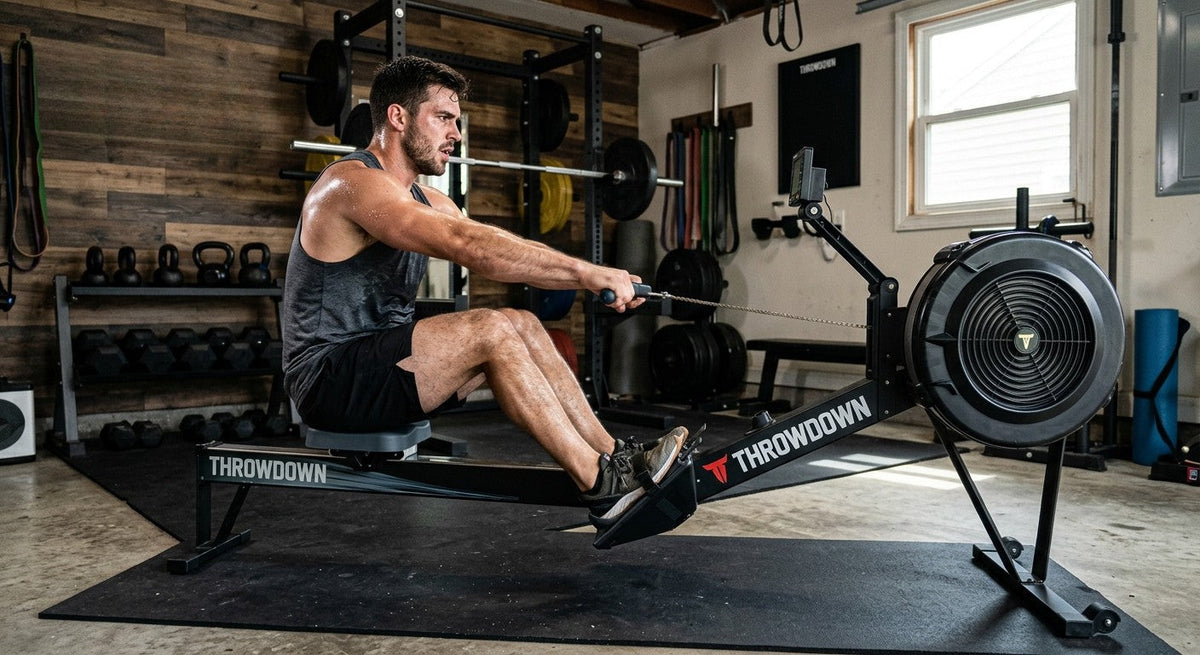
Air bikes use a fan-based resistance system that becomes more demanding as you pedal and push harder. Because the handlebars move as well, they can involve both the upper and lower body and are commonly used for short, high-intensity intervals.
When comparing an air bike, focus on frame stability, seat adjustment, handle movement, fan feel, console readability, and whether the machine has enough room around it for comfortable use.

Throwdown HIIT Upright Bike
Best for: Home users who want an air-resistance bike for short, high-intensity intervals and full-body conditioning.

True Fitness ADX Bike
Best for: Shoppers who want a durable air-resistance bike for interval training and full-body conditioning.
What Features Matter Most When Buying an Exercise Bike?
Once you have chosen the bike style, compare the features that affect everyday use rather than focusing on a long specification list.
- Fit and adjustability: Make sure the seat and, where applicable, handlebars can be positioned comfortably for your height and riding style.
- Resistance system: Compare how resistance changes, how smooth it feels, and whether the range suits both easy rides and harder sessions.
- Console and connectivity: Decide whether you want simple workout metrics, preset programs, Bluetooth, app connectivity, or a larger touchscreen.
- Footprint and access: Check the machine dimensions, clearance around it, and how easy it is to get on and off.
- Build quality and service: A bike intended for frequent use should feel stable and come from a brand with dependable warranty and service support.
How to Choose an Exercise Bike for Your Goals
- For general home cardio: Start with an upright bike if you want a traditional riding position and relatively compact footprint.
- For a supported seated position: Compare recumbent bikes, especially if step-through access and back support matter to you.
- For studio-style training: Indoor cycling bikes are usually the closest match for cadence-driven classes and performance-focused intervals.
- For short, intense sessions: Air bikes are designed for self-powered resistance and full-body interval work.
Which Exercise Bike Is Right for You?
For most shoppers, the decision becomes much easier once you choose the riding position and training style you prefer. From there, compare adjustability, resistance feel, footprint, console features, and overall build quality. Prioritize a bike that fits your body comfortably and has the features you will actually use.

Share:
GLP-1 and Strength Training: How to Maintain Muscle While Losing Weight
The Complete Guide to Smith Machines and Everything You Need to Know