


Achieve your fitness goals within your budget with our financing.
Free Delivery on Orders $599+
Fast, reliable delivery on all qualifying orders.
Price Match Guarantee
Shop confidently knowing you're getting the best deal.
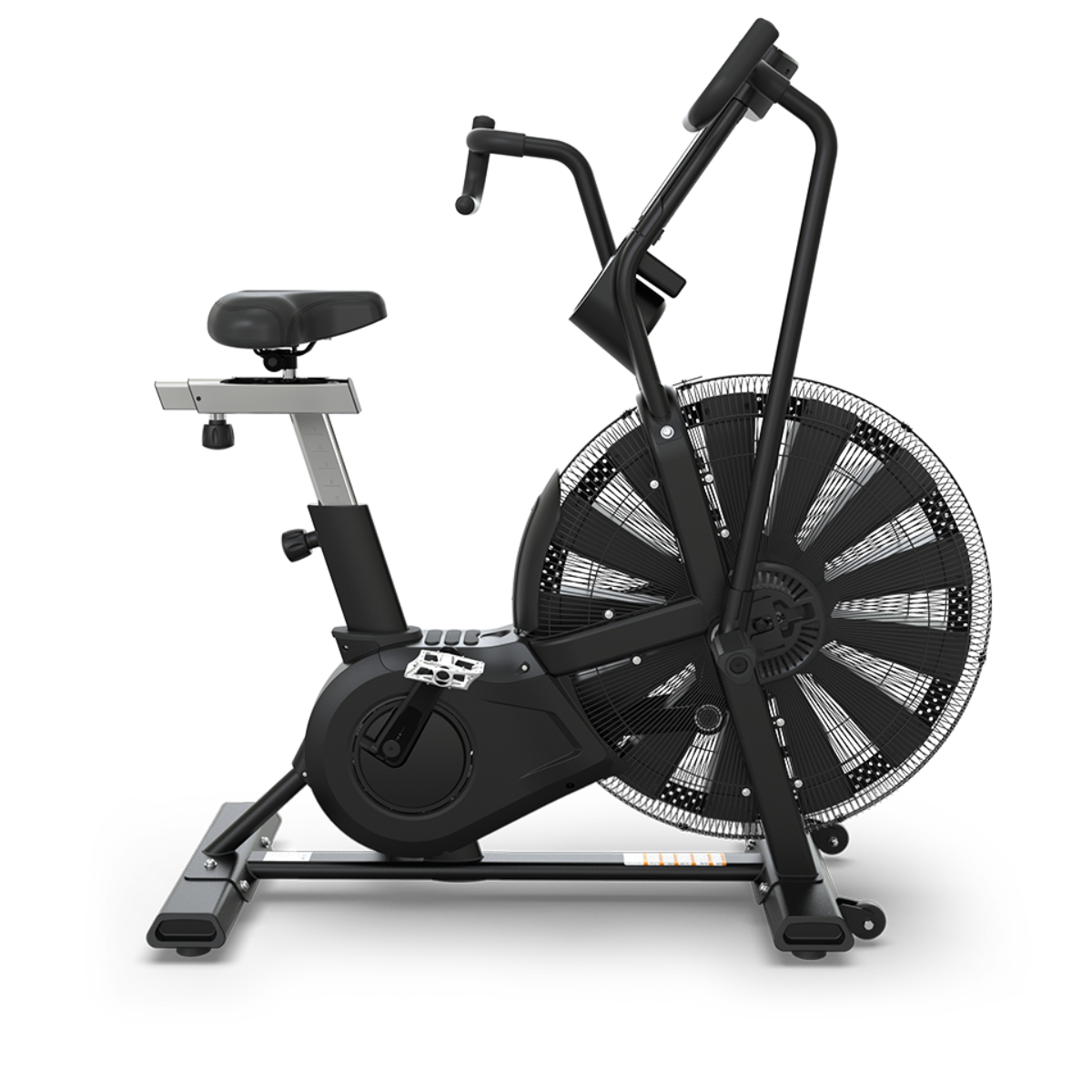
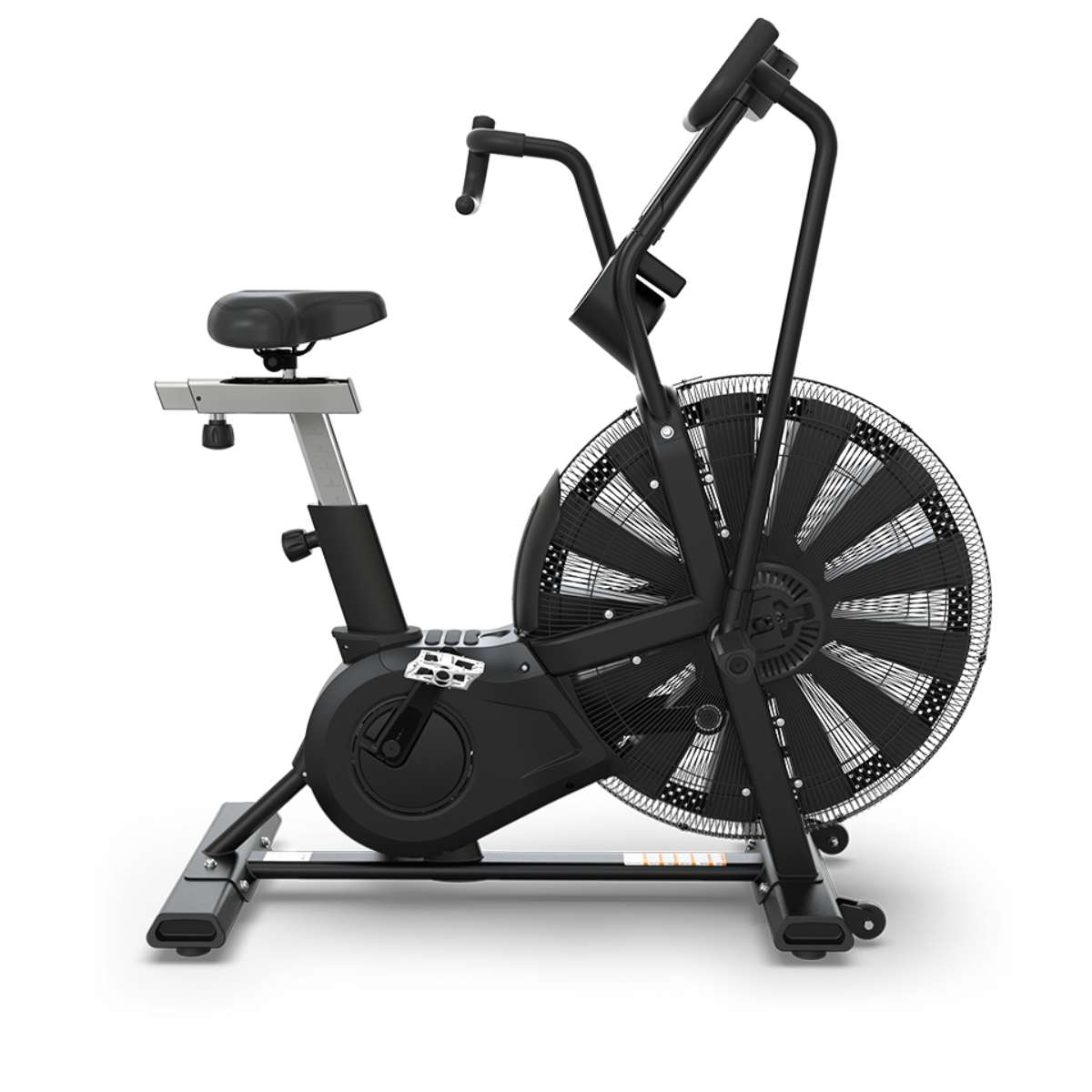
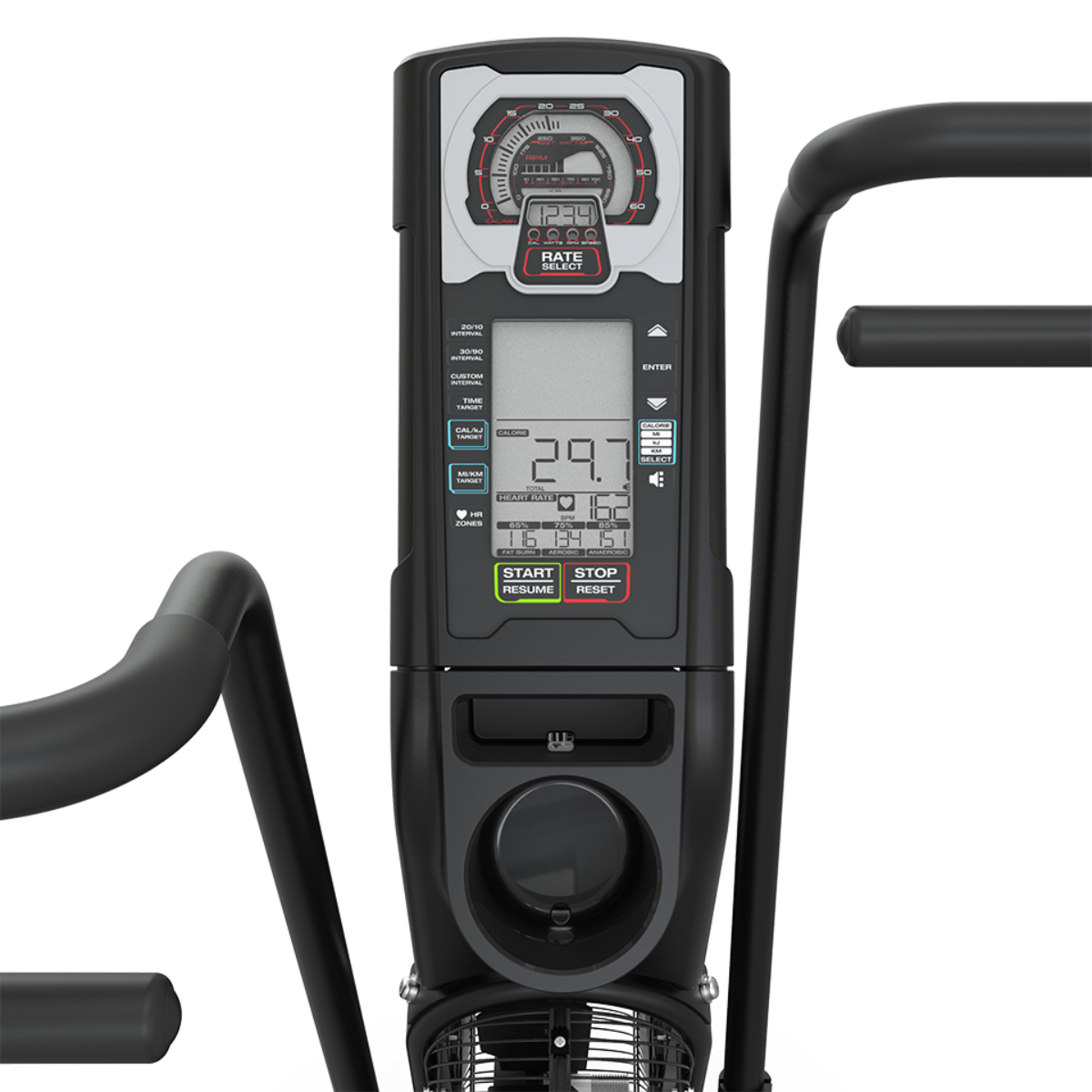
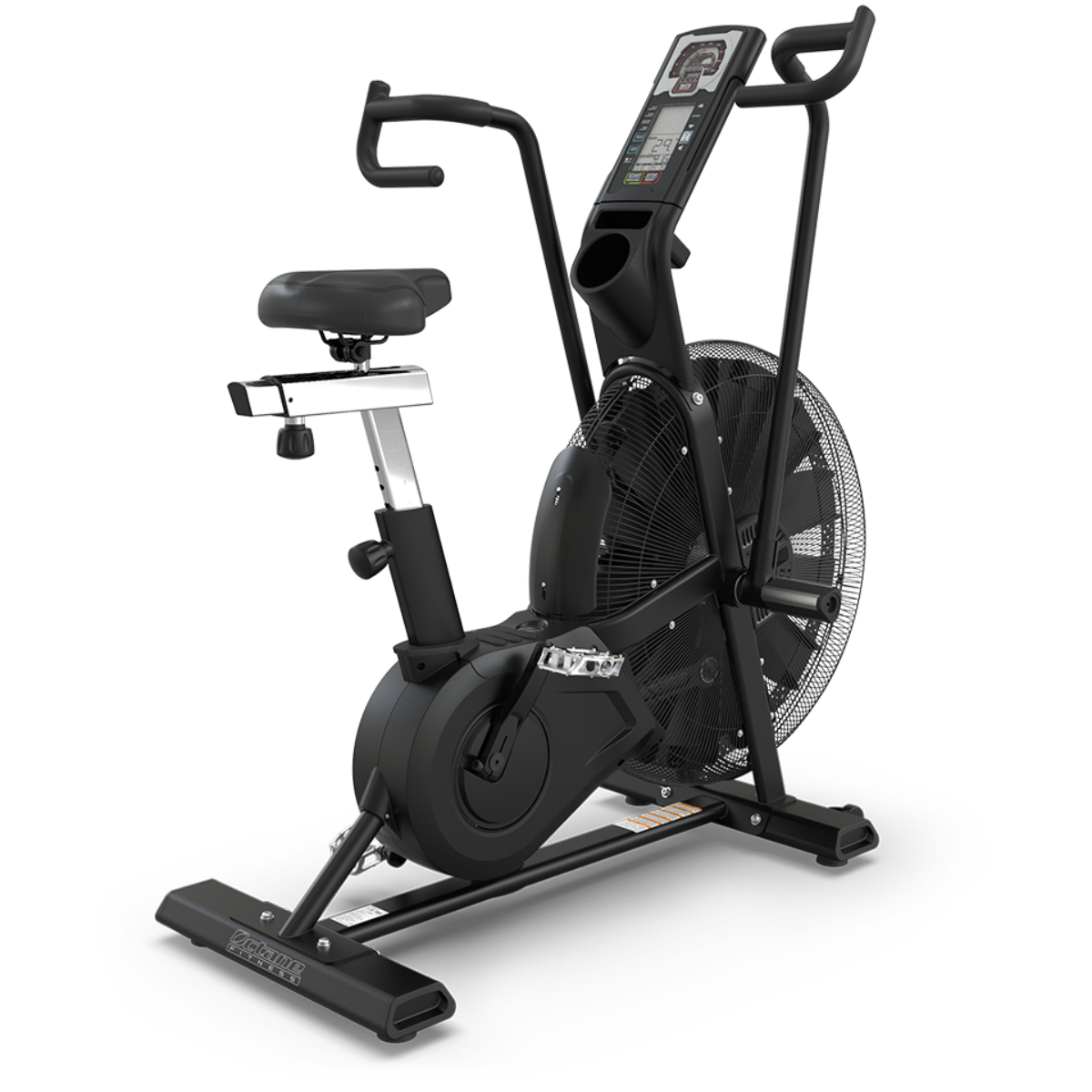
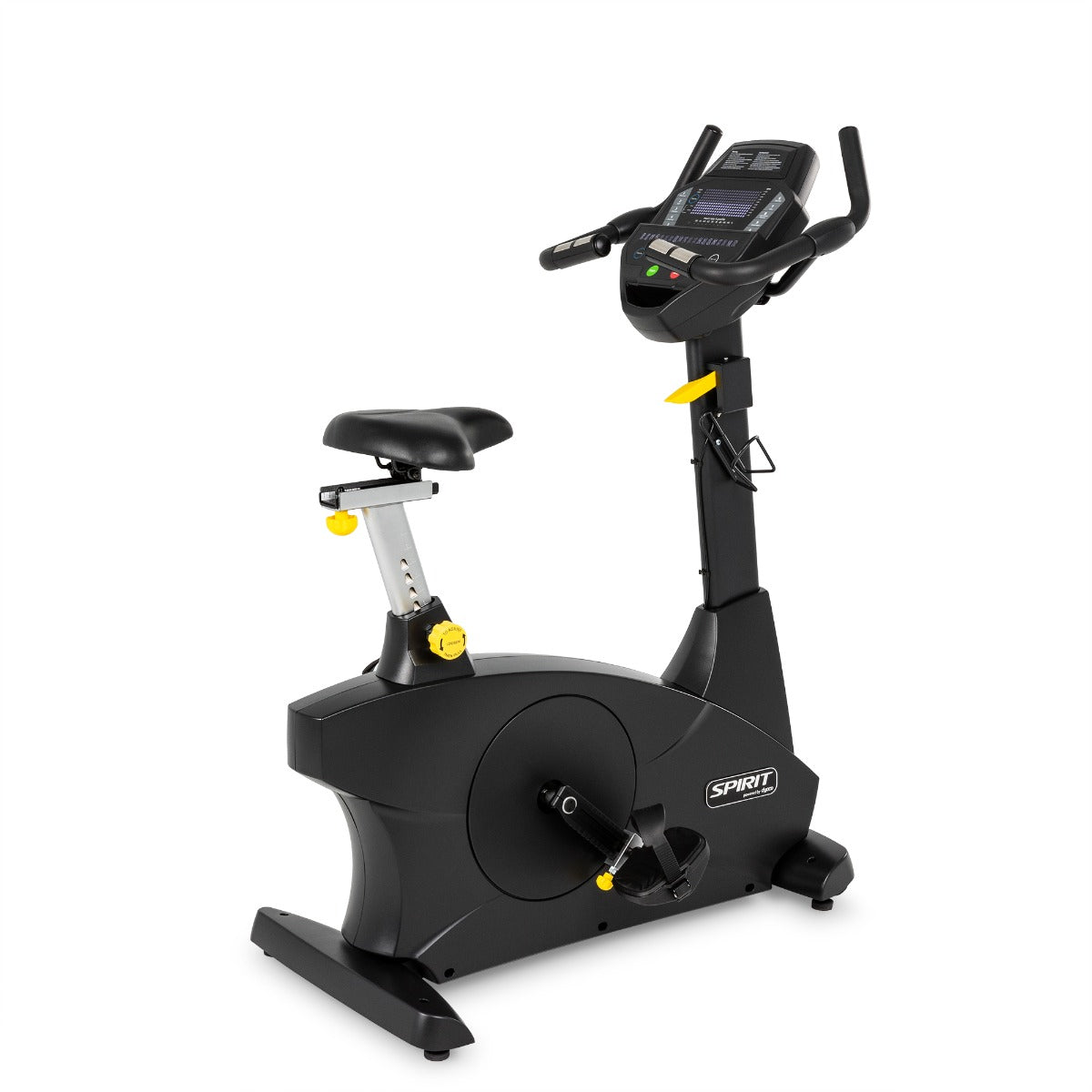
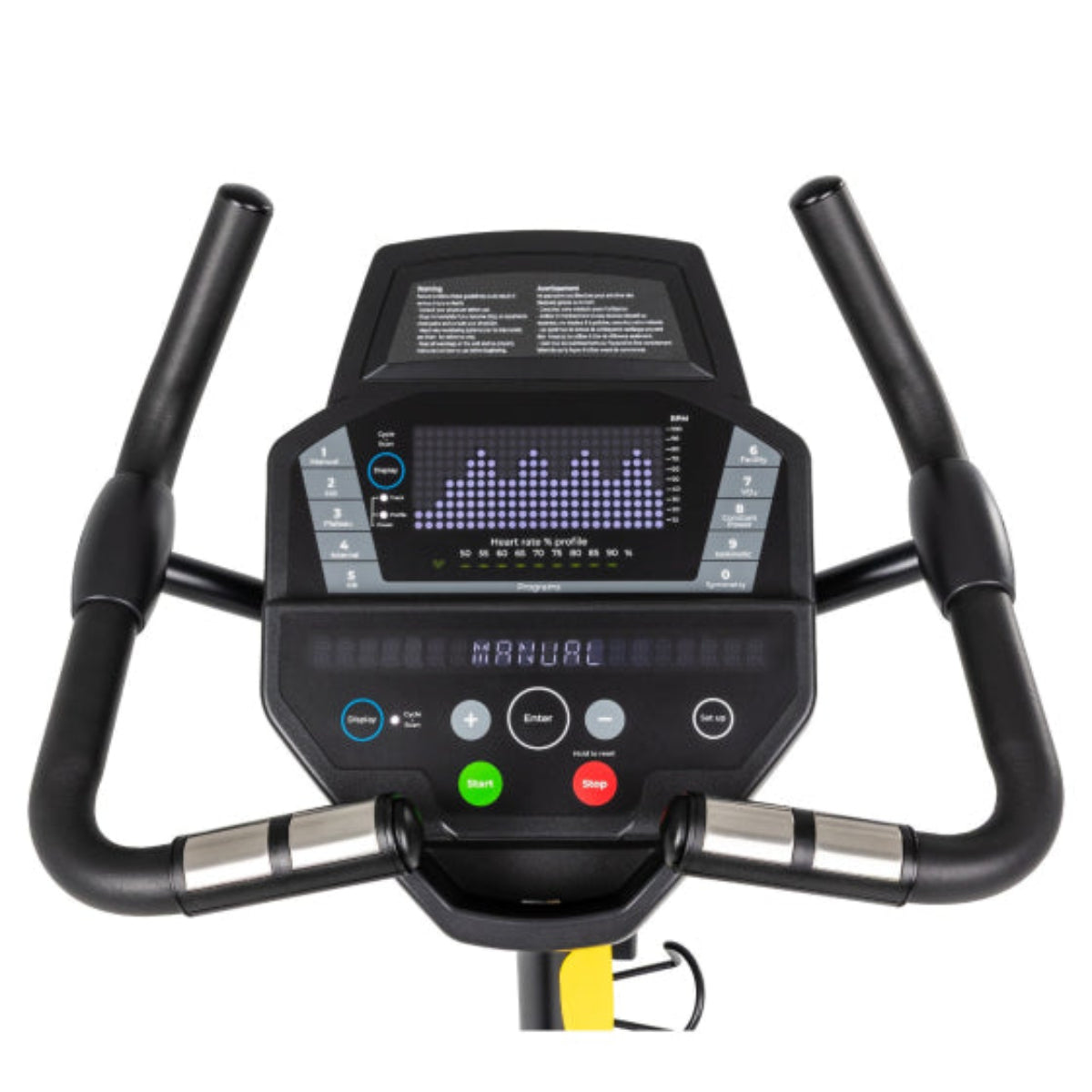
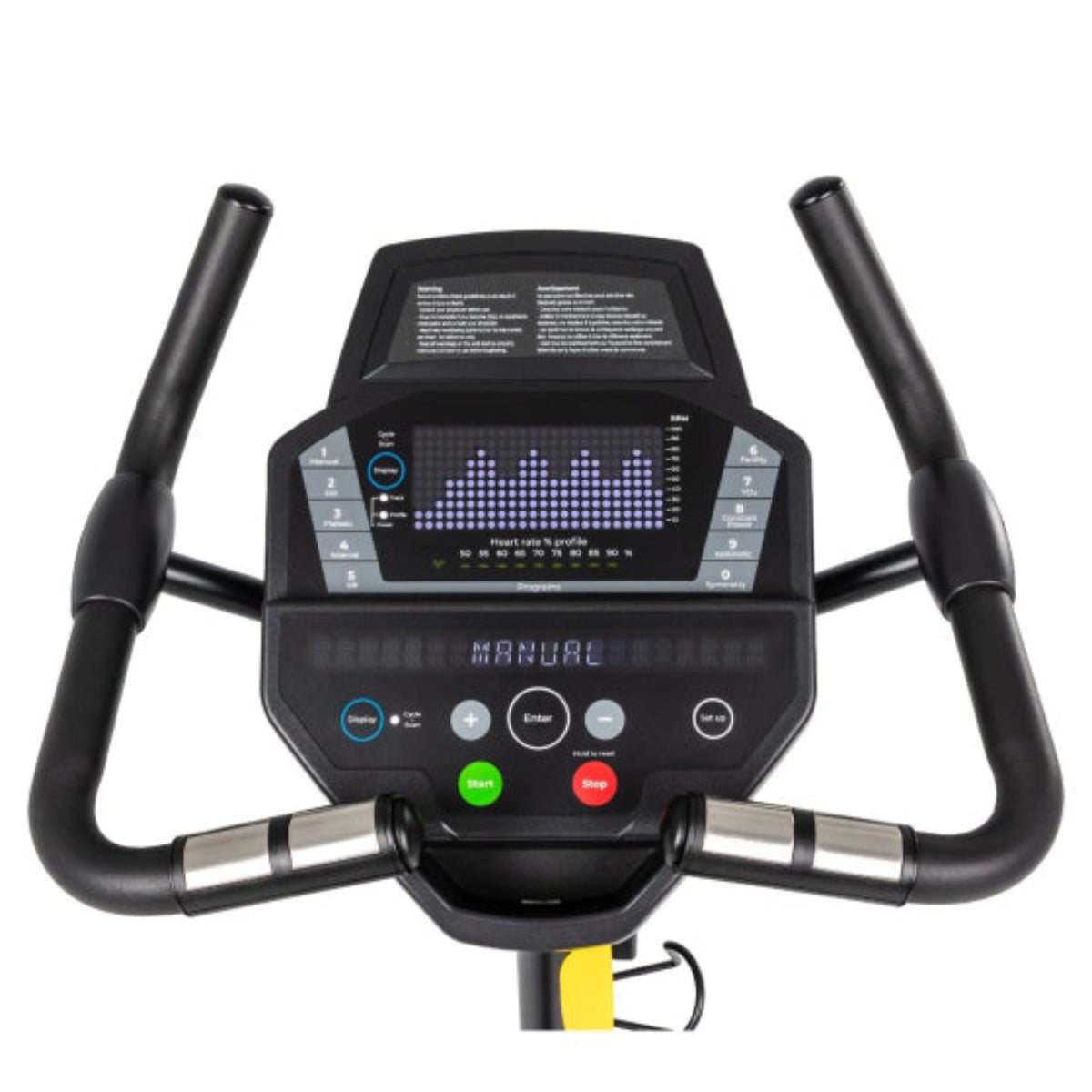
Spirit Fitness Rehab 7.0U Upright Bike


Spirit Fitness Rehab 4.0U Upright Bike


Spirit Fitness Rehab 4.0R Recumbent Bike
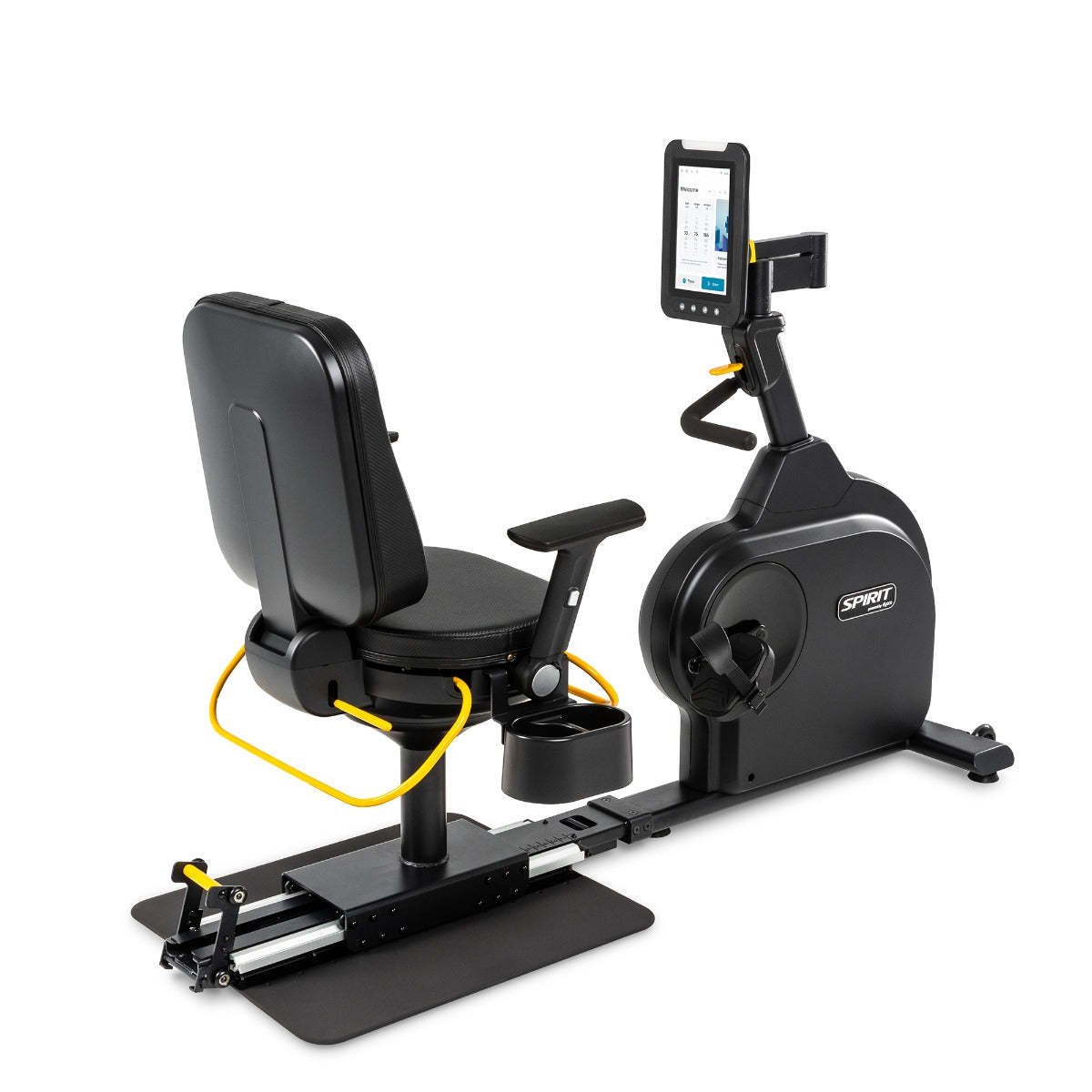
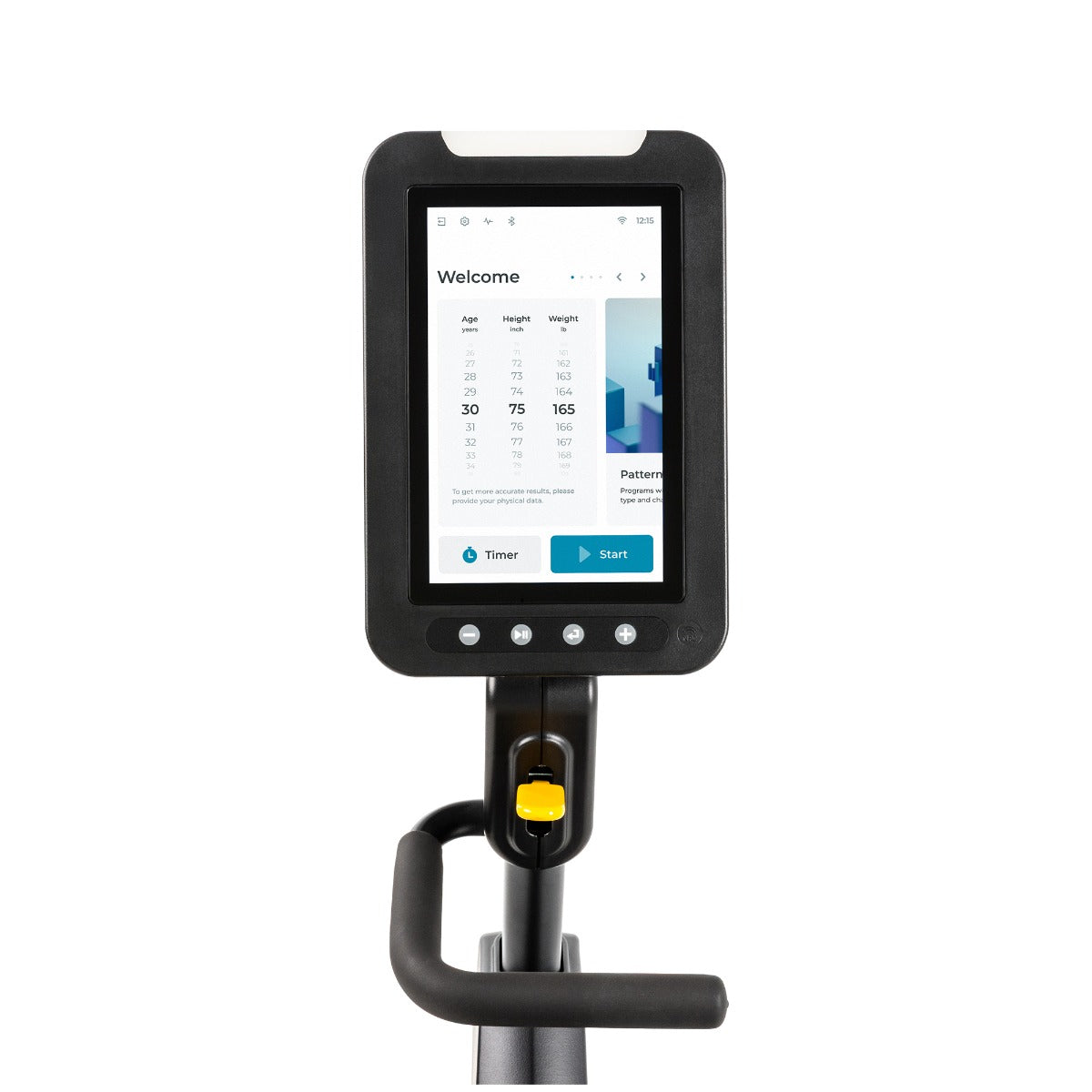
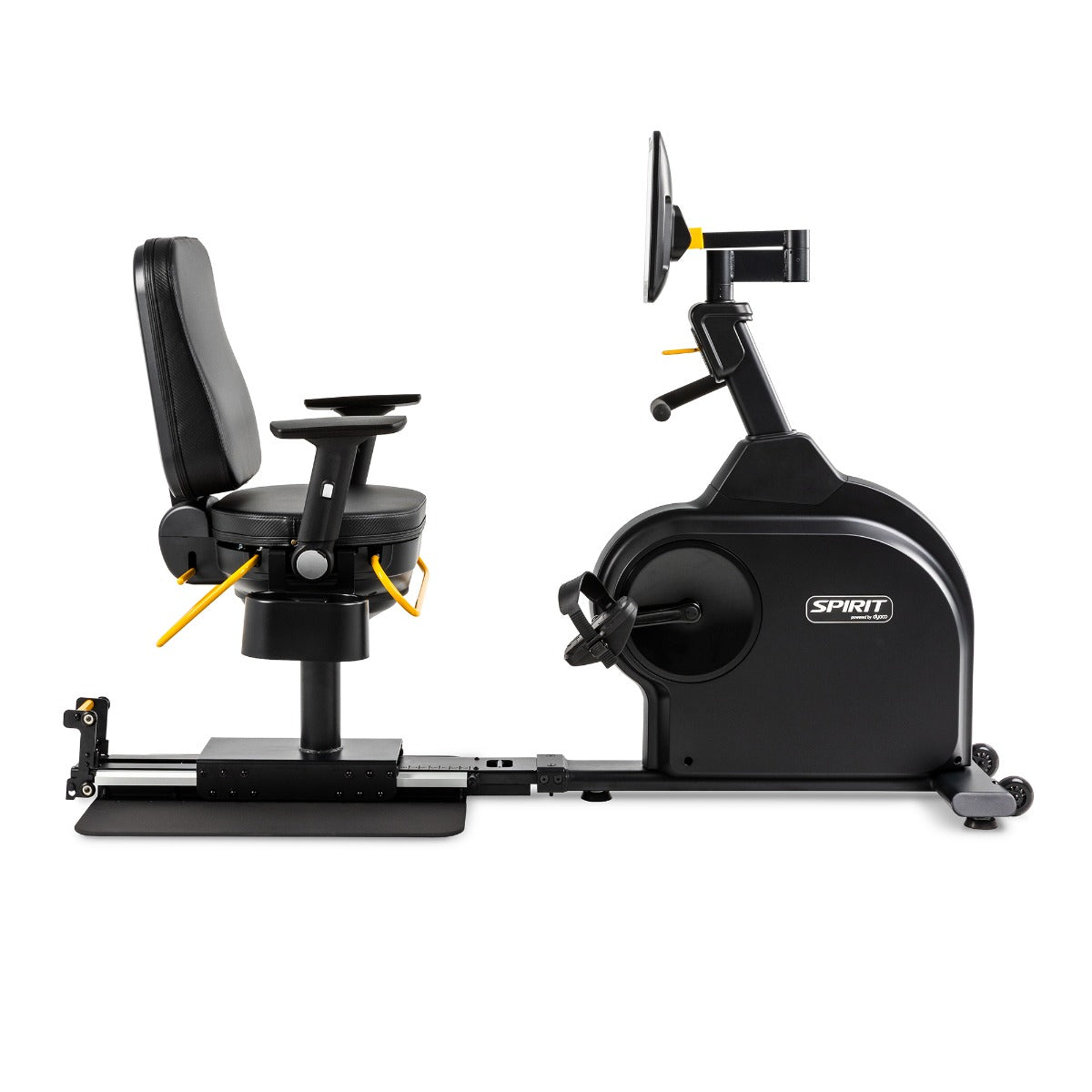
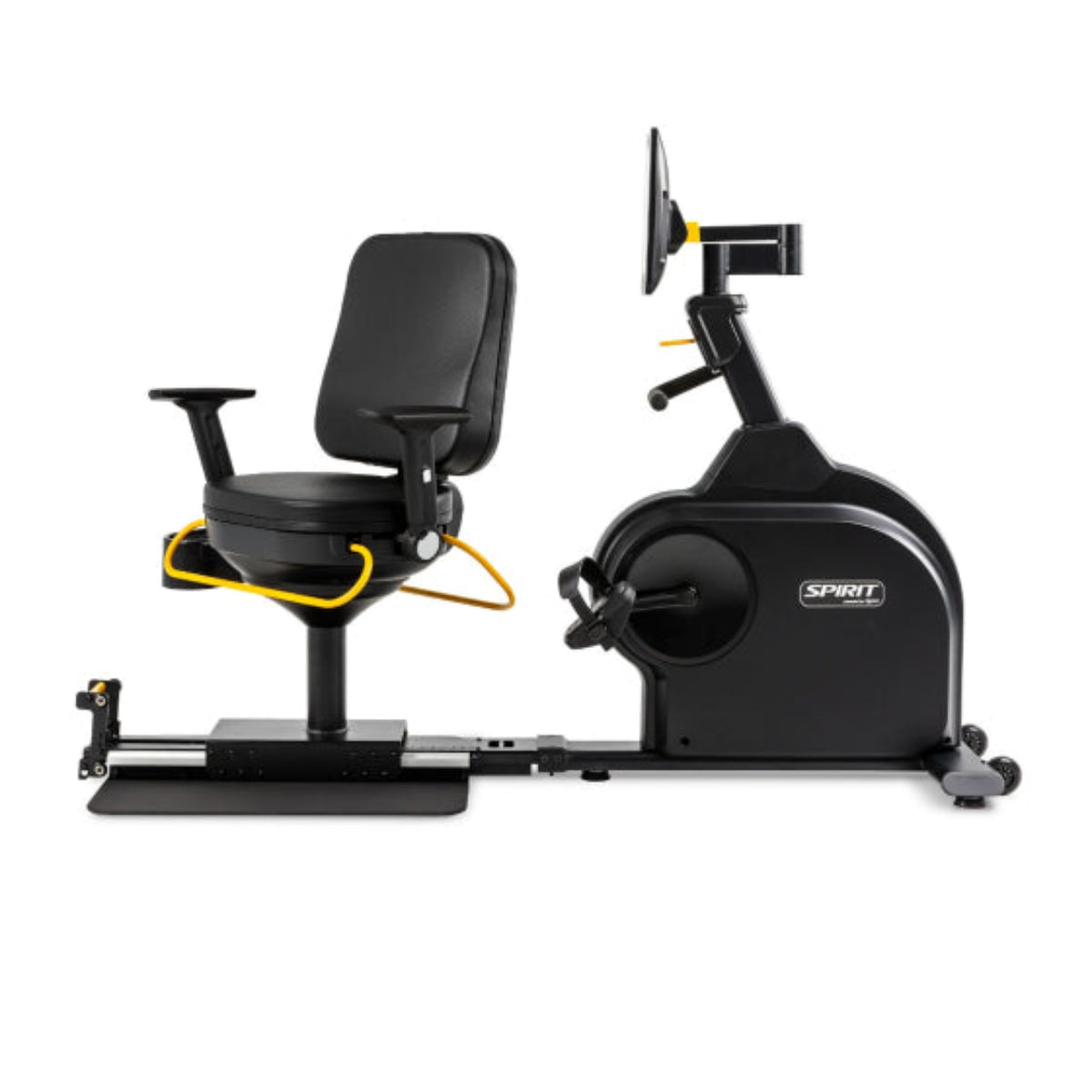
Spirit Fitness Rehab 8.5R Recumbent Bike
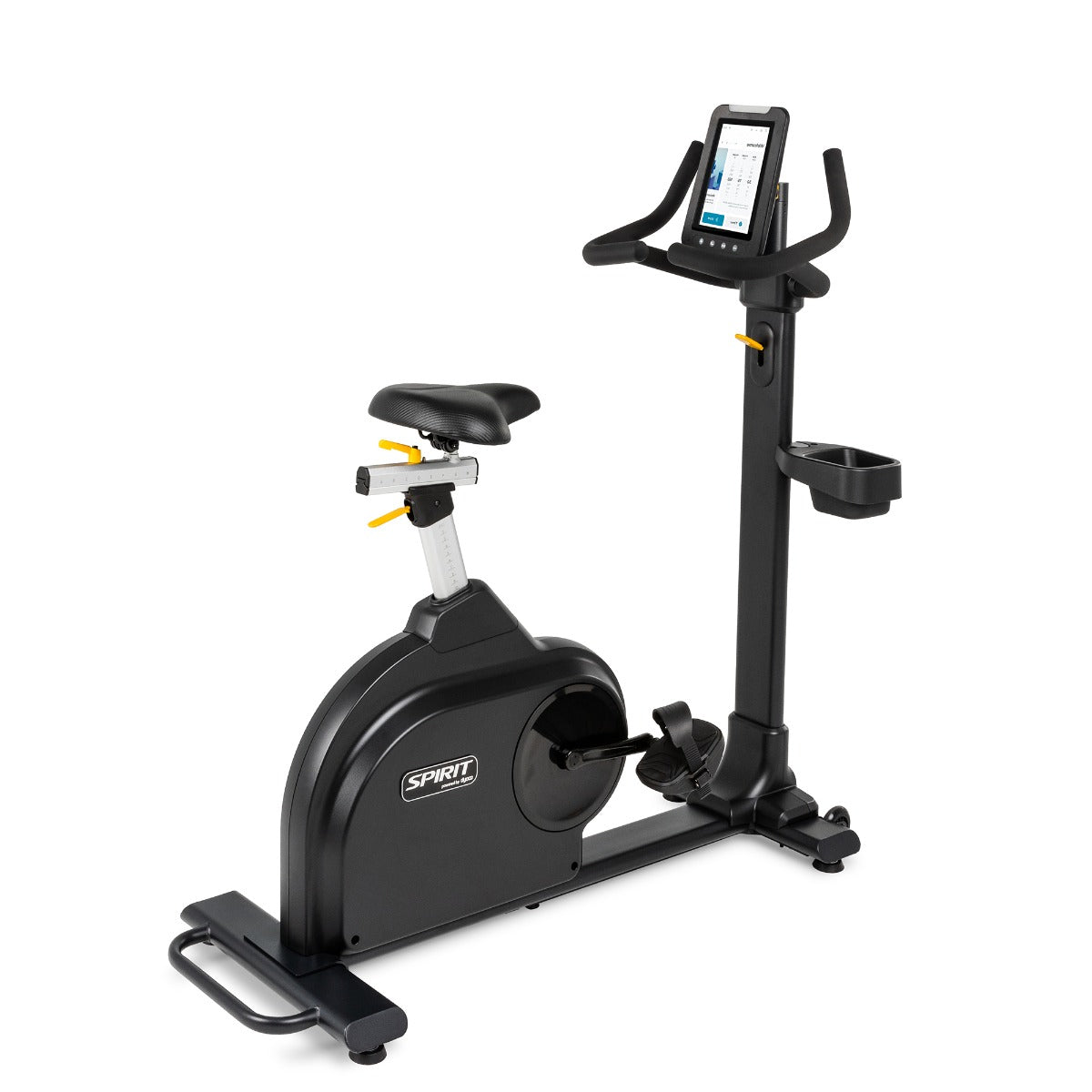
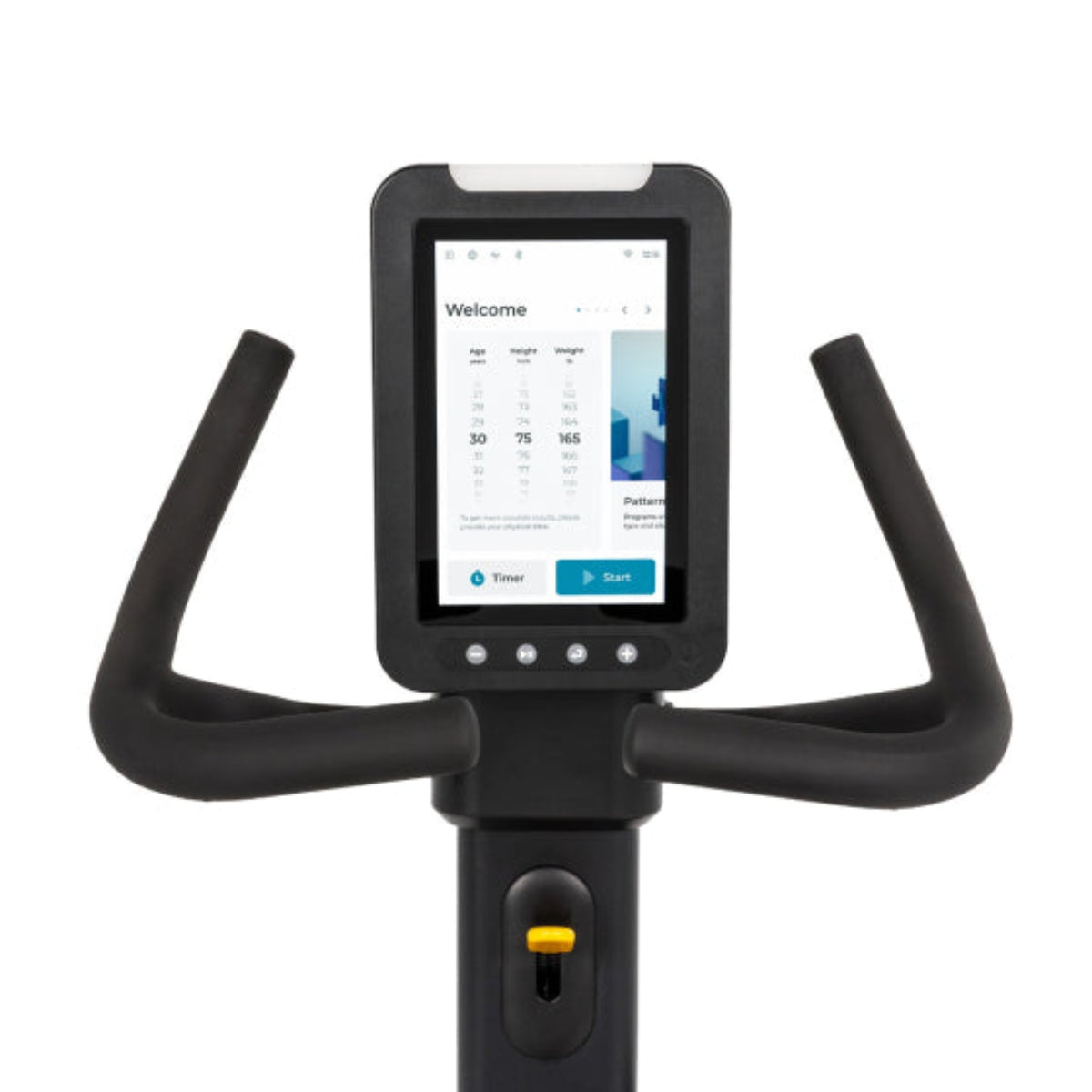
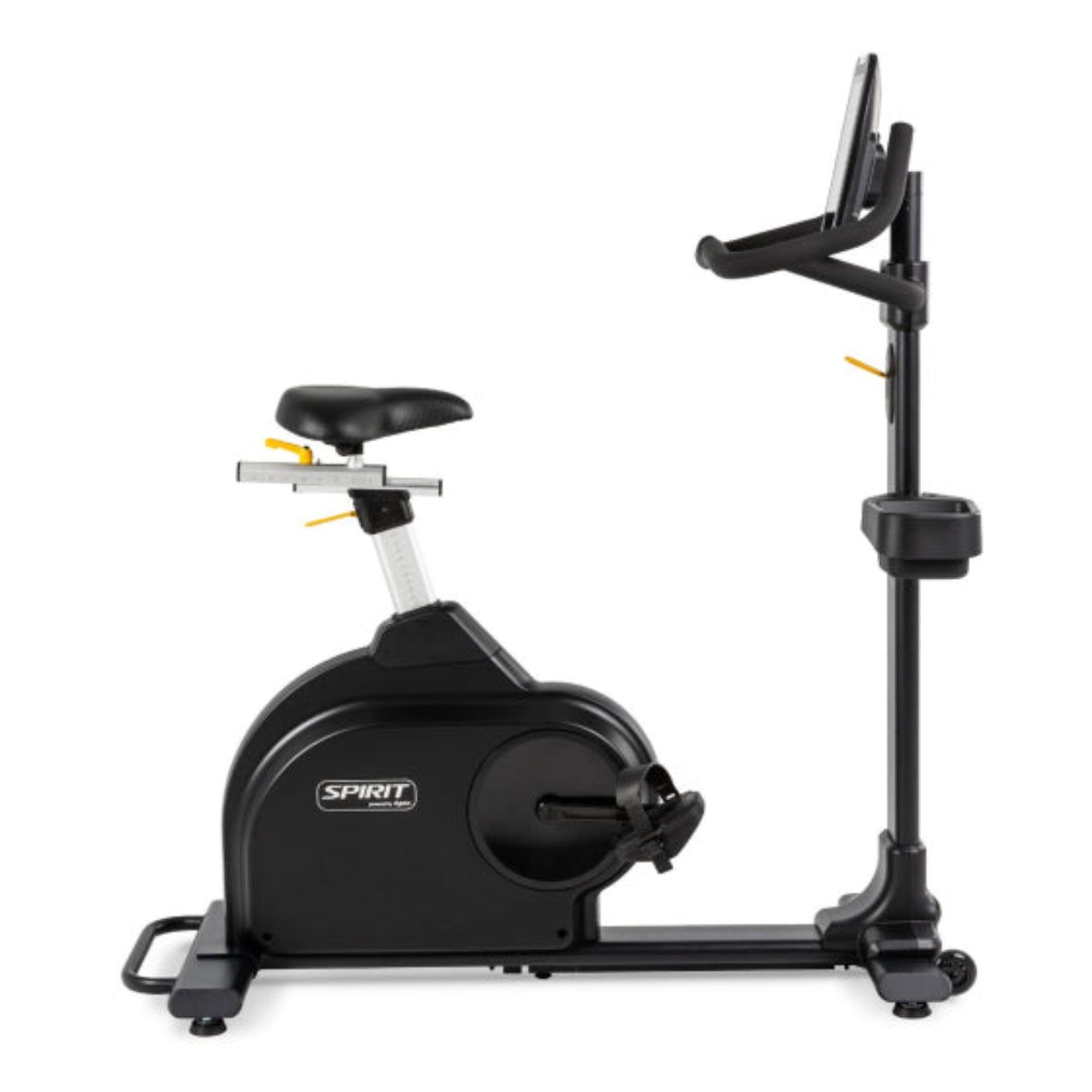
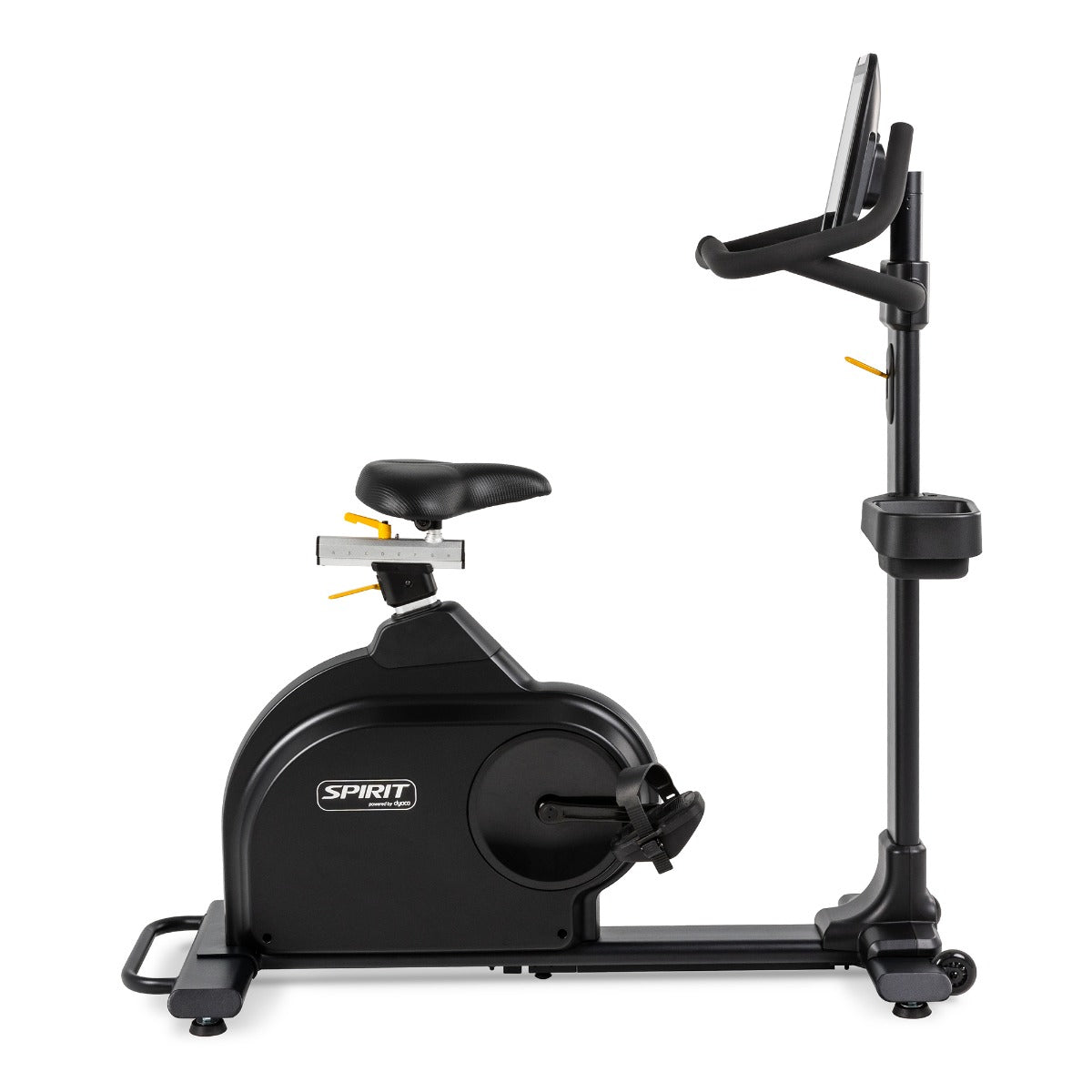
Spirit Fitness Rehab 8.0U Upright Bike
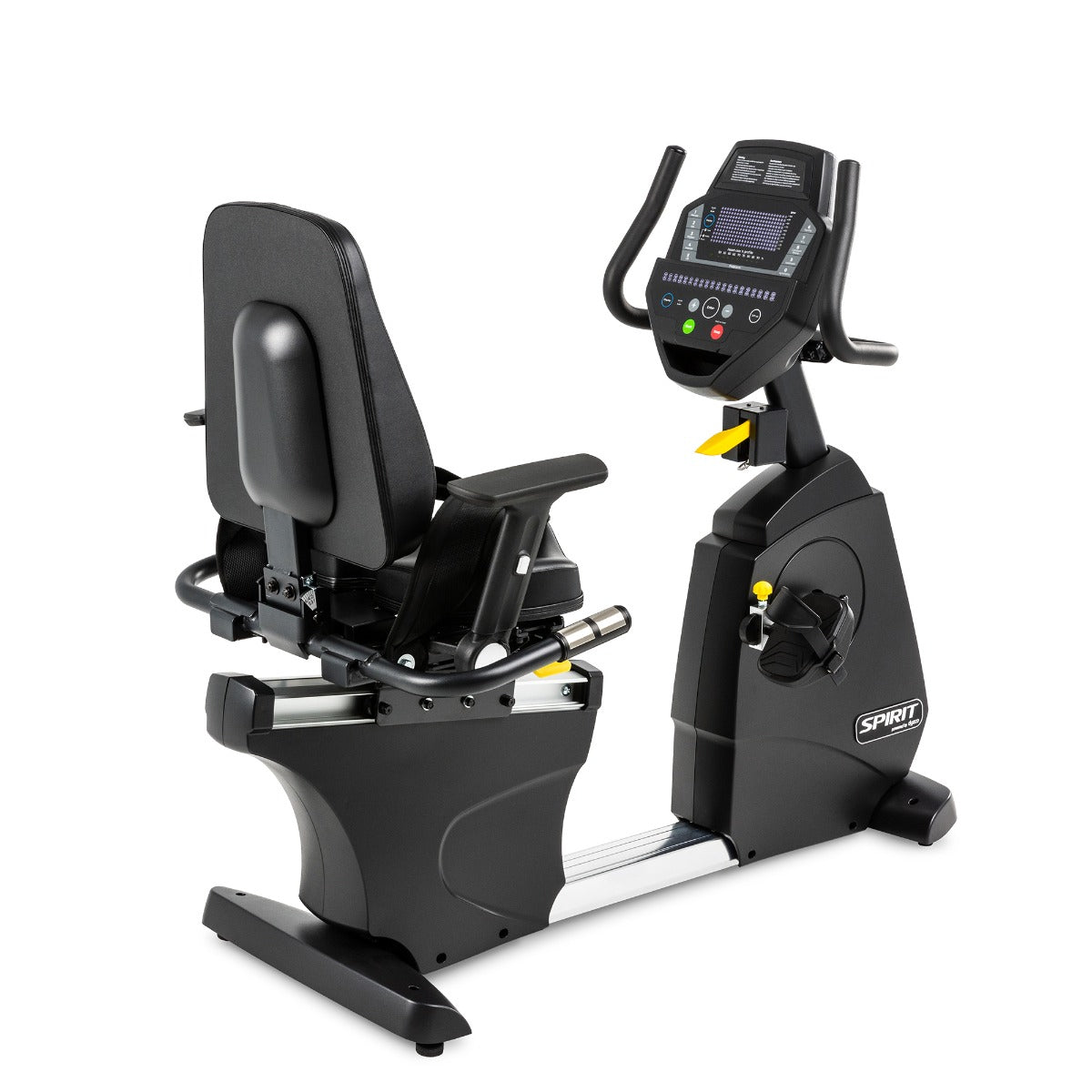
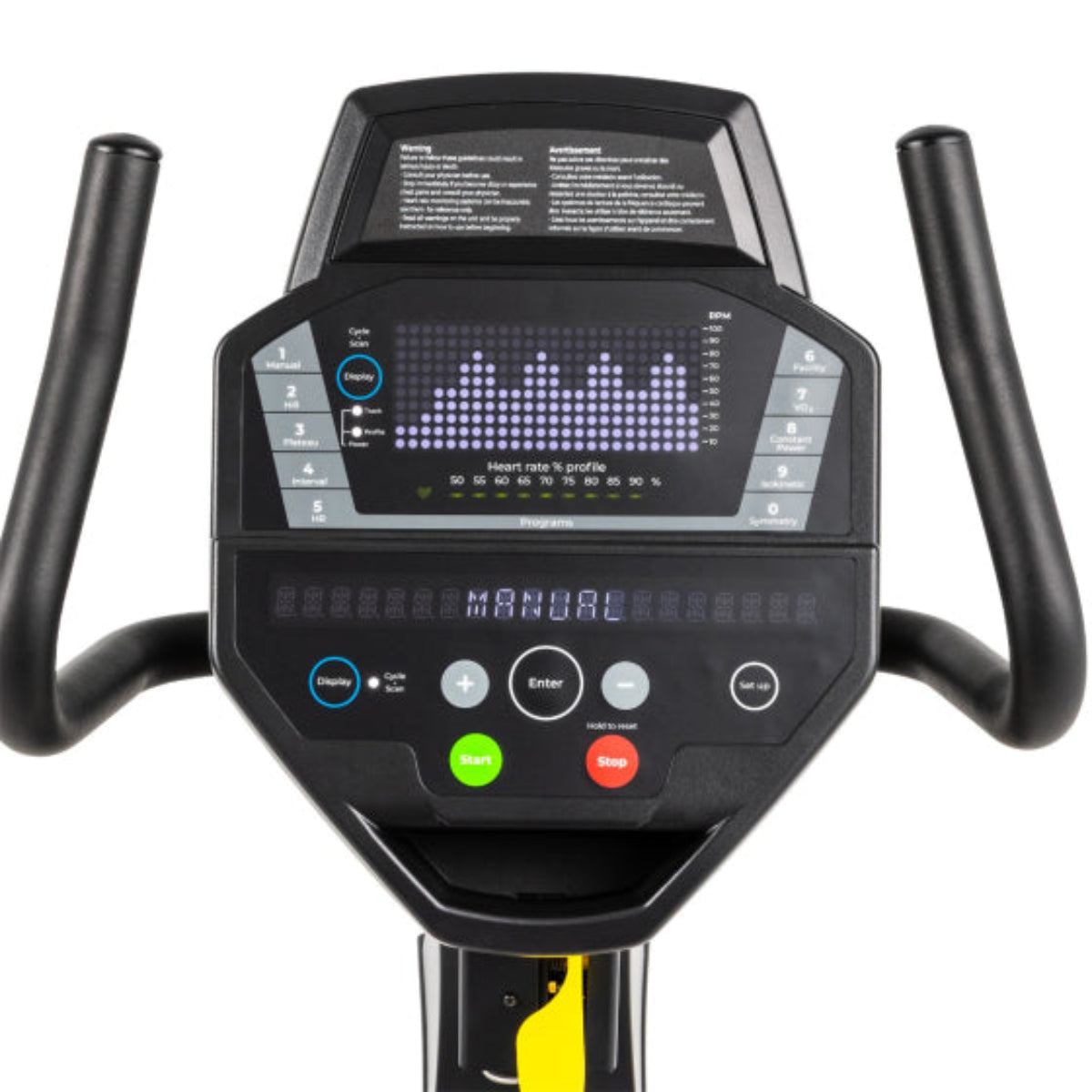
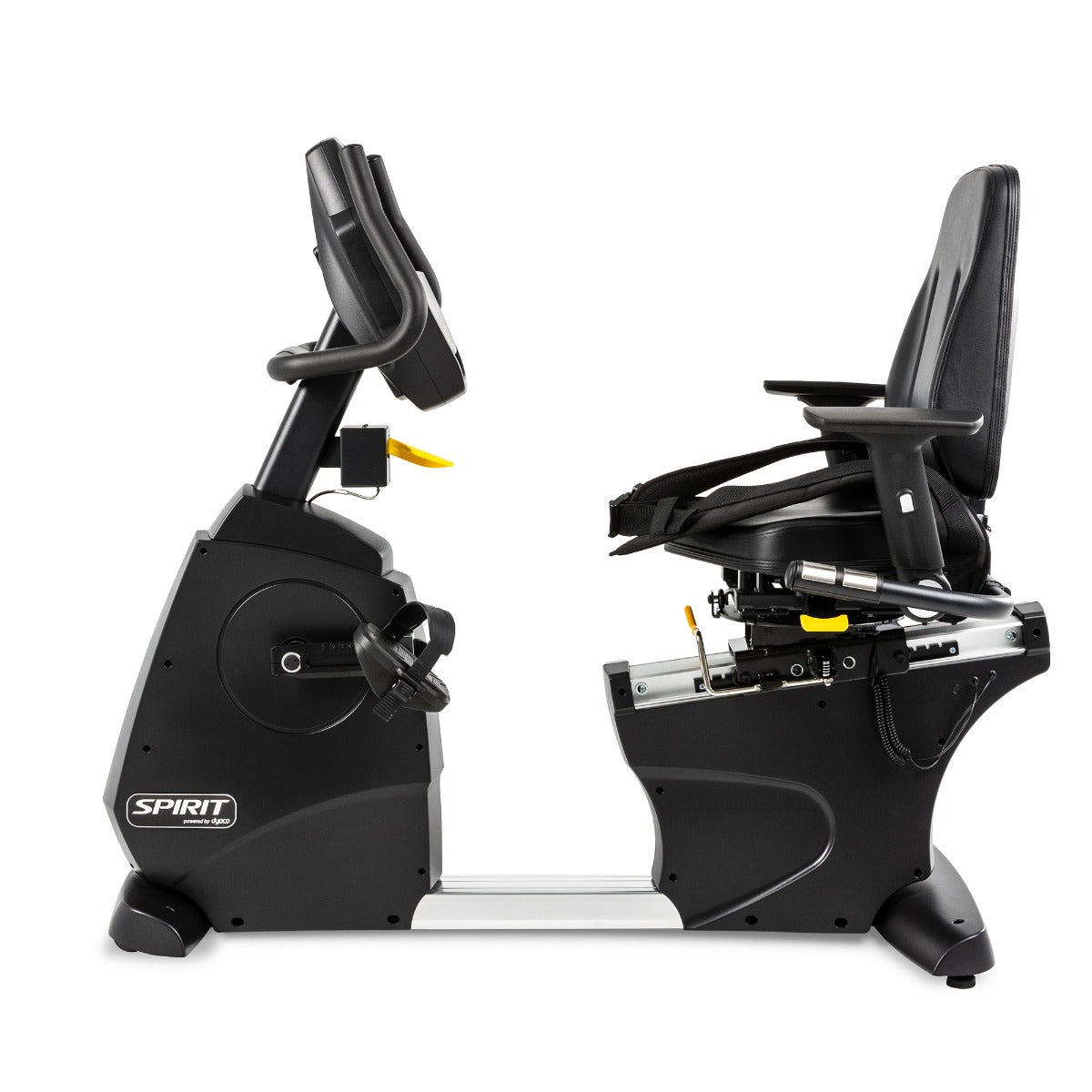
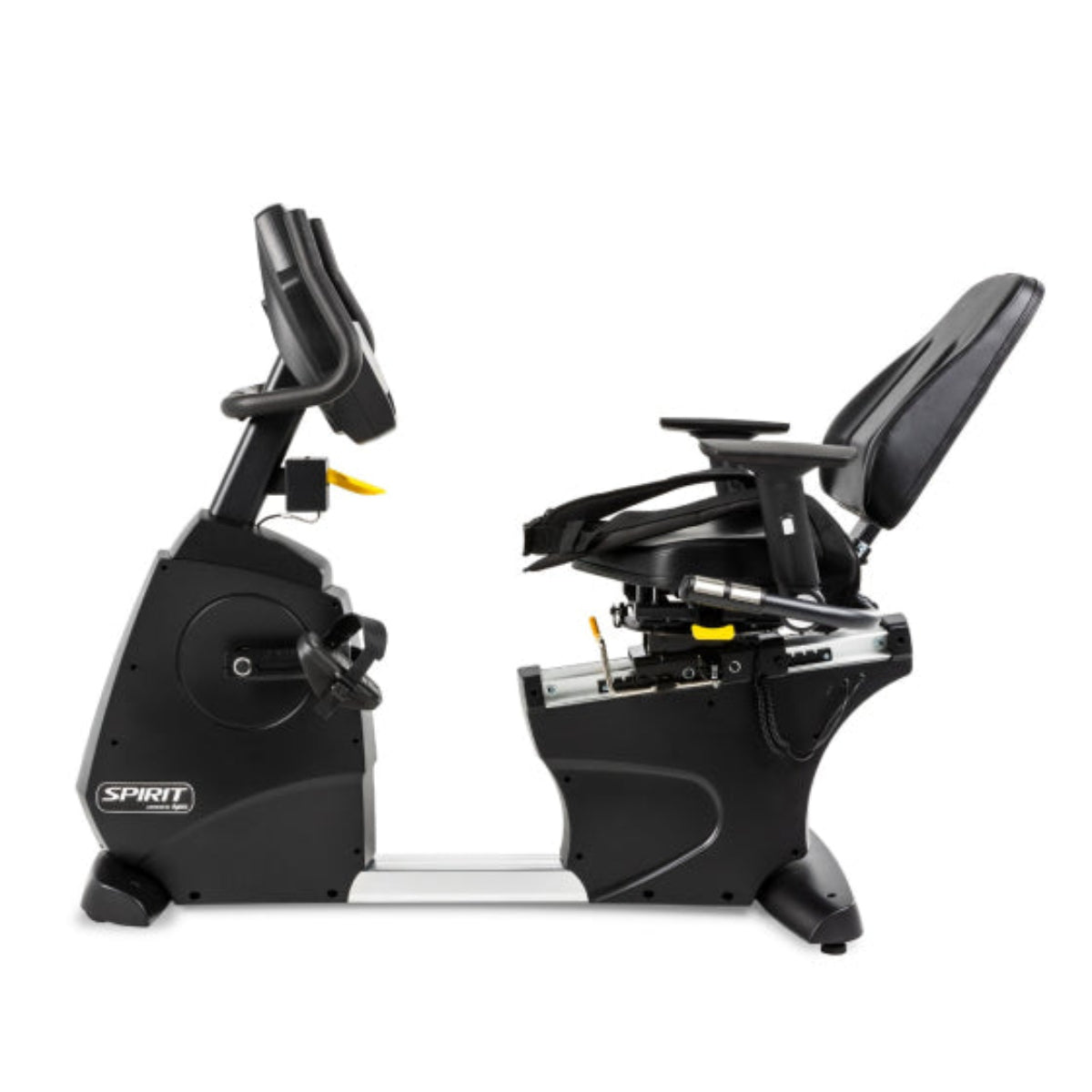
Spirit Fitness Rehab 7.0R Recumbent Bike


Designed for Safe, Accessible Cardio
Rehab and low step-through exercise bikes are built to make getting on and off the bike as easy and secure as possible. With open frames, low entry heights, and stable construction, these bikes reduce the risk of strain or imbalance during entry and exit. This design is especially important for users recovering from injury, managing joint conditions, or prioritizing comfort and safety during workouts.

Who These Bikes Are Best For
Low step-through bikes are commonly used by older adults, individuals in physical therapy or post-rehab programs, and anyone who prefers a more accessible cardio option. They are also well suited for shared spaces such as medical offices, wellness centers, and home gyms where multiple users may have different mobility needs.
Comfort-Focused Features That Matter
Many rehab-focused bikes emphasize upright or semi-recumbent riding positions, wide pedals with secure straps, adjustable seating, and easy-to-read consoles. Smooth resistance systems allow users to increase intensity gradually without sudden changes in load, supporting consistent progress without unnecessary joint stress.
Home and Light Commercial Applications
These bikes are frequently found in home gyms, senior living facilities, rehabilitation clinics, and wellness rooms. Their quiet operation, compact footprint, and intuitive controls make them easy to integrate into spaces where simplicity and reliability are essential.
Trusted Brands and Long-Term Reliability
This collection features low step-through and rehab-friendly bikes from respected fitness manufacturers known for durable frames, smooth biomechanics, and dependable performance. Each model is selected to support daily use while maintaining comfort and safety over time.
Choosing the Right Rehab or Low Step-Through Exercise Bike
Rehab and low step-through exercise bikes play a unique role in fitness and recovery environments. Unlike traditional upright or spin bikes, these models are designed to remove barriers to movement while still delivering effective cardiovascular training.
What Makes a Bike “Rehab-Friendly”
The most defining feature of a rehab-focused bike is its open or step-through frame. This allows users to mount the bike without lifting a leg high or navigating around bulky frames. Combined with stable bases and balanced flywheel systems, these bikes create a controlled, predictable riding experience.
Supportive seating is another key factor. Many low step-through bikes include contoured seats, back support, and extended adjustment ranges to accommodate different body types and mobility levels.
Low-Impact Training Without Compromise
Low step-through bikes are often chosen for joint-friendly workouts, but that does not mean they are limited to extremely light use. Adjustable resistance systems allow users to progress gradually, making these bikes suitable for everything from gentle rehab sessions to steady-state cardio.
This makes them especially valuable for users transitioning from physical therapy into regular fitness routines.
Common Use Cases
Rehab and low step-through bikes are frequently used for:
-
Physical therapy and post-injury recovery
-
Low-impact cardiovascular conditioning
-
Senior fitness and wellness programs
-
Warm-ups and active recovery sessions
-
Shared fitness spaces with diverse users
Because they are intuitive and easy to operate, they reduce learning curves and help users stay consistent.
Upright vs. Recumbent Step-Through Bikes
Some low step-through bikes maintain a traditional upright position, while others feature a recumbent-style seat with back support. Upright models tend to feel more familiar to riders who prefer a standard cycling posture, while recumbent designs offer additional support for the lower back and hips.
The best option depends on the user’s comfort preferences, balance needs, and recovery goals.
Integrating Rehab Bikes Into a Fitness Space
These bikes work well as standalone cardio options or as part of a broader wellness setup. Many facilities pair them with treadmills set at low speeds, seated steppers, or light strength equipment to create a balanced, accessible training environment.
For home users, a rehab bike often becomes a dependable daily-use machine thanks to its comfort and ease of access.
FAQs
Are low step-through bikes good for rehab?
What’s the difference between a rehab bike and a standard upright bike?
Can these bikes be used every day?