


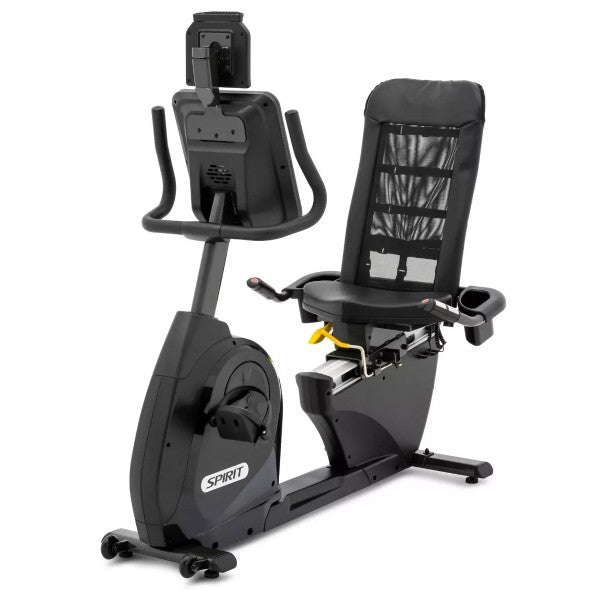
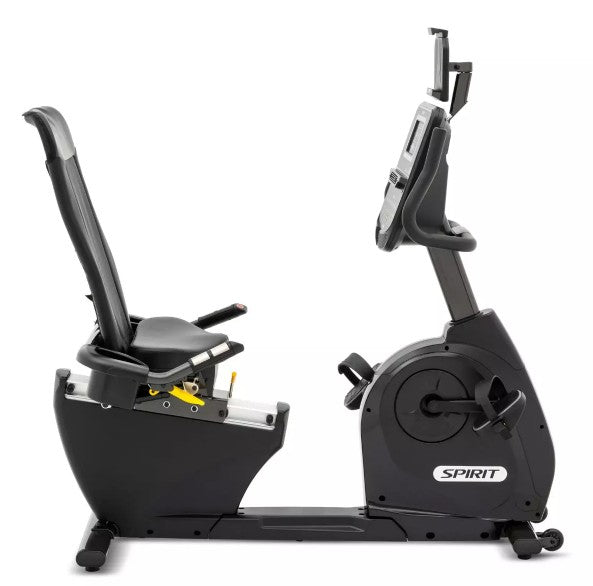
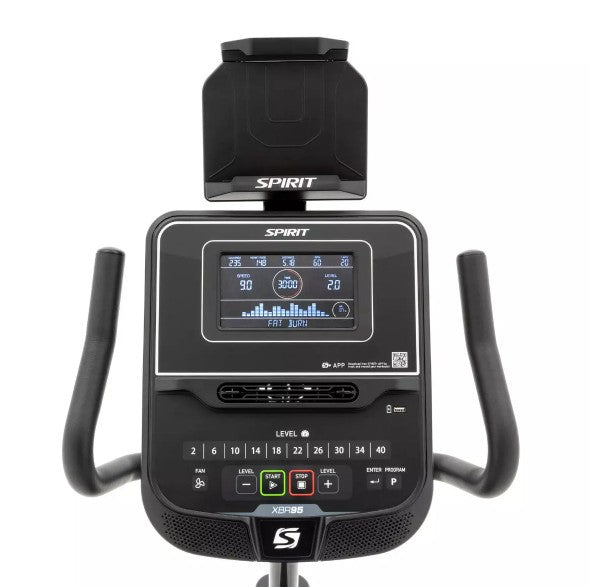
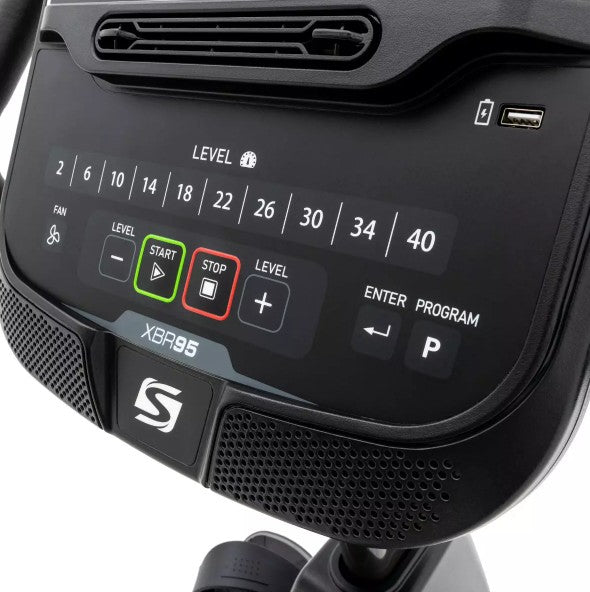
Spirit Fitness XBR95 Recumbent Bike
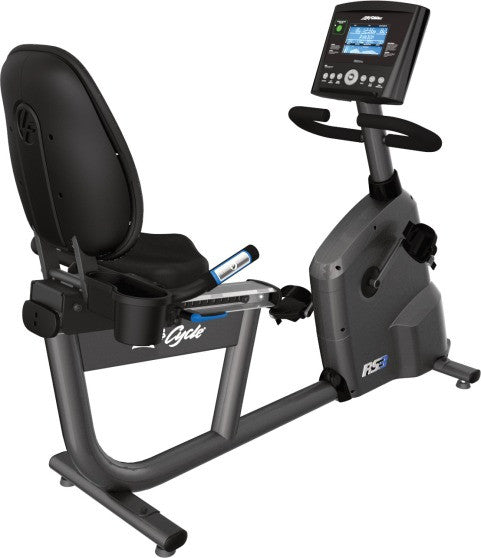
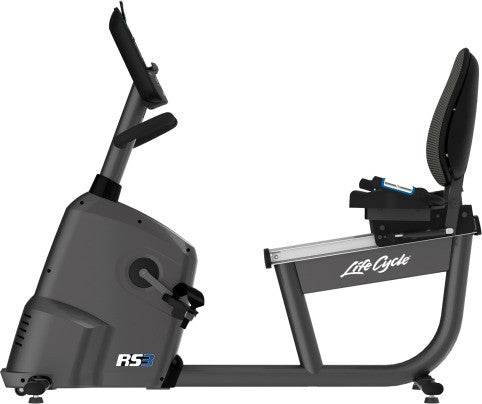
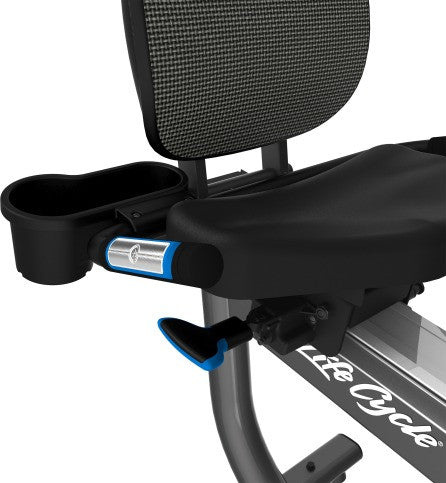
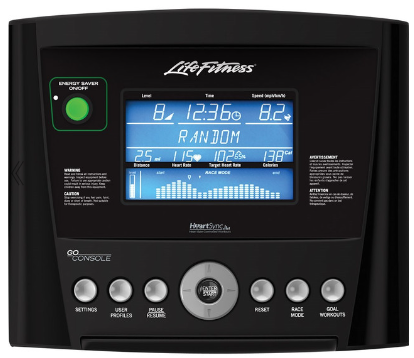
Life Fitness RS3 Recumbent Bike


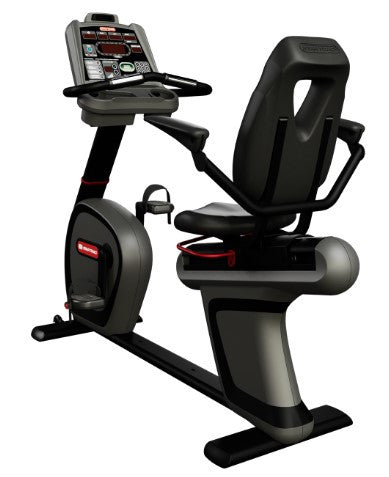

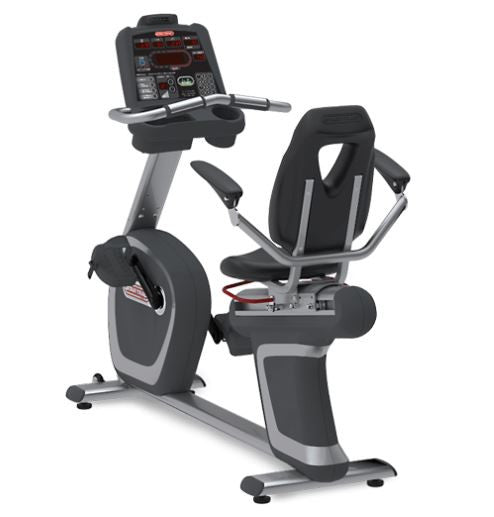
Star Trac S Series Recumbent Bike
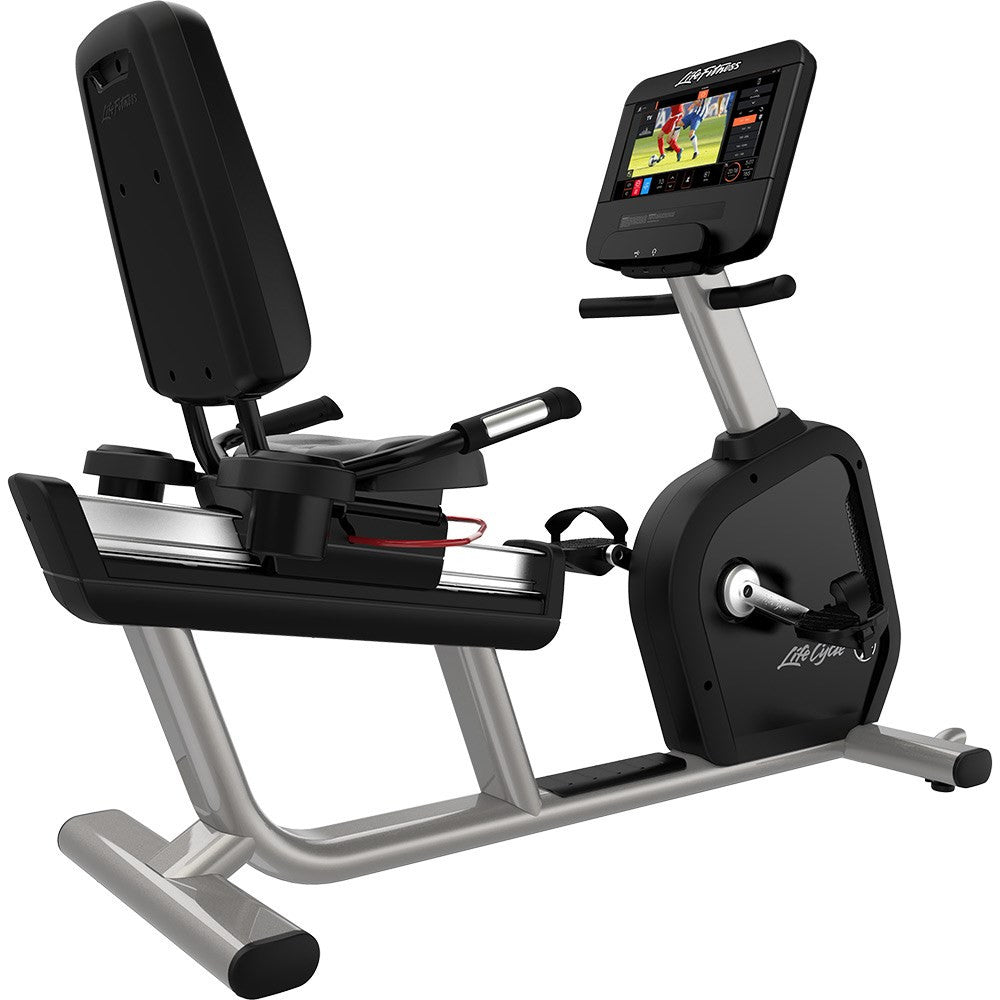
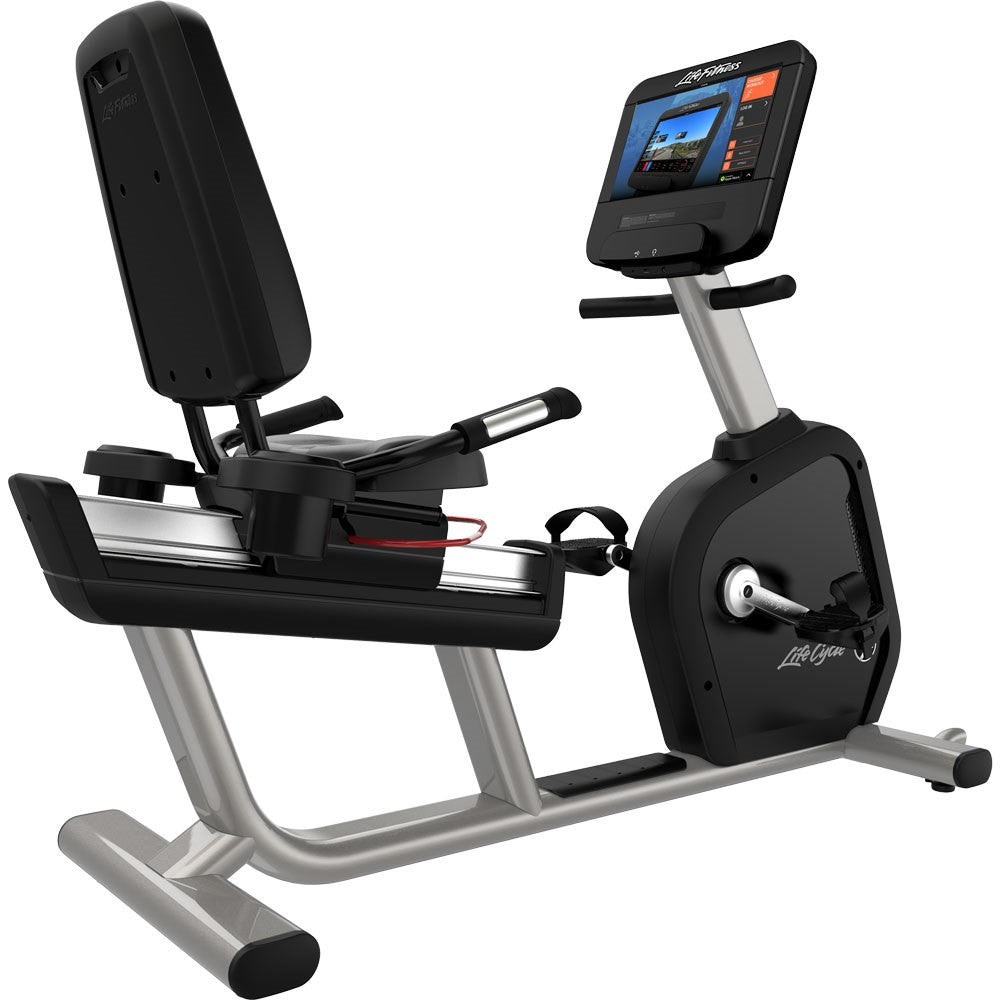
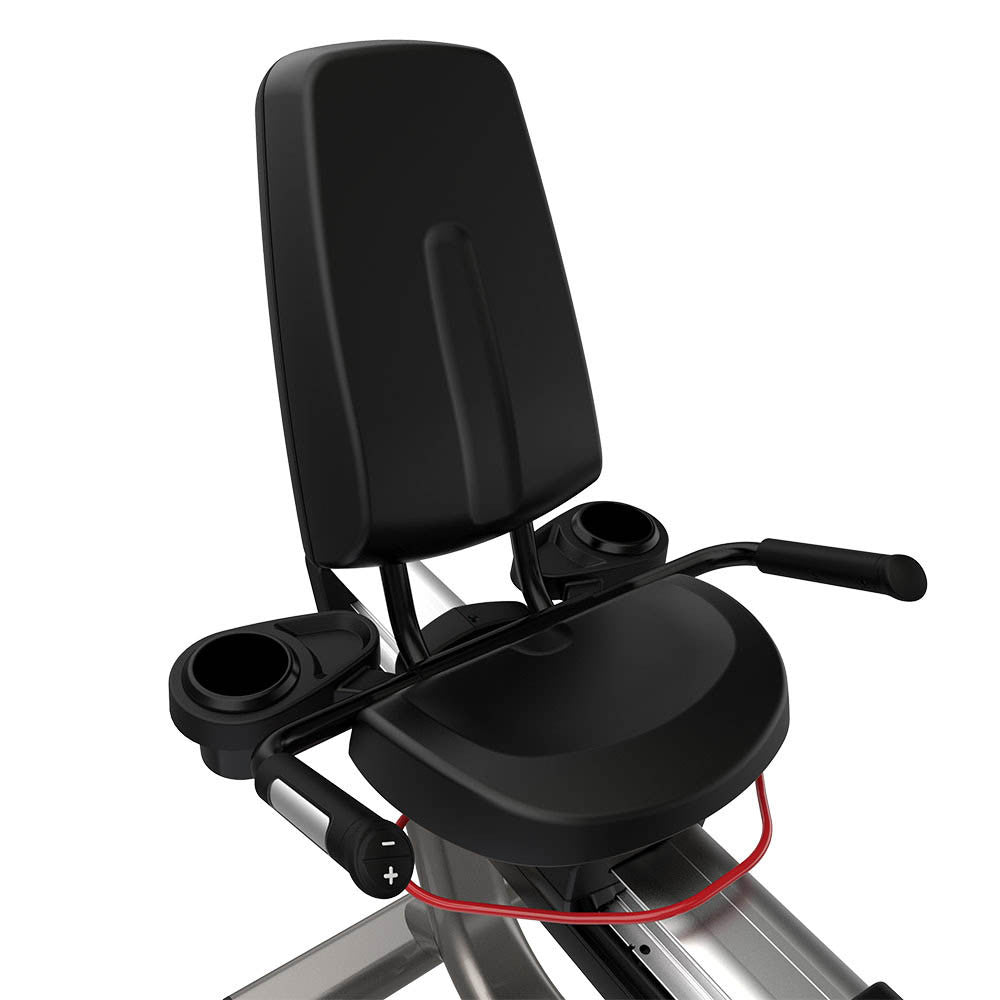
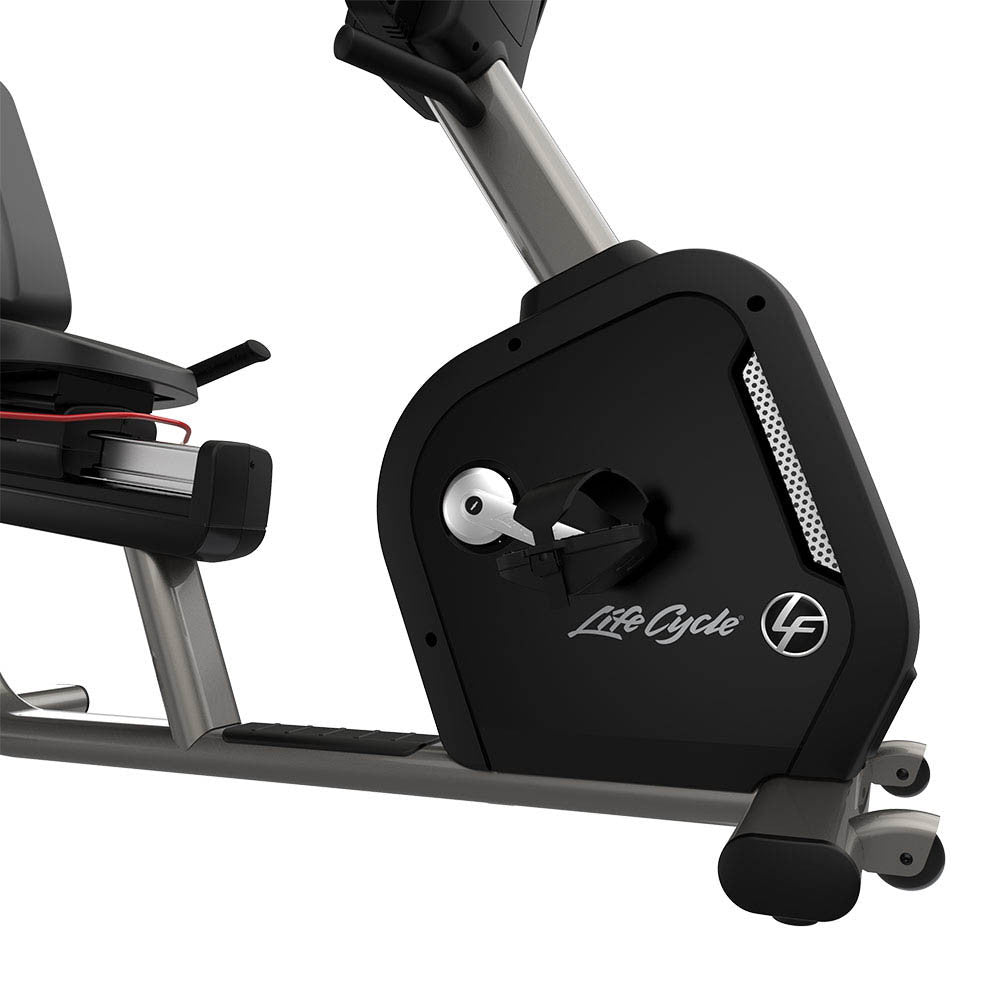


Spirit Fitness CR900 Recumbent Bike
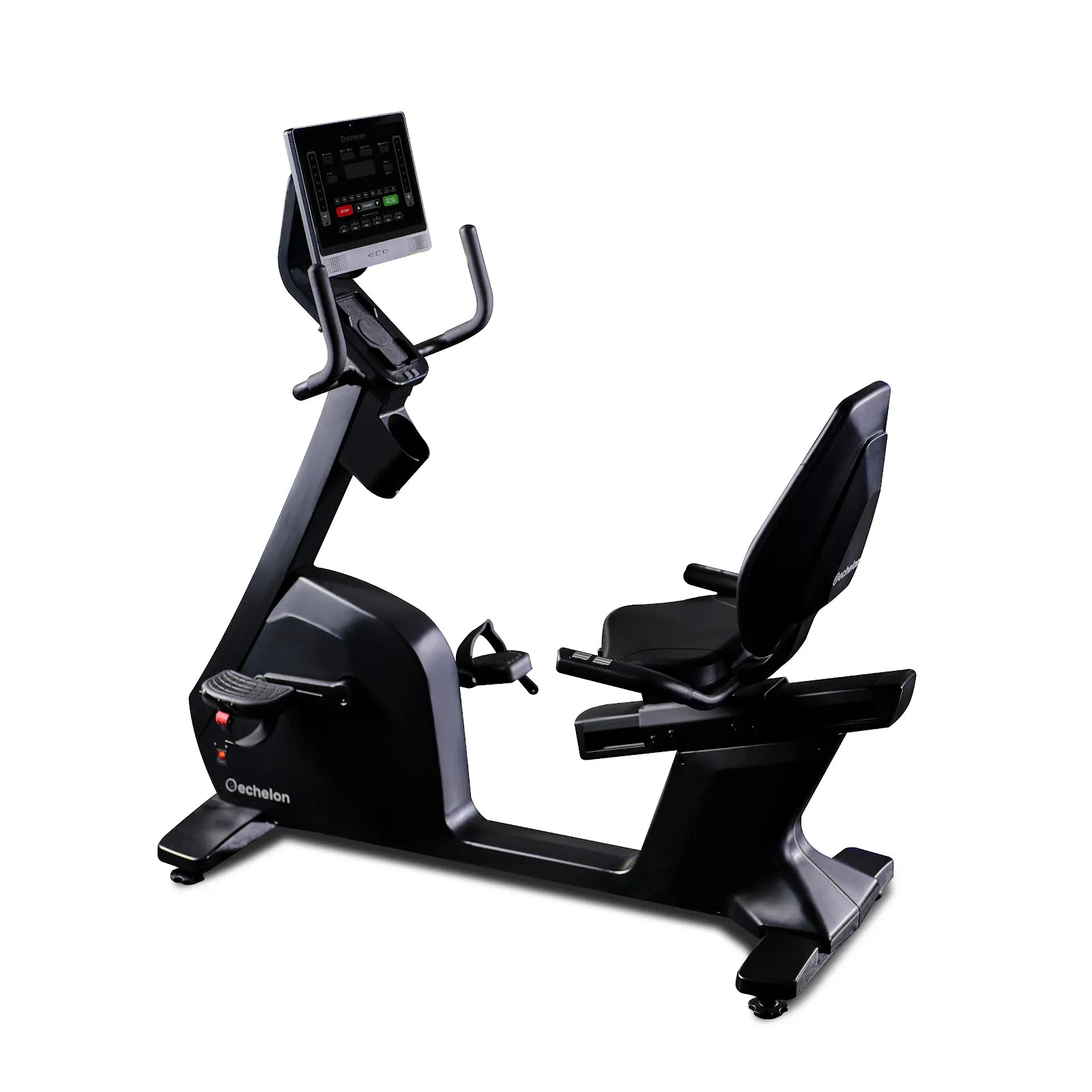
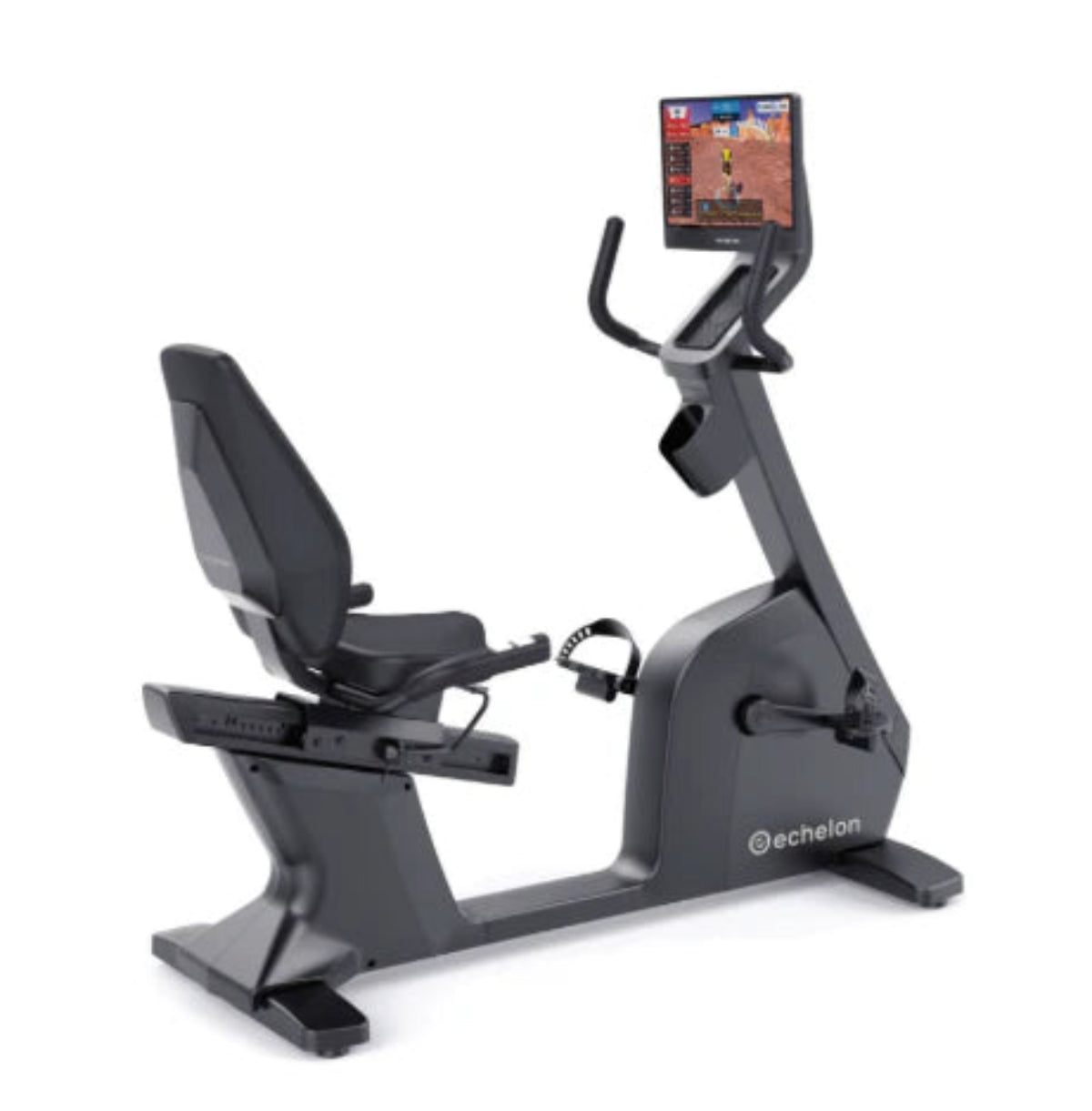
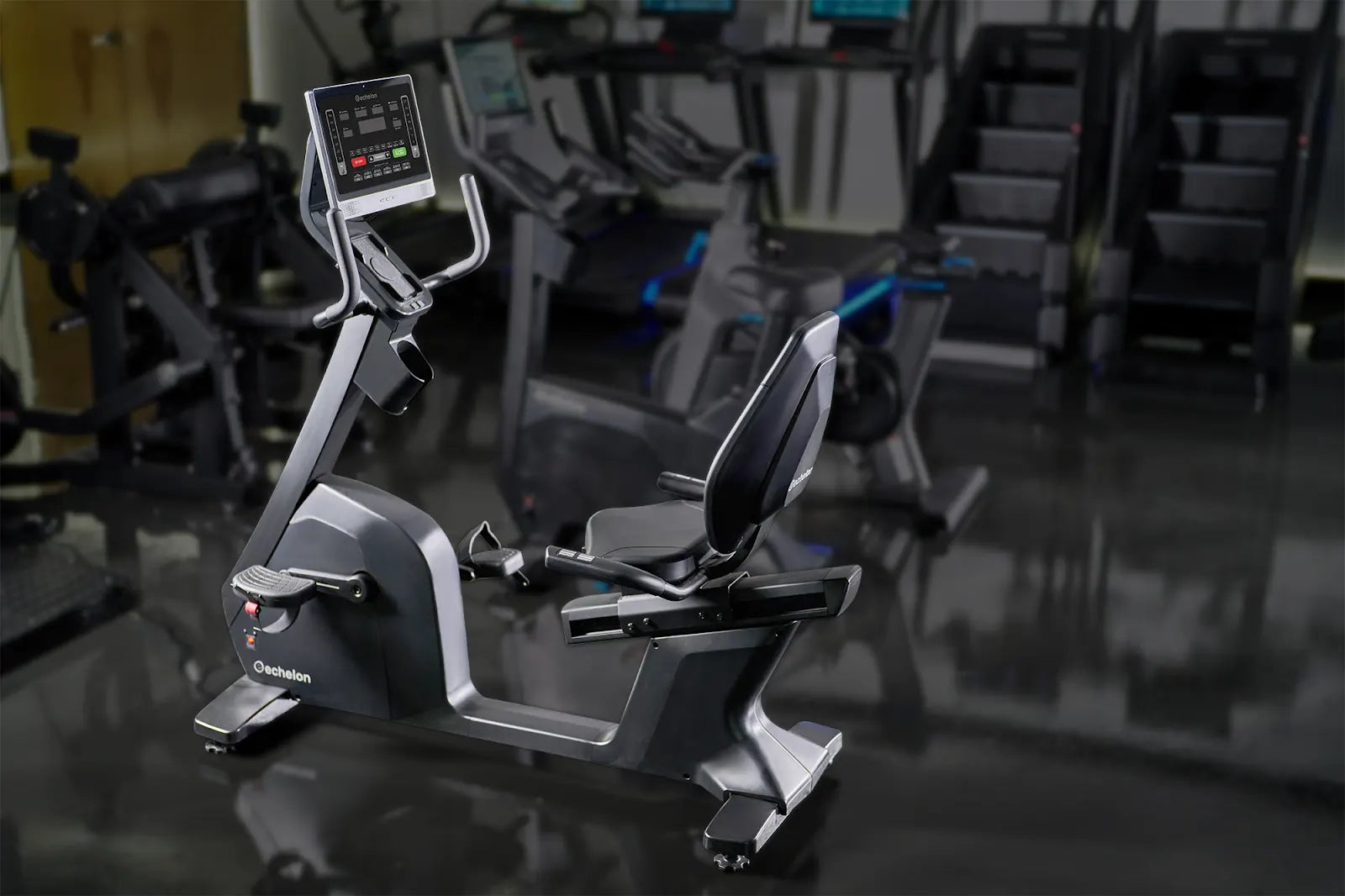
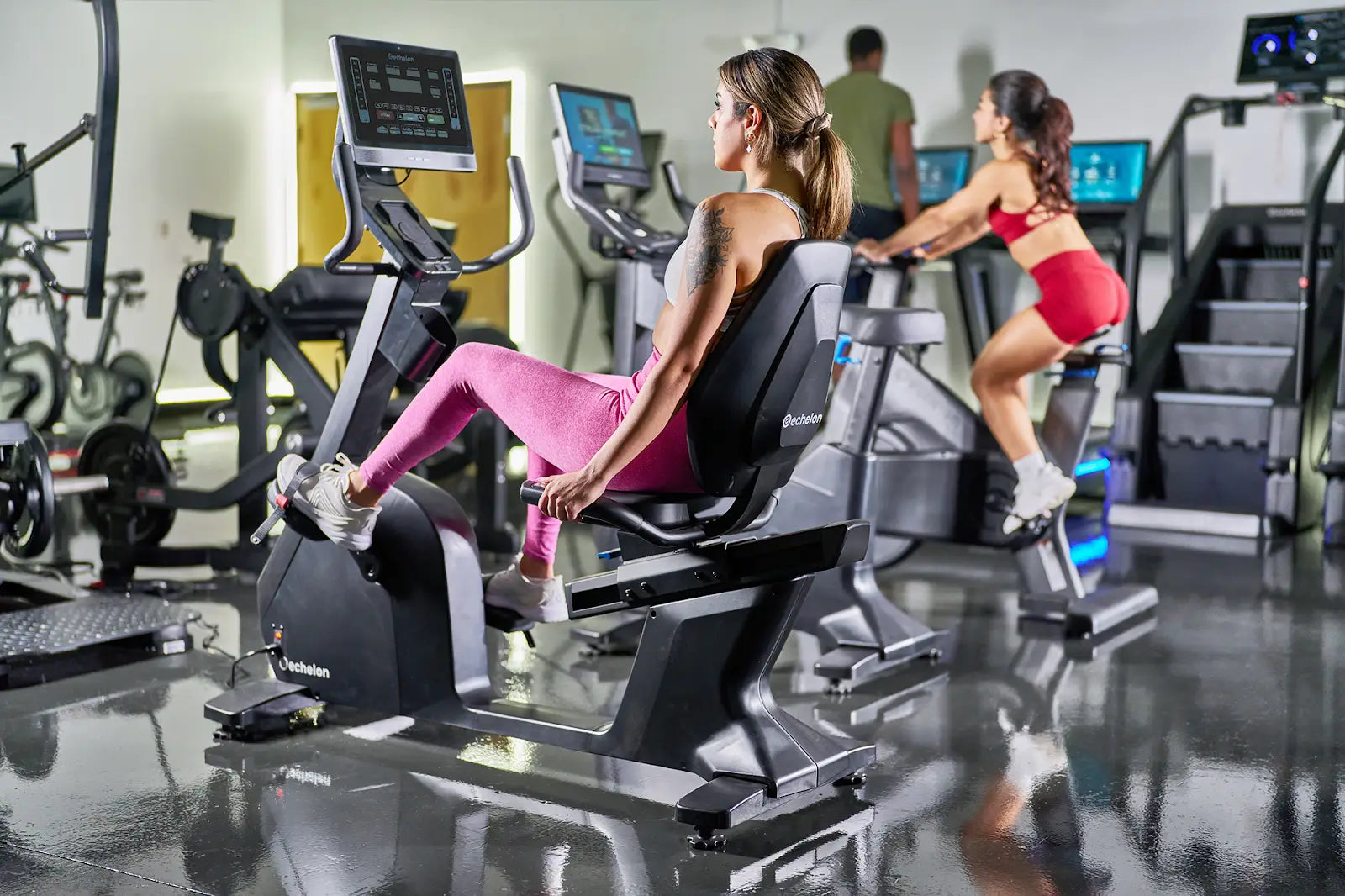
Echelon Connect Recumbent Pro Bike
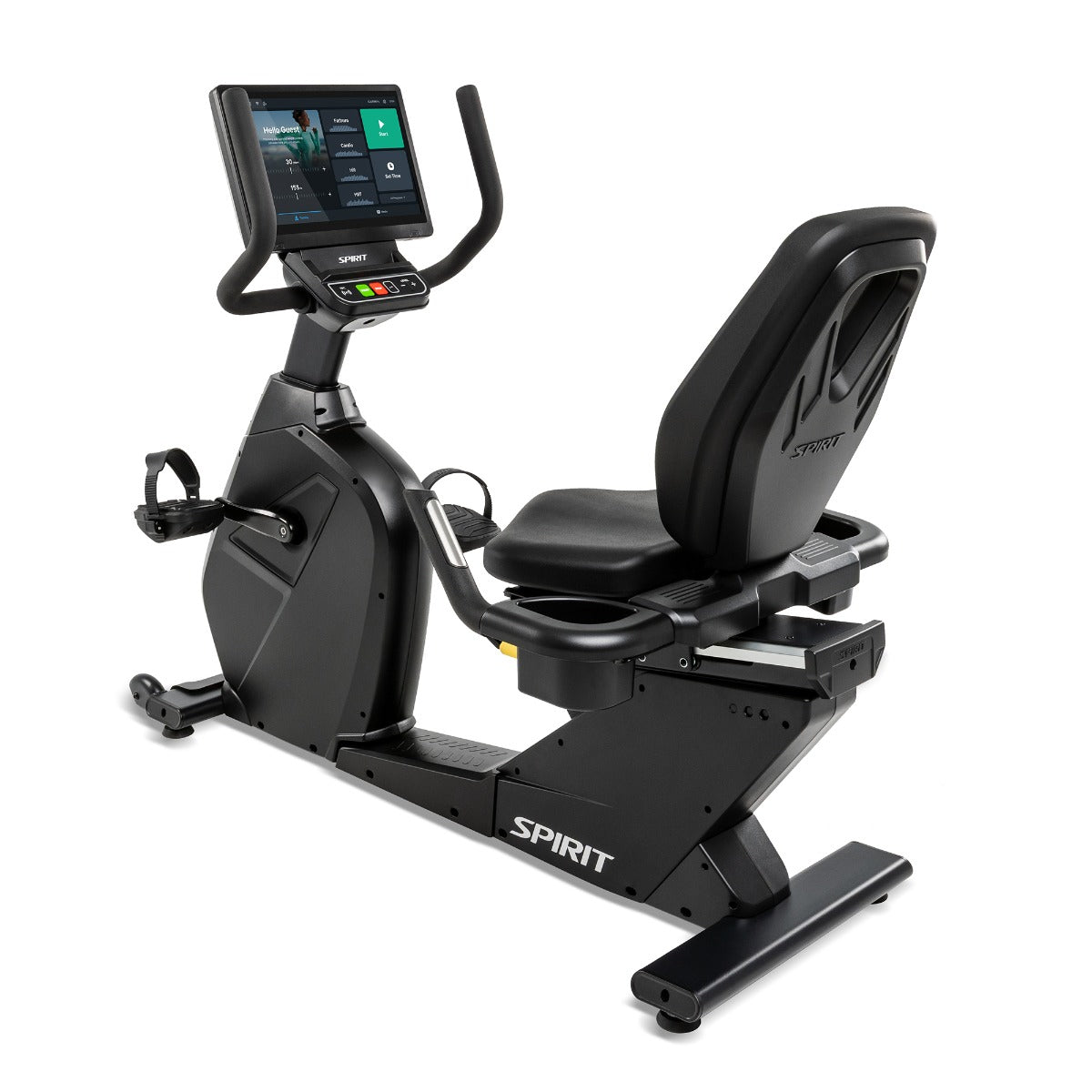
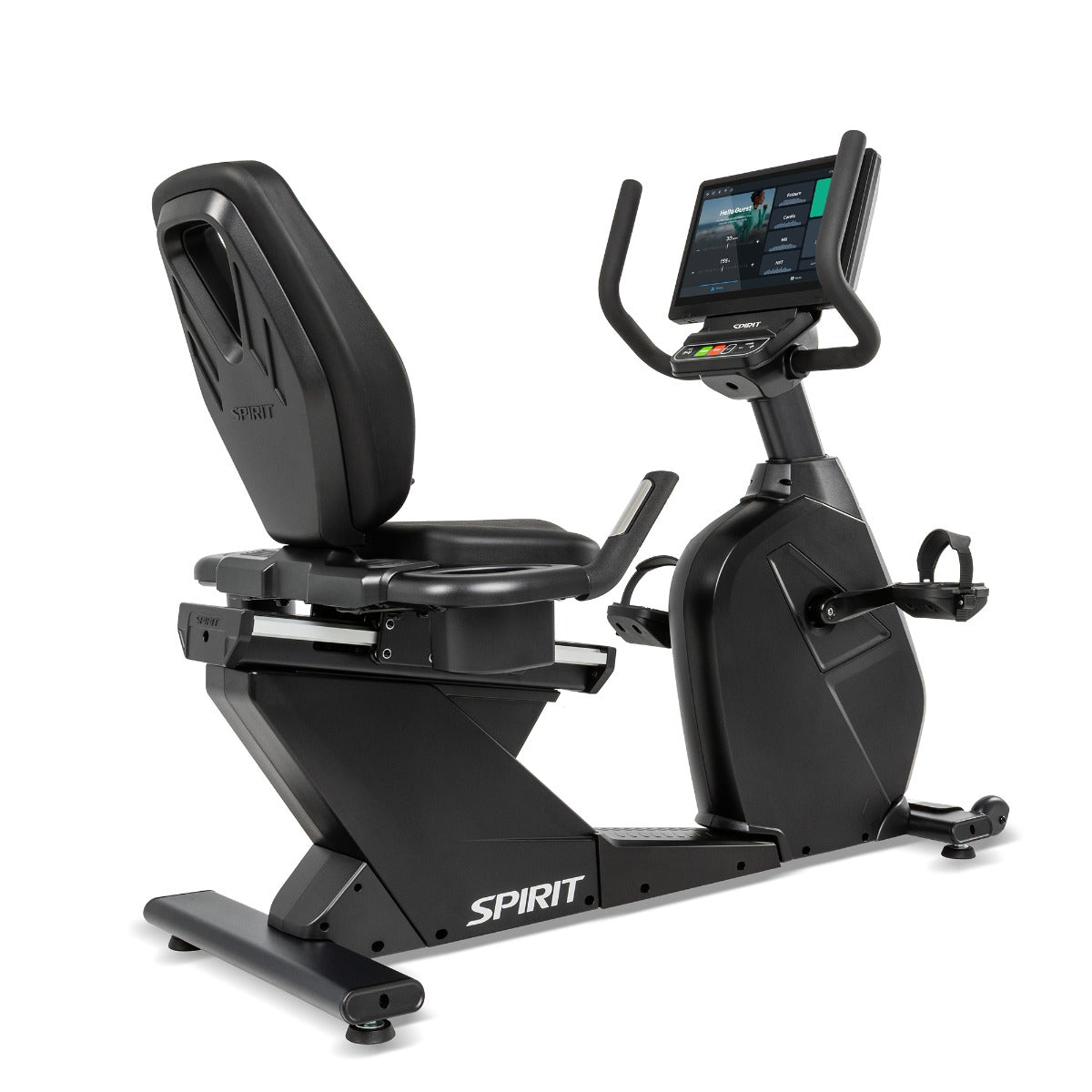
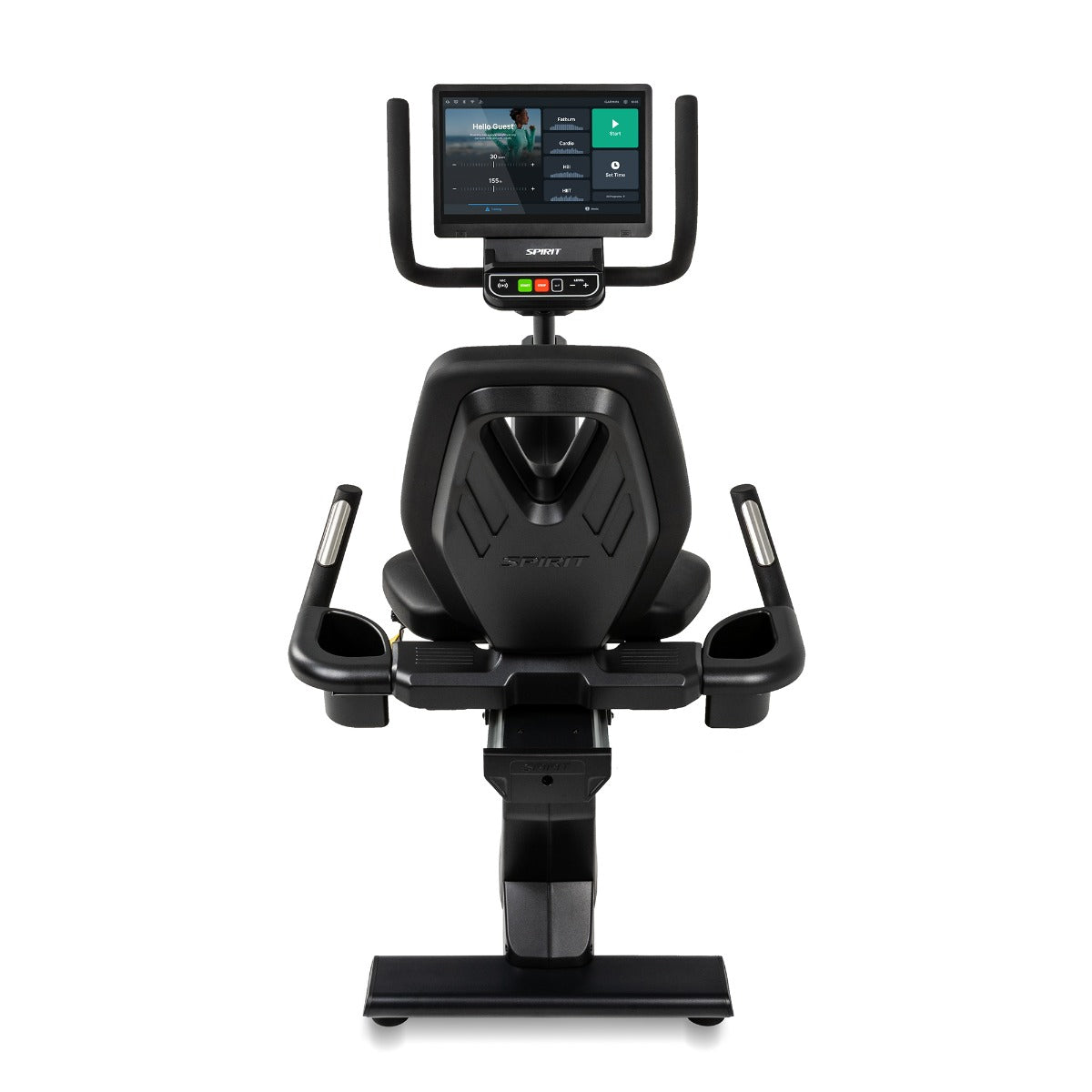
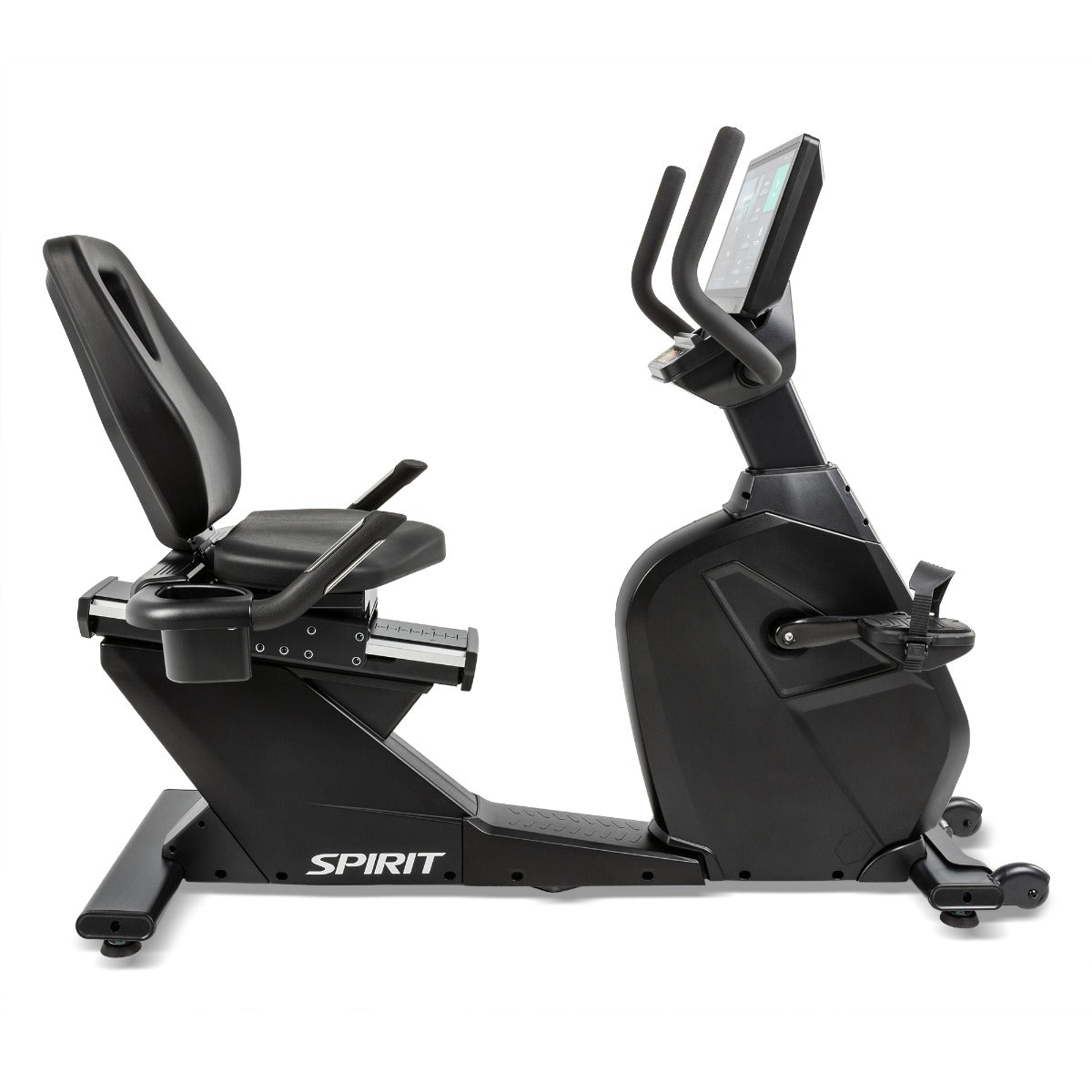
Spirit Fitness CR1000ENT Recumbent Bike
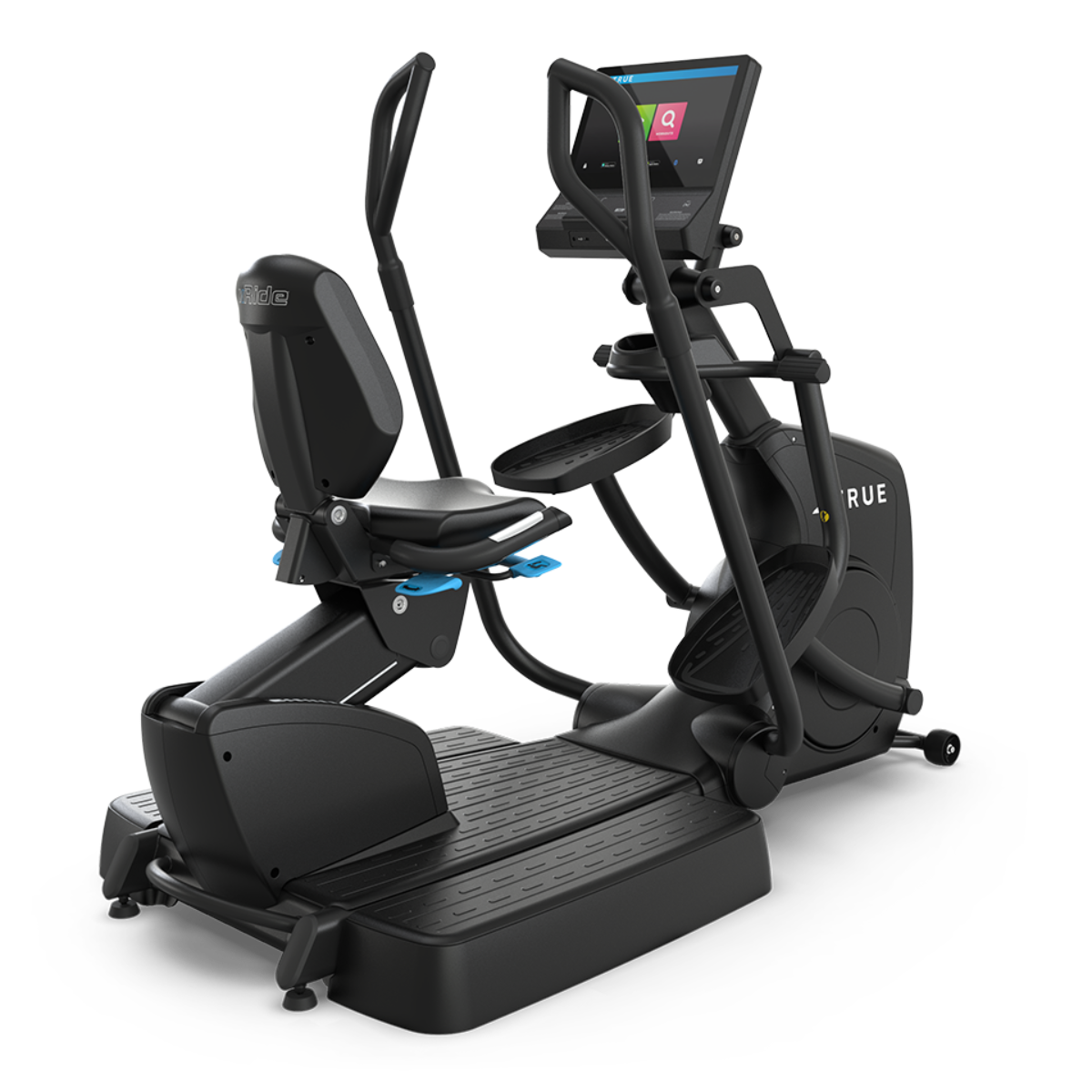
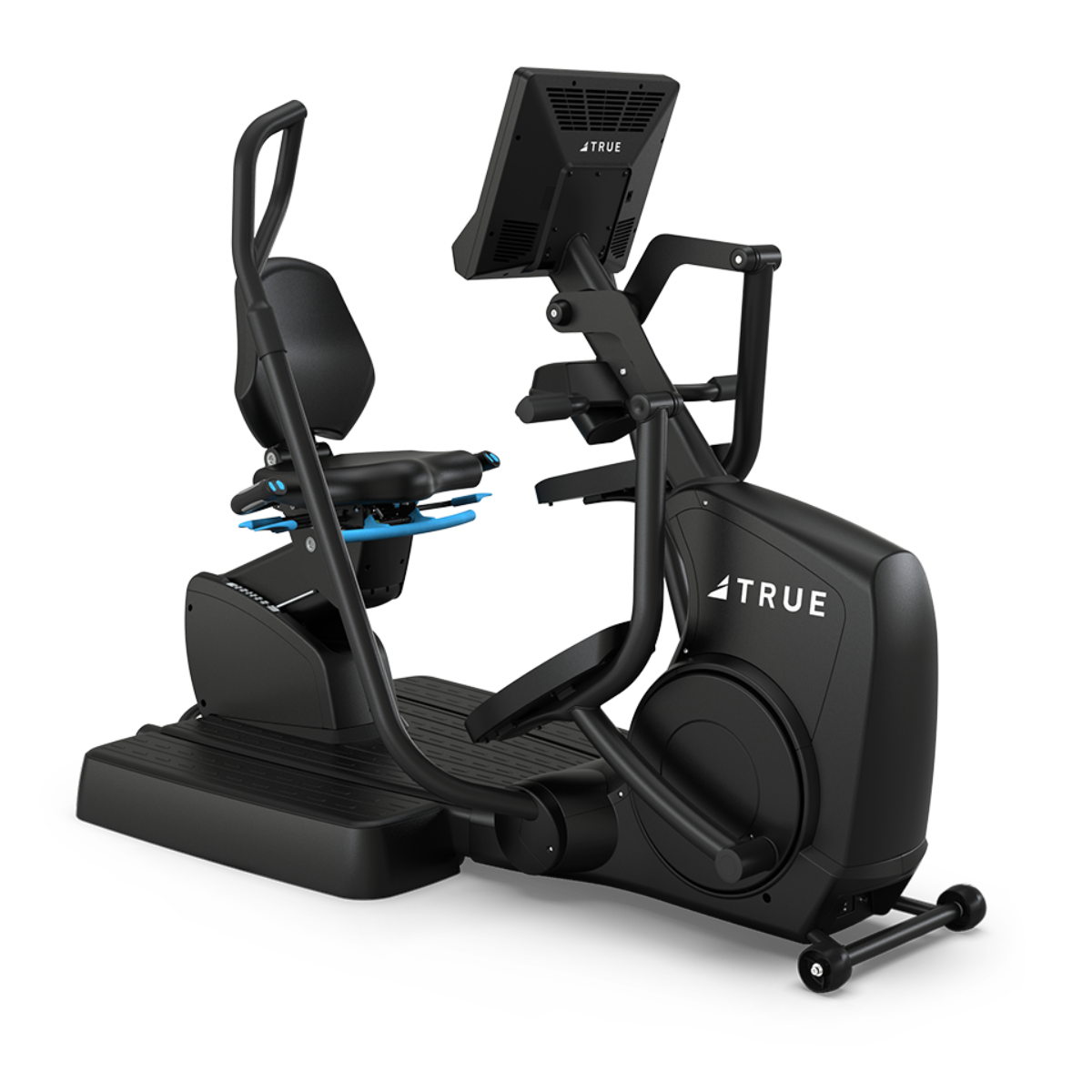
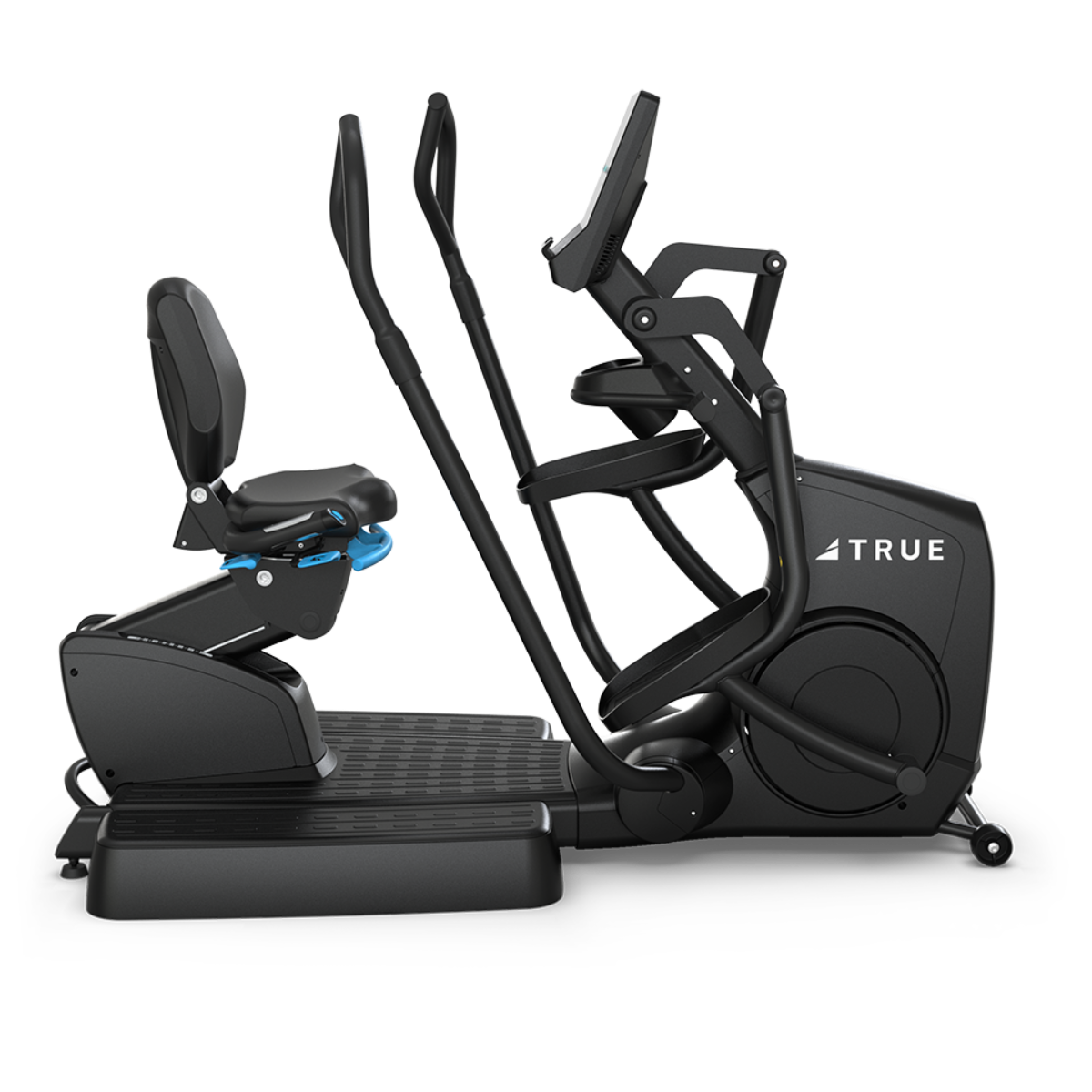
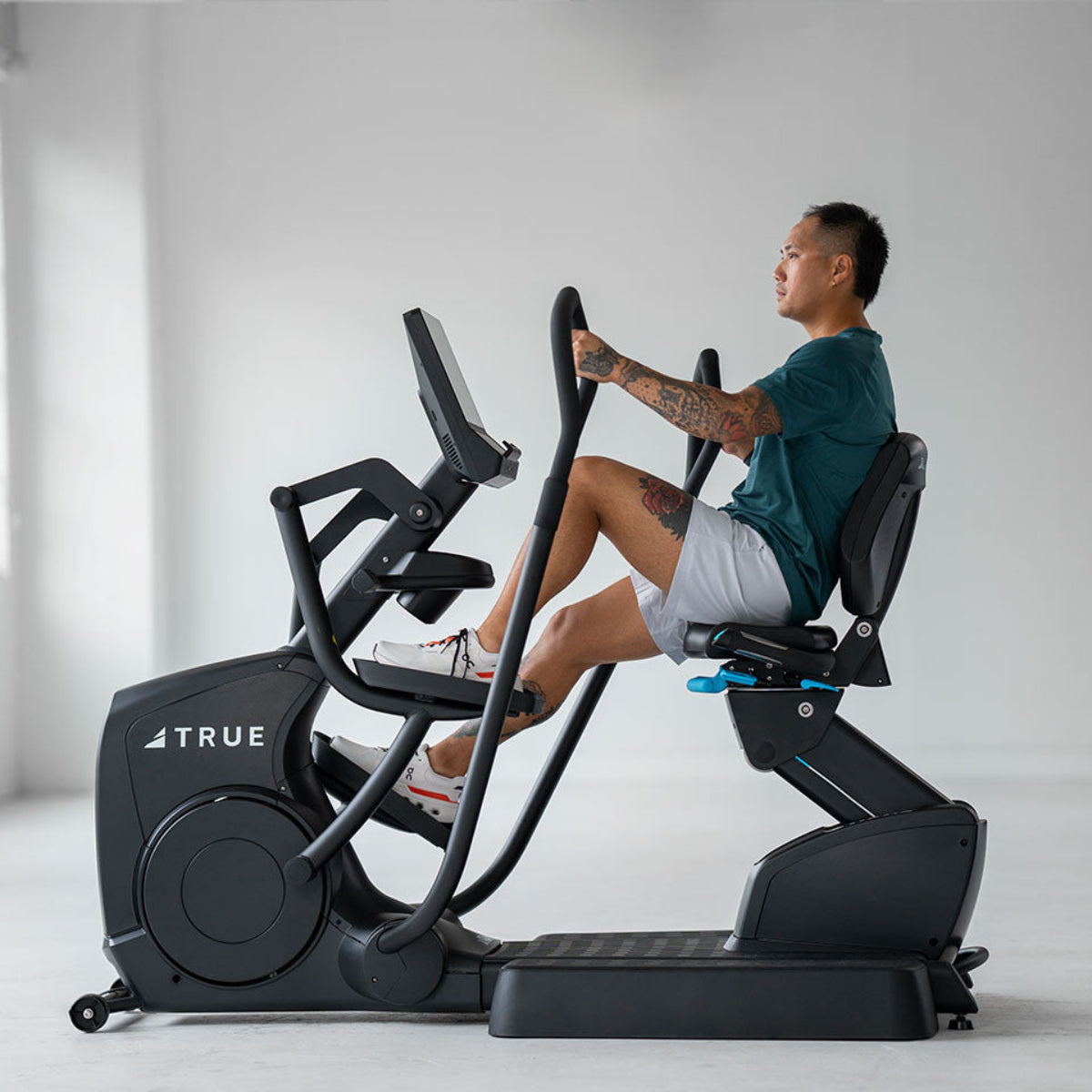
True Fitness Apex Recumbent Elliptical


Spirit Fitness CR800ENT Recumbent Bike


Landice R9 ACHIEVE Recumbent Bike
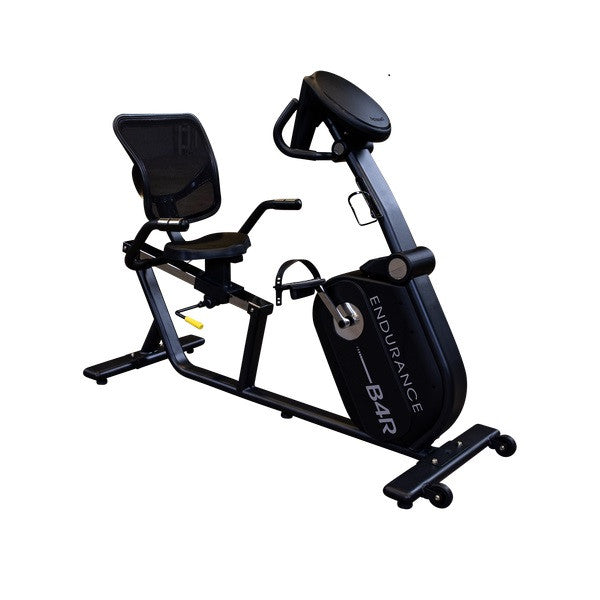
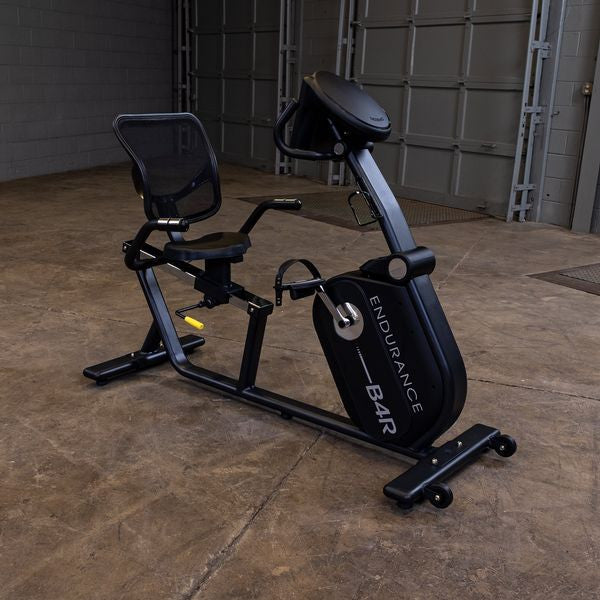
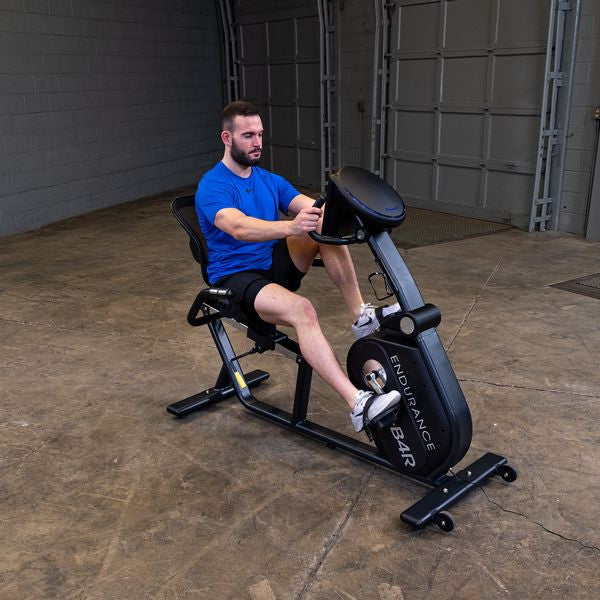
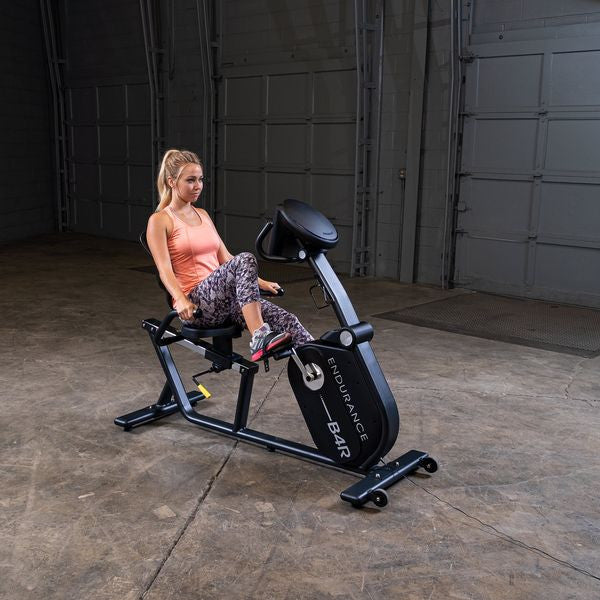
Body-Solid Endurance B4RB Recumbent Bike
Find the Right Recumbent Exercise Bike for Home Fitness
Recumbent exercise bikes are designed to deliver effective cardiovascular workouts while prioritizing comfort and joint support. With a reclined seating position and backrest, these bikes are ideal for users who want low-impact cardio without placing stress on the knees, hips, or lower back.

Comfortable, Joint-Friendly Cardio Training
Unlike upright bikes, recumbent bikes position the rider in a more relaxed posture with pedals placed forward of the body. This design helps reduce strain on joints and provides added stability, making recumbent bikes a popular choice for longer workout sessions, recovery-focused training, and everyday cardio.
Ideal for a Wide Range of Users
Recumbent exercise bikes are commonly used by beginners, older adults, and anyone seeking a more comfortable cardio option. They are also well suited for users returning to exercise, managing joint discomfort, or sharing equipment in a household where ease of use and adjustability matter.
Trusted Brands and Reliable Performance
This collection features recumbent exercise bikes from respected fitness brands known for durable construction, smooth resistance systems, and quiet operation. Each model is selected to support consistent performance and long-term reliability, helping users invest confidently in recumbent bikes built for regular home or light commercial use.
Using a Recumbent Exercise Bike in a Home Fitness Routine
Recumbent exercise bikes are often chosen for their ability to support consistent, repeatable workouts. Many users rely on them for steady cardio sessions that improve endurance and cardiovascular health without placing excessive demands on balance or coordination. Because the riding position is stable and supported, workouts can be longer and more comfortable, which helps users maintain regular training schedules.
Recumbent bikes are commonly used as a primary cardio machine in home gyms, but they also work well as a complement to strength training. They are frequently used for warm-ups, cooldowns, and active recovery days between more demanding workouts.
Recumbent Bikes Compared to Other Cardio Equipment
When comparing cardio machines, recumbent exercise bikes stand out for their emphasis on seated comfort and controlled movement.
Compared to upright exercise bikes, recumbent models reduce the need to maintain posture throughout the workout. Upright bikes engage the core more actively, while recumbent bikes allow users to focus on leg-driven cardio in a supported position.
Compared to treadmills, recumbent bikes eliminate impact from walking or running. This makes them appealing to users who want to avoid repetitive joint stress while still maintaining cardiovascular conditioning.
Compared to ellipticals, recumbent bikes offer a fully seated workout and typically require less vertical space. Ellipticals provide more full-body engagement, while recumbent bikes prioritize comfort and steady output.
Each option serves a different purpose, but recumbent bikes are often chosen for their balance of accessibility and effectiveness.
Workout Intensity and Training Styles
Recumbent exercise bikes are versatile enough to support a variety of training approaches. Many users focus on steady-state cardio, maintaining a consistent resistance level over longer durations. Others incorporate interval-style workouts by increasing resistance for short periods and recovering at lower levels.
Because resistance changes are typically smooth and controlled, recumbent bikes allow users to adjust intensity without disrupting rhythm. This makes them suitable for endurance training, light interval work, and recovery-focused sessions alike.
Features That Matter When Choosing a Recumbent Bike
Not all recumbent bikes are built the same. Key features to consider include seat adjustability, frame stability, resistance system quality, and console usability. A well-designed seat should adjust easily to accommodate proper leg extension and comfort for different users.
Resistance systems may be manual or electronically controlled. Electronic resistance allows for precise adjustments and programmable workouts, while simpler systems appeal to users who prefer straightforward operation. Console displays vary from basic readouts to more advanced screens that track multiple workout metrics.
Space, Noise, and Practical Considerations
Recumbent exercise bikes are well suited for home environments where space and noise matter. Most models operate quietly, making them appropriate for apartments or shared living spaces. Their footprint is typically manageable for spare rooms, basements, or home gyms without requiring significant clearance.
Many recumbent bikes are also easy to reposition within a room, which adds flexibility for users who do not want to dedicate a permanent space to cardio equipment.
Selecting a Recumbent Bike with Confidence
Choosing the right recumbent exercise bike comes down to intended use and long-term comfort. Bikes designed for frequent use should feel stable at all resistance levels and maintain smooth operation over time. Clear workout feedback and intuitive controls help users stay engaged and track progress.
FAQs
Are recumbent exercise bikes good for weight loss?
Are recumbent exercise bikes better for bad knees or back pain?