


Spirit Fitness XT685 Treadmill
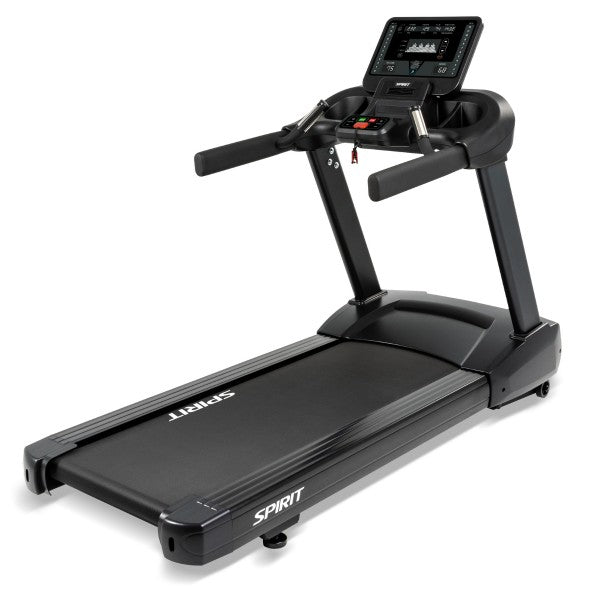
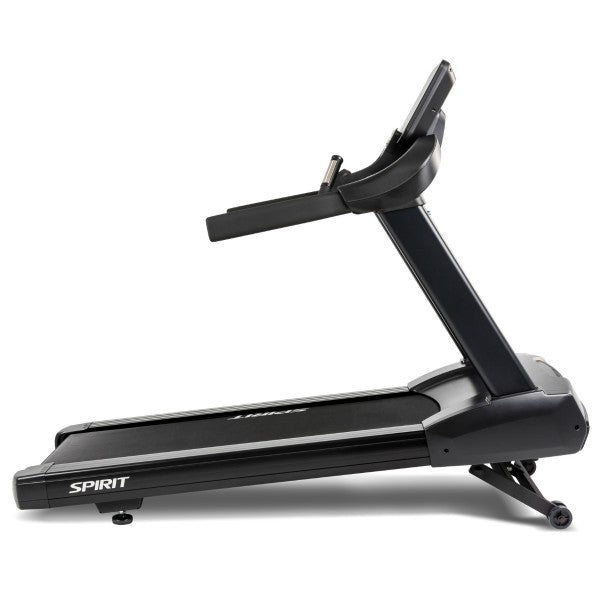
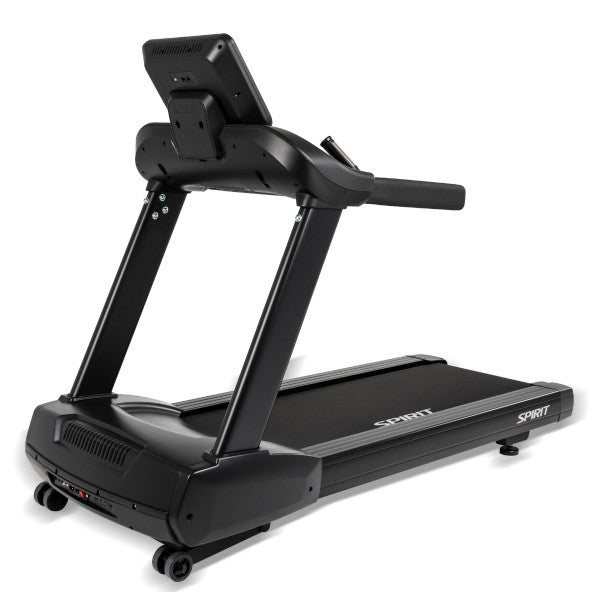
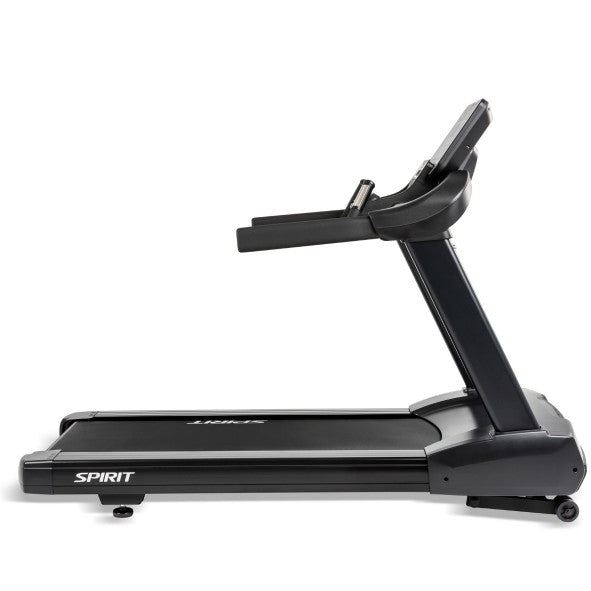
Spirit Fitness CT800 Treadmill
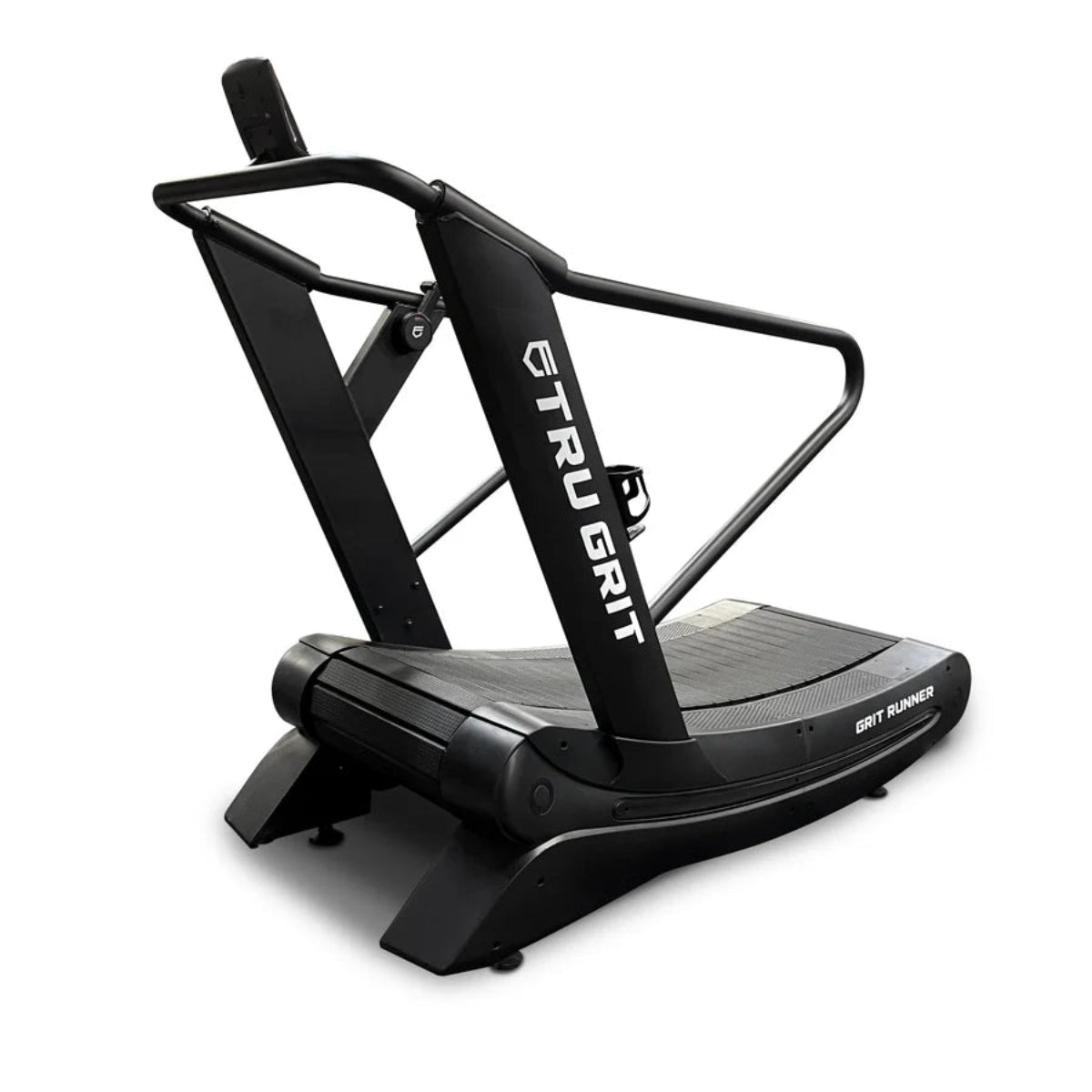
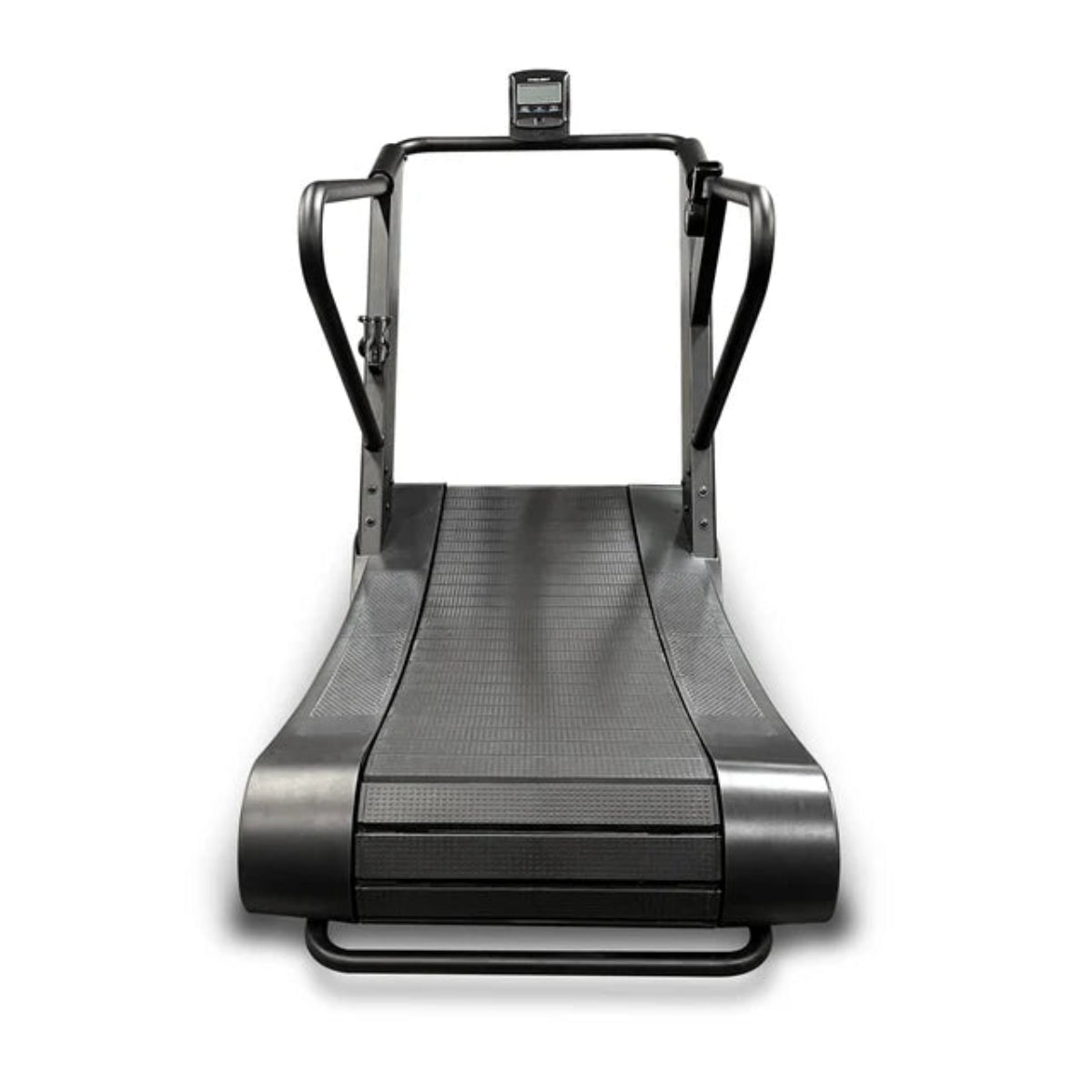
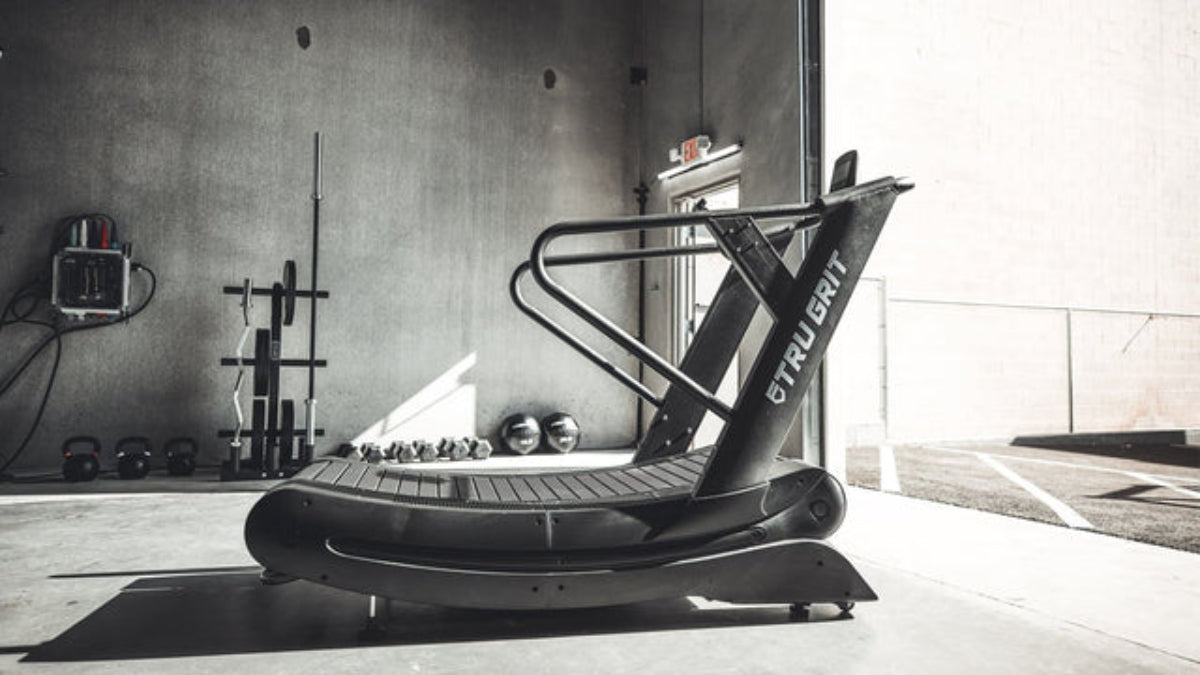
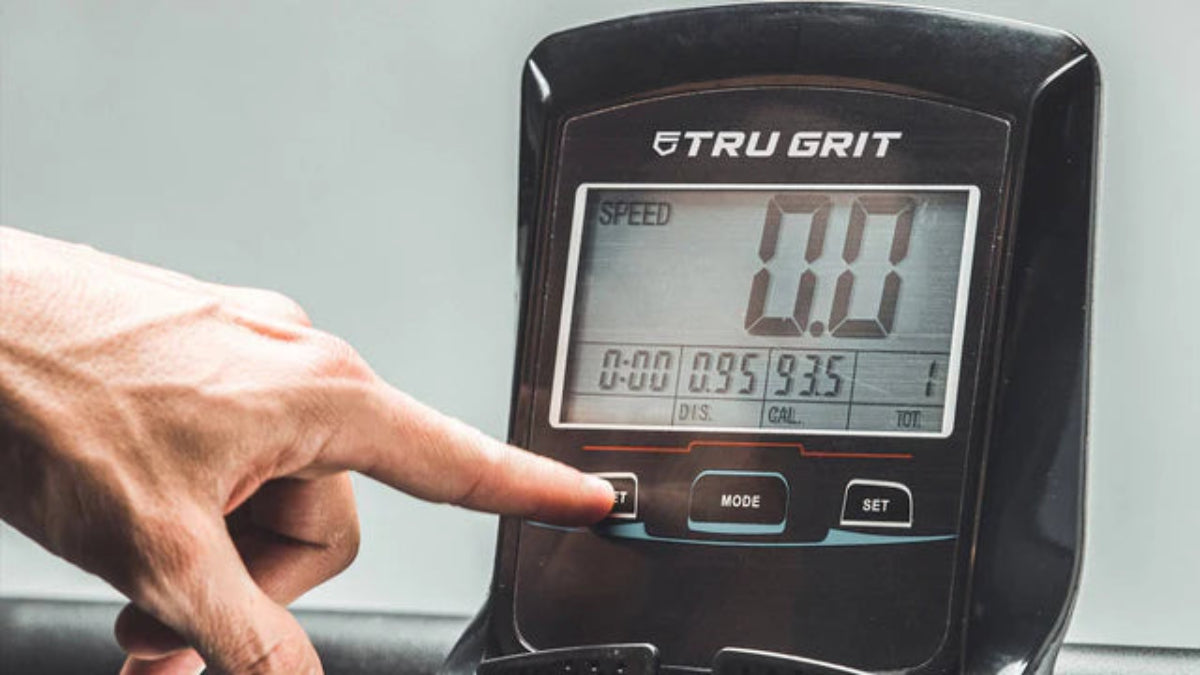
Tru Grit Fitness - Grit Runner Curved Manual Treadmill


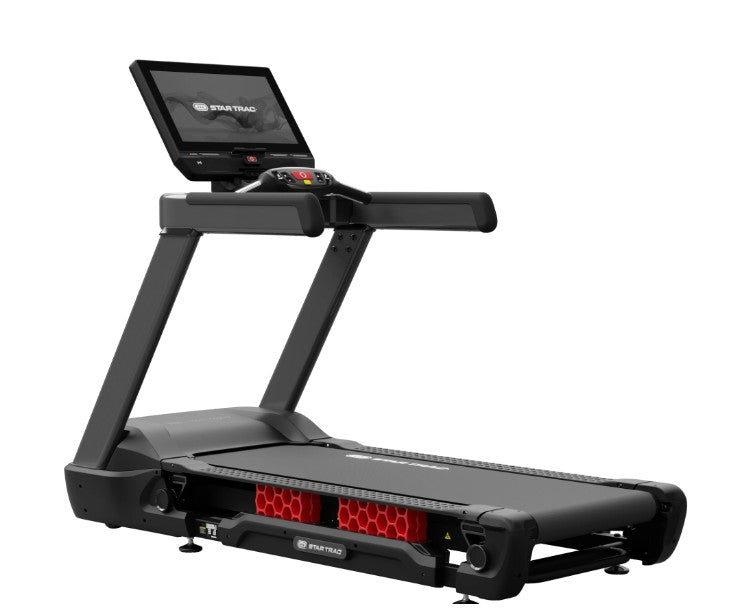
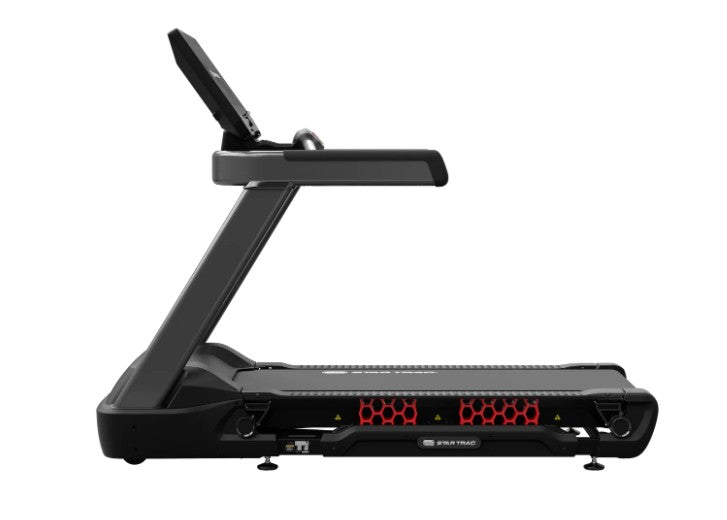
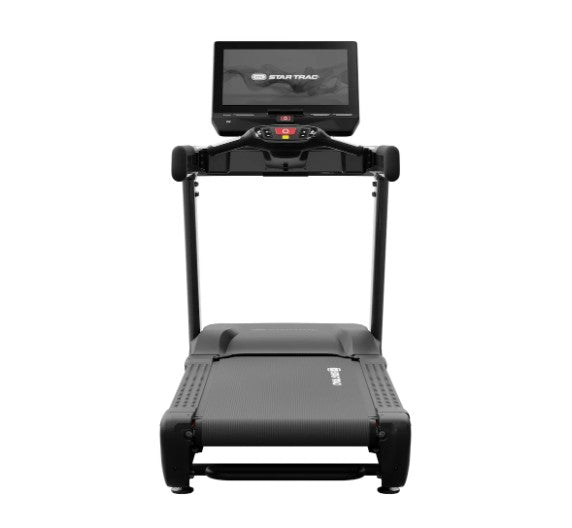
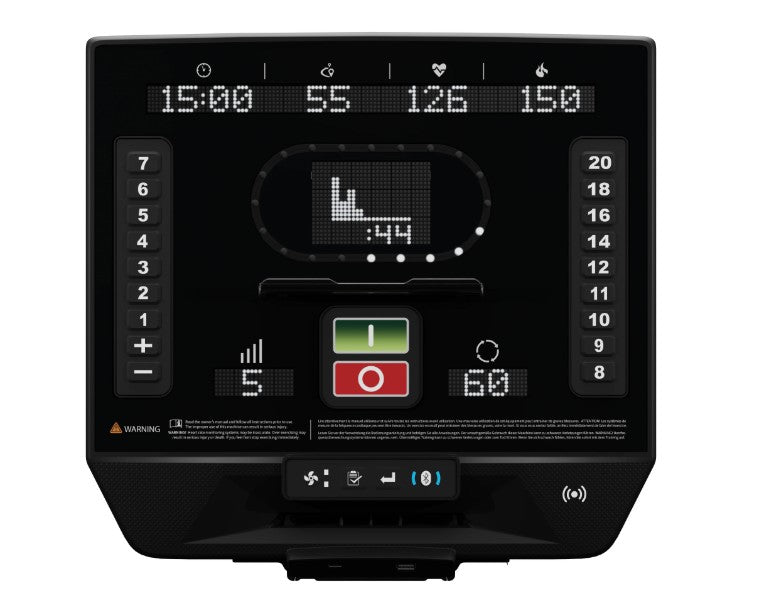
Star Trac 10 Series TRX FreeRunner Treadmill
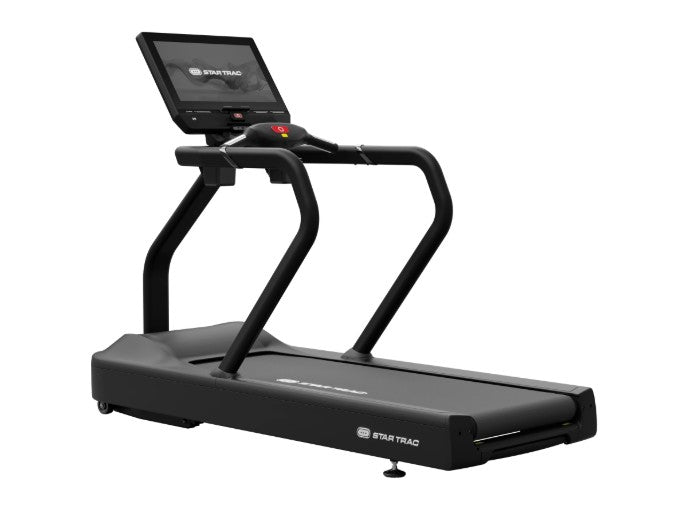
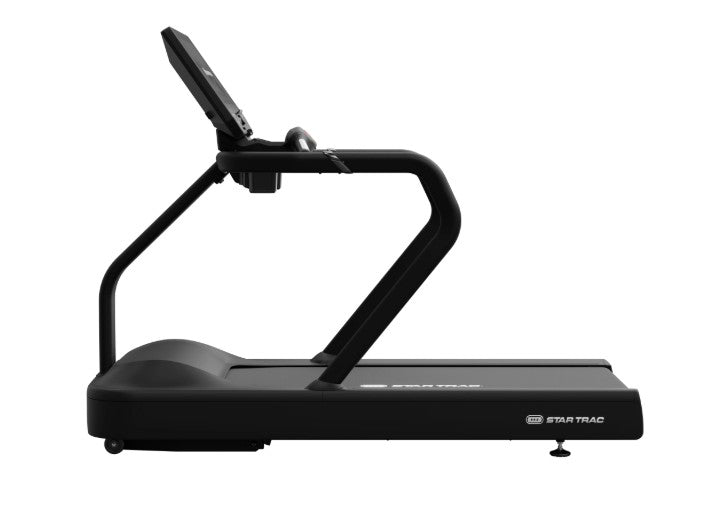
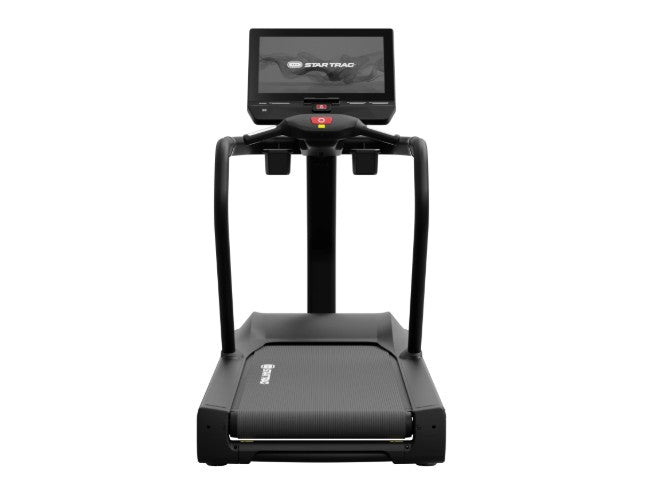
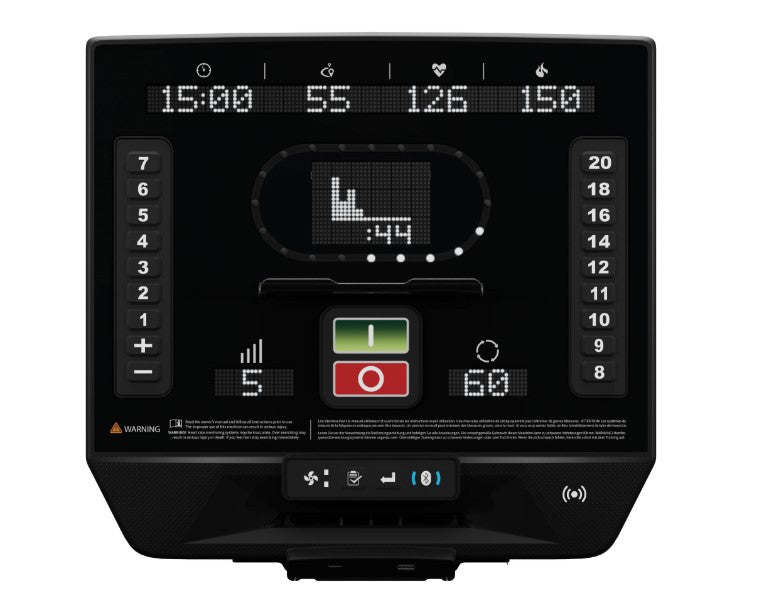
Star Trac 8 Series TR Treadmill
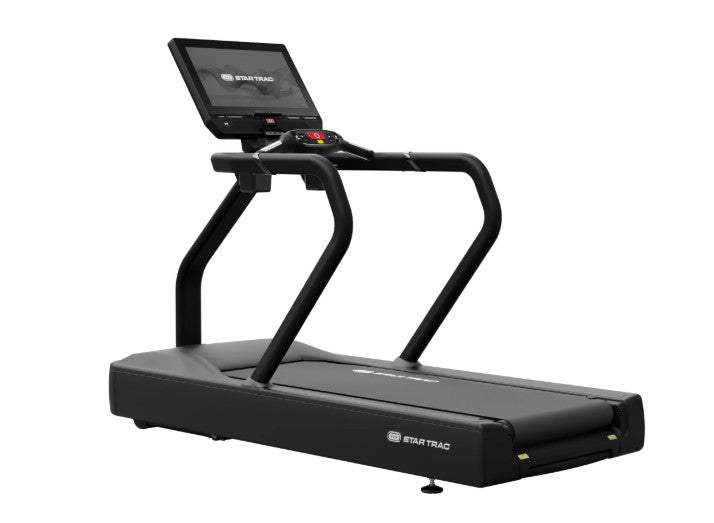
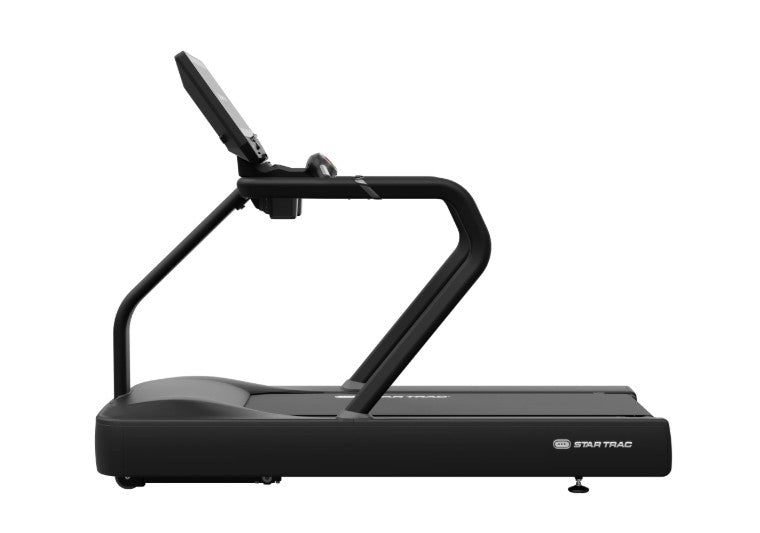
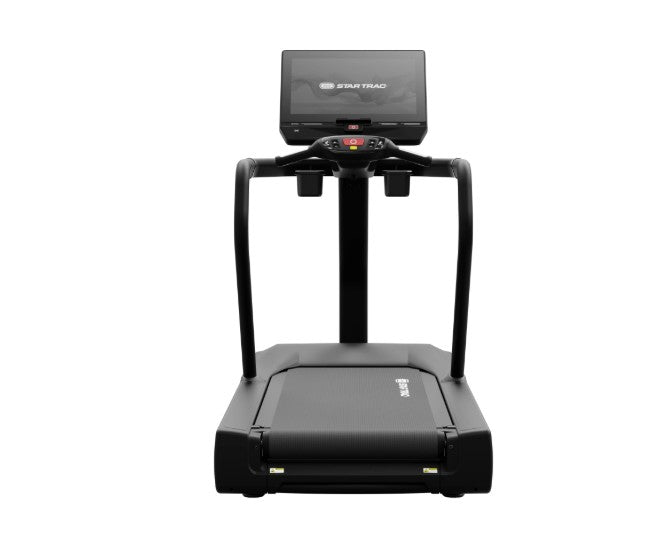
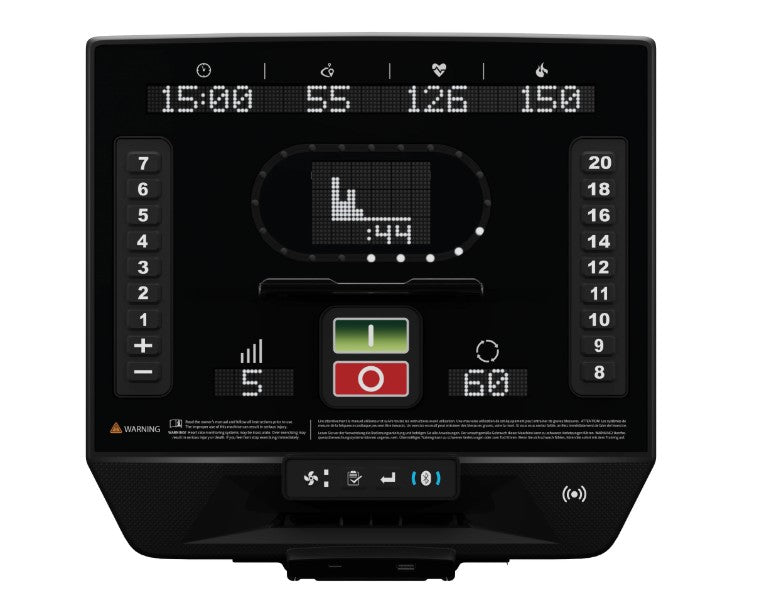
Star Trac 8 Series TRx Treadmill
Who Incline Training Treadmills Are Best For
These treadmills are well suited for runners, walkers, and fitness enthusiasts who want to challenge their cardiovascular system while reducing impact stress. Incline walking is particularly popular among users seeking high-calorie burn with lower joint strain, making these machines appealing to individuals focused on weight management or joint-conscious training. They are also widely used by athletes for hill training, conditioning phases, and sport-specific endurance development.
Key Benefits of Incline-Based Cardio Training
The defining advantage of incline training treadmills is increased intensity without increased speed. Raising the incline recruits more muscle groups—particularly the glutes, hamstrings, and calves—while significantly elevating heart rate. This allows users to achieve demanding workouts at controlled paces, reducing repetitive impact on joints compared to flat running.
High-incline capability also supports workout variety. Users can alternate between steady uphill walks, interval-based hill climbs, and endurance-focused incline sessions to target different training adaptations. Many incline treadmills feature powerful motors and reinforced frames to maintain consistent performance even at steep grades and under continuous use.
Common Use Cases and Training Environments
Incline training treadmills are commonly used in home gyms for structured cardio programs, in performance facilities for athletic conditioning, and in commercial gyms where users seek advanced training options. They are effective for improving aerobic capacity, leg strength, and metabolic conditioning. Incline walking is also frequently incorporated into rehabilitation and low-impact fitness programs when guided by appropriate training protocols.
Design Features and Variations
Treadmills in this category vary by maximum incline range, motor capacity, and deck construction. Some models offer moderate incline levels suitable for everyday training, while others provide steep incline ranges designed to replicate intense hill climbs. Wider belts, extended handrails, and enhanced cushioning systems are often included to support stability and comfort during elevated training angles. Console features may include incline-specific programs or performance tracking to support goal-driven workouts.
Why Choose The Fitness Outlet
Shoppers choose The Fitness Outlet for Incline Training Treadmills for Performance Cardio because of our focus on premium, performance-oriented fitness equipment. We curate incline treadmills built for power, durability, and consistent output, helping customers select machines that support challenging, effective cardio training at home or in professional training environments.
Incline Training Treadmills for Performance Cardio: Elevate Intensity Without Increasing Impact
Incline training treadmills are purpose-built for users who want to push cardiovascular performance beyond flat-ground workouts. By increasing elevation rather than speed, these treadmills allow walkers and runners to dramatically raise heart rate, calorie burn, and muscular engagement while keeping impact forces relatively controlled. From endurance athletes and tactical professionals to fitness enthusiasts focused on fat loss and conditioning, incline treadmills offer a powerful, scalable training tool.
This article breaks down how incline training treadmills work, why they’re effective for performance cardio, and what features matter most when choosing the right model.
What Is an Incline Training Treadmill?
An incline training treadmill is designed to elevate the running deck to higher grades than standard treadmills. While many home treadmills top out around 10–12% incline, performance-focused incline treadmills often reach 15%, 20%, or even higher. This expanded incline range enables walking-based workouts that rival or exceed the cardiovascular demand of running.
Some models are specifically engineered for incline walking and hiking-style training, while others combine steep incline capability with traditional running speeds.
Why Incline Training Is So Effective
Incline training changes biomechanics, muscle recruitment, and cardiovascular demand in ways flat running cannot.
Higher Heart Rate at Lower Speeds
Walking at a steep incline can elevate heart rate as much as running on flat ground—without the same joint impact. This makes incline treadmills especially appealing for users who want intense cardio without high-speed running.
Increased Muscle Activation
Incline walking and running place greater emphasis on the glutes, hamstrings, and calves. The posterior chain works harder to drive the body uphill, making incline training a hybrid of cardio and lower-body strength work.
Calorie Burn and Metabolic Demand
Because incline increases workload against gravity, calorie expenditure rises significantly. This makes incline treadmills popular for fat-loss-focused programming and metabolic conditioning.
Incline Walking vs. Incline Running
Incline treadmills support multiple training styles depending on speed and elevation.
Incline Walking for Conditioning
Steep incline walking is a cornerstone of performance cardio. It’s commonly used by athletes, military personnel, and hikers to build aerobic capacity, leg strength, and mental endurance—all while keeping joint stress manageable.
Incline Running for Advanced Training
Running at incline adds intensity quickly and is typically used in shorter intervals. It’s effective for improving VO₂ max, leg drive, and running economy, but requires a treadmill with a powerful motor and stable frame.

Incline treadmills support both high-intensity walking and advanced running workouts.
Key Features That Matter in Incline Training Treadmills
Not all treadmills are built to handle sustained incline use. Several features separate true incline training machines from standard models.
Maximum Incline Range
The incline range defines training potential. Walk-focused incline treadmills often emphasize higher elevation with moderate speed ceilings, while hybrid models balance incline and speed for versatility.
Motor Strength and Continuous Duty Ratings
Incline places greater strain on the motor than flat running. Performance incline treadmills use strong, continuous-duty motors designed to maintain consistent belt speed under load without overheating.
Frame Stability and Weight Capacity
As incline increases, stability becomes critical. Reinforced frames, wide bases, and high weight ratings ensure the treadmill remains solid during steep climbs and longer sessions.
Deck Cushioning and Joint Considerations
Although incline training reduces impact compared to running fast on flat ground, cushioning still matters.
Shock Absorption Systems
High-quality incline treadmills use multi-zone cushioning to absorb footstrike while maintaining firm push-off. This balance supports joint comfort and efficient uphill mechanics.
Walking Comfort at Steep Grades
Incline walking shifts pressure toward the forefoot and calves. A well-designed deck and belt system helps reduce fatigue and discomfort during longer incline sessions.

Advanced cushioning systems support joint comfort during high-incline workouts.
Speed, Controls, and Workout Flow
Speed Ranges That Match Incline Use
Incline-focused treadmills often prioritize smooth low- to mid-speed performance. Precise speed control is essential for walking workouts where small changes significantly affect intensity.
Quick-Access Incline Controls
Performance training relies on fast transitions. Dedicated incline buttons or toggles allow users to adjust elevation quickly during interval workouts without breaking stride.
Incline Training for Different Fitness Goals
Incline treadmills are versatile tools that support a wide range of training objectives.
Performance and Athletic Conditioning
Athletes use incline training to build leg strength, cardiovascular capacity, and resilience. Uphill work translates well to field sports, endurance events, and tactical training.
Weight Loss and Body Composition
Incline walking allows users to sustain high-intensity cardio for longer periods, supporting greater calorie burn without the fatigue or injury risk of constant running.
Low-Impact Cardio Alternatives
For users with joint sensitivity, incline walking offers a way to train hard while minimizing pounding on knees and hips—especially when paired with proper cushioning.
Home vs. Commercial Incline Training Treadmills
Home Incline Treadmills
Home models focus on quiet operation, intuitive controls, and space-conscious designs while still offering meaningful incline ranges. They’re ideal for individuals committed to structured incline walking or hybrid cardio programs.
Commercial and Performance-Grade Models
Commercial incline treadmills are built for continuous use, heavier users, and demanding interval sessions. They feature industrial motors, reinforced decks, and higher incline ceilings—making them common in athletic facilities, studios, and high-end gyms.
Choosing the right category ensures the treadmill can handle both training intensity and usage volume.
Durability, Maintenance, and Long-Term Reliability
Incline mechanisms experience more mechanical stress than flat decks.
Incline Motor and Lift System Quality
High-quality lift motors and elevation systems ensure smooth transitions and long-term reliability. Inferior systems may struggle or wear prematurely under frequent incline use.
Warranty and Build Confidence
Strong warranties on frame, motor, and incline components signal durability. For incline training treadmills, these protections are especially important given the demands placed on the machine.
Who Should Choose an Incline Training Treadmill?
Incline treadmills are especially well-suited for:
-
Performance-focused athletes
-
Incline walkers seeking high-intensity, low-impact cardio
-
Users prioritizing calorie burn without high-speed running
-
Tactical, hiking, or endurance training
-
Home and commercial users seeking advanced cardio options
Even experienced runners often incorporate incline training to reduce impact while maintaining intensity.
FAQs
Is incline walking as effective as running?
How much incline is enough for performance training?