


Achieve your fitness goals within your budget with our financing.
Free Delivery on Orders $599+
Fast, reliable delivery on all qualifying orders.
Price Match Guarantee
Shop confidently knowing you're getting the best deal.
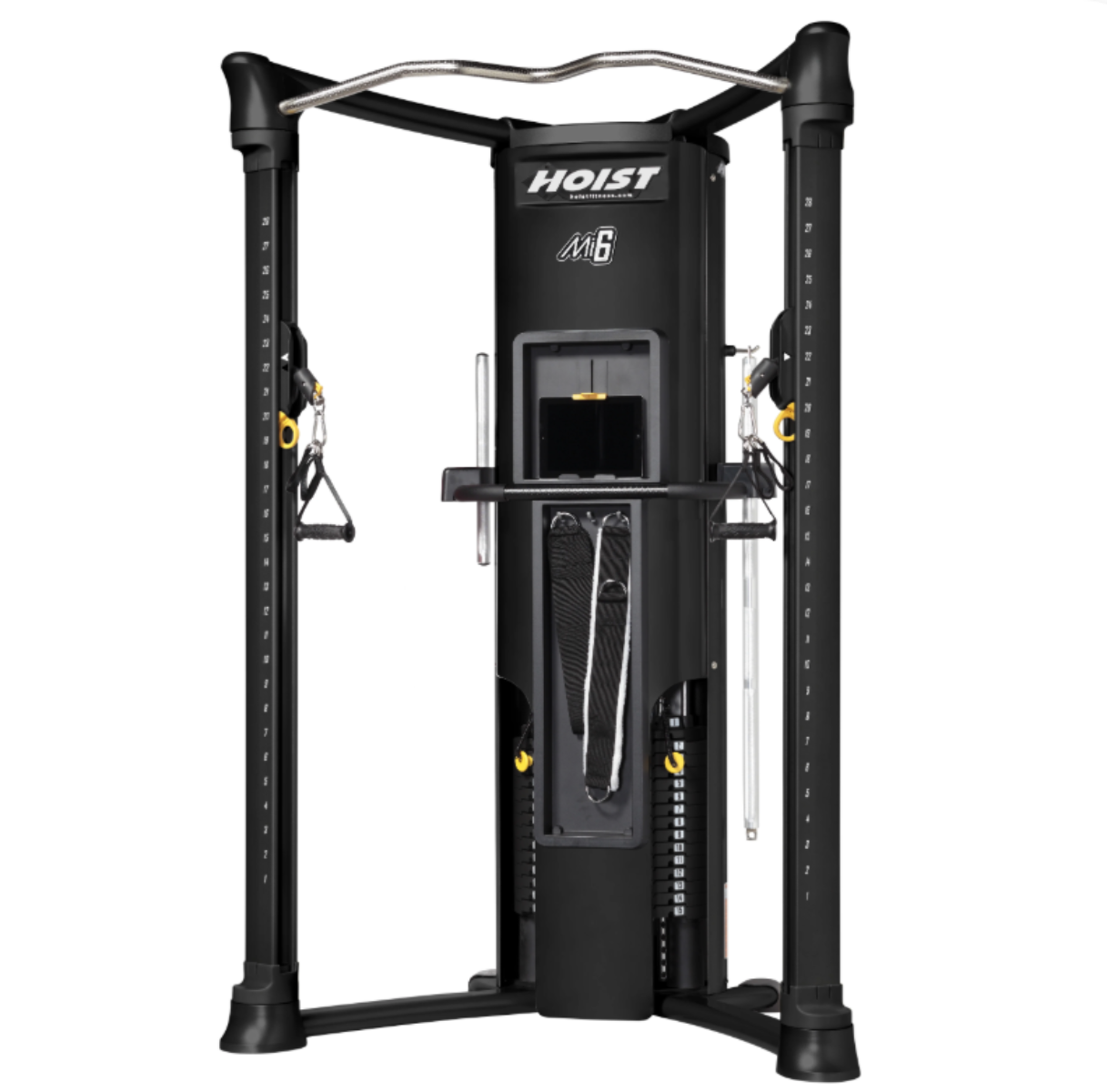
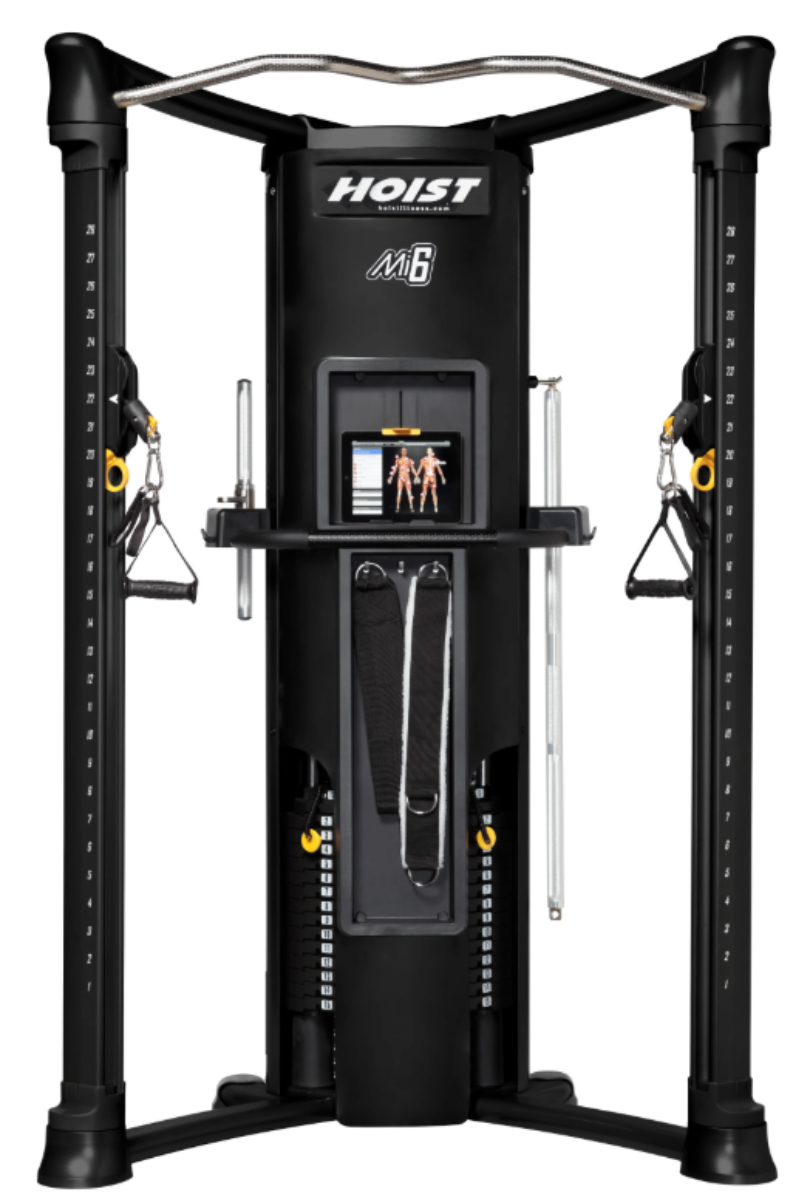
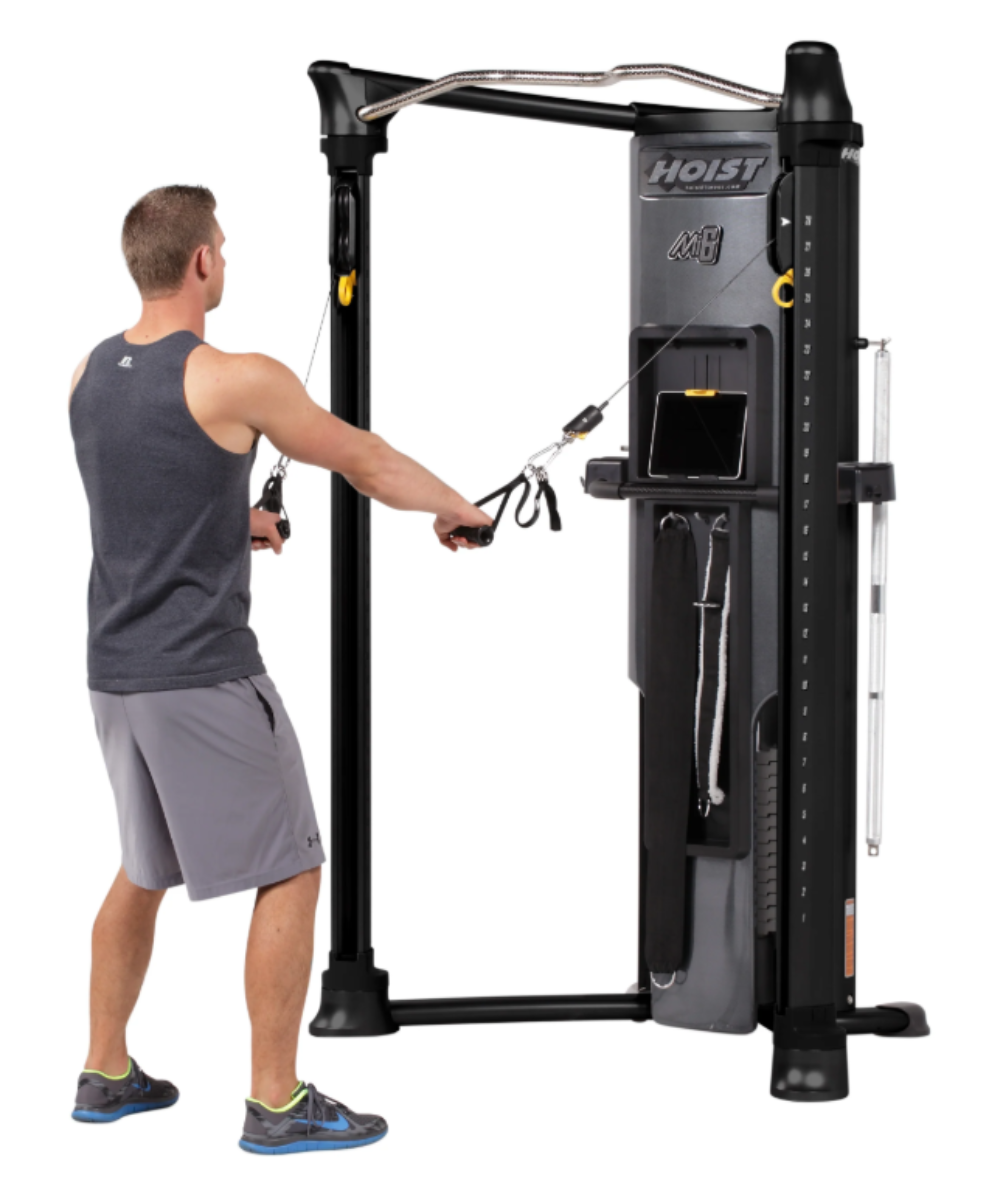
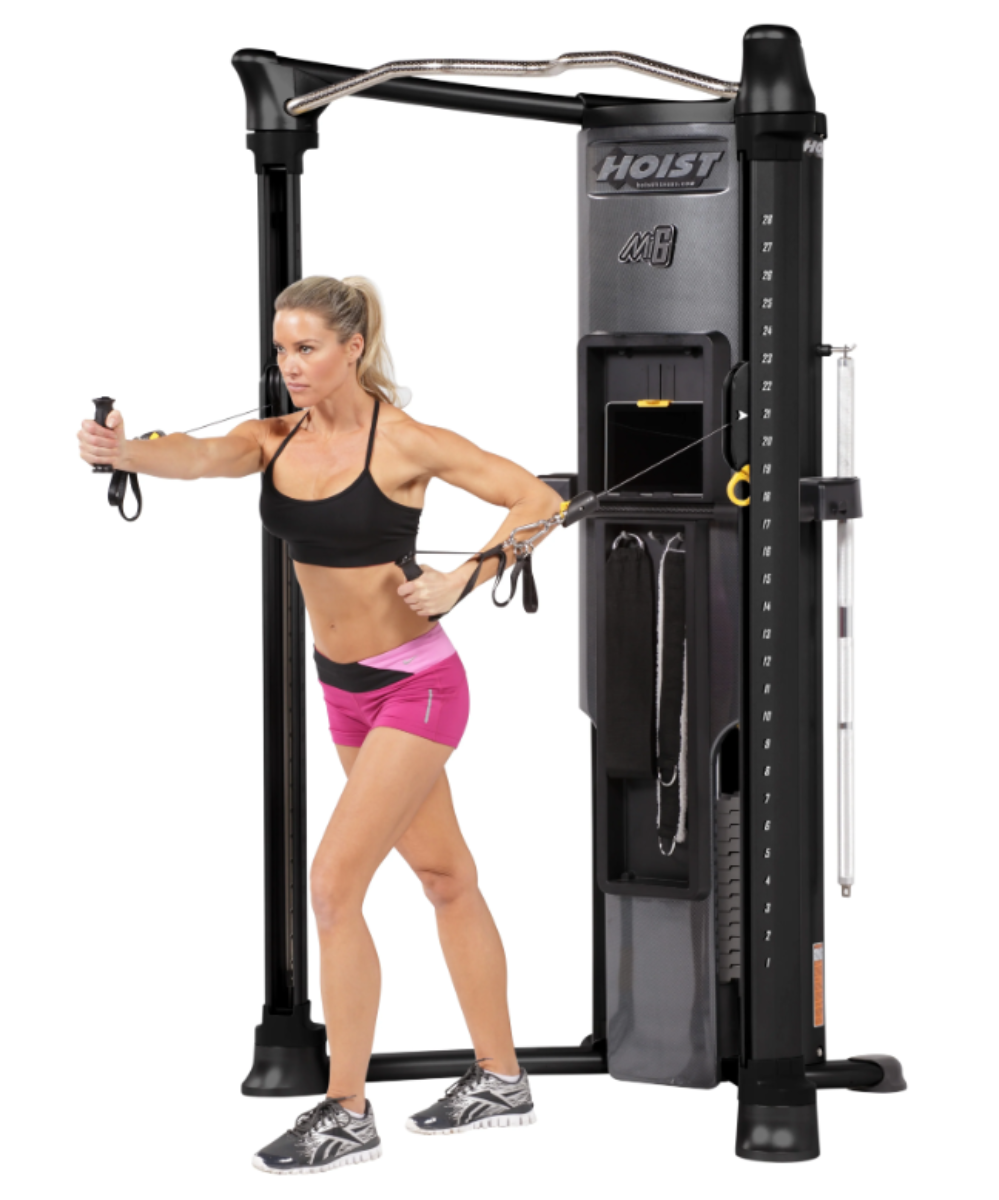
Hoist Fitness Mi6 Functional Training System
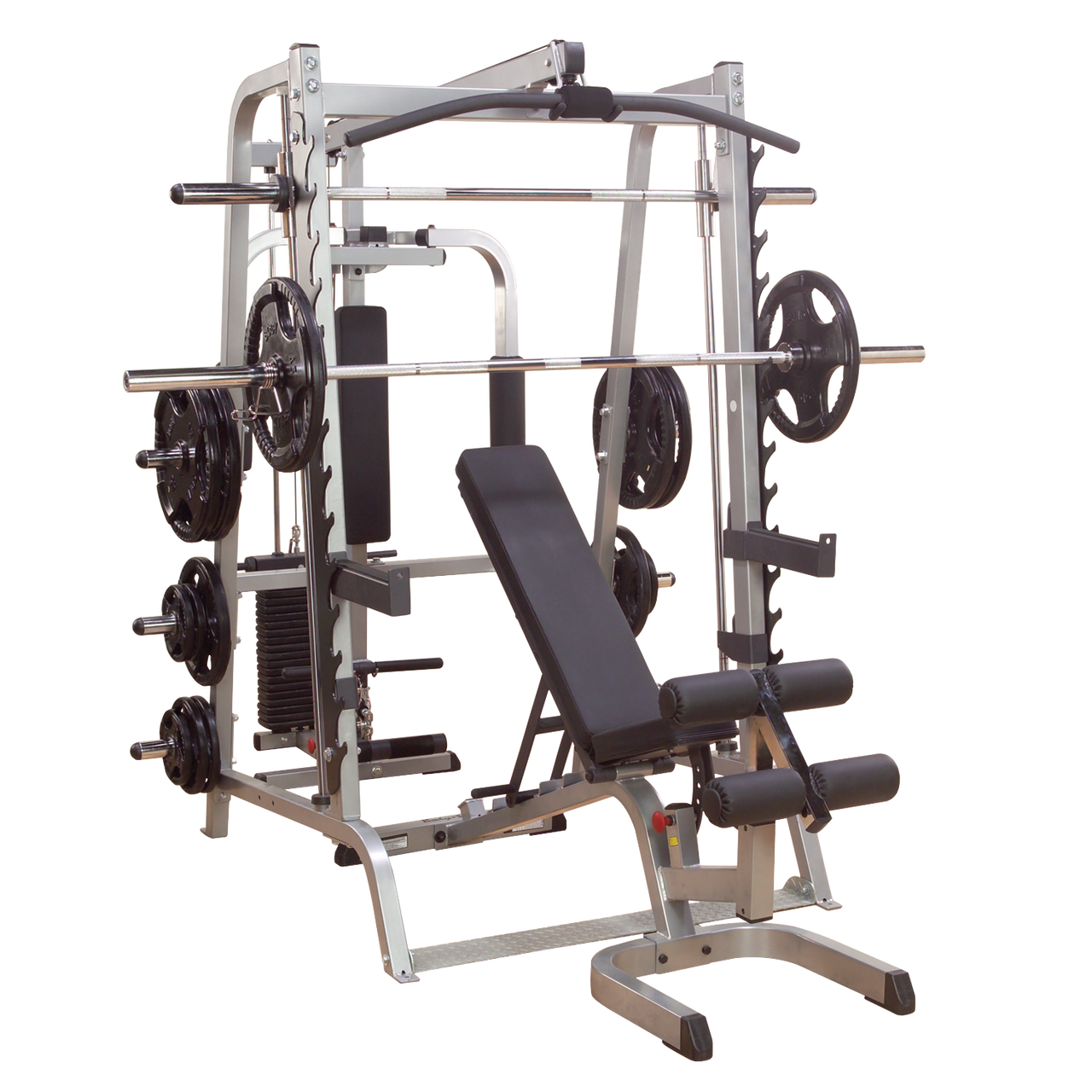
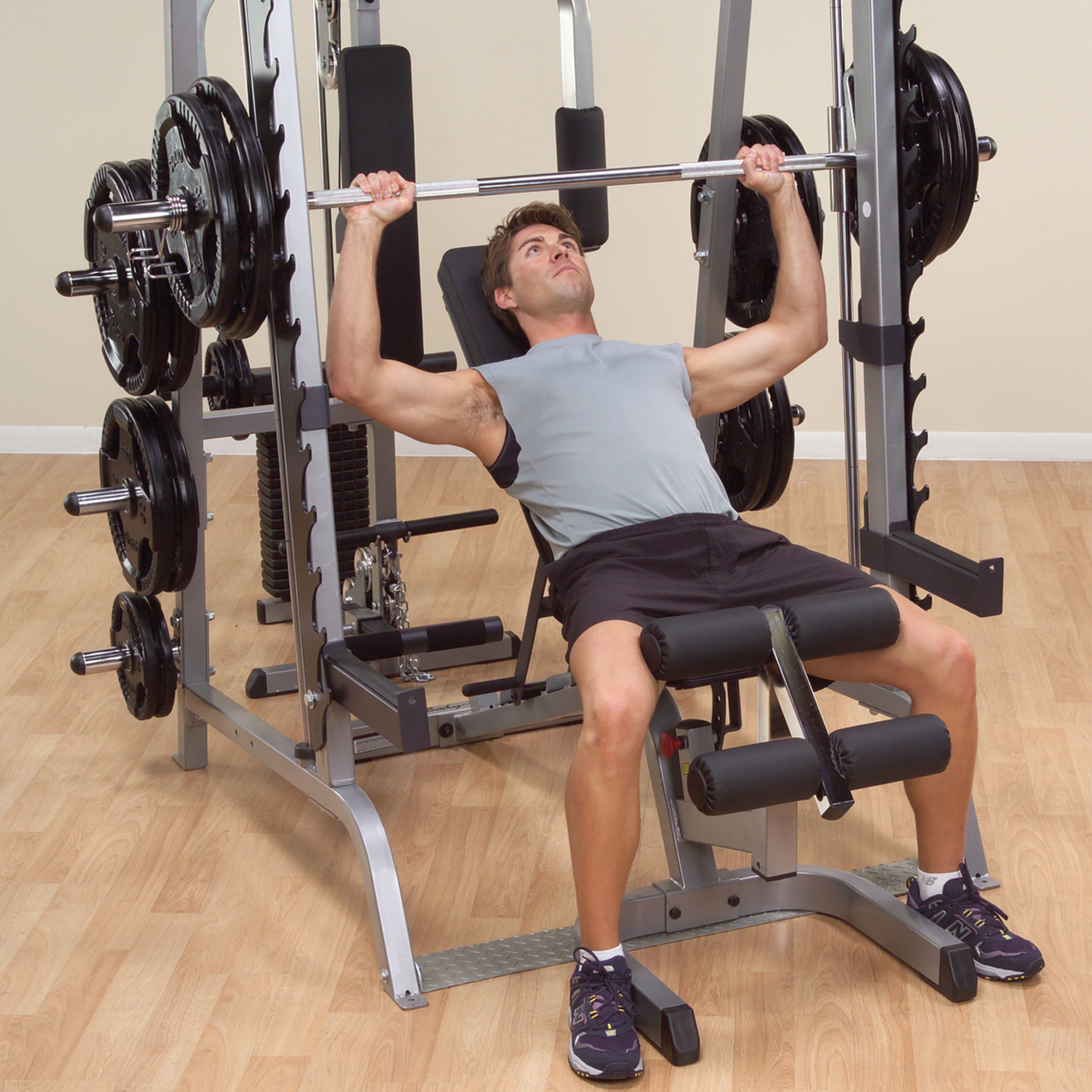
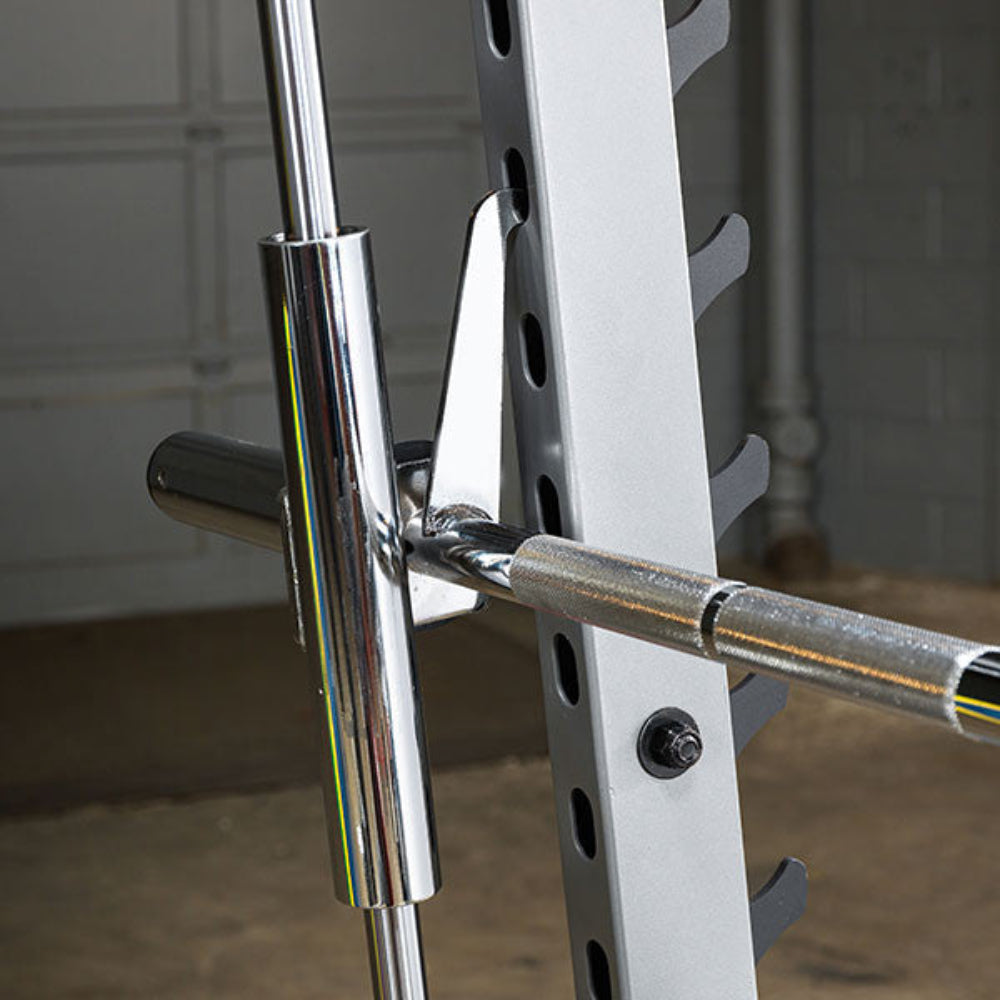
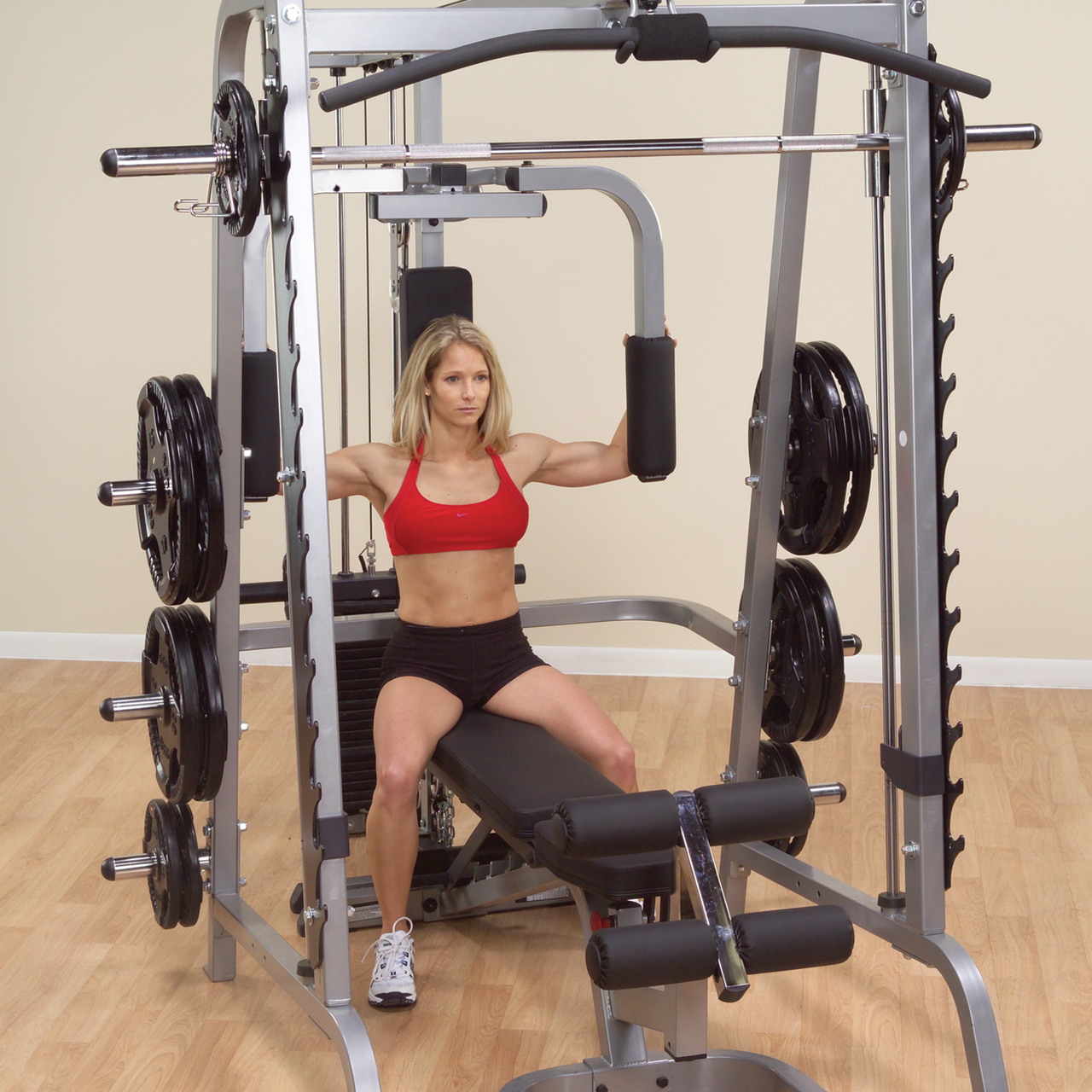
Body-Solid Series 7 Smith Gym with Bench




StairMaster 8Gx Series Gauntlet StepMill
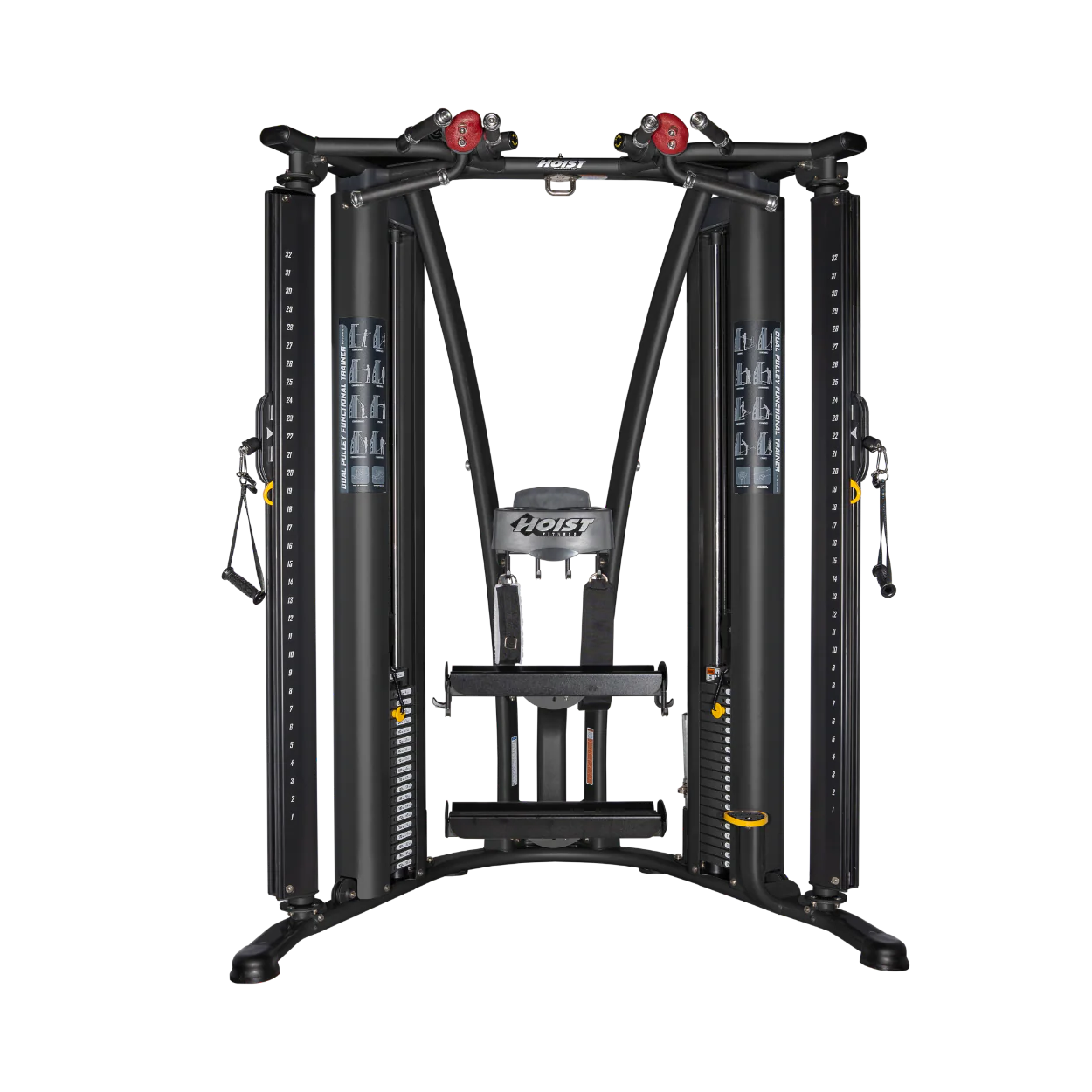
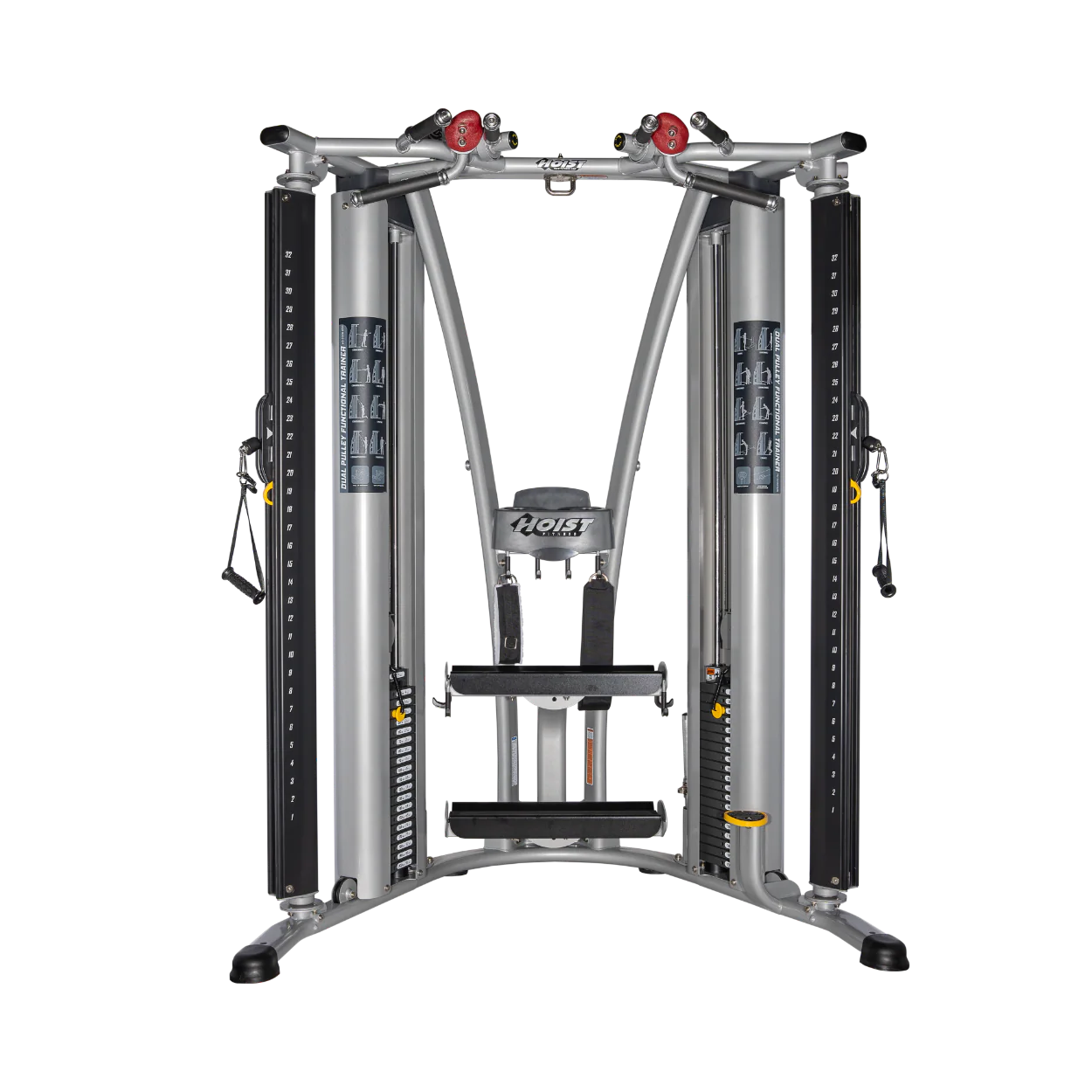
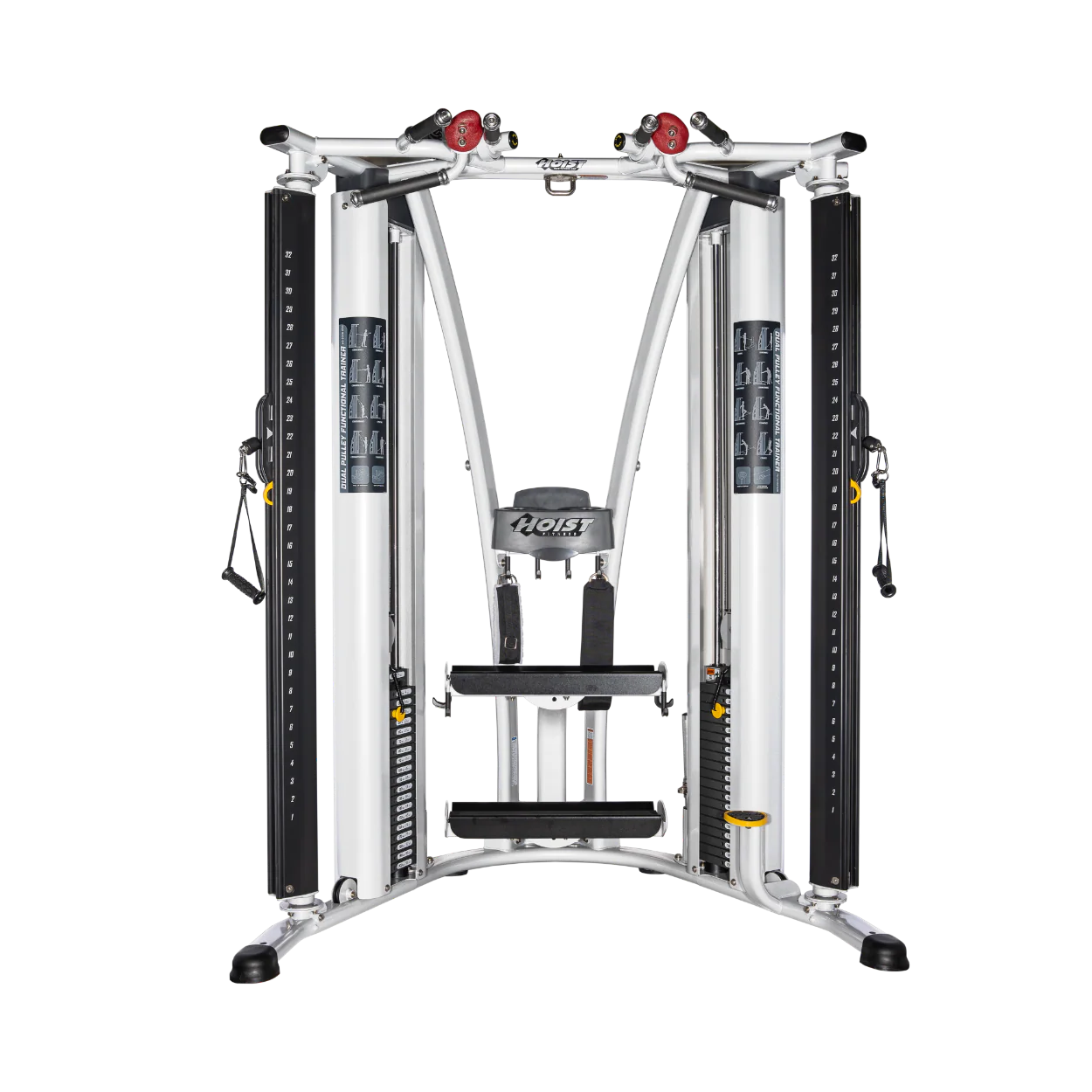
Hoist Fitness HD3000 Commercial Functional Trainer


Spirit Fitness CT850 Treadmill
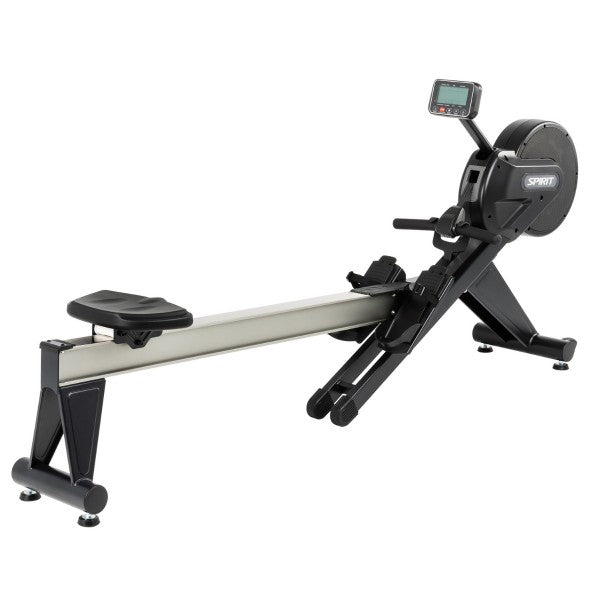
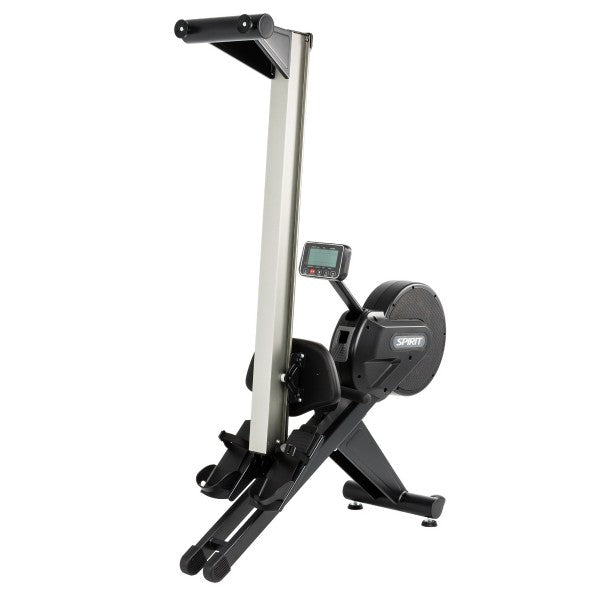
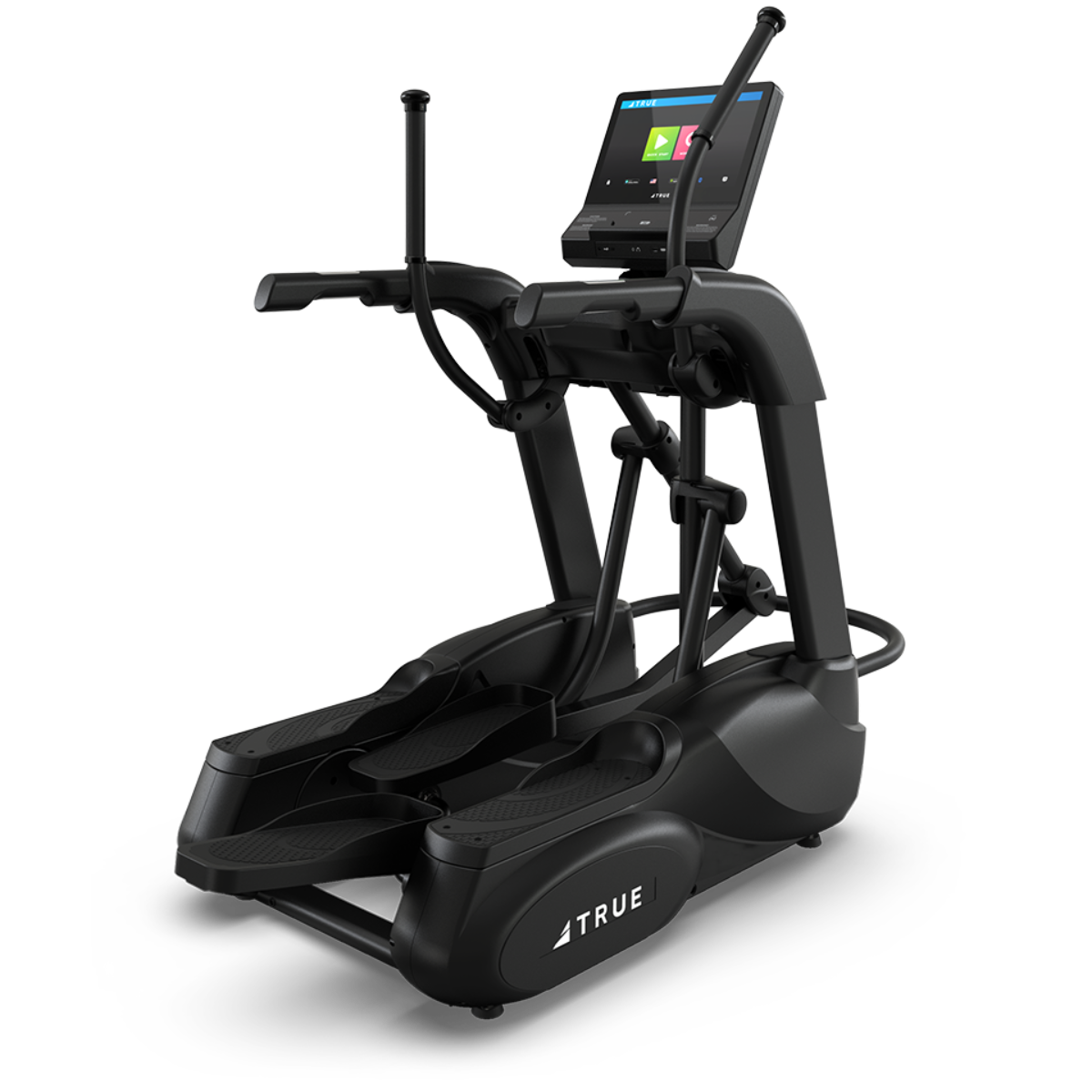
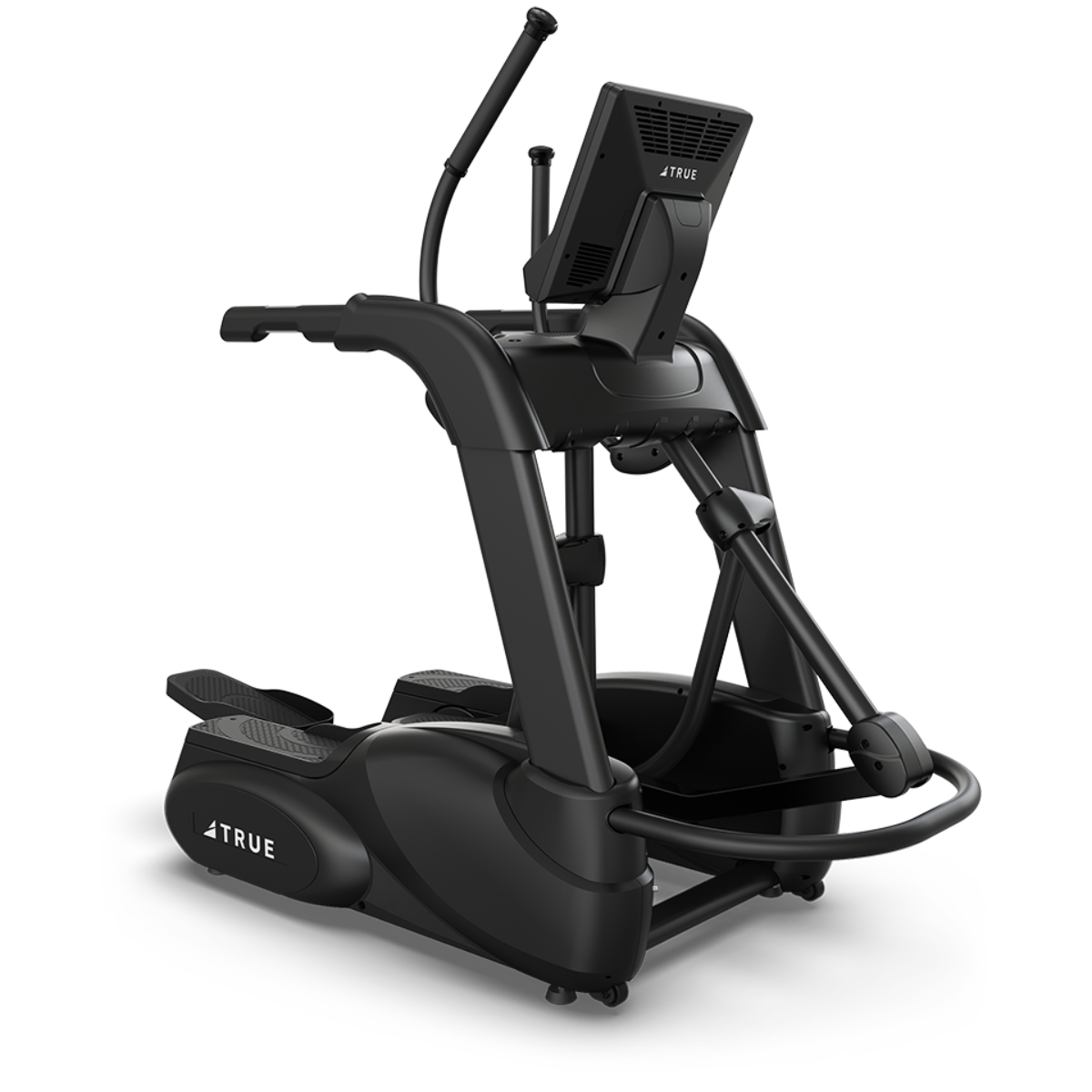
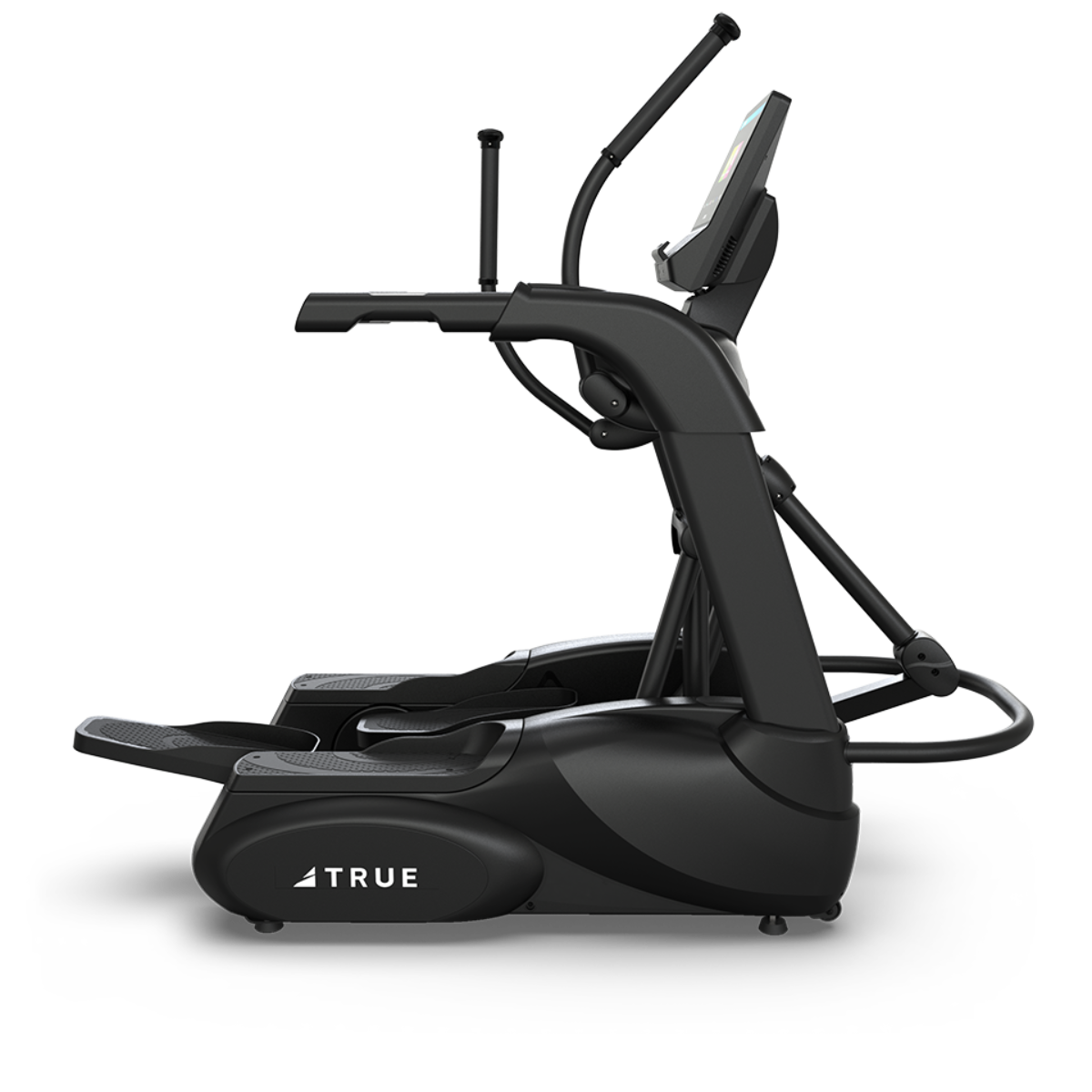
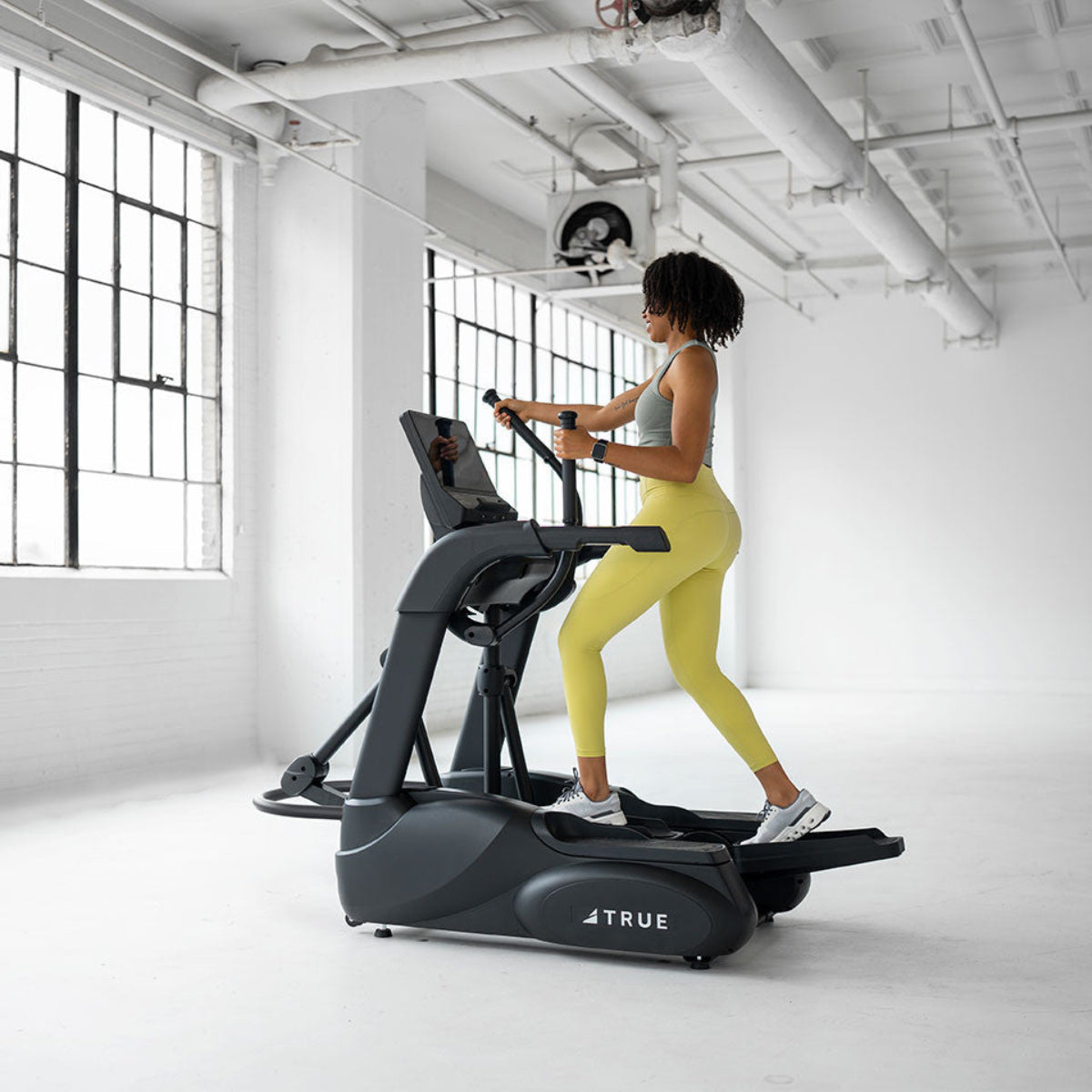
True Fitness Gravity Elliptical


How to Build an Effective Small Commercial Gym
Designing a small commercial gym is about making intentional choices. Unlike large facilities with unlimited square footage, smaller gyms must focus on equipment that delivers the most value per square foot while remaining welcoming to a wide range of users.
Prioritizing Versatility Over Quantity
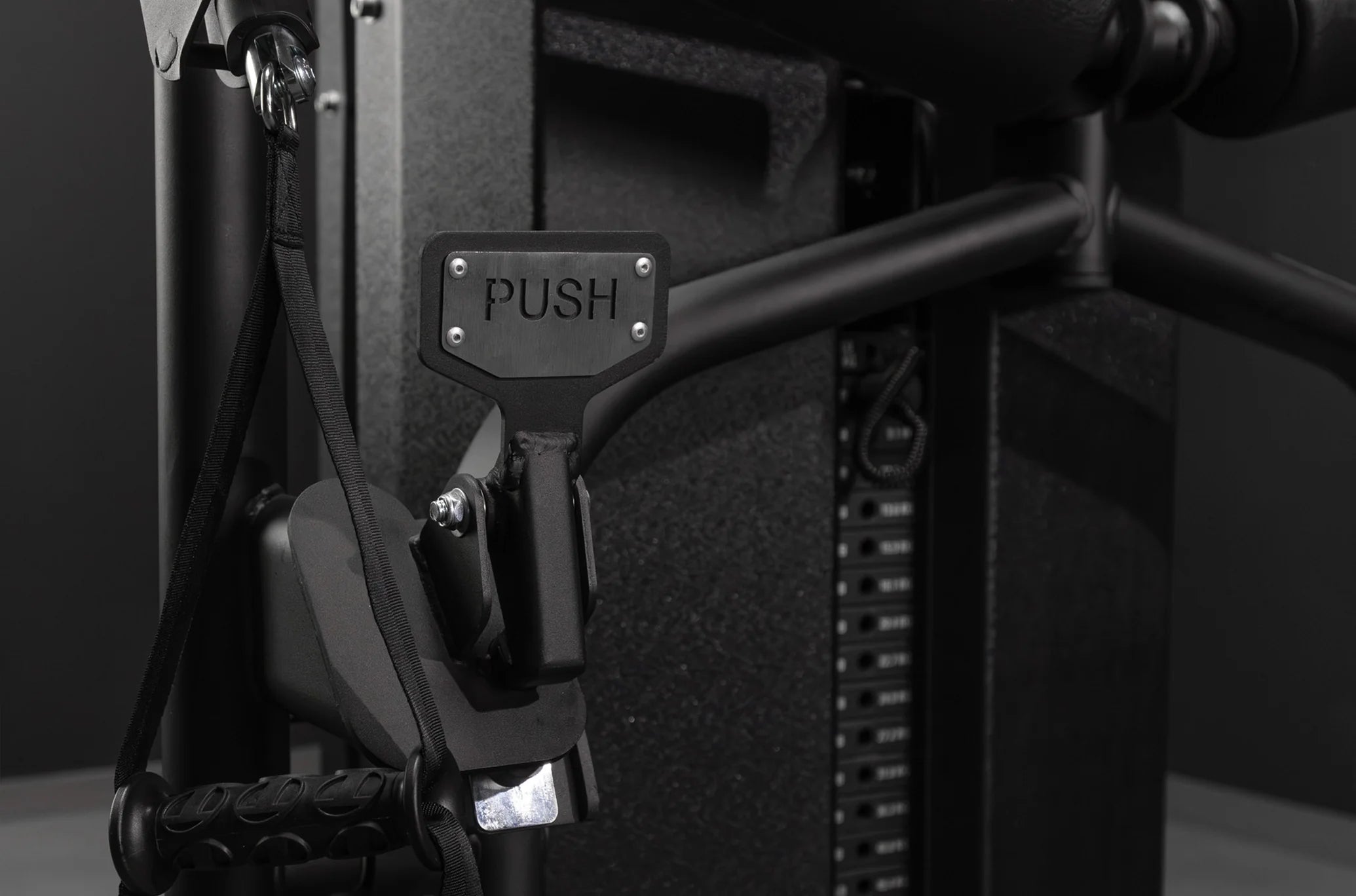
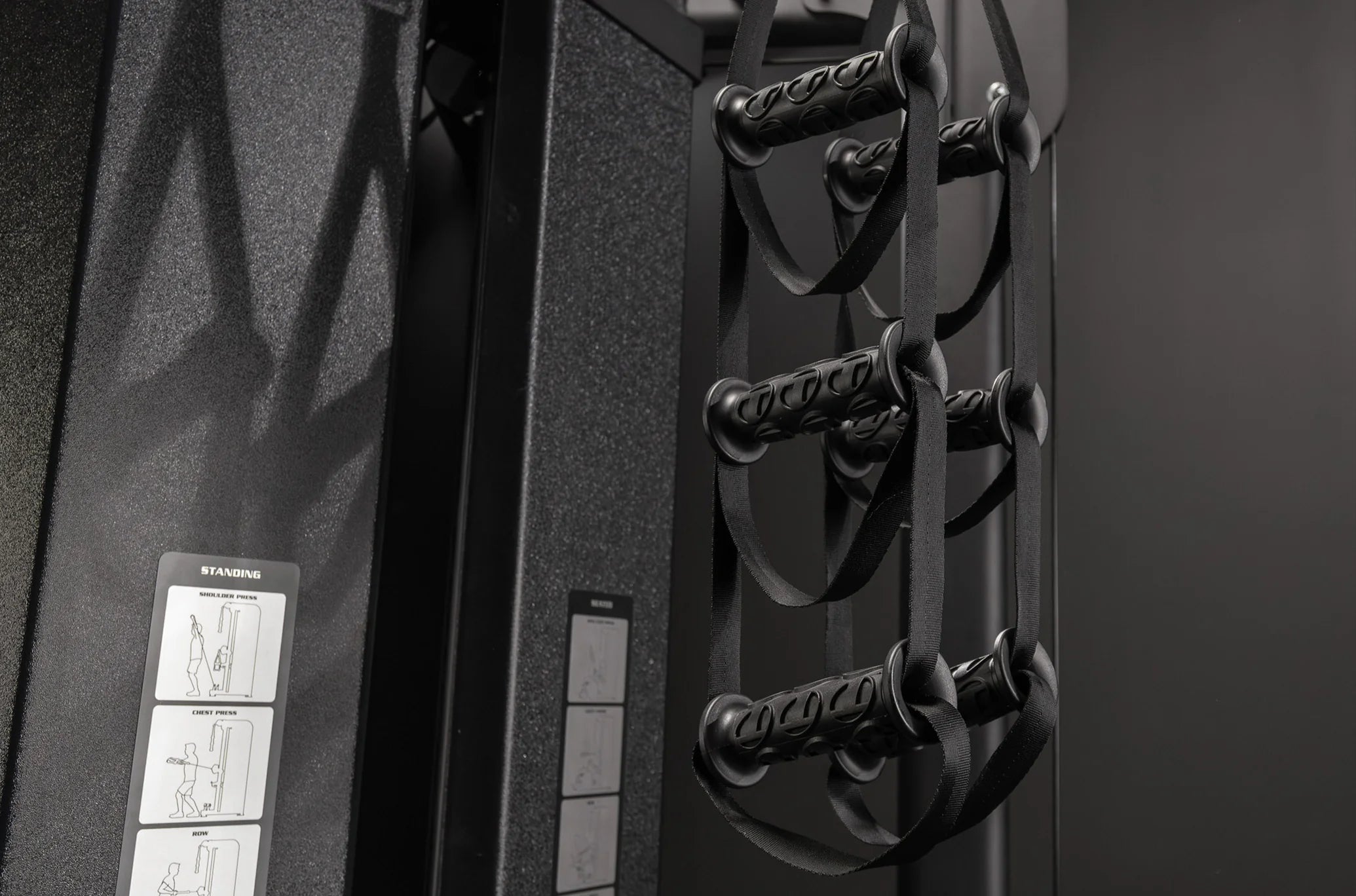
In small gyms, fewer machines can still create a complete workout experience if they are chosen carefully. Functional trainers, selectorized stations, and adjustable cardio machines allow users to perform multiple exercises without requiring separate machines for each movement.
Equipment that supports full-body training helps reduce clutter while expanding workout options.

Choosing Commercial-Grade Equipment Matters
Even in smaller spaces, commercial-grade construction is essential. Machines used by multiple members throughout the day experience far more wear than home equipment. Reinforced frames, commercial motors, and heavy-duty bearings ensure longevity and reduce downtime.
This is especially important in facilities where maintenance access or frequent replacements would disrupt operations.
Smart Cardio Placement
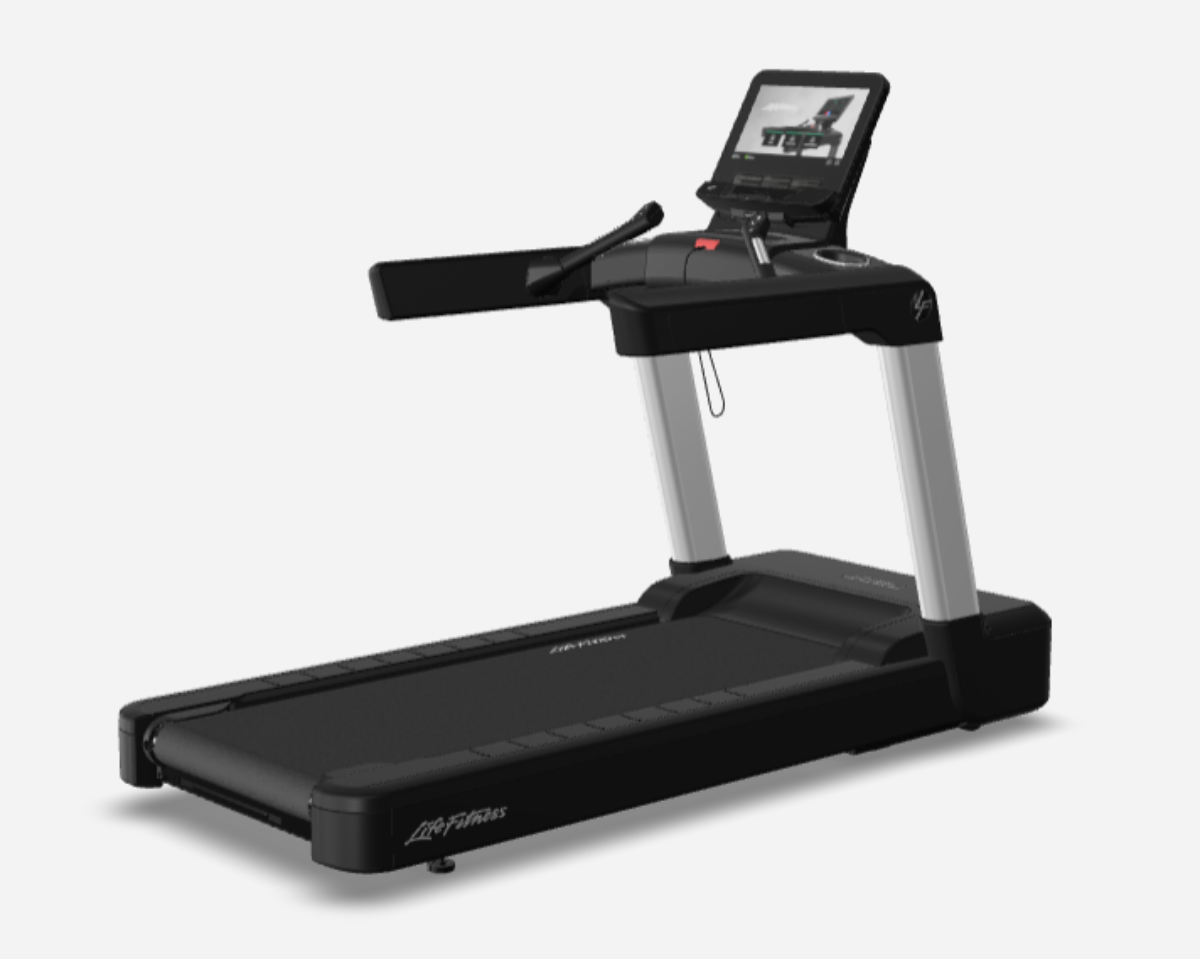
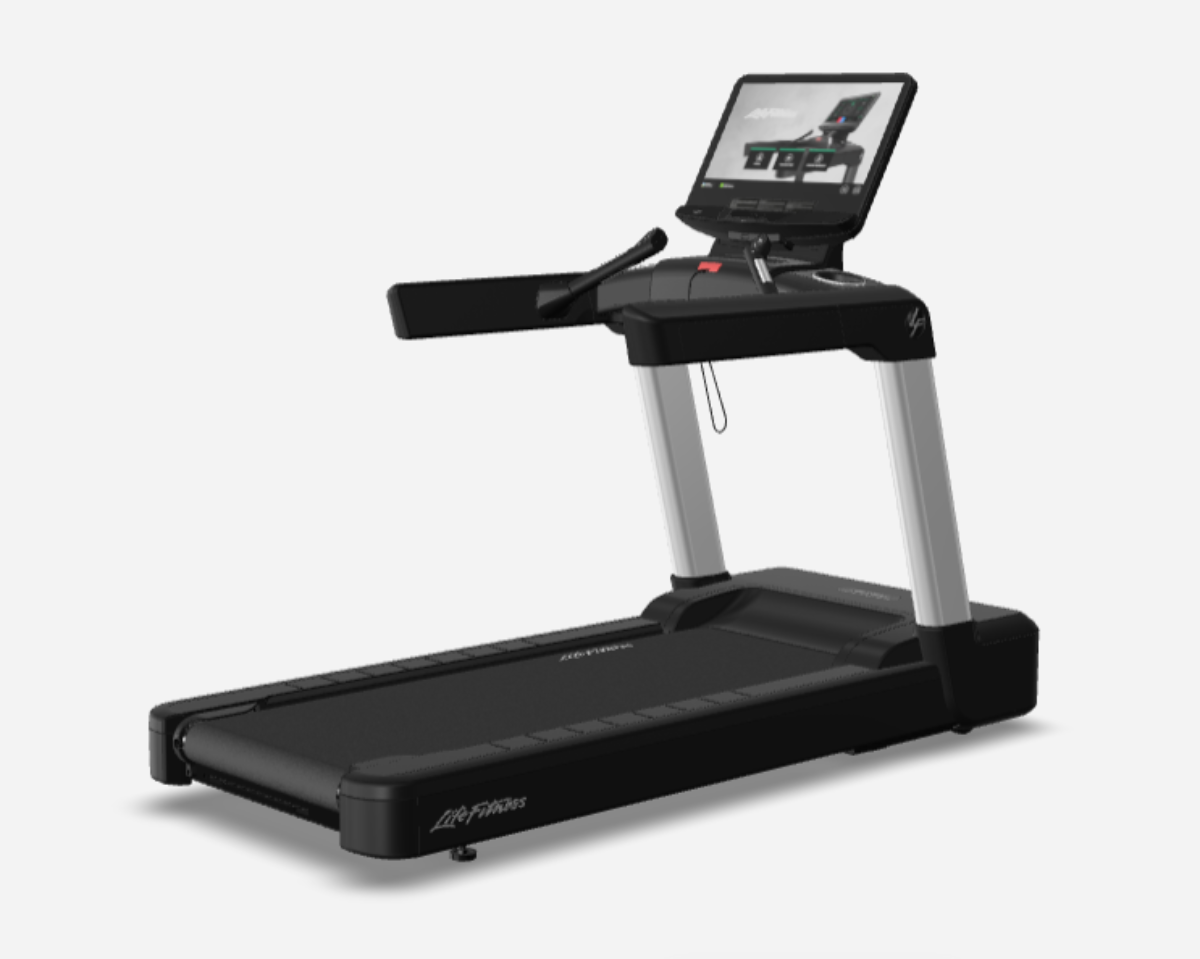
Cardio machines often anchor small gym layouts. Compact treadmills, upright bikes, rowers, and climbers provide effective conditioning without excessive footprints. Selecting quieter machines with efficient shock absorption also improves the overall training environment, especially in shared buildings.
Spacing cardio equipment properly improves safety and helps prevent bottlenecks during peak hours.
Strength Training in Limited Space
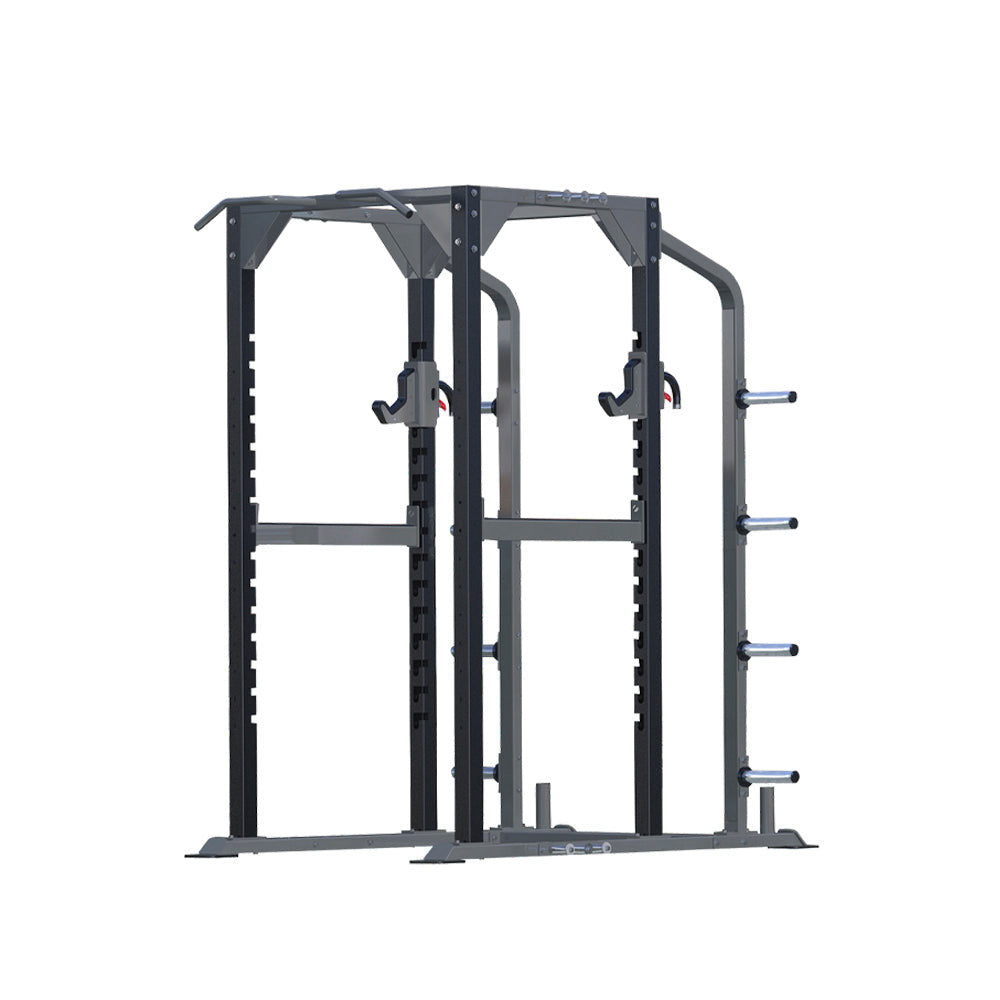
For strength training, multi-function solutions are key. Functional trainers, selectorized machines, and power racks with integrated accessories allow multiple users to train simultaneously. Selectorized equipment is especially useful for beginner-friendly environments, while racks and free weights support more advanced training.
Combining both styles creates balance and accessibility.
Planning for Growth
A well-designed small commercial gym leaves room for future expansion. Choosing modular equipment or machines that can be upgraded over time allows facilities to adapt as membership grows or programming evolves.
Working with experienced fitness equipment specialists can help ensure layouts remain flexible and scalable.
FAQs
What equipment does a small commercial gym need?
Is commercial equipment necessary for small gyms?
How much space does a small commercial gym need?