


Achieve your fitness goals within your budget with our financing.
Free Delivery on Orders $599+
Fast, reliable delivery on all qualifying orders.
Price Match Guarantee
Shop confidently knowing you're getting the best deal.
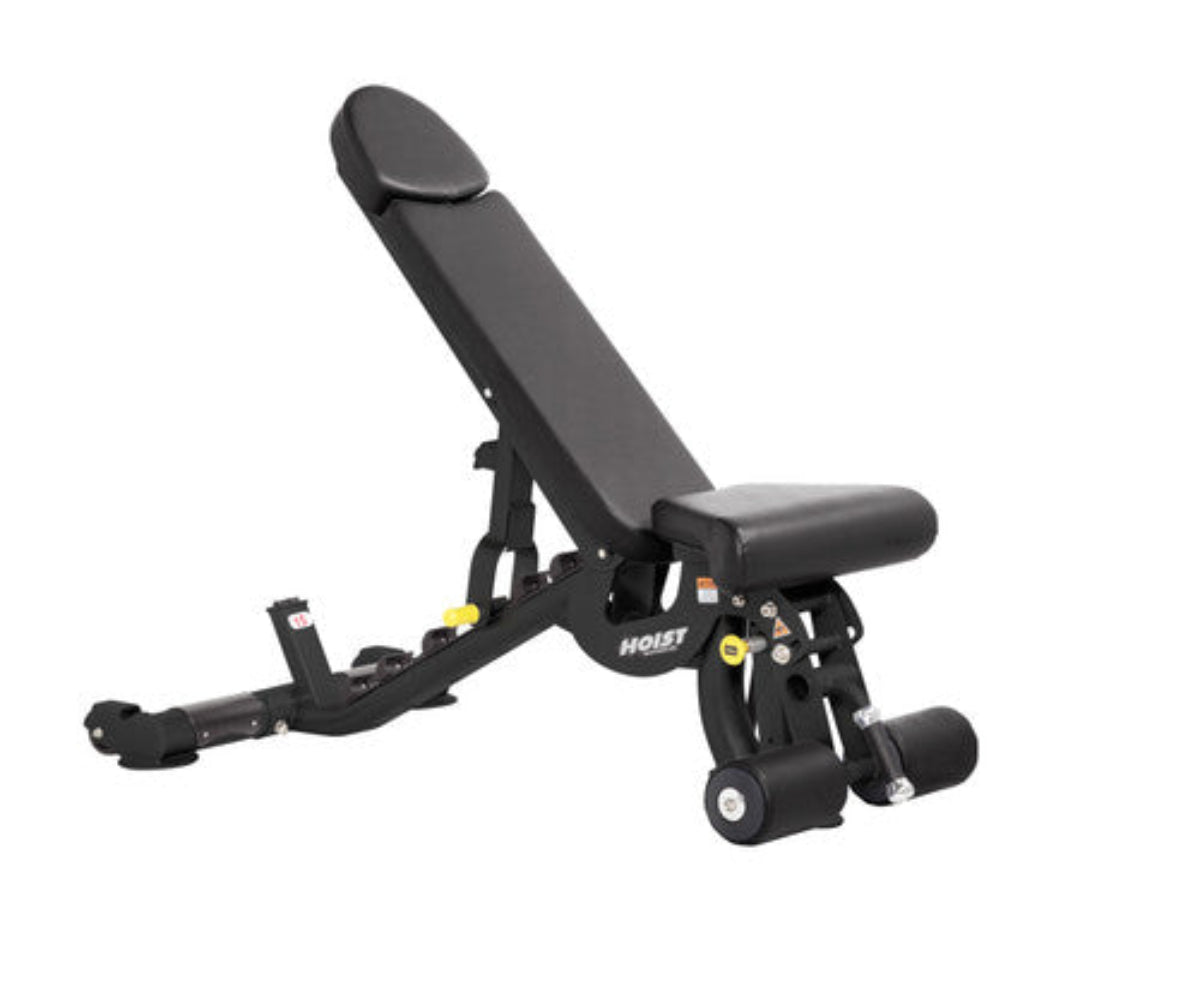
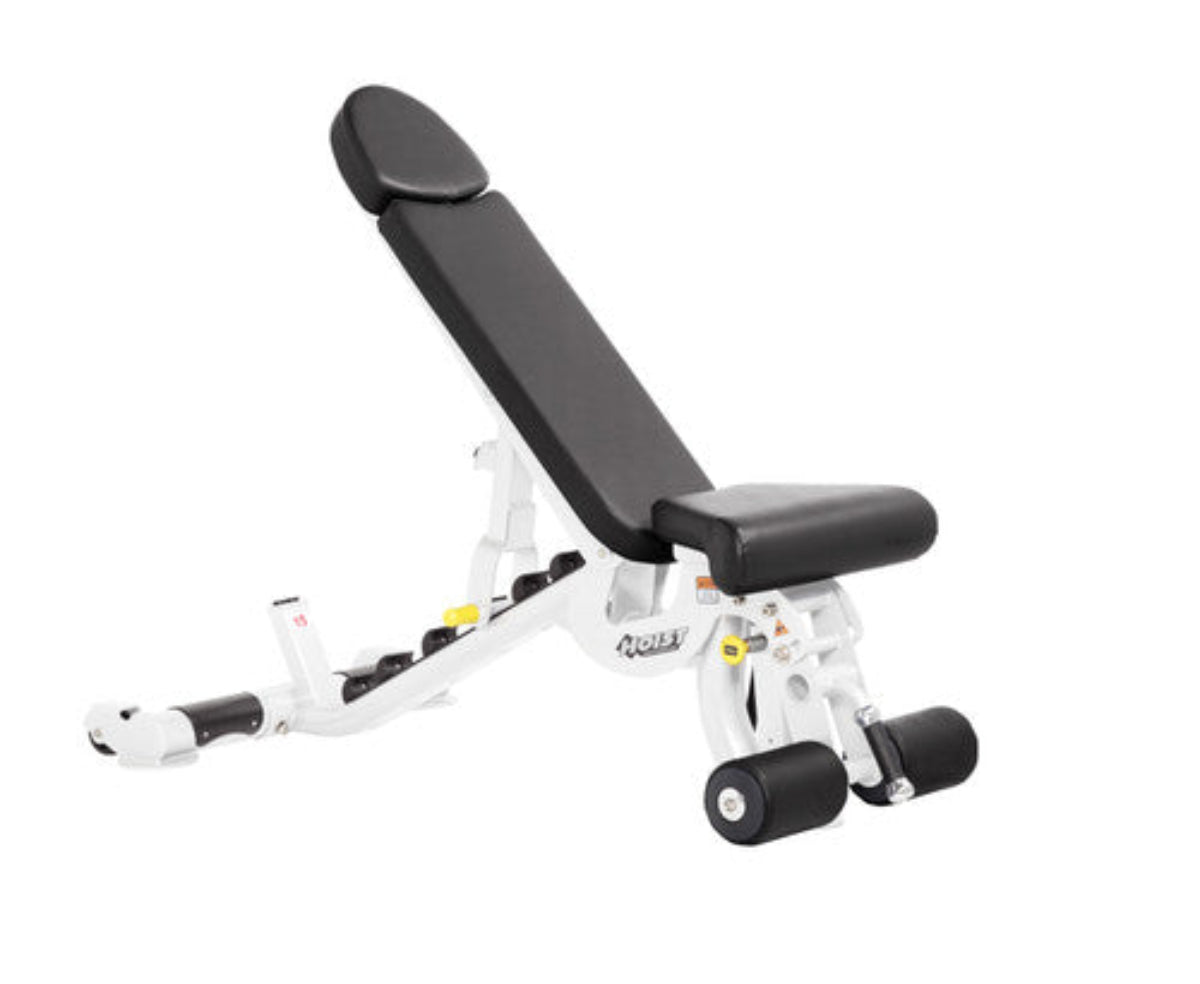
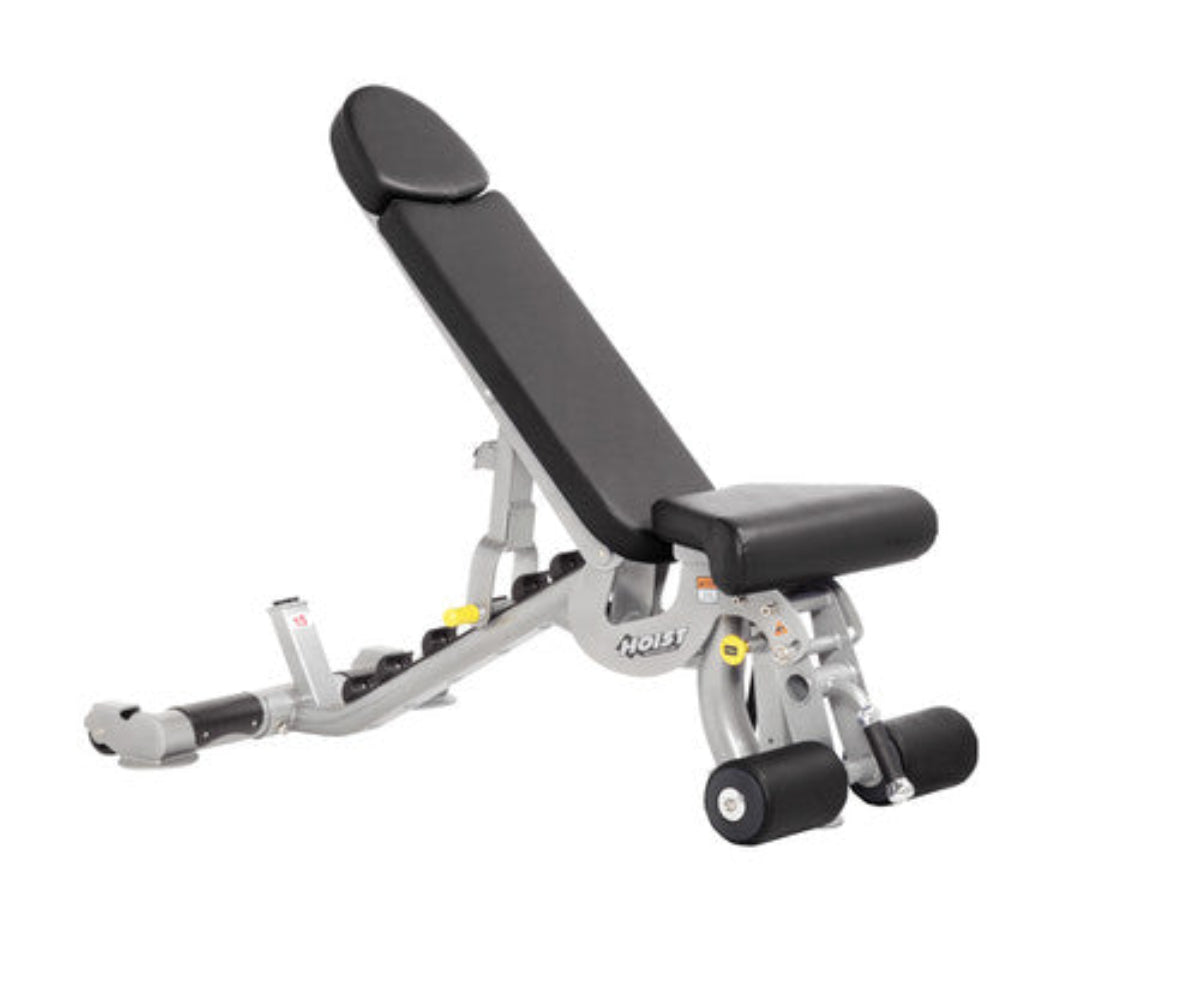
Hoist Fitness CF3165 Commercial Super Flat Incline Decline Bench
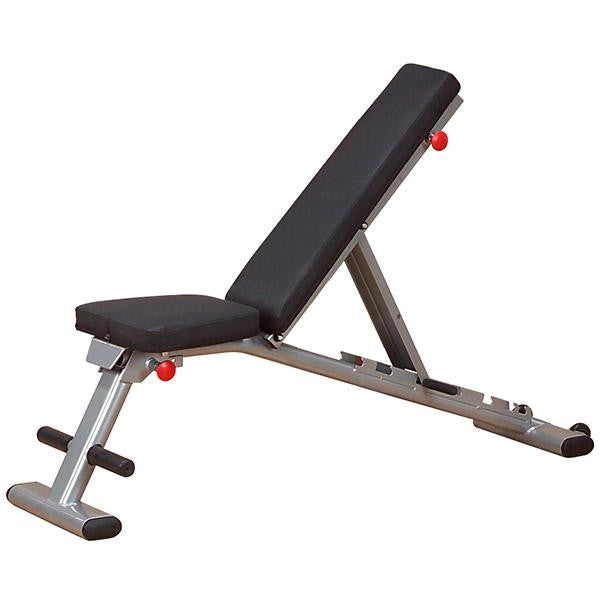
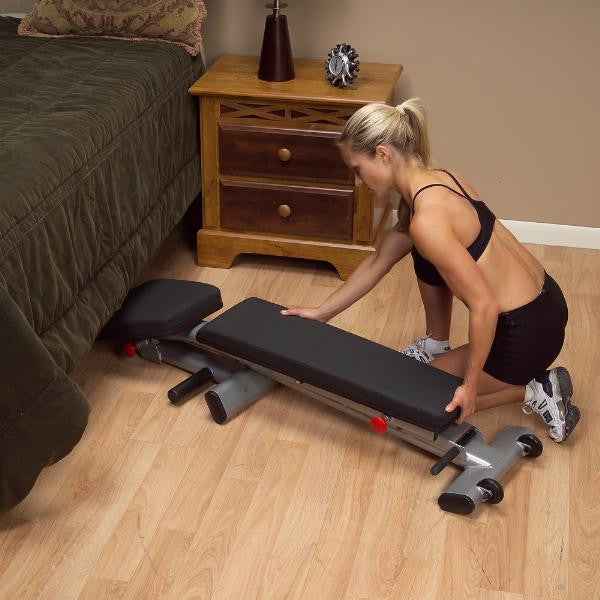
Body-Solid GFID225 Folding Flat Incline Decline Weight Bench
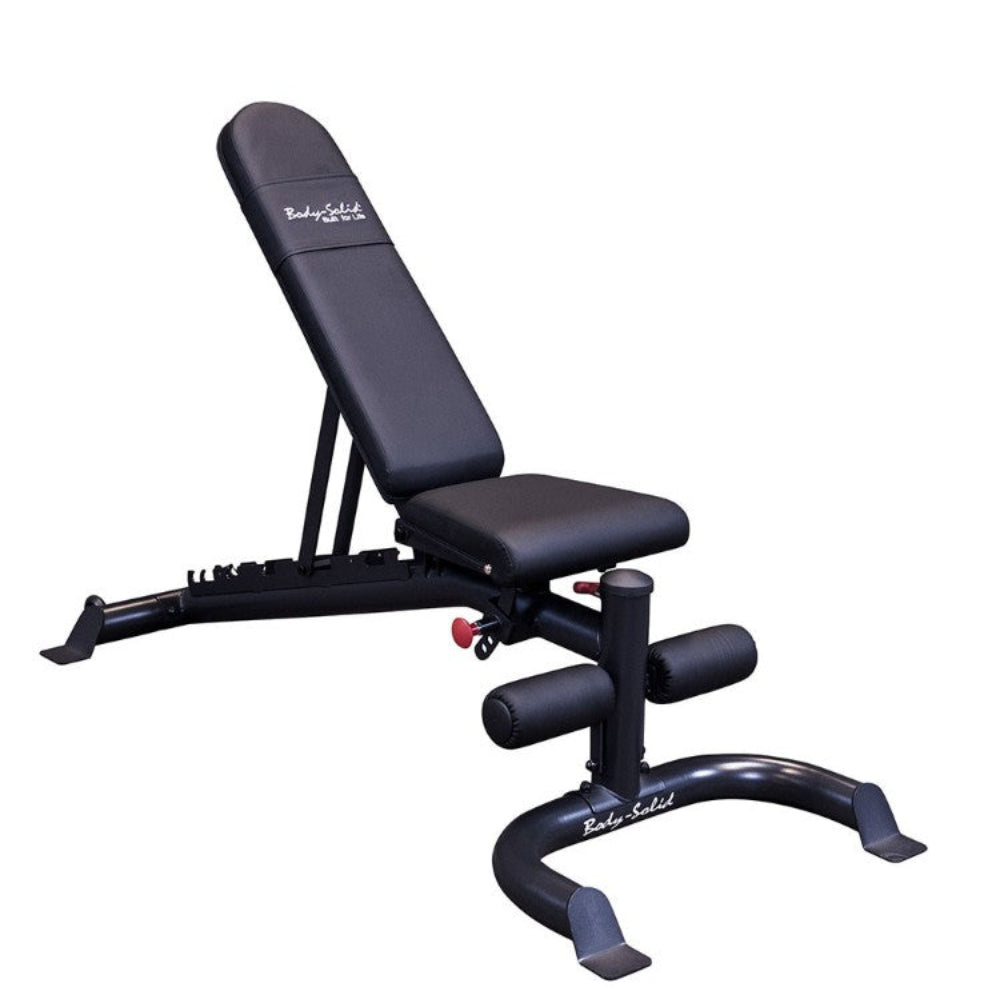
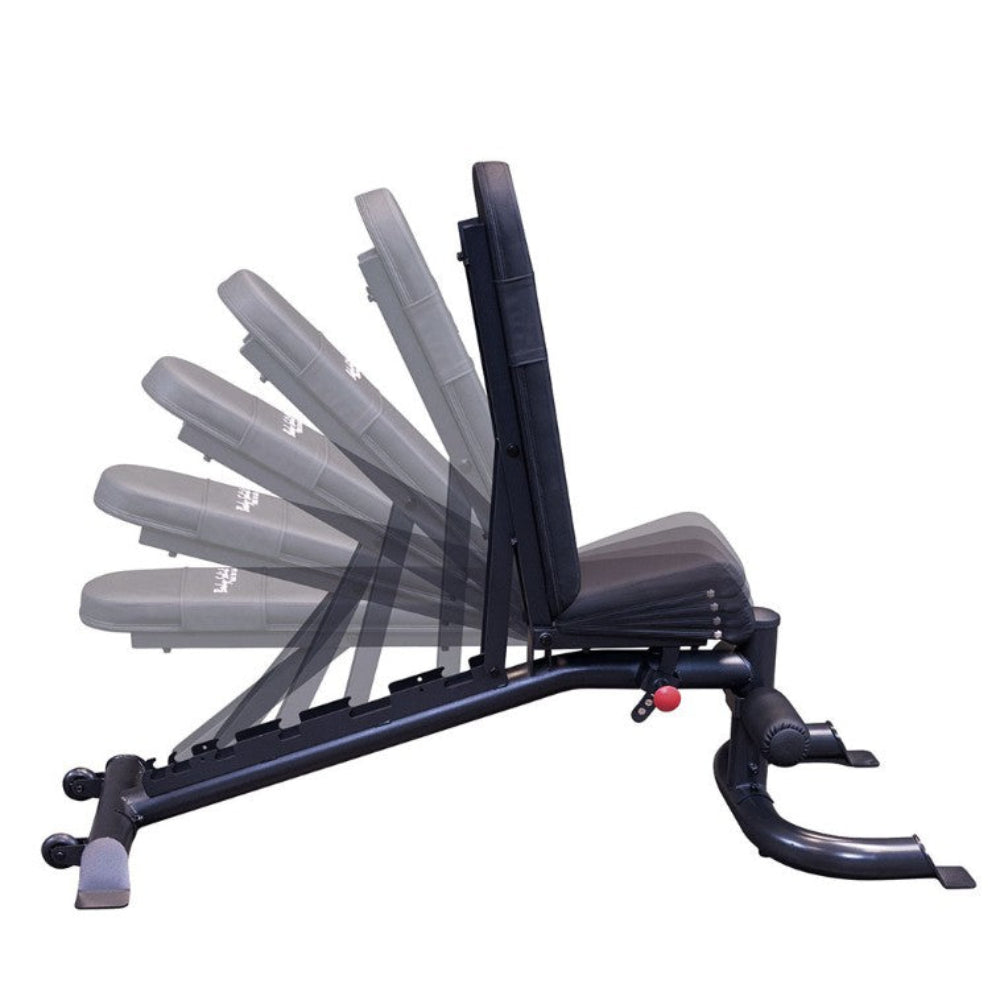
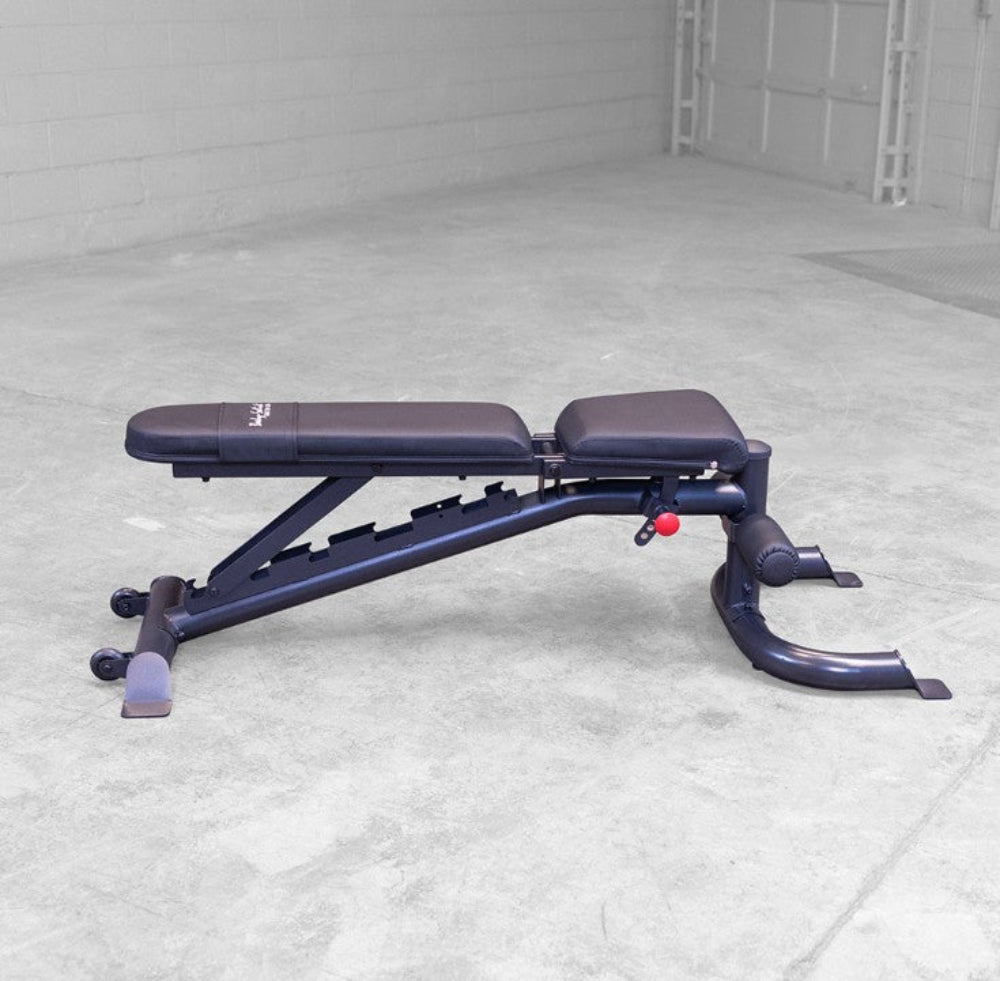
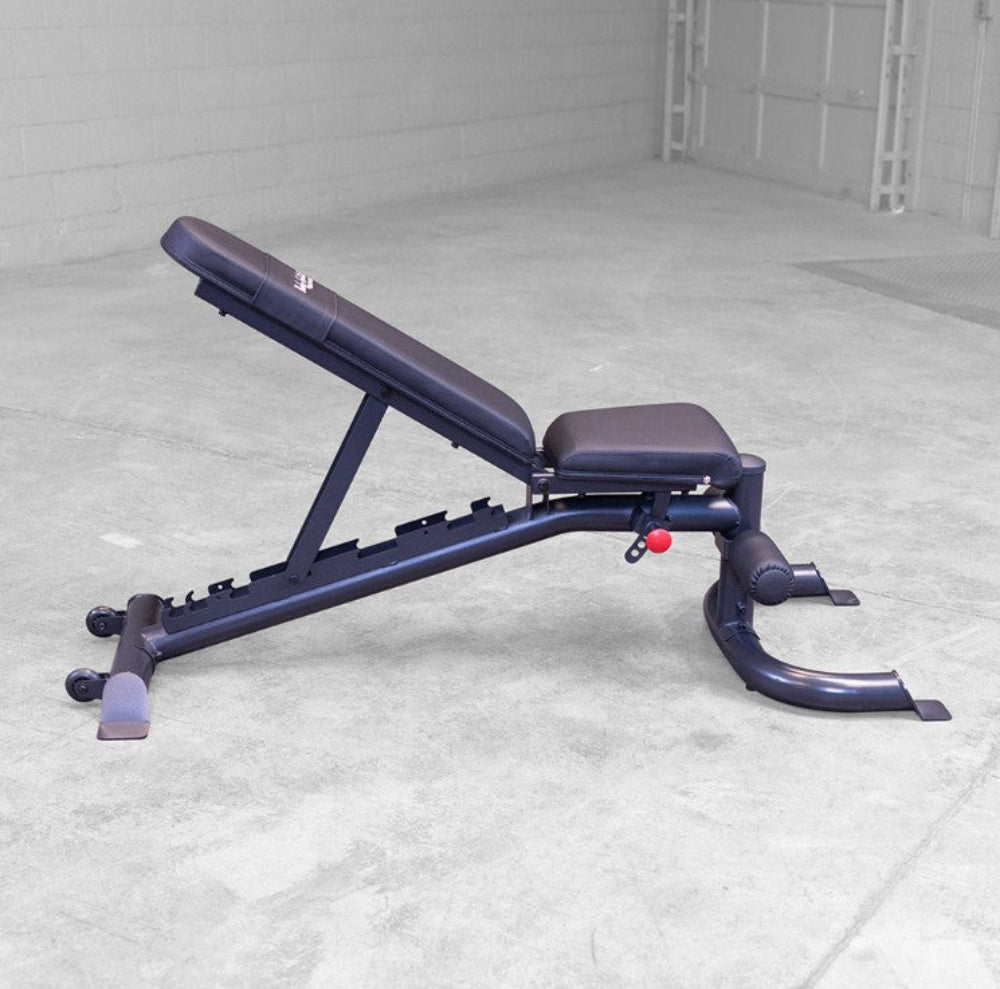
Body-solid Flat/Incline/Decline Bench
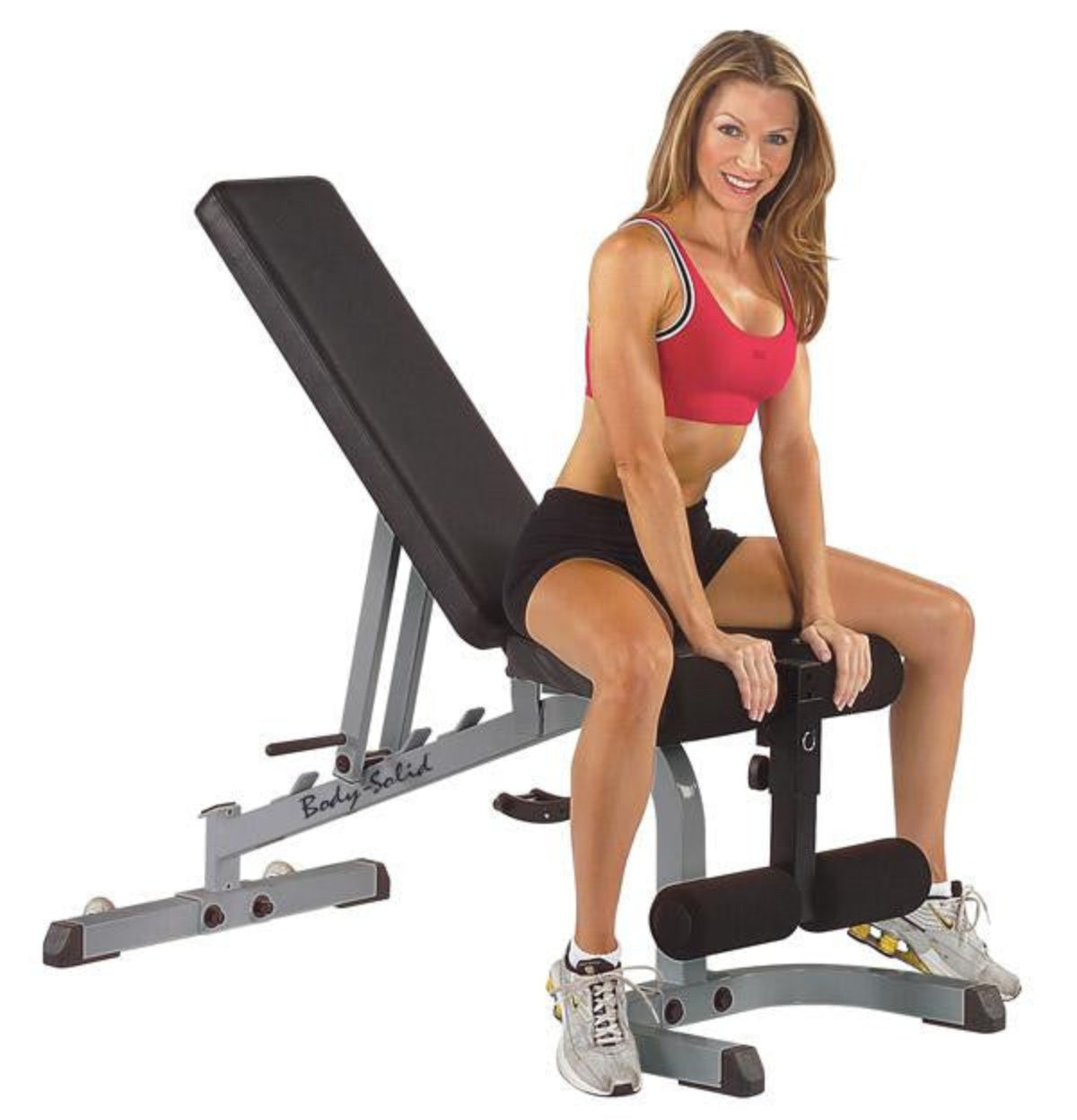
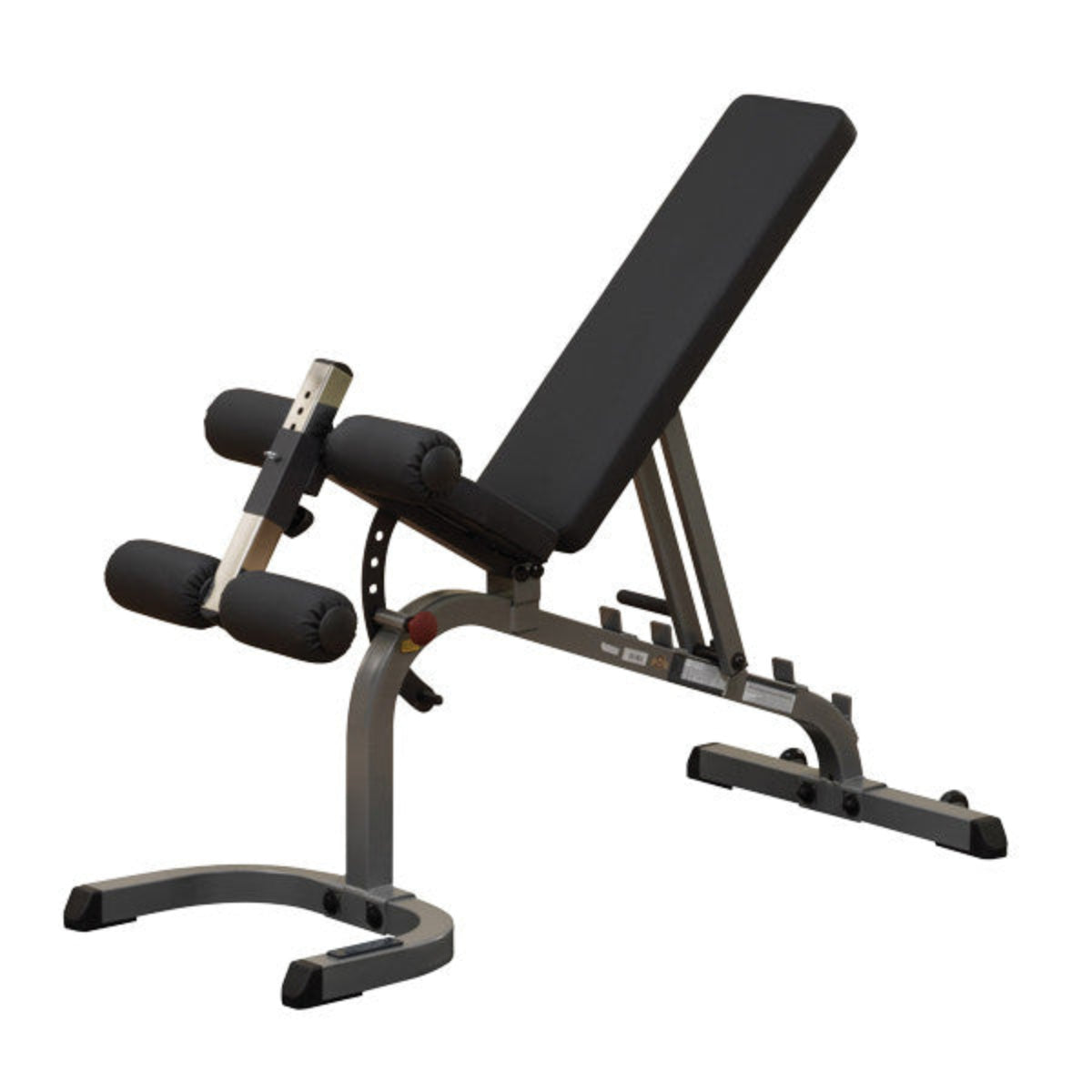
Body-Solid GFID31 Flat Incline Decline Weight Bench

Hoist Fitness HF5163 Flat Utility Bench
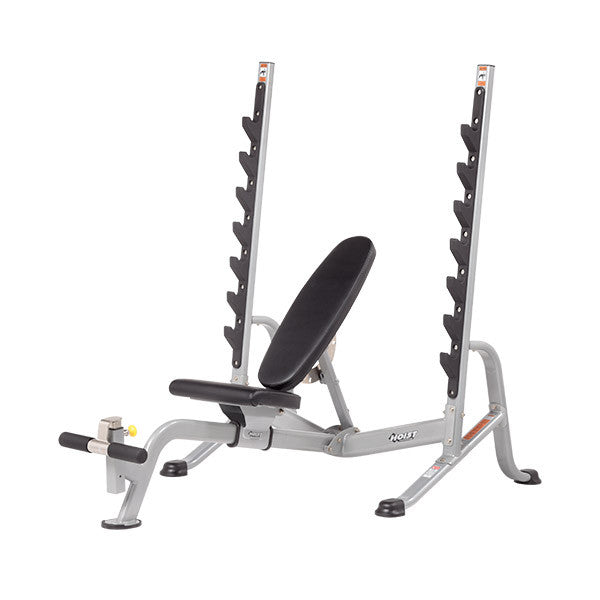
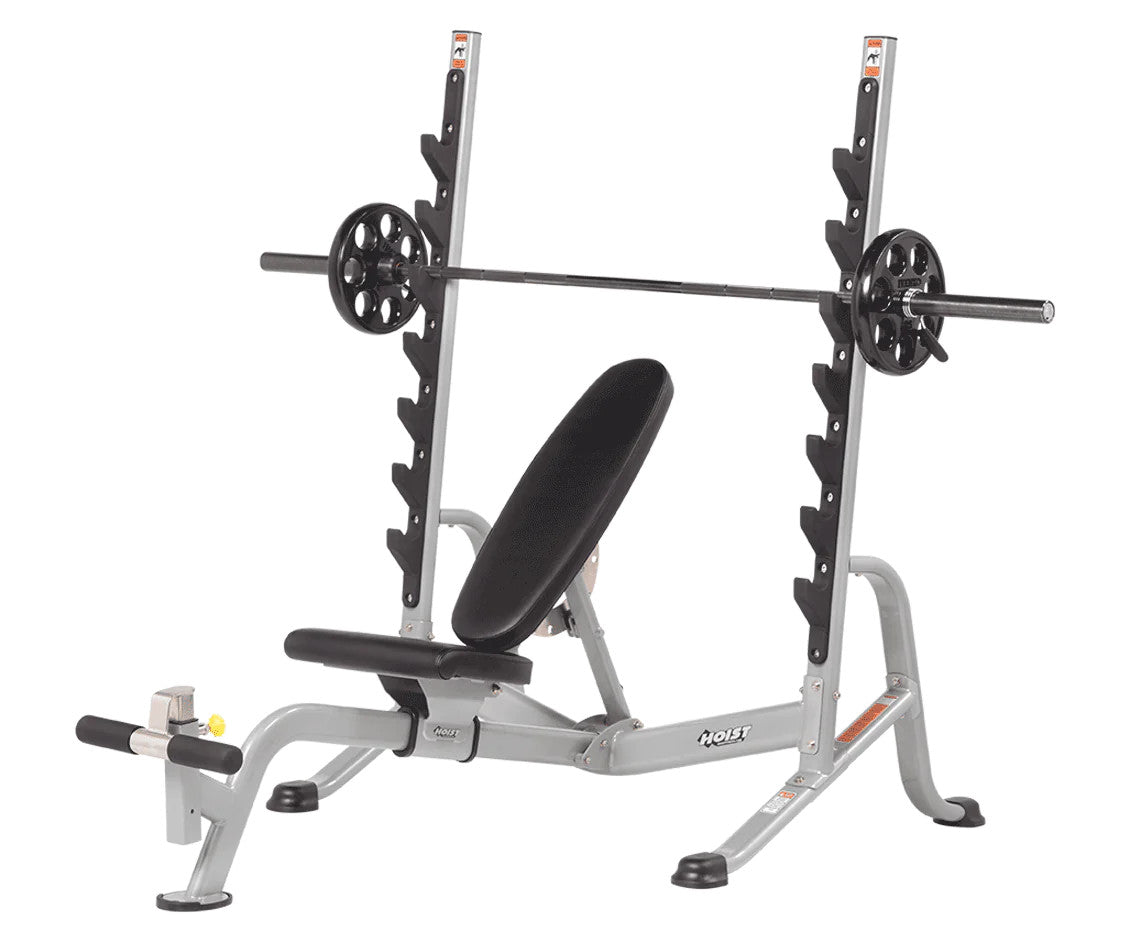
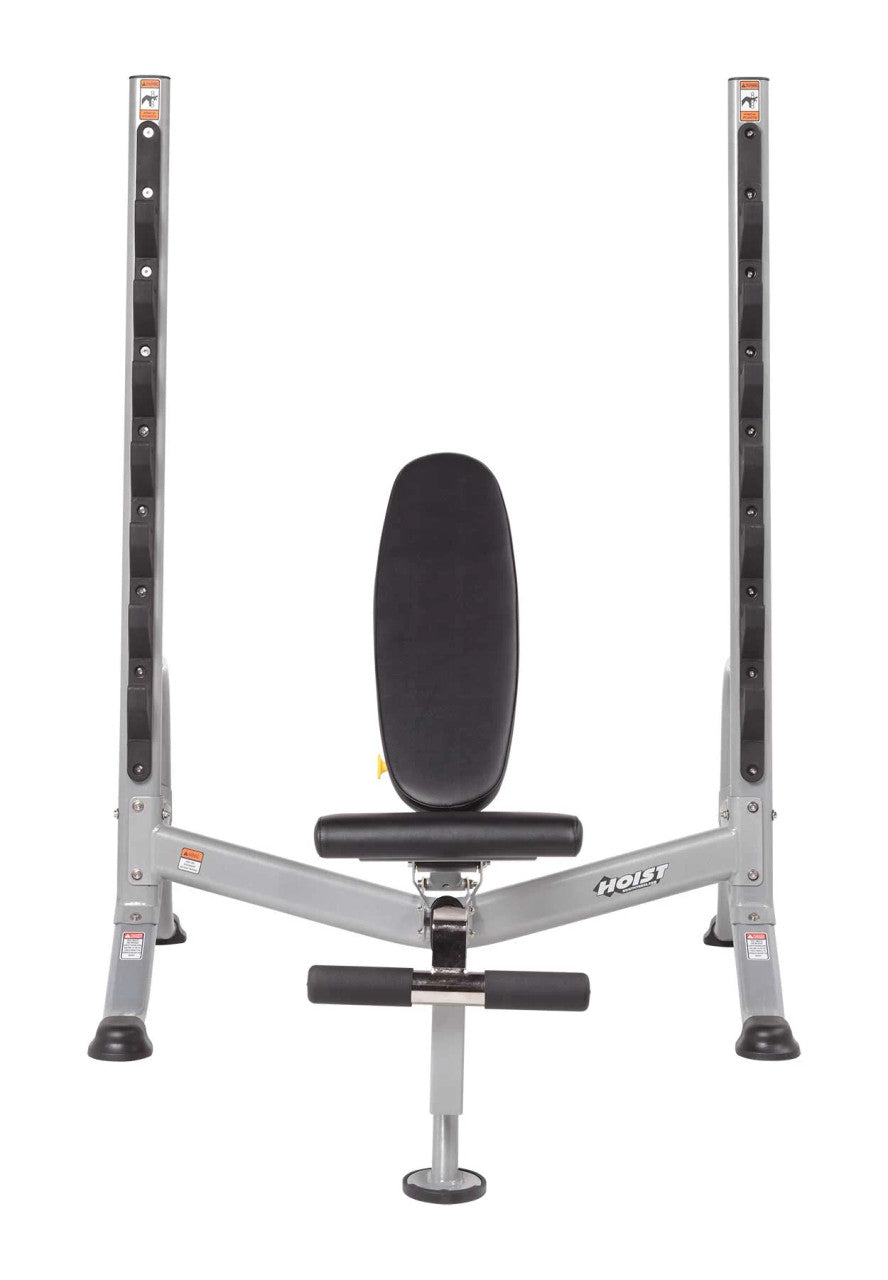
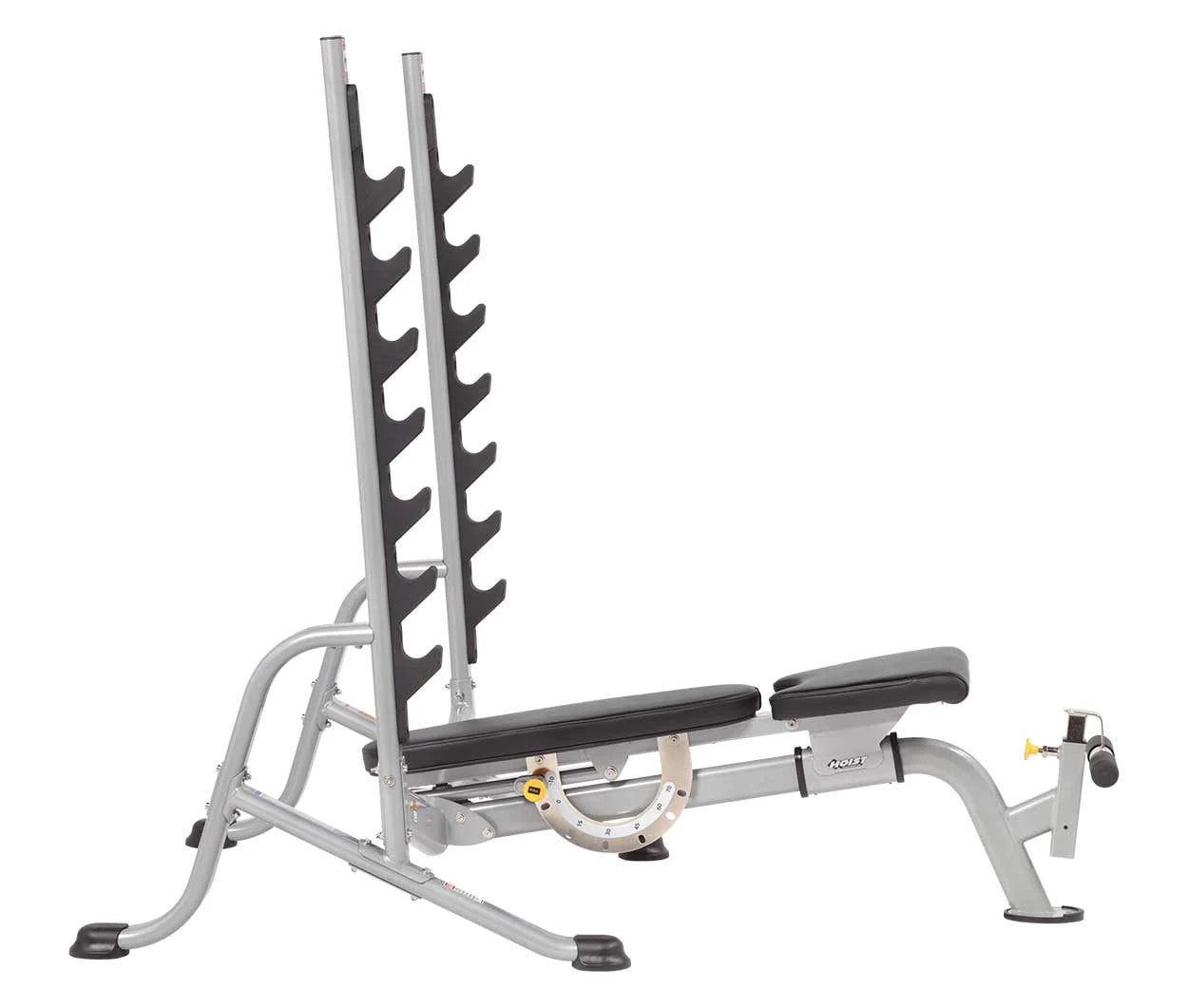
Hoist Fitness HF5170 7 POSITION FID OLYMPIC BENCH
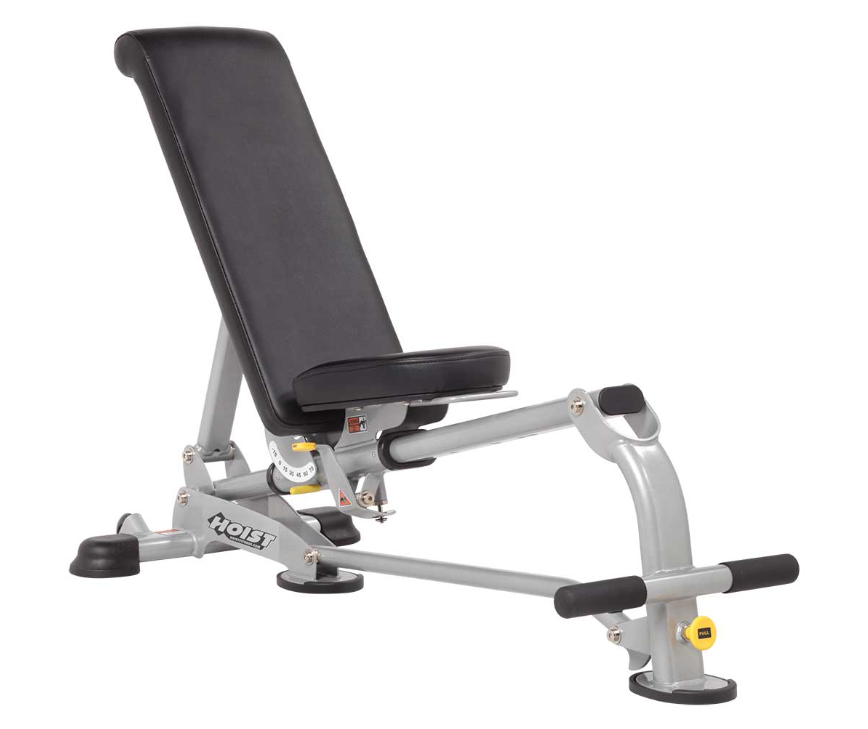
Hoist Fitness HF5167 (7) Position Folding FID Bench
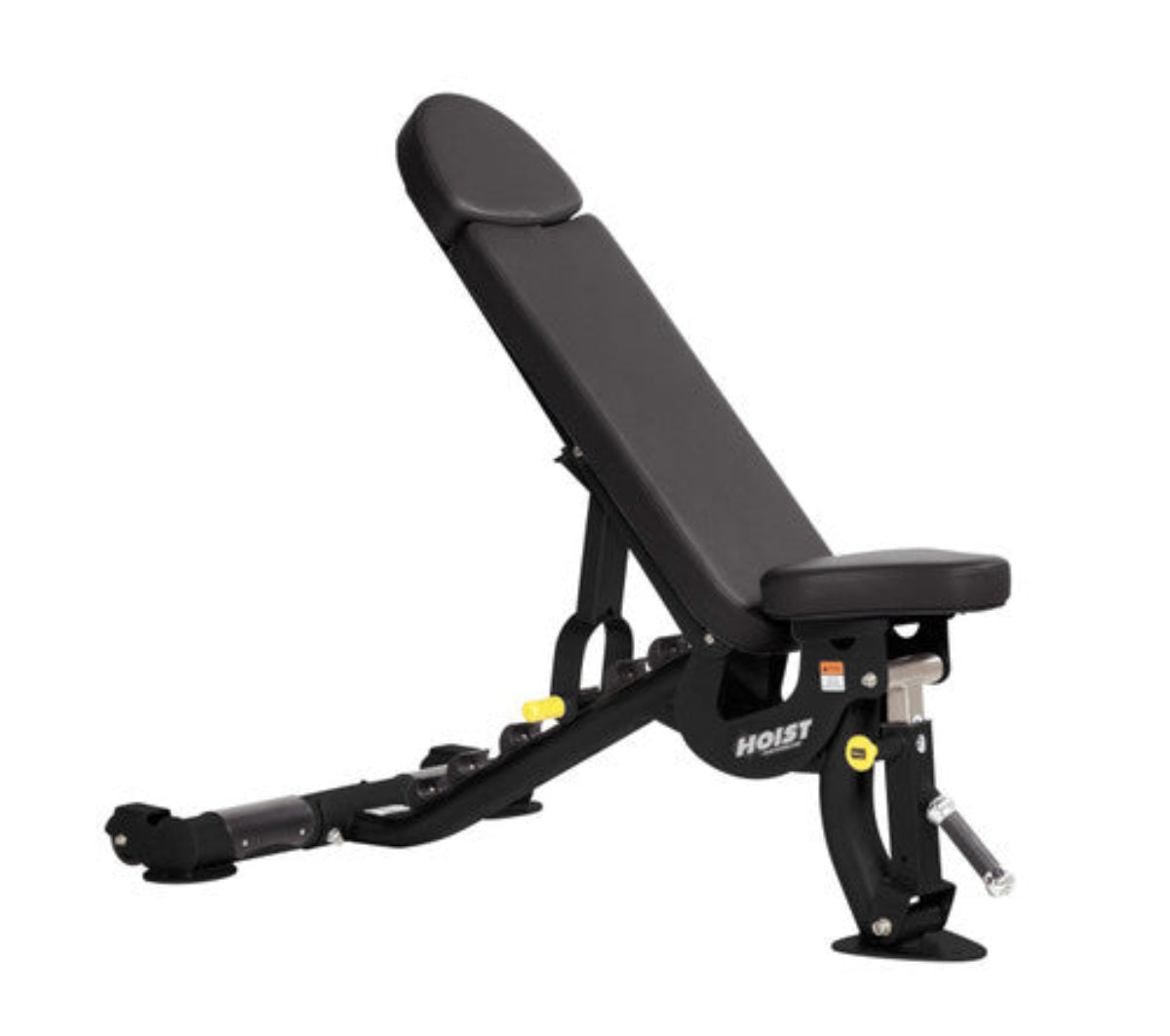
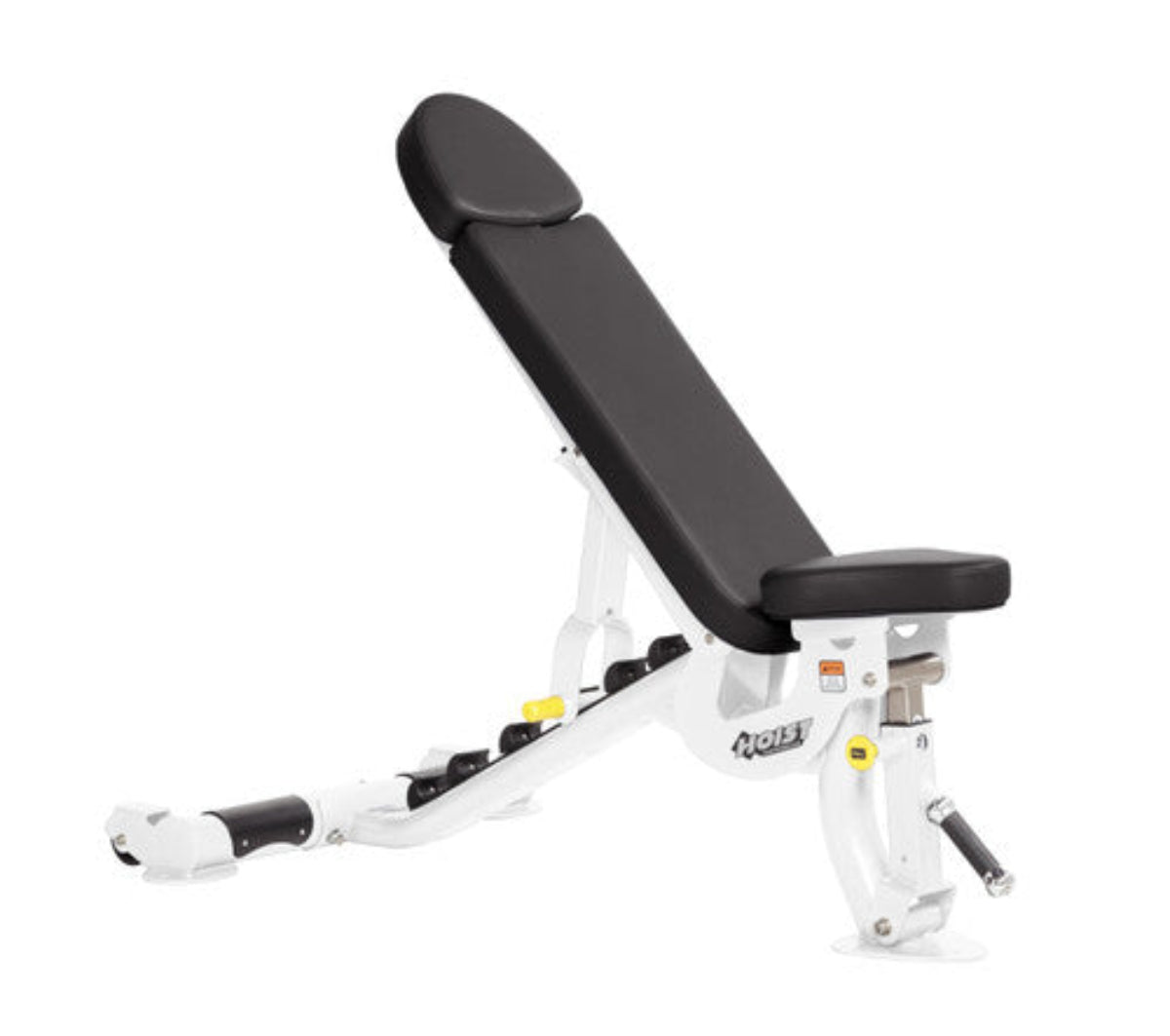

Hoist Fitness CF3160 Super Flat / Incline Bench
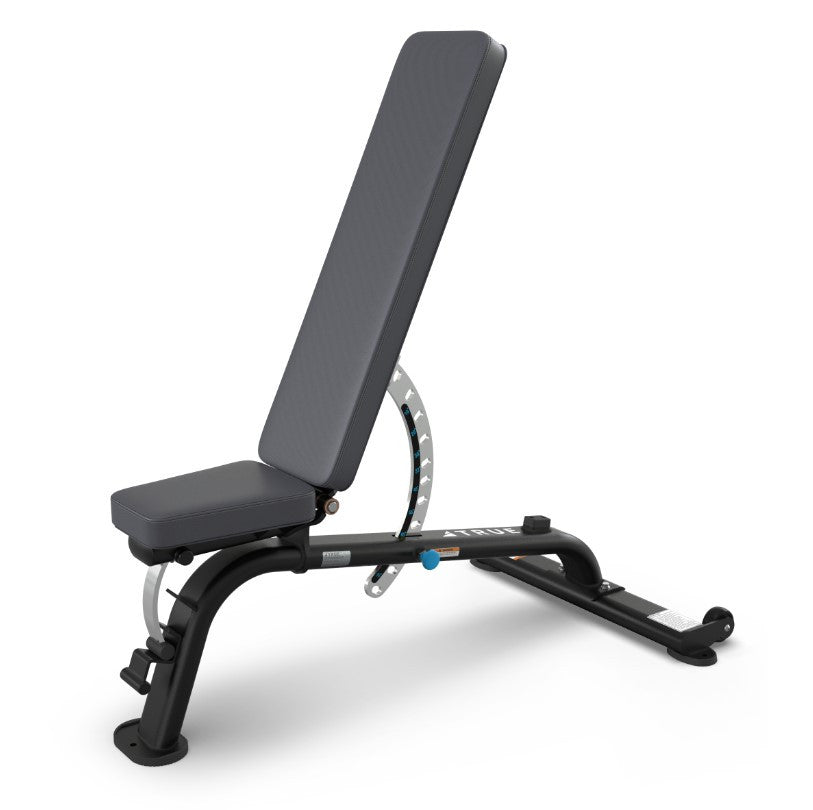
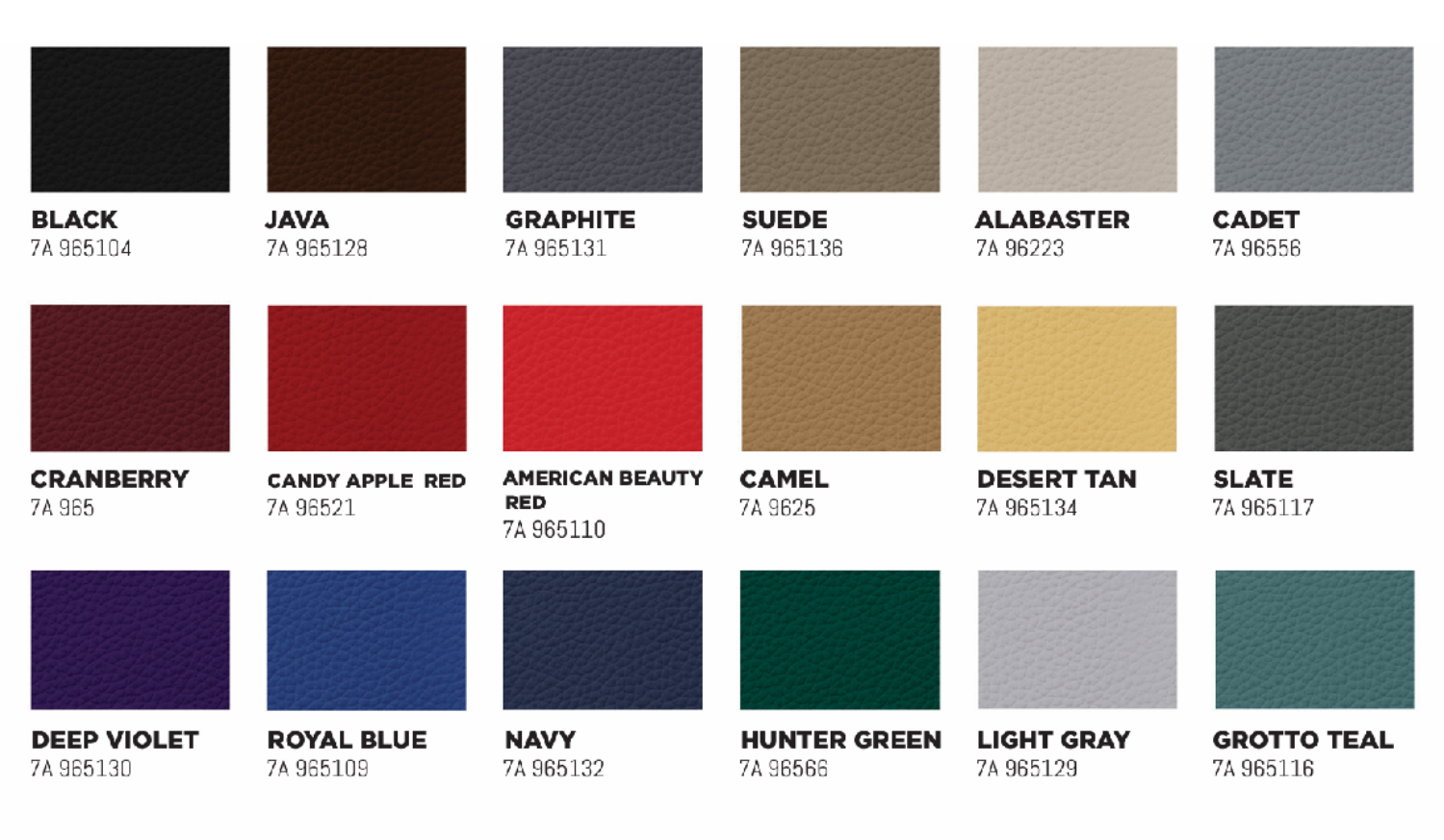

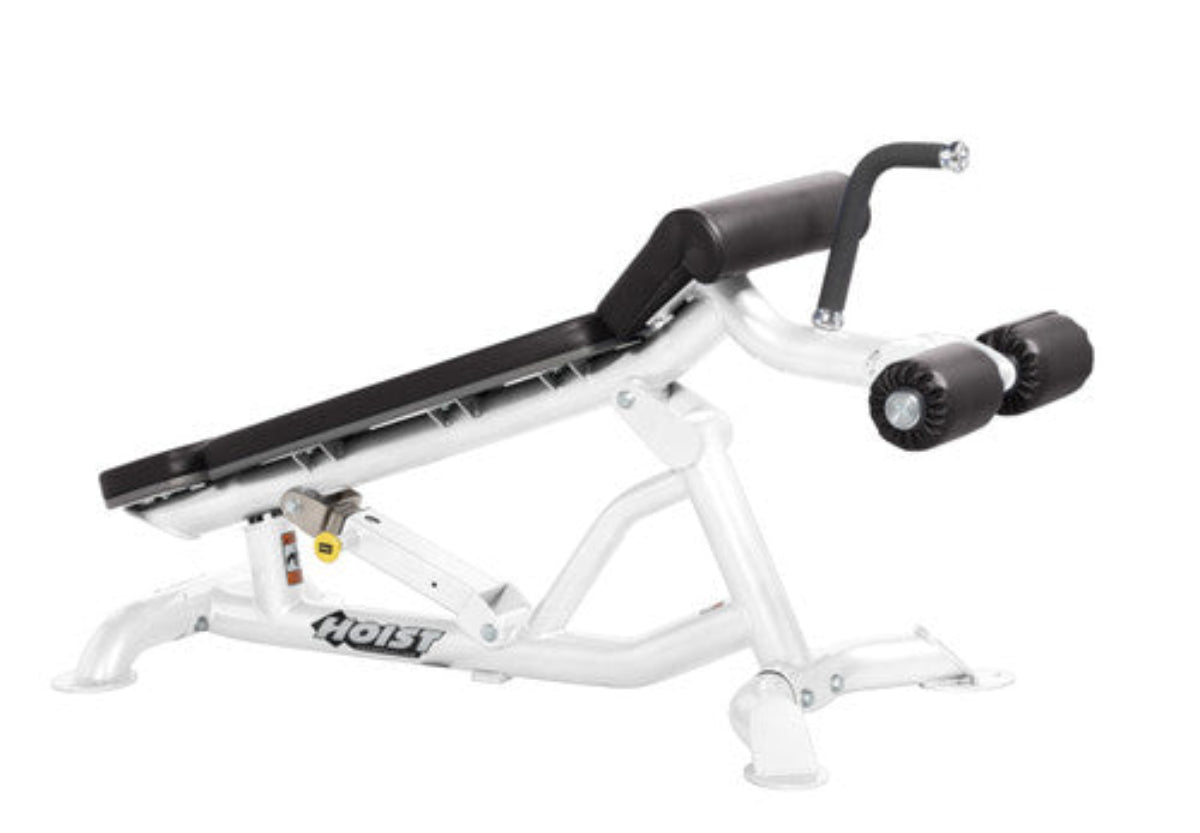

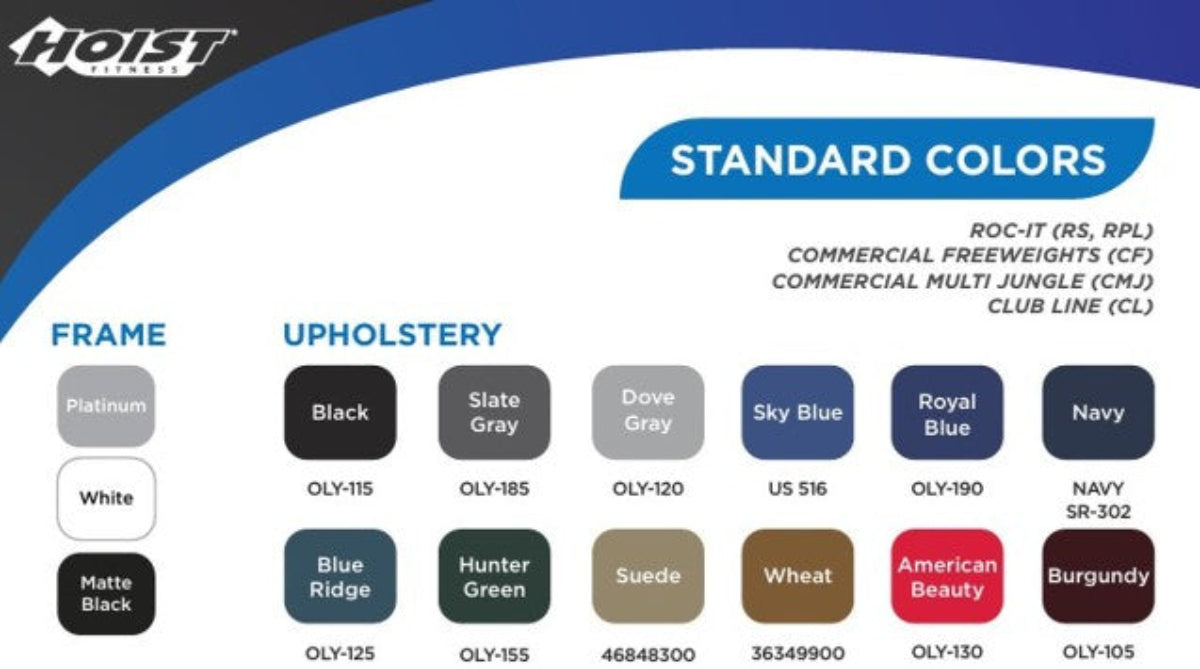
Hoist Fitness CF3162 Commercial Super Adjustable Flat / Decline Bench

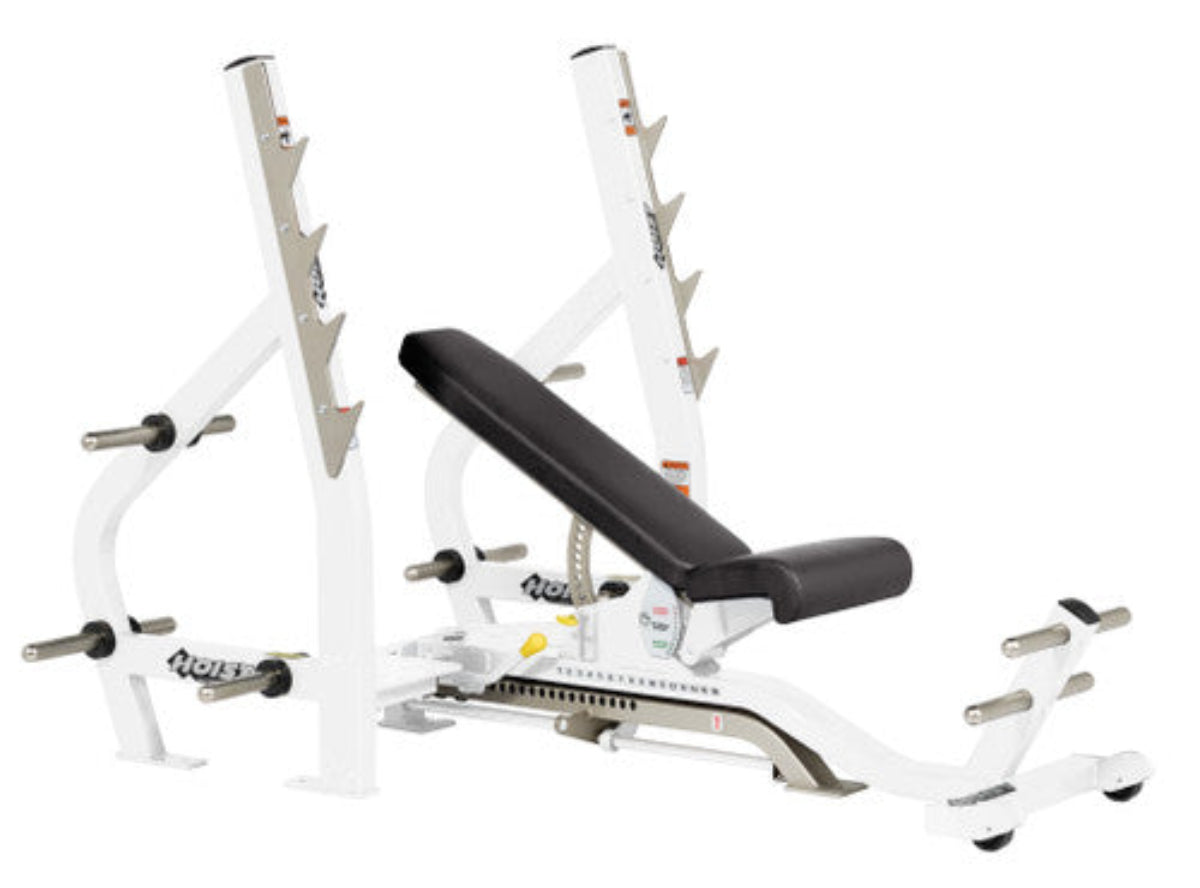
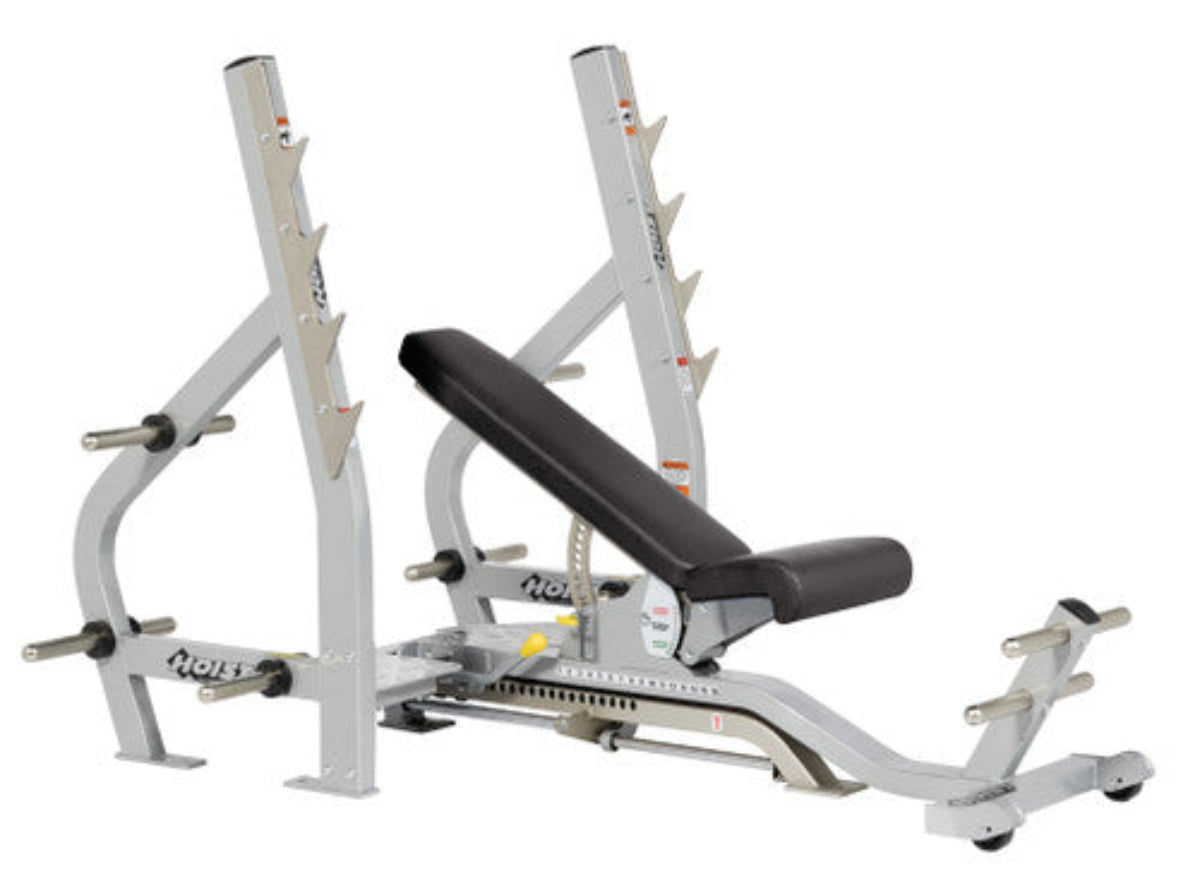
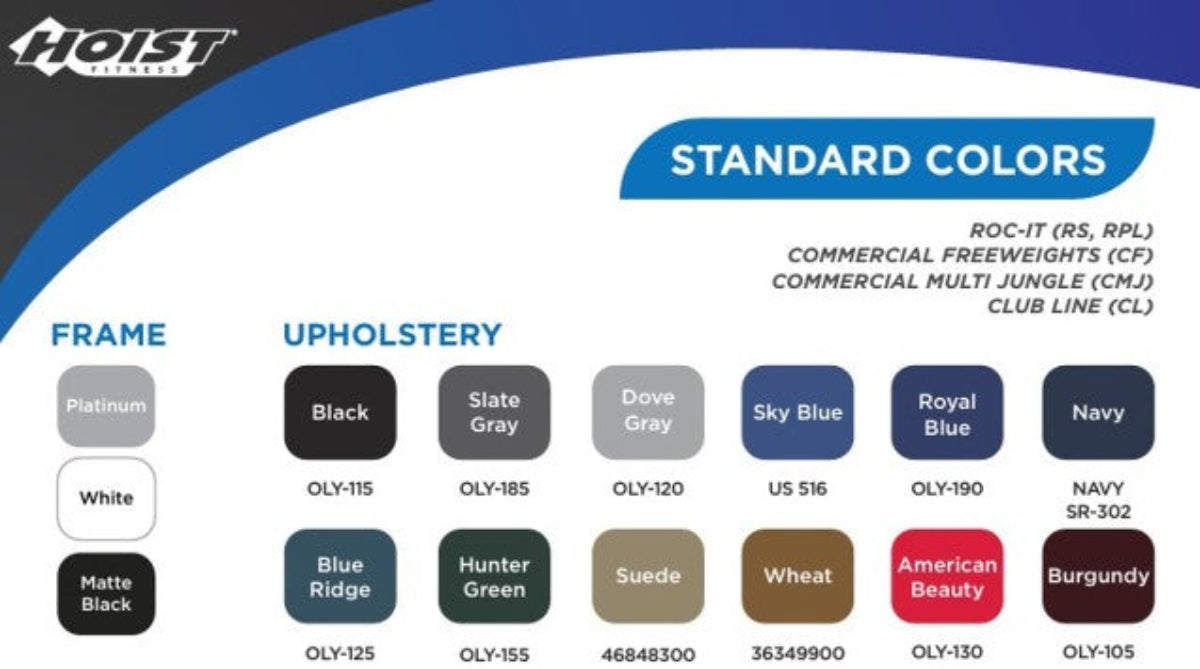
Hoist Fitness CF2179B Commercial (3) Way Flat Incline Decline Bench
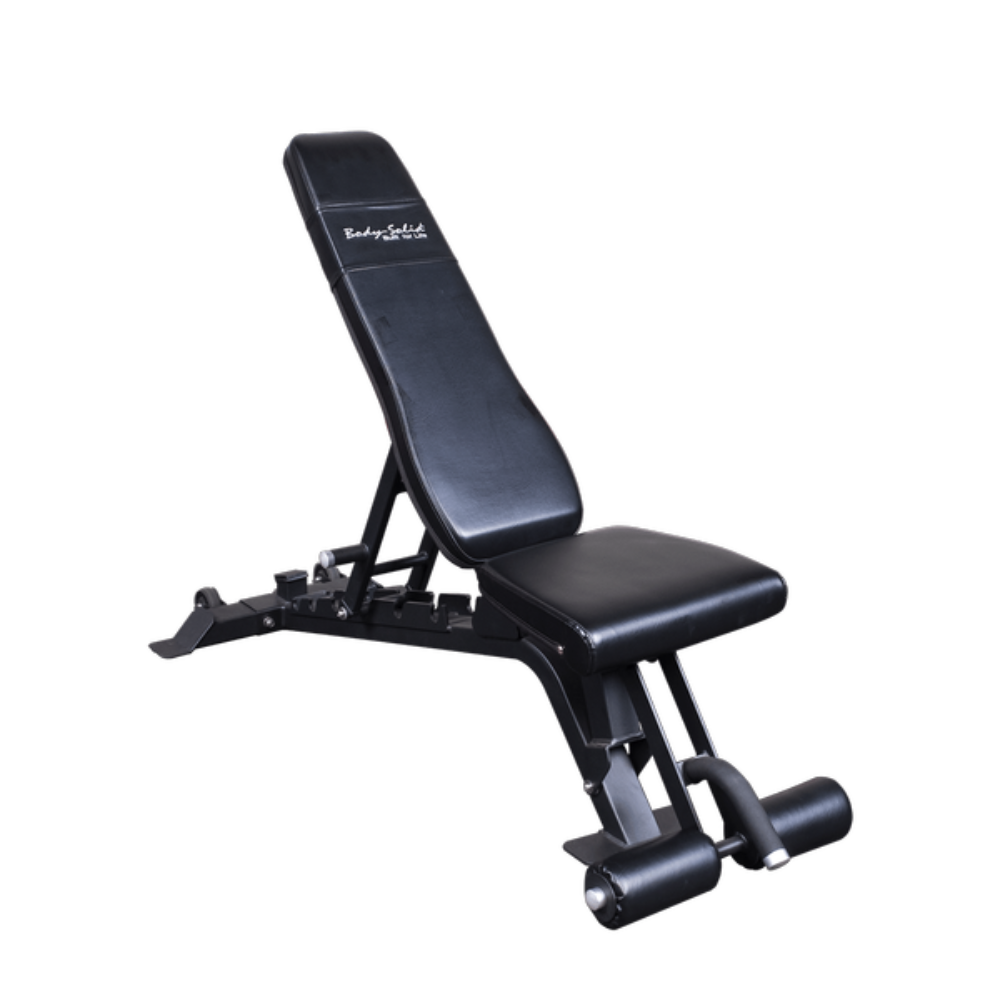
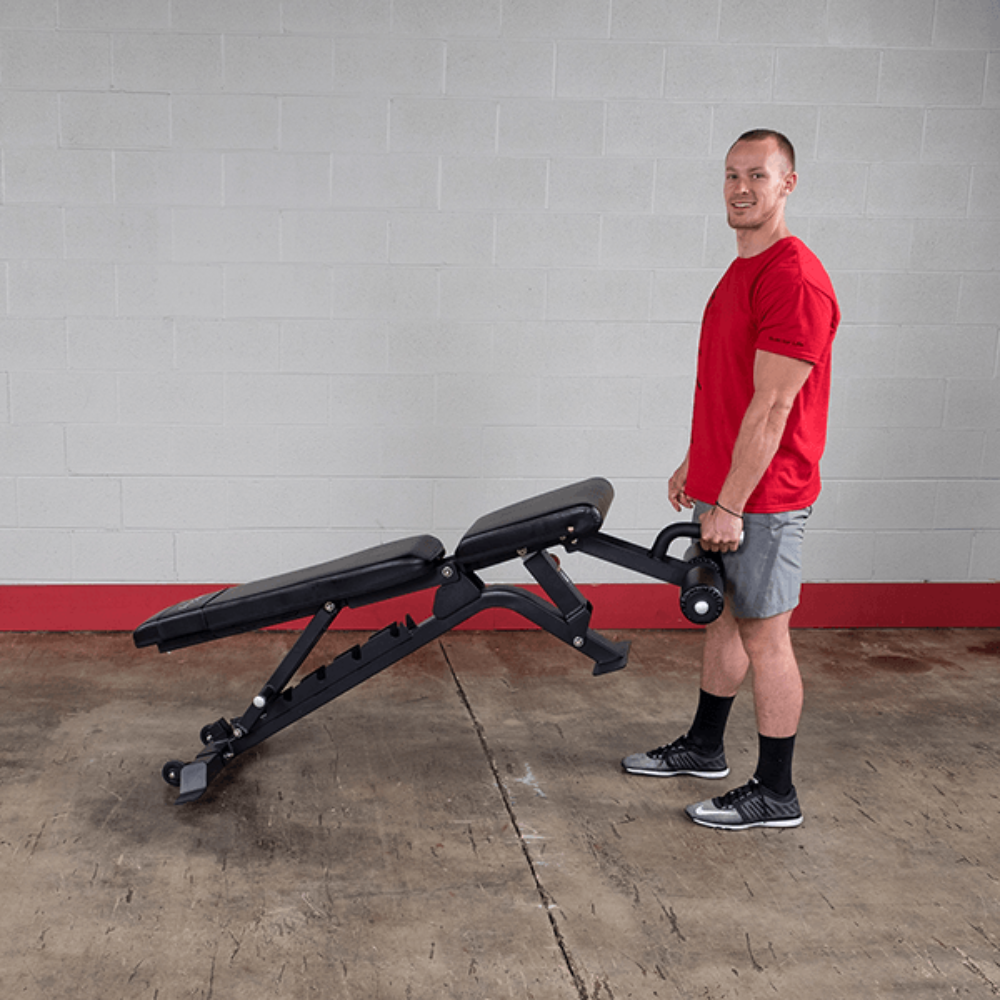
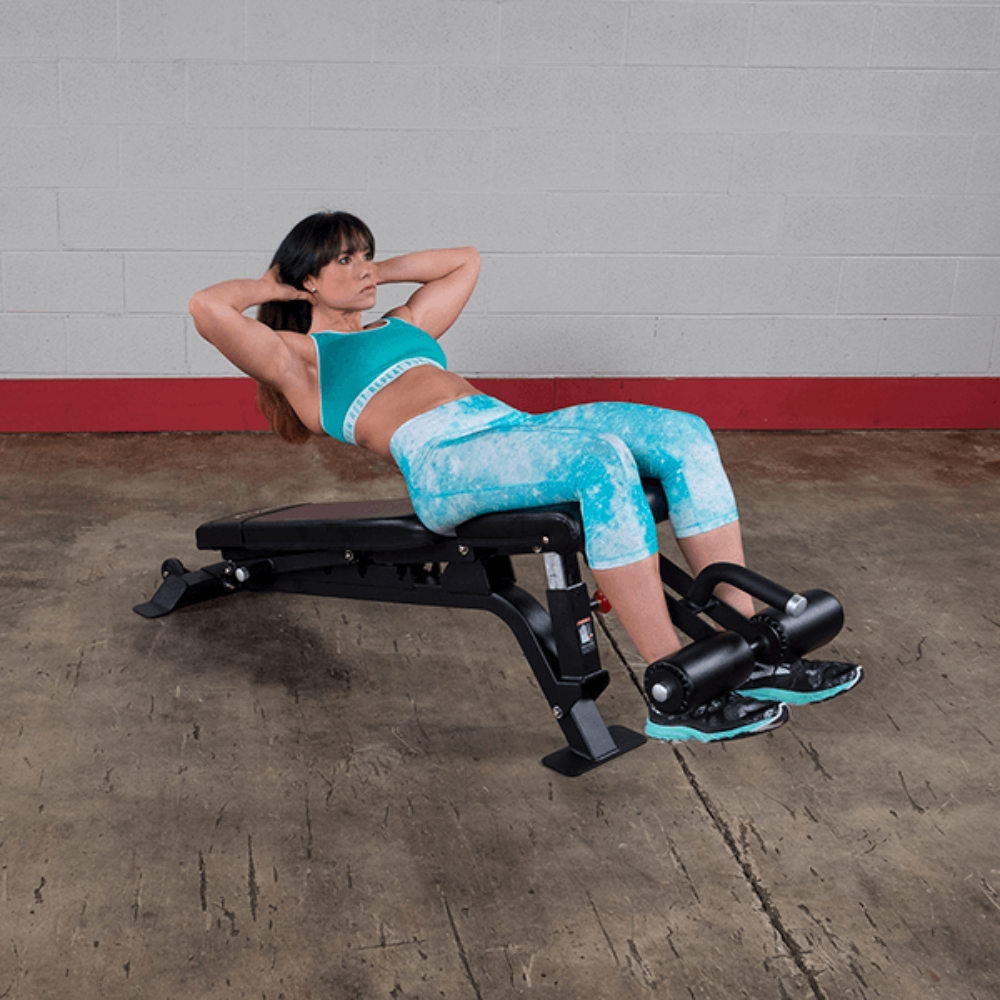
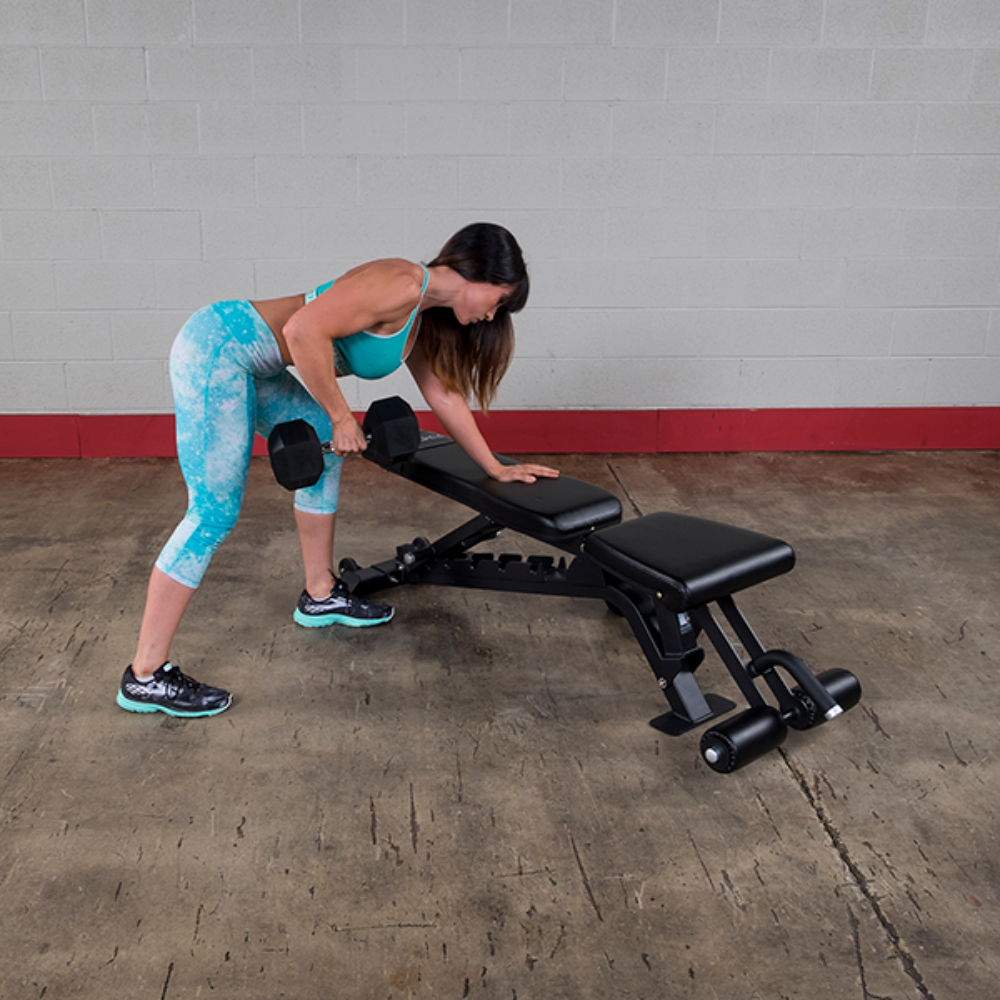
Body-solid Full Commercial Flat/Incline/Decline Bench
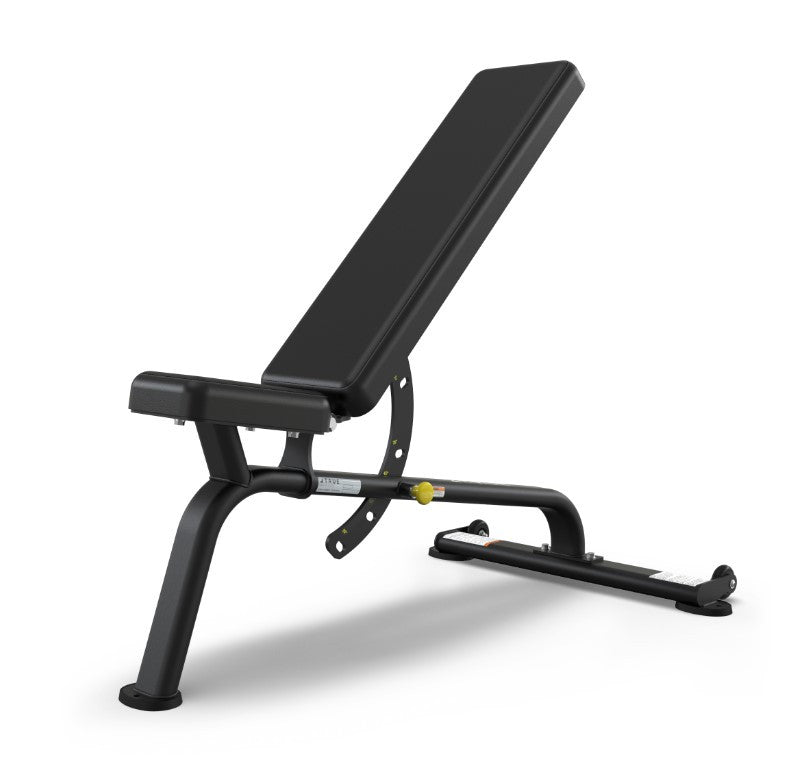
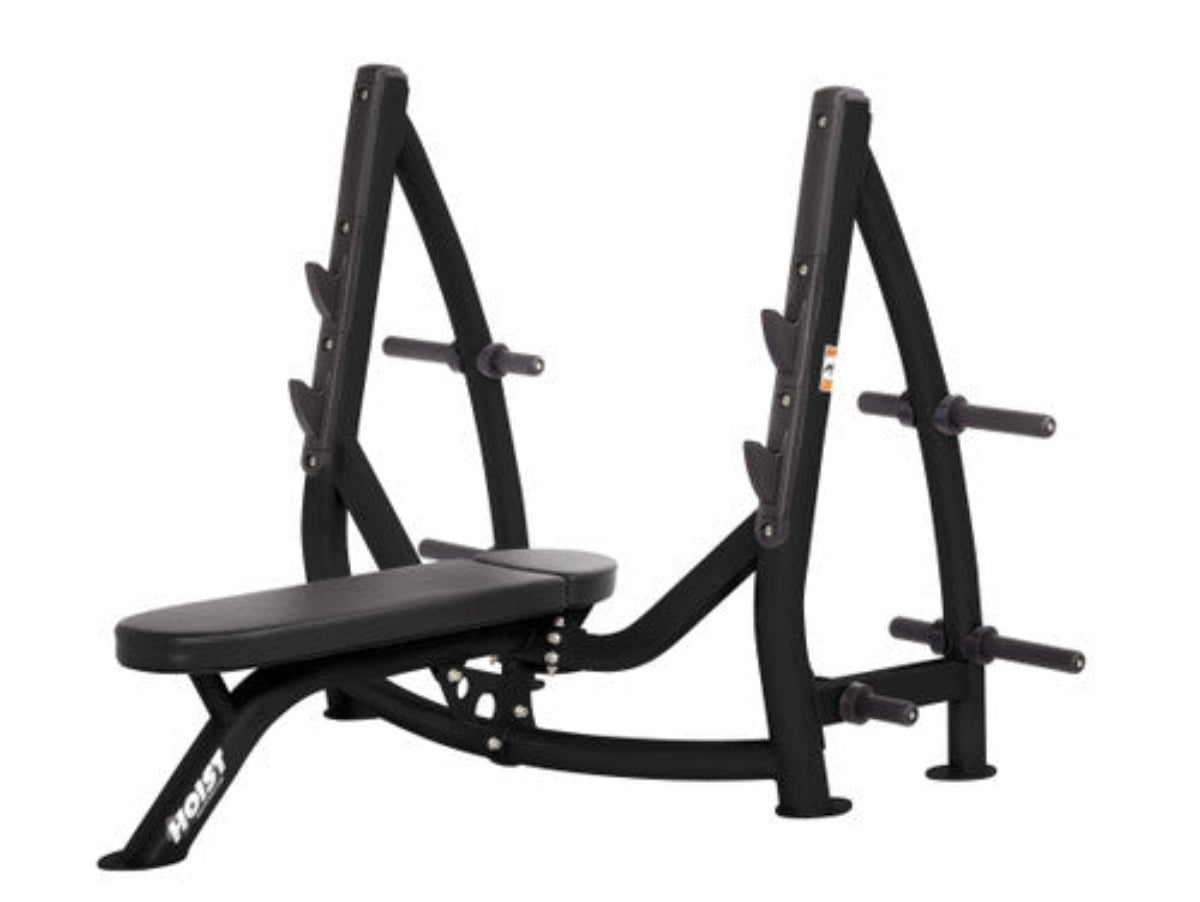

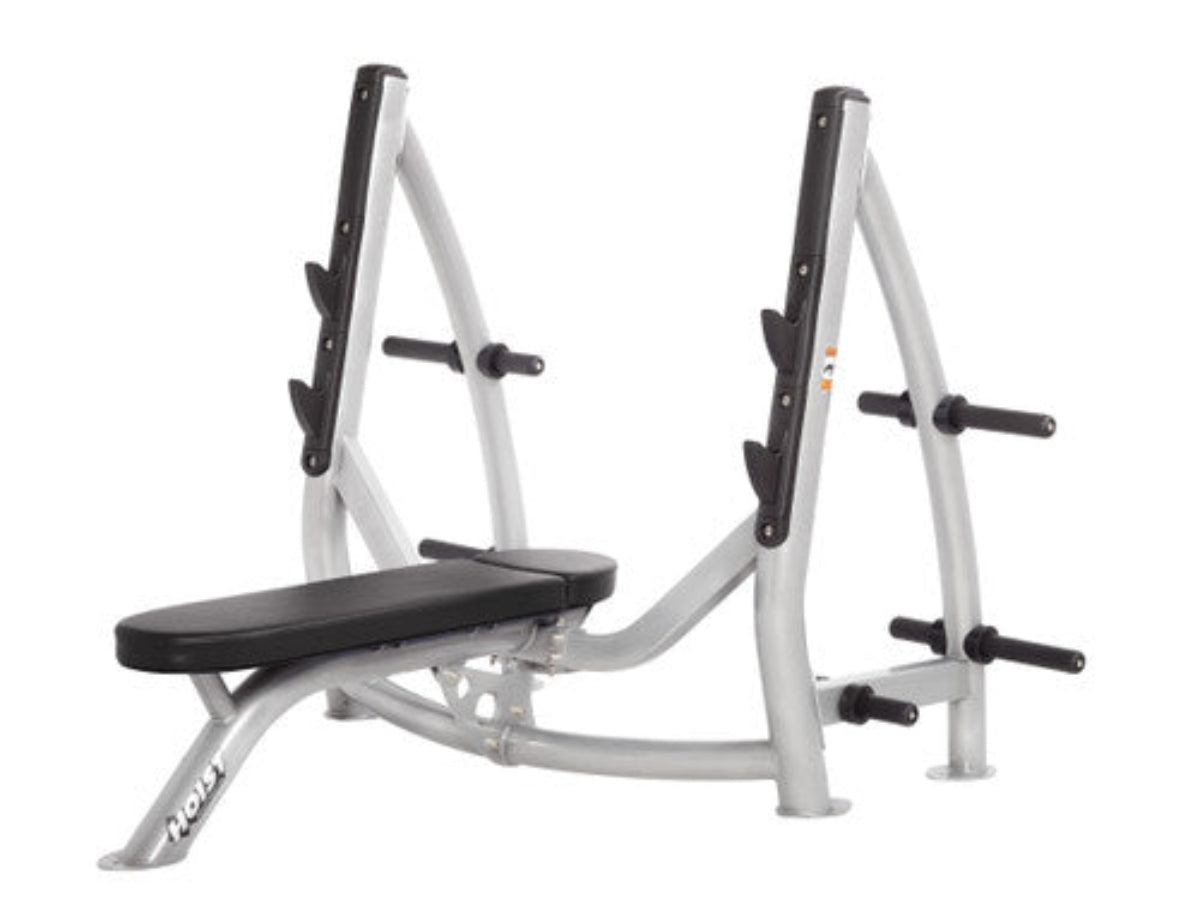
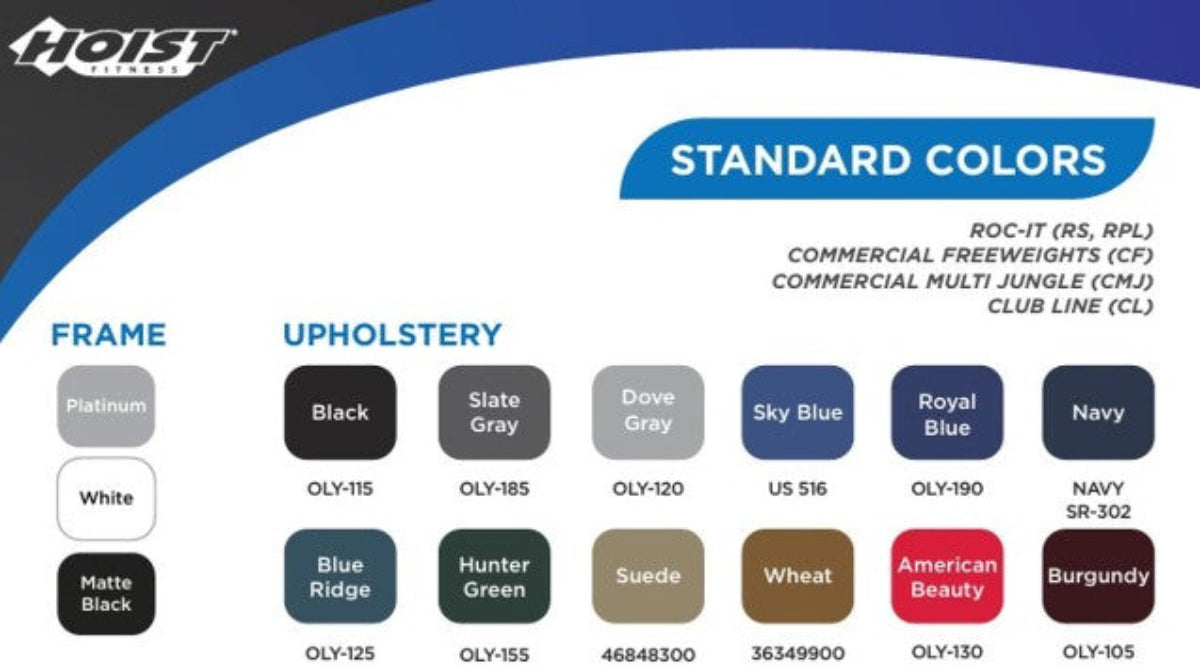
Hoist Fitness CF3170 Commercial Flat Olympic Bench with Storage
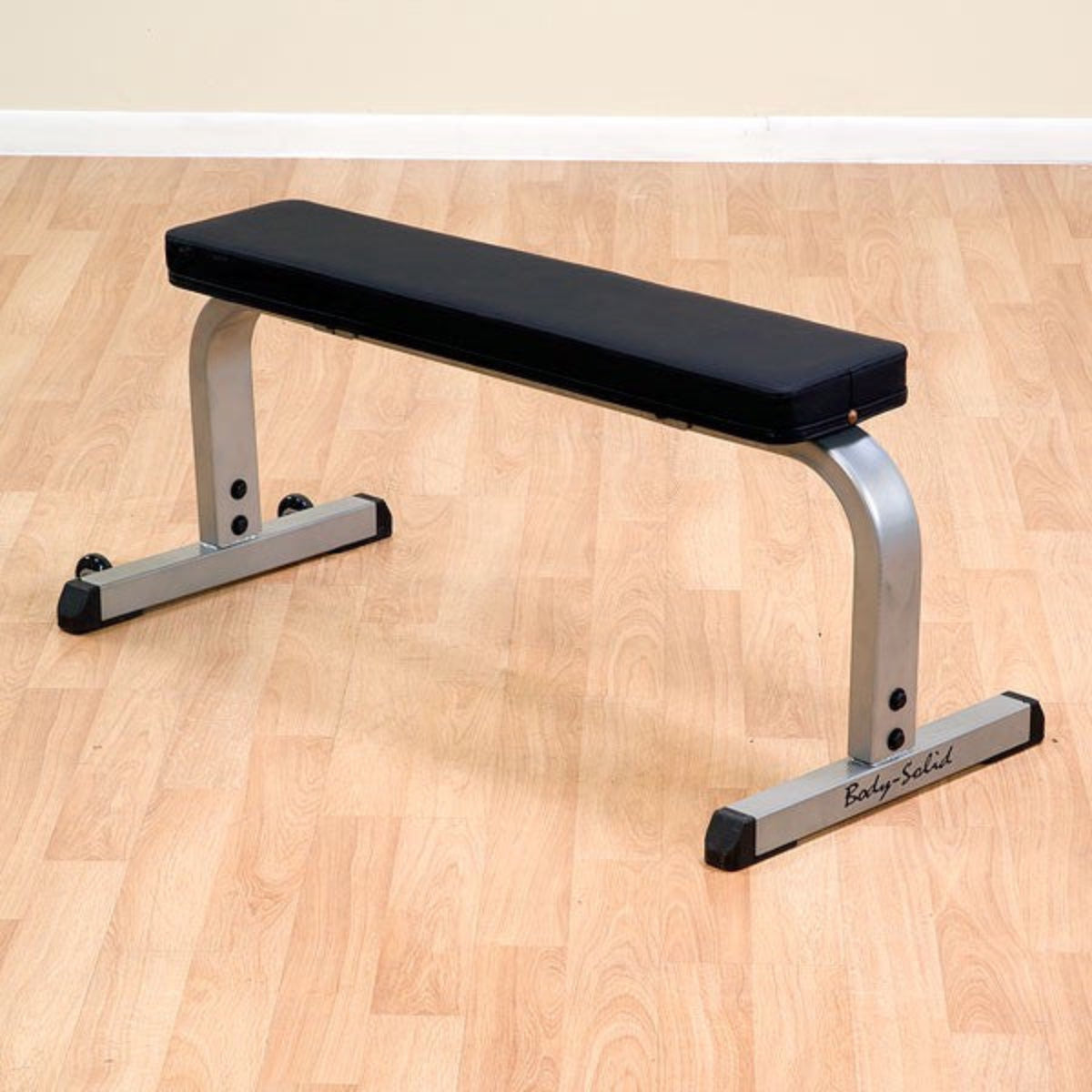
Body-Solid GFB350 Flat Weight Bench
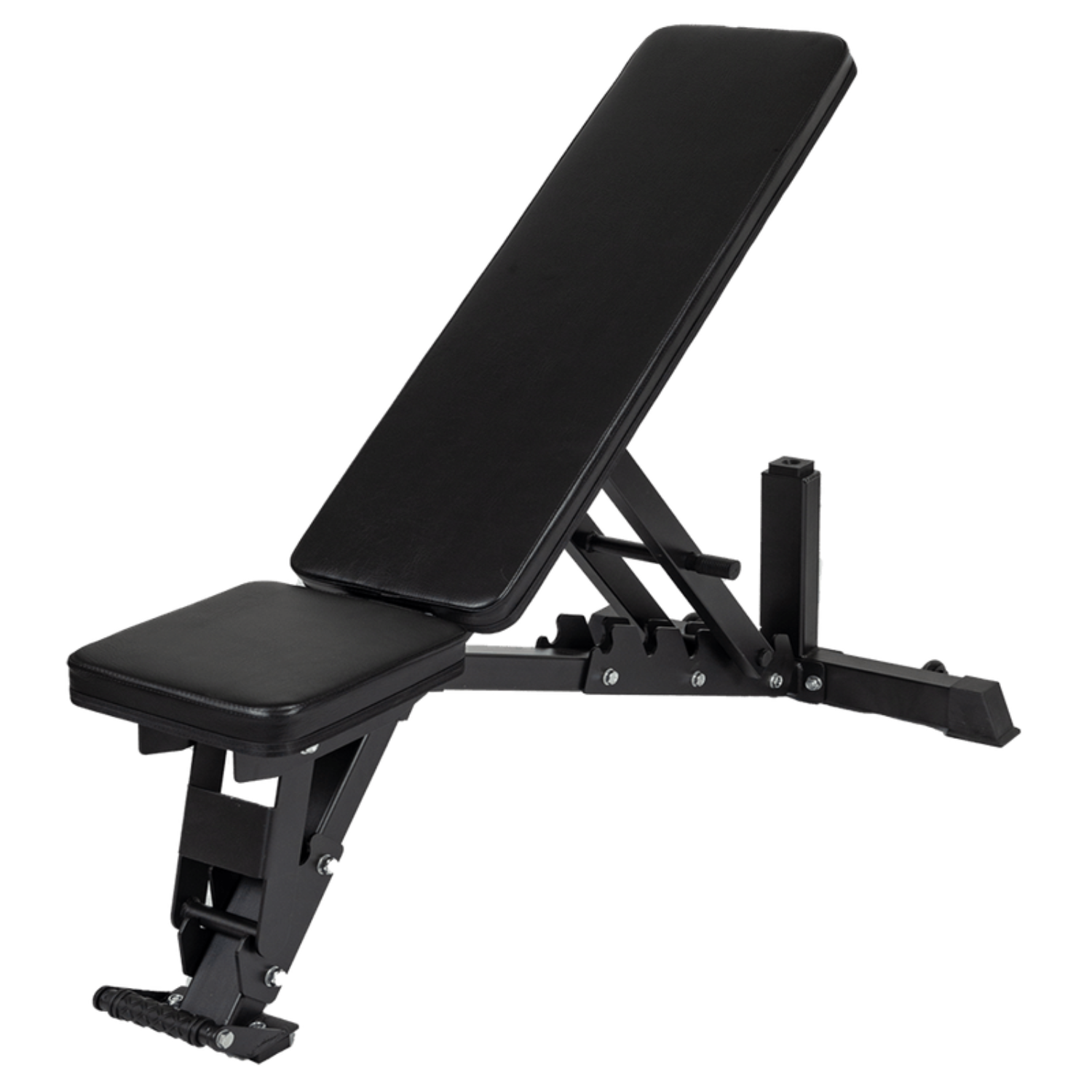
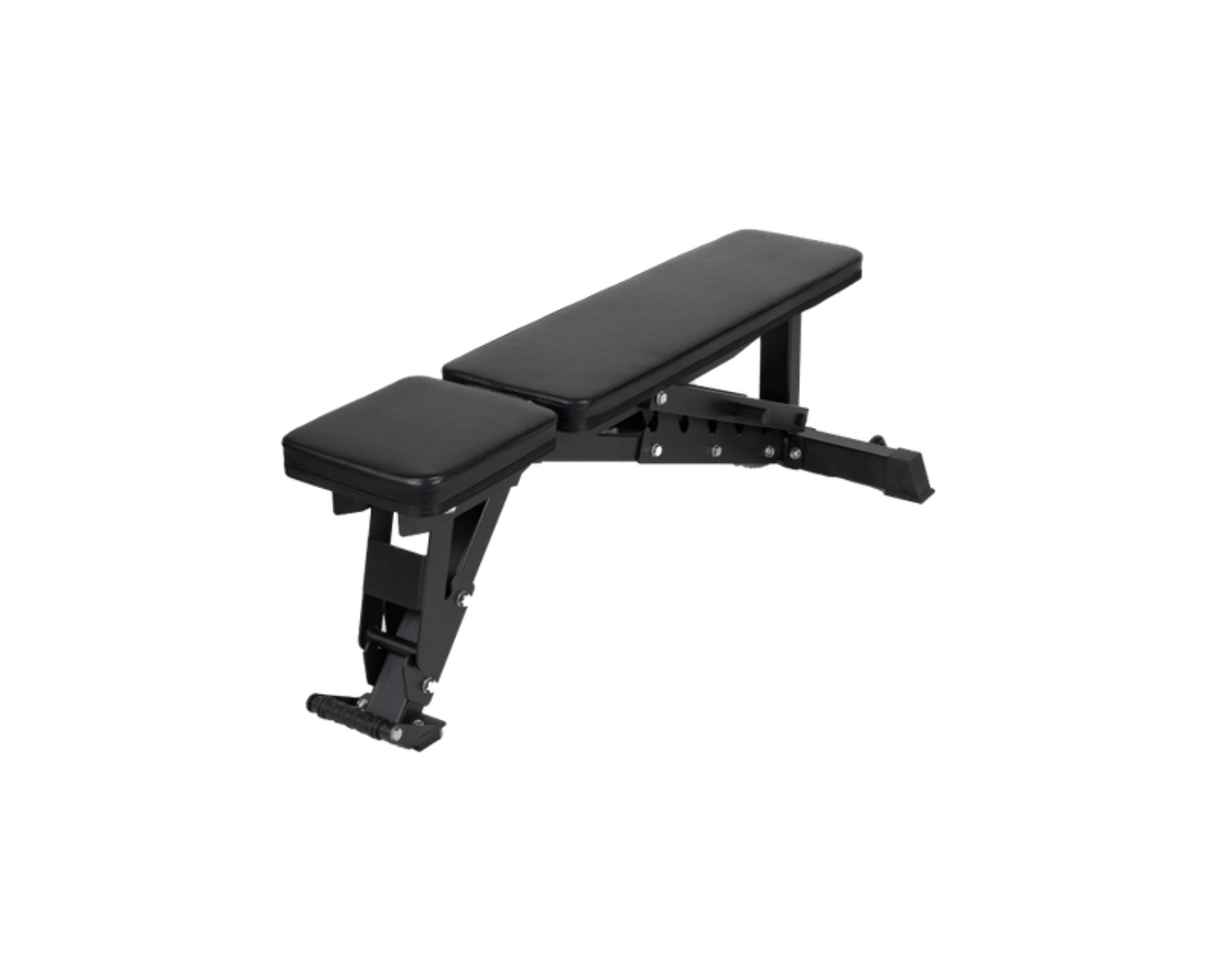
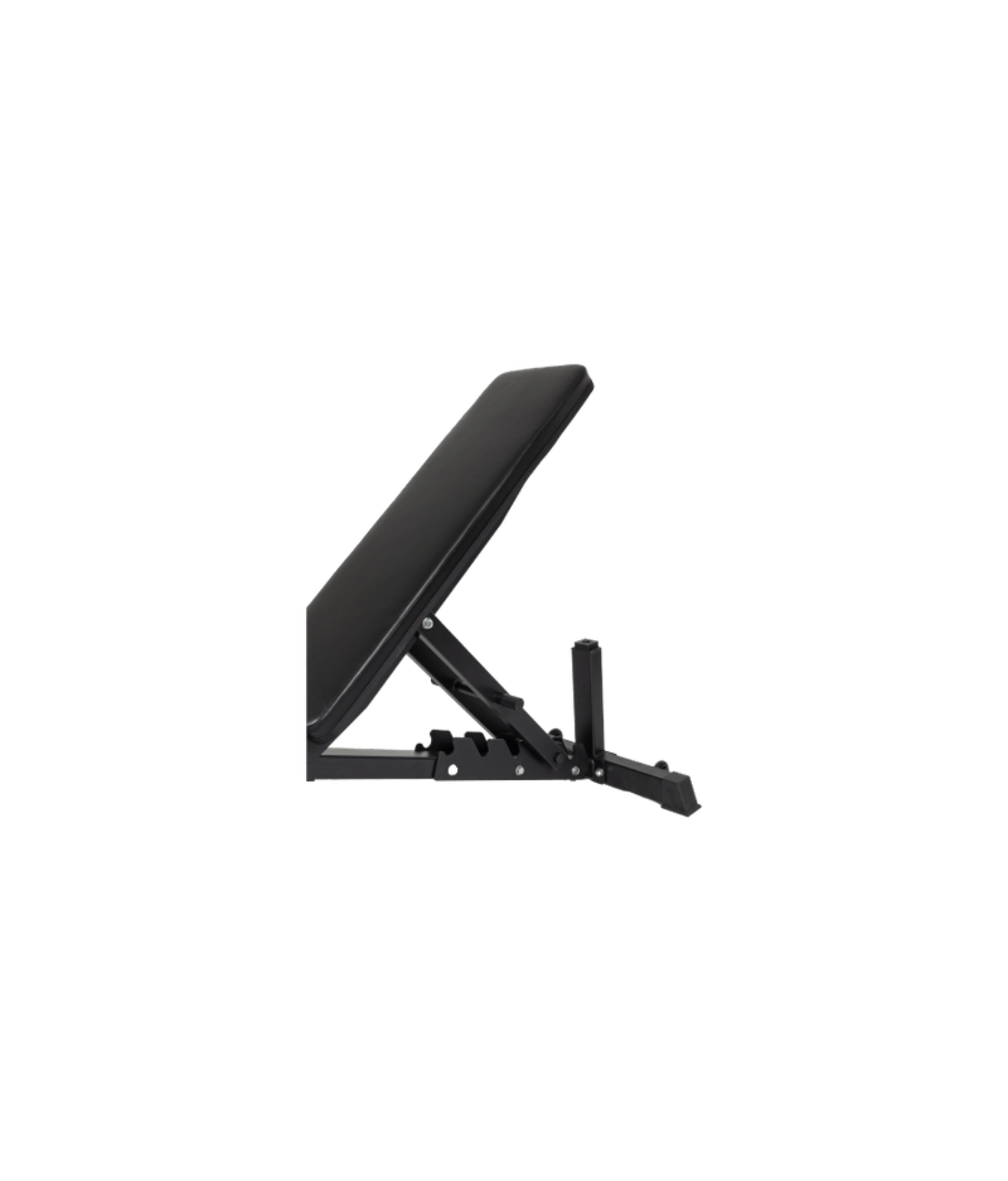
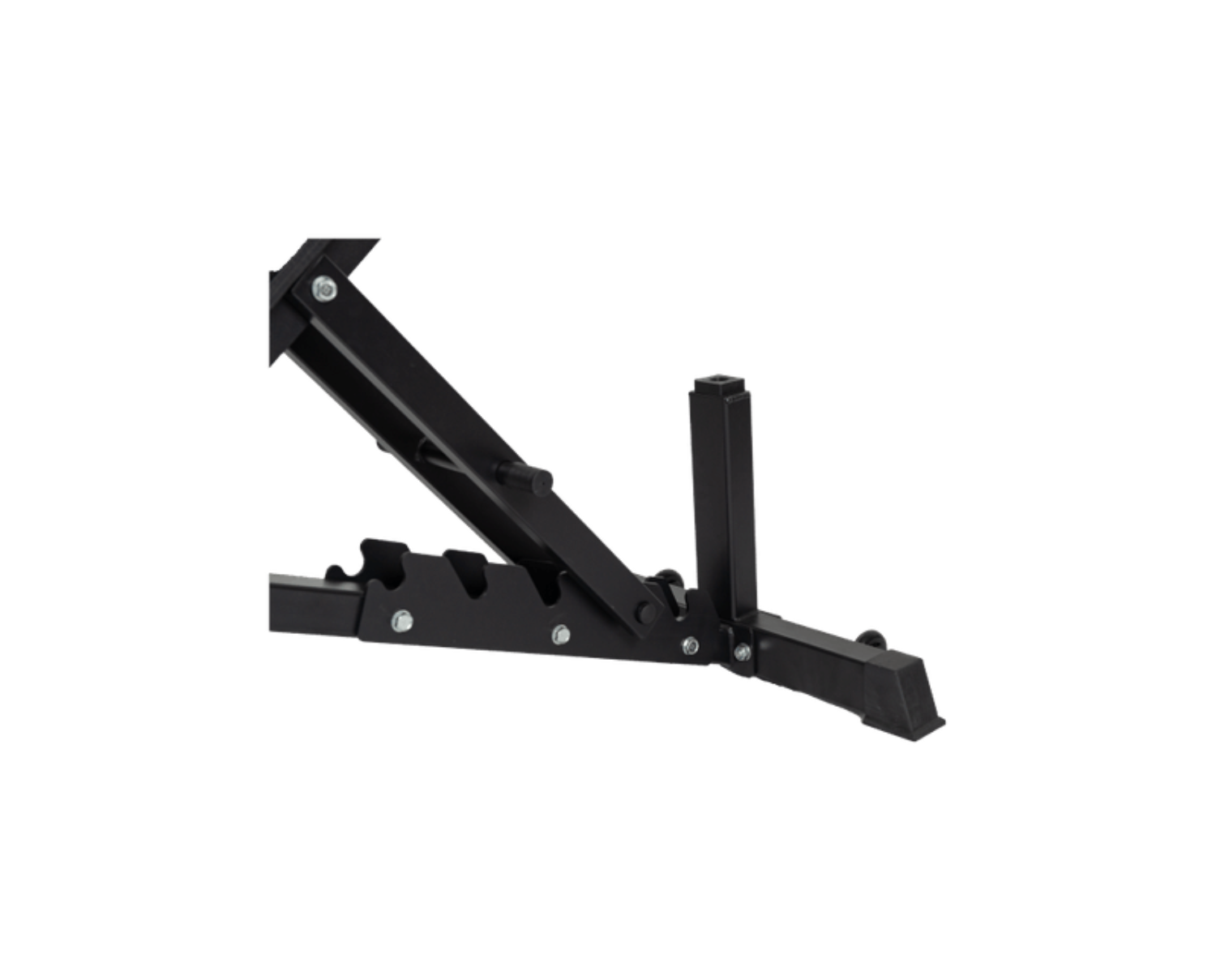
M3 Commercial Flat Incline Bench
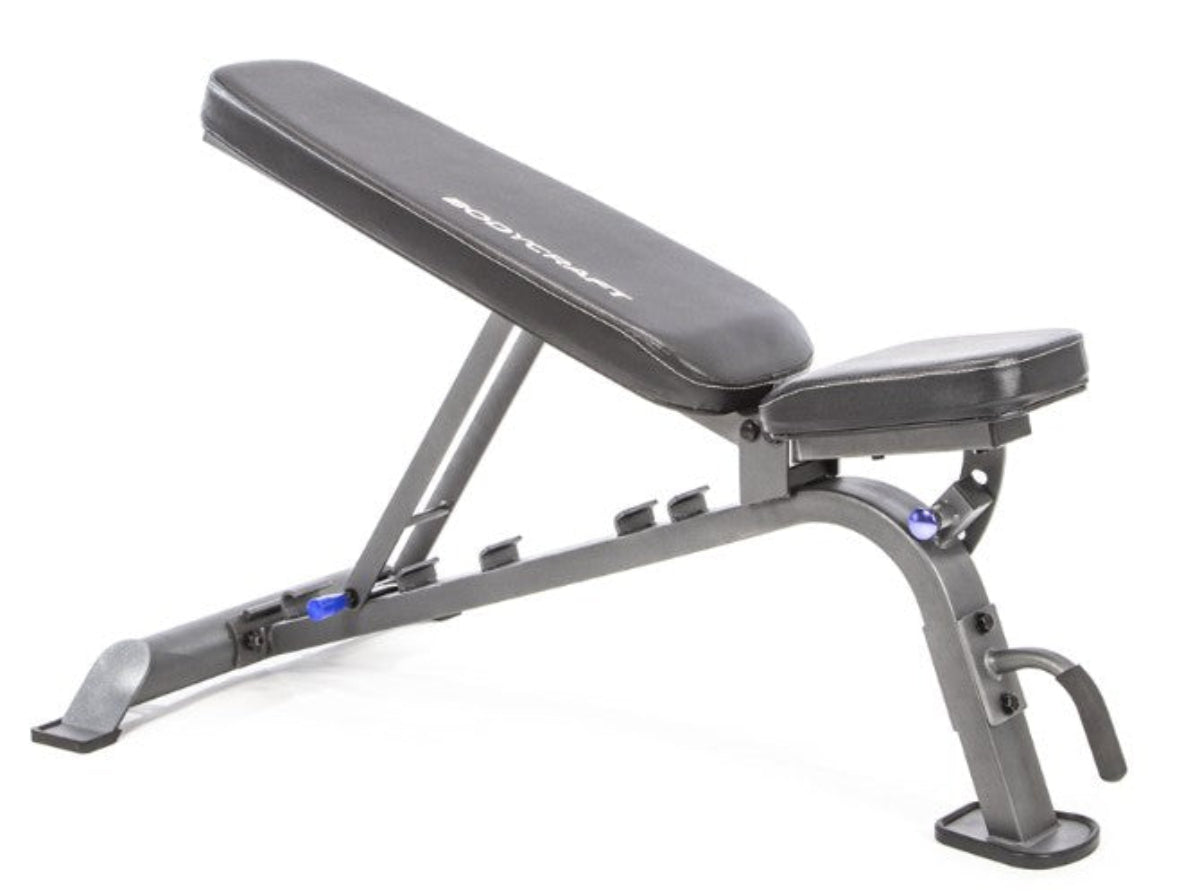
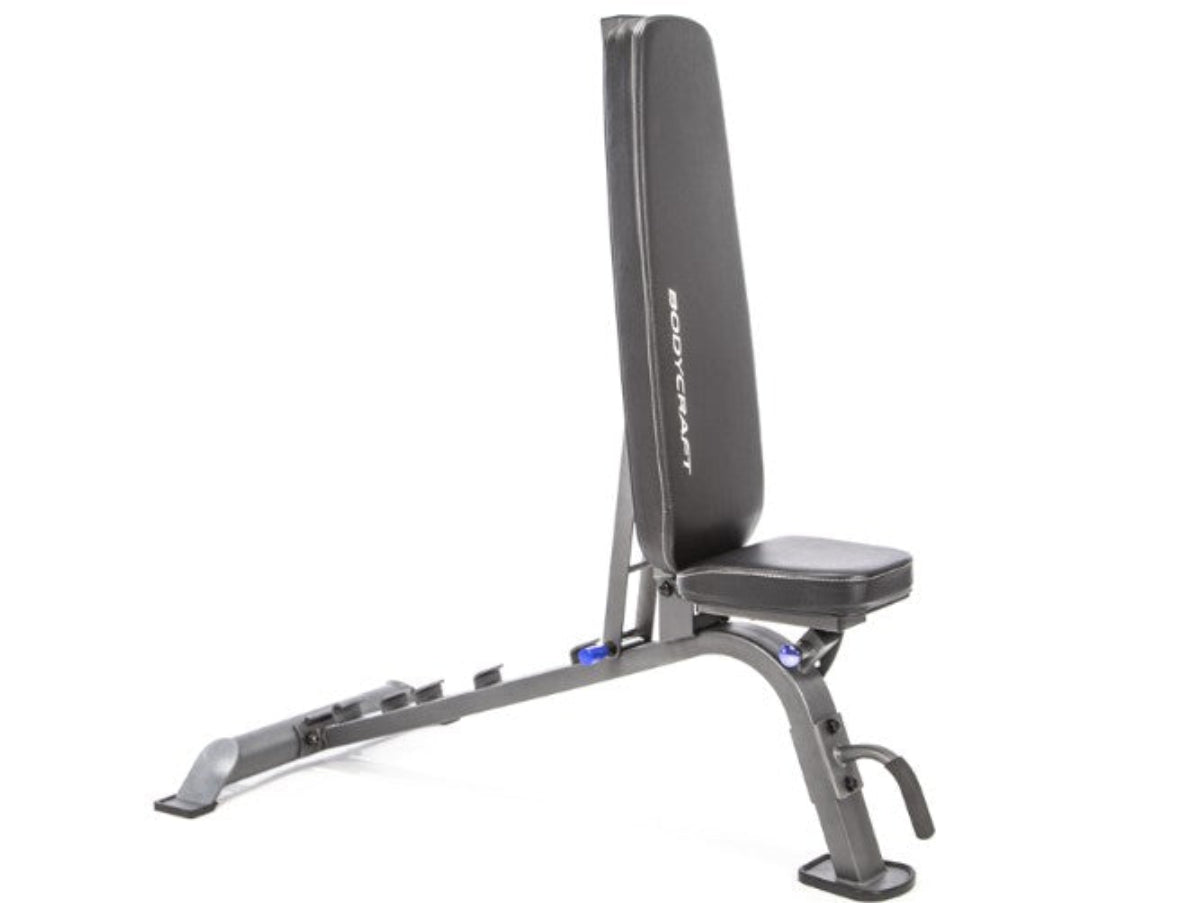
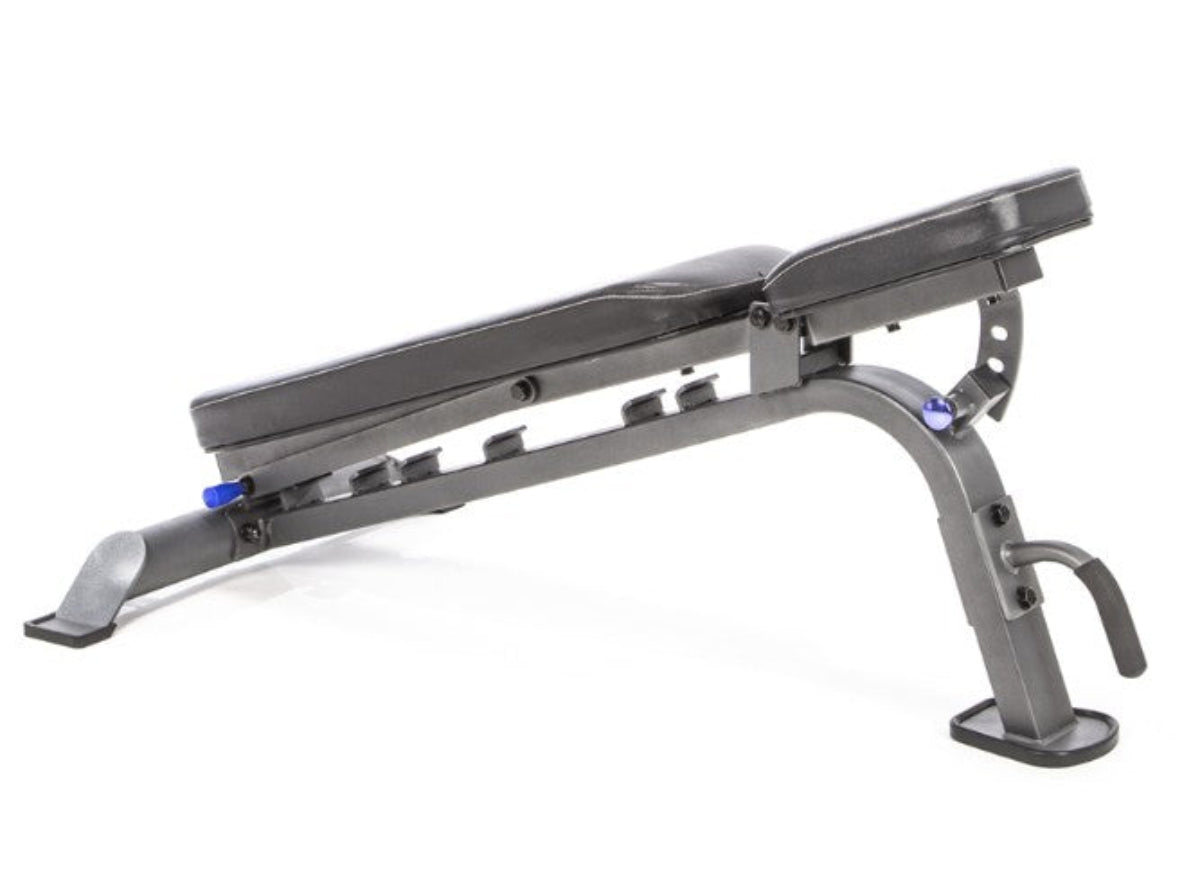
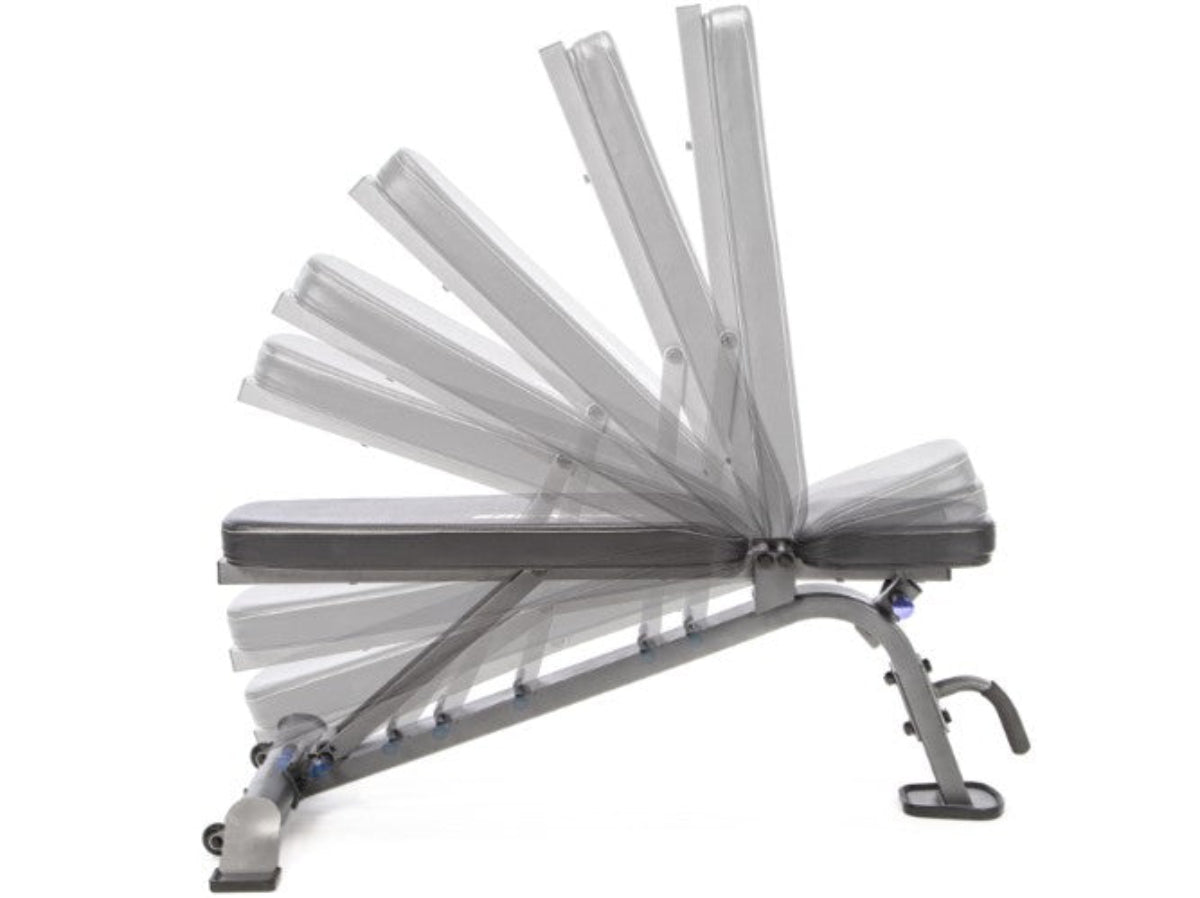

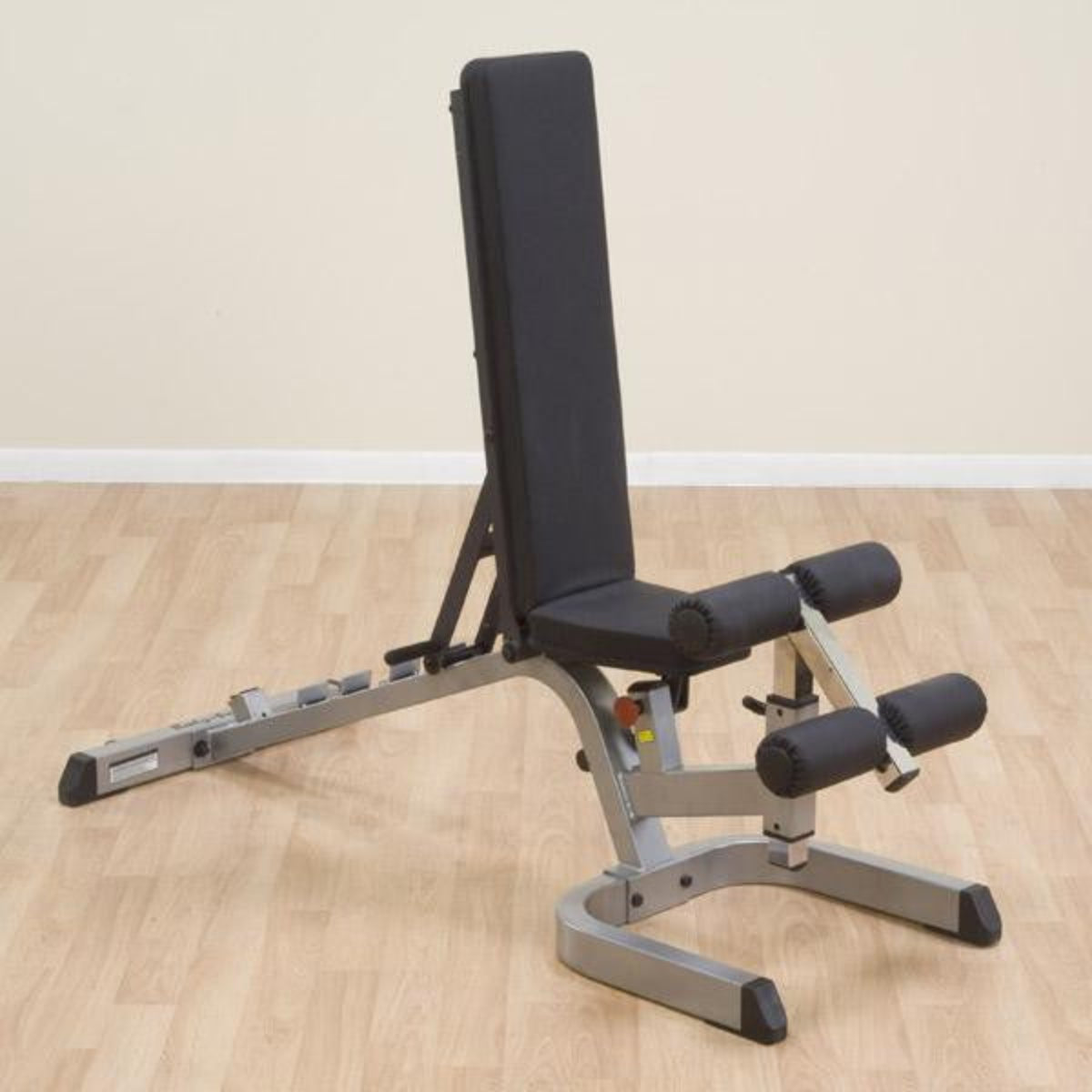
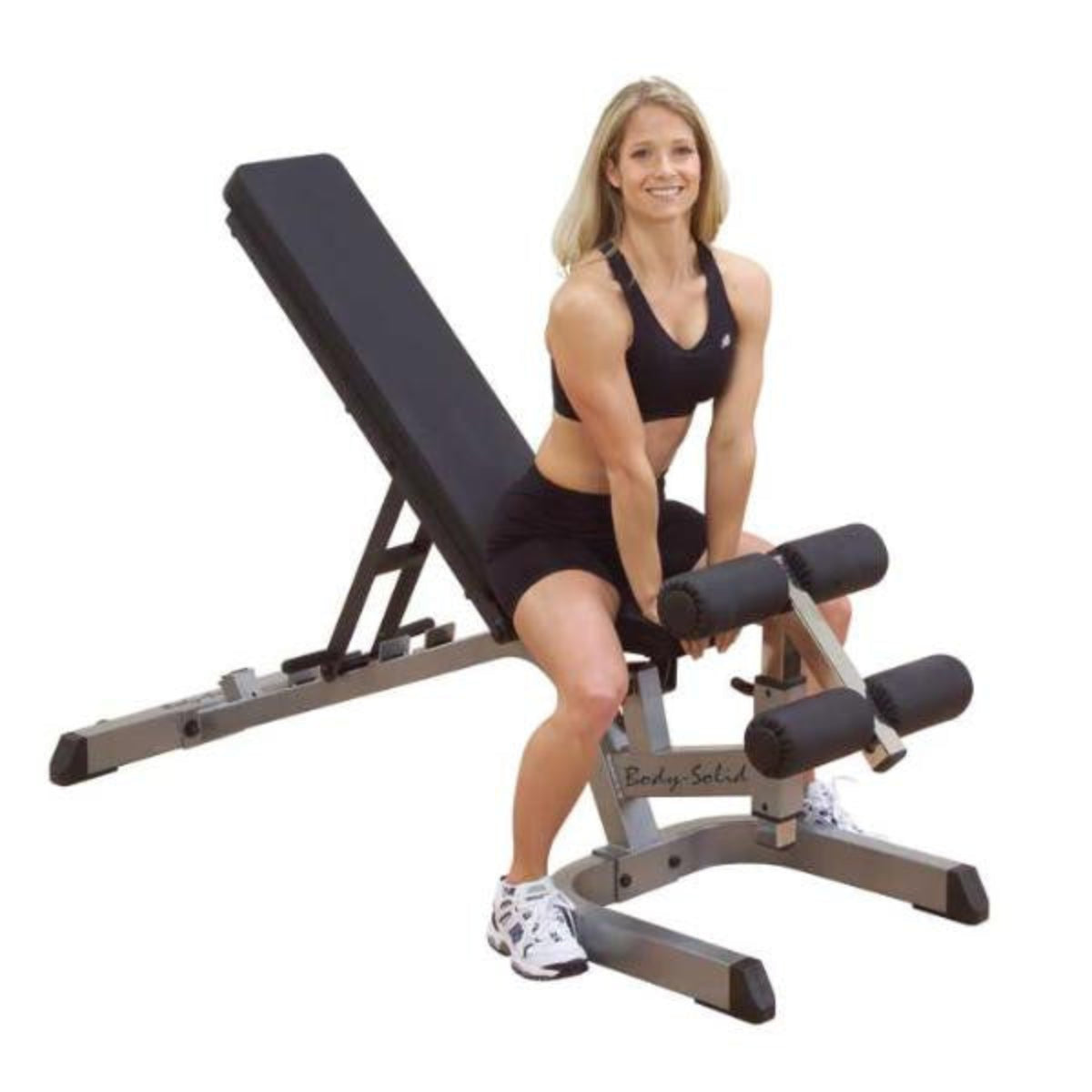
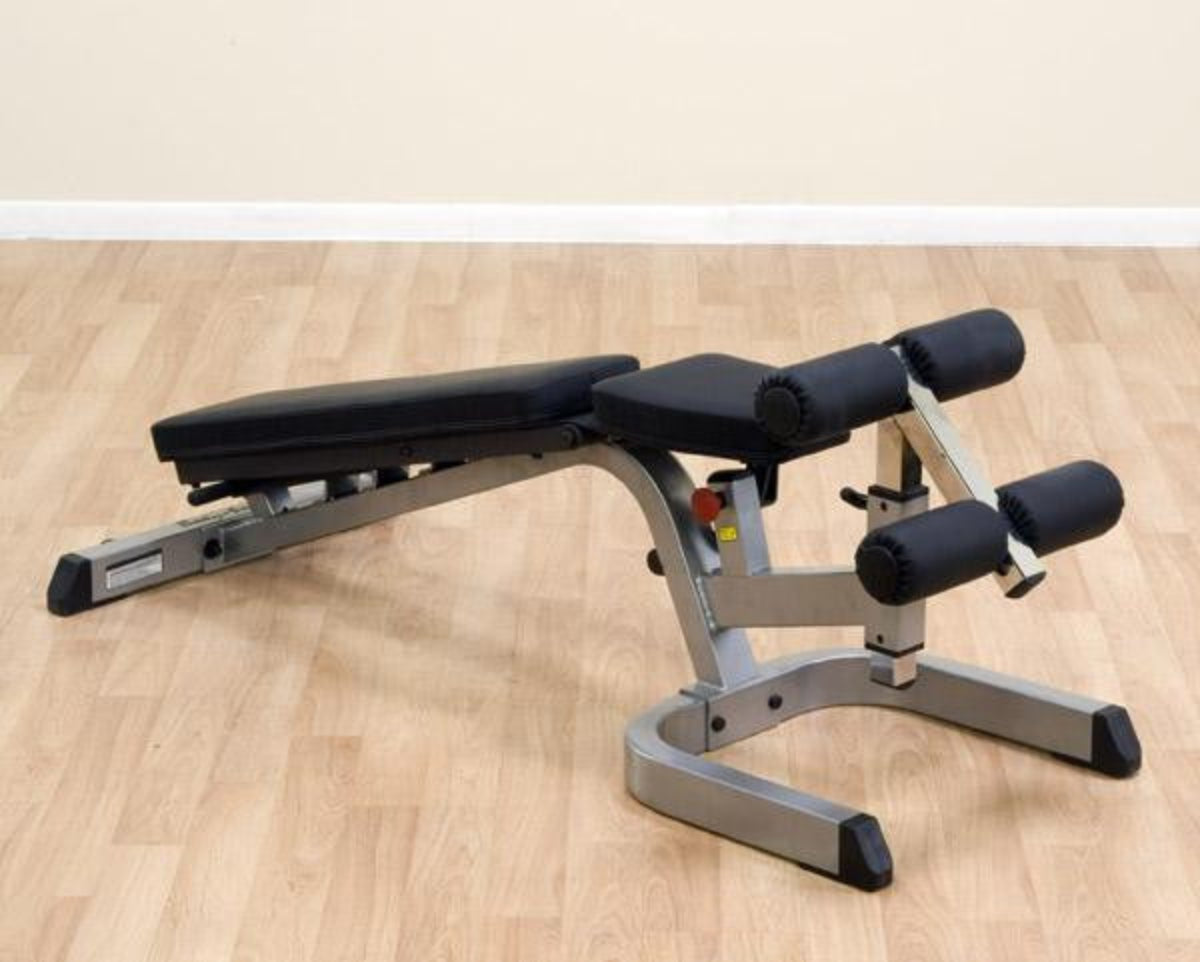
Body-Solid GFID71 Flat Incline Decline Weight Bench
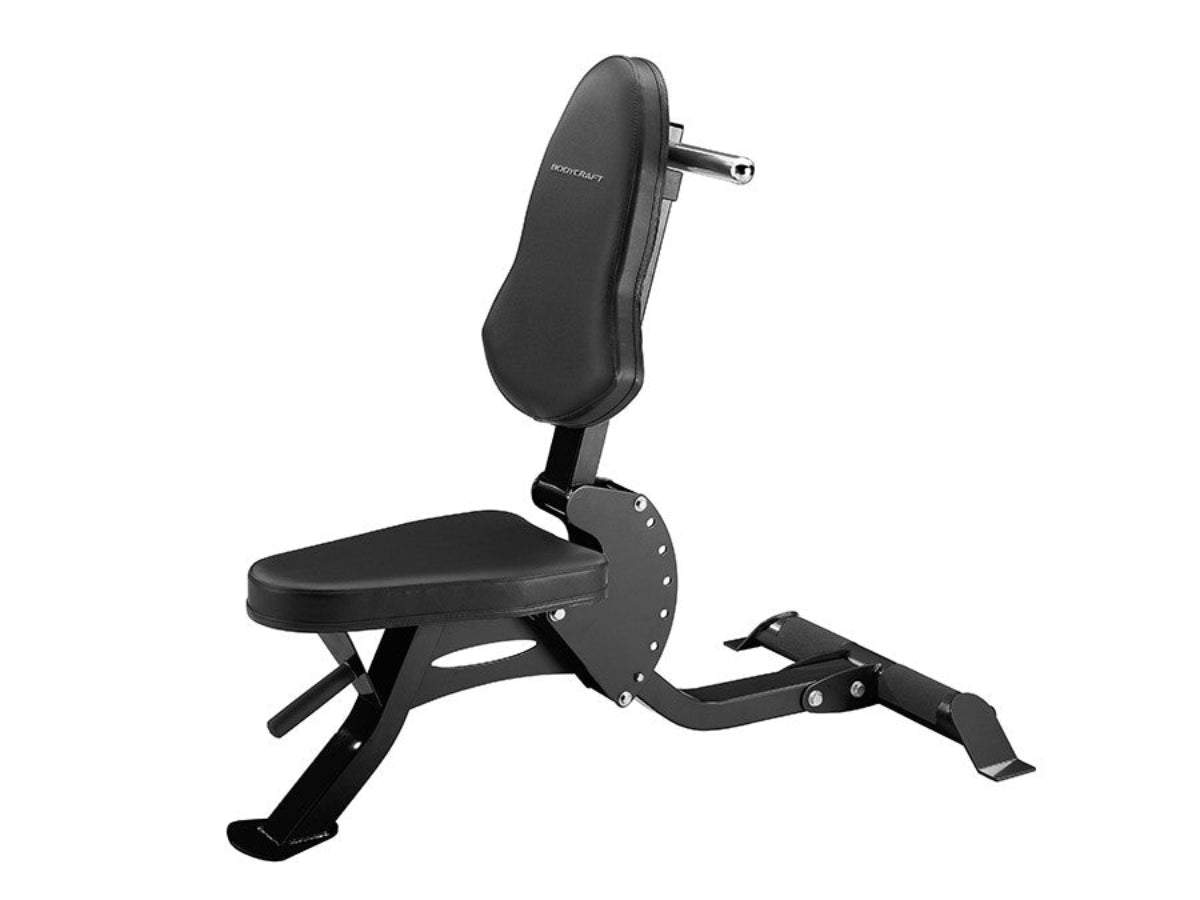
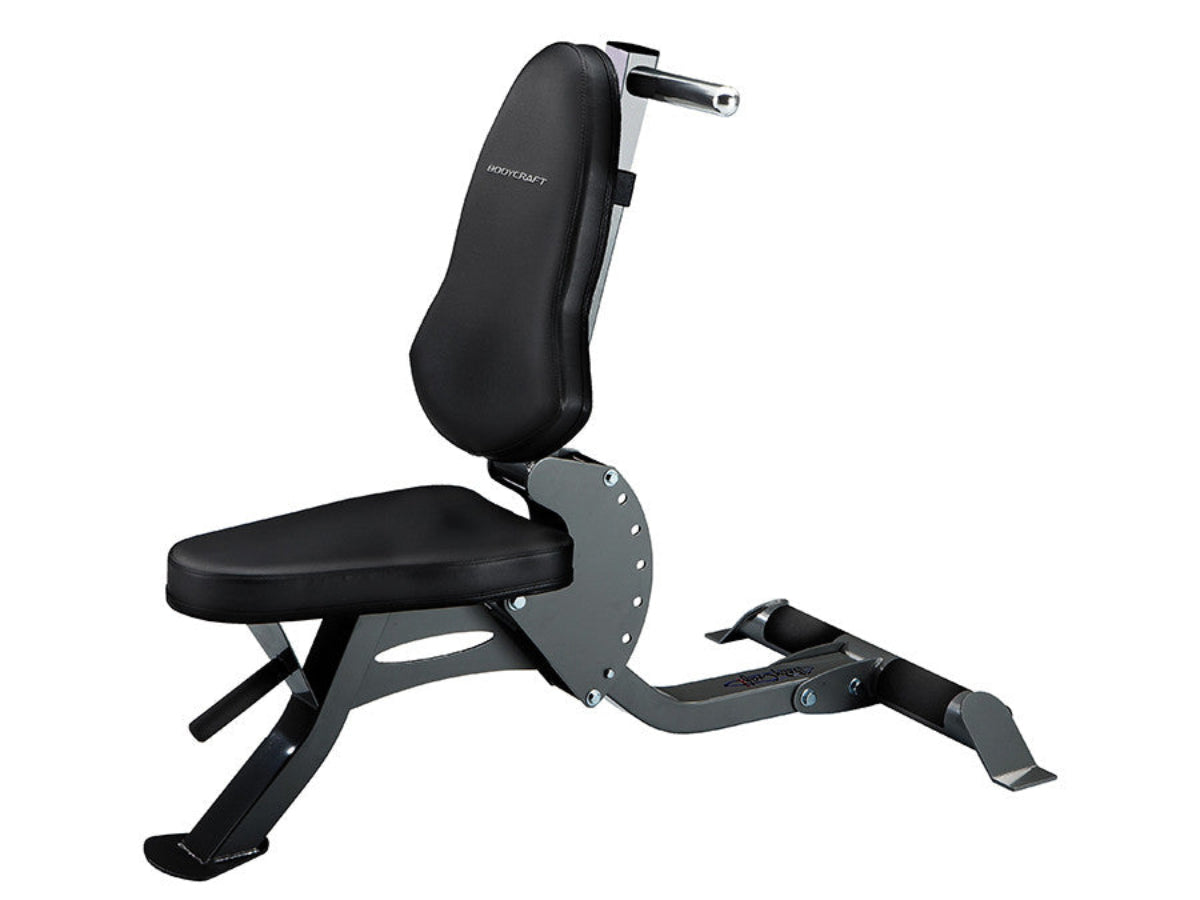
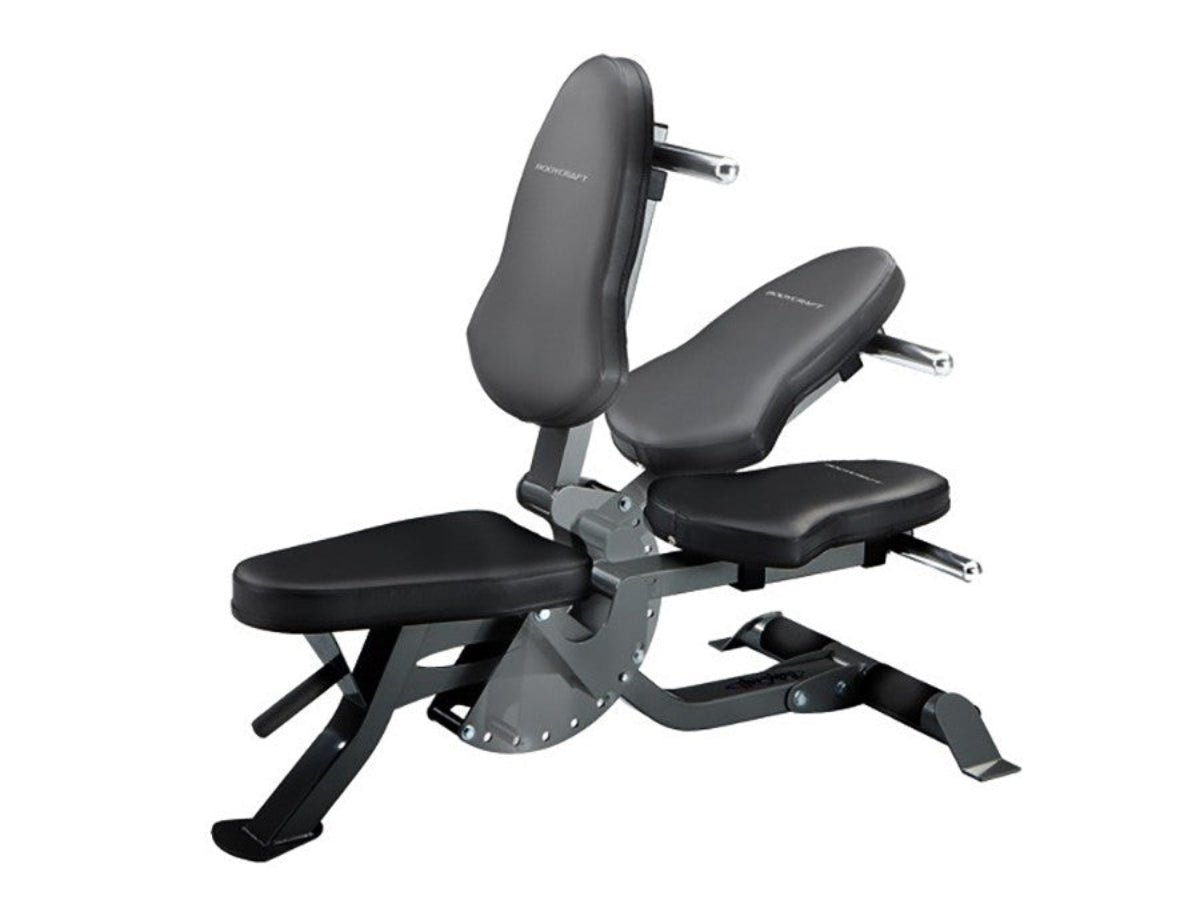

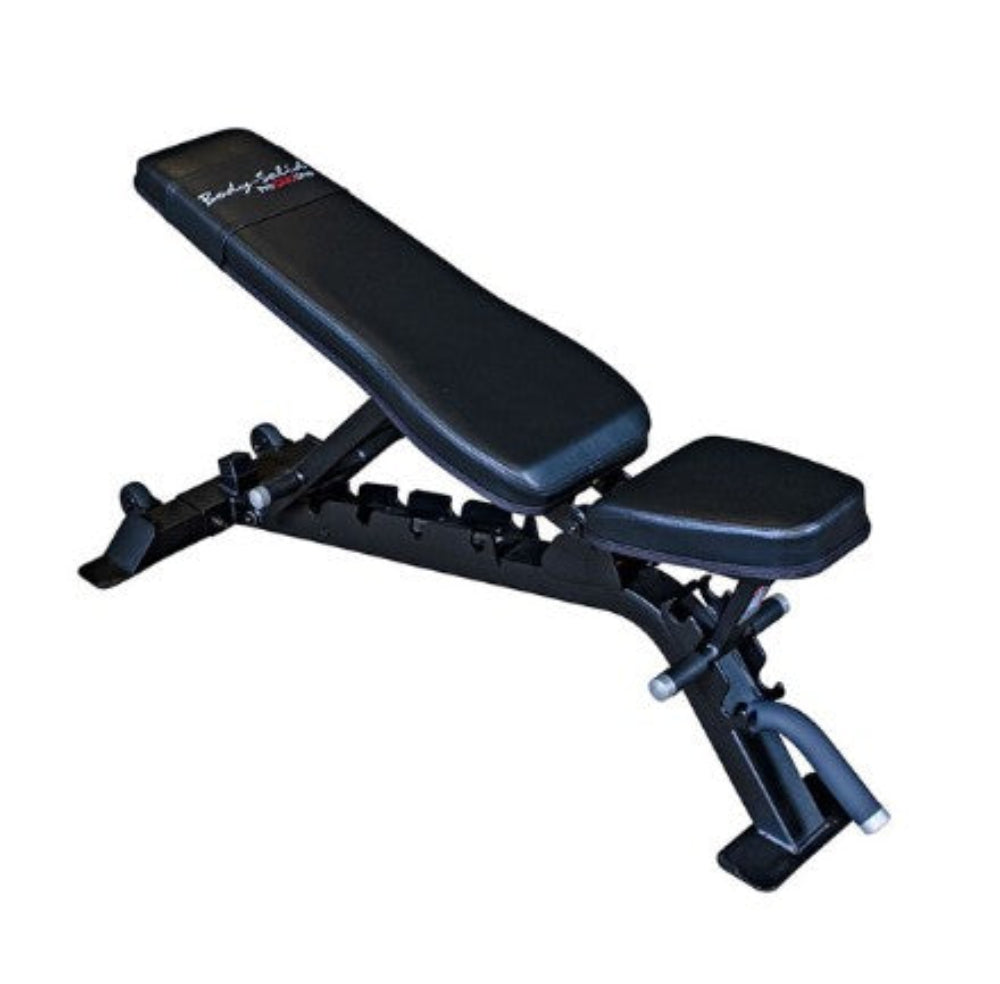
Body-Solid Proclub Line Flat/Incline/Decline Bench
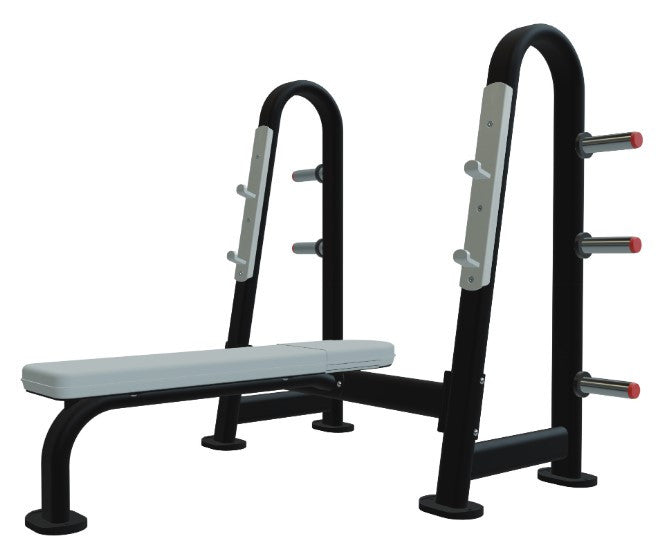
Nautilus Instinct Olympic Flat Bench
Who Adjustable Strength Benches Are Best For
FID and adjustable benches are well suited for lifters of all experience levels, from beginners building foundational strength to advanced athletes performing heavy compound movements. They are commonly used by home gym owners who want maximum versatility from minimal equipment, as well as by commercial facilities and personal training studios that require durable, multi-user benches.
Key Benefits of FID & Adjustable Bench Training
The primary benefit of adjustable benches is exercise versatility. By changing the back pad angle, users can perform flat, incline, and decline presses, seated shoulder movements, rows, core exercises, and dumbbell work with proper body support. This adaptability allows a single bench to replace multiple fixed benches, saving space while expanding training options.
Stability and support are critical in this category. Heavy-duty frames, wide bases, and high-density padding help maintain a secure feel under load, especially during pressing movements. Quality benches also feature ergonomic pad design to support proper spinal alignment and reduce pressure points during longer training sessions.
Common Use Cases and Training Environments
FID and adjustable benches are commonly used for barbell and dumbbell presses, chest fly variations, seated curls, shoulder presses, and accessory strength work. In home gyms, they pair seamlessly with power racks, squat stands, and dumbbells. In commercial gyms, they serve as high-use stations capable of withstanding repeated adjustments and heavy daily use.
Design Variations and Construction Features
Adjustable benches vary by adjustment mechanism, weight capacity, and footprint. Ladder-style and pop-pin systems are common, each offering different benefits in speed and angle precision. Some benches emphasize compact storage with upright or foldable designs, while others focus on maximum load capacity and minimal pad gap for serious lifting. Decline capability, seat adjustability, and transport wheels further differentiate models within this category.
Why Choose The Fitness Outlet
Shoppers choose The Fitness Outlet for FID & Adjustable Benches for Strength Training because of our focus on premium, performance-grade equipment. We curate benches built for stability, durability, and consistent support, helping customers select strength training foundations that integrate seamlessly into serious home and professional gym setups.
FID & Adjustable Benches for Strength Training: Versatility, Support, and Progressive Performance
FID (Flat, Incline, Decline) and adjustable benches are foundational tools in any serious strength training setup. Often underestimated, a high-quality bench directly affects exercise variety, lifting comfort, safety, and long-term progress. Whether used in a home gym, training studio, or commercial facility, adjustable benches expand what’s possible with dumbbells, barbells, racks, and functional trainers.

FID benches integrate seamlessly with power racks for flat, incline, and decline pressing.
What Is an FID or Adjustable Bench?
An adjustable bench is a weight bench with a back pad that can be positioned at multiple angles. FID benches specifically support flat, incline, and decline positions, while some adjustable benches may offer flat and incline only.
These benches are designed to support a wide range of pressing, rowing, and accessory exercises—making them far more versatile than fixed flat benches.
Why Adjustable Benches Are Essential for Strength Training
Expanded Exercise Variety
Adjustable benches unlock dozens of exercises beyond the flat bench press. Incline dumbbell presses, decline presses, seated shoulder presses, chest-supported rows, step-ups, Bulgarian split squats, and core movements all rely on adjustable bench angles.
This variety allows lifters to target muscles from different angles, improving overall development and reducing overuse.
Better Muscle Targeting
Changing bench angle shifts muscular emphasis:
-
Flat positions emphasize overall chest, triceps, and pressing strength
-
Incline positions increase upper chest and shoulder engagement
-
Decline positions reduce shoulder strain while emphasizing lower chest
This makes FID benches valuable for both hypertrophy and joint-friendly programming.
FID Benches vs. Flat Benches
Flat benches are simple and effective—but limited.
-
Flat benches excel at heavy bench pressing and basic dumbbell work
-
FID benches support full-body strength training with greater flexibility
For lifters who train more than just the bench press, an adjustable bench is usually the better long-term investment.

Adjustable benches support far more exercises than traditional flat benches.
Key Features That Define a High-Quality Adjustable Bench
Not all benches are built to handle serious strength training. Several construction details separate commercial-grade benches from light-duty models.
Weight Capacity and Structural Strength
A bench’s weight rating should account for both the lifter and the load being lifted. Heavy-duty benches use thick steel frames, reinforced hinge points, and wide bases to remain stable during heavy presses.
Look for benches designed to handle high combined loads without flex or wobble—especially when used inside a power rack.
Pad Thickness and Comfort
High-density foam pads provide support without excessive compression. Proper padding protects the spine and shoulders while maintaining stability under load. Premium benches also use durable upholstery that resists tearing and sweat absorption.
Back Pad and Seat Gap
A minimal gap between the seat and back pad is important, particularly for flat pressing. Smaller gaps improve comfort and spinal alignment during bench presses and dumbbell work.
Incline Adjustment Systems: Ladder vs. Pop-Pin
How a bench adjusts matters just as much as how many positions it offers.
Ladder-Style Adjustment
Ladder systems are fast, simple, and extremely durable. They’re common on heavy-duty benches used for strength training and commercial environments.
Pop-Pin Adjustment
Pop-pin systems allow finer angle adjustments but rely more on internal components. High-quality pop-pin designs are smooth and secure, though typically found on lighter or hybrid benches.
For serious lifting, ladder-style adjustments are often preferred for their strength and reliability.
Decline Capability: Who Needs It?
Not all adjustable benches include decline functionality—but it can be valuable depending on training goals.
Benefits of Decline Training
Decline pressing can reduce shoulder stress for some lifters and offers a unique stimulus for chest development. Decline positions are also useful for certain core exercises.
When Decline Isn’t Necessary
Many lifters prioritize flat and incline work and rarely use decline. In these cases, a flat/incline bench may be sufficient and slightly simpler to maneuver.
Integration With Racks, Dumbbells, and Cables
Adjustable benches shine when paired with other equipment.
Power Rack Compatibility
A properly sized bench should align well with rack J-cups and safeties. Benches that are too tall or narrow can interfere with bar path and safety setup.
Dumbbell and Functional Training
Adjustable benches are central to dumbbell-based training and pair naturally with functional trainers for seated presses, supported rows, fly variations, and core movements.

Adjustable benches enhance dumbbell and cable-based strength training.
Home vs. Commercial Adjustable Benches
Home Gym Benches
Home-focused benches balance strength capacity with portability. Features like transport wheels and upright storage help maximize space without sacrificing stability.
Commercial Benches
Commercial benches are built for constant use, heavier loads, and minimal maintenance. They often feature wider bases, thicker steel, and reinforced pads to handle multiple users throughout the day.
Choosing the right category ensures the bench matches usage demands and lifting intensity.
Who Should Invest in an FID or Adjustable Bench?
Adjustable benches are ideal for:
-
Lifters using dumbbells or barbells regularly
-
Home gym owners seeking versatility without extra machines
-
Strength athletes targeting muscle balance and longevity
-
Facilities supporting diverse training styles
-
Anyone progressing beyond basic flat bench training
For most strength-focused users, an adjustable bench quickly becomes one of the most-used pieces of equipment.
FAQs
Do I need a decline bench?
How much weight should an adjustable bench support?
What does FID stand for in weight benches?