


Achieve your fitness goals within your budget with our financing.
Free Delivery on Orders $599+
Fast, reliable delivery on all qualifying orders.
Price Match Guarantee
Shop confidently knowing you're getting the best deal.


Spirit Fitness XE395 Elliptical


Life Fitness E3 Elliptical Cross-Trainer


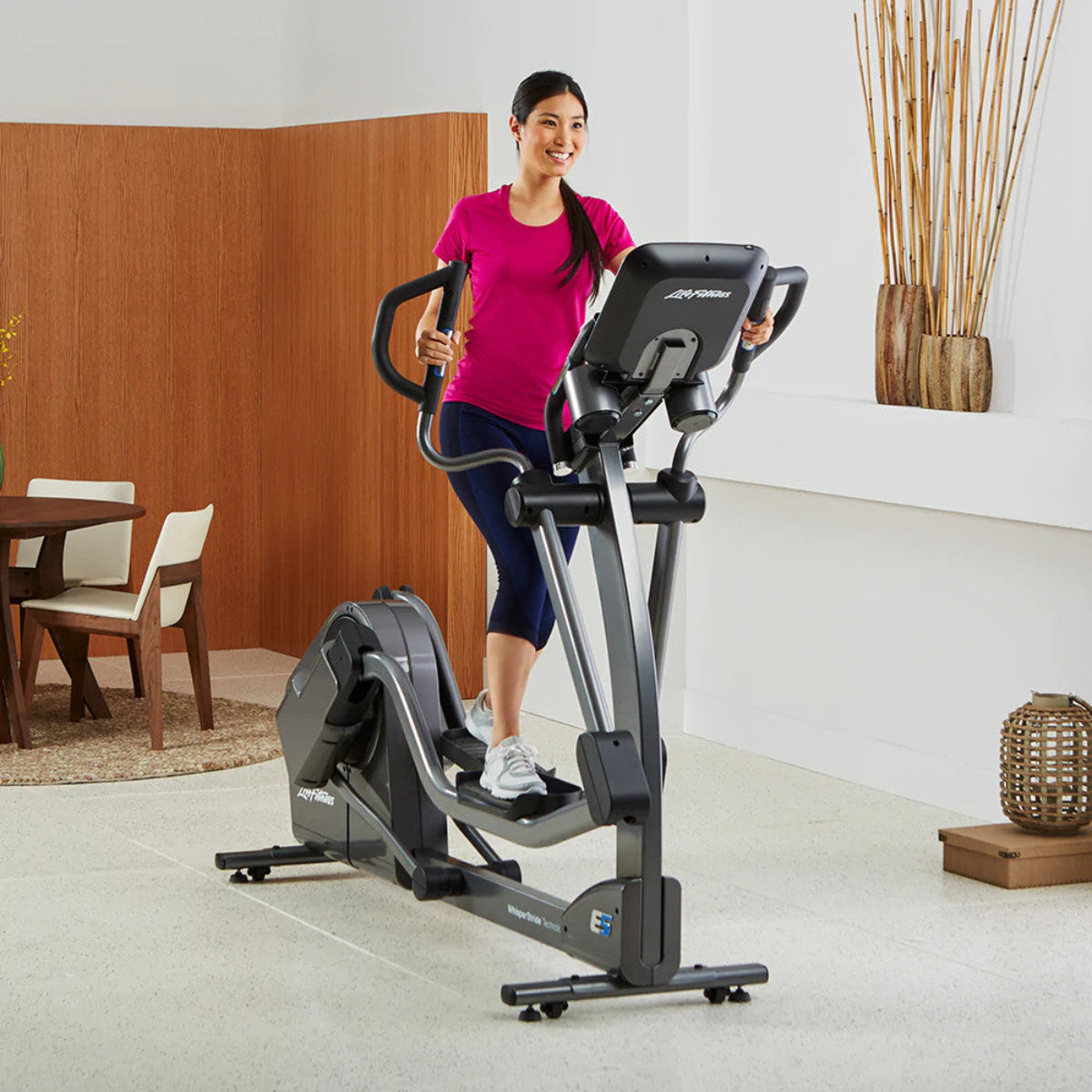
Life Fitness E5 Elliptical Cross Trainer


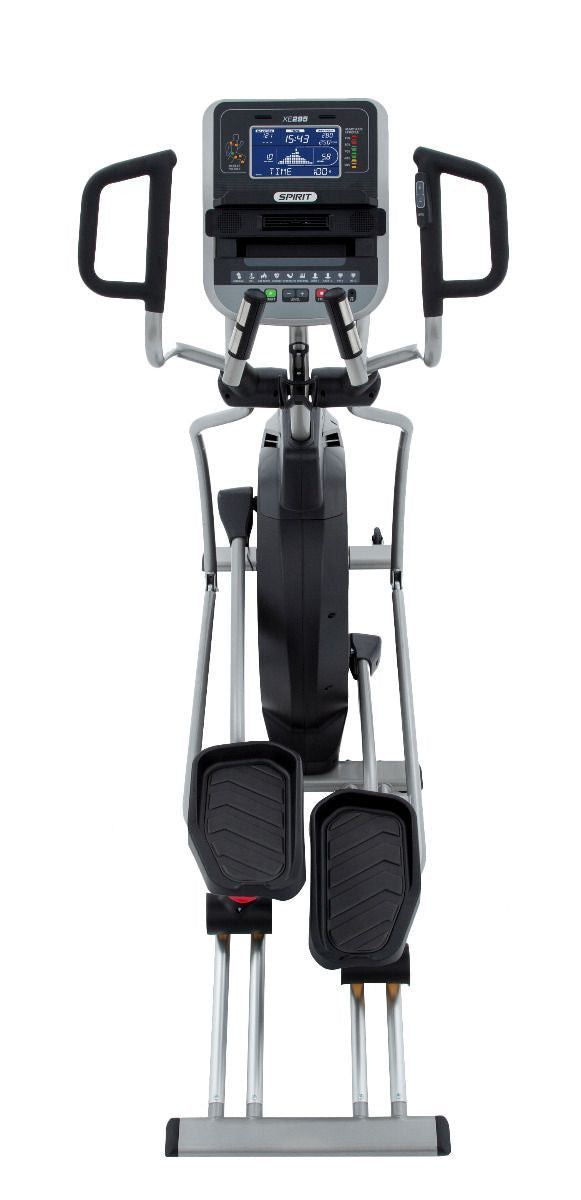
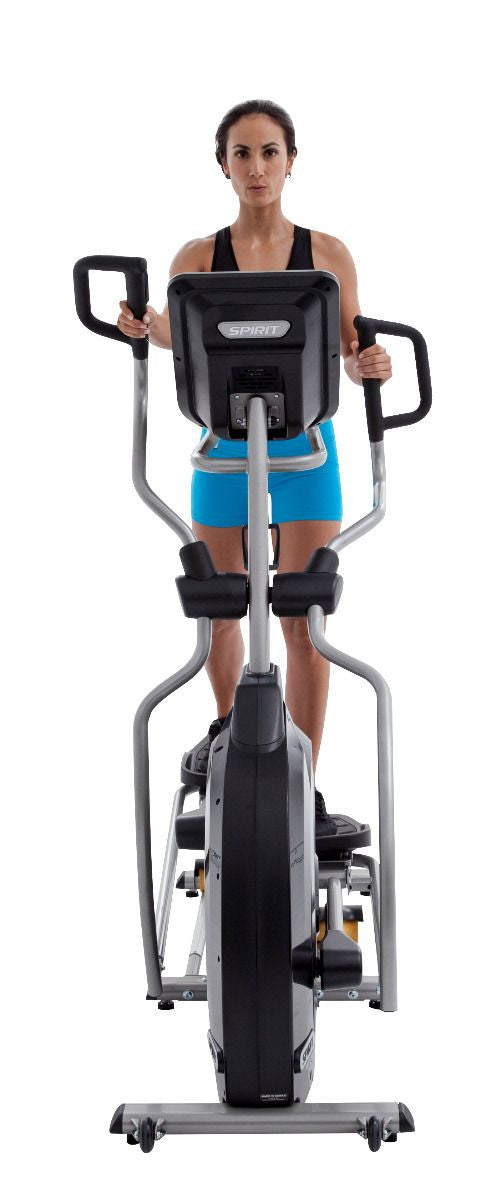
Spirit Fitness XE295 Elliptical Trainer


Life Fitness Club Series+ Elliptical Cross-Trainer
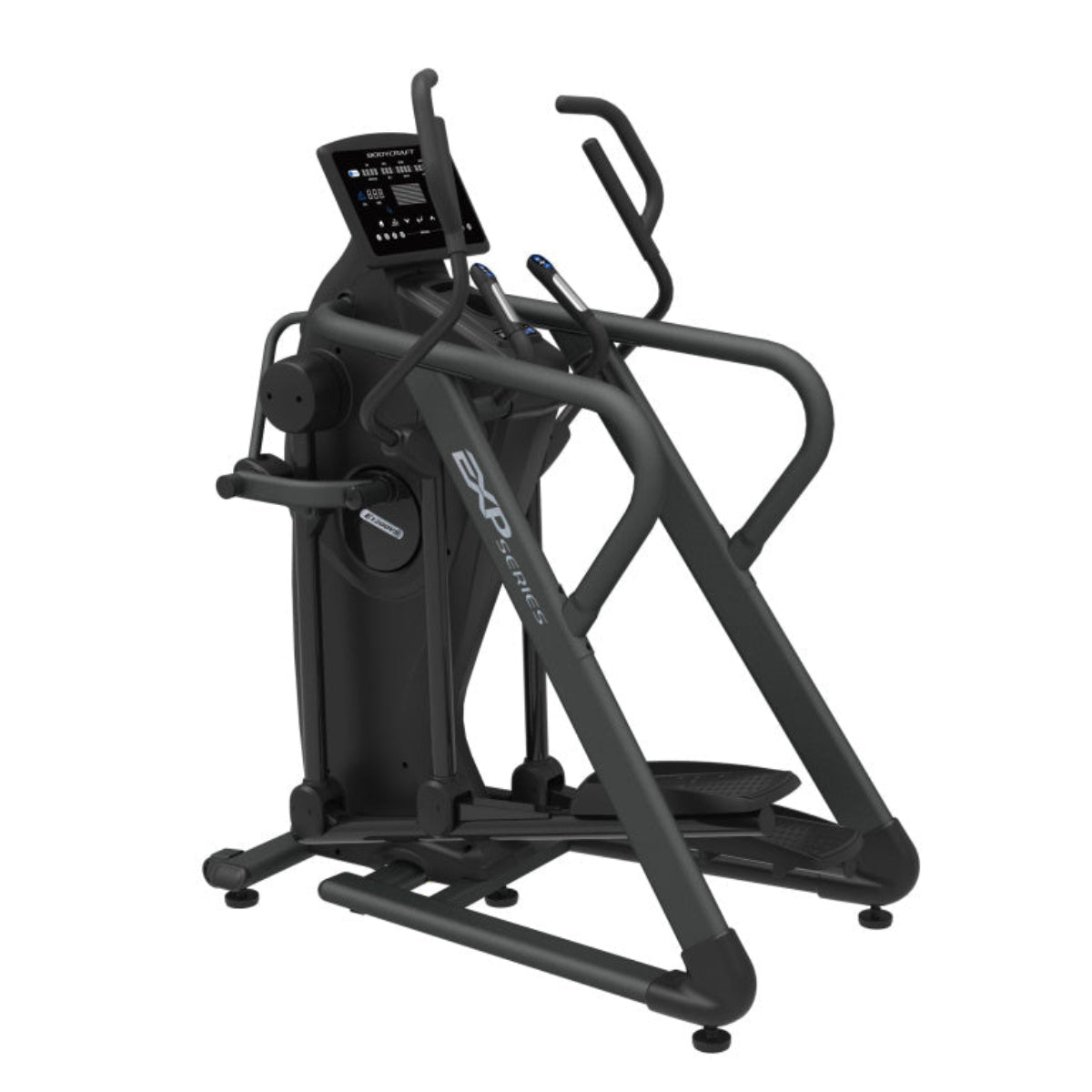
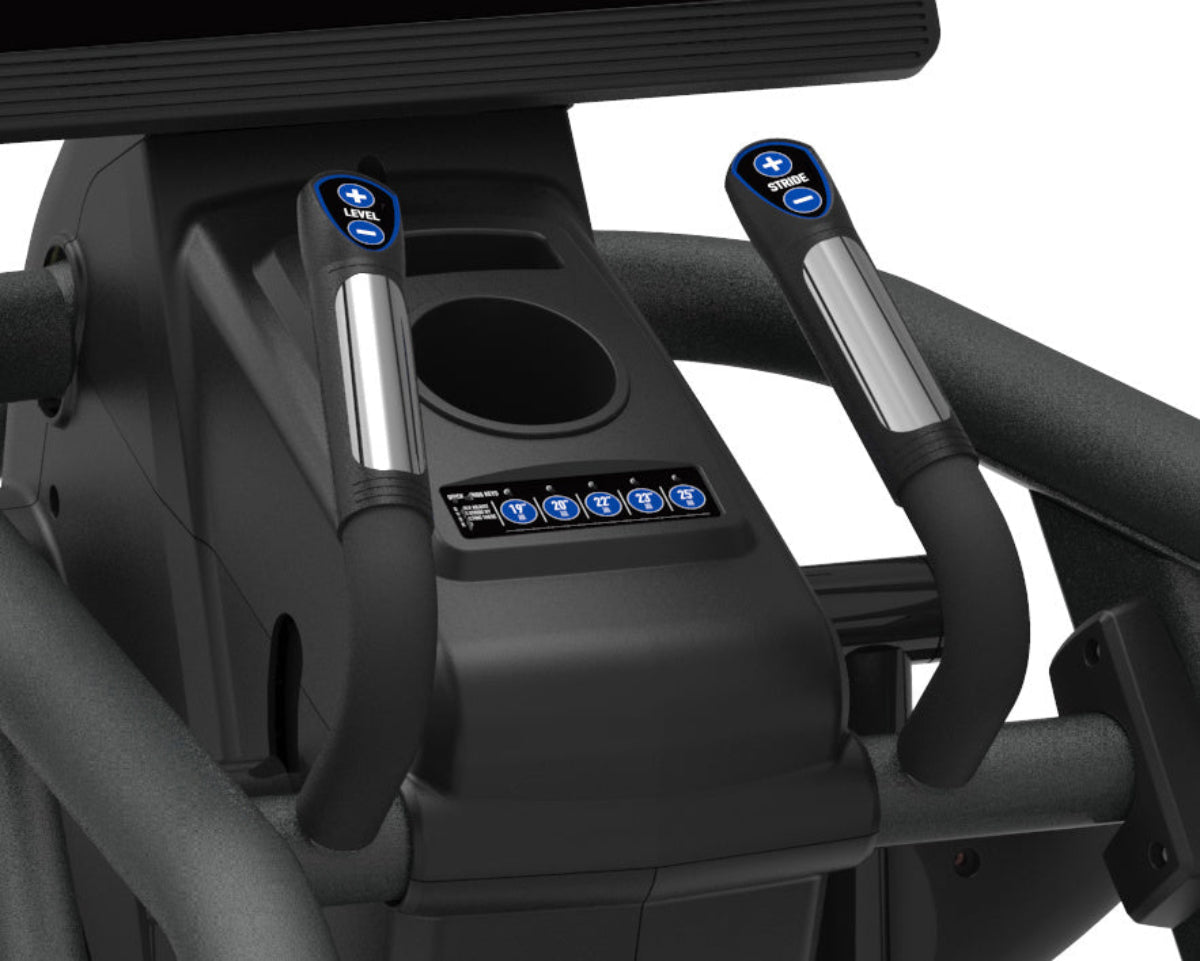
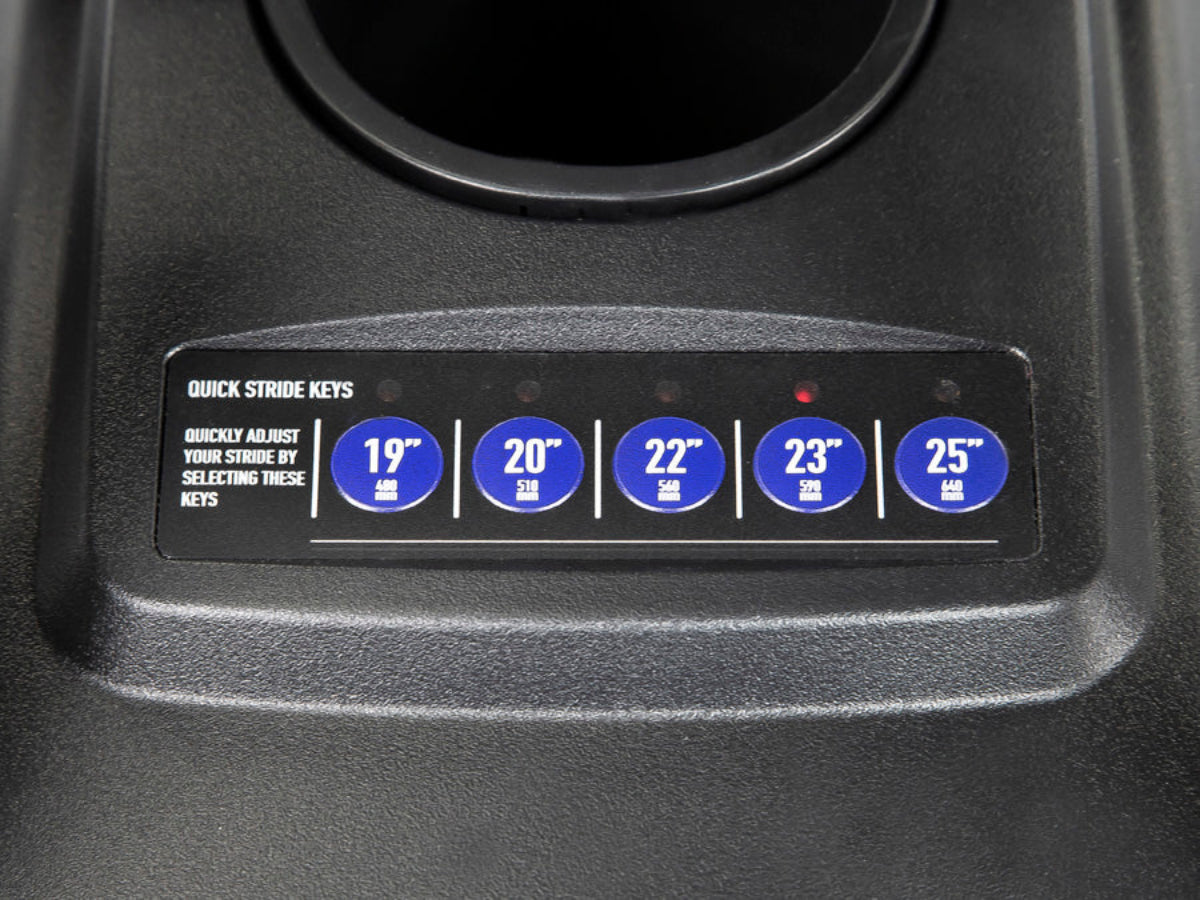
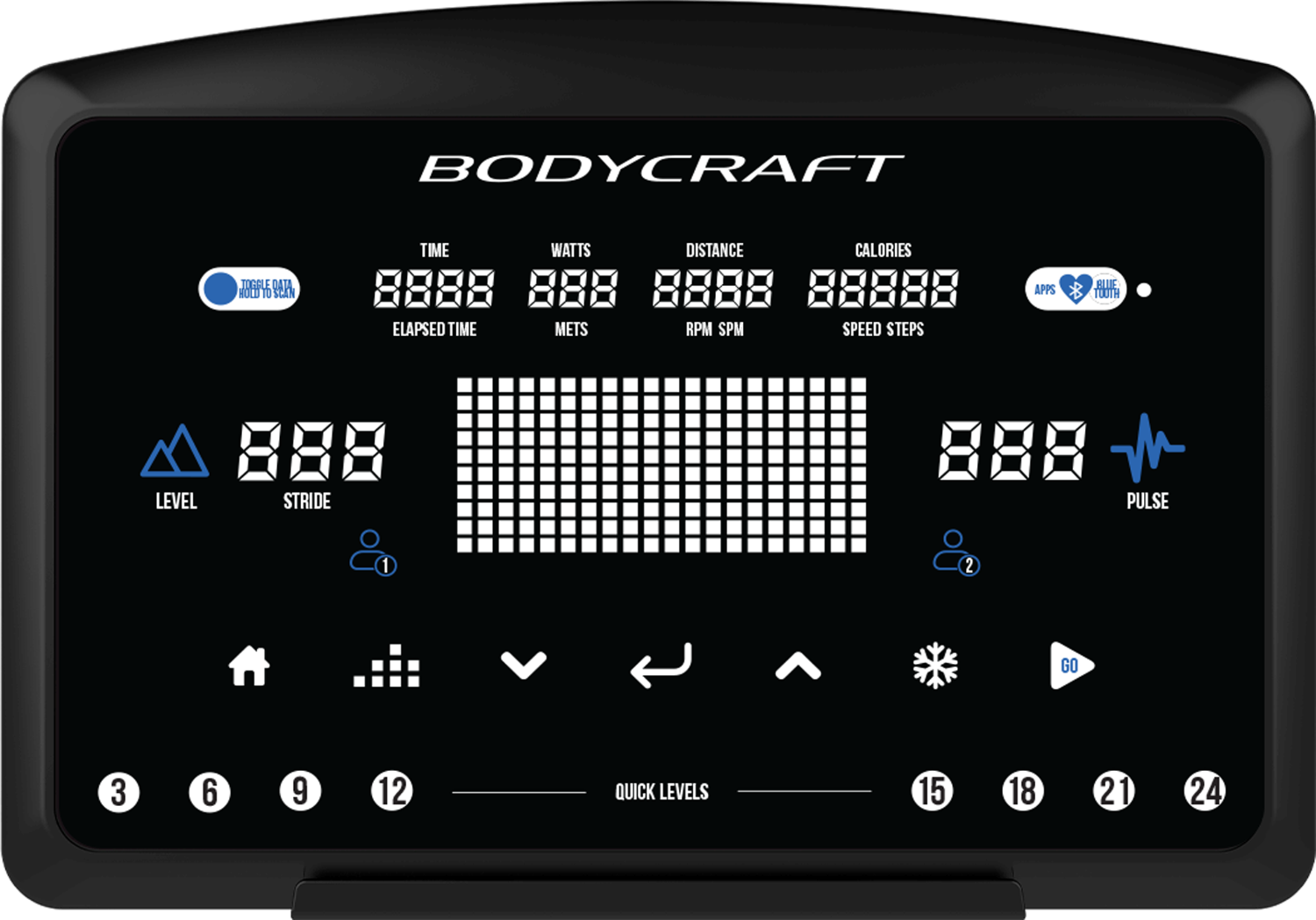
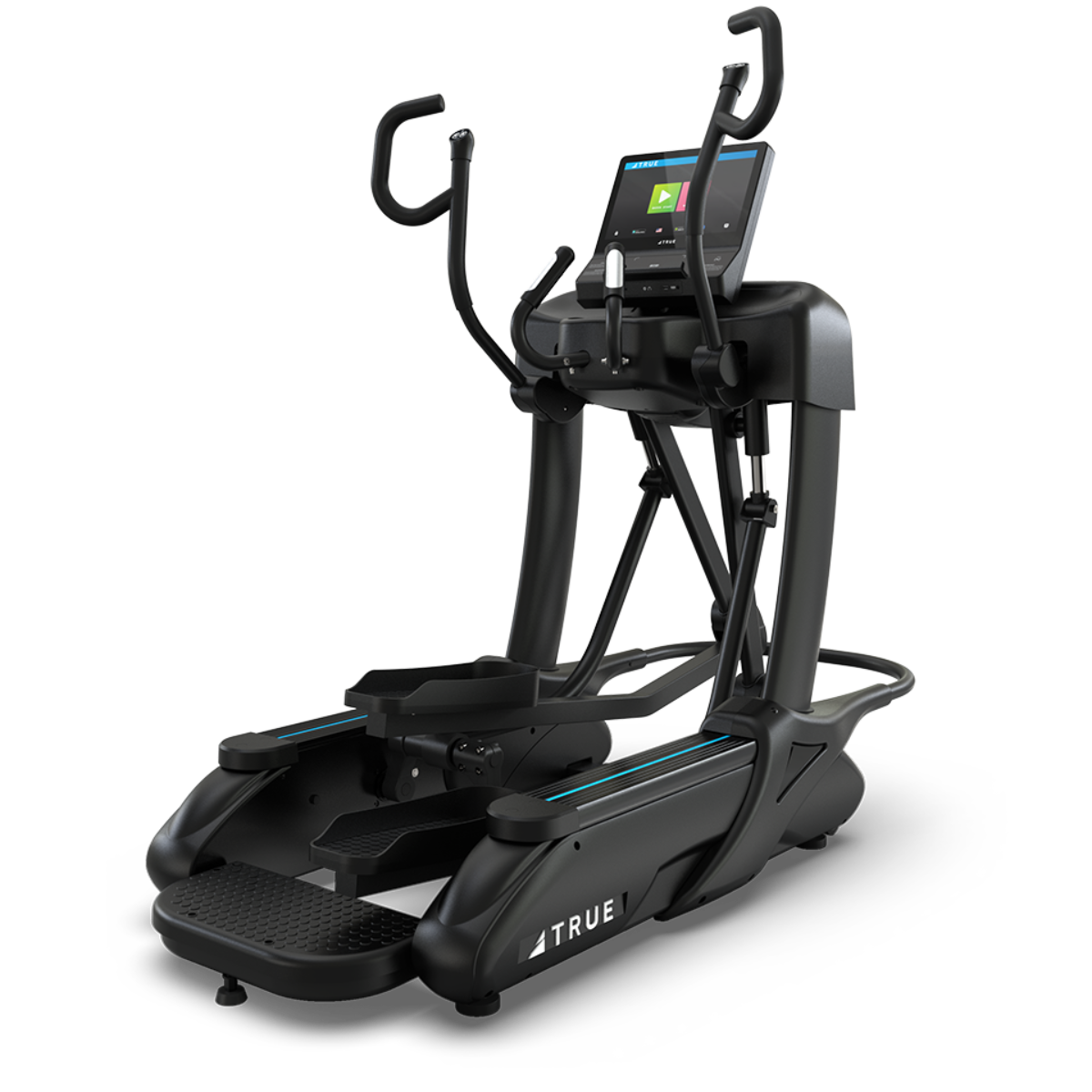
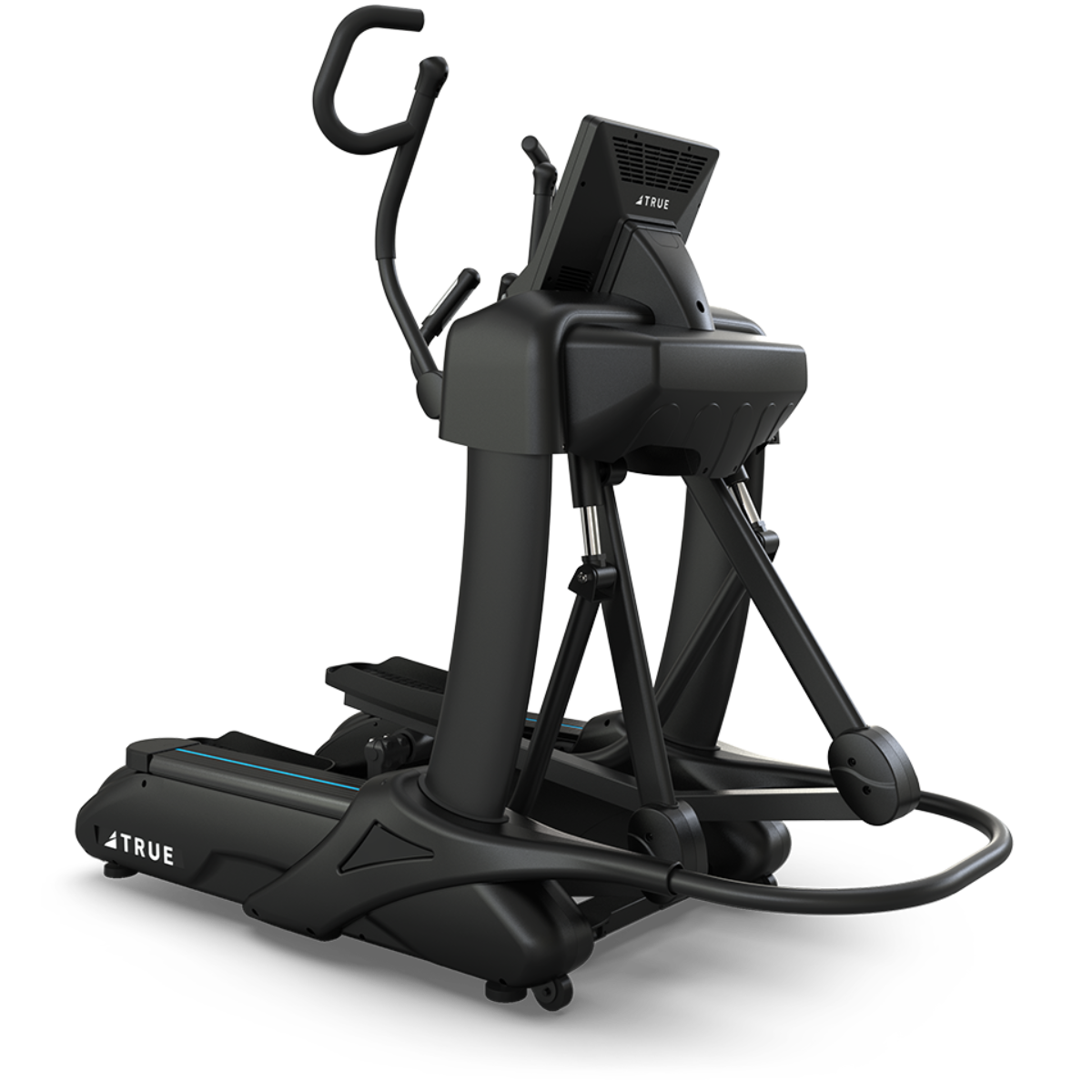
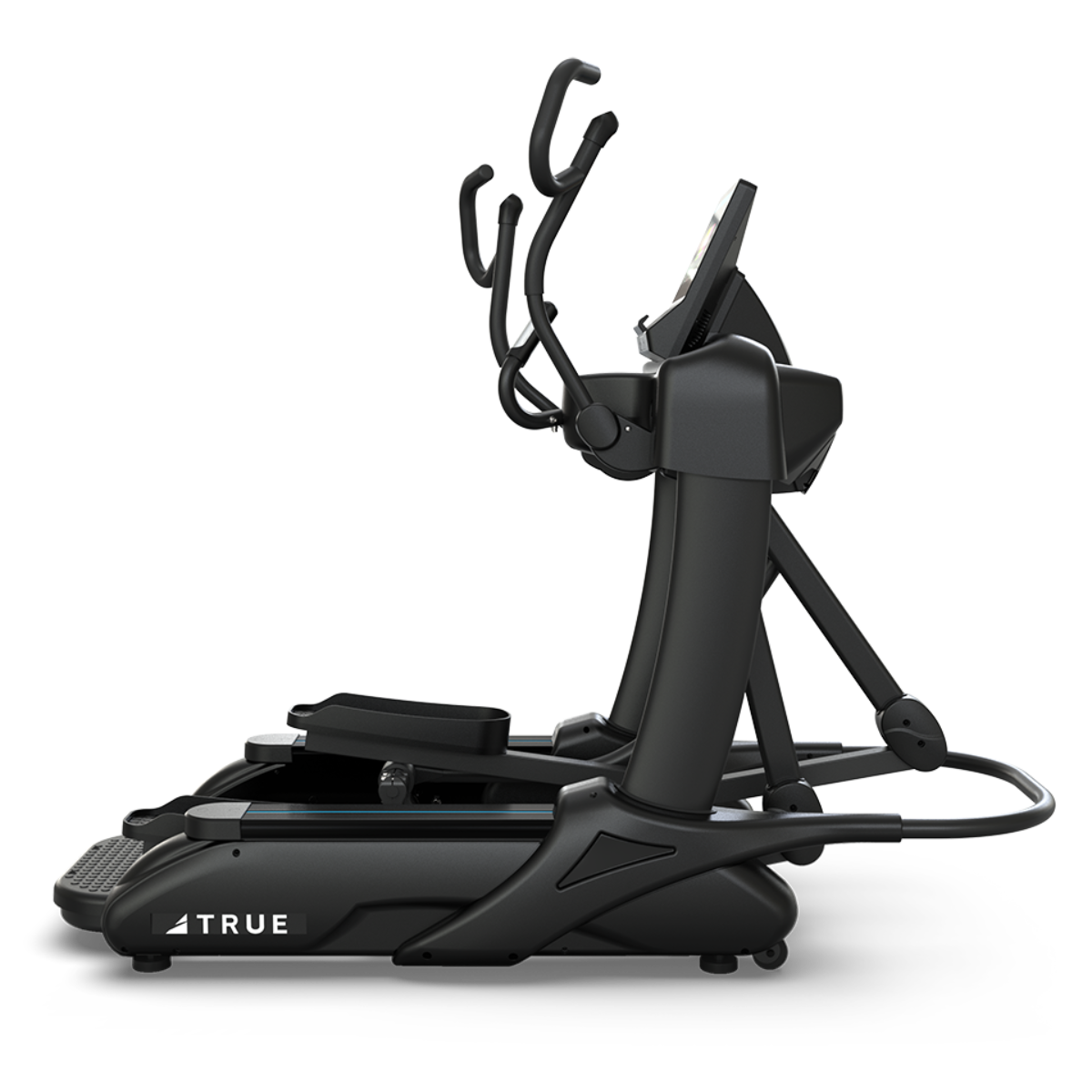
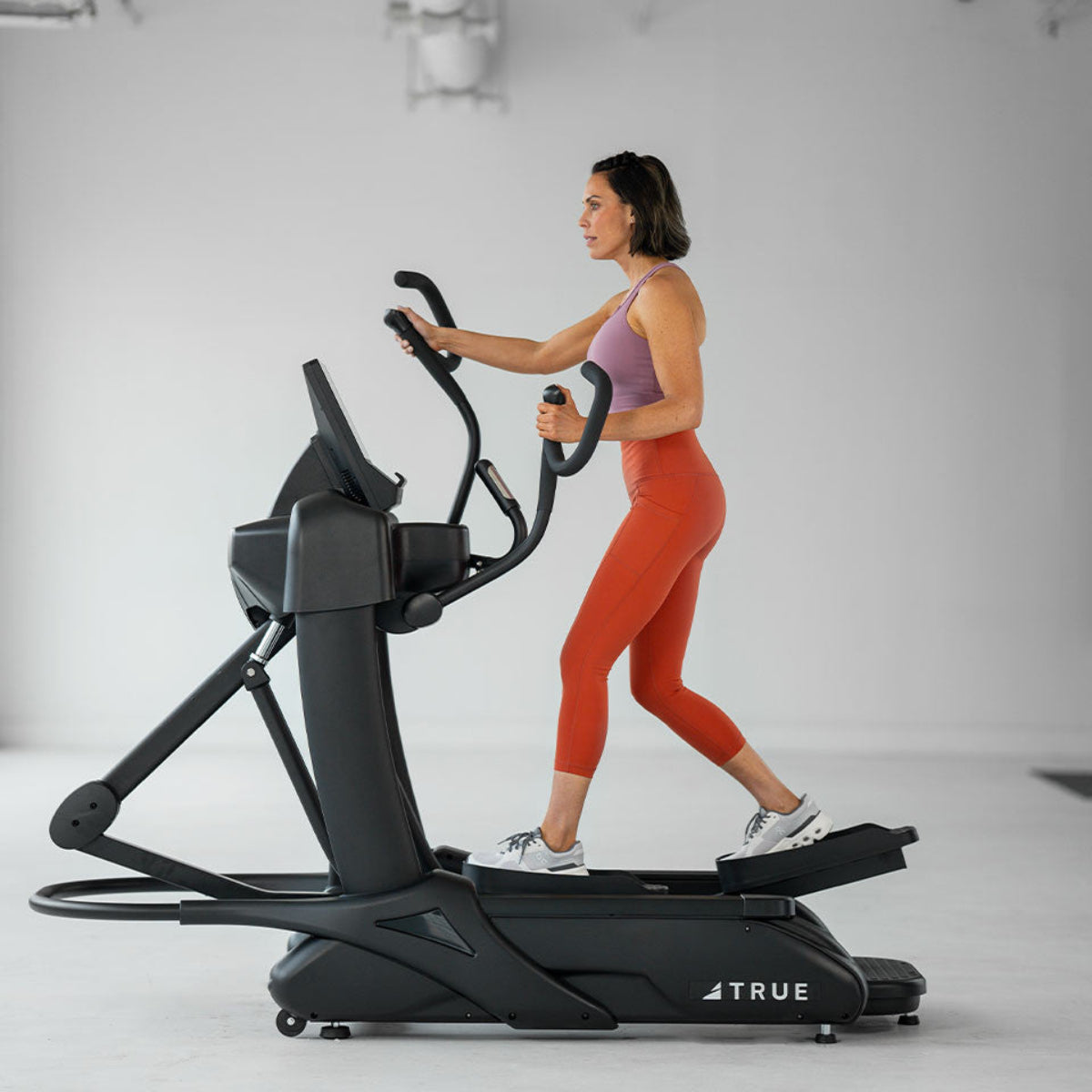
True Fitness Vapor Series Spectrum Elliptical
Who Joint-Friendly Ellipticals Are Best For
Low-impact ellipticals are well suited for individuals with joint sensitivity, arthritis, or past injuries, as well as those looking to maintain cardiovascular health with reduced wear on the body. They are also popular among older adults, beginners, and endurance athletes using ellipticals for active recovery or cross-training. The guided, fluid motion helps users maintain proper alignment while staying engaged in longer workout sessions.
Key Benefits of Low-Impact Elliptical Training
The primary benefit of ellipticals in this category is their non-impact movement. Feet remain in constant contact with the pedals, eliminating repetitive pounding while still engaging major muscle groups. Balanced stride paths and ergonomic pedal spacing promote a natural gait, reducing lateral stress on the knees and hips. Many models also include adjustable resistance and incline options to vary intensity without increasing joint load.
Ellipticals provide full-body engagement by incorporating moving handlebars that activate the upper body while maintaining steady lower-body motion. This allows users to increase calorie burn and cardiovascular output without compromising joint comfort. Smooth drive systems and precision-engineered components contribute to quiet operation and consistent resistance throughout each stride.
Common Use Cases and Training Environments
Joint-friendly ellipticals are widely used in home gyms for daily cardio, weight management, and low-impact endurance training. In rehabilitation and physical therapy settings, they support controlled movement and gradual conditioning. Commercial gyms and wellness centers also rely on these machines to accommodate a broad range of users seeking comfortable, sustainable cardio options.
Types and Variations Within the Category
Ellipticals vary by stride length, drive system, and frame design. Front-drive models often feature compact footprints, while rear-drive and center-drive ellipticals emphasize balance and smoothness. Adjustable stride and ramp features allow users to target different muscle groups while maintaining low-impact motion. Premium models may include advanced consoles, multiple resistance levels, and connectivity options to support structured training programs.
Why Choose The Fitness Outlet
Shoppers choose The Fitness Outlet for Ellipticals for Joint-Friendly, Low-Impact Cardio because of our commitment to premium fitness equipment and expert curation. We focus on ellipticals built for durability, biomechanical accuracy, and long-term comfort, helping customers select machines that support safe, effective cardio training at home or in professional environments.
Ellipticals for Joint-Friendly, Low-Impact Cardio: A Smarter Way to Train
Elliptical machines are widely recognized as one of the most joint-friendly cardio options available. By guiding the feet through a smooth, continuous motion, ellipticals reduce impact on the knees, hips, and ankles while still delivering an effective full-body workout. For users managing joint sensitivity, recovering from injury, or simply prioritizing long-term comfort, ellipticals offer a balanced blend of performance and protection.

Why Ellipticals Are Easier on the Joints
Unlike treadmills or outdoor running, ellipticals eliminate repetitive footstrike. Your feet remain in contact with the pedals throughout the entire movement cycle, significantly reducing stress on weight-bearing joints.
Reduced Impact Without Reduced Intensity
Ellipticals allow users to raise heart rate and calorie burn without the pounding associated with running. Resistance and incline adjustments enable everything from gentle rehabilitation sessions to challenging interval workouts, all while maintaining a controlled, fluid motion.
Balanced Lower- and Upper-Body Engagement
Most ellipticals incorporate moving handlebars, encouraging upper-body involvement alongside lower-body movement. This balanced engagement distributes workload across multiple muscle groups, further reducing strain on any single joint while increasing overall workout efficiency.
Elliptical vs. Treadmill vs. Bike for Low-Impact Cardio
When comparing cardio equipment for joint health, ellipticals consistently stand out.
-
Treadmills involve repeated impact, even at walking speeds, which may aggravate sensitive knees or hips.
-
Exercise bikes are low-impact but seated, limiting full-body engagement.
-
Ellipticals combine upright posture, full-body motion, and impact-free movement.
For users seeking a standing, functional cardio workout without joint stress, ellipticals often provide the most complete solution.
Key Elliptical Design Types Explained
Not all ellipticals feel the same. The machine’s drive system plays a major role in stride feel, joint comfort, and space requirements.
Front-Drive Ellipticals
Front-drive models position the flywheel at the front of the machine. They tend to have a flatter, more circular stride pattern and often feature a slightly more compact footprint. These machines are commonly found in home gyms and light commercial settings.
Rear-Drive Ellipticals
Rear-drive ellipticals typically deliver a longer, smoother stride that closely resembles natural walking or running motion. Many users find this design particularly comfortable for knees and hips, making it popular in commercial gyms and rehabilitation environments.
Center-Drive Ellipticals
Center-drive ellipticals place the flywheel on either side of the user, creating a narrower stance and upright posture. This design promotes natural alignment and reduces lateral hip stress, which can be beneficial for users with joint concerns.
Stride Length and Joint Comfort
Stride length is one of the most overlooked yet critical factors in elliptical comfort.
Shorter strides may feel choppy or restrictive, especially for taller users, while longer strides allow for smoother, more natural motion. Premium ellipticals often feature stride lengths ranging from 18 to 21 inches, accommodating a wide range of body types.
Some advanced models even offer adjustable or variable stride paths, allowing users to customize motion based on comfort and training goals.
Resistance, Incline, and Training Variety
Low-impact doesn’t mean low challenge. Ellipticals offer multiple ways to increase intensity without increasing joint stress.
Resistance Levels
Magnetic or electromagnetic resistance systems provide smooth, precise adjustments. Higher resistance engages muscles more deeply, supporting strength and endurance training without impact.
Incline and Ramp Adjustments
Incline features change pedal angles to target different muscle groups, such as glutes or hamstrings. When designed well, incline adjustments maintain joint-friendly motion while expanding workout variety.
Home vs. Commercial Ellipticals: What’s the Difference?
Choosing the right elliptical depends heavily on where and how it will be used.
Home Ellipticals
Home models focus on quiet operation, compact footprints, and ease of use. They’re ideal for individuals or families who want joint-friendly cardio without the size or power demands of commercial equipment.
Commercial and Light Commercial Ellipticals
Commercial-grade ellipticals are built for durability, longer daily use, and multiple users. They feature heavier frames, higher resistance capacity, and components designed for consistent performance over time—making them well-suited for gyms, physical therapy clinics, and multi-user environments.
Who Benefits Most from Elliptical Training?
Ellipticals are especially beneficial for:
-
Users with knee, hip, or ankle sensitivity
-
Individuals recovering from lower-body injuries
-
Older adults seeking safe, effective cardio
-
Cross-training athletes reducing impact days
-
Anyone prioritizing joint longevity and comfort
Because intensity is fully adjustable, ellipticals remain accessible across fitness levels, from beginners to advanced users.
Maintenance and Longevity Considerations
Ellipticals are generally low-maintenance machines, particularly those with magnetic resistance and sealed bearings. Routine cleaning, periodic bolt checks, and following manufacturer service guidelines help ensure long-term performance.
Buyers should also consider warranty coverage, parts availability, and brand reputation when investing in a premium elliptical.
FAQs
Are ellipticals good for bad knees?
Can you lose weight using an elliptical?
Is an elliptical better than walking?
What stride length should I choose?
Are ellipticals suitable for seniors?