


Achieve your fitness goals within your budget with our financing.
Free Delivery on Orders $599+
Fast, reliable delivery on all qualifying orders.
Price Match Guarantee
Shop confidently knowing you're getting the best deal.
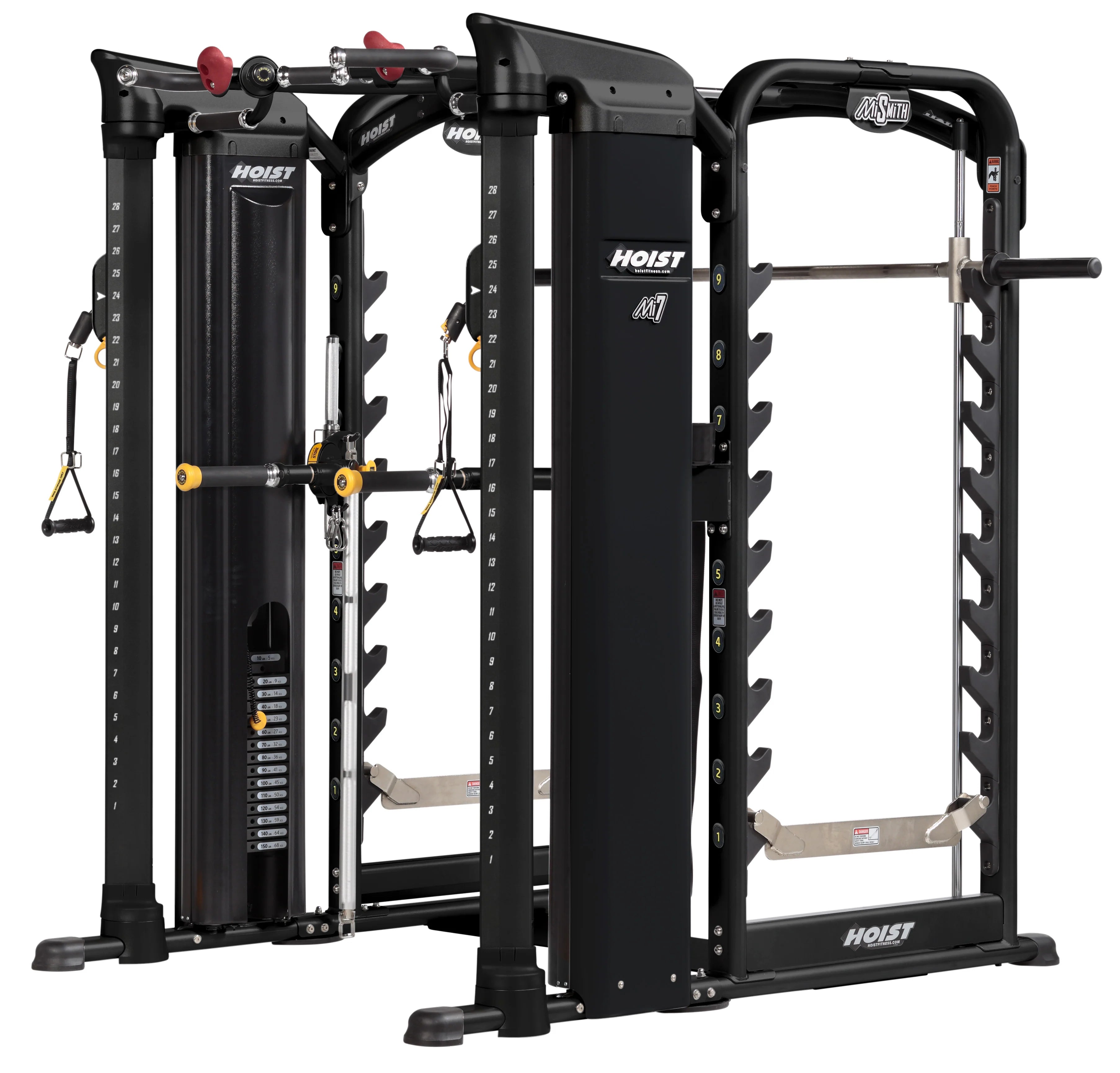
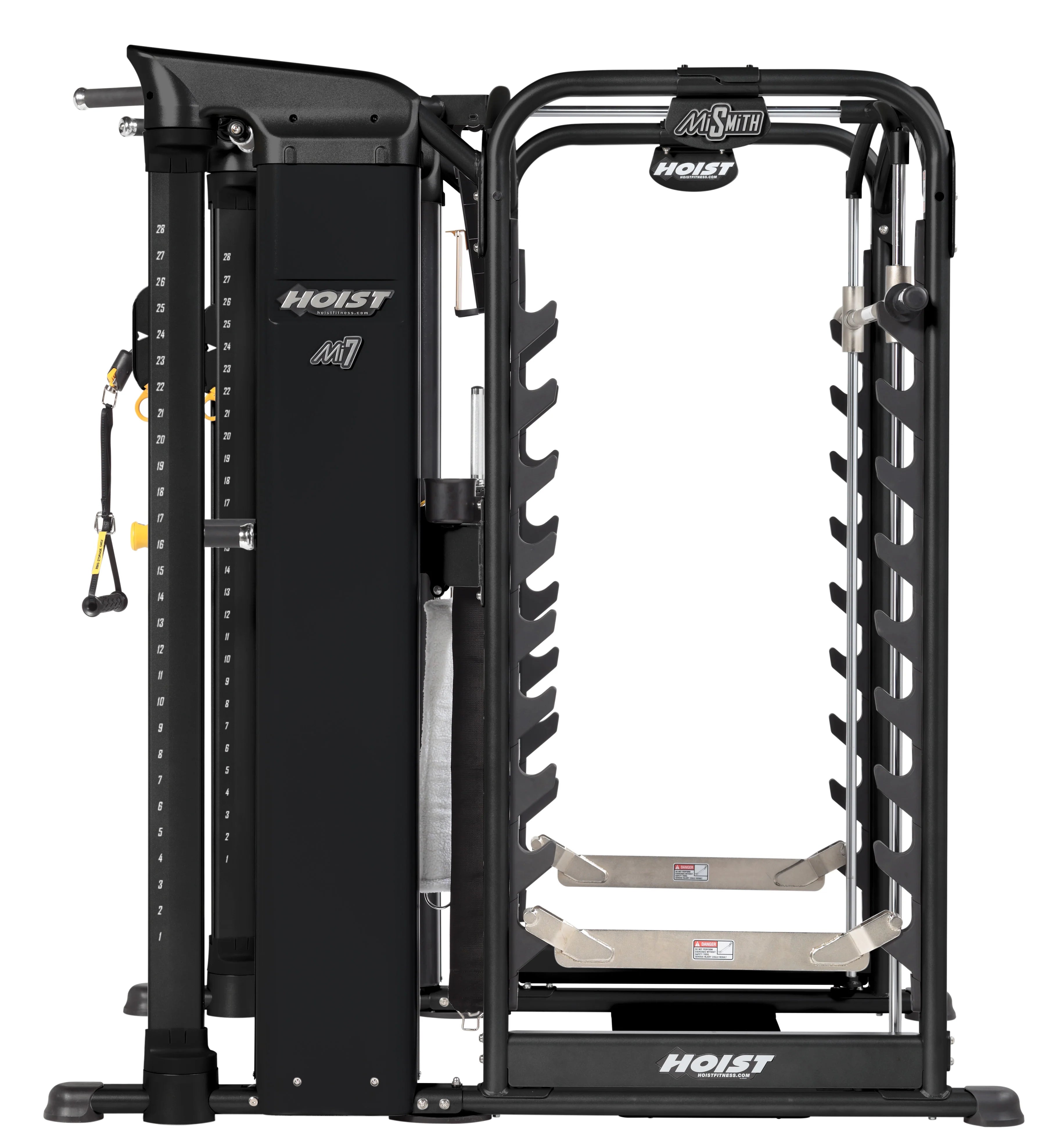
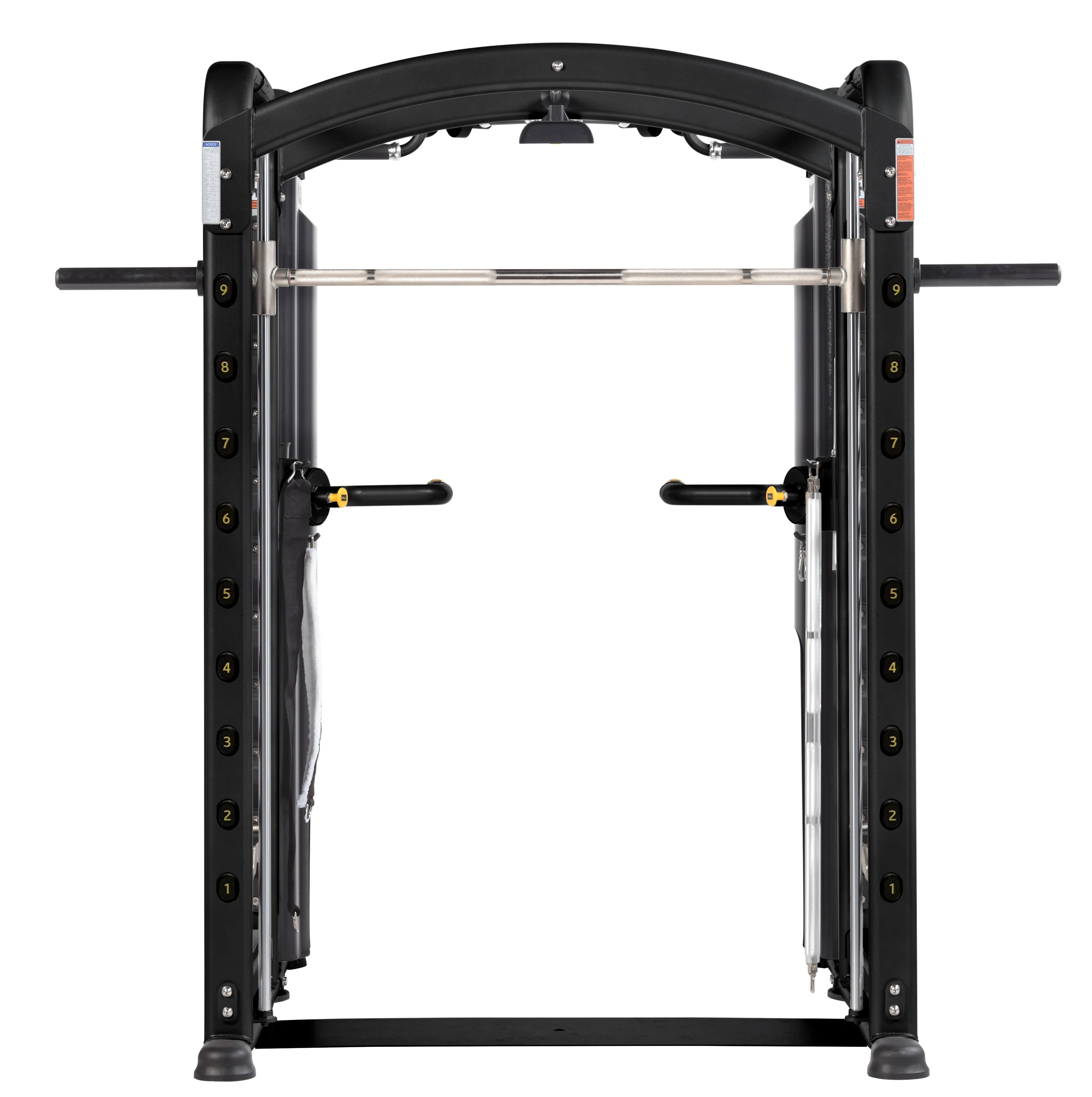
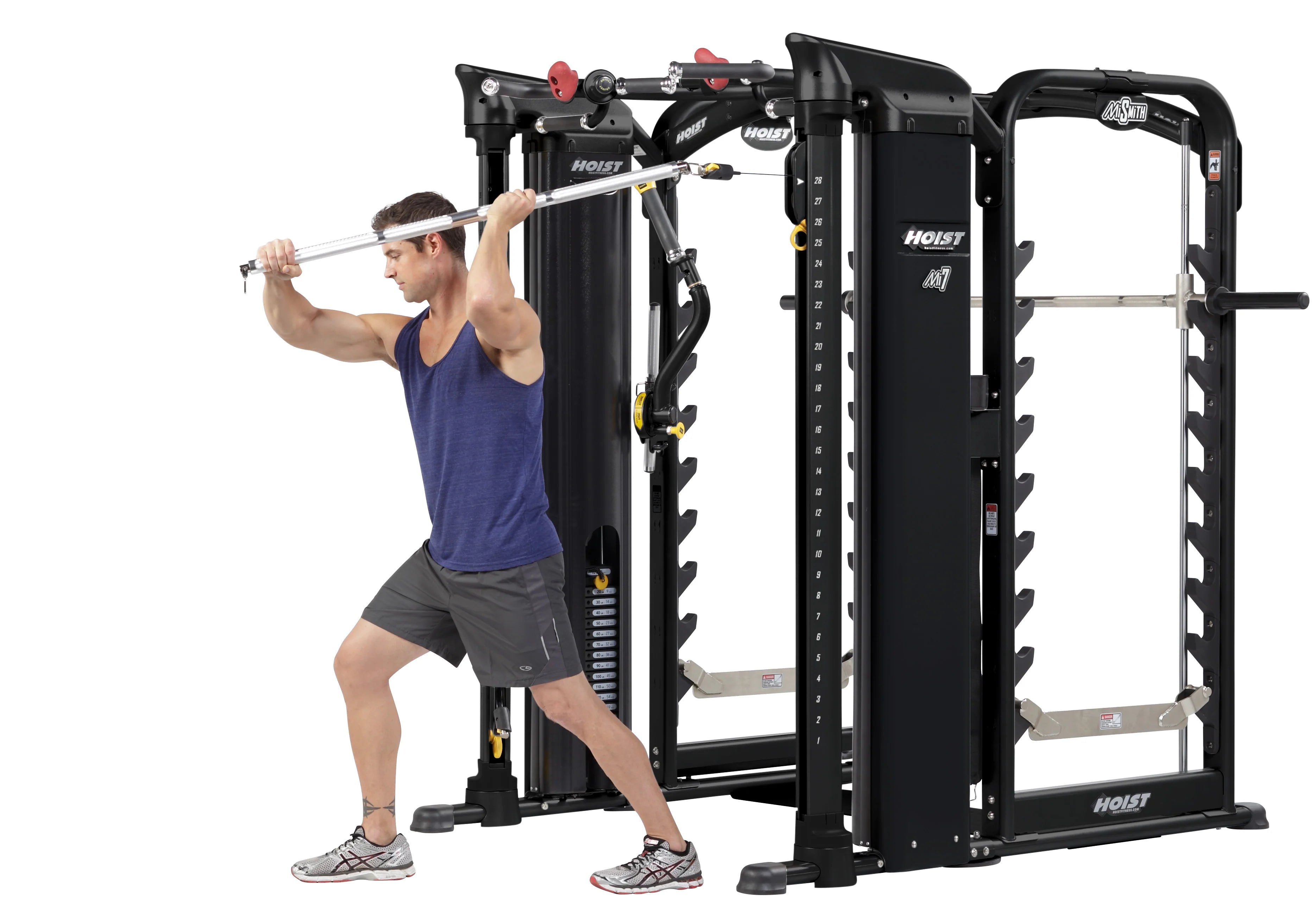
Hoist Fitness Mi7 Smith Ensemble Functional Training System


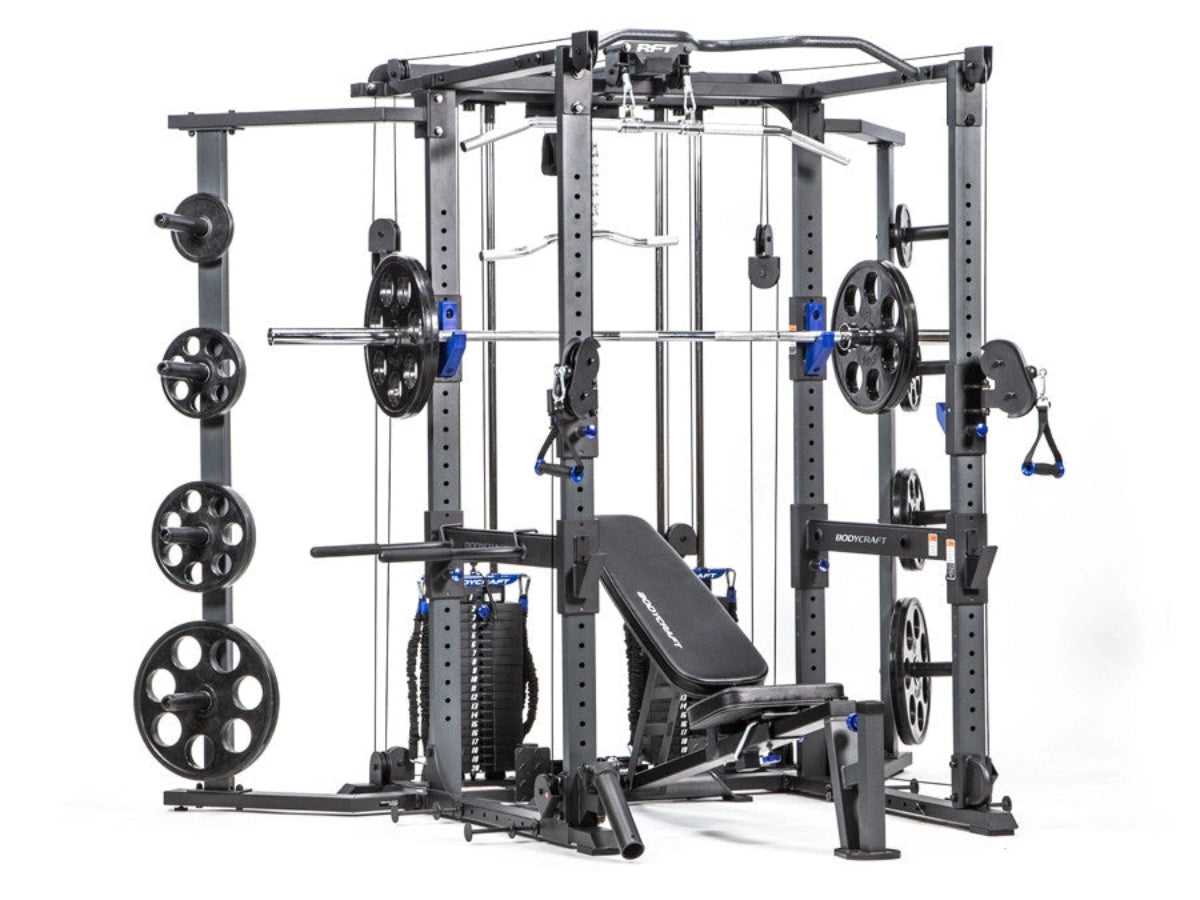
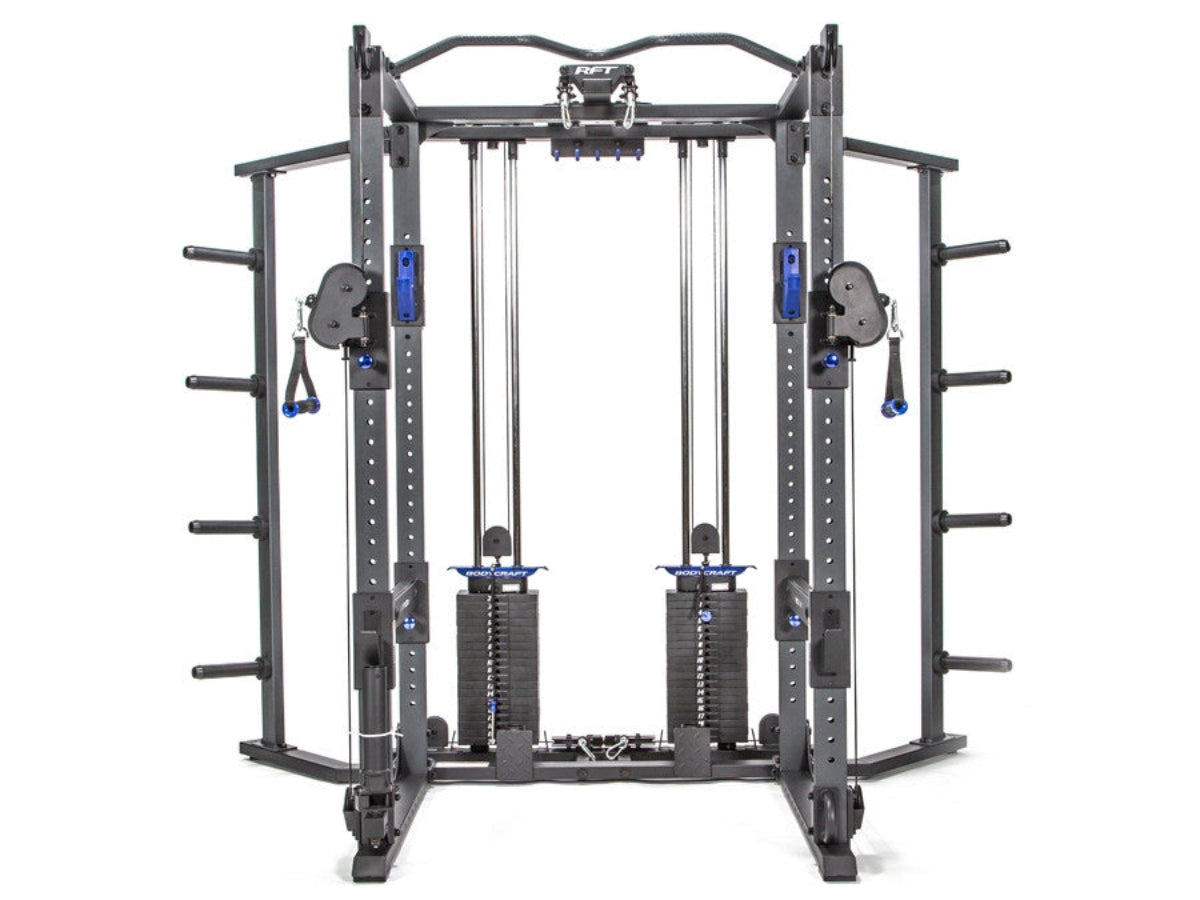
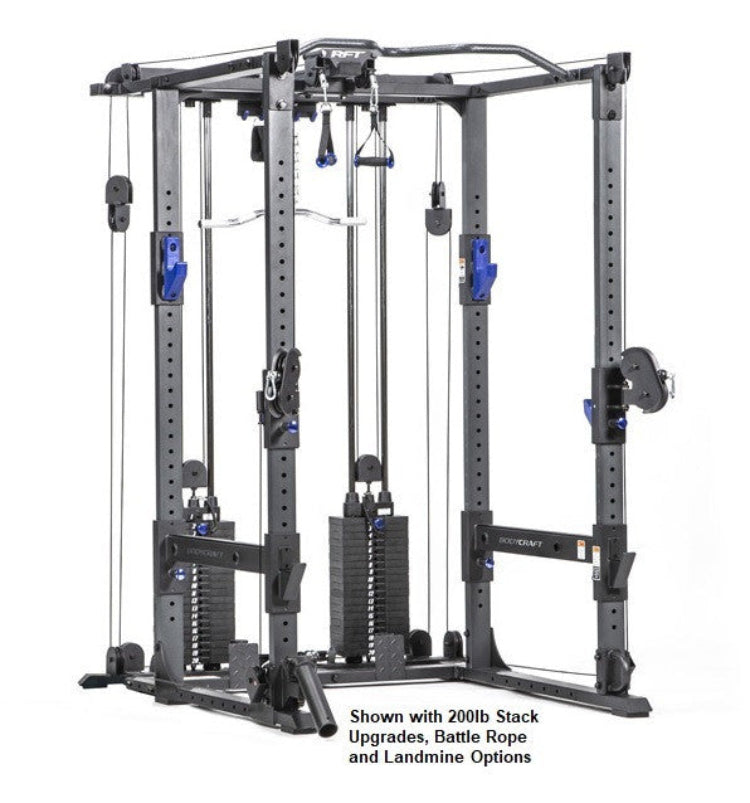

BodyCraft RFT PRO Rack Functional Trainer
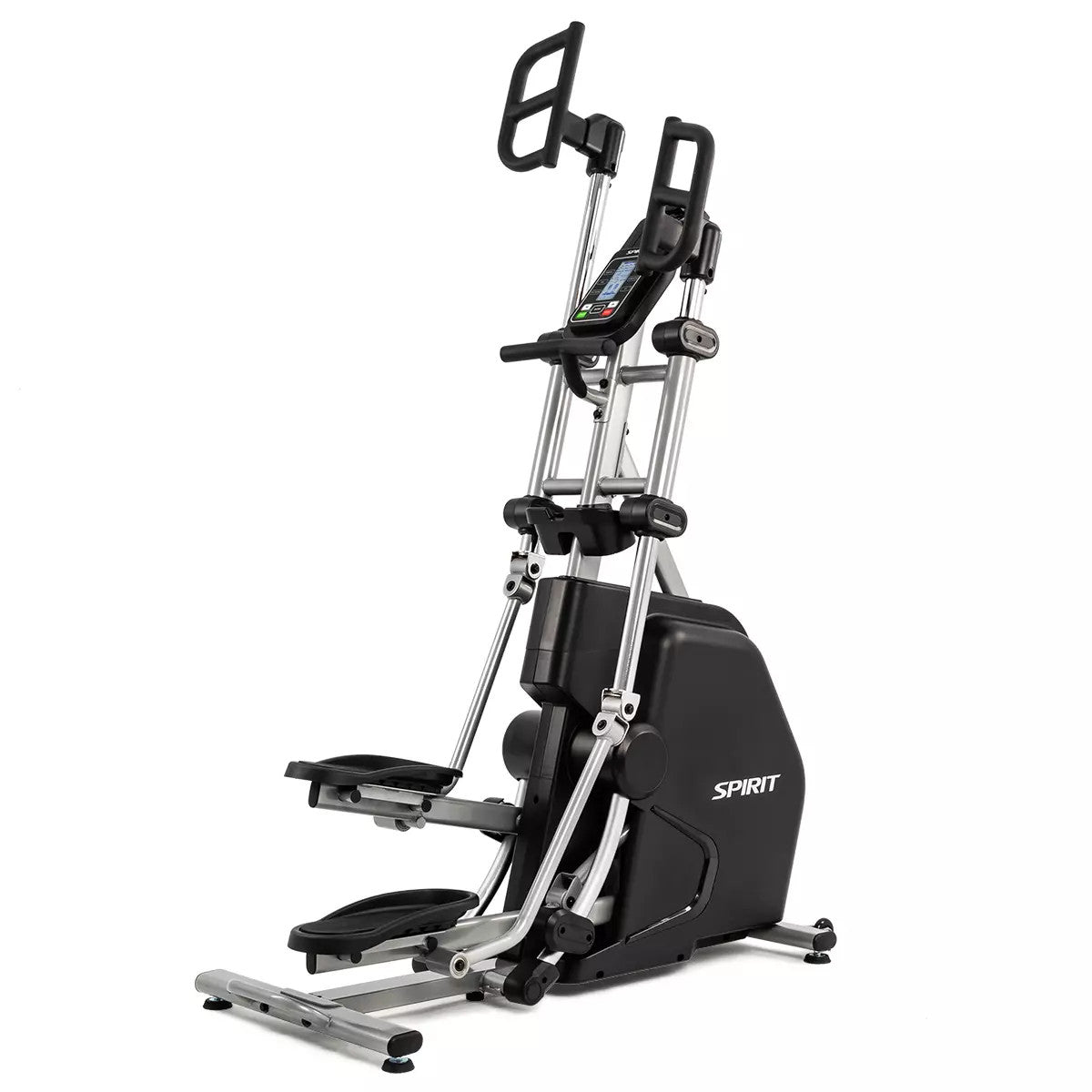
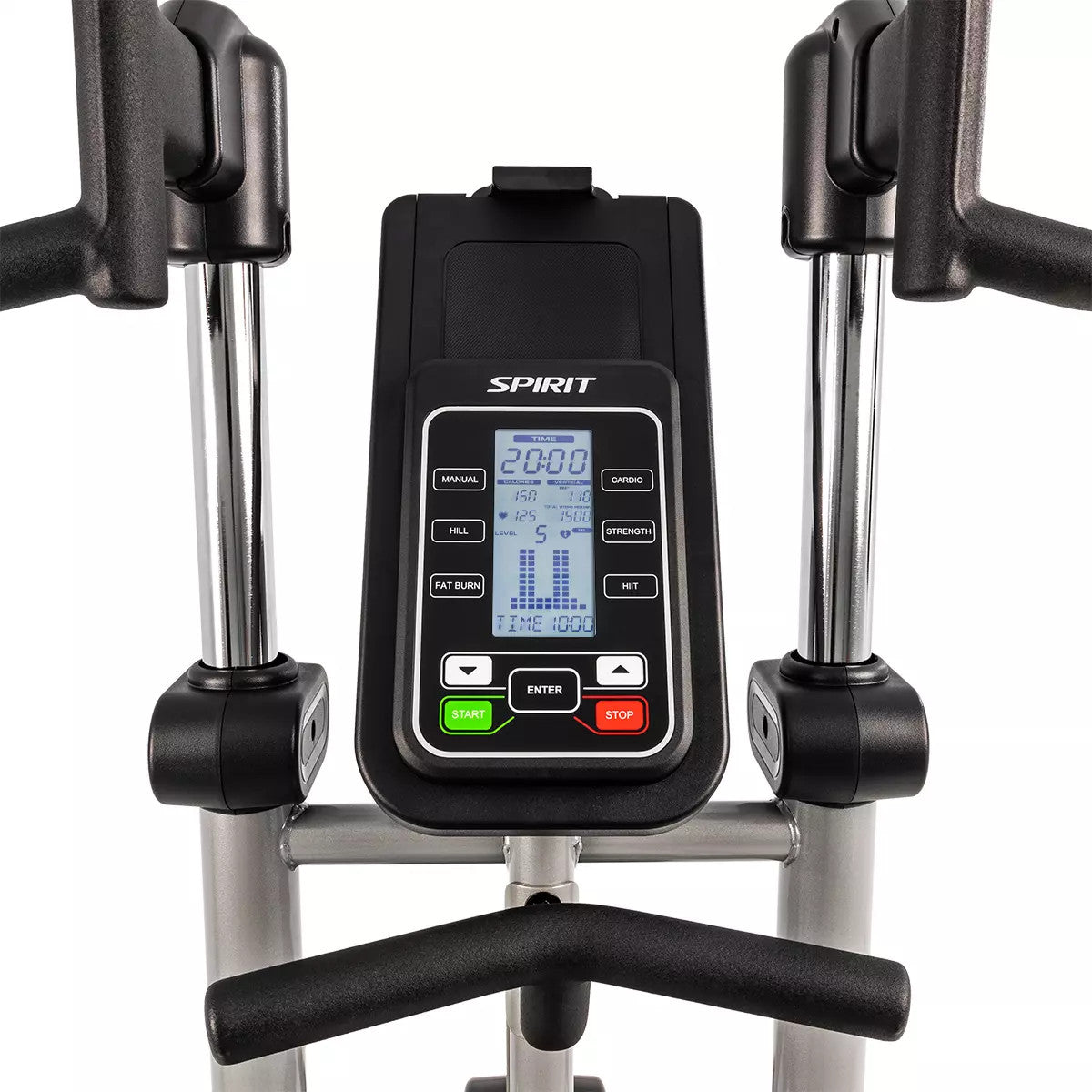
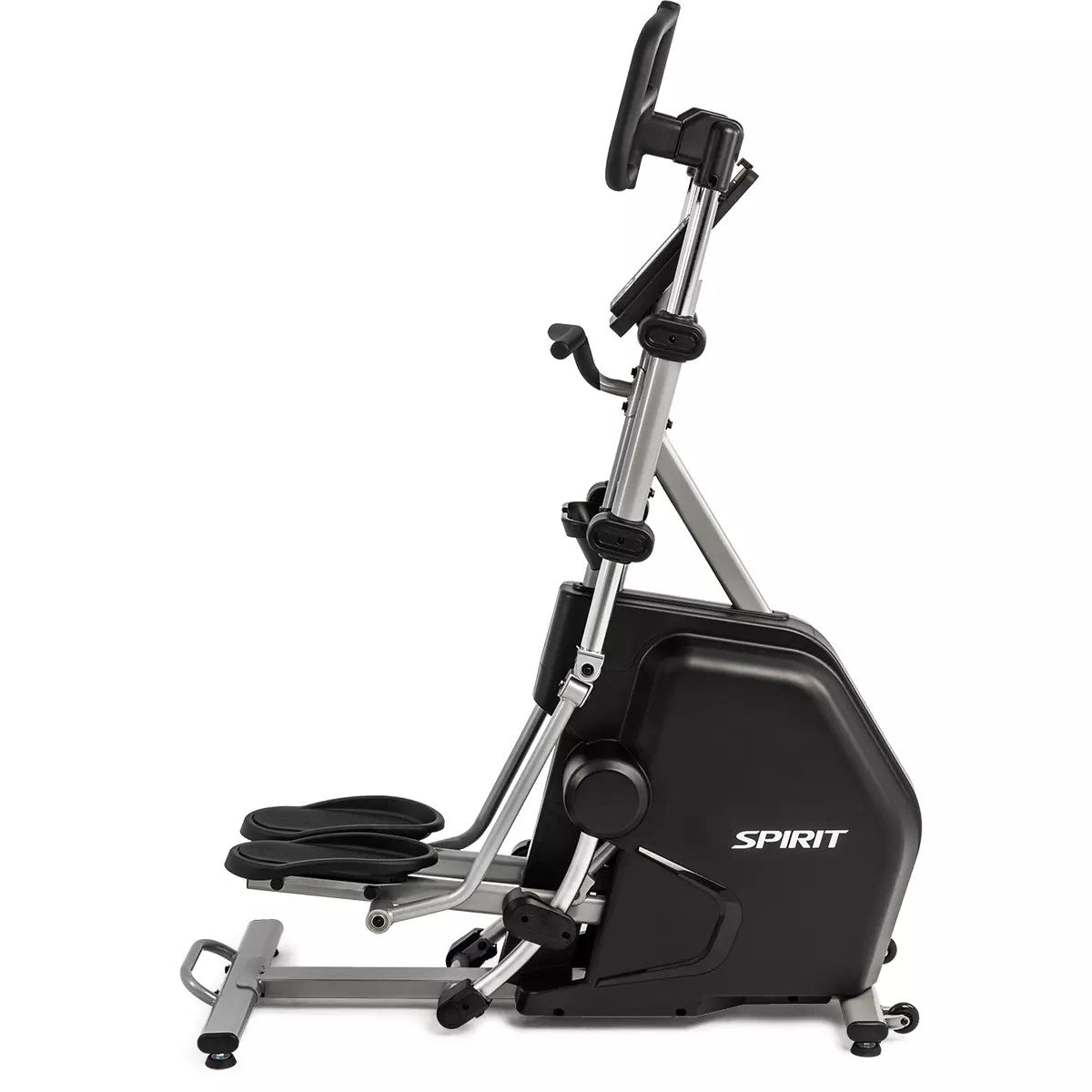
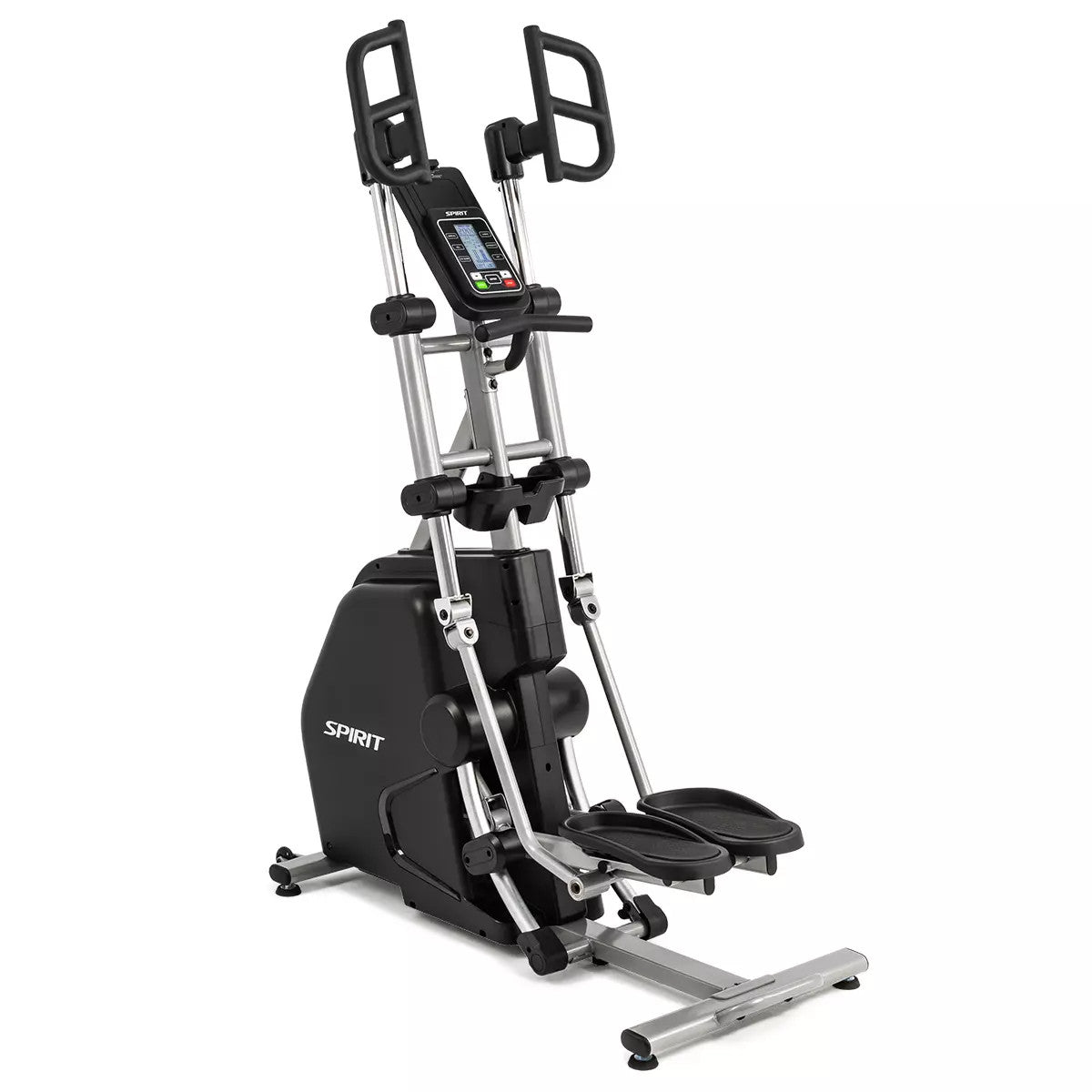
Spirit Fitness CVC800 Vertical Climber
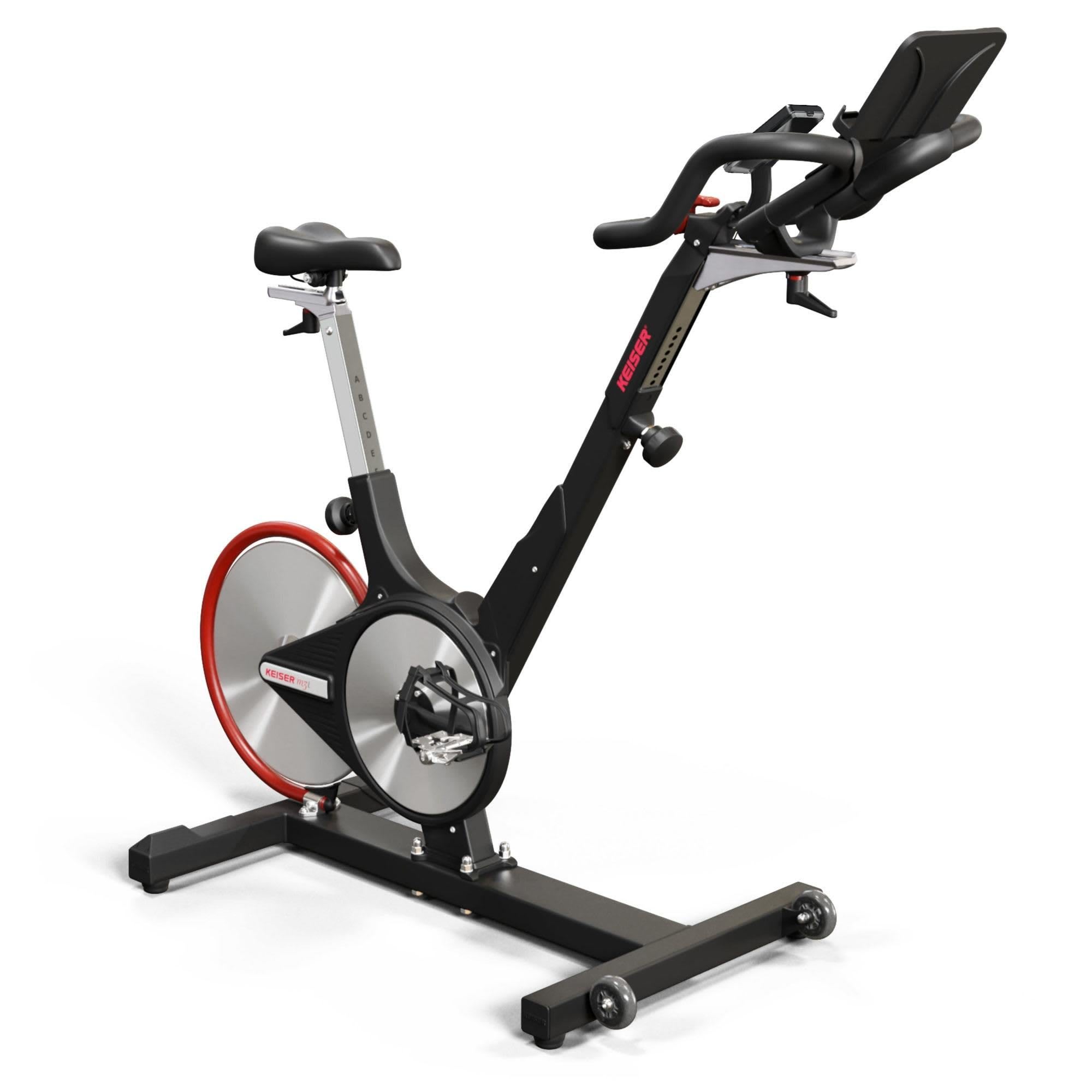


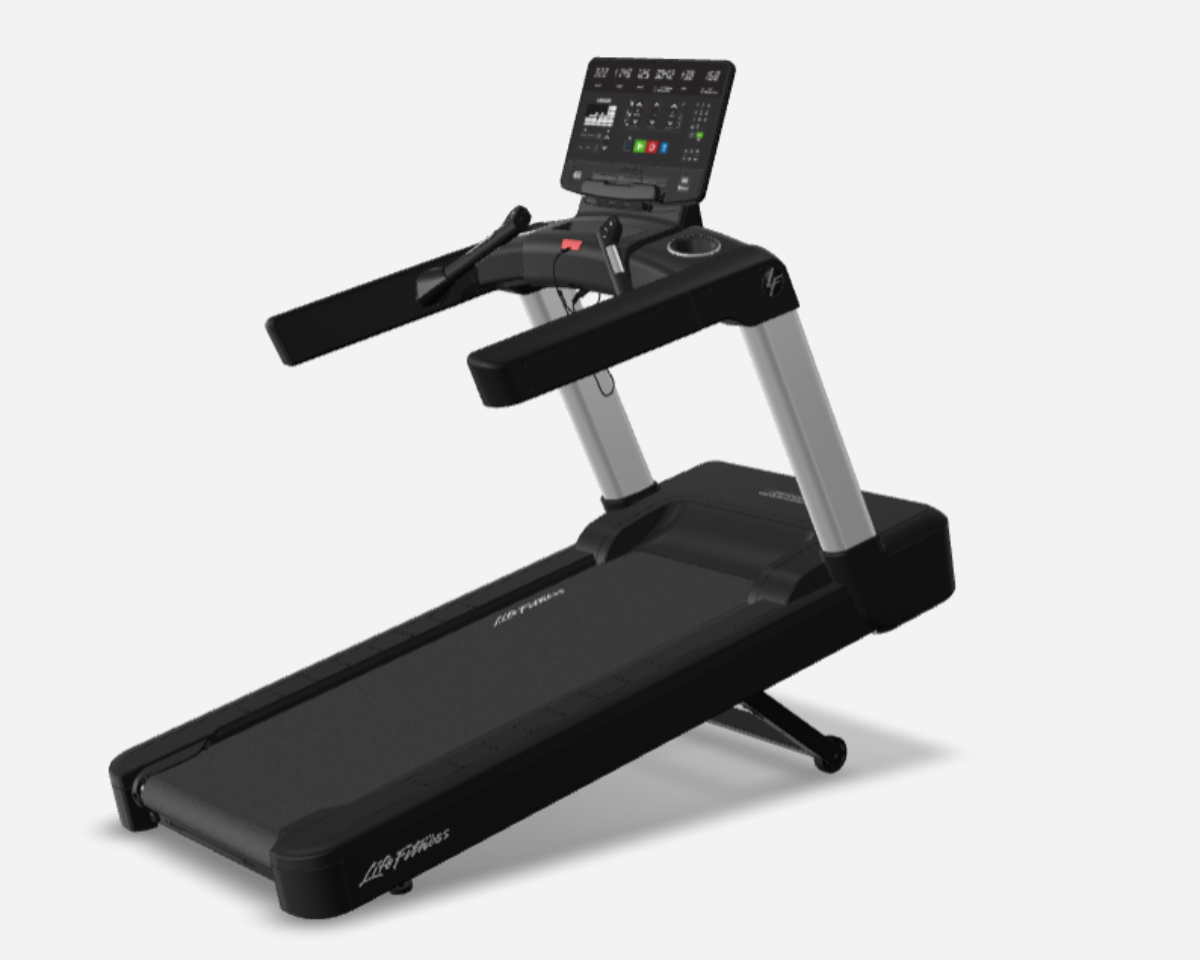
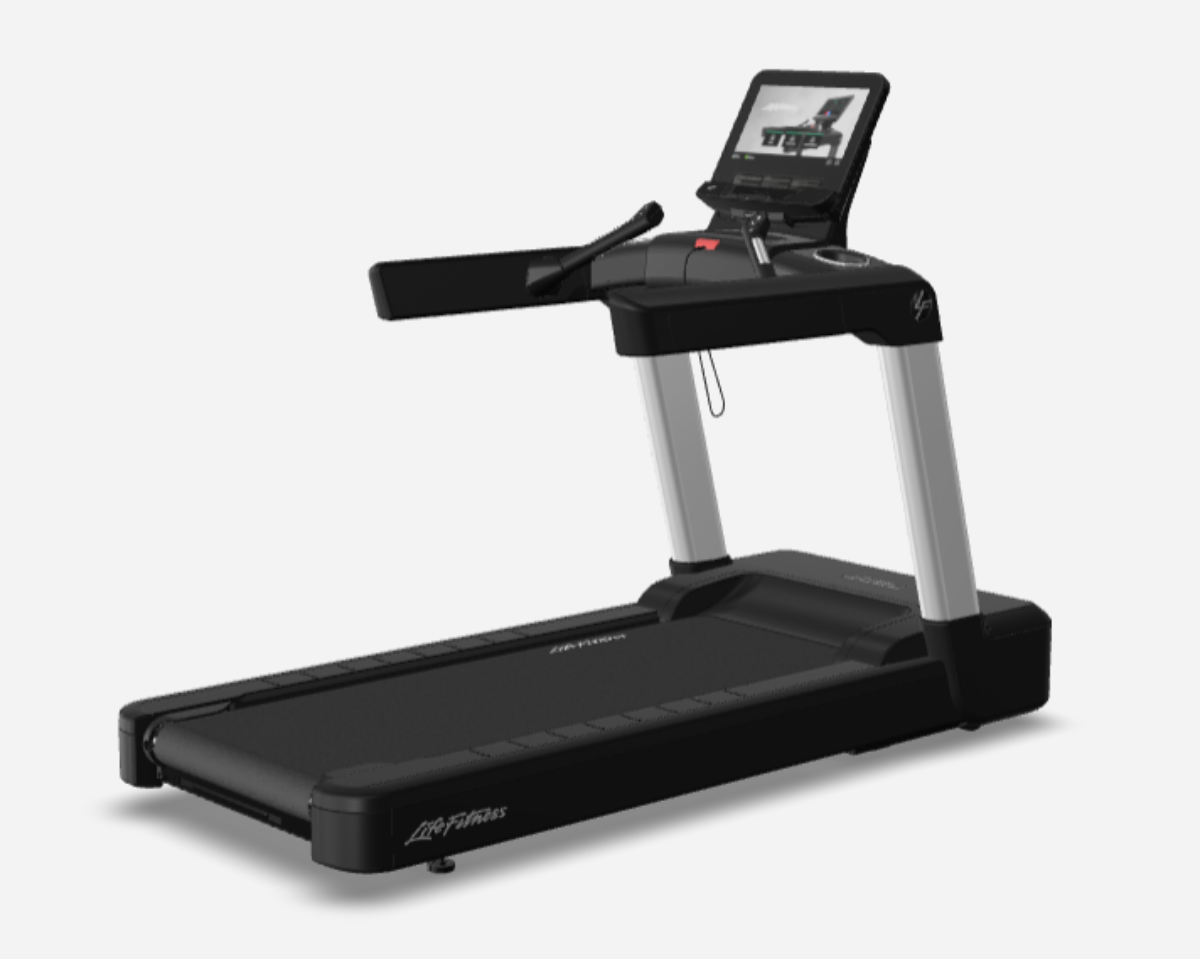
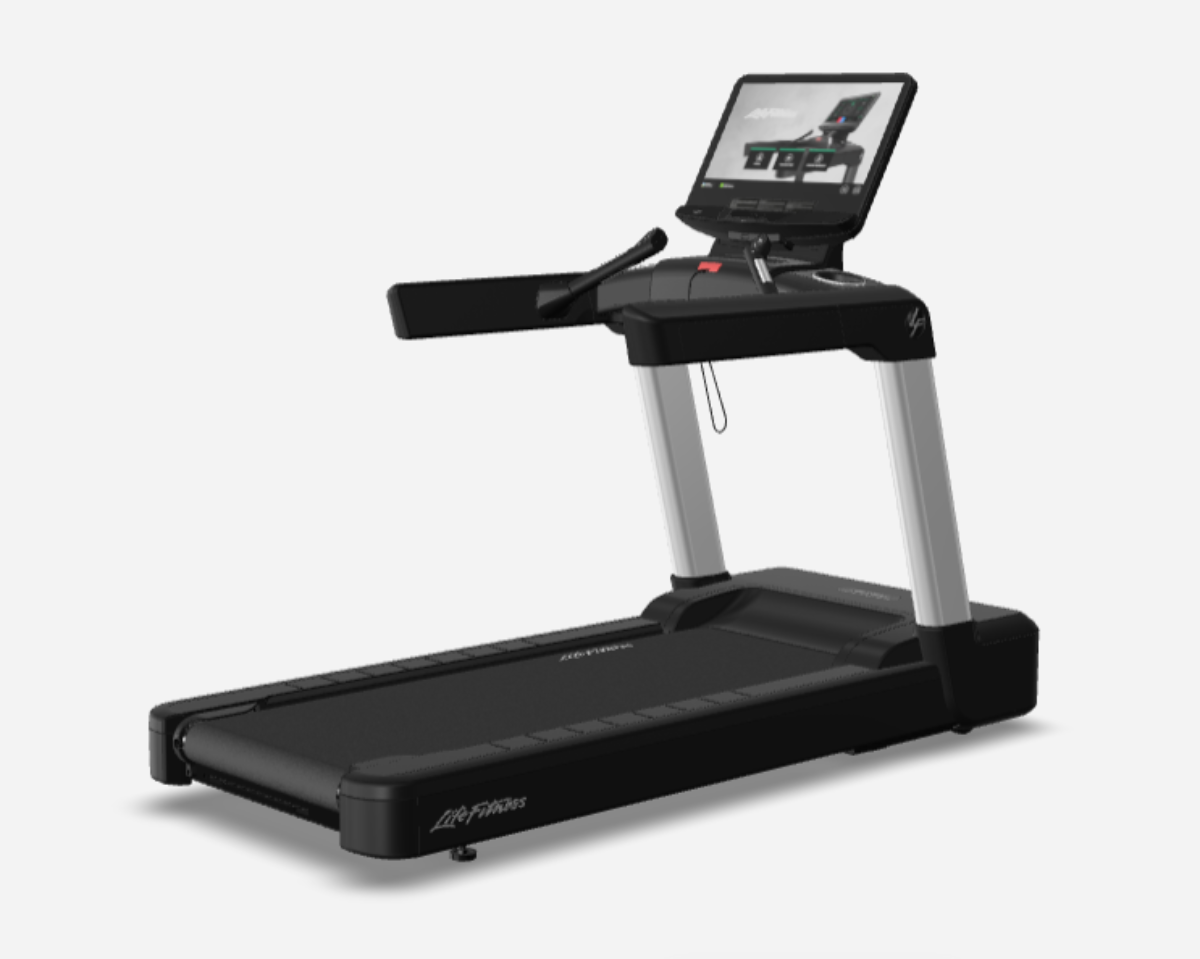
Built for Functional Training Spaces
Cross-training and functional fitness room equipment is designed to support movement-based workouts that improve strength, balance, coordination, and endurance. Unlike single-purpose machines, this category focuses on versatility, allowing users to train multiple muscle groups through pushing, pulling, lifting, rotating, and stabilizing movements.
These products are commonly found in functional training rooms, athletic facilities, training studios, school gyms, and performance-focused fitness spaces where flexibility and efficient use of space matter.

Who This Equipment Is Best For
Functional fitness room equipment is ideal for athletes, personal trainers, group fitness participants, and facilities that prioritize dynamic, full-body training. It’s also a strong fit for small commercial gyms, schools, wellness centers, and multi-purpose training rooms where equipment needs to support a wide range of users and training styles.
This category supports everything from beginner-friendly movement training to high-intensity athletic conditioning.
Key Benefits of Cross-Training Equipment
Functional training equipment encourages natural movement patterns while helping users build real-world strength. Benefits include:
-
Full-body engagement across multiple planes of motion
-
Efficient use of floor space
-
Scalable difficulty for different fitness levels
-
Support for strength, cardio, and mobility training
-
Ideal setup for group classes and circuit-style workouts
Because workouts can be easily modified, functional fitness rooms remain adaptable as training needs evolve.
Common Equipment Found in Functional Fitness Rooms
This collection typically includes items such as functional trainers, cable systems, racks, conditioning tools, benches, and open-floor accessories. Together, these elements create a flexible training environment that supports strength training, HIIT workouts, athletic development, and general fitness conditioning.
Why Choose The Fitness Outlet
The Fitness Outlet works with commercial gyms, schools, training studios, and performance facilities to design functional fitness spaces that are durable, practical, and built to last. Our curated selection focuses on commercial-grade construction, reliable performance, and equipment that integrates seamlessly into modern training environments.
Designing an Effective Cross-Training or Functional Fitness Room
Functional fitness rooms have become a staple in modern gyms and training facilities. These spaces are designed to support movement-based workouts that improve strength, mobility, endurance, and coordination — all within a flexible, open layout.
Unlike traditional weight rooms, functional fitness rooms prioritize adaptability. Equipment is chosen not just for strength training, but for how easily it supports varied workouts, group sessions, and athletic-style movement.
What Makes Functional Training Different
Functional training focuses on exercises that mirror real-life movement patterns. This means training the body to work as a unit rather than isolating individual muscles. Movements often involve multiple joints and planes of motion, improving balance, stability, and overall athletic performance.
This approach is especially popular in sports performance centers, personal training studios, and group training environments.
Core Components of a Functional Fitness Room
A well-designed functional fitness room usually includes:
-
Adjustable cable or functional training systems
-
Open floor space for movement and bodyweight exercises
-
Benches and racks for strength-focused work
-
Conditioning tools for high-intensity training
-
Storage solutions to keep the room organized
This mix allows trainers and users to easily shift between strength, cardio, and mobility-focused sessions.
Space Efficiency and Layout Considerations
One of the biggest advantages of functional fitness equipment is how efficiently it uses space. Multi-use machines and modular systems reduce the need for large amounts of equipment while still supporting a wide range of workouts.
Open layouts also improve flow during group classes and make it easier to scale workouts up or down depending on the user.
Who Benefits Most from Functional Fitness Rooms
Functional training rooms are widely used by:
-
Personal training studios
-
Small and mid-sized commercial gyms
-
Schools and university fitness centers
-
Athletic performance facilities
-
Corporate wellness spaces
Because the equipment supports so many training styles, these rooms remain useful for years without needing constant redesign.
Building a Functional Space with Confidence
Choosing the right equipment is about durability, versatility, and long-term usability. Commercial-grade functional training equipment ensures consistent performance even in high-traffic environments.
The Fitness Outlet helps facilities select equipment that balances performance, footprint, and training flexibility — making it easier to build a functional fitness room that adapts as programs grow.
FAQs
What is cross-training equipment?
Is functional fitness equipment good for group training?
Do functional fitness rooms replace traditional weight rooms?