


Achieve your fitness goals within your budget with our financing.
Free Delivery on Orders $599+
Fast, reliable delivery on all qualifying orders.
Price Match Guarantee
Shop confidently knowing you're getting the best deal.
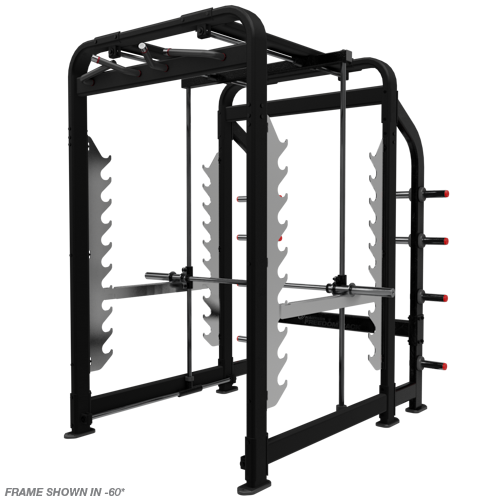
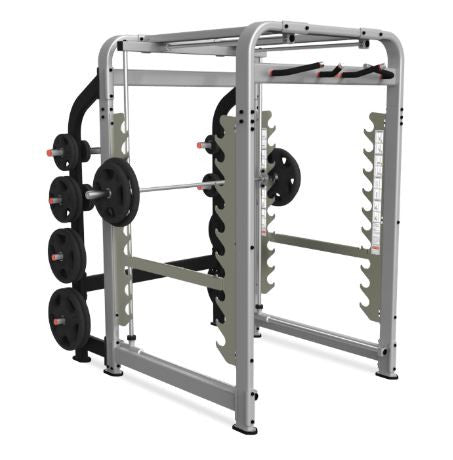

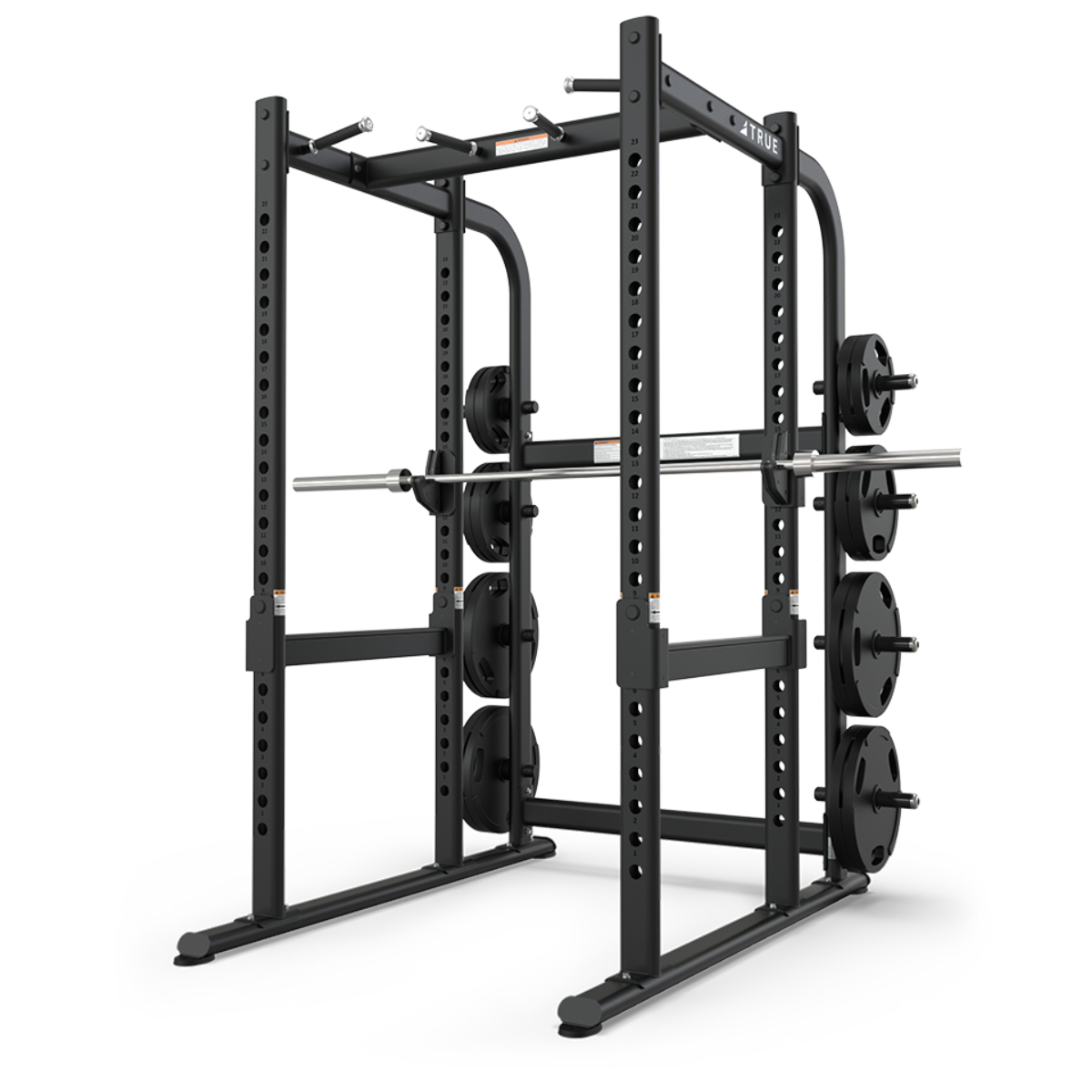
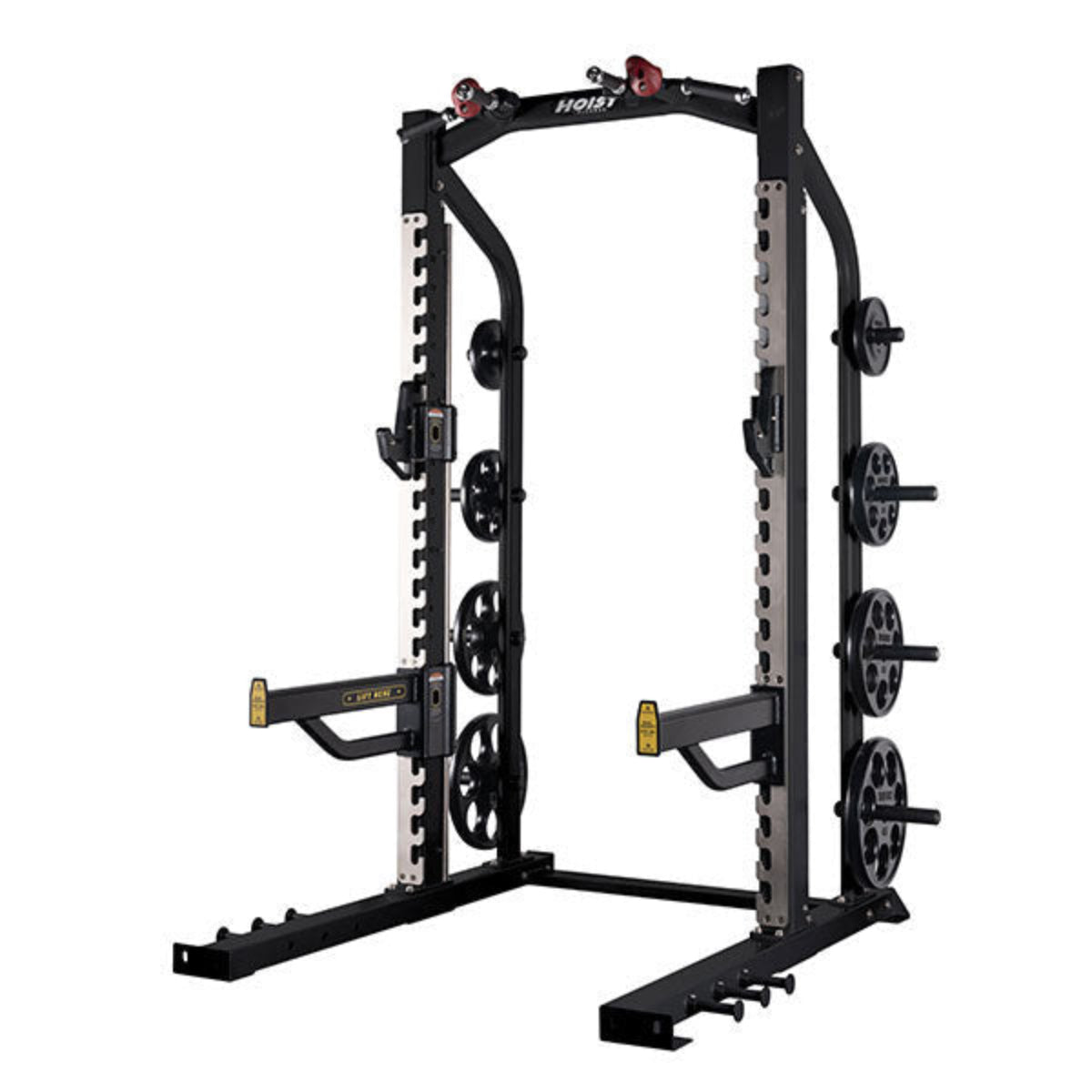
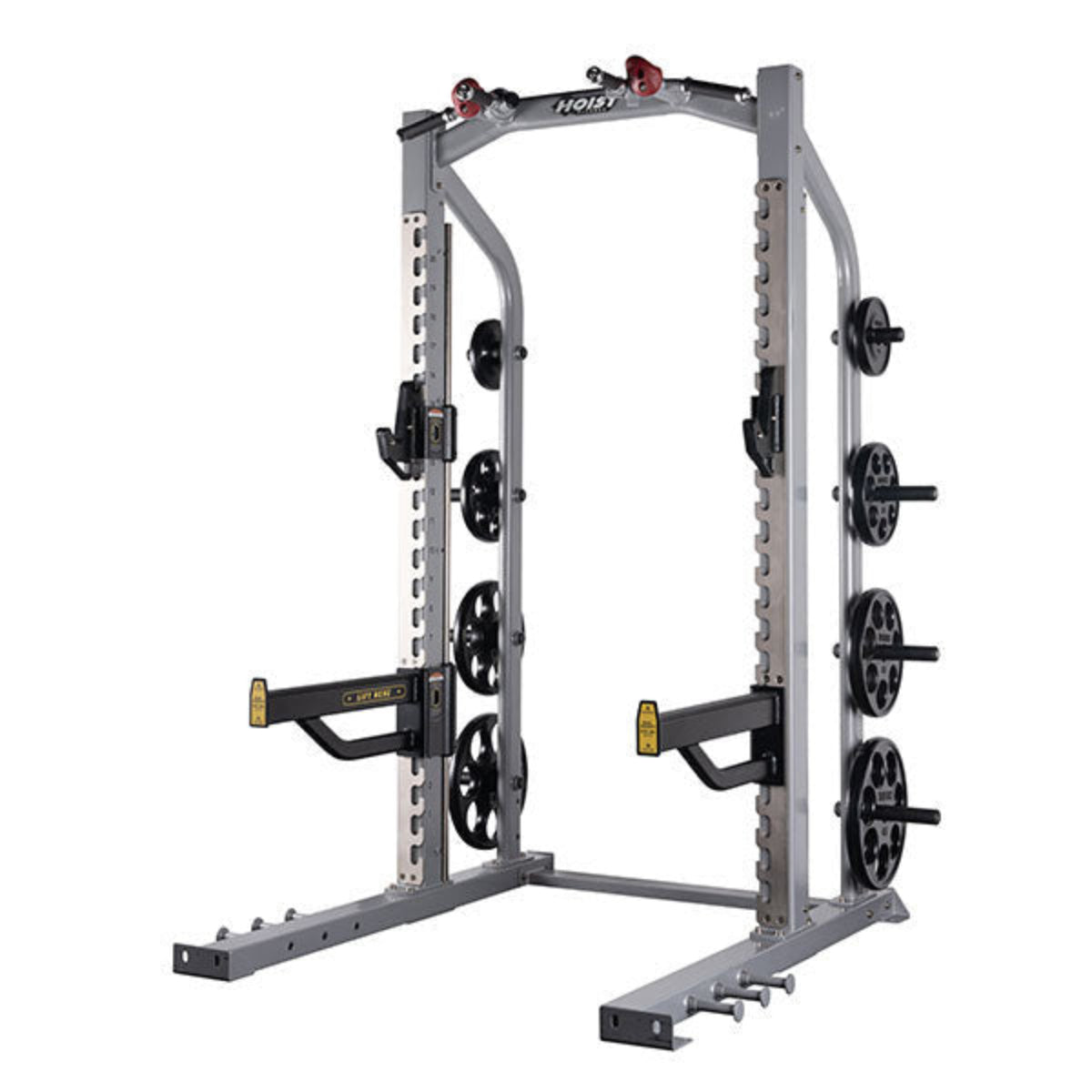
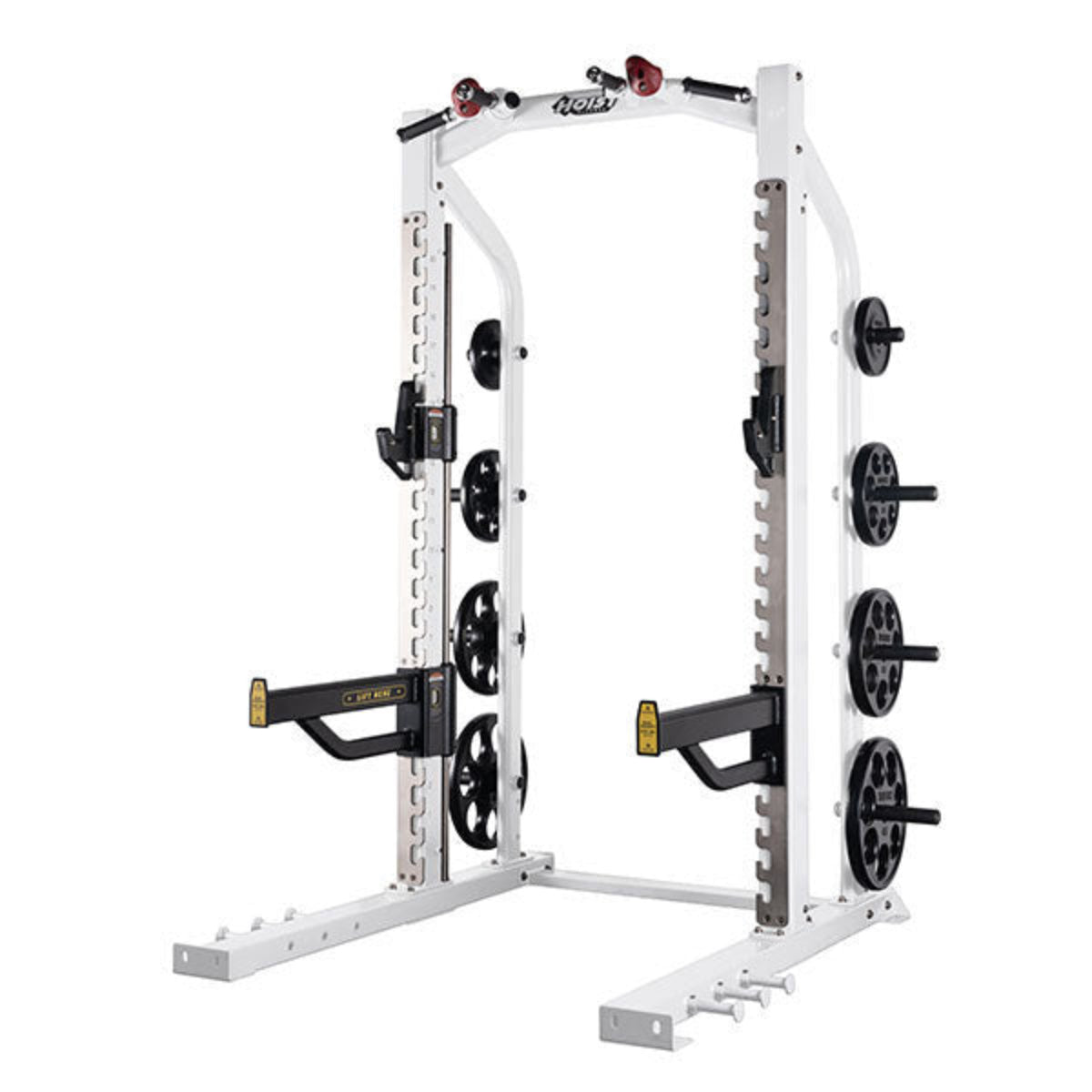
Hoist Fitness CF3365 Half Rack


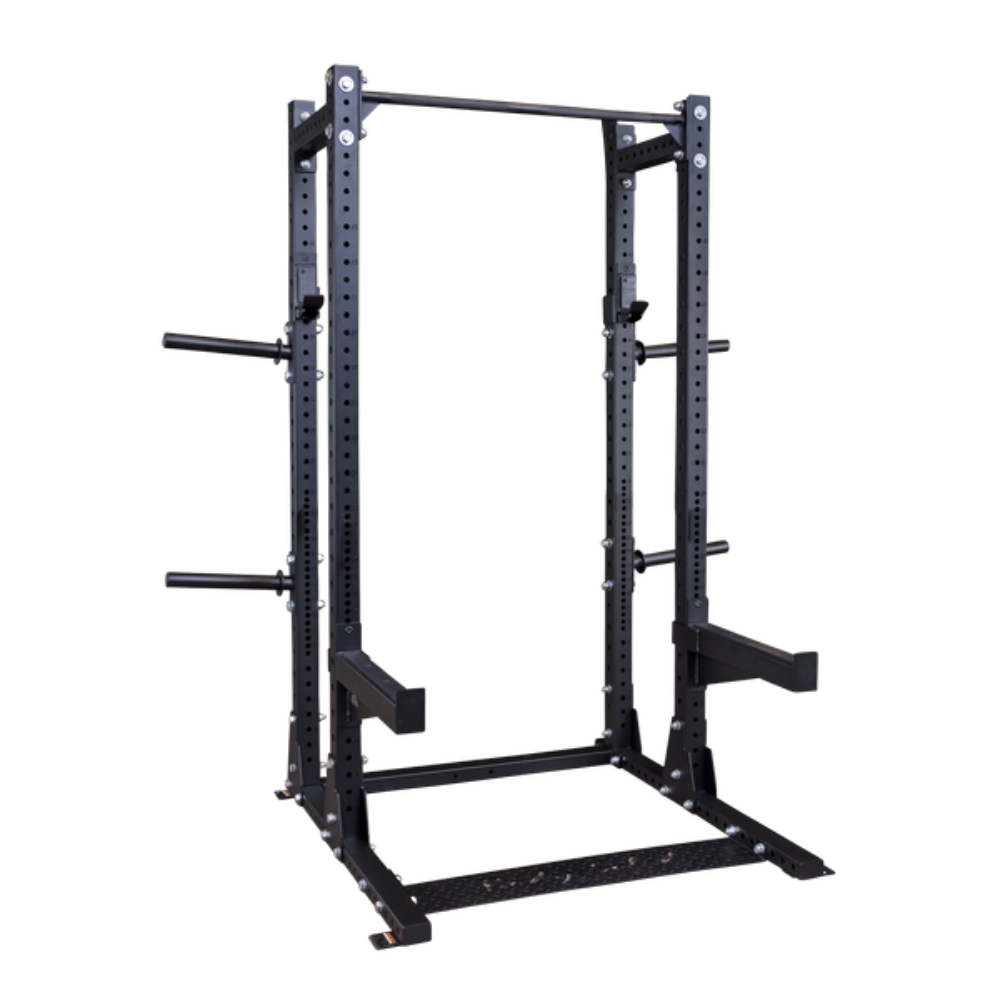
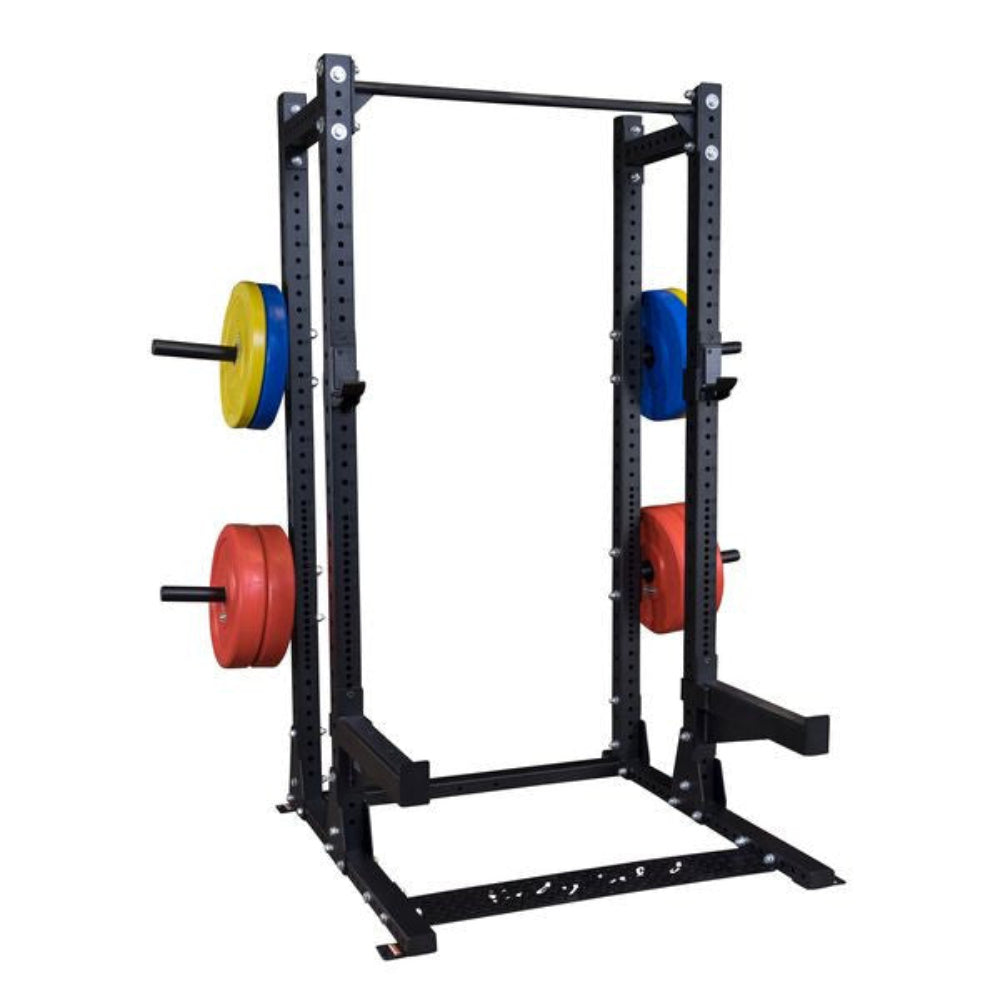
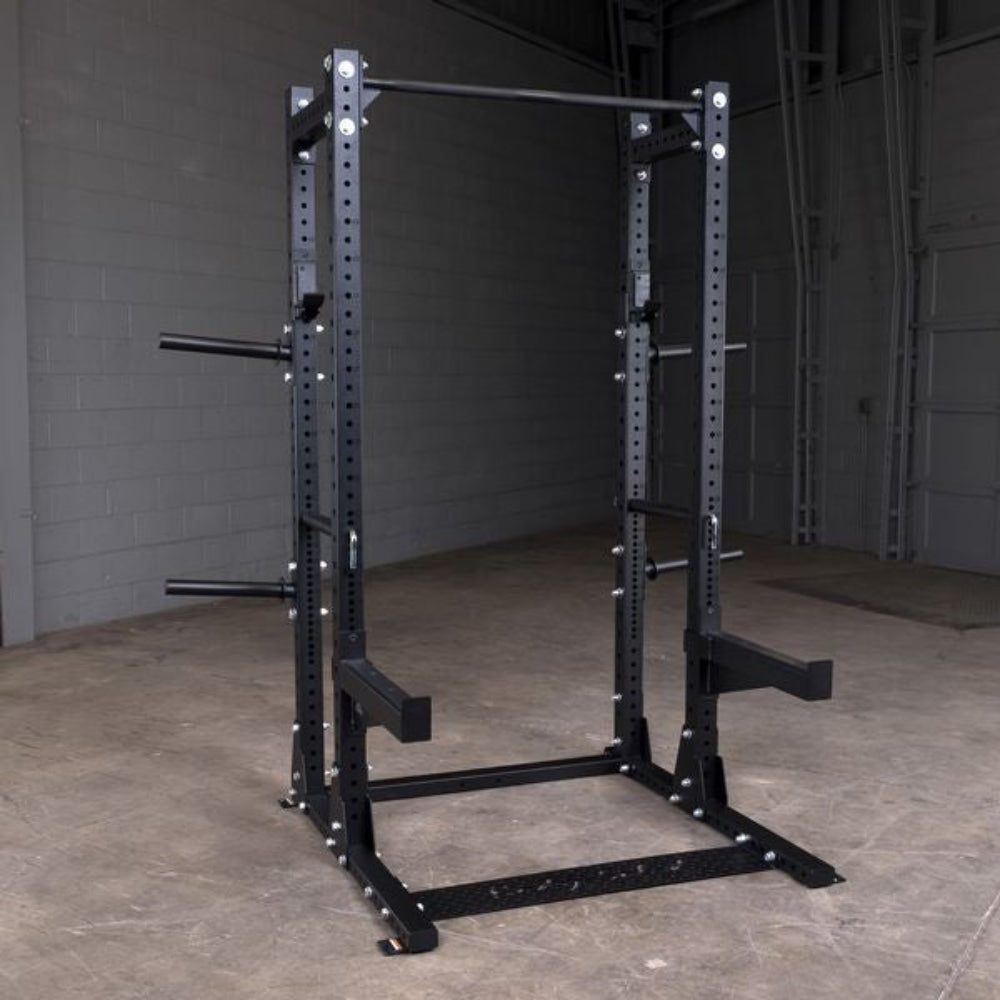
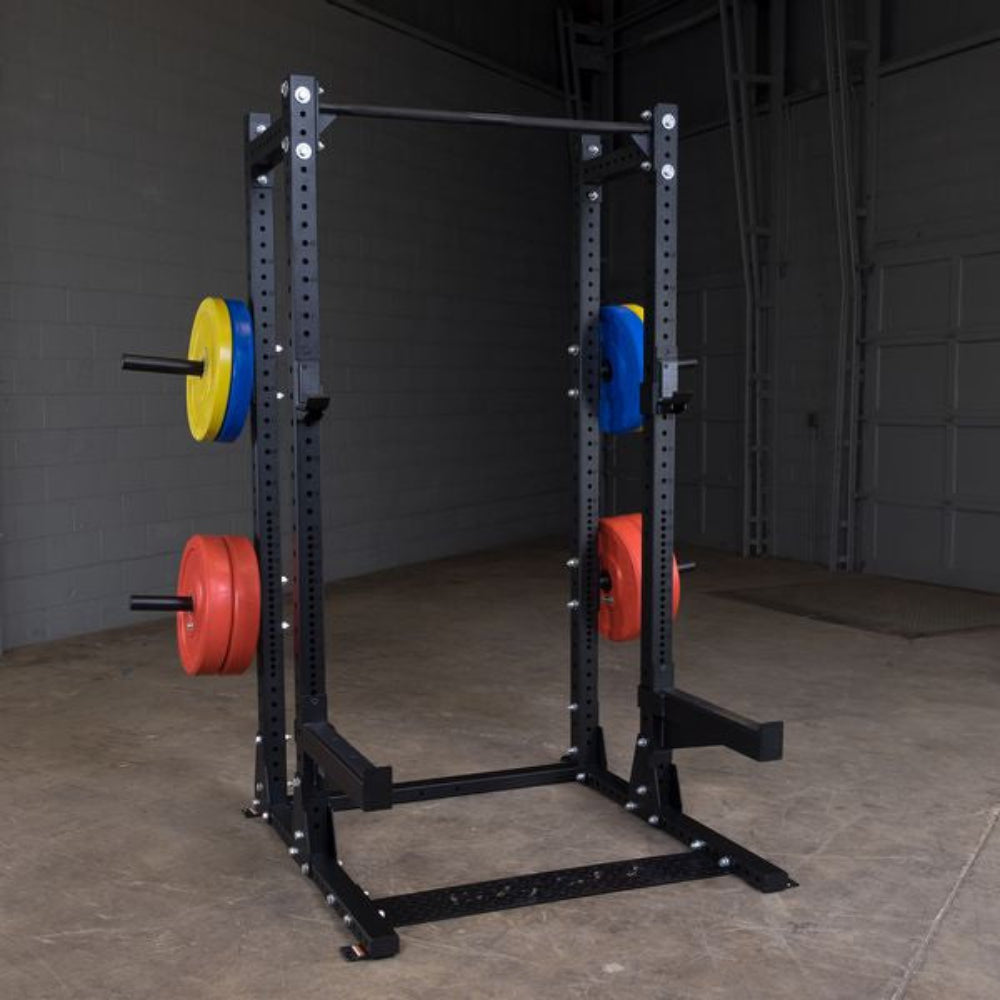
Body-Solid Commercial Extended Half Rack


Body-Solid Commercial Extended Power Rack
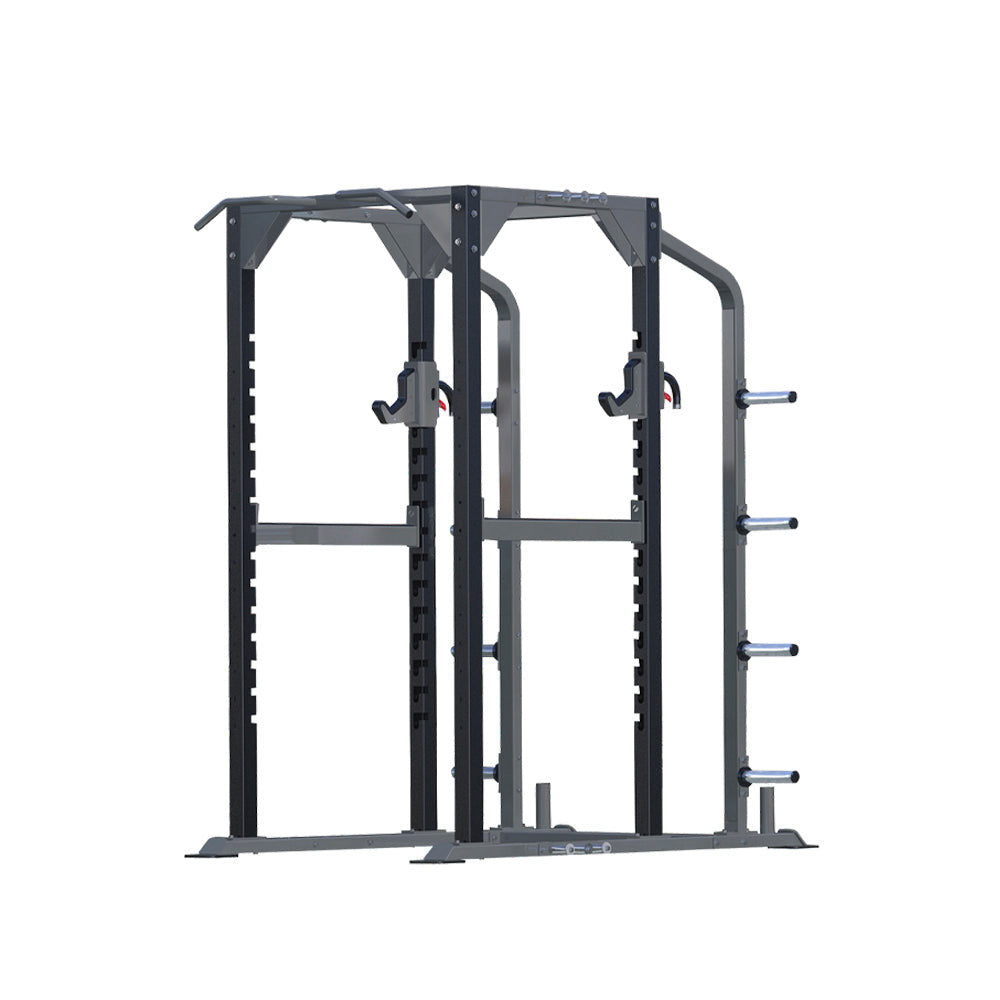
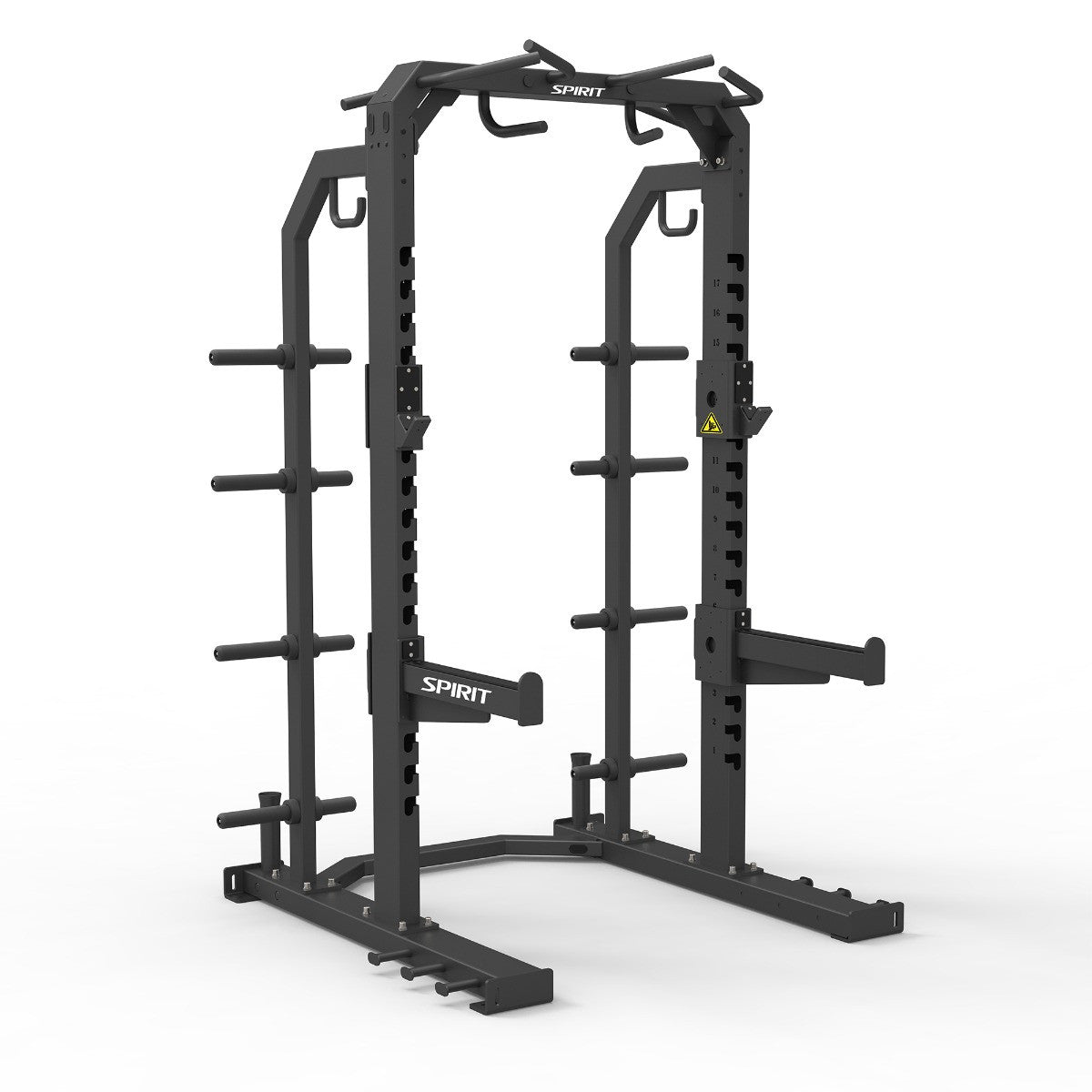
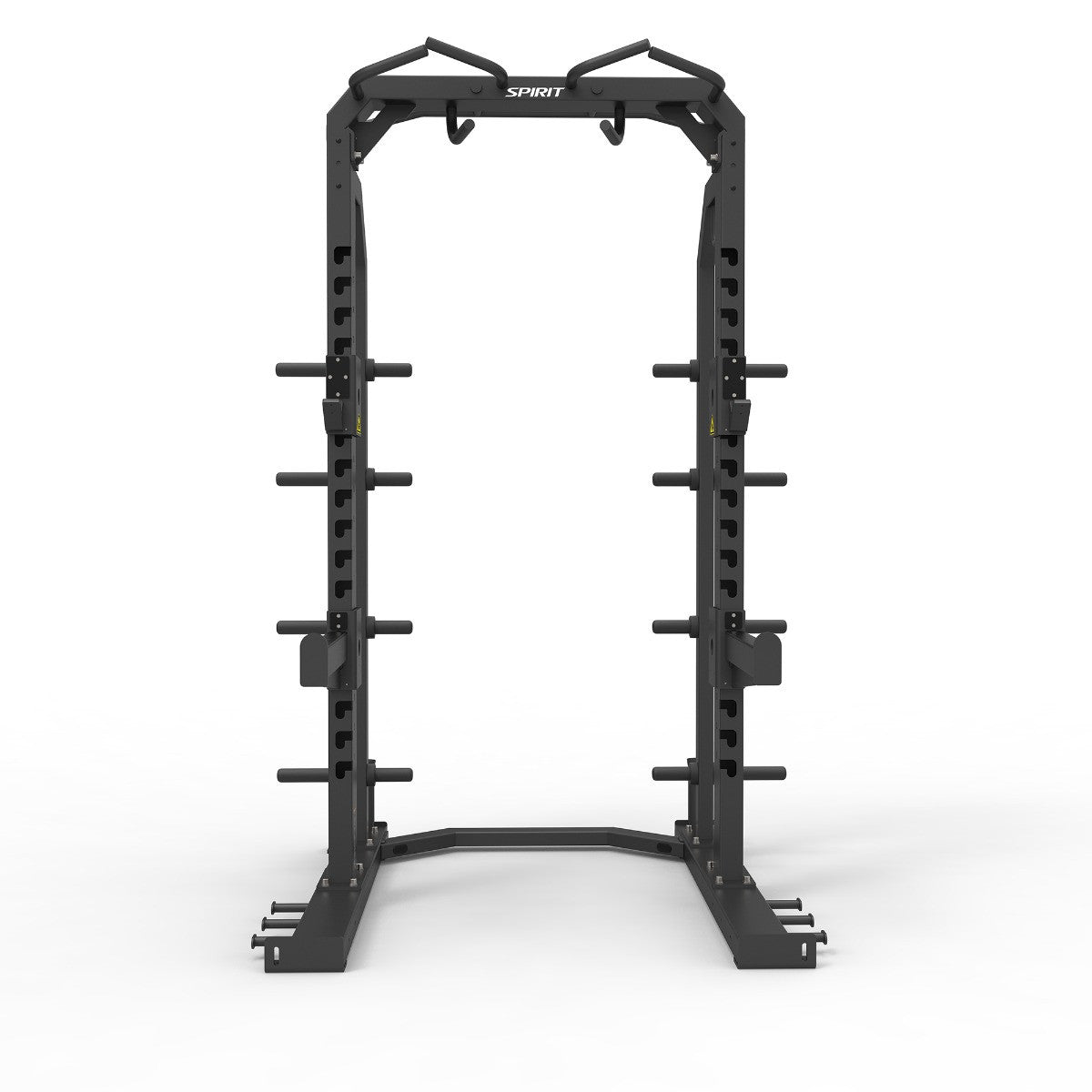
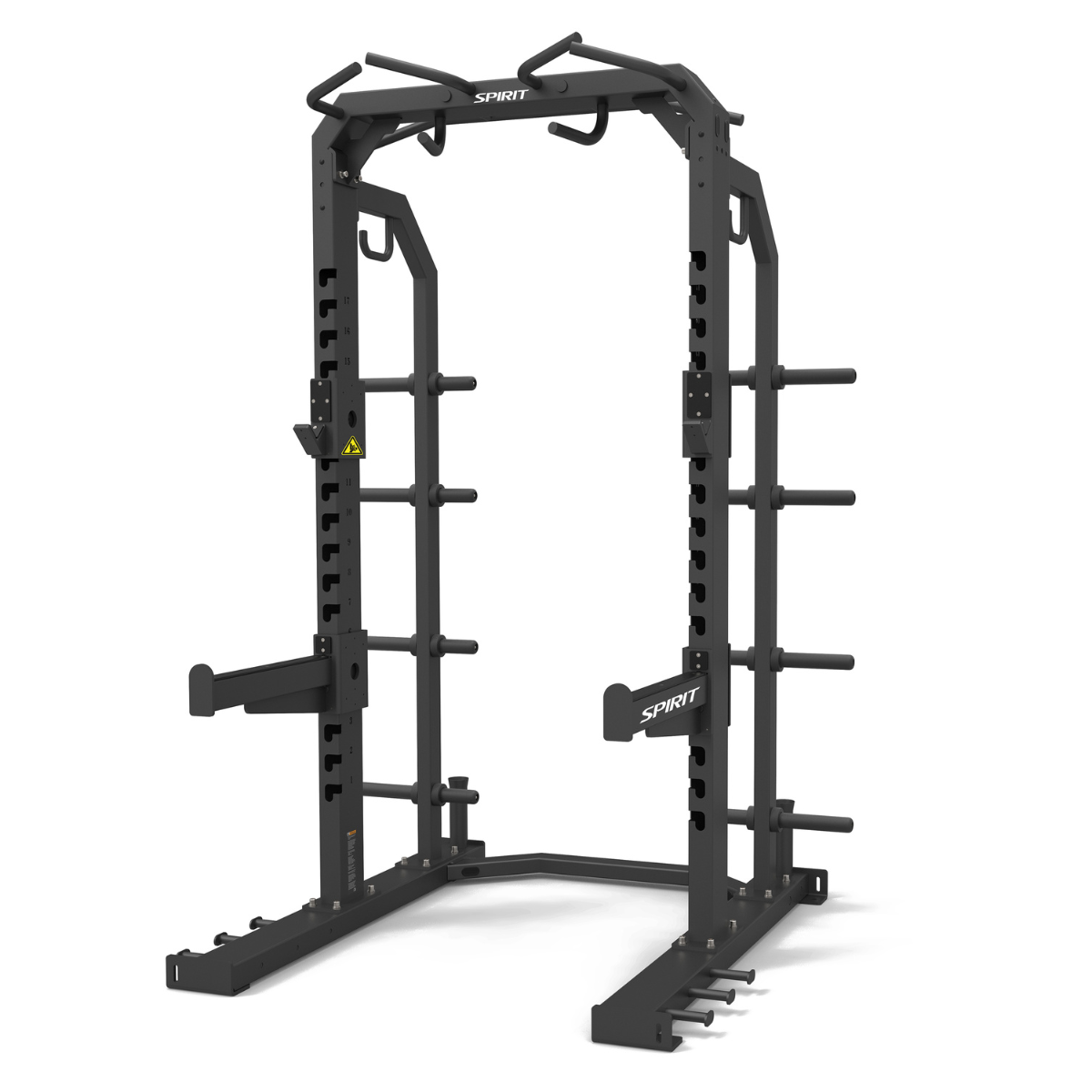
Spirit Fitness CSF-HRAC Half Rack


Body-Solid Commercial Half Rack


Body-Solid Commercial Power Rack


Foundational Strength Equipment for Commercial Facilities
Power racks and half racks are essential pieces of equipment in commercial gyms, training centers, and institutional fitness spaces. Designed to support barbell-based movements, these systems allow users to train safely with heavy loads while maintaining proper form and control.
Built for High-Load, High-Traffic Use
Commercial-grade racks are engineered with heavy-duty steel frames, reinforced welds, and stable base designs to withstand frequent use in demanding environments. Integrated safety arms, J-cups, and pull-up bars enhance both functionality and user confidence during lifts.

Flexible Configurations for Different Training Spaces
Power racks offer full enclosure and maximum safety for solo lifting, while half racks provide a more open design that conserves floor space without sacrificing performance. Both options can be configured to suit a wide range of facility layouts and training needs.
At The Fitness Outlet, we offer commercial power racks and half racks selected for strength, durability, and long-term reliability in professional fitness settings.
Power Racks & Half Racks in Commercial Training Environments
Who Commercial Racks Are Best For
Power racks and half racks are ideal for facilities that prioritize free-weight strength training and performance development. They are commonly used by beginners learning proper lifting mechanics, experienced athletes training with heavy loads, and trainers overseeing strength and conditioning programs.
These systems are staples in commercial gyms, personal training studios, collegiate and professional training facilities, corporate wellness centers, and multi-purpose fitness rooms.
Key Benefits of Commercial Power Racks & Half Racks
One of the primary benefits of power racks and half racks is safety. Adjustable safety bars and spotter arms allow users to train independently while reducing injury risk during squats, presses, and pulls.
These racks also support exercise versatility. In addition to squats and bench presses, users can perform overhead presses, rack pulls, pull-ups, landmine movements, and band-resisted exercises. This makes racks central to full-body strength programming.
Commercial rack systems are designed for heavy loading, supporting progressive strength development while maintaining stability and structural integrity over time.
Common Use Cases and Training Applications
Commercial power racks and half racks are used for:
-
Barbell strength training
-
Powerlifting and Olympic lift variations
-
Athletic performance and conditioning
-
Personal training and small-group workouts
-
Functional and accessory strength exercises
Their adaptability allows facilities to support multiple training styles within a single station.
Power Rack vs. Half Rack: Choosing the Right Option
Power racks provide a fully enclosed lifting environment with four uprights, offering maximum safety for solo lifters and high-load training. They are well suited for facilities with ample space and a focus on heavy barbell work.
Half racks feature a more open, two-upright design that reduces footprint while maintaining key safety features. These racks are ideal for facilities balancing space efficiency with strength-training capability.
Many commercial facilities include a mix of both to accommodate different training preferences and layouts.
Design Variations and Expansion Options
Commercial racks are available in multiple configurations, including flat-footed designs, bolted-down frames, and modular systems that expand with additional storage, platforms, or functional attachments.
Optional features may include:
-
Integrated plate storage
-
Multiple pull-up grip options
-
Band pegs and landmine attachments
-
Compatibility with benches and platforms
Facilities planning for long-term growth often prioritize racks with modular expansion potential.
Why Power Racks Remain Essential in Commercial Gyms
As training programs continue to emphasize compound lifts and functional strength, power racks and half racks remain central to effective strength training environments. Their durability, adaptability, and support for progressive overload make them indispensable for facilities serving diverse populations.
Well-designed rack systems help maximize training efficiency while supporting safe, consistent strength development across all experience levels.
FAQs
Are commercial power racks suitable for solo training?
What ceiling height is recommended for commercial racks?
How do power racks differ from squat stands?