


Achieve your fitness goals within your budget with our financing.
Free Delivery on Orders $599+
Fast, reliable delivery on all qualifying orders.
Price Match Guarantee
Shop confidently knowing you're getting the best deal.




Life Fitness IC5 Indoor Cycling Bike
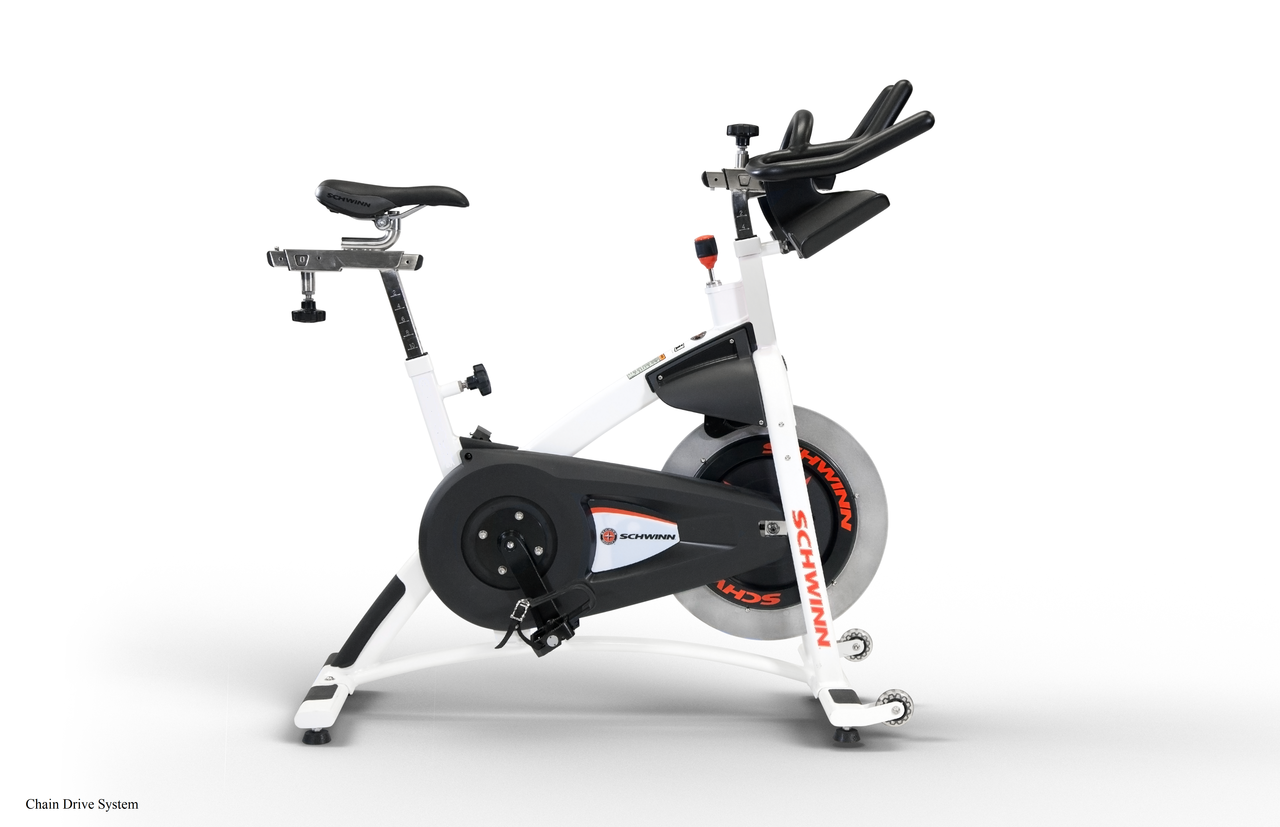
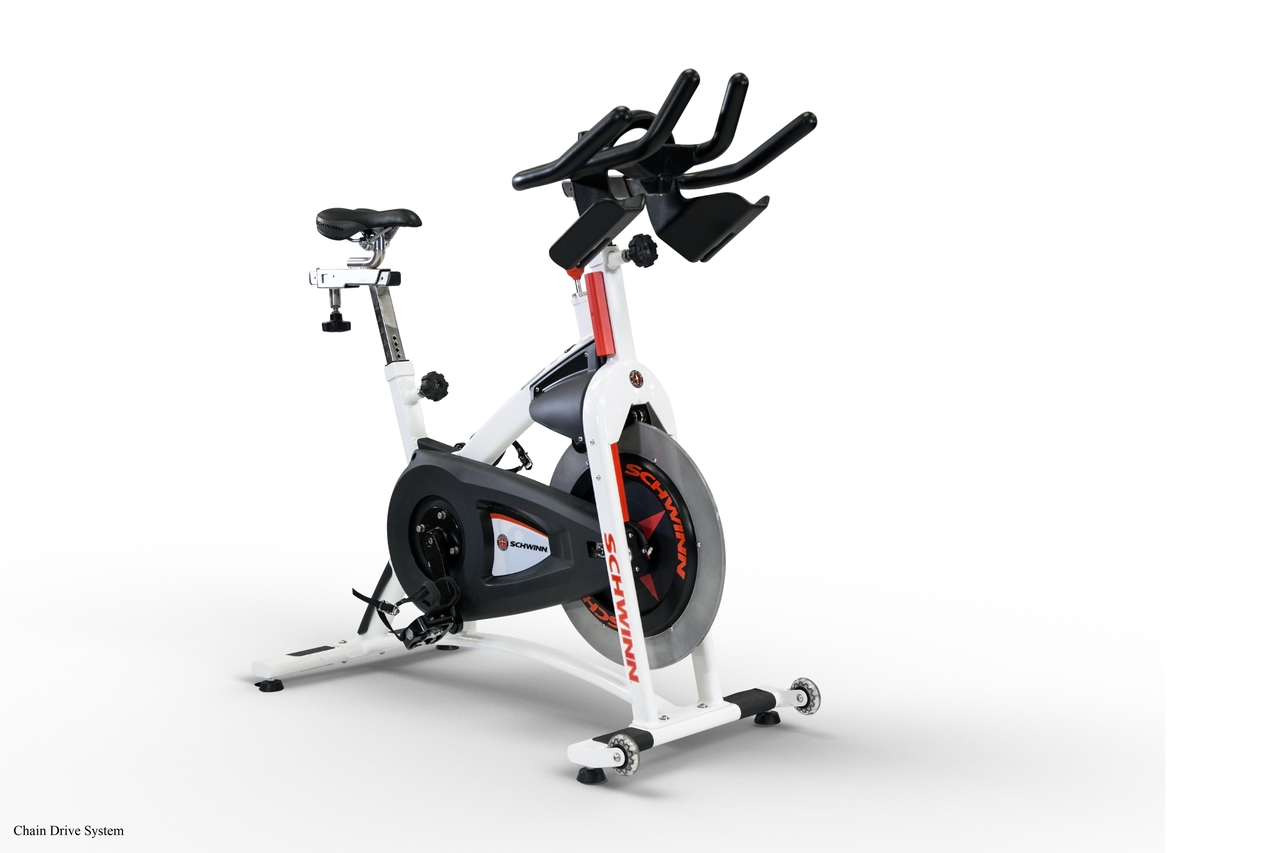
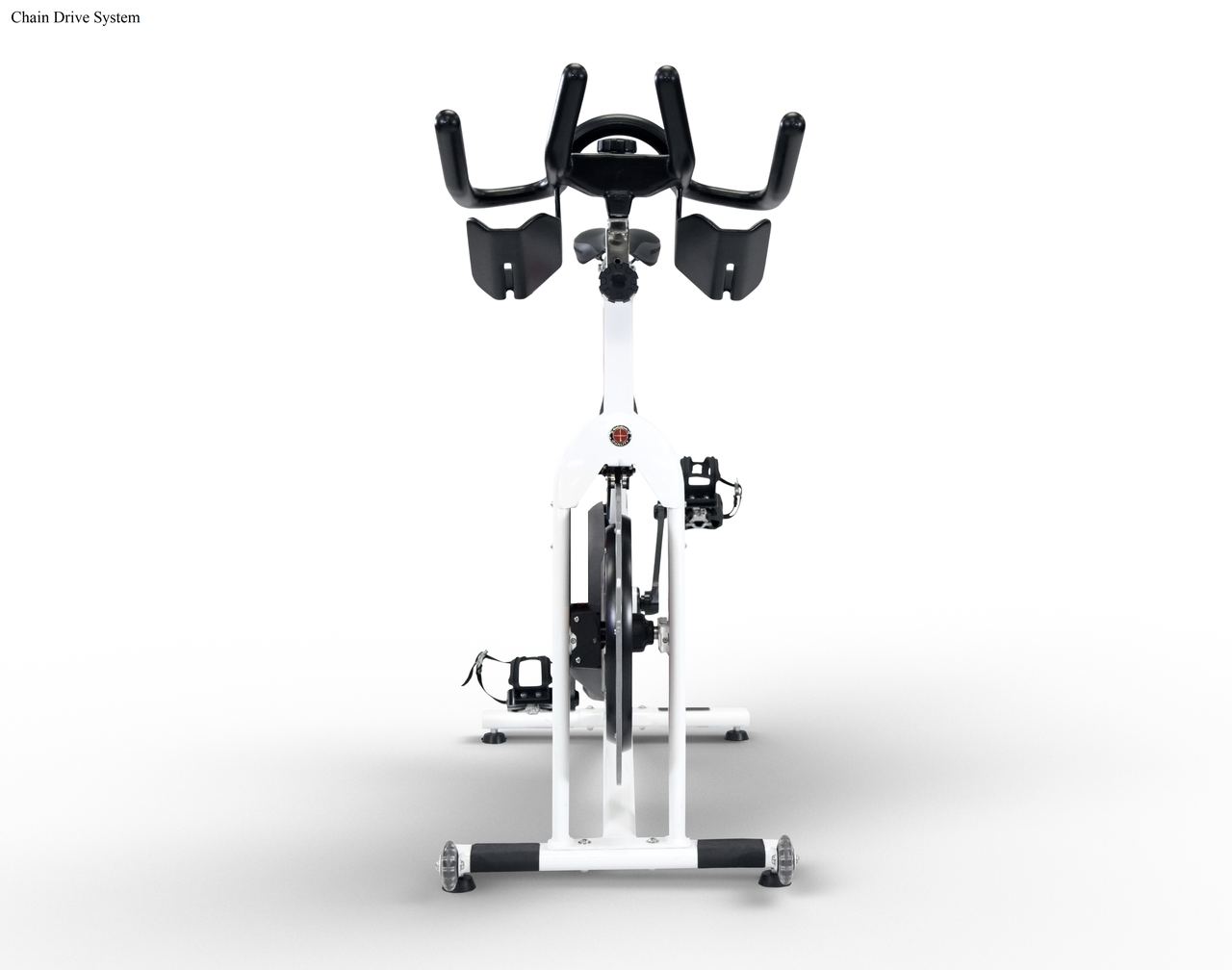
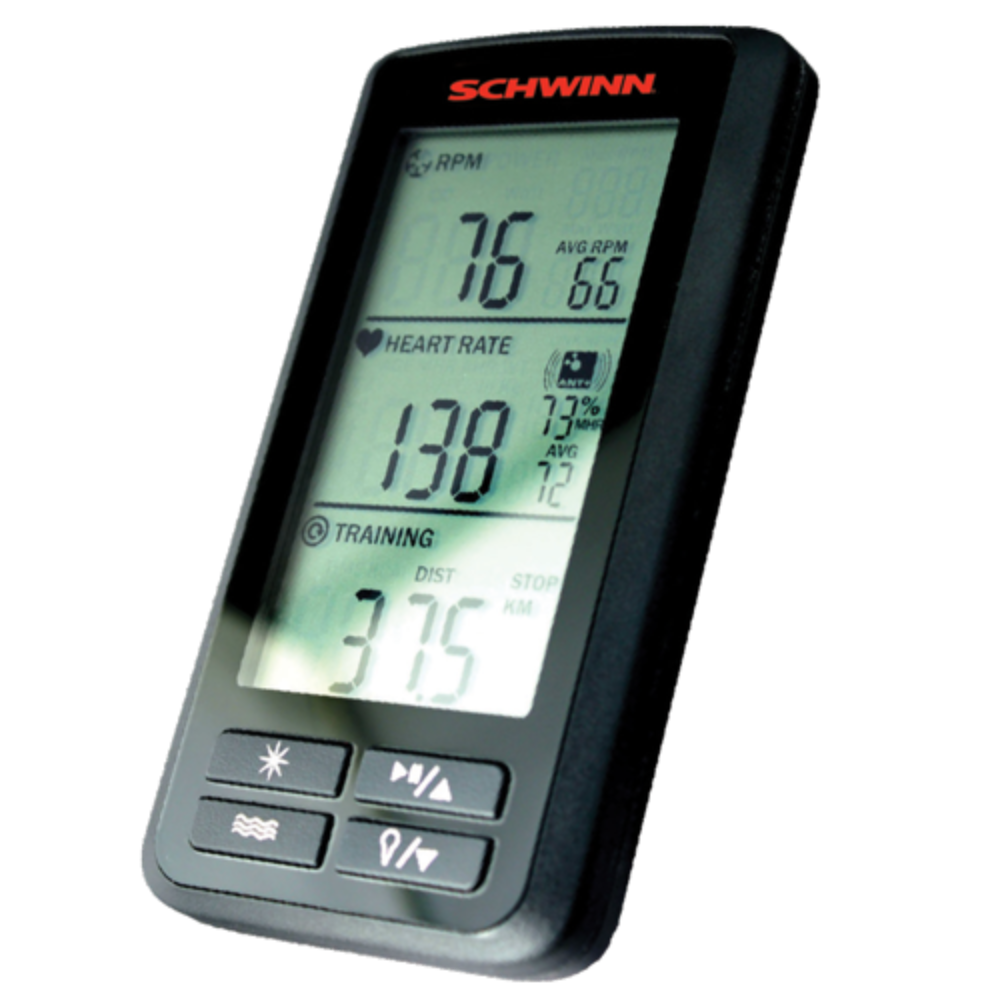
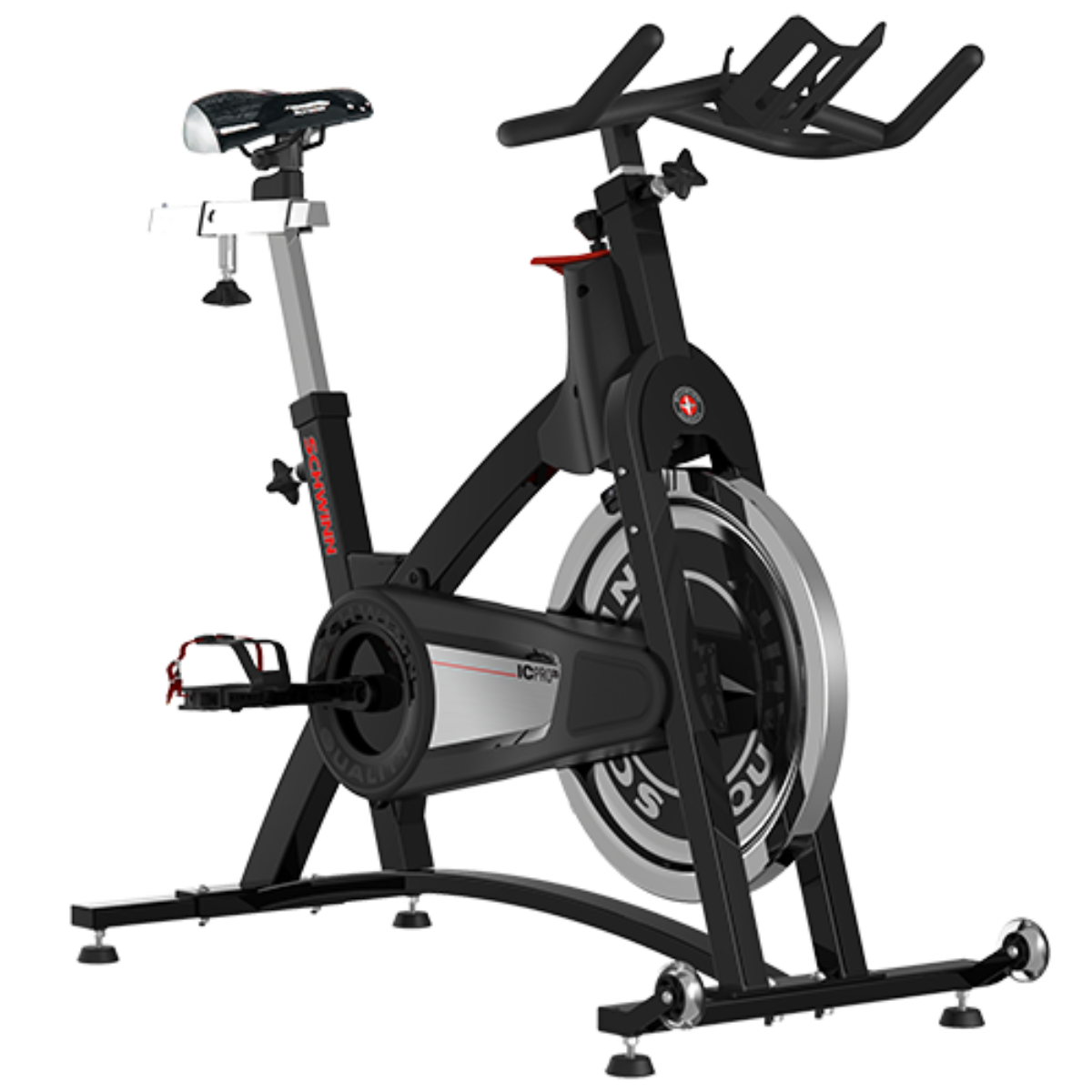
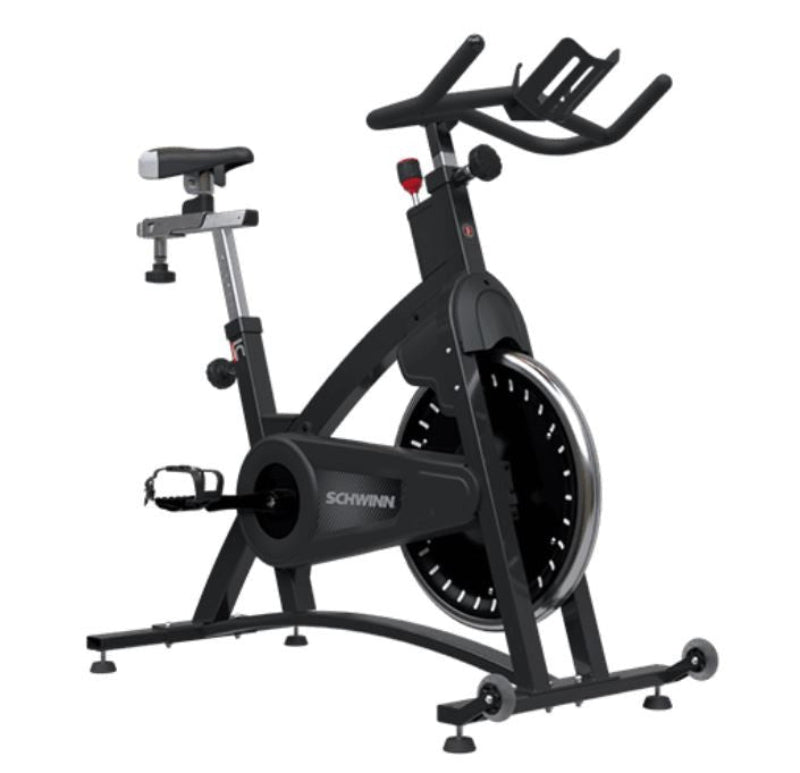
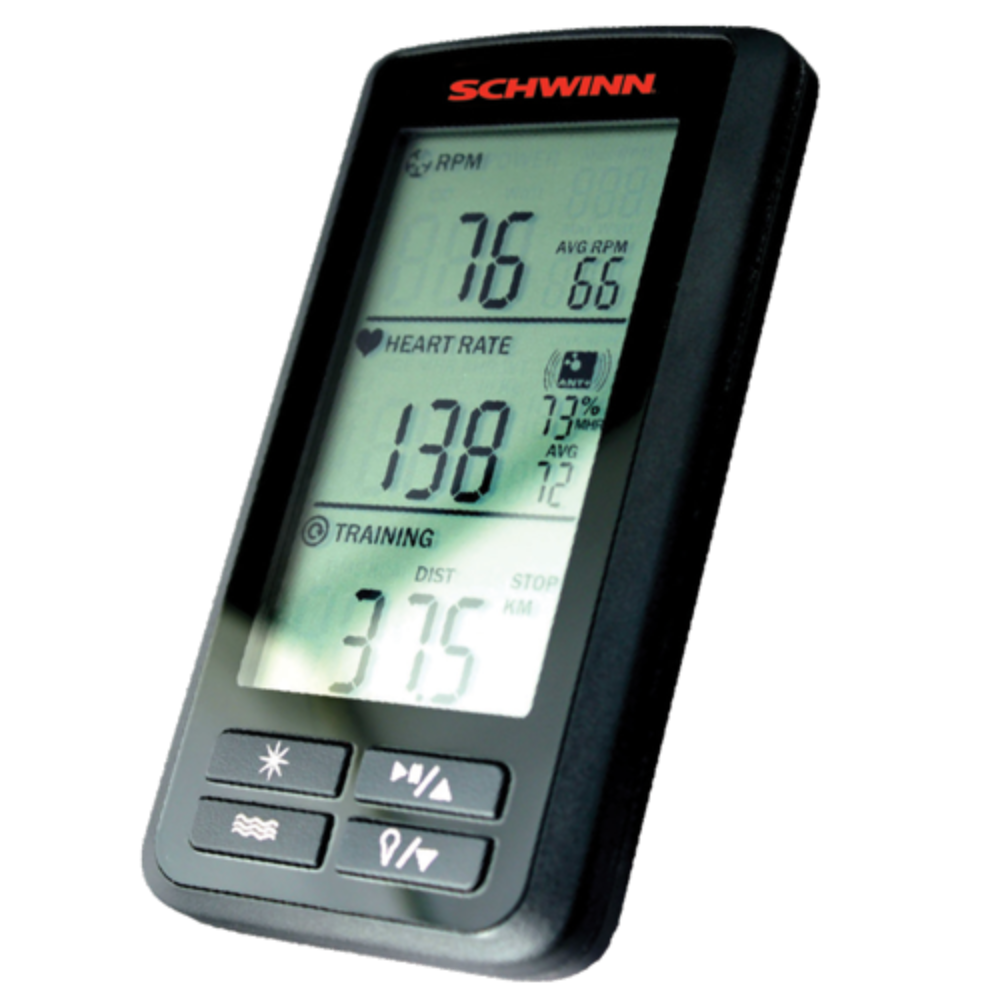
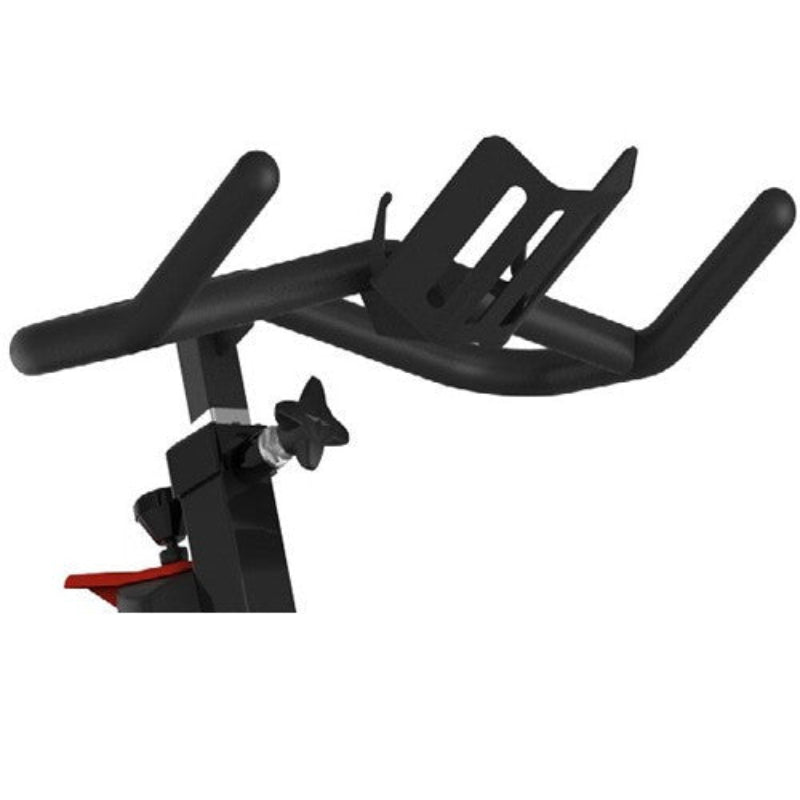
Schwinn IC Classic Indoor Bike
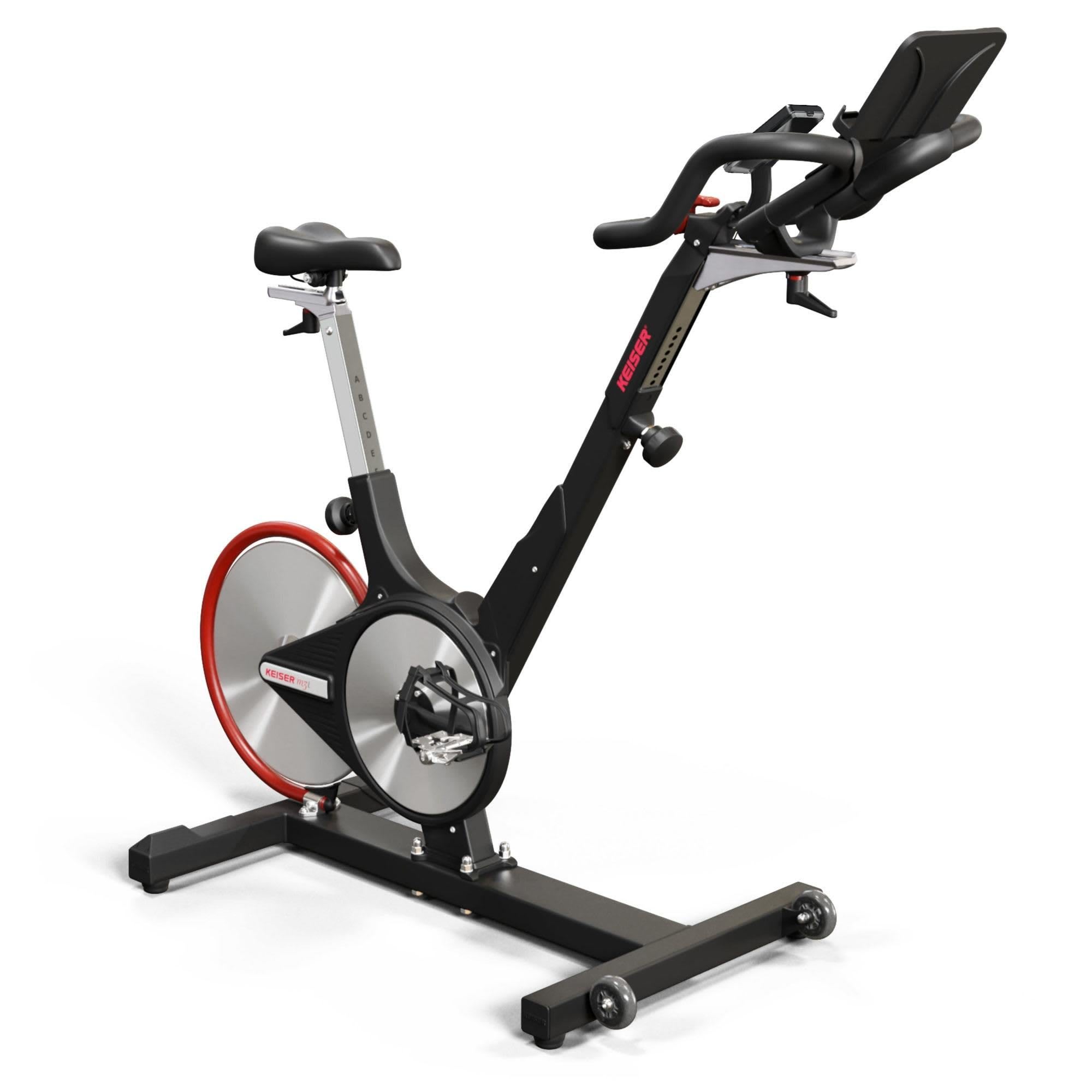
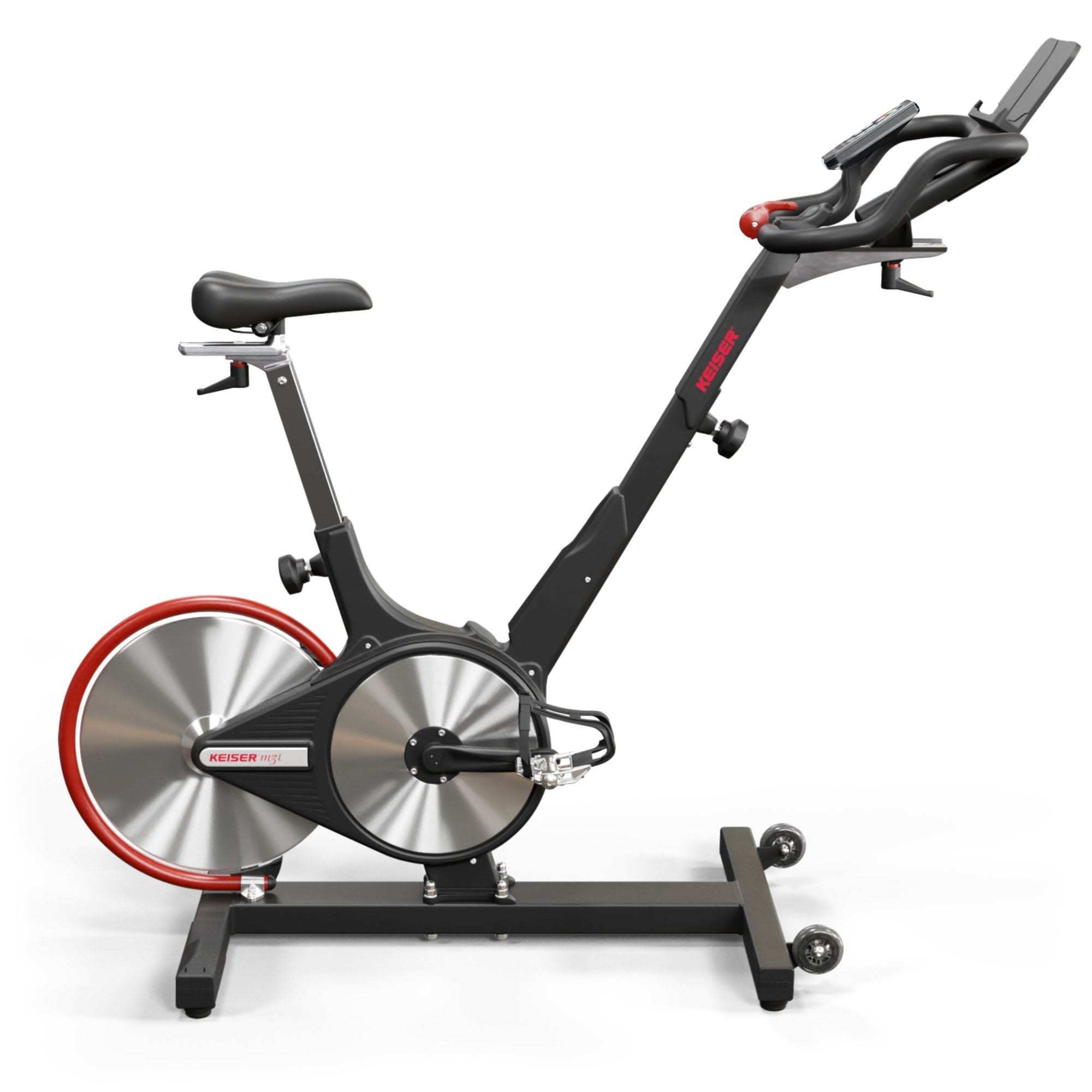
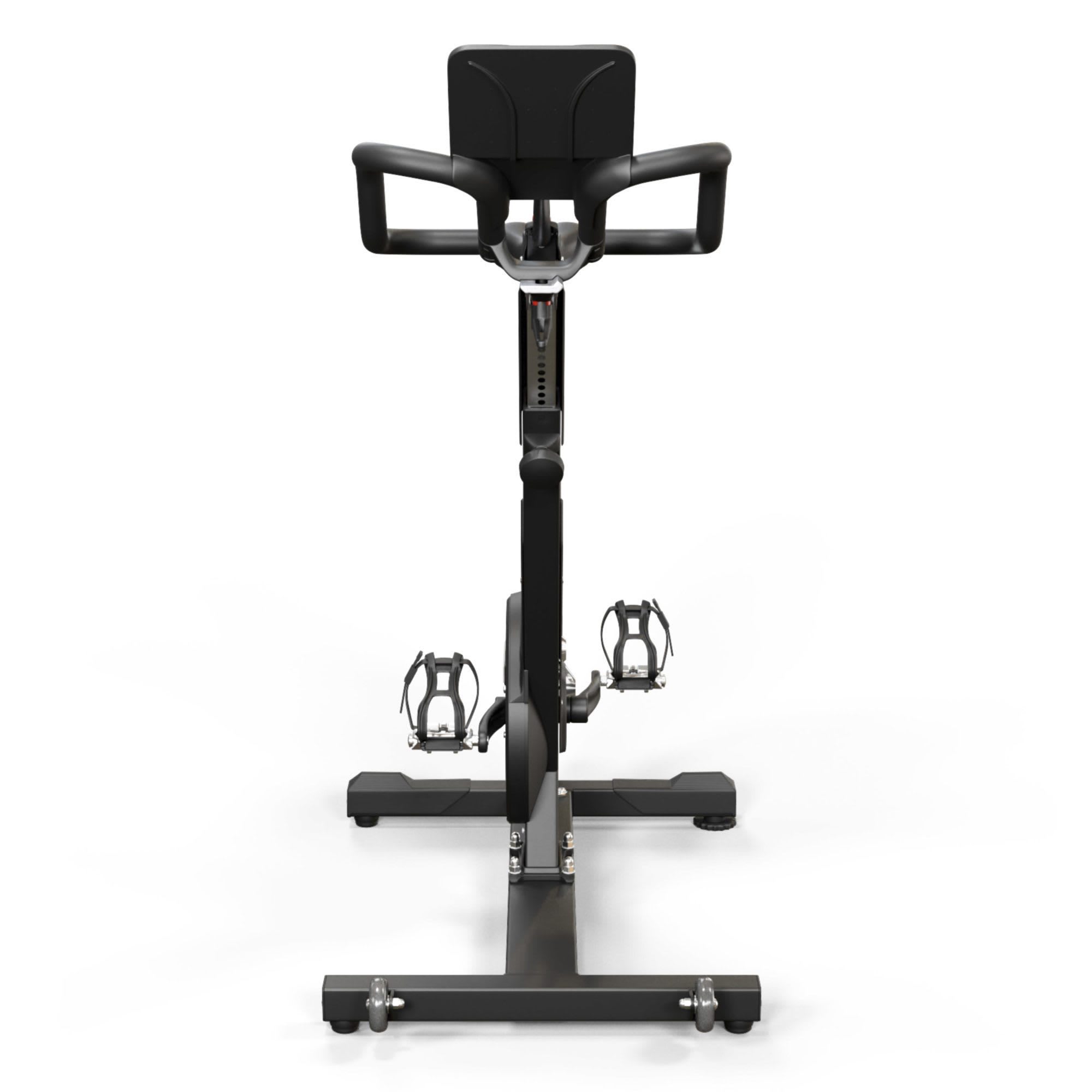
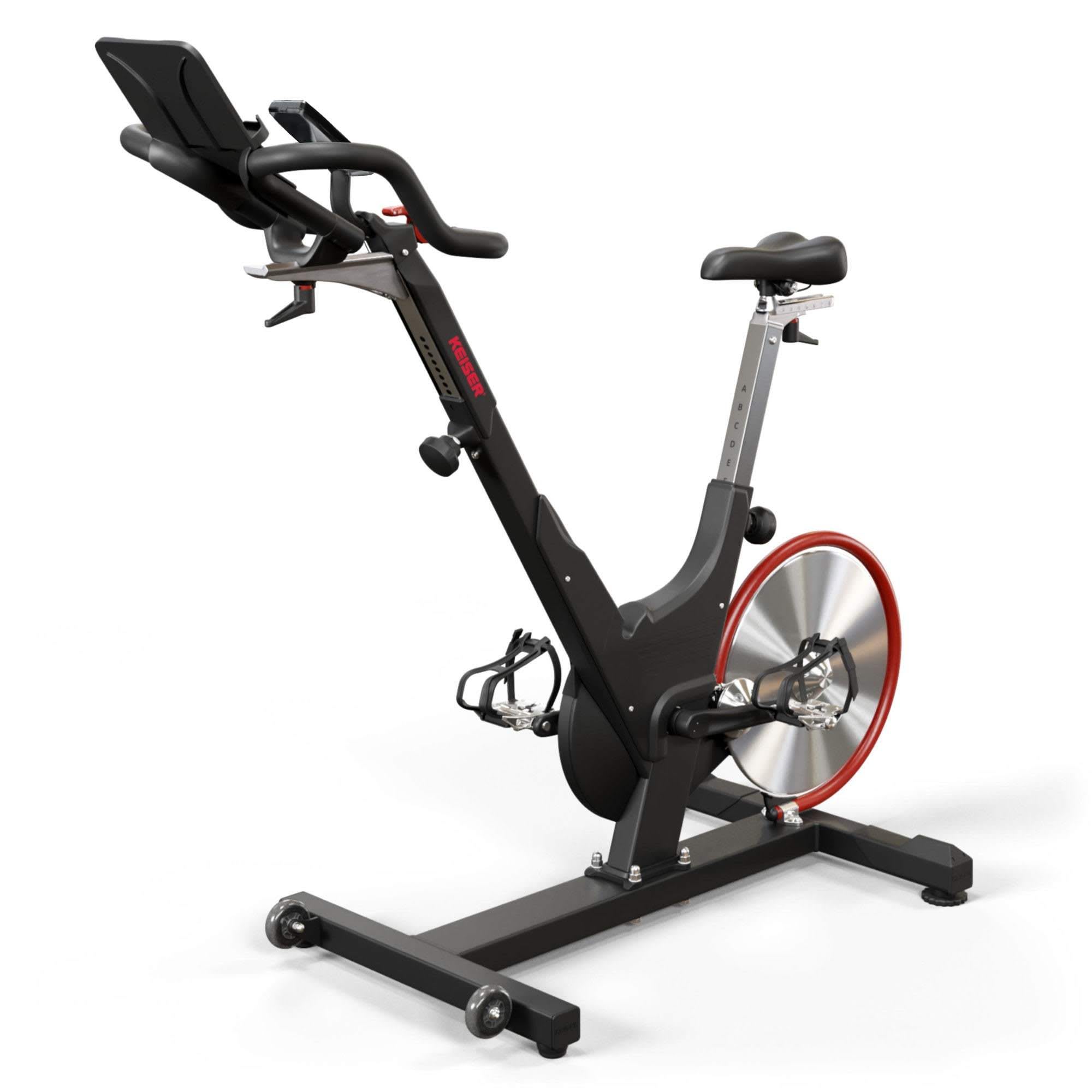


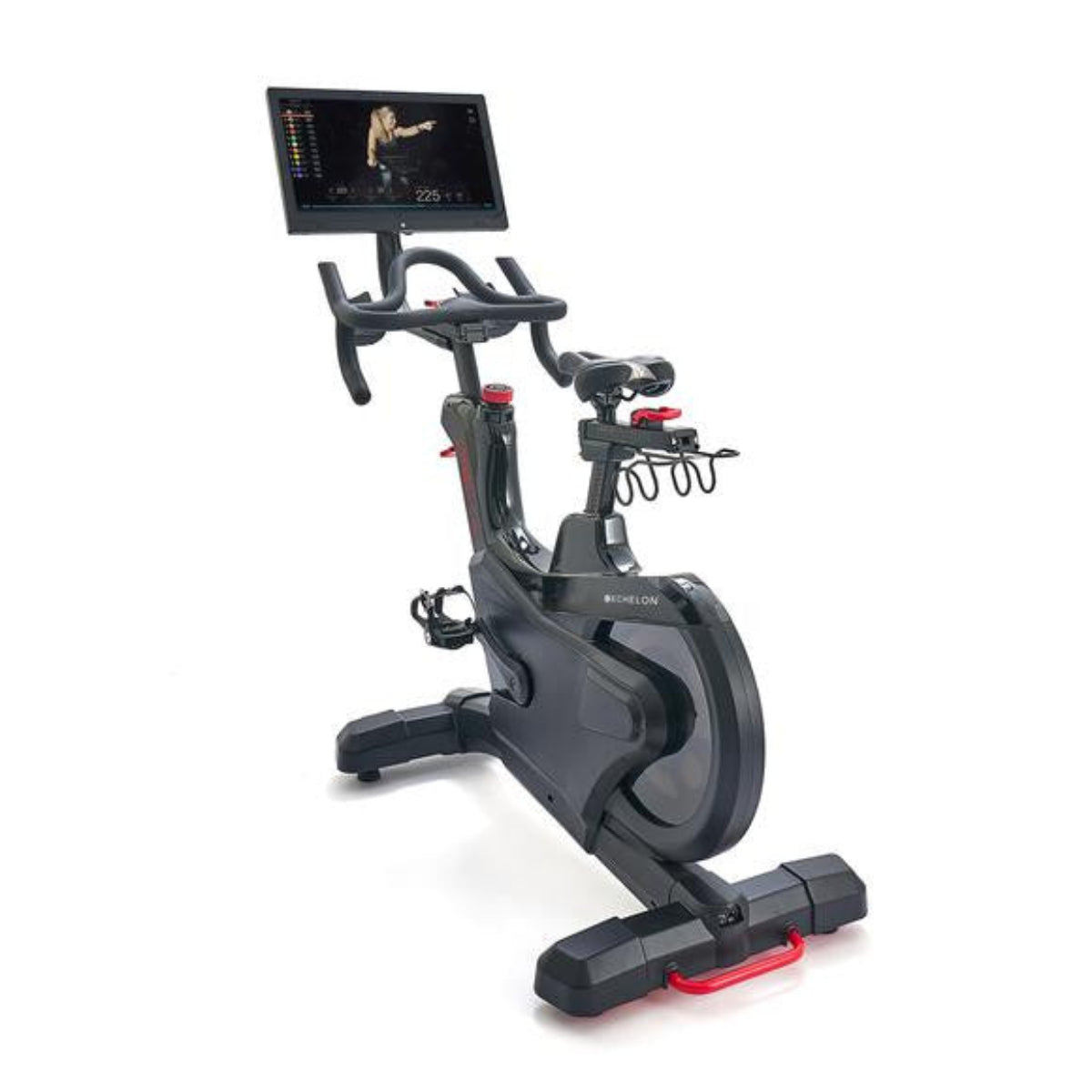
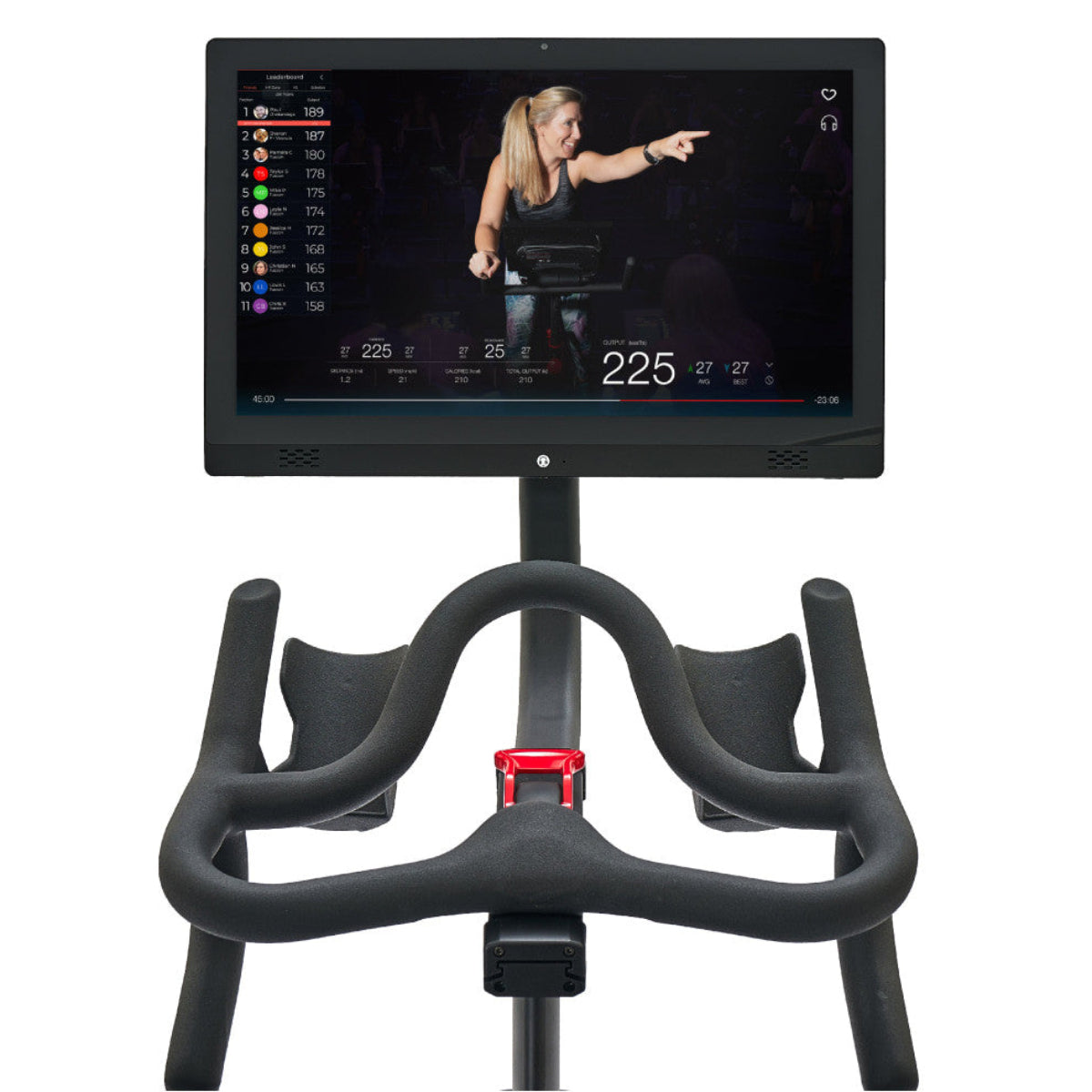

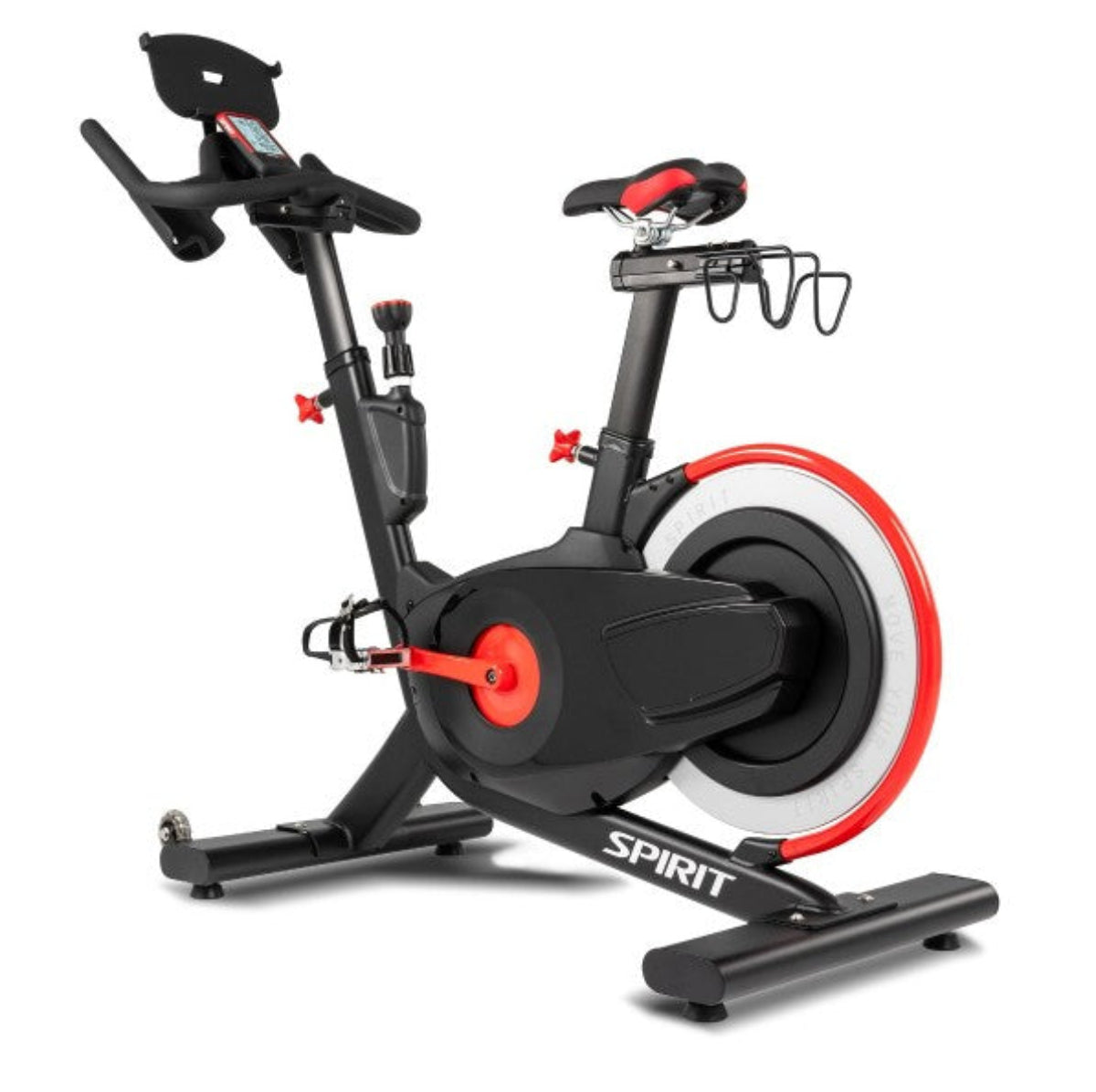
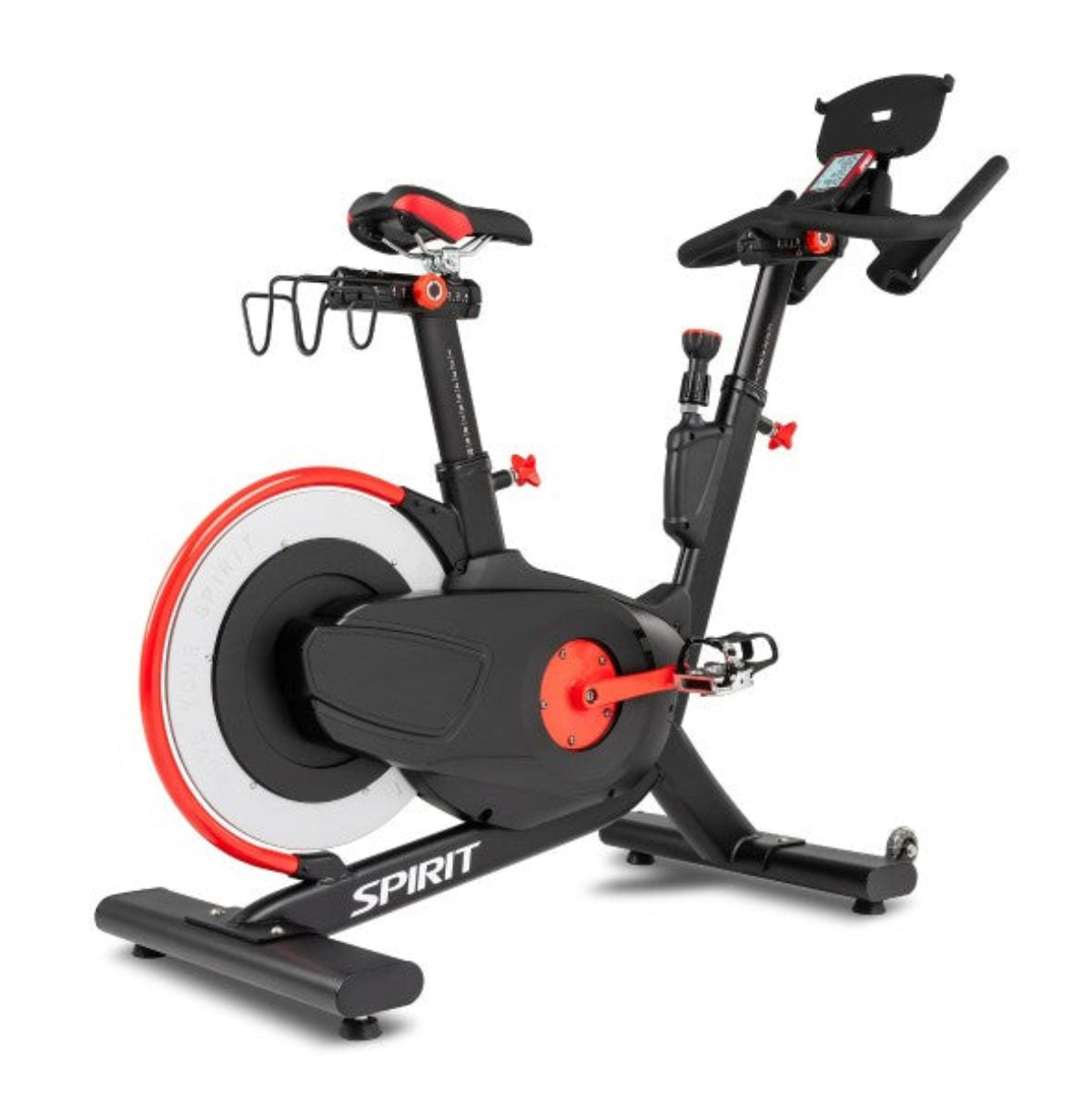
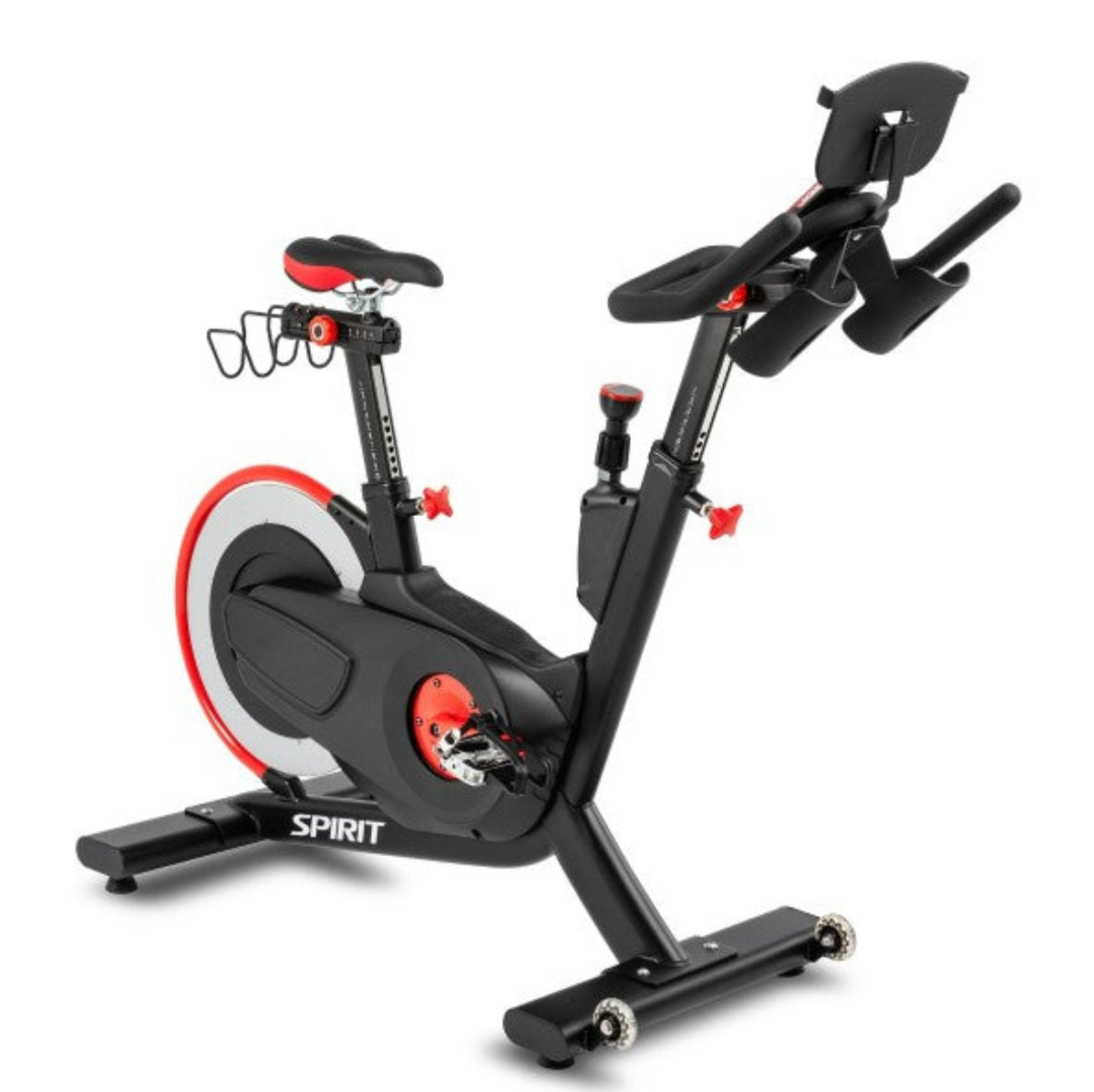
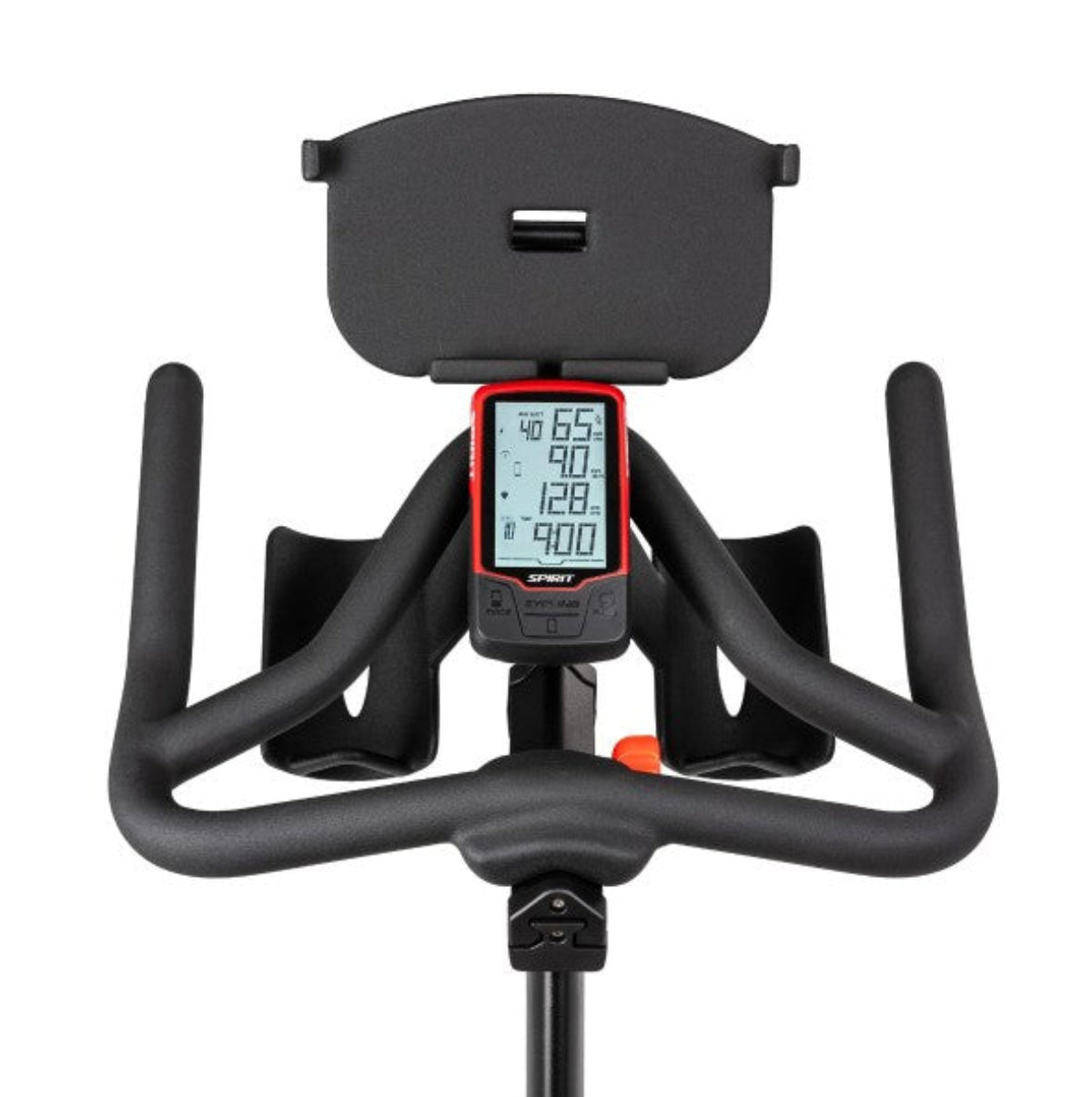
Spirit Fitness CIC850 Indoor Cycle
Commercial Indoor Cycling Bikes Built for High-Use Facilities
Commercial indoor cycling bikes are engineered for gyms, studios, and training spaces where equipment must perform consistently under heavy daily use. These bikes are designed with reinforced frames, precision drive systems, and durable components that support intense training sessions without sacrificing ride quality.

Designed for Group Training and High-Intensity Workouts
Indoor cycling bikes are a core piece of equipment for spin classes, interval training, and endurance-focused cardio programs. Their fixed-gear design promotes a smooth, connected pedal stroke, while stable flywheels help maintain momentum during climbs, sprints, and recovery intervals.
Because these bikes are frequently shared among users, commercial models prioritize quick adjustments and consistent feel from rider to rider. Clear adjustment points and solid contact surfaces help users dial in proper fit efficiently between sessions.
Resistance Systems That Match Training Style
Commercial cycling bikes typically use either friction or magnetic resistance systems. Friction resistance delivers a classic road-style riding feel favored in traditional spin classes, while magnetic resistance offers quieter operation and reduced maintenance for busy facilities. Both systems are widely used in commercial environments, and the best option depends on class format and operational priorities.
Built for Durability, Stability, and Low Maintenance
Compared to residential bikes, commercial indoor cycling bikes feature heavier frames, industrial-grade bearings, and sweat-resistant finishes designed to withstand repeated use. These construction details help reduce long-term maintenance needs while maintaining a stable, confident ride even during high-output efforts.
Trusted Equipment for Professional Fitness Environments
Commercial indoor cycling bikes are commonly found in boutique studios, school and university fitness centers, athletic training facilities, hotels, and corporate wellness spaces. This collection focuses on bikes selected for long-term reliability, smooth ride feel, and consistent performance in professional fitness settings.
Understanding Commercial Indoor Cycling Bikes
Indoor cycling has become one of the most popular forms of group cardio training, and commercial indoor cycling bikes are engineered specifically to support that demand. These bikes are designed for repeated, high-output sessions while maintaining ride consistency from one user to the next.
What Makes a Bike “Commercial-Grade”
Commercial indoor cycling bikes differ from home models in several key ways. Frames are heavier and reinforced to prevent flex during sprints and climbs. Cranks, pedals, and bearings are built to tolerate thousands of hours of use. Adjustment mechanisms are designed for quick changes without sacrificing stability, which is critical in class-based environments.
Many commercial bikes also feature corrosion-resistant finishes and sealed components to handle sweat-heavy use with minimal maintenance.
Resistance Systems and Ride Feel
Two resistance types dominate commercial cycling:
Friction Resistance
Friction-based systems use a felt or leather pad against the flywheel. They offer a familiar, road-like feel and allow instructors to cue resistance changes quickly. These systems are widely used in traditional spin studios.
Magnetic Resistance
Magnetic resistance uses magnets to control flywheel drag without physical contact. This results in quieter operation, smoother transitions, and reduced wear—ideal for facilities prioritizing low maintenance and noise control.
Both systems can be effective; the right choice depends on training style, class format, and facility priorities.
Fit, Adjustability, and User Turnover
Commercial environments require bikes that adapt quickly to different riders. Key adjustment points include saddle height, saddle fore/aft position, and handlebar height. Clear adjustment markers help users find consistent setups between sessions, improving comfort and reducing injury risk.
Pedal compatibility is another important factor. Many commercial bikes support both standard athletic shoes and cycling cleats, making them accessible to a wider range of users.
Common Use Cases
Commercial indoor cycling bikes are used across a wide range of facilities:
-
Group spin and cycling studios
-
School and university fitness centers
-
Athletic performance and conditioning programs
-
Hotels and residential wellness spaces
-
Corporate gyms and training rooms
Their versatility makes them a cornerstone of modern commercial fitness floors.
FAQs
What is the difference between commercial and residential spin bikes?
Are magnetic resistance bikes better for gyms?
Do commercial indoor cycling bikes need electricity?