


Achieve your fitness goals within your budget with our financing.
Free Delivery on Orders $599+
Fast, reliable delivery on all qualifying orders.
Price Match Guarantee
Shop confidently knowing you're getting the best deal.


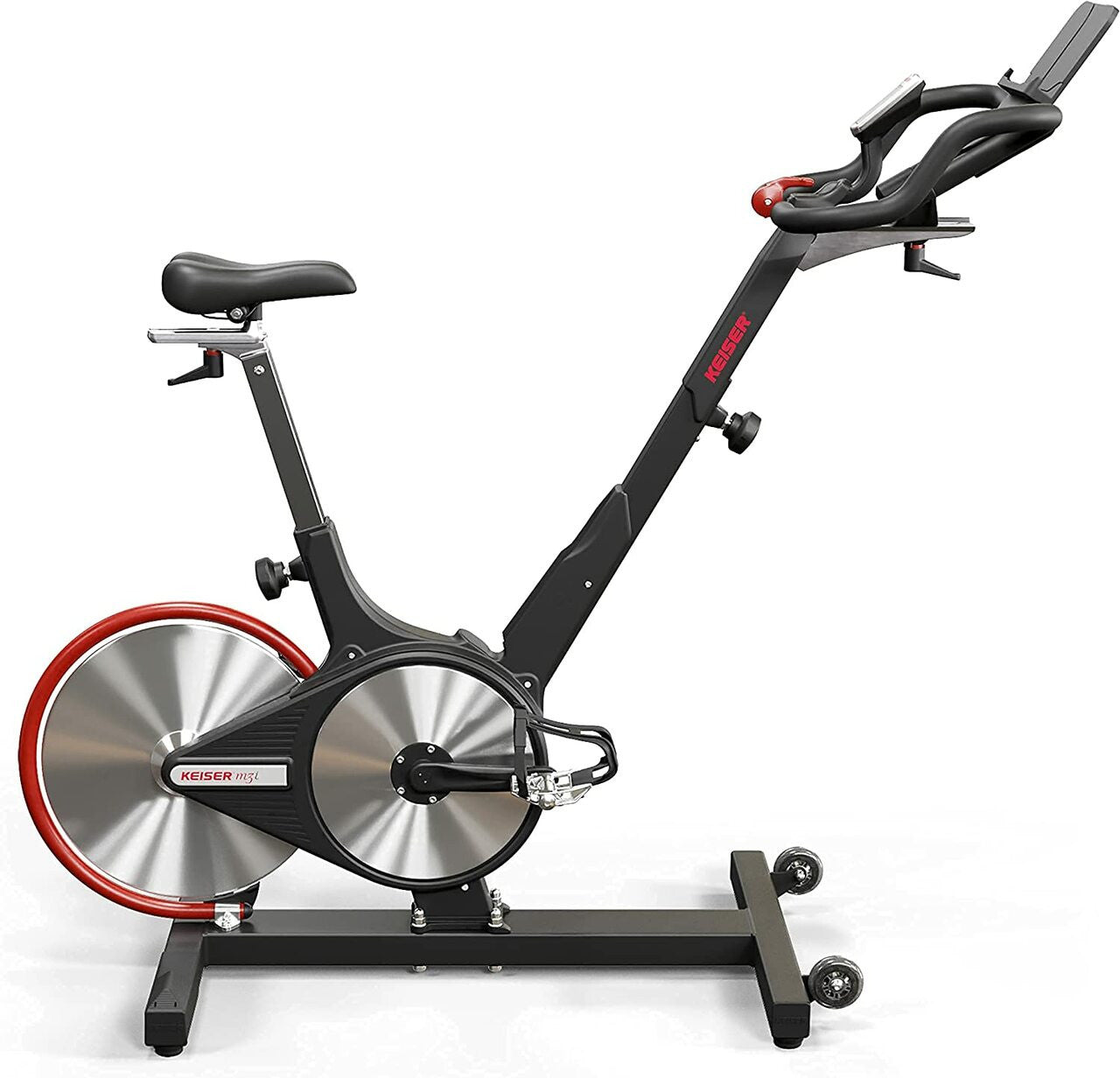


Spirit Fitness XBR95 Recumbent Bike

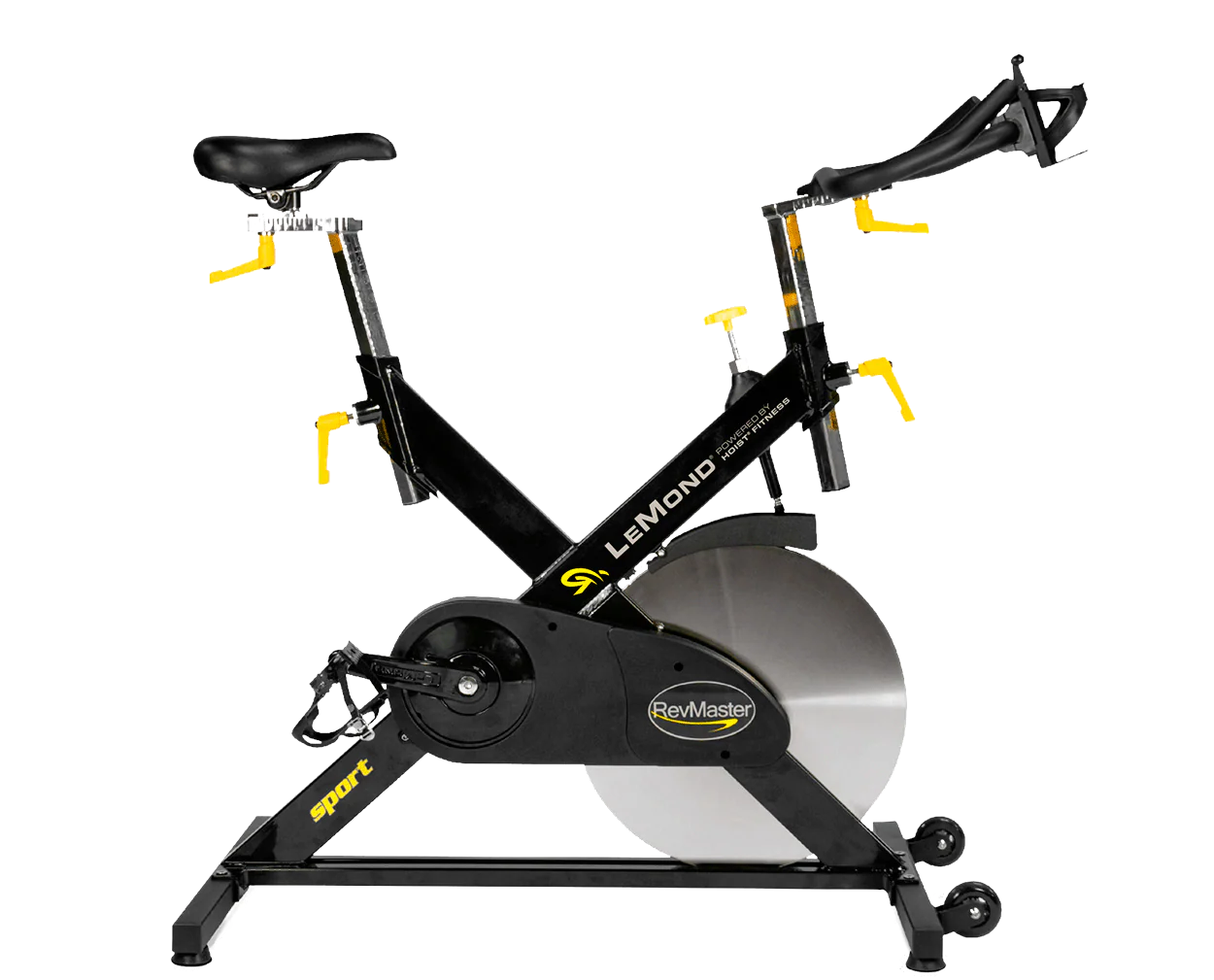
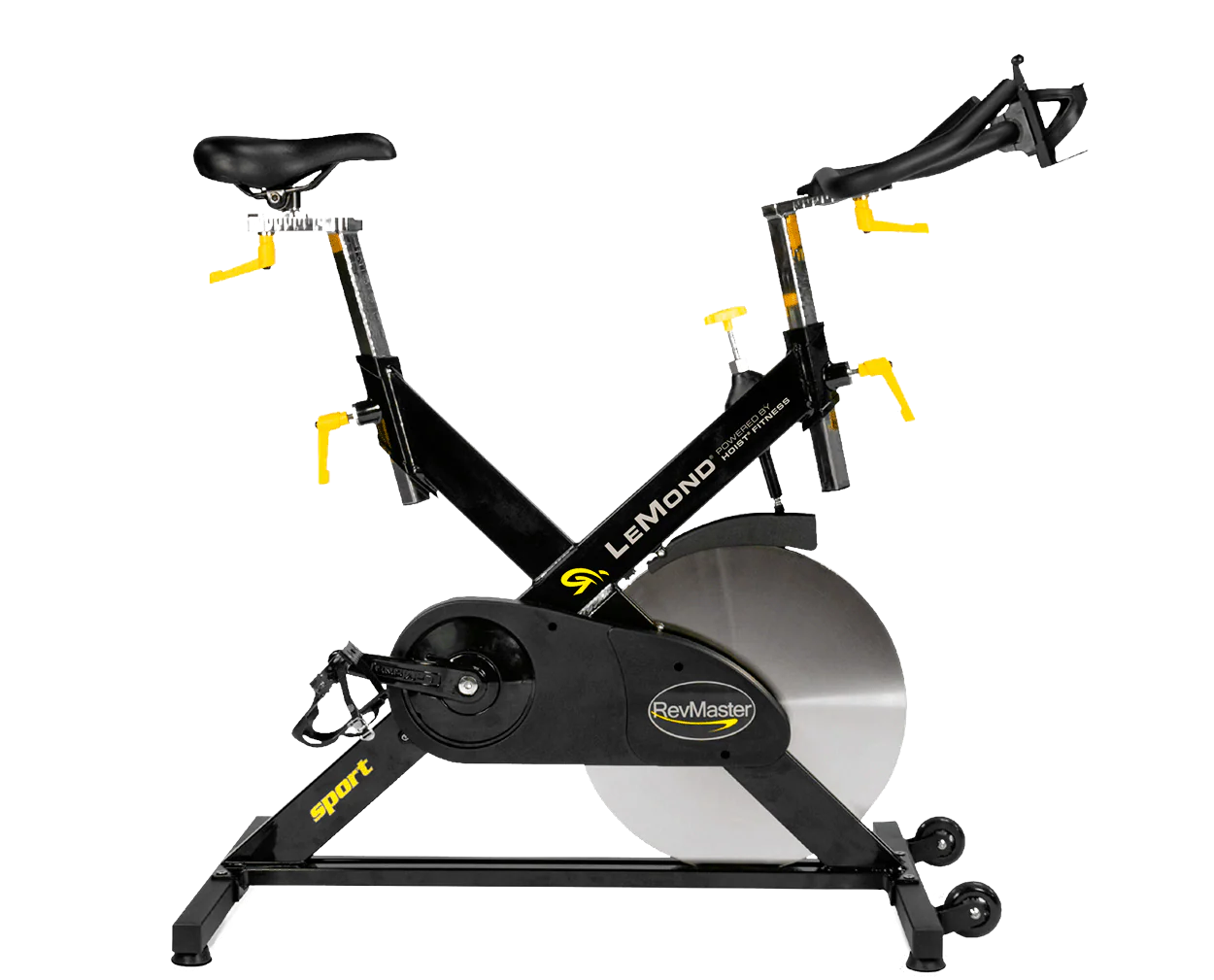
LeMond Fitness RevMaster Sport
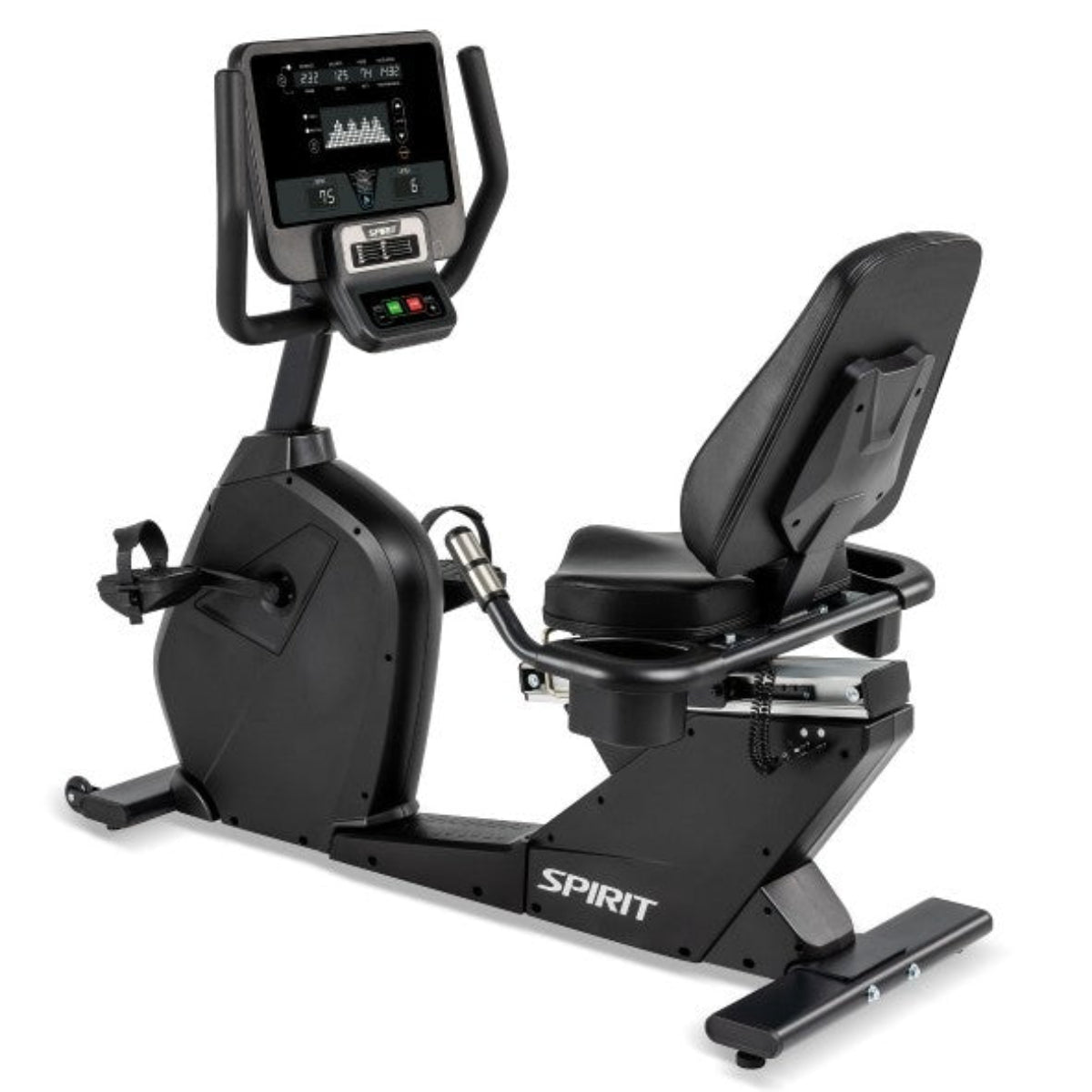
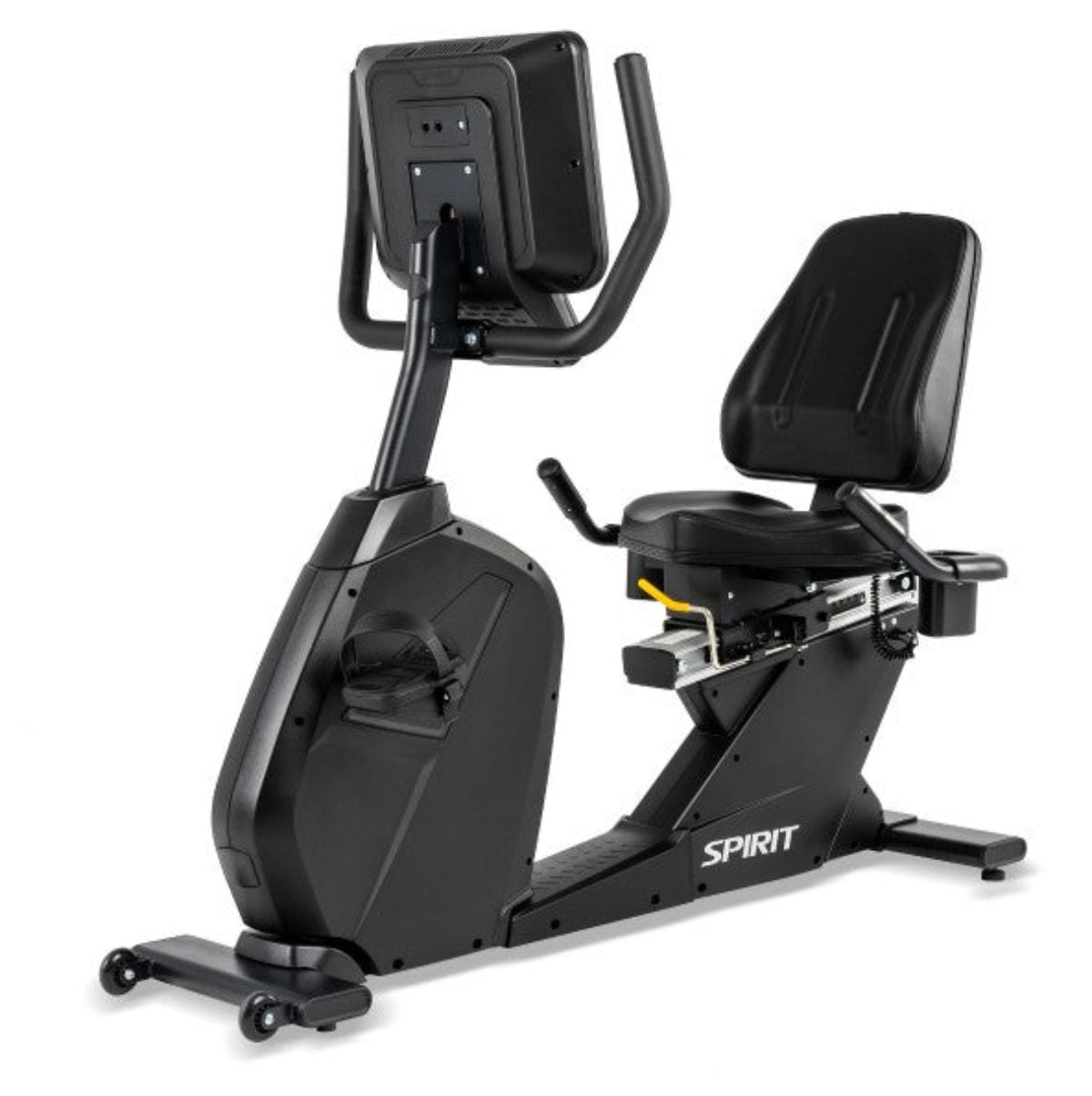
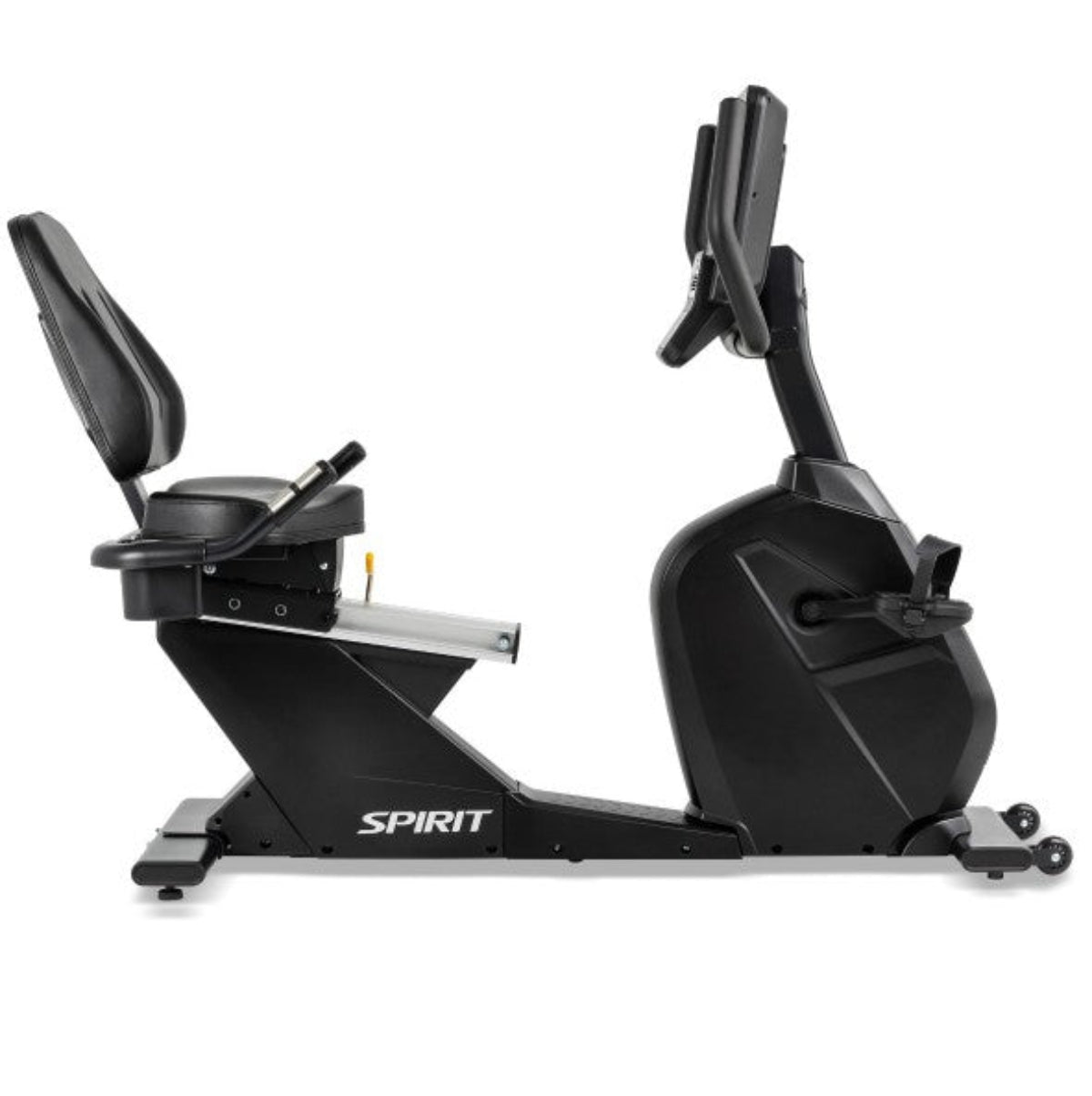

Spirit Fitness CR800 Recumbent Bike


Star Trac S Series Recumbent Bike


True Fitness Launch Recumbent Bike


Echelon Fitness EX-8s Connect Bike
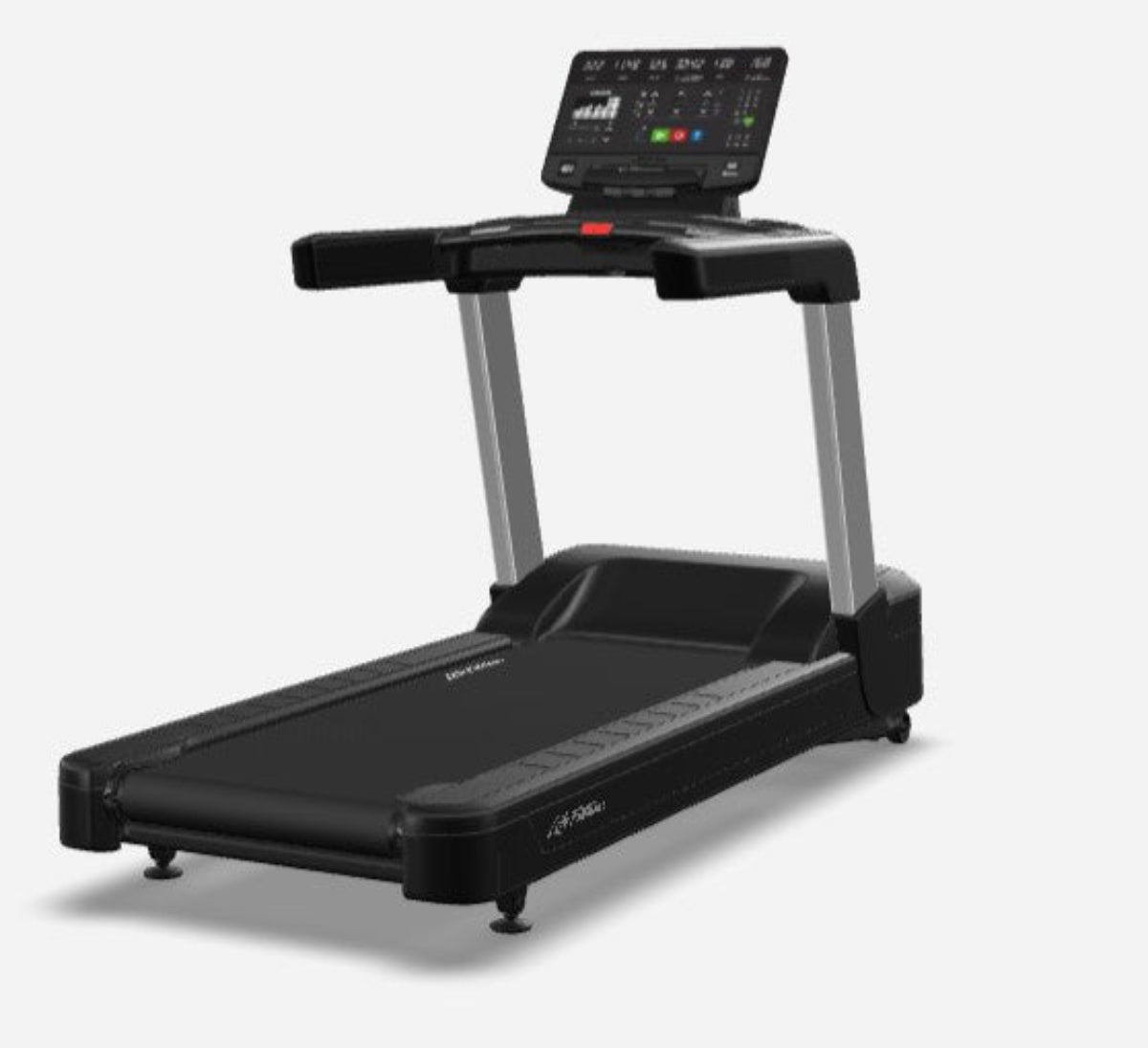
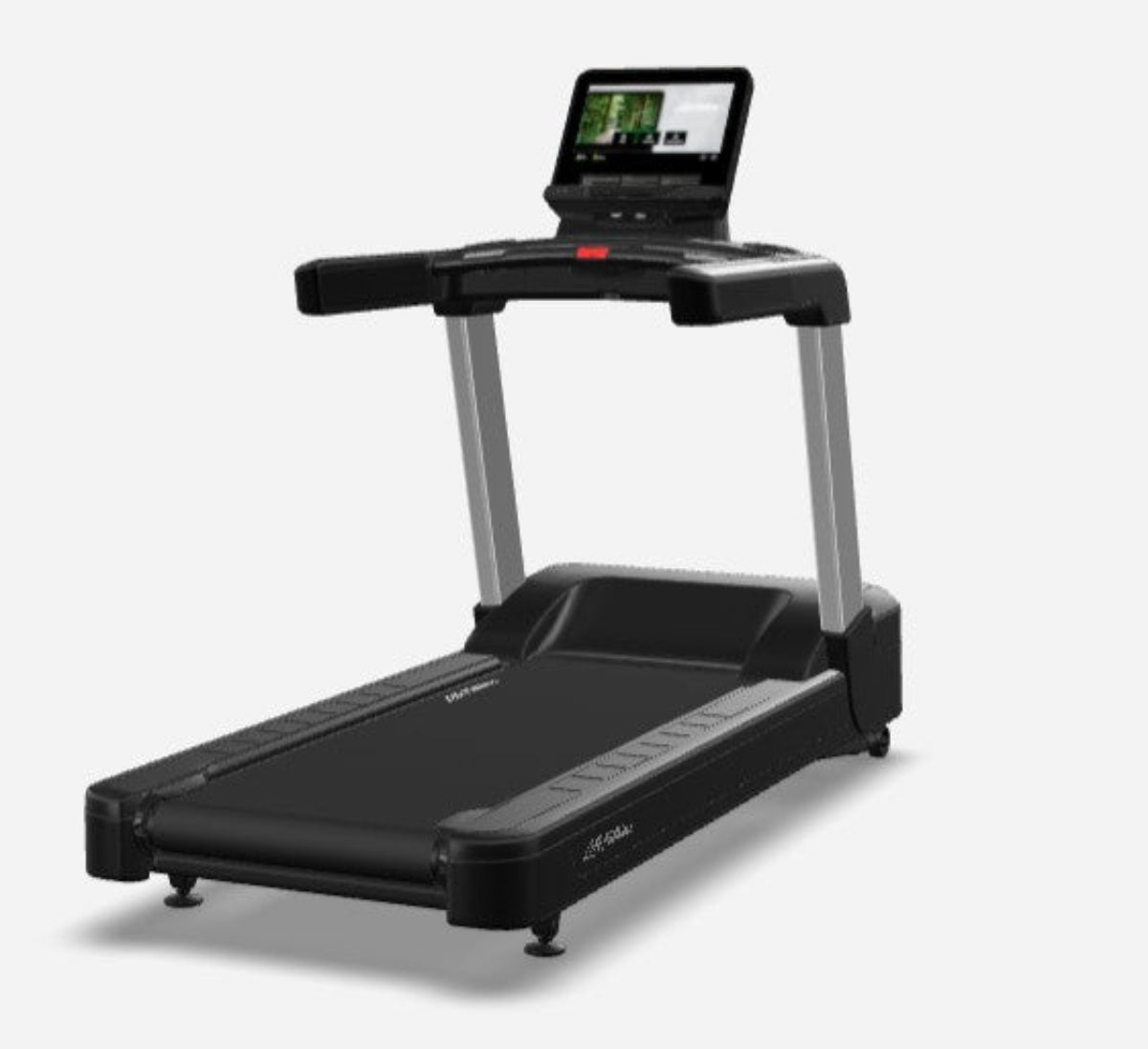
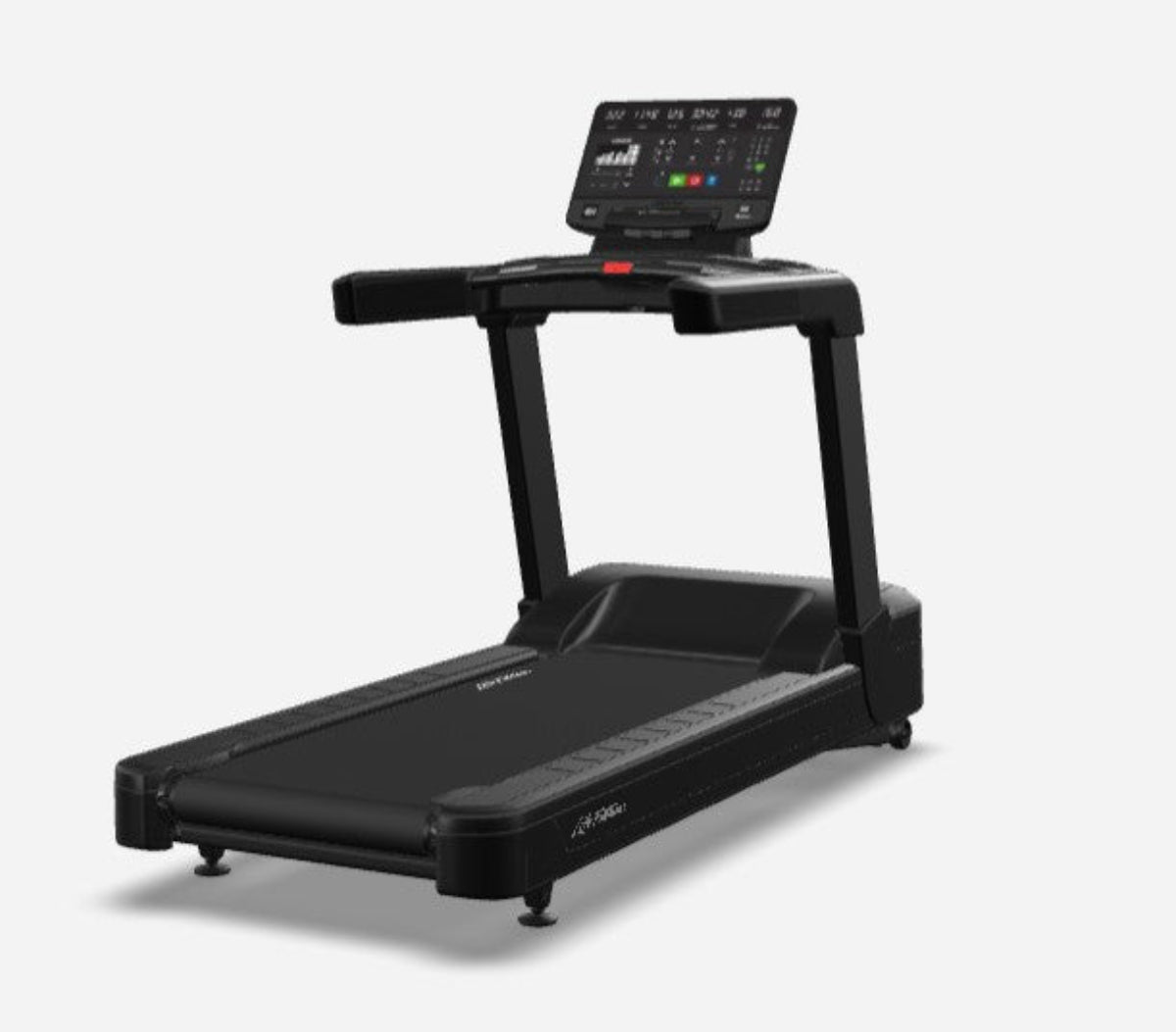
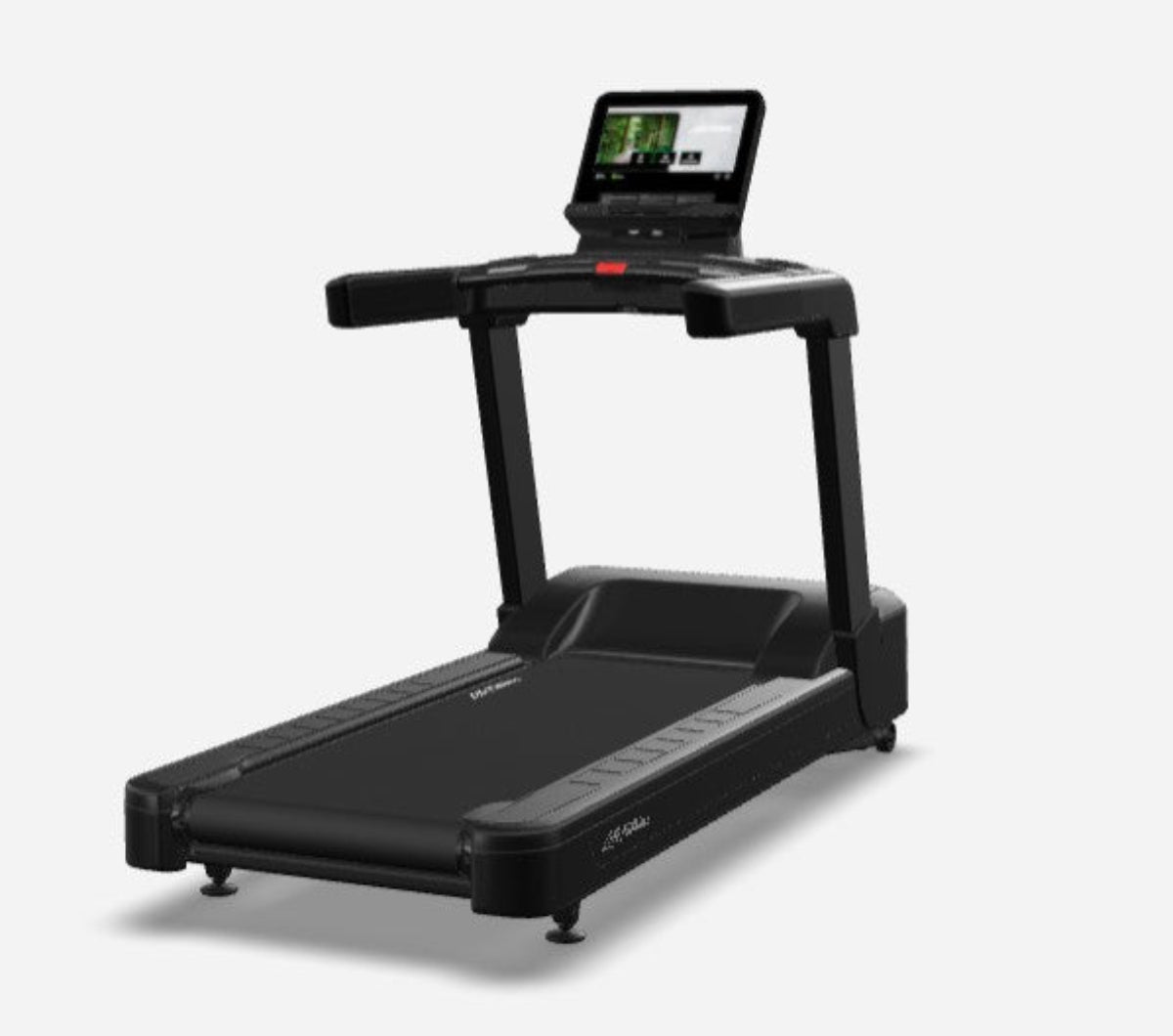
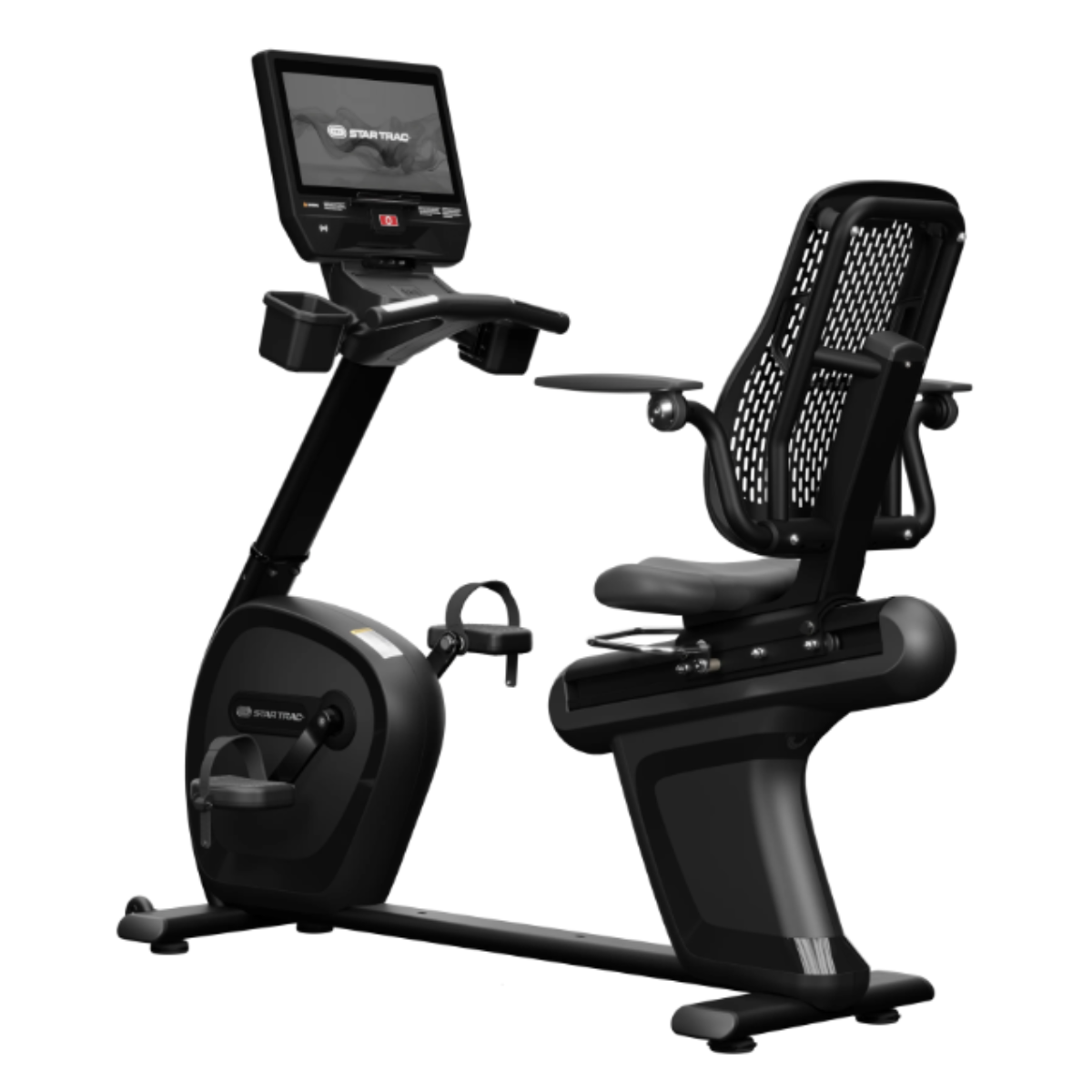
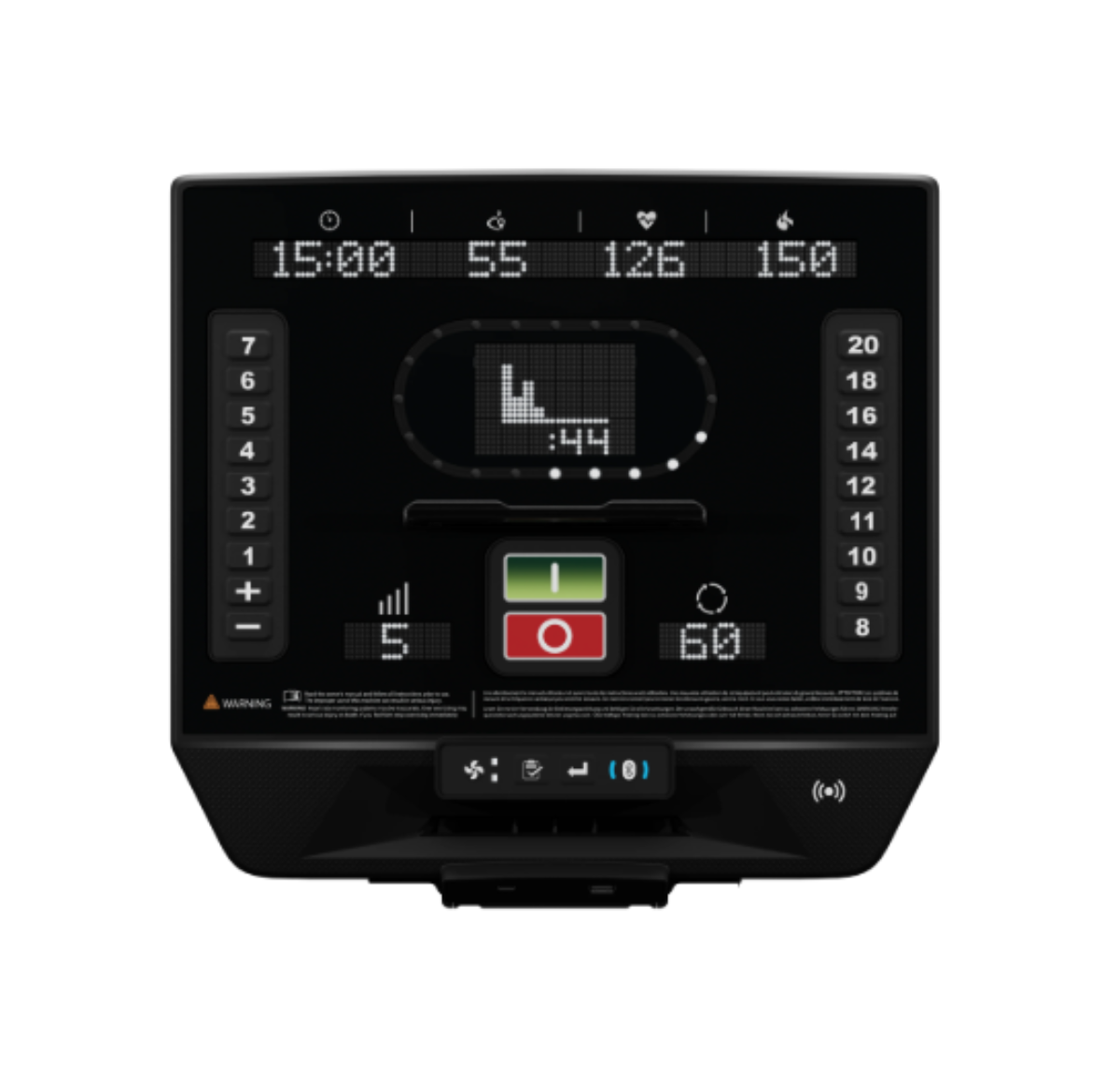
Star Trac 8 Series Recumbent Bike


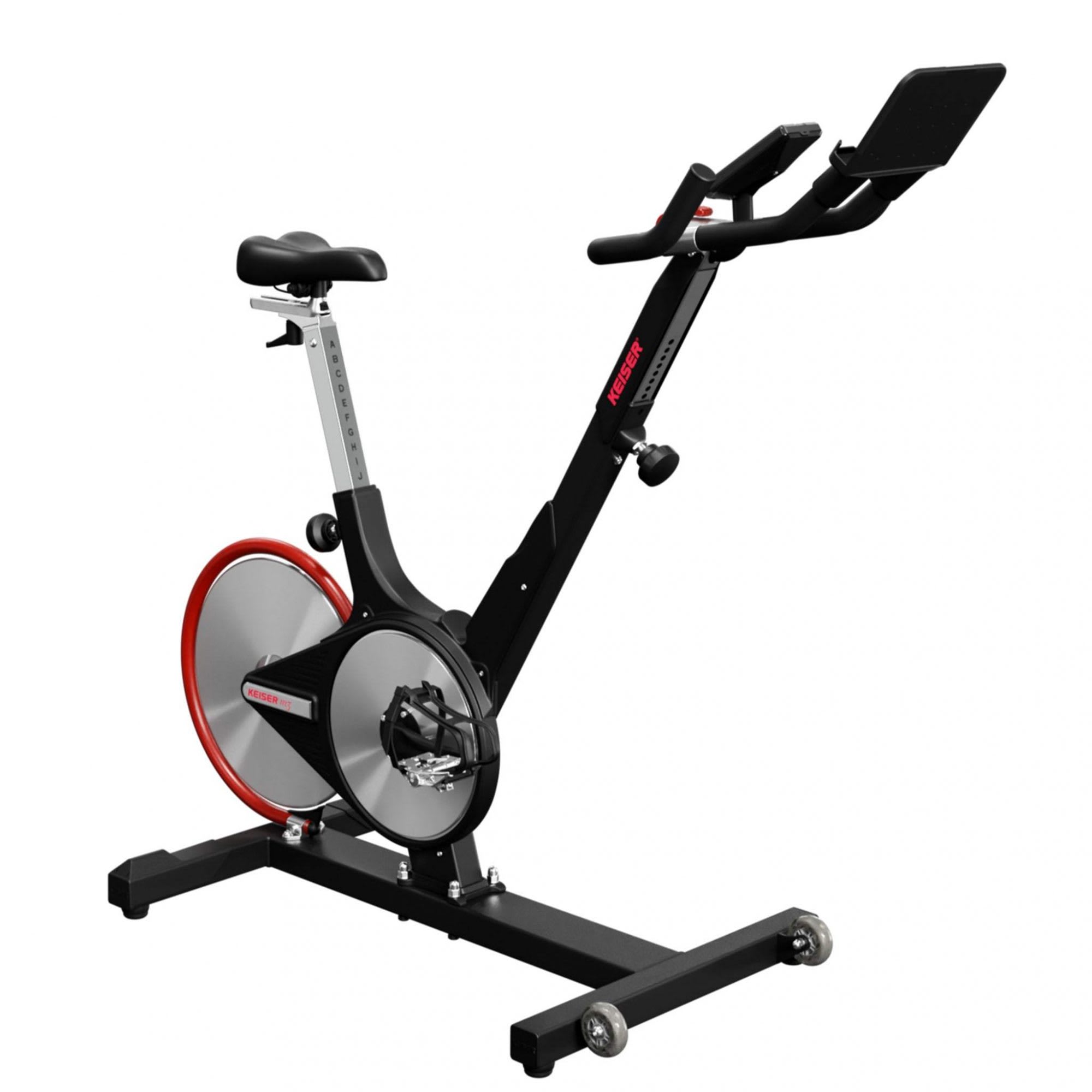


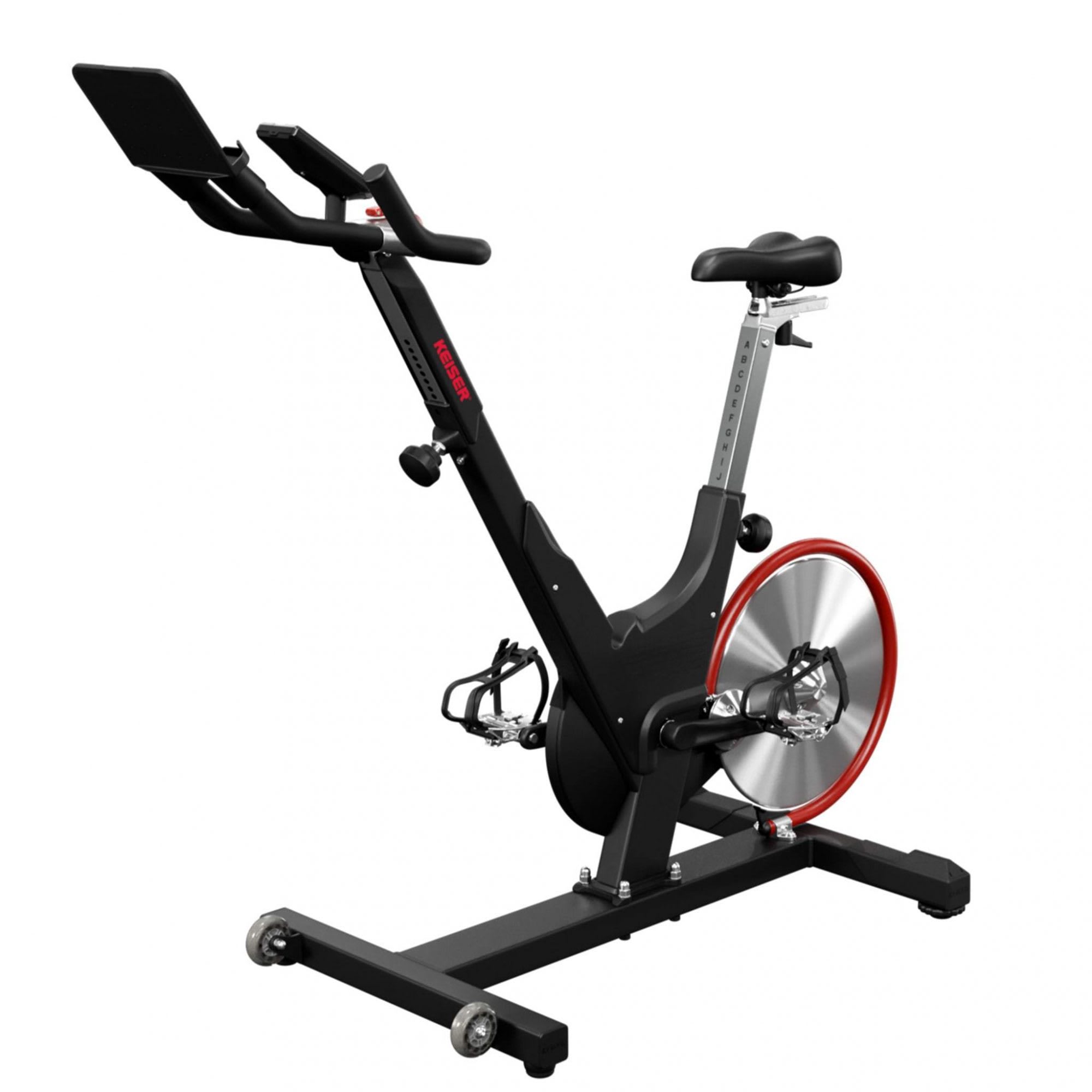
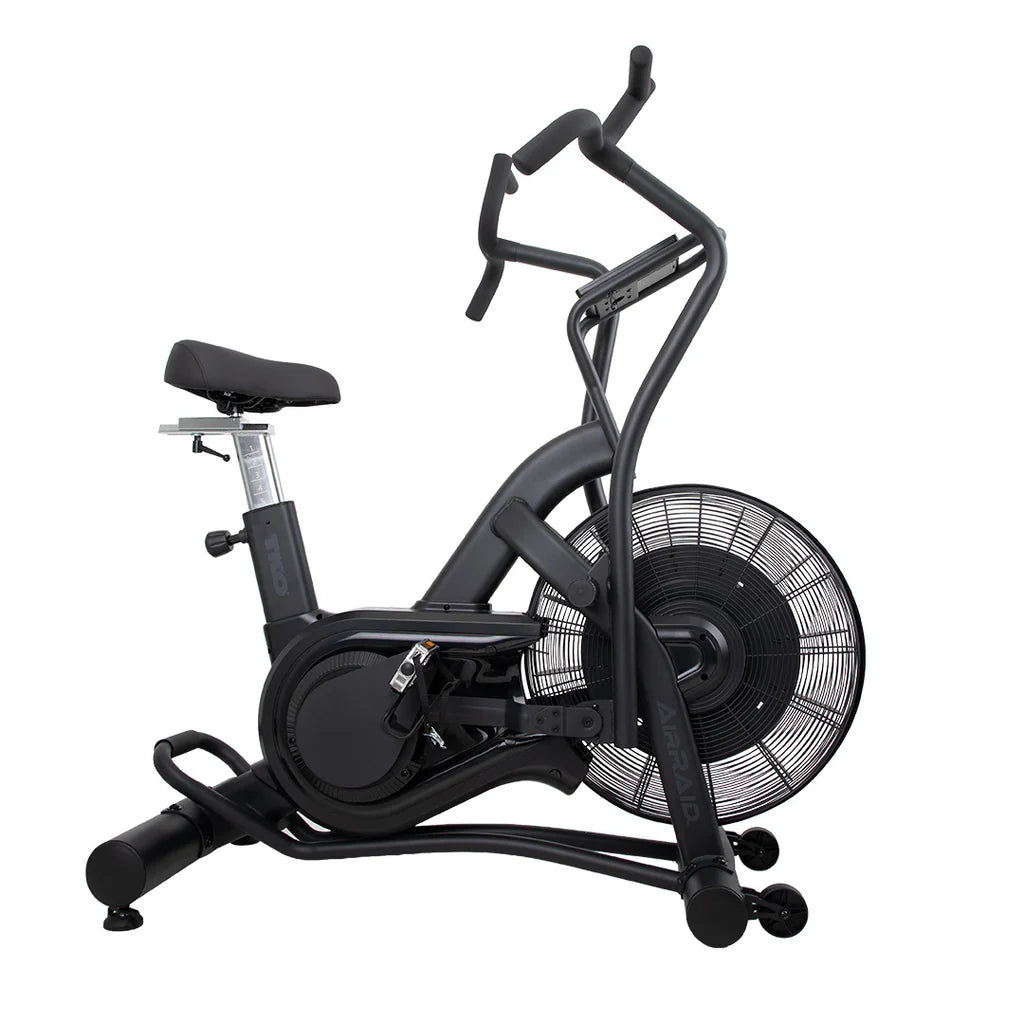
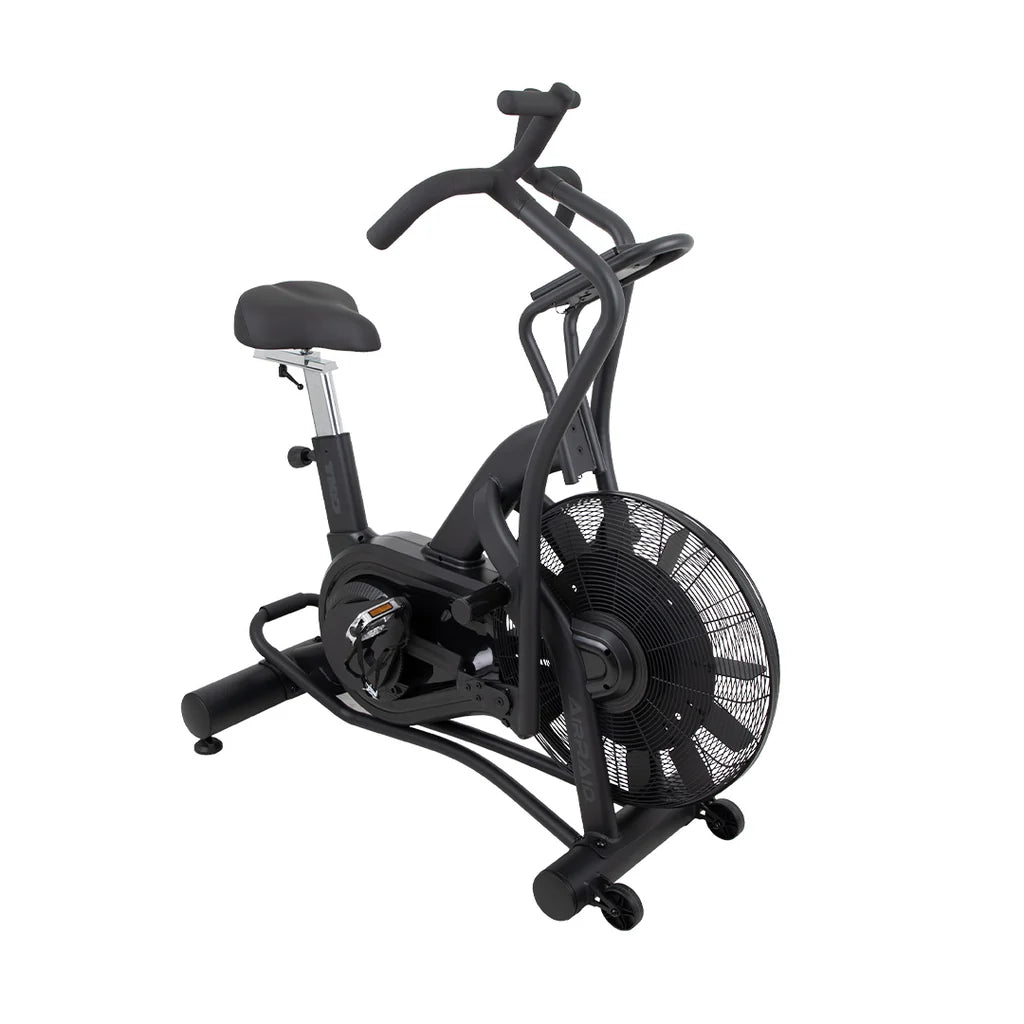
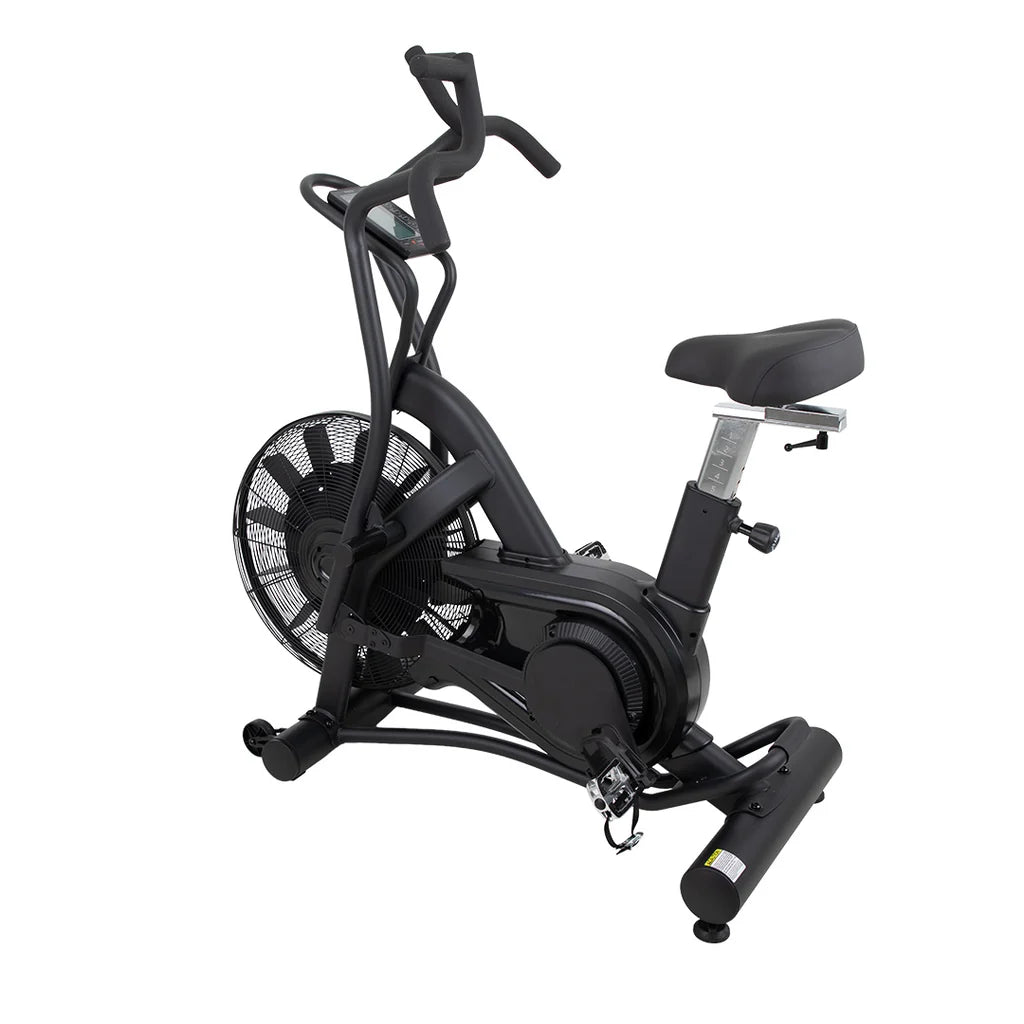
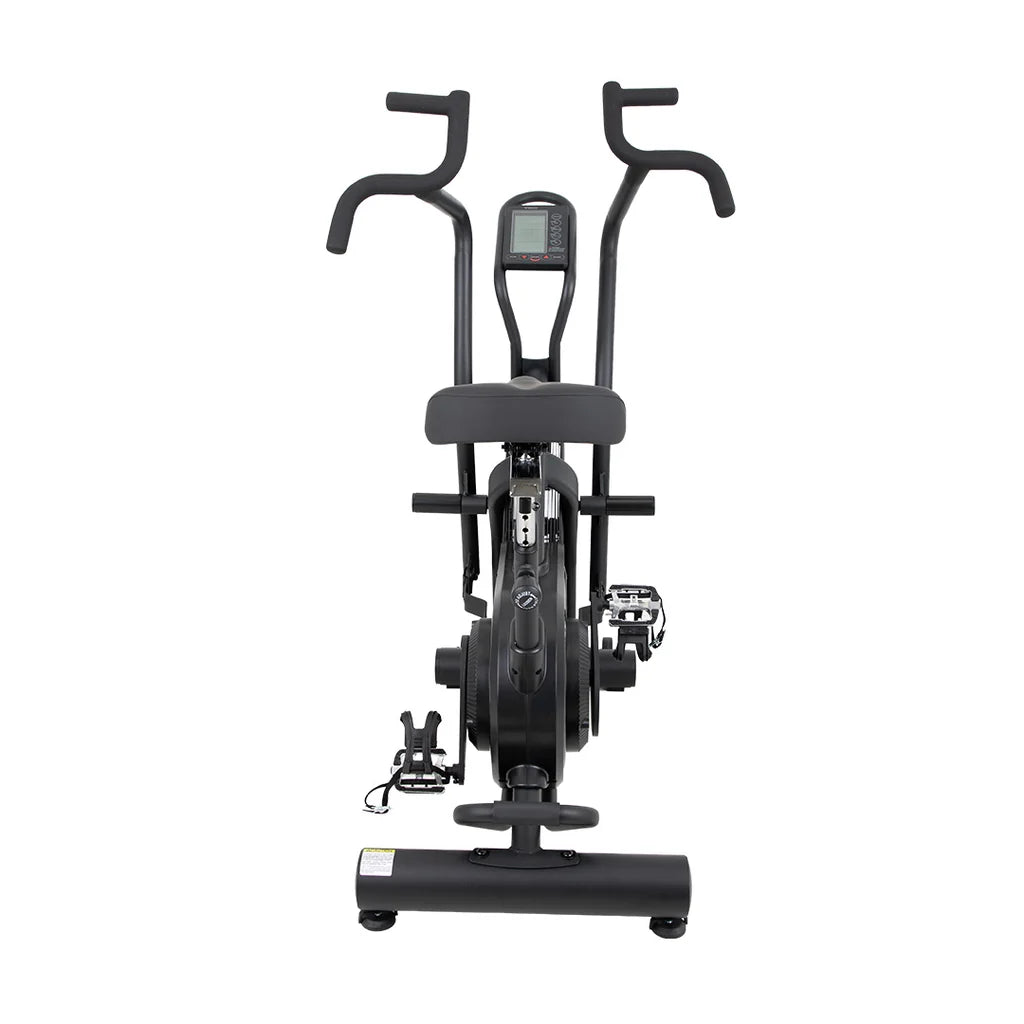

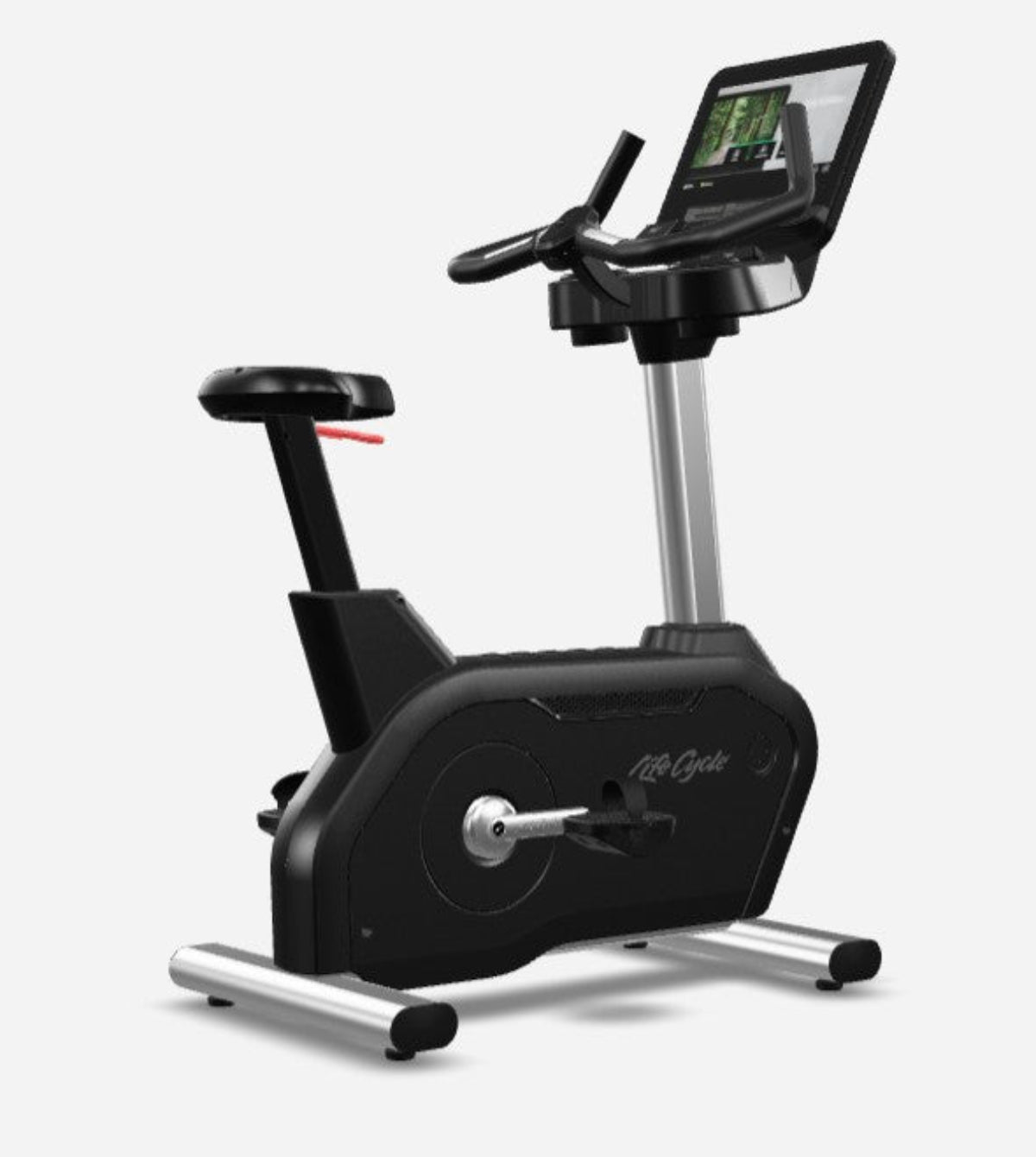
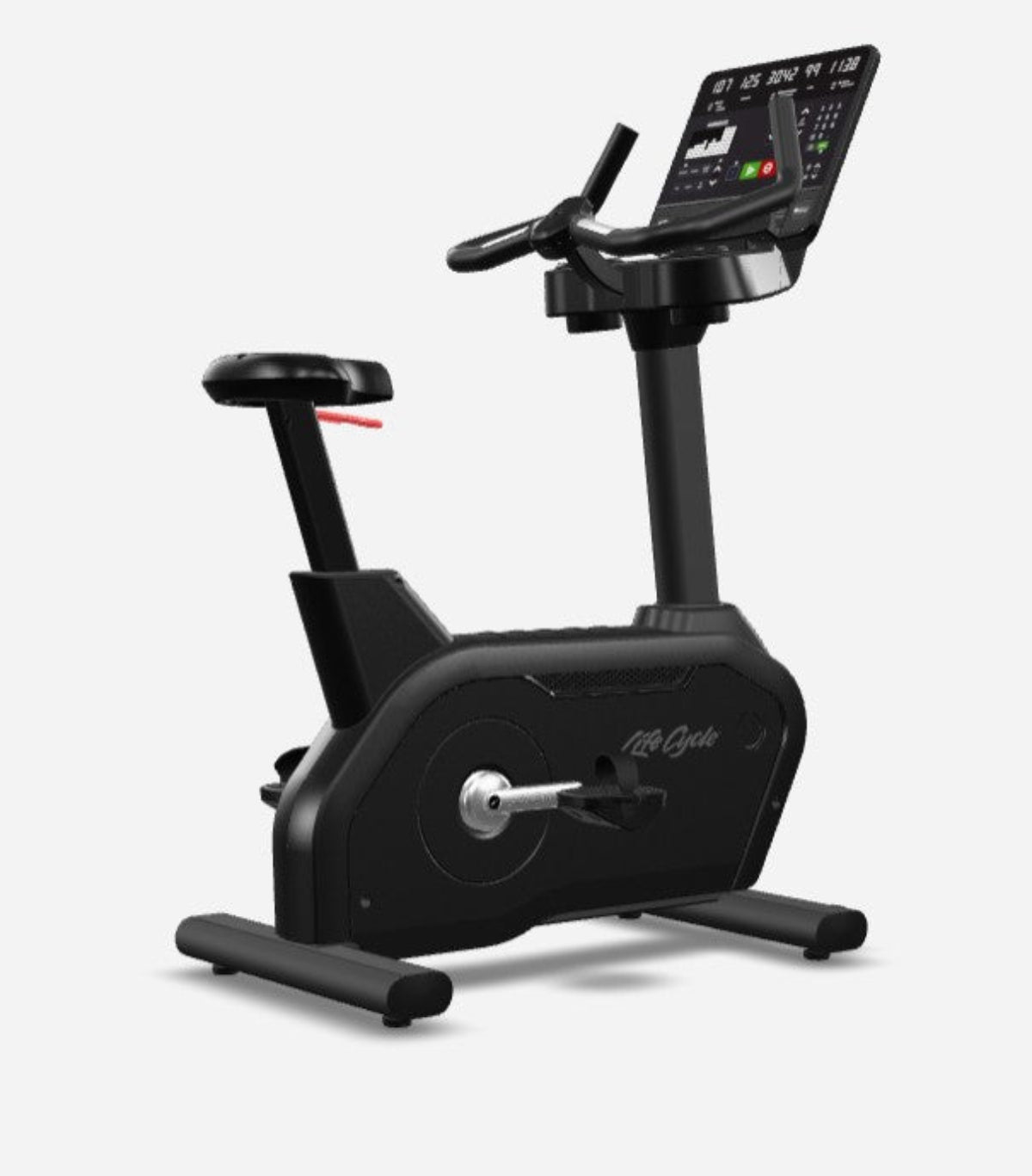

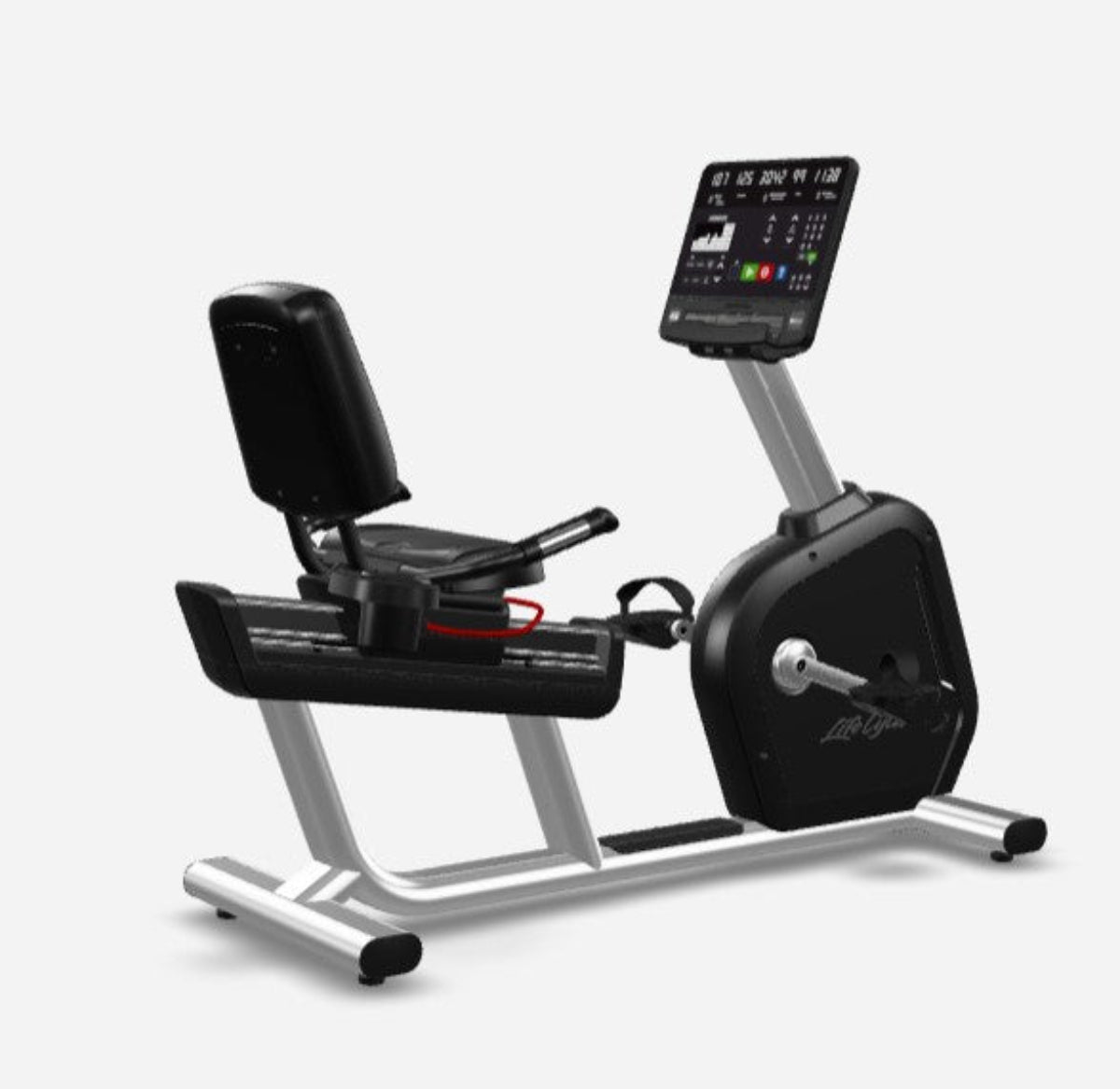


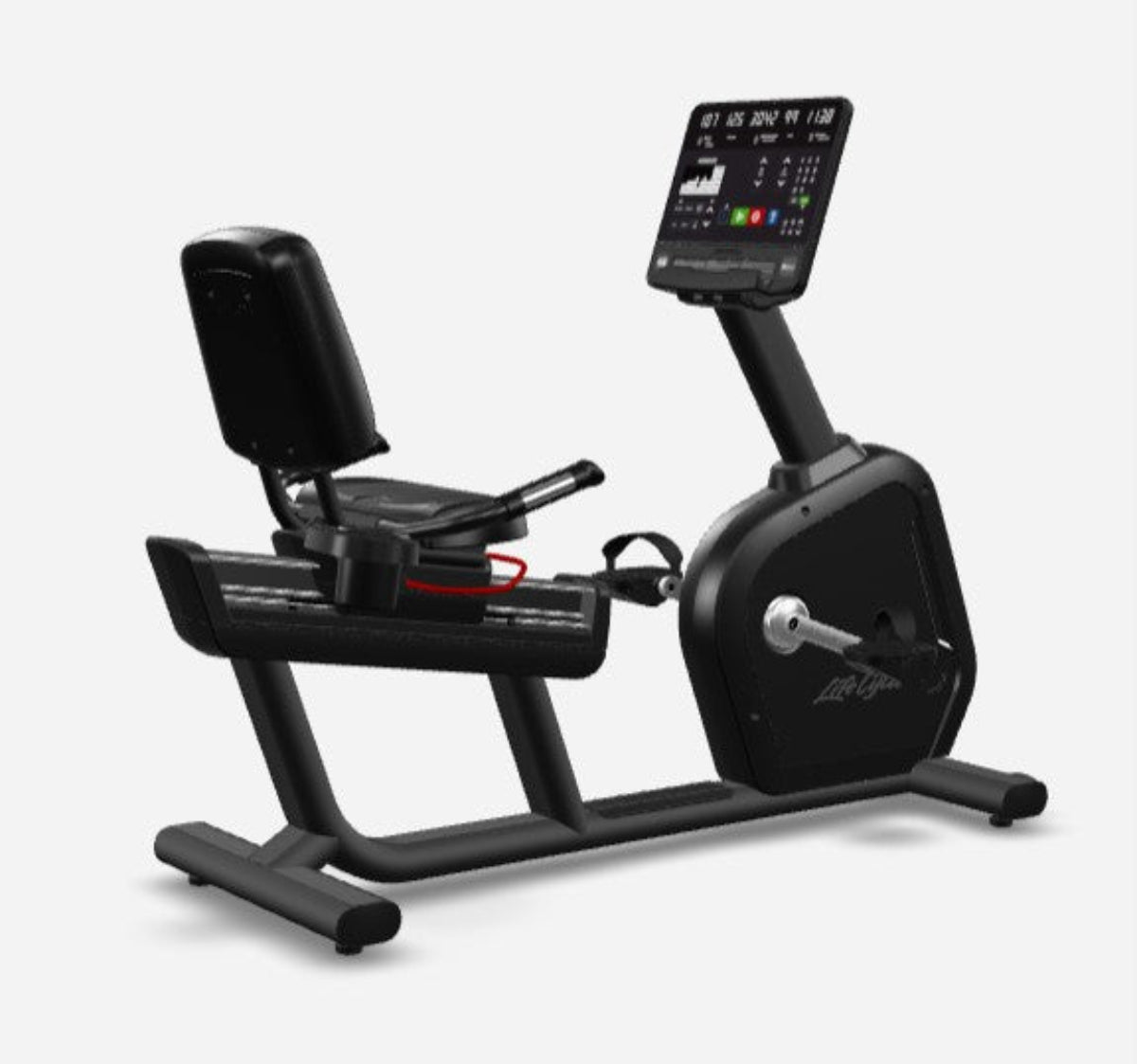
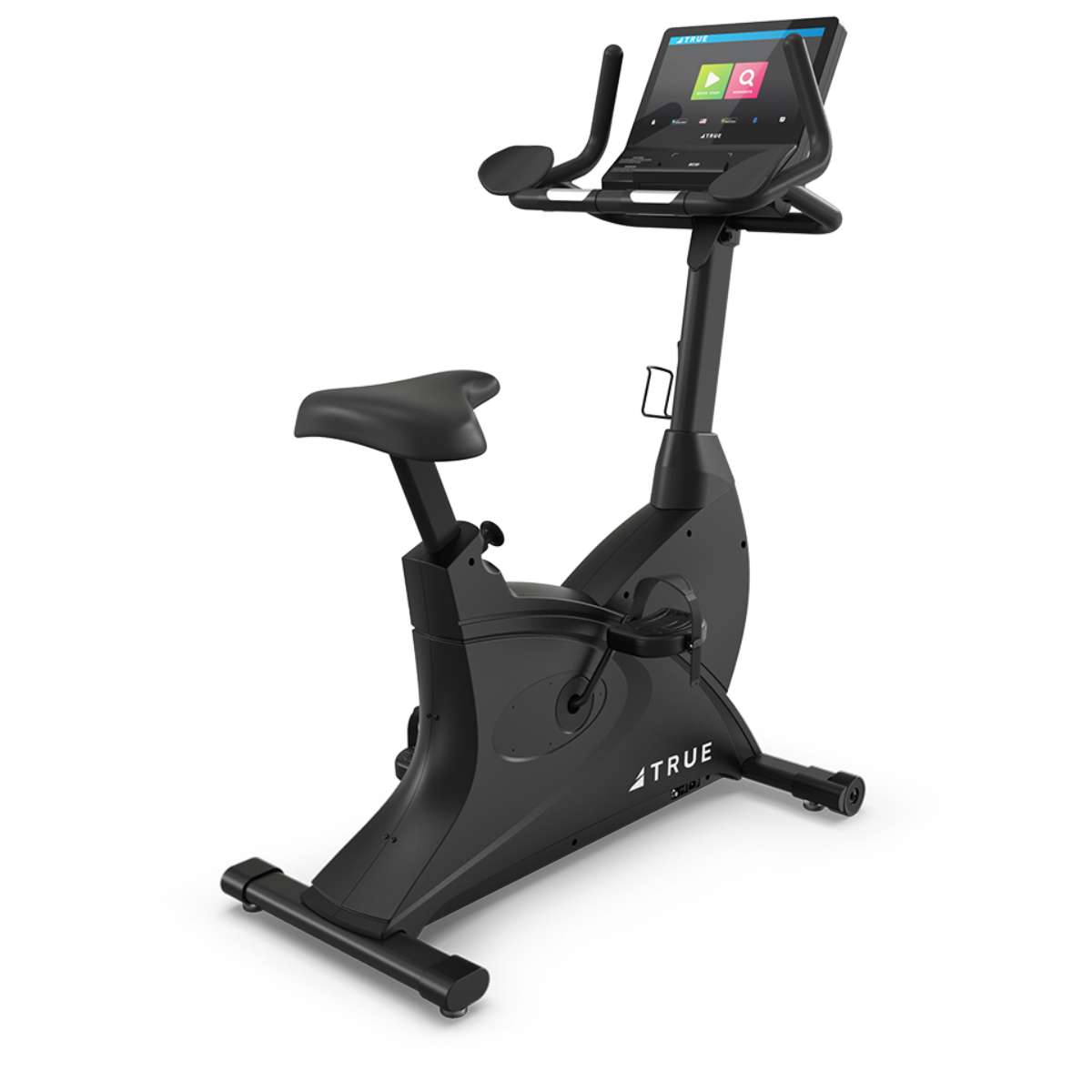


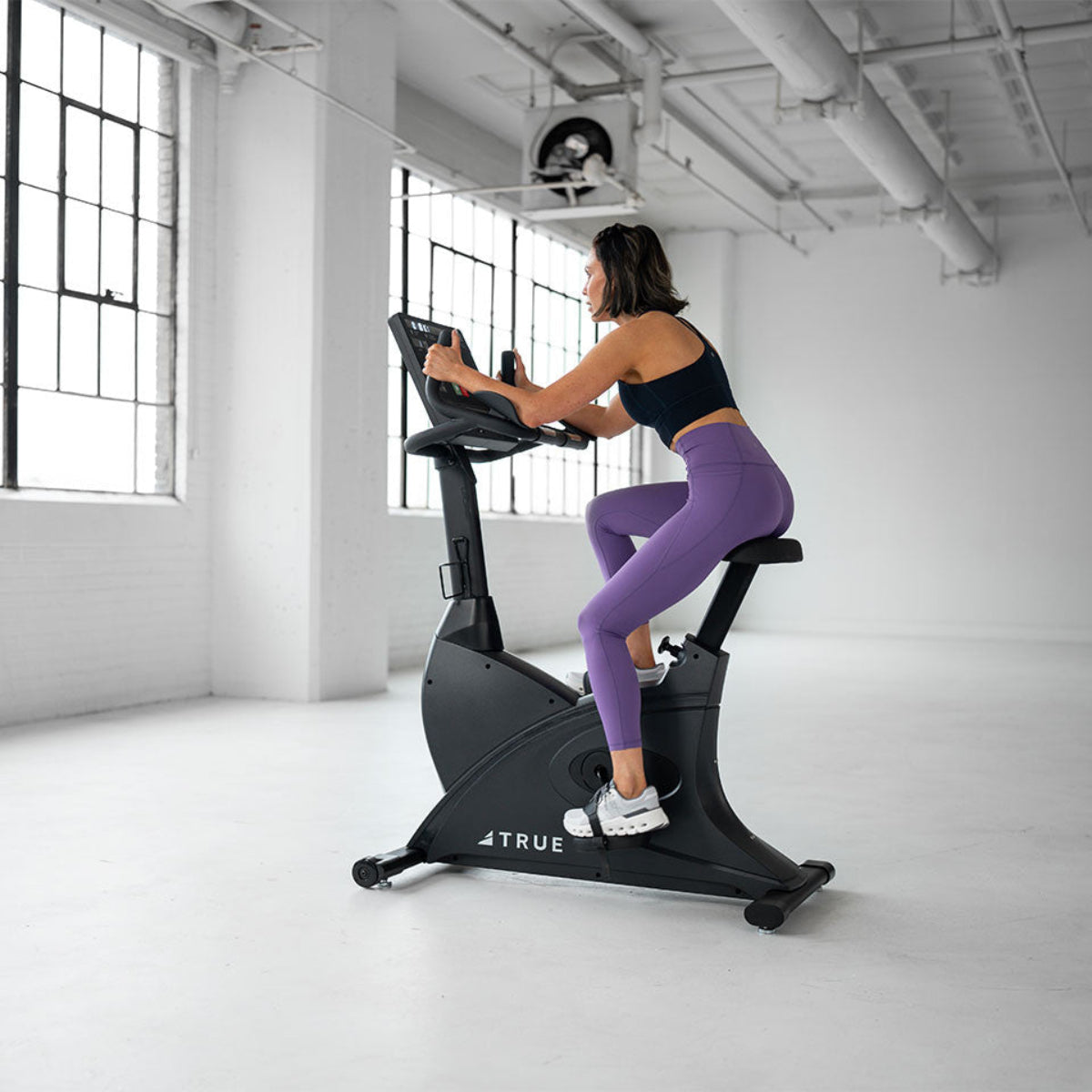
True Fitness Launch Upright Bike
Commercial-Grade Exercise Bikes are built to deliver reliable, low-impact cardiovascular training while standing up to continuous, high-volume use. This category includes upright, recumbent, and indoor cycling bikes engineered to commercial standards for durability, comfort, and consistent performance. These bikes are a staple in fitness facilities and are also chosen by serious home users who want professional-quality cardio equipment.
Who Commercial-Grade Exercise Bikes Are Best For
Commercial-grade exercise bikes are ideal for gyms, studios, rehabilitation clinics, hotels, and corporate wellness centers where equipment is used throughout the day by multiple users. They are also well suited for high-end home gyms that require stability, quiet operation, and long-term reliability. These bikes accommodate a wide range of fitness levels, from beginners and older adults to athletes using cycling for conditioning or recovery.
Key Benefits of Commercial Bike Construction
The defining advantage of commercial-grade exercise bikes is durability. Heavy-duty frames, reinforced contact points, and precision drive systems are designed to handle frequent use without sacrificing ride quality. Smooth resistance systems—often magnetic or electronically controlled—allow for quiet operation and precise intensity adjustments, making these bikes suitable for shared environments.
Ergonomics play a major role in user comfort. Adjustable seats, handlebars, and pedal systems help support proper alignment and reduce strain during longer workouts. Recumbent models offer additional back support for users prioritizing comfort, while upright and indoor cycling bikes emphasize performance and engagement.
Common Use Cases and Training Environments
Commercial-grade exercise bikes are commonly used for steady-state cardio, interval training, rehabilitation programs, and group cycling sessions. Their low-impact nature makes them ideal for joint-friendly workouts and recovery-focused training. In professional settings, they provide a dependable cardio option that accommodates diverse user needs without extensive supervision.
Design Variations and Technology Features
This category includes upright bikes for traditional cycling motion, recumbent bikes for supported, seated comfort, and indoor cycling bikes for high-intensity training. Consoles may range from simple, facility-ready displays to advanced systems offering performance metrics, heart rate monitoring, and connectivity. Belt or chain drives, adjustable resistance ranges, and service-friendly designs further differentiate models.
Why Choose The Fitness Outlet
Shoppers choose The Fitness Outlet for Commercial-Grade Exercise Bikes because of our commitment to premium, professional-level fitness equipment. We curate exercise bikes trusted in commercial environments for their durability, comfort, and performance, helping customers invest in cardio solutions that deliver consistent results in both high-traffic facilities and demanding home gyms.
Commercial-Grade Exercise Bikes: Durable, High-Performance Cardio for Professional Use
Commercial-grade exercise bikes are built to withstand constant use while delivering smooth, reliable, and joint-friendly cardiovascular training. Commonly found in gyms, studios, rehabilitation clinics, and high-end residential fitness rooms, these bikes are engineered for durability, biomechanical comfort, and consistent performance across a wide range of users. For facilities and serious home users who demand long-term reliability and a premium training experience, commercial exercise bikes are a proven solution.

“Commercial-grade exercise bikes are designed for continuous use and consistent performance in professional environments.”
What Makes an Exercise Bike Commercial-Grade?
Commercial exercise bikes differ significantly from residential models in construction, components, and usage ratings.
Heavy-Duty Frame and Components
Commercial bikes use reinforced steel frames, oversized crank assemblies, and industrial-grade bearings designed to handle frequent use by users of varying sizes. This construction minimizes flex and ensures smooth pedaling even during high-resistance workouts.
Higher Weight Capacity and Duty Cycle
Most commercial-grade bikes support higher user weight limits and are rated for continuous daily operation. These ratings reflect stronger frames, seats, pedals, and resistance systems built for longevity.
Types of Commercial-Grade Exercise Bikes
Understanding bike types helps match equipment to training goals and facility needs.
Upright Exercise Bikes
Upright bikes closely resemble traditional outdoor cycling posture. They’re popular in gyms and rehab settings for their intuitive use, compact footprint, and suitability for steady-state cardio and interval training.
Recumbent Exercise Bikes
Recumbent bikes feature a reclined seat with back support, reducing stress on the lower back and joints. These bikes are widely used in rehabilitation, wellness programs, and senior-focused facilities.
Indoor Cycling and Spin Bikes
Commercial indoor cycling bikes are built for high-intensity, instructor-led or virtual training. They feature heavier flywheels, aggressive resistance ranges, and performance-oriented geometry suited for standing climbs and sprint intervals.

“Commercial exercise bikes are available in upright, recumbent, and indoor cycling designs to support different users and training styles.”
Resistance Systems and Ride Feel
Magnetic and Electromagnetic Resistance
Most commercial exercise bikes use magnetic or electromagnetic resistance systems for smooth, quiet operation. These systems allow precise intensity adjustments and require minimal maintenance, making them ideal for high-traffic environments.
Flywheel Weight and Pedal Smoothness
Heavier flywheels contribute to a smoother pedal stroke, especially in indoor cycling bikes. Smooth resistance transitions improve comfort and reduce joint strain during longer workouts.
Ergonomics and User Adjustability
Multi-User Fit Adjustments
Commercial bikes are designed to accommodate a wide range of body types. Quick-adjust seat height, fore-aft positioning, and adjustable handlebars allow fast setup between users.
Pedals and Foot Support
High-quality pedals with adjustable straps or dual-sided clip-in options improve stability and power transfer. Secure foot placement is especially important during high-resistance or high-cadence sessions.

“Adjustable seating and pedals ensure proper fit and comfort for multiple users.”
Console Design and Training Features
Durable, Intuitive Consoles
Commercial bike consoles are built for frequent use, with reinforced buttons, sealed displays, and easy-to-clean surfaces. Clear readouts help users track time, distance, resistance, and heart rate.
Programs and Connectivity
Most commercial bikes include preset programs for fat loss, endurance, intervals, and heart rate training. Many also support Bluetooth or ANT+ connectivity for wearables and fitness apps.
Accessibility and Ease of Use
Simple controls and step-through frame designs on upright and recumbent bikes make commercial models accessible to users of all fitness levels.
Commercial vs. Residential Exercise Bikes
-
Residential bikes are designed for limited daily use, lighter frames, and compact storage.
-
Commercial bikes prioritize durability, stability, and consistent performance under continuous use.
Some high-end home gyms choose commercial bikes to ensure long-term reliability and minimal downtime.
Use Cases Beyond Traditional Gyms
Commercial exercise bikes are used in a variety of settings:
Rehabilitation and Physical Therapy Clinics
Low-impact motion and adjustable resistance make commercial bikes ideal for recovery programs and cardiovascular rehabilitation.
Corporate, Hotel, and Apartment Fitness Rooms
Shared fitness spaces benefit from the durability and low maintenance of commercial bikes.
High-End Home Gyms
Serious home users often prefer commercial bikes for their smooth ride, adjustability, and professional-grade build quality.
Maintenance, Serviceability, and Longevity
Designed for Easy Maintenance
Commercial bikes are engineered for easy access to key components, simplifying routine service and minimizing downtime.
Long-Term Value
While commercial exercise bikes typically cost more upfront, their durability often results in a lower total cost of ownership over time—especially in high-use environments.
Warranty and Support
Strong warranties and established service networks are hallmarks of commercial-grade equipment and an important factor when purchasing for professional settings.
Who Should Choose Commercial-Grade Exercise Bikes?
Commercial exercise bikes are ideal for:
-
Gyms and fitness clubs
-
Rehabilitation and medical fitness facilities
-
Corporate, hotel, and apartment gyms
-
Cycling studios and group fitness programs
-
Serious home users prioritizing durability
For any environment with frequent or varied use, commercial-grade bikes provide reliability and consistent performance.
FAQs
What muscles does each bike target?
Are recumbent bikes better for beginners?
Which Is Better for an Avid Cyclist or General Fitness?