


Achieve your fitness goals within your budget with our financing.
Free Delivery on Orders $599+
Fast, reliable delivery on all qualifying orders.
Price Match Guarantee
Shop confidently knowing you're getting the best deal.
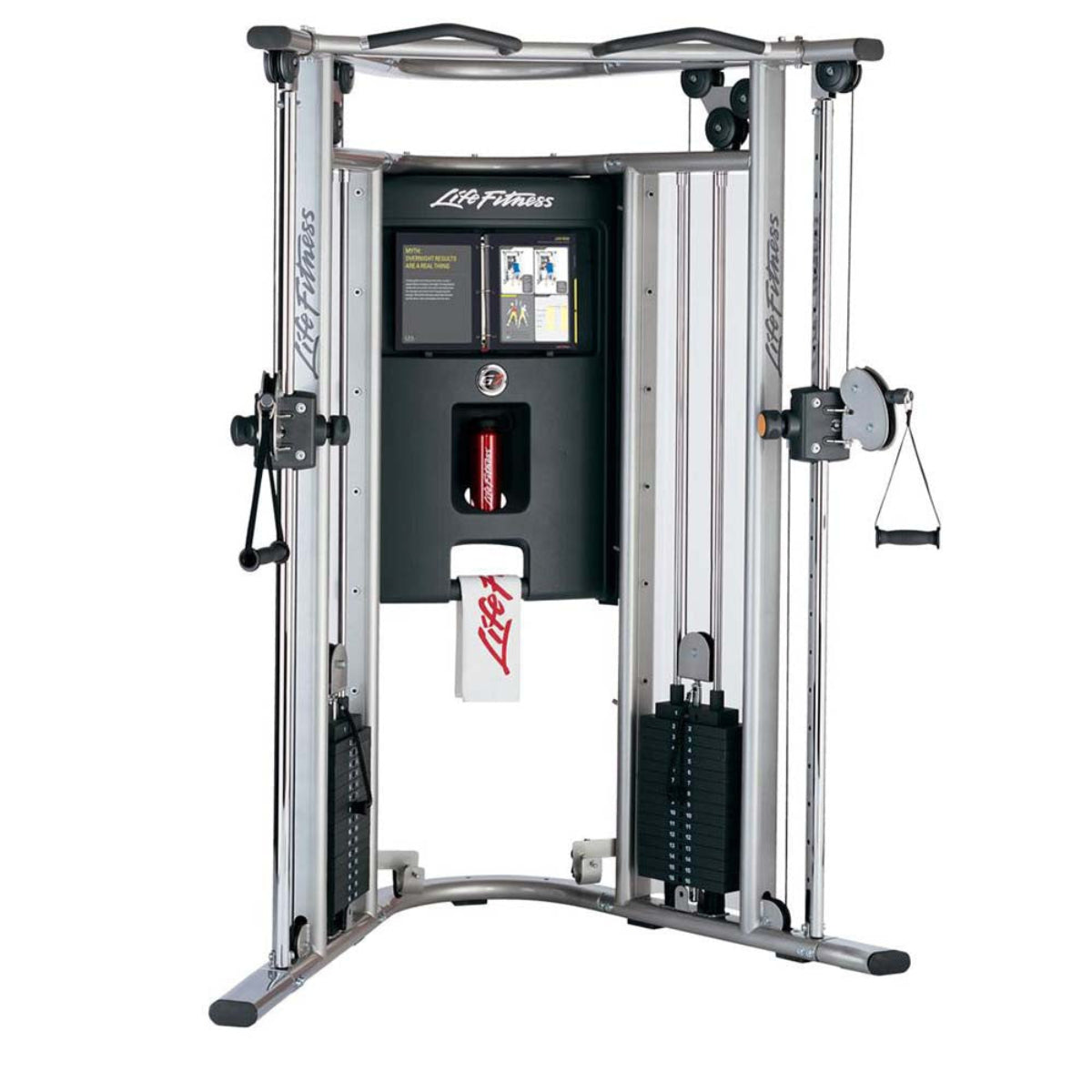
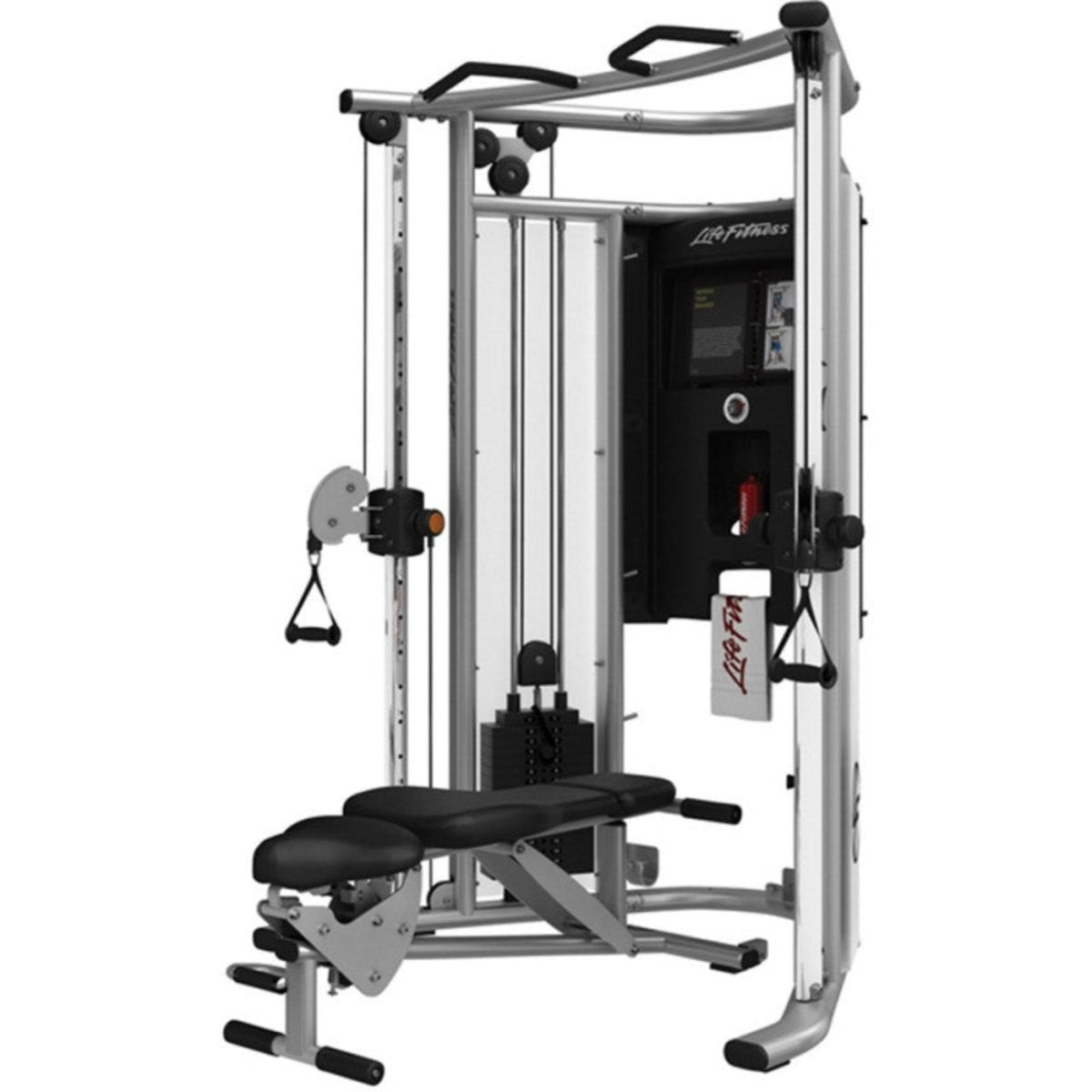
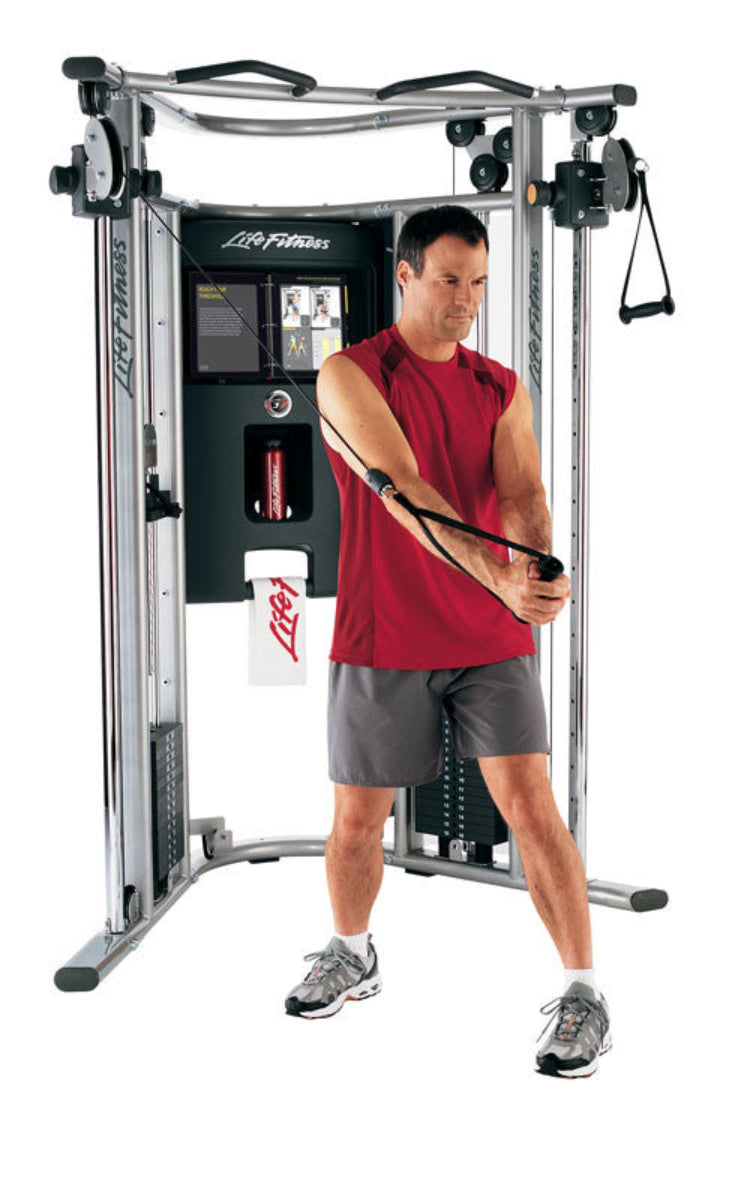
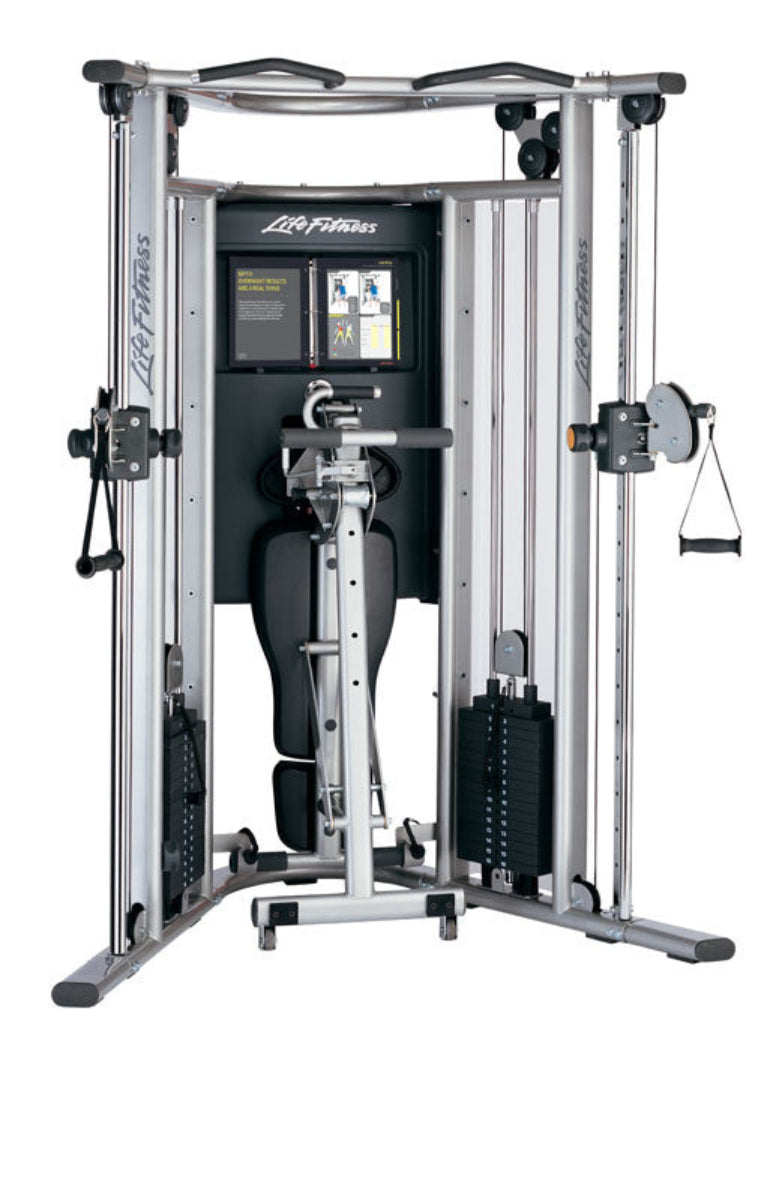
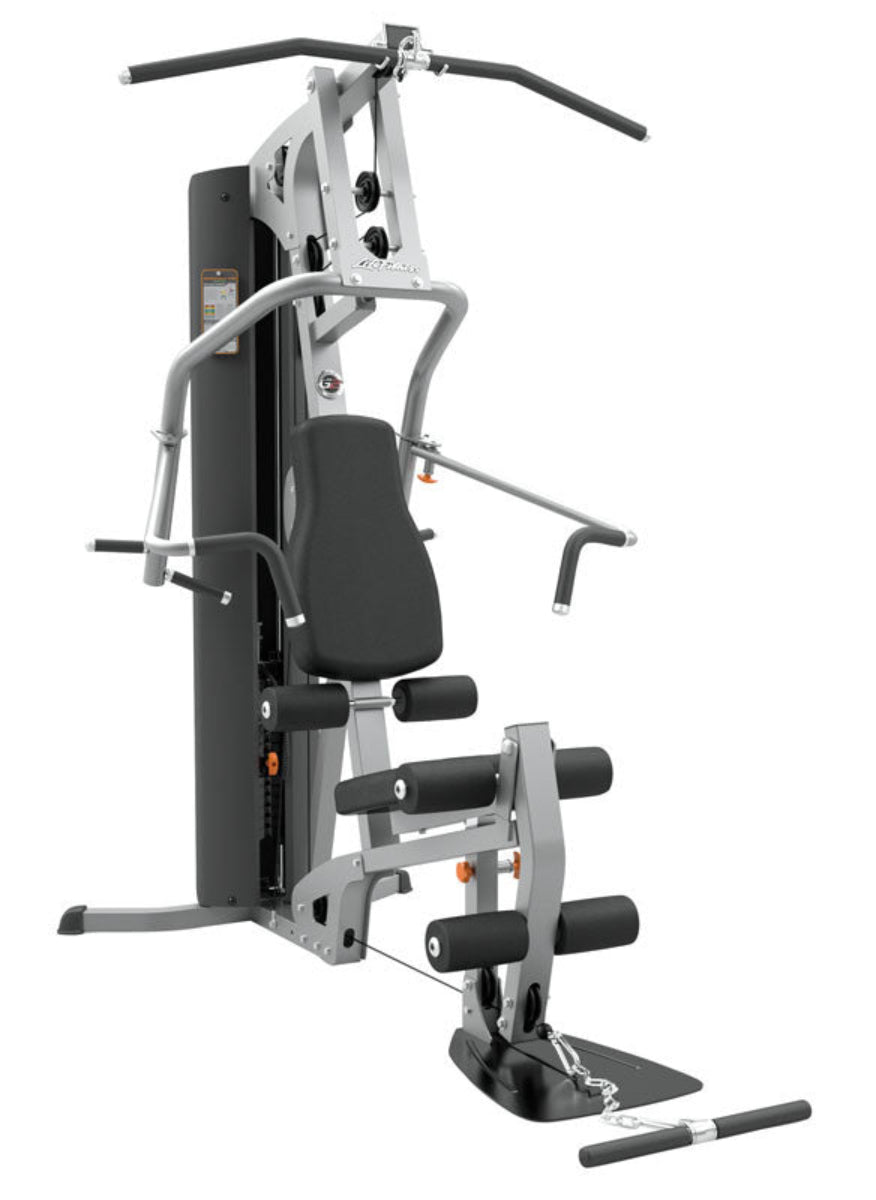
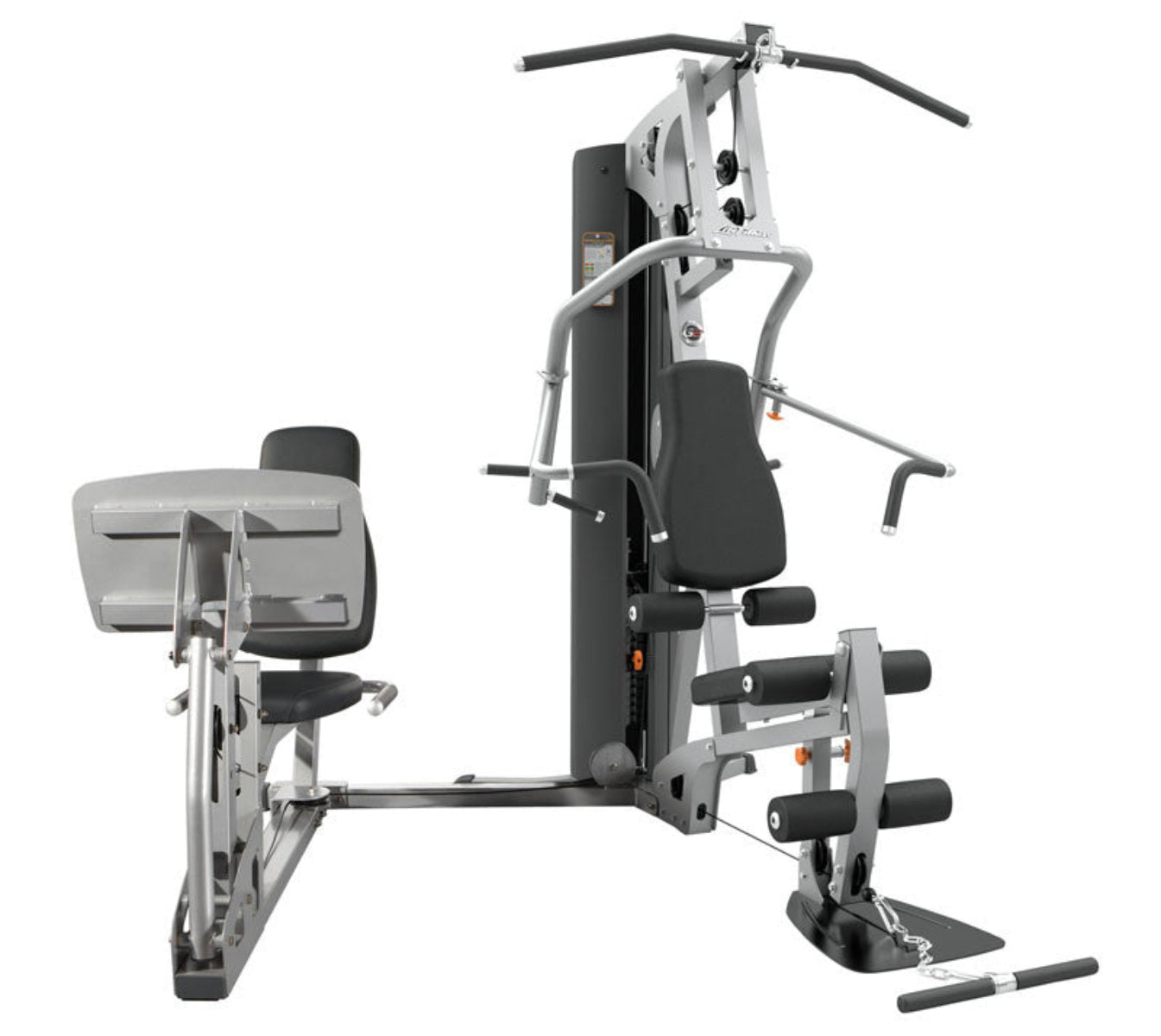
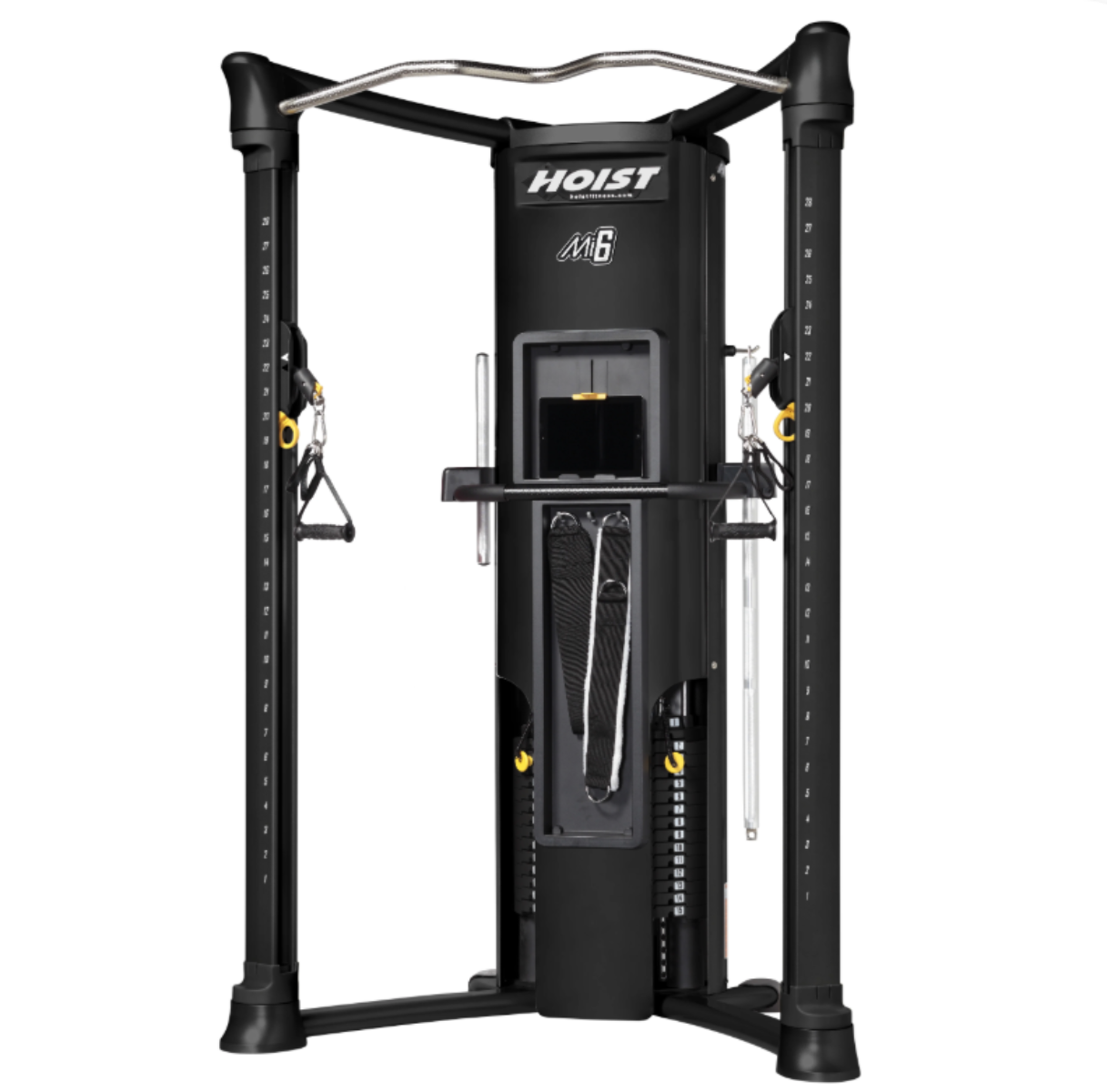
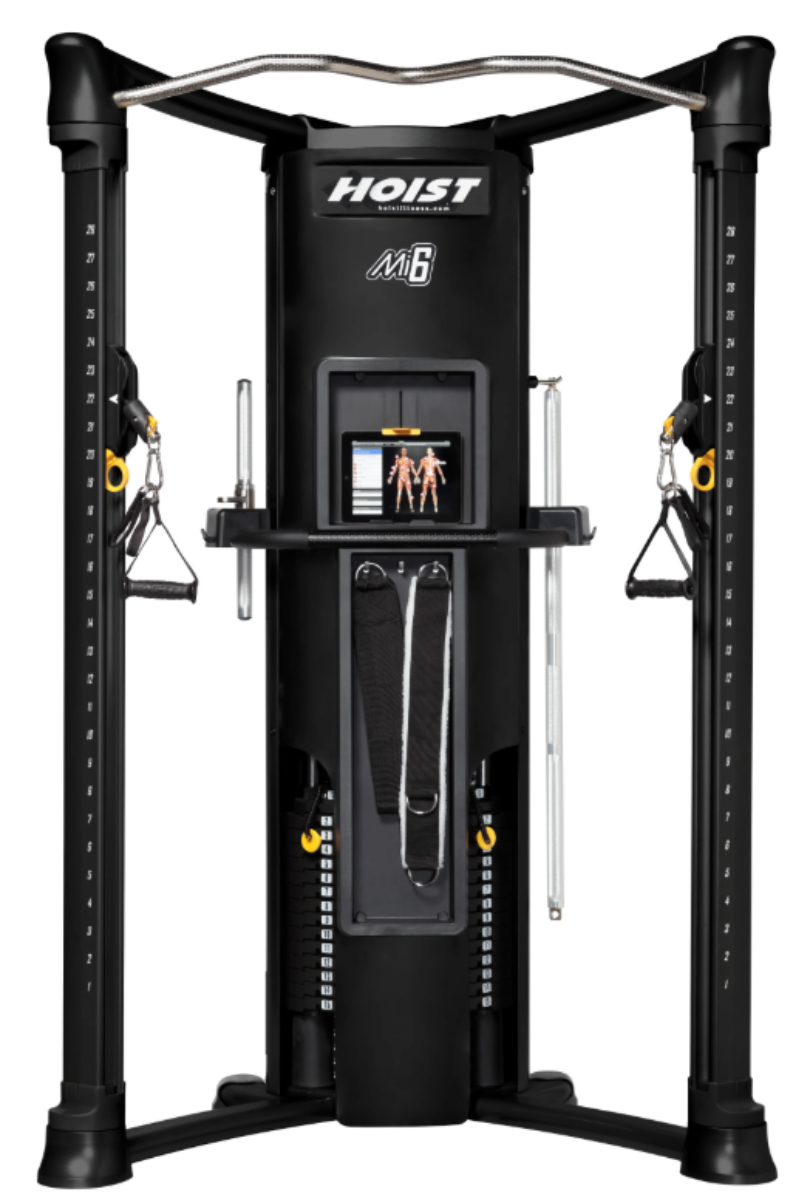
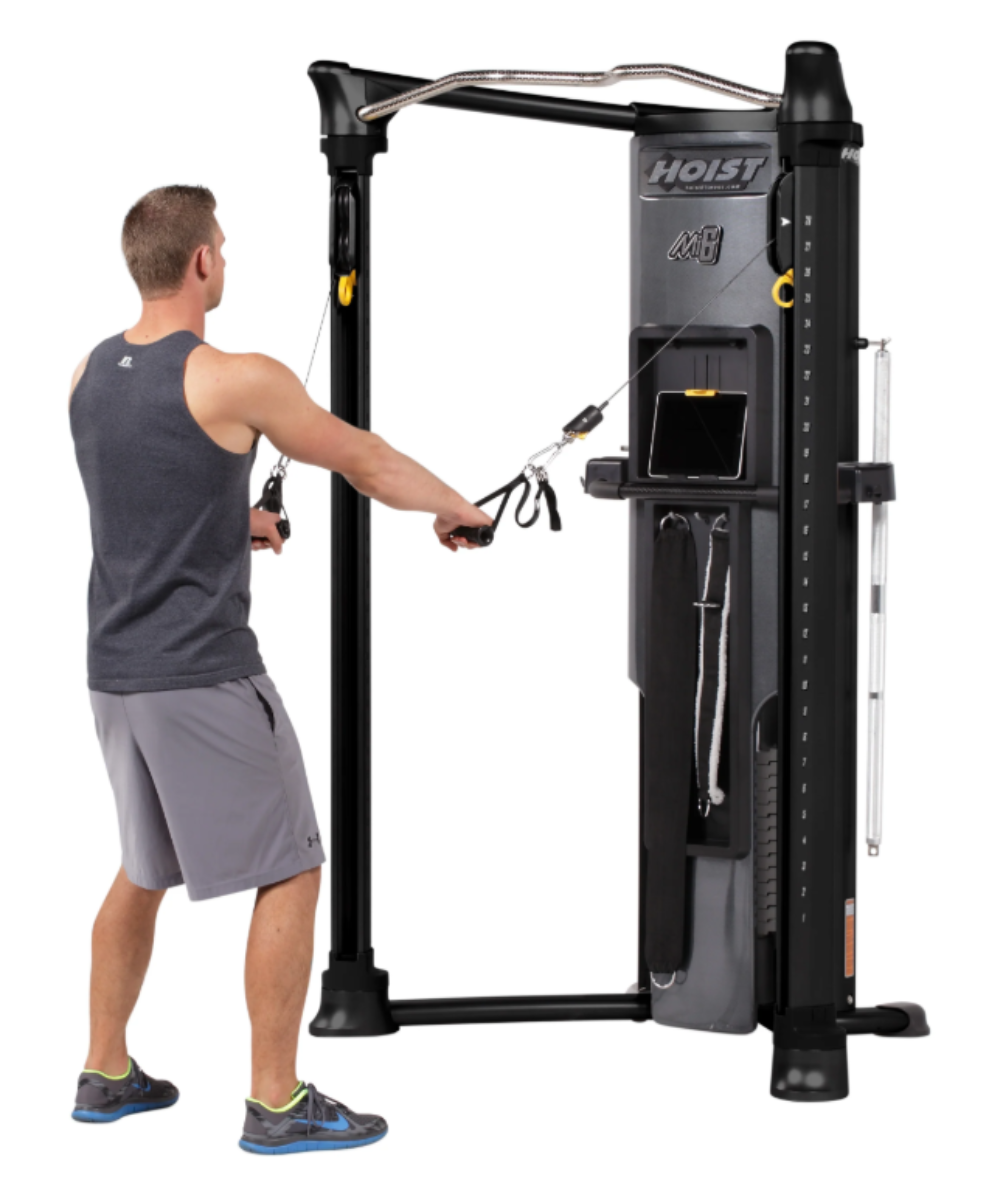
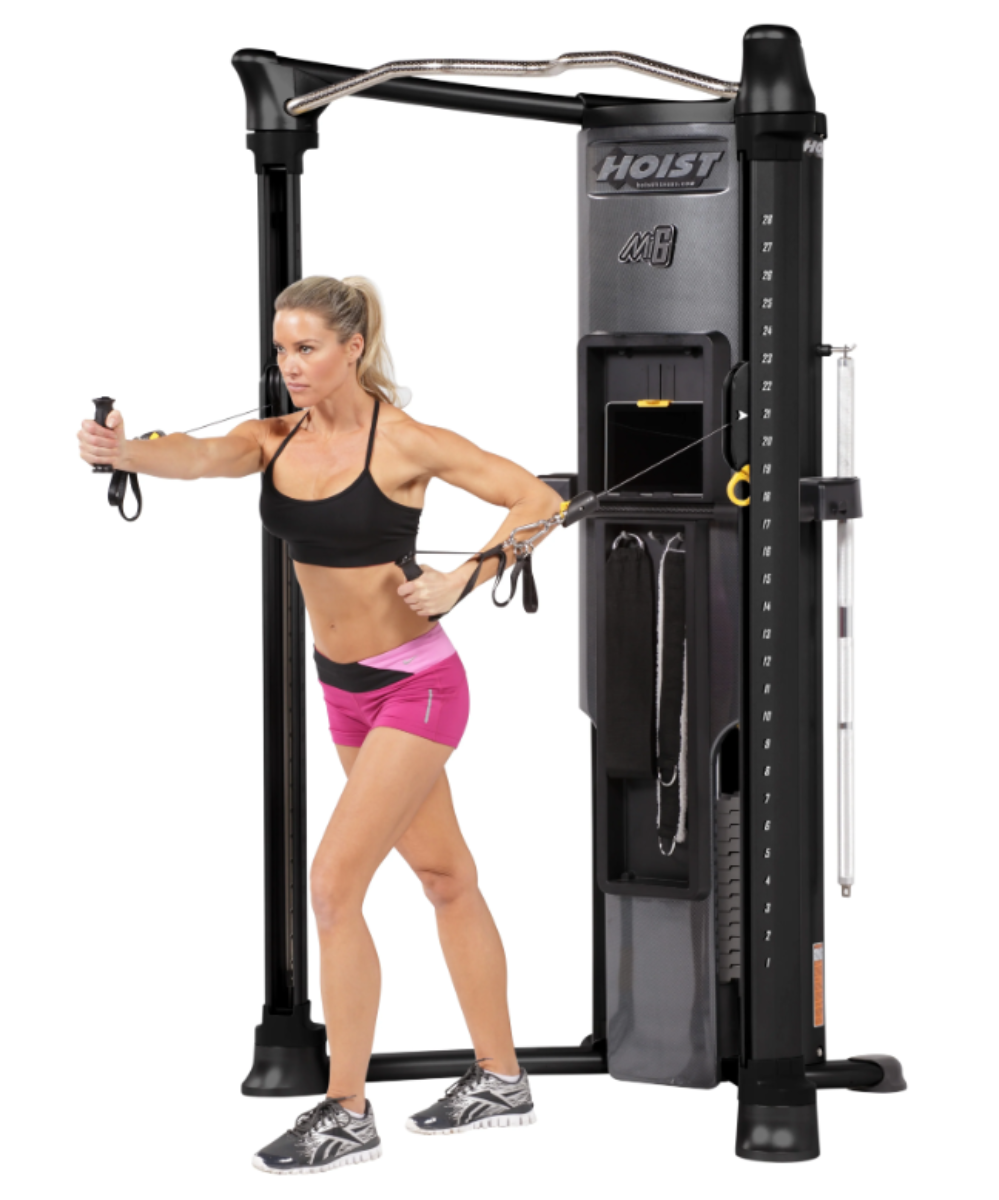
Hoist Fitness Mi6 Functional Training System
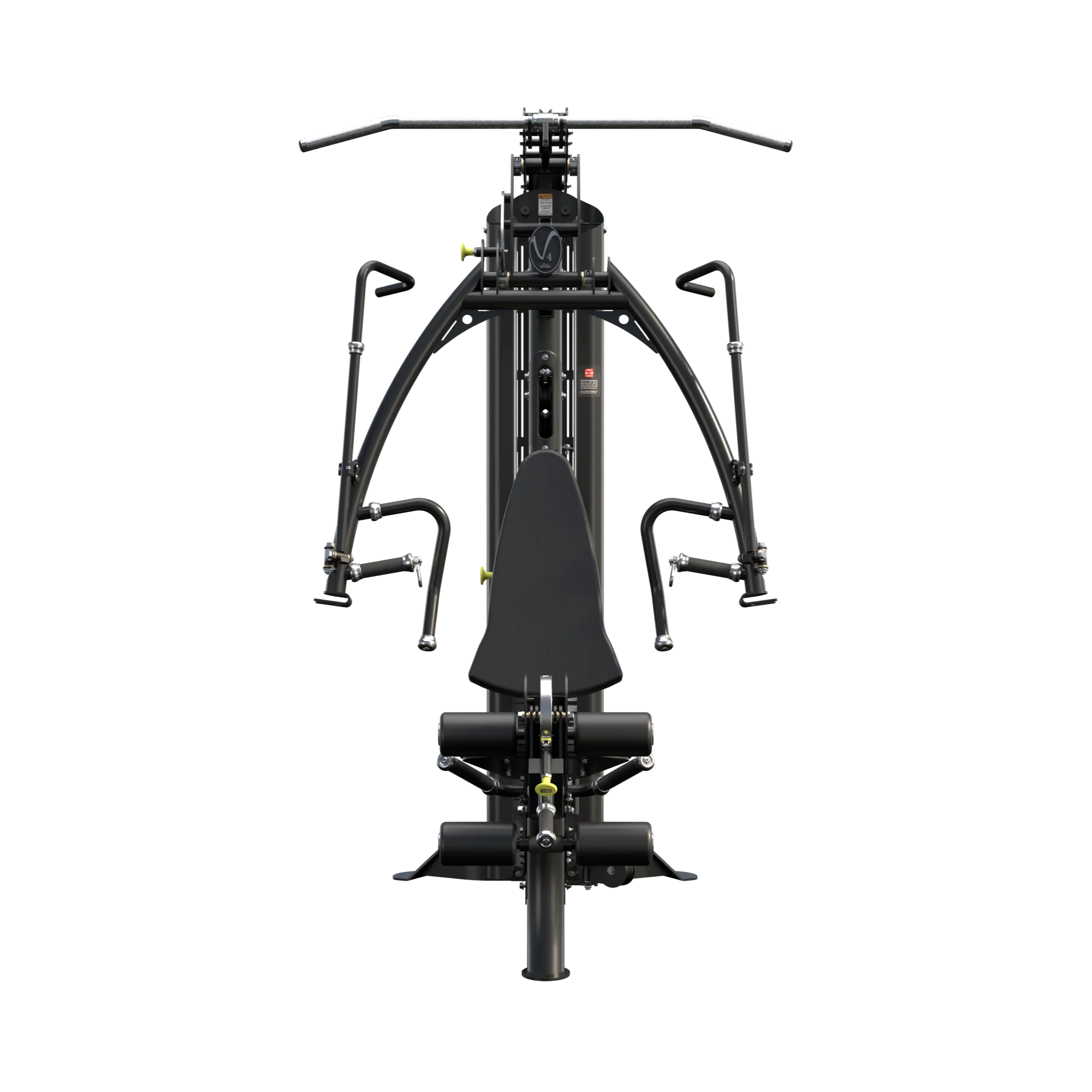
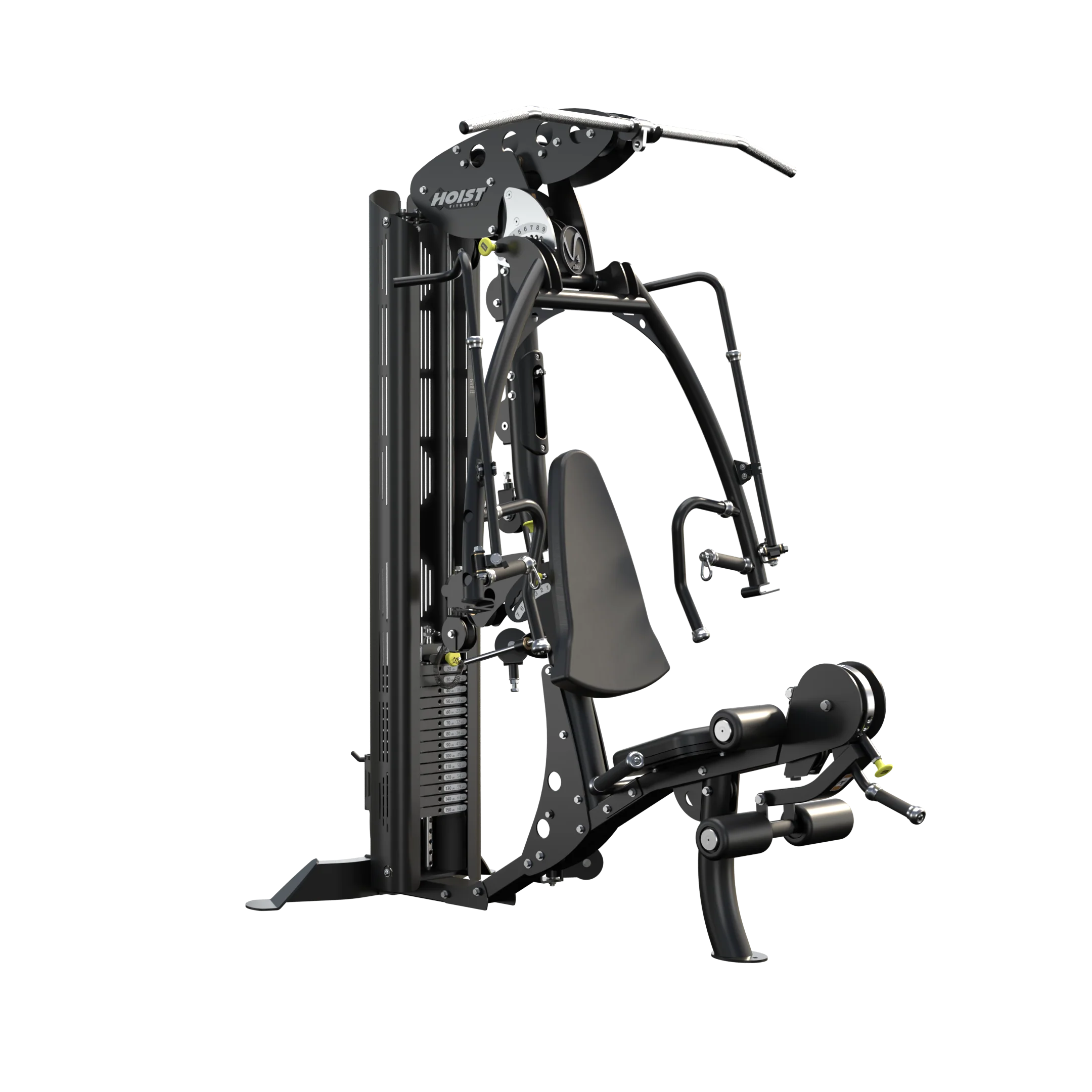
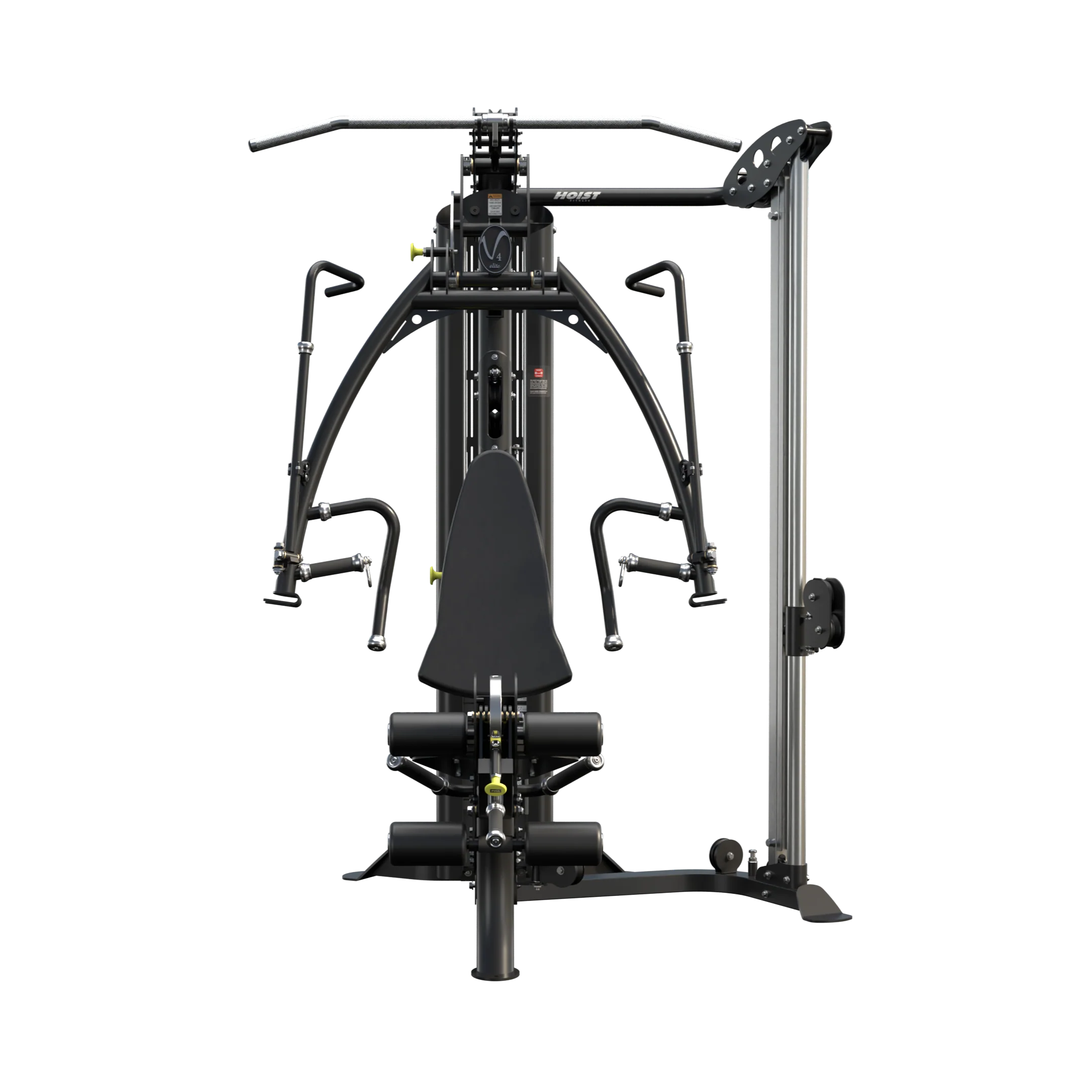
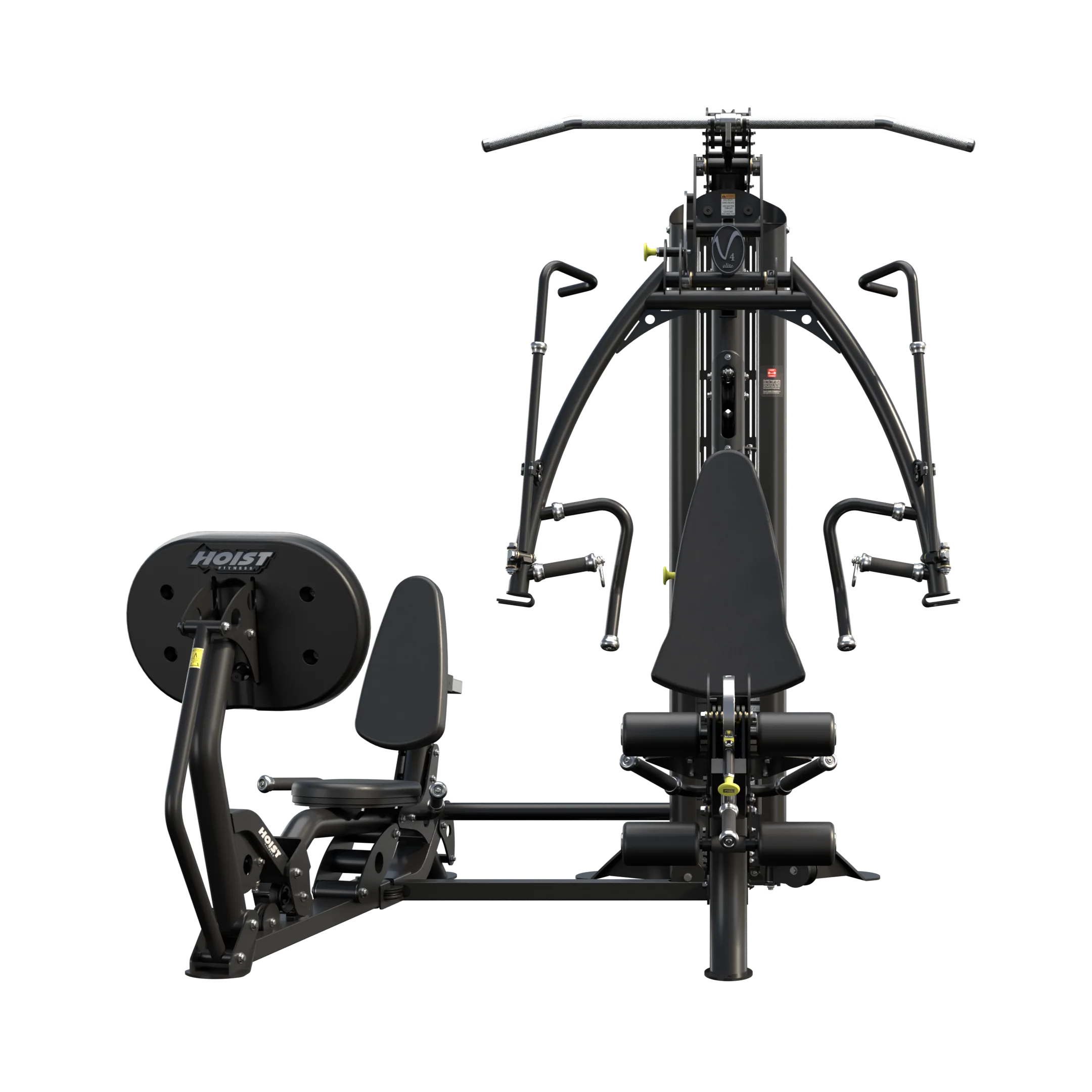
Hoist Fitness V4 Elite Home Gym
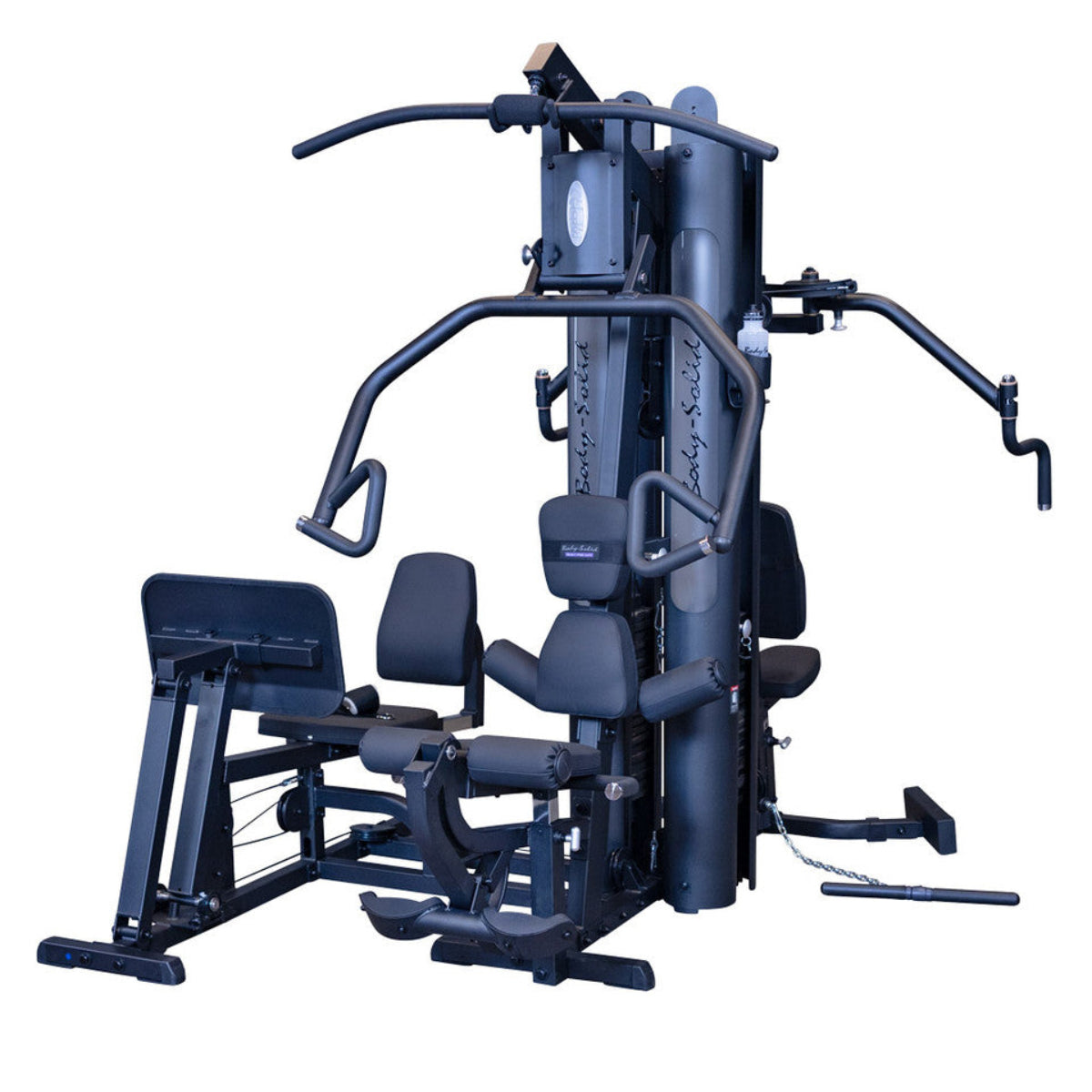
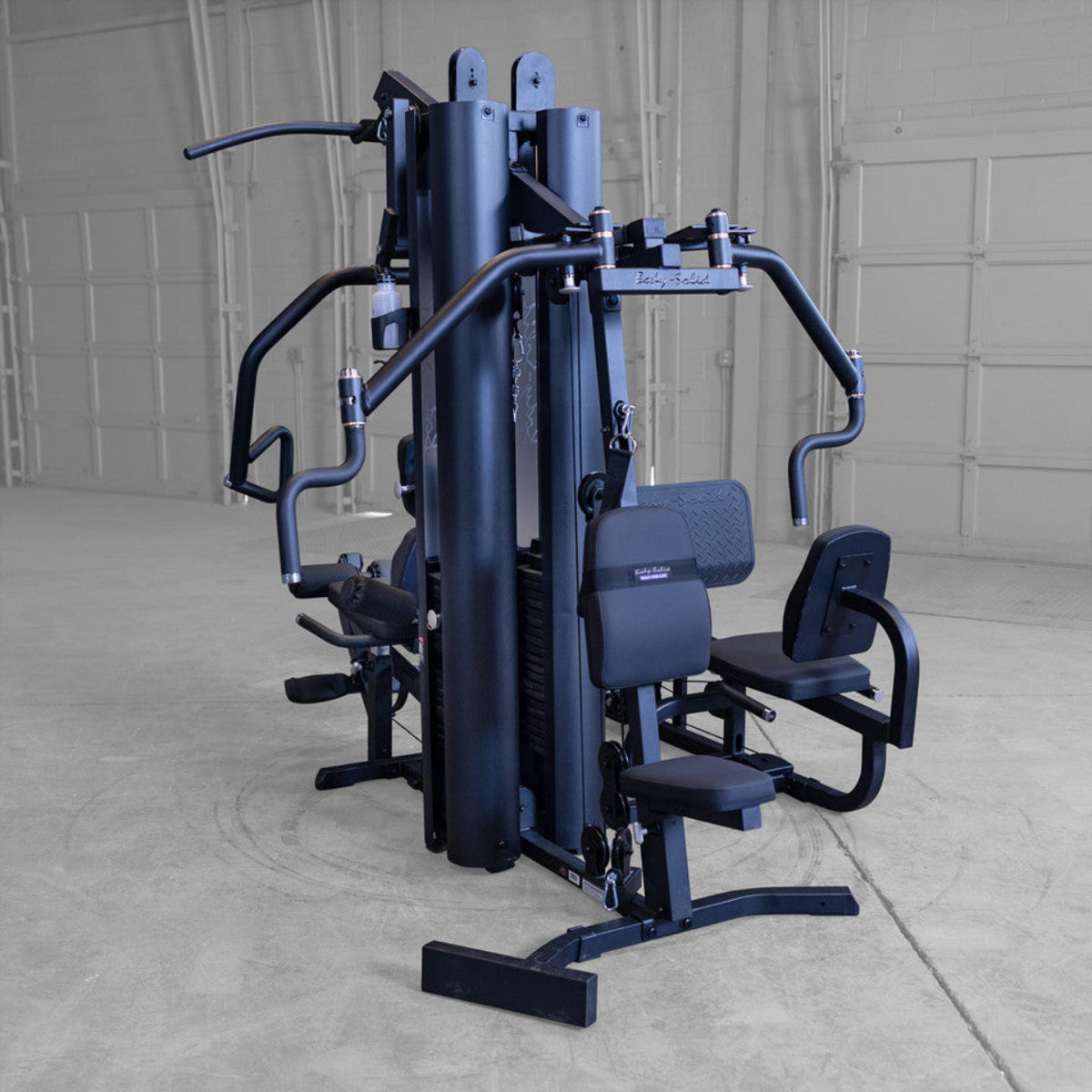
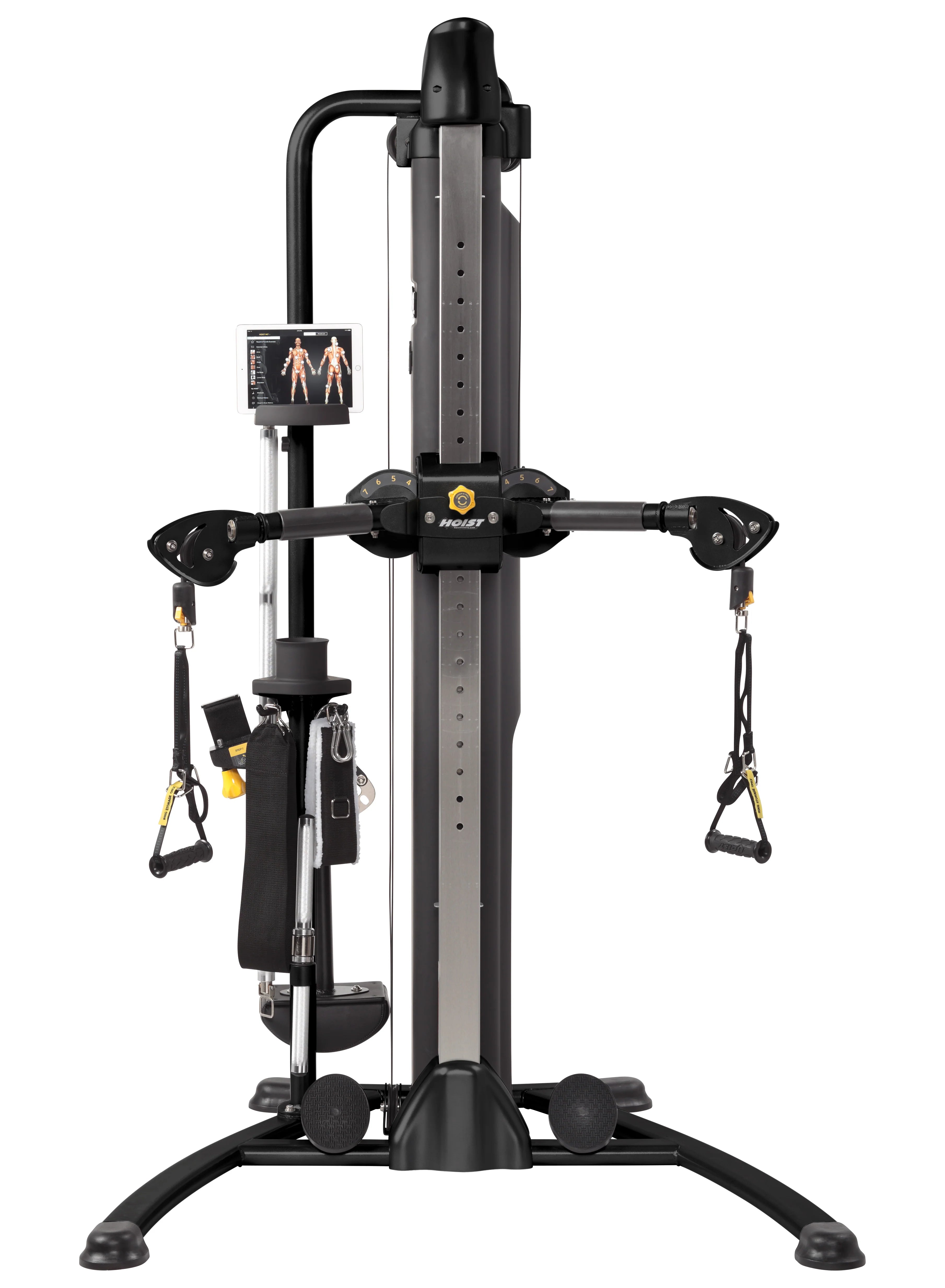
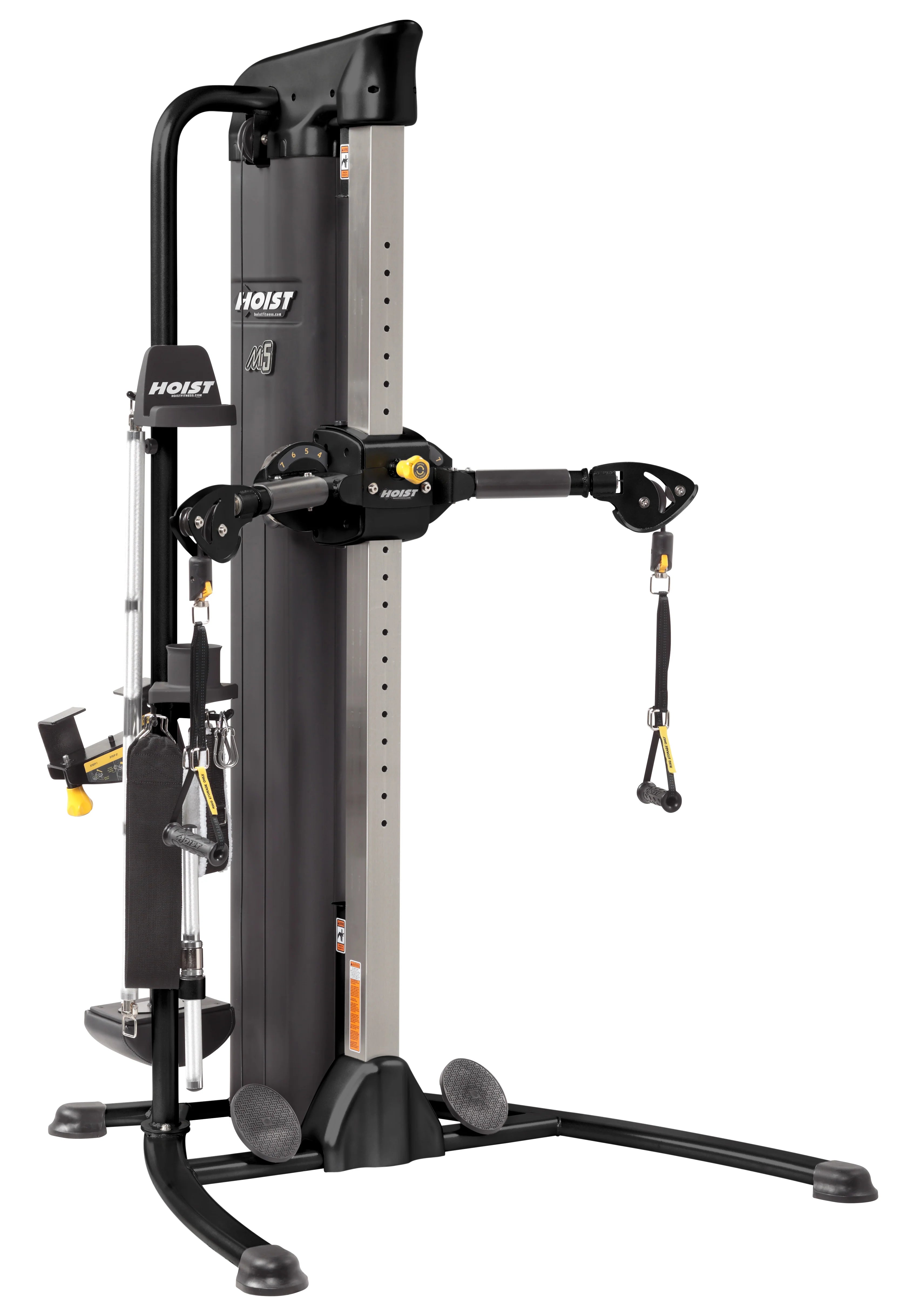
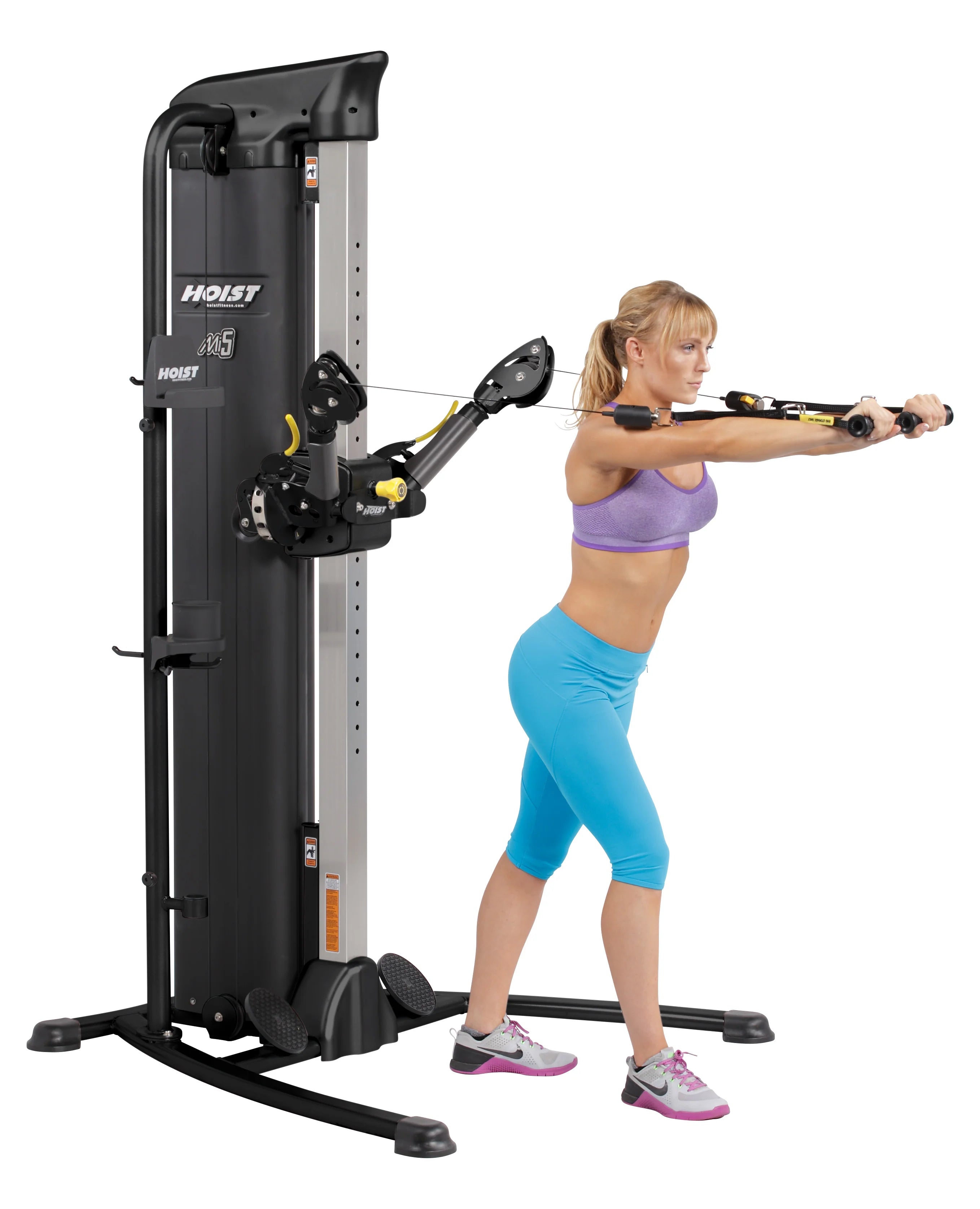
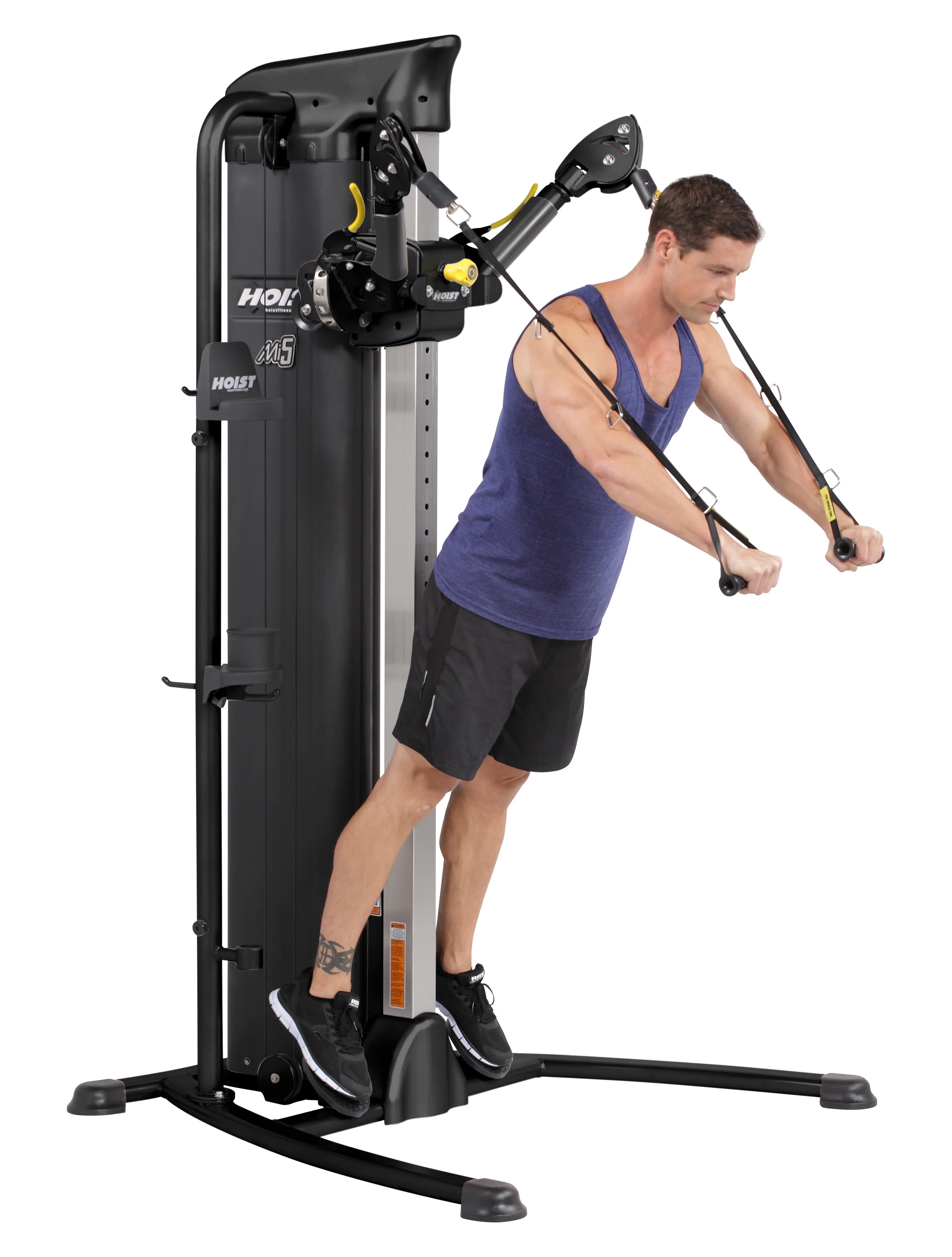
Hoist Fitness Mi5 Functional Trainer
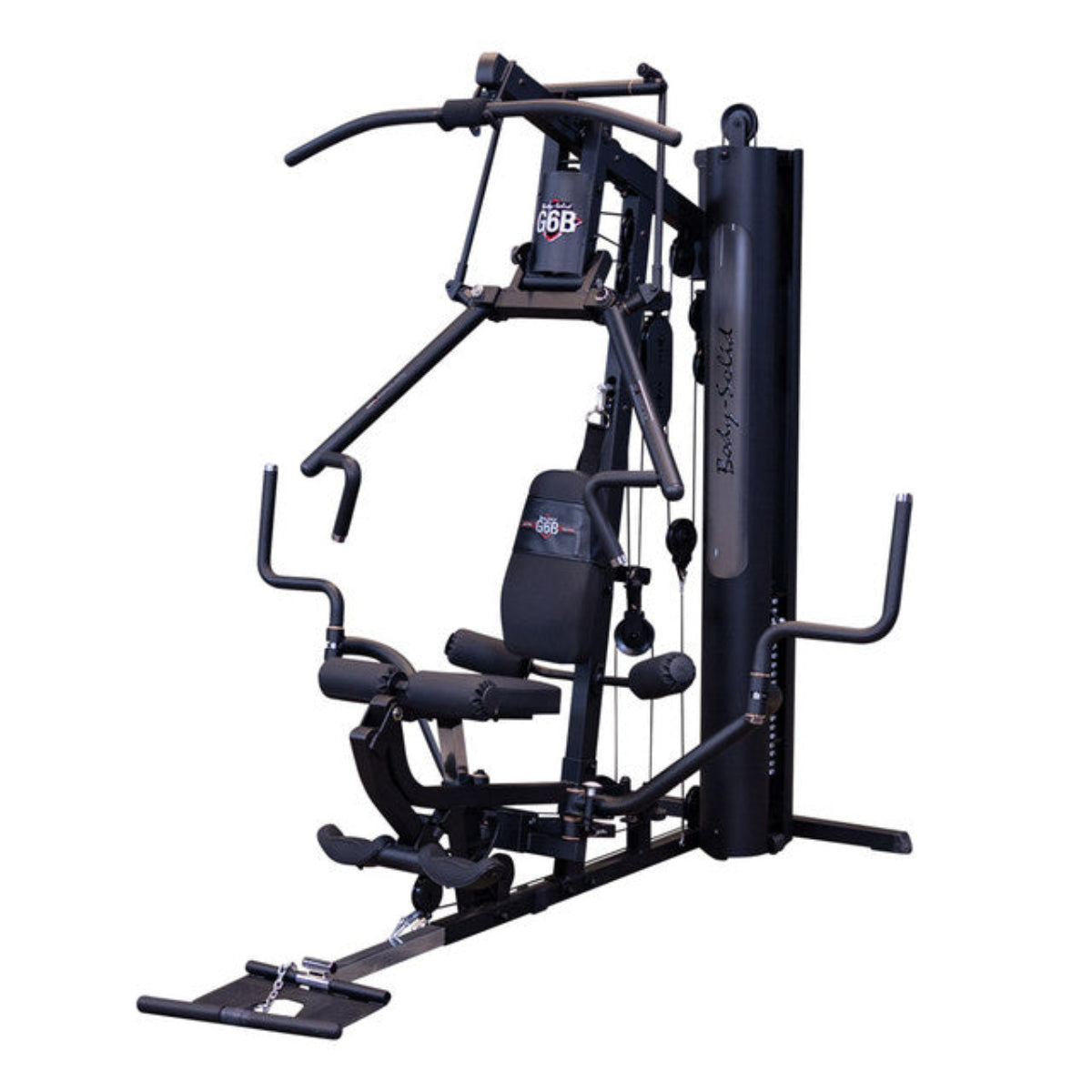
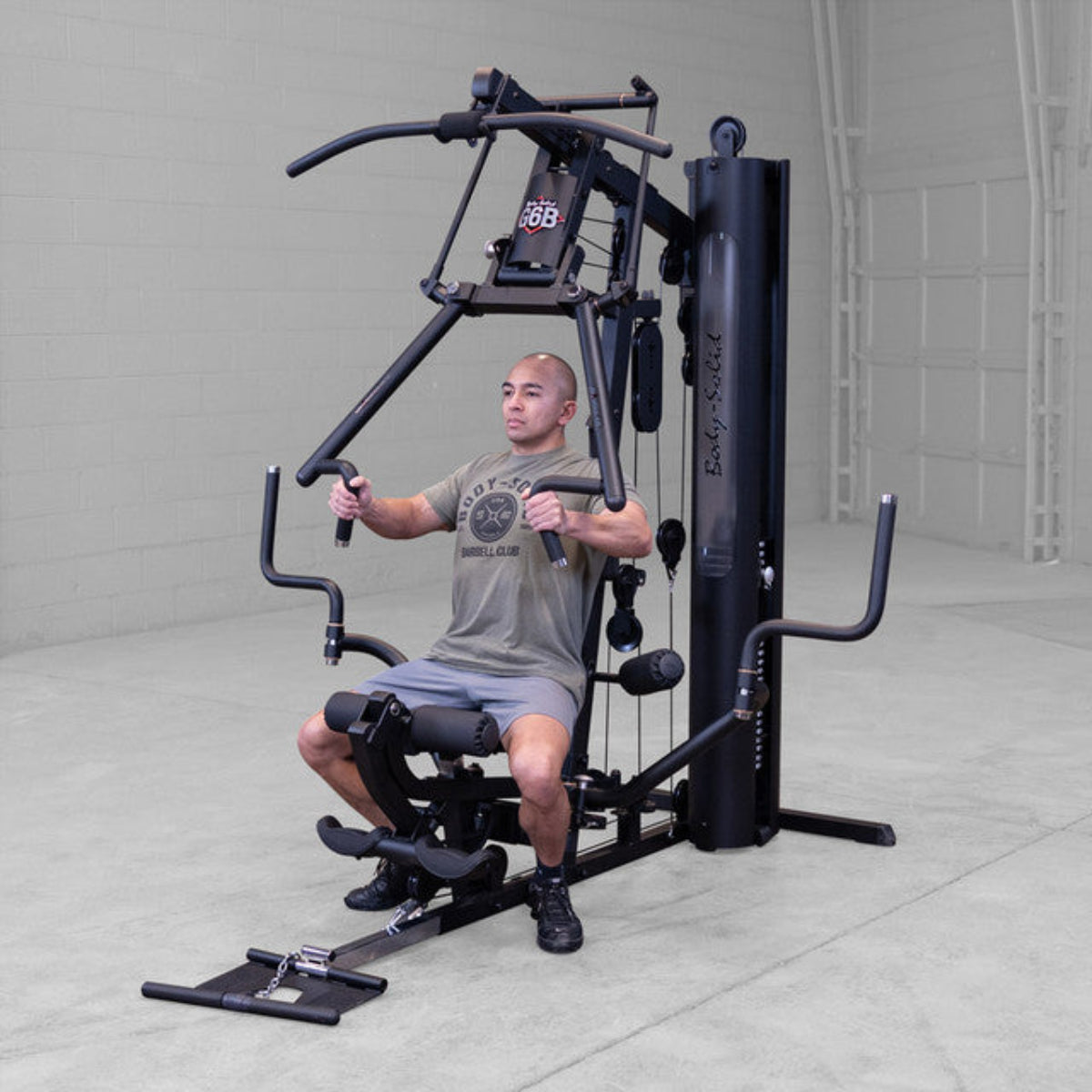
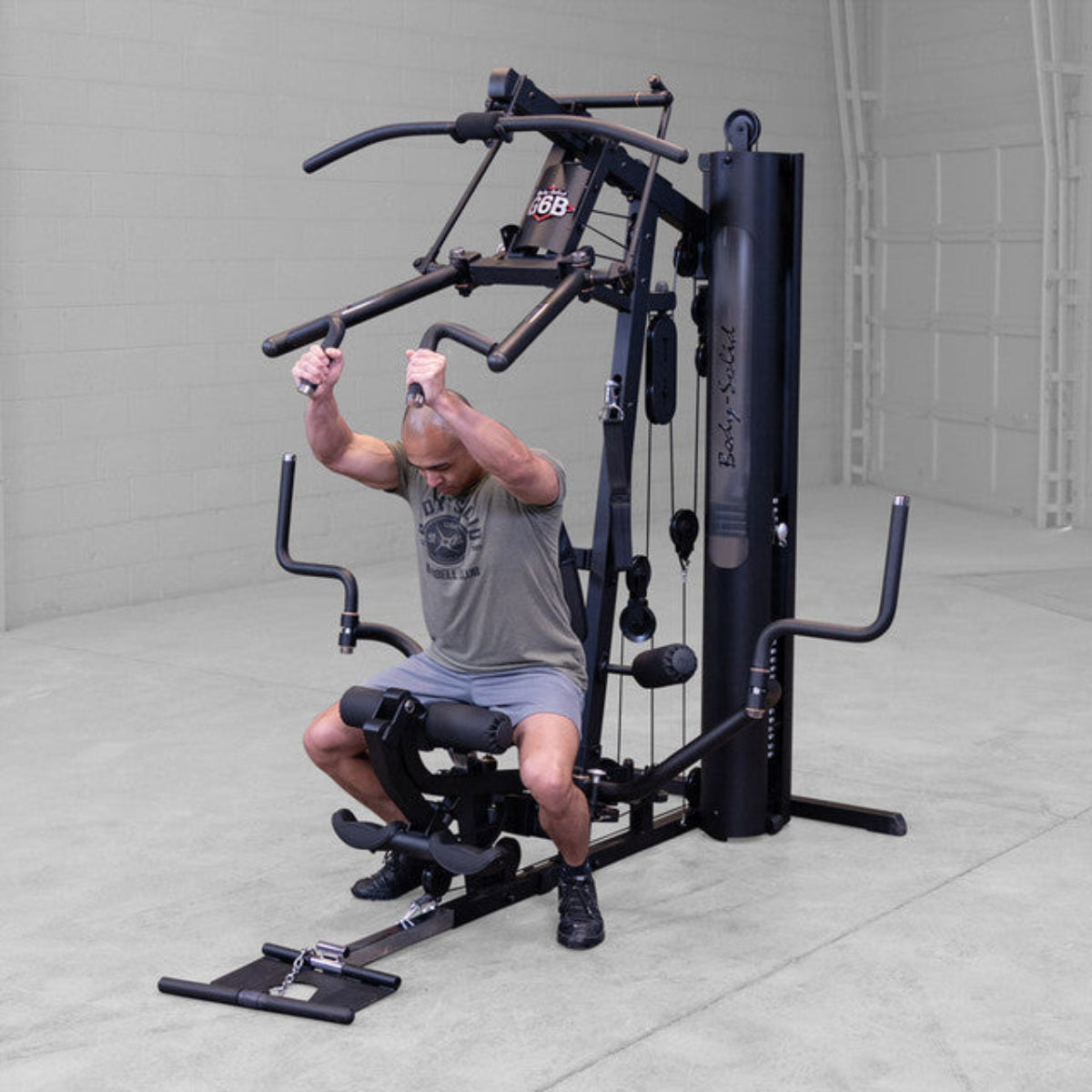
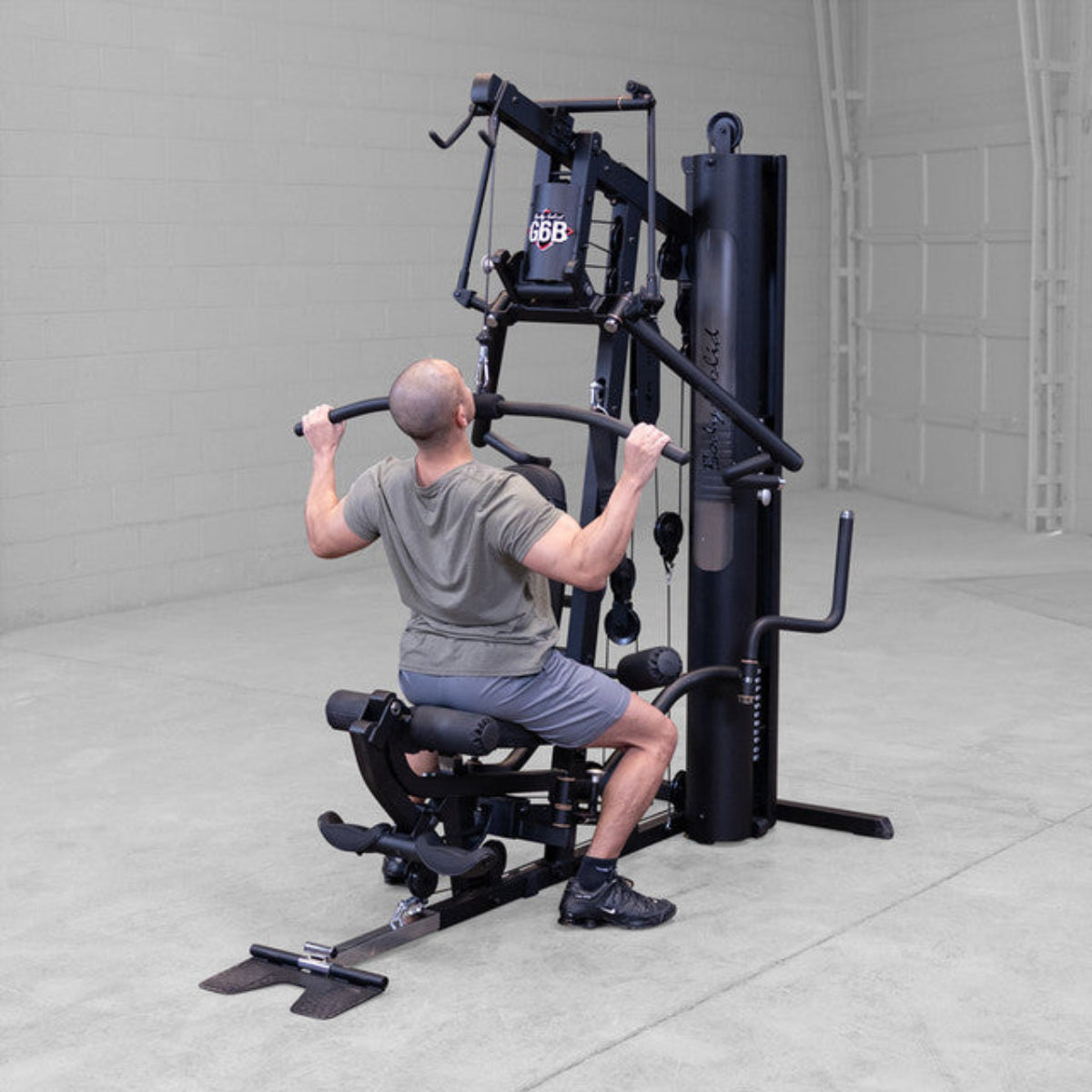
Body-Solid Red G6BR Bi Angular Gym

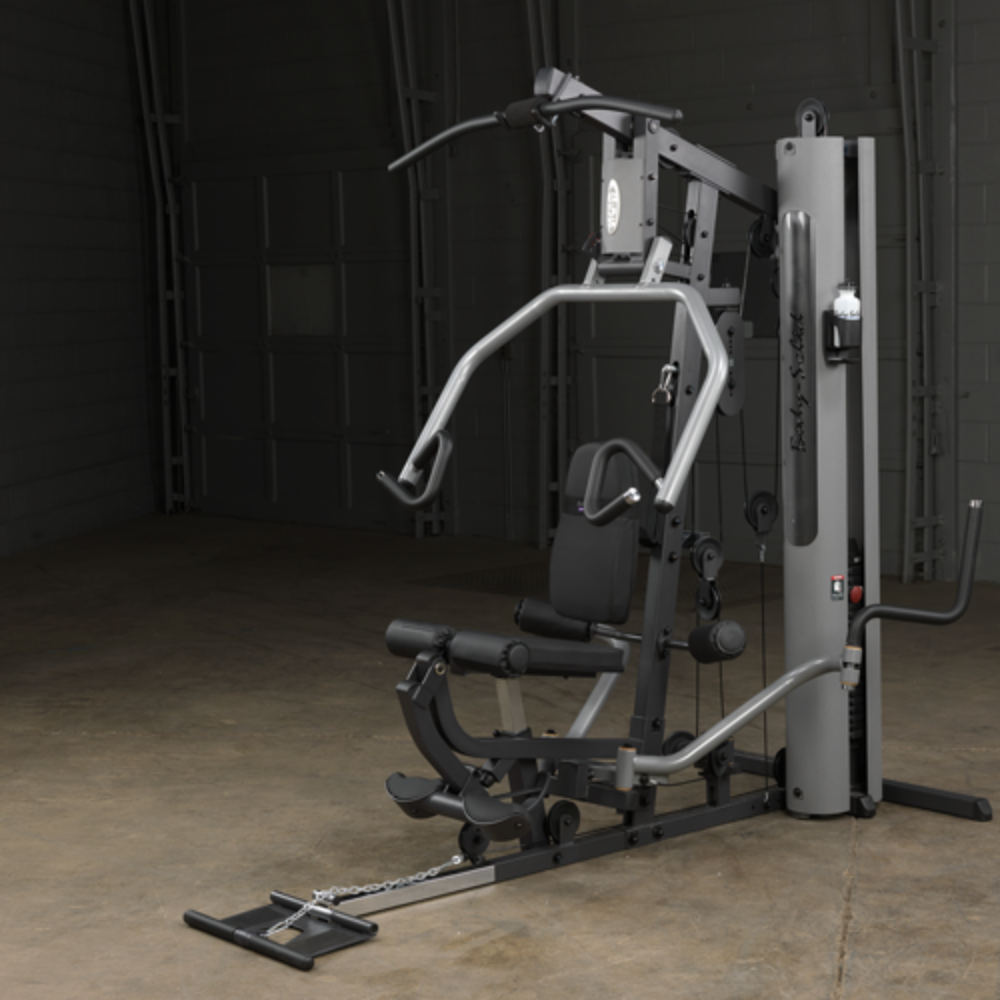
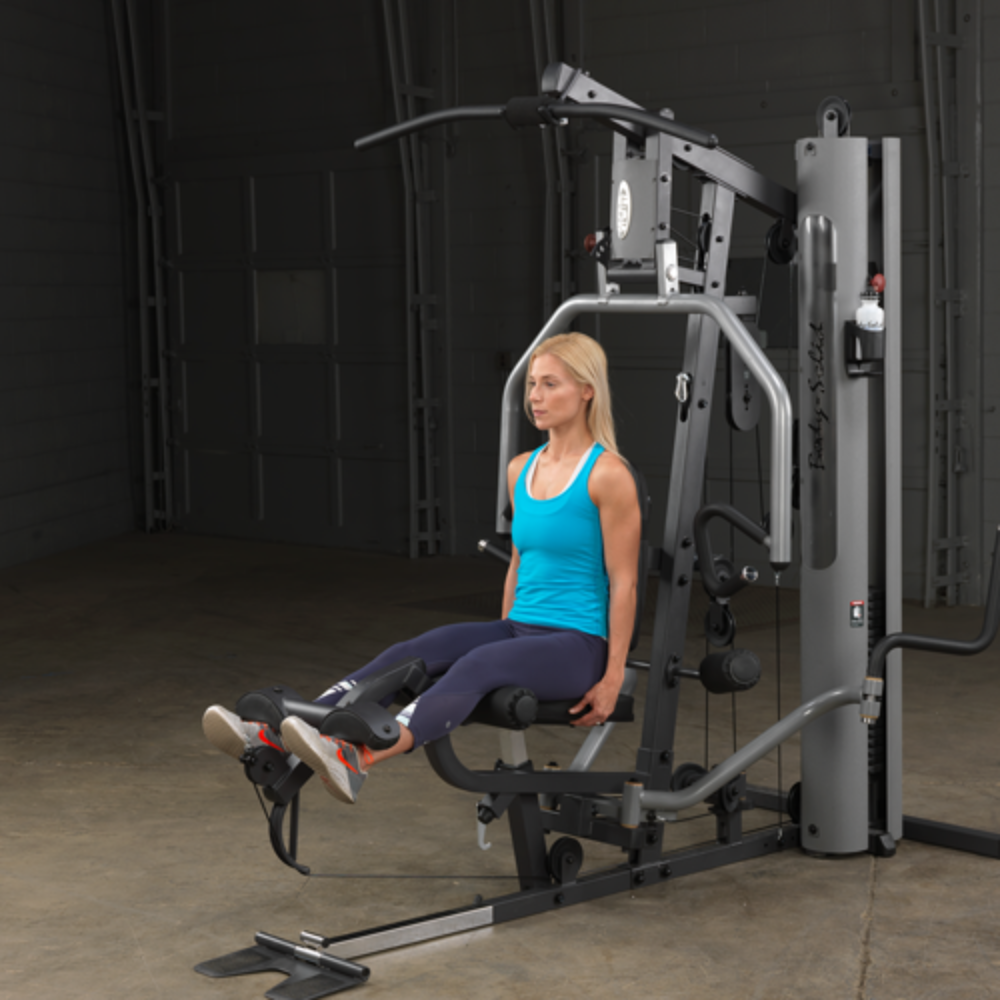
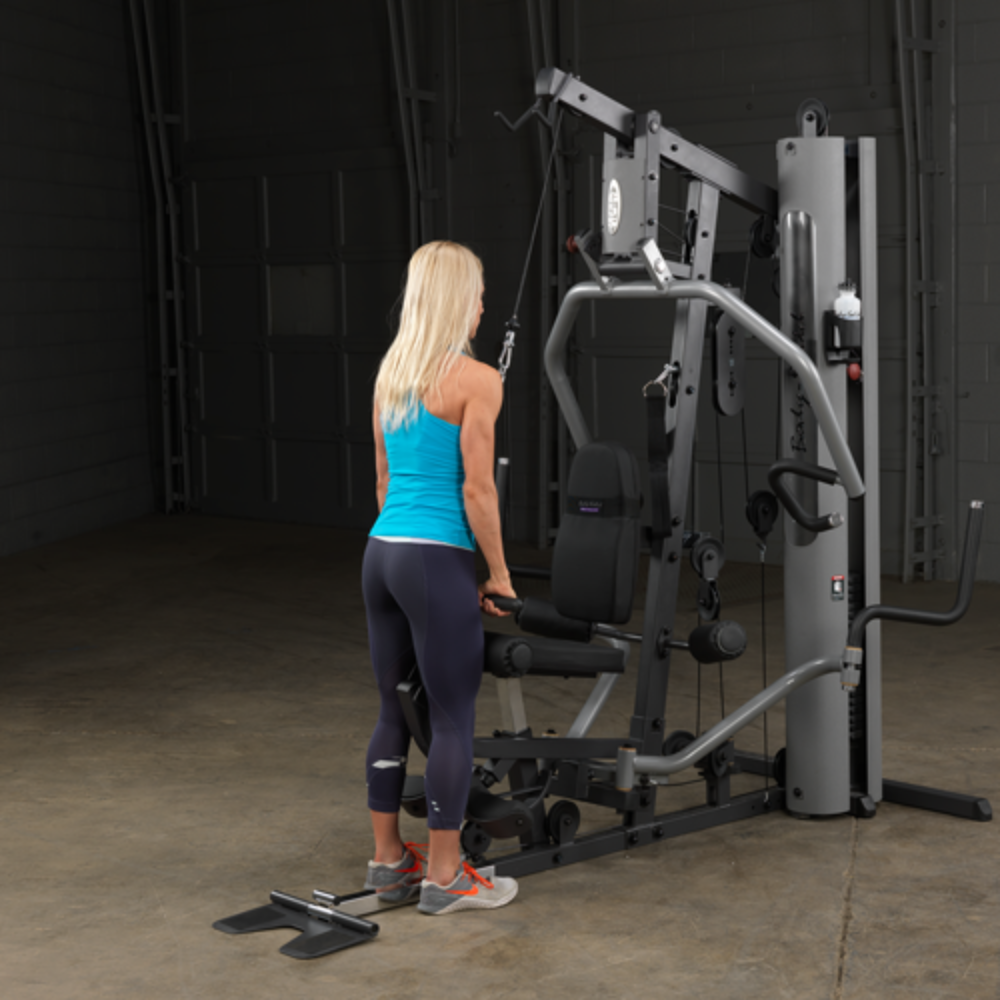
Body-Solid G5S Selectorized Gym
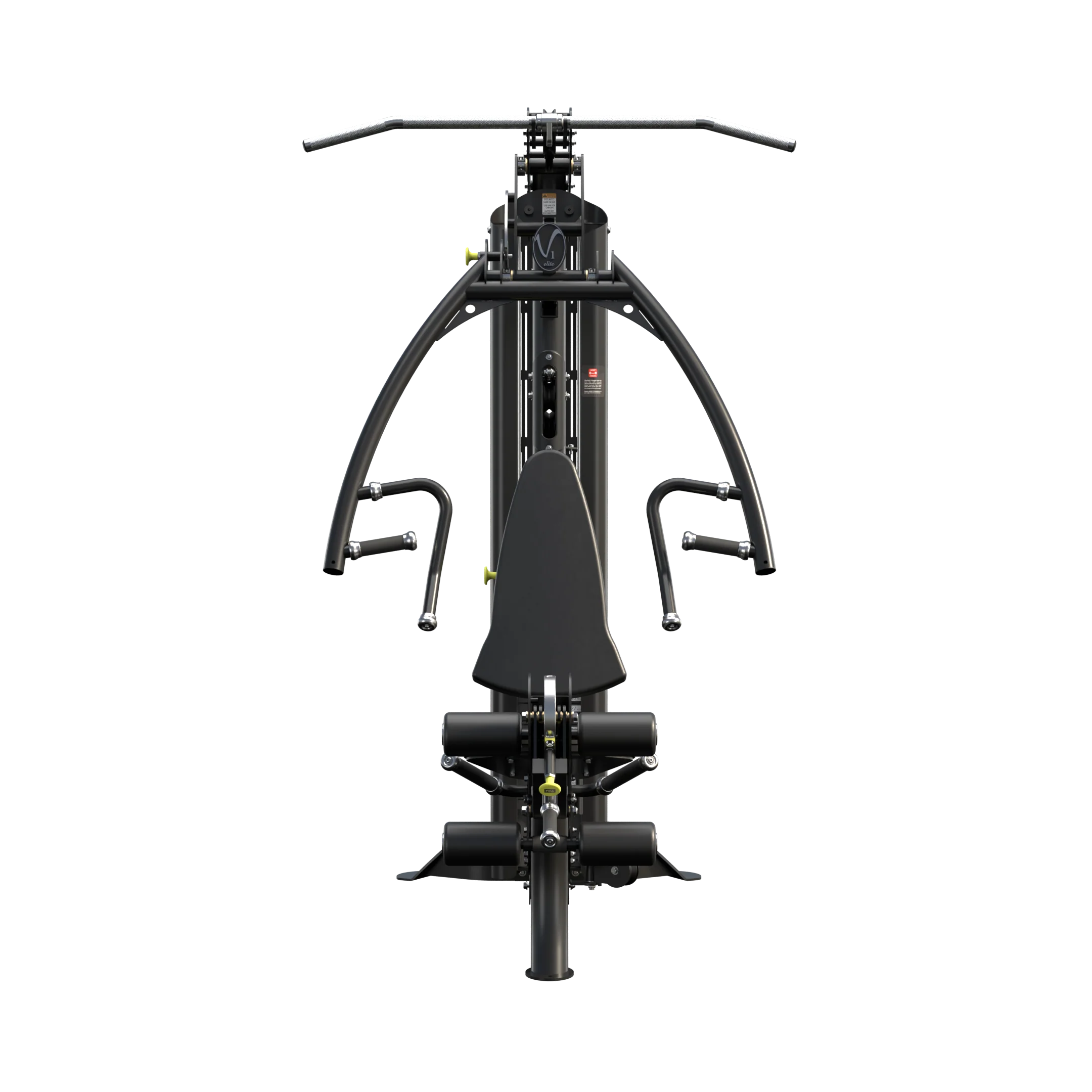
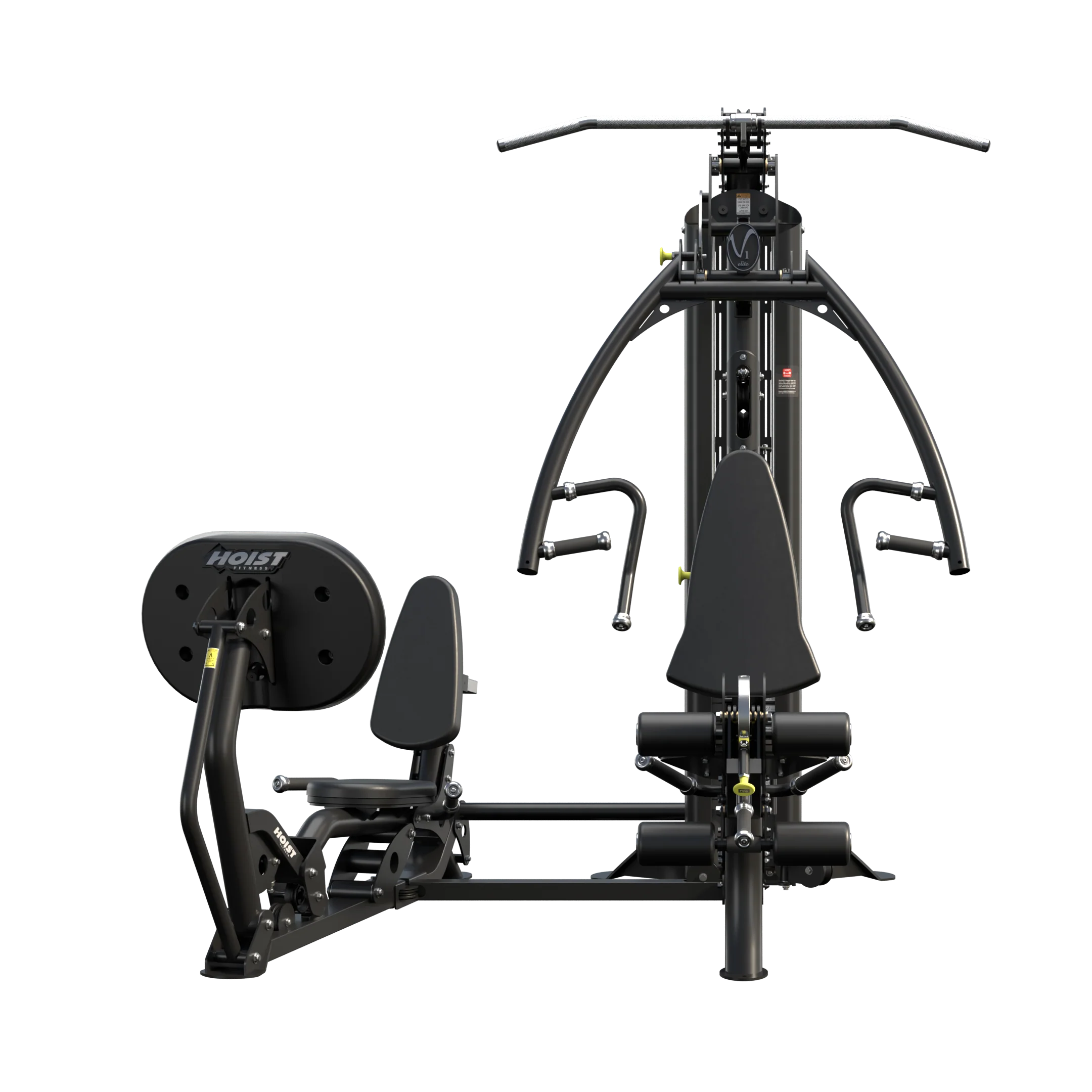
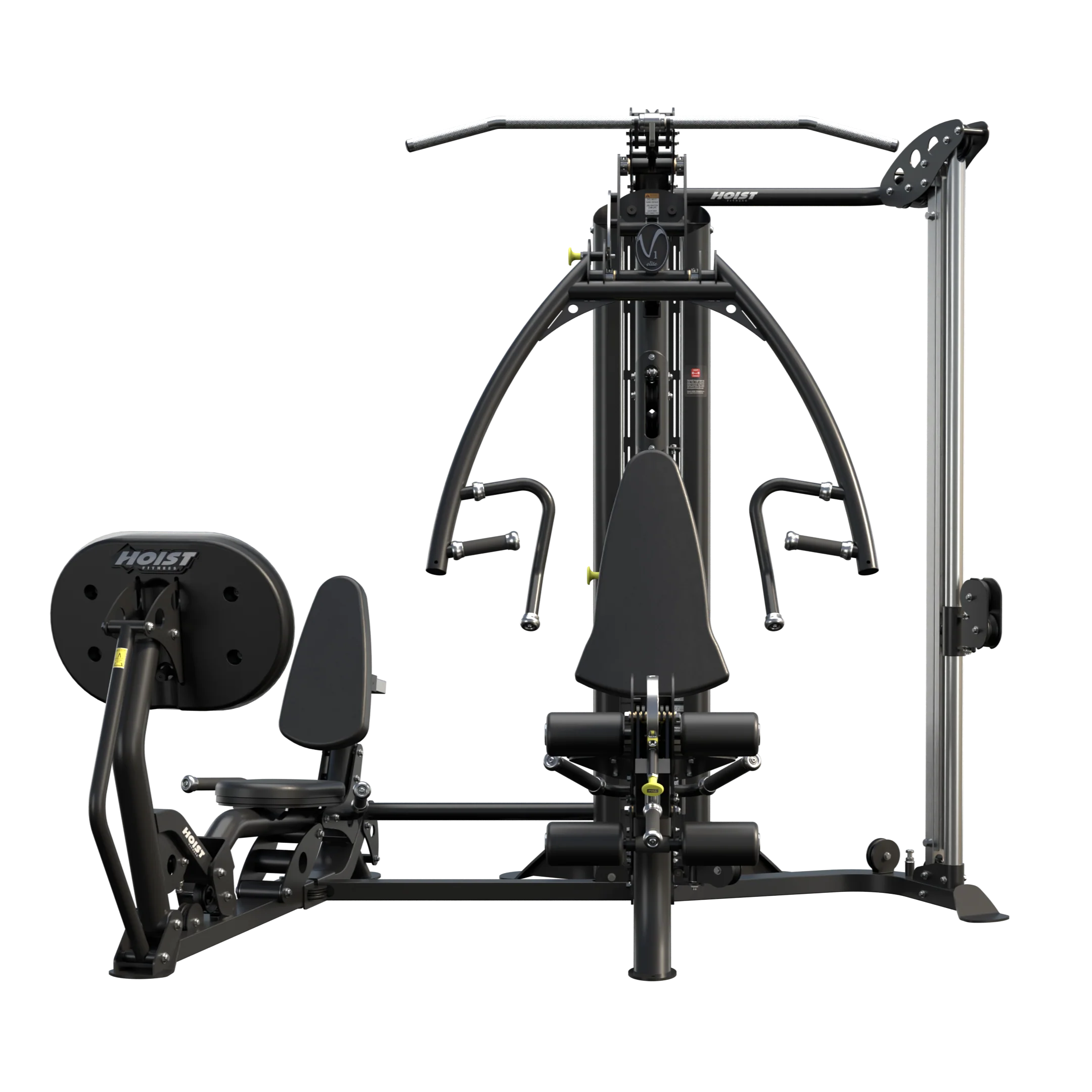
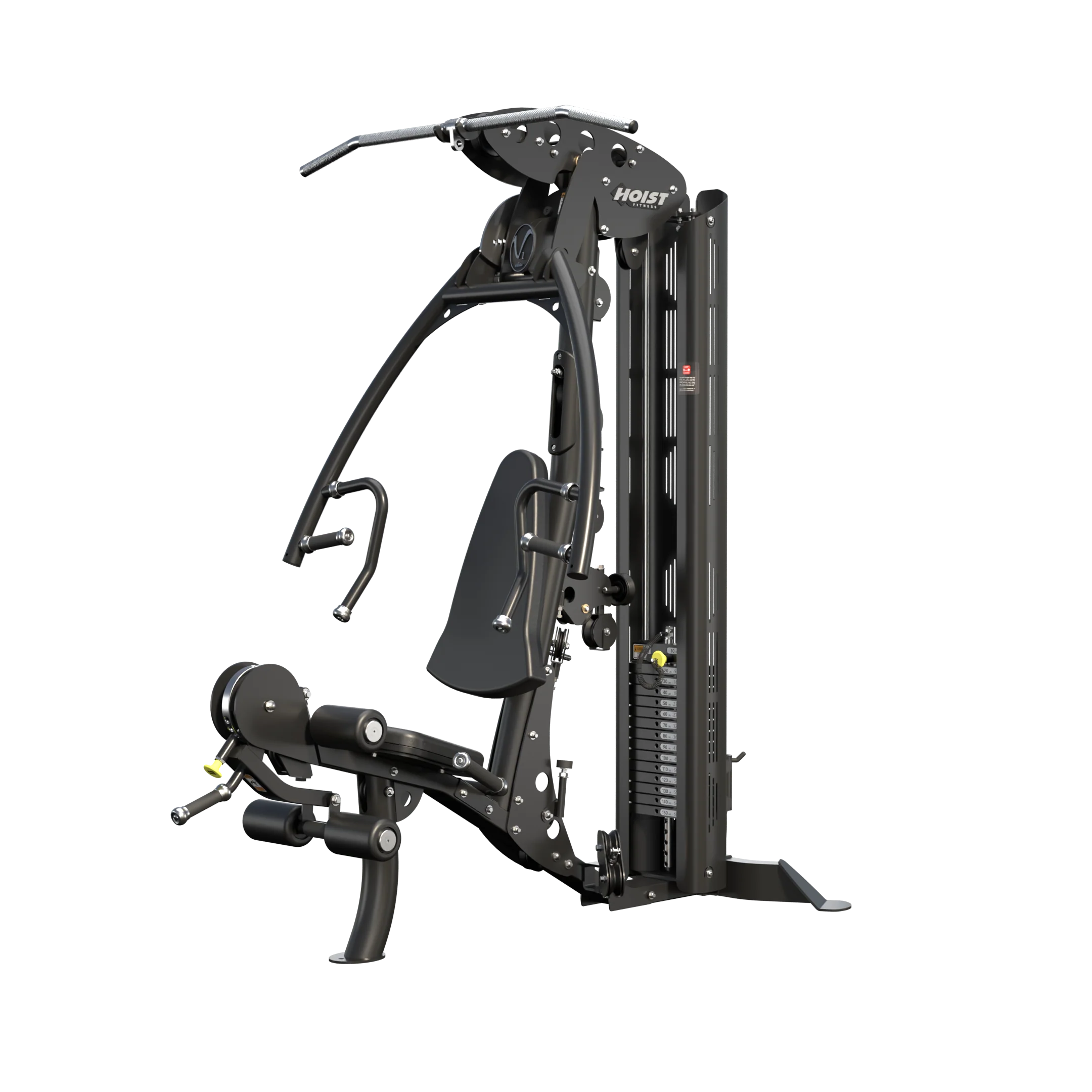
Hoist Fitness V1 Elite Home Gym
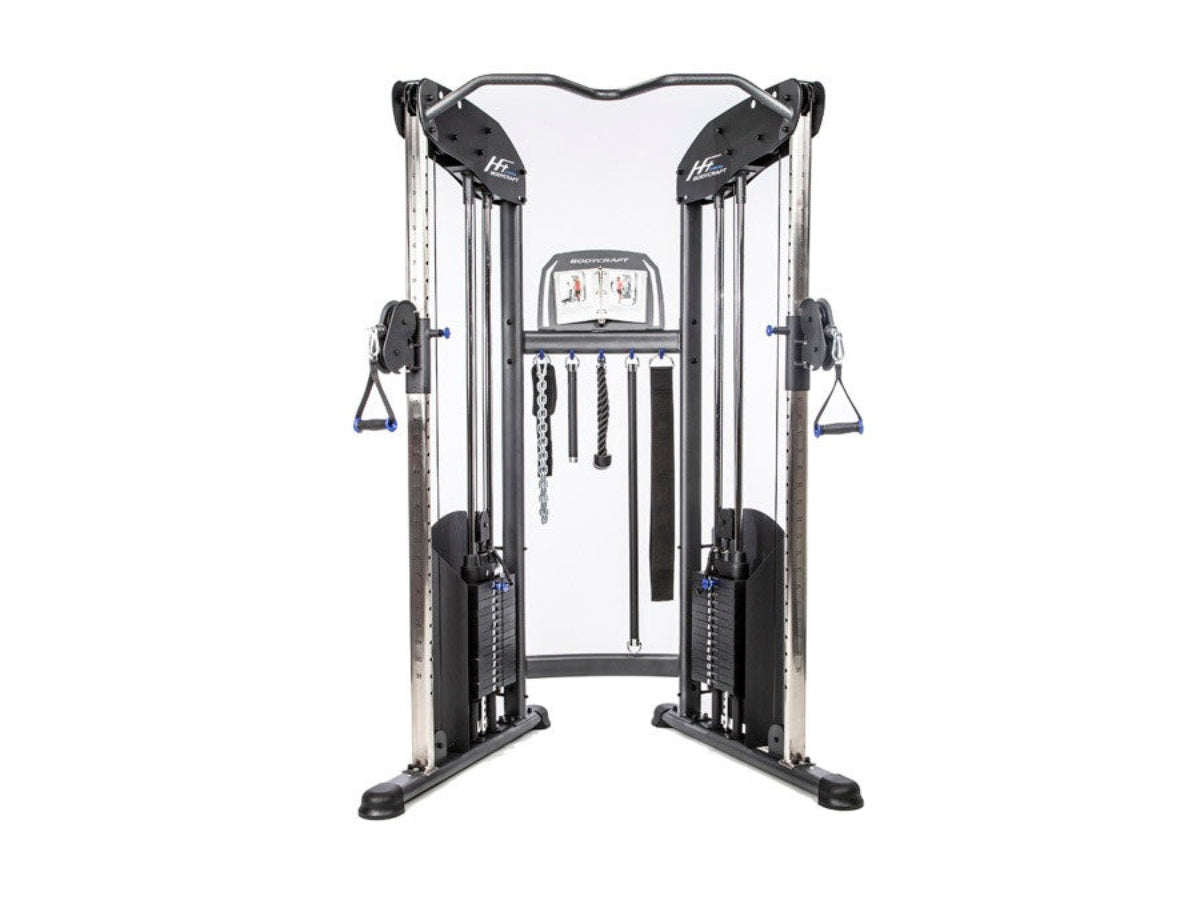
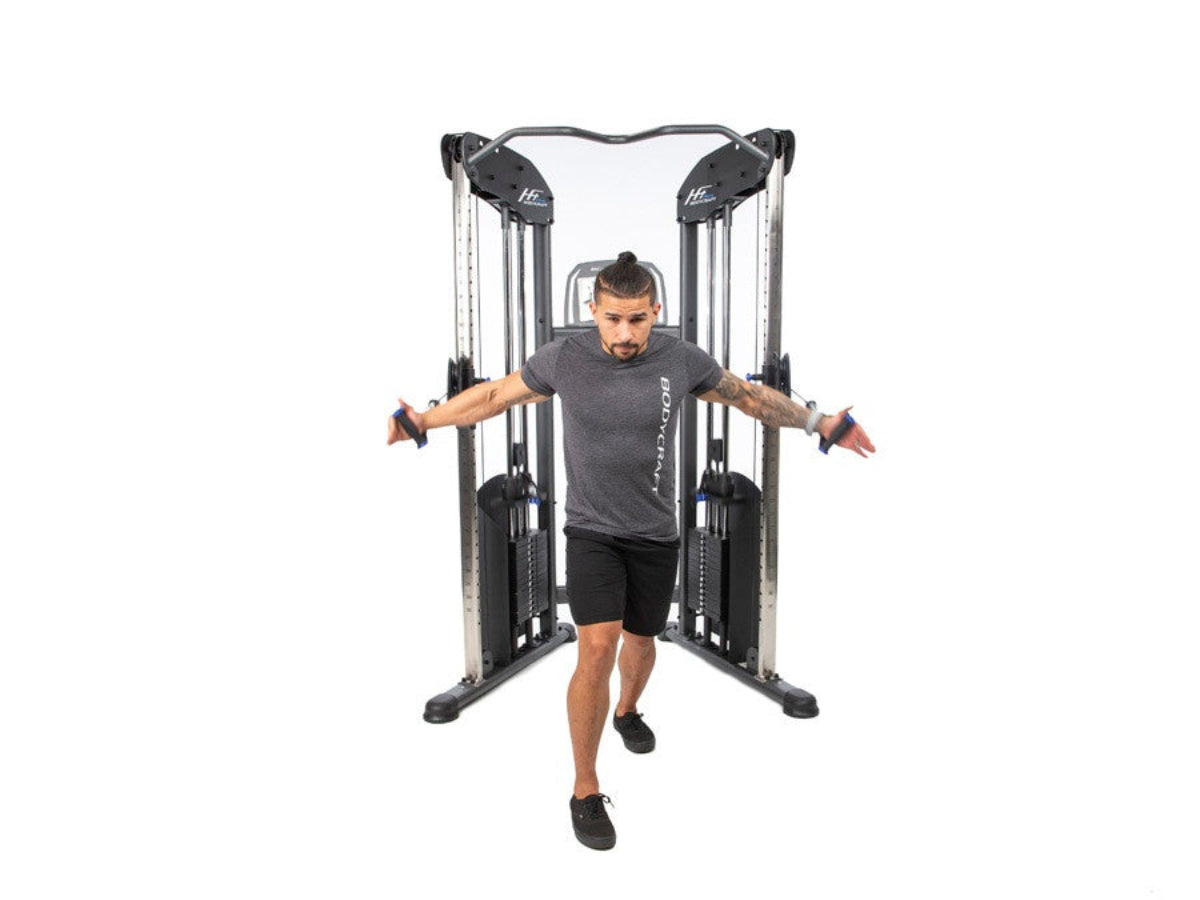
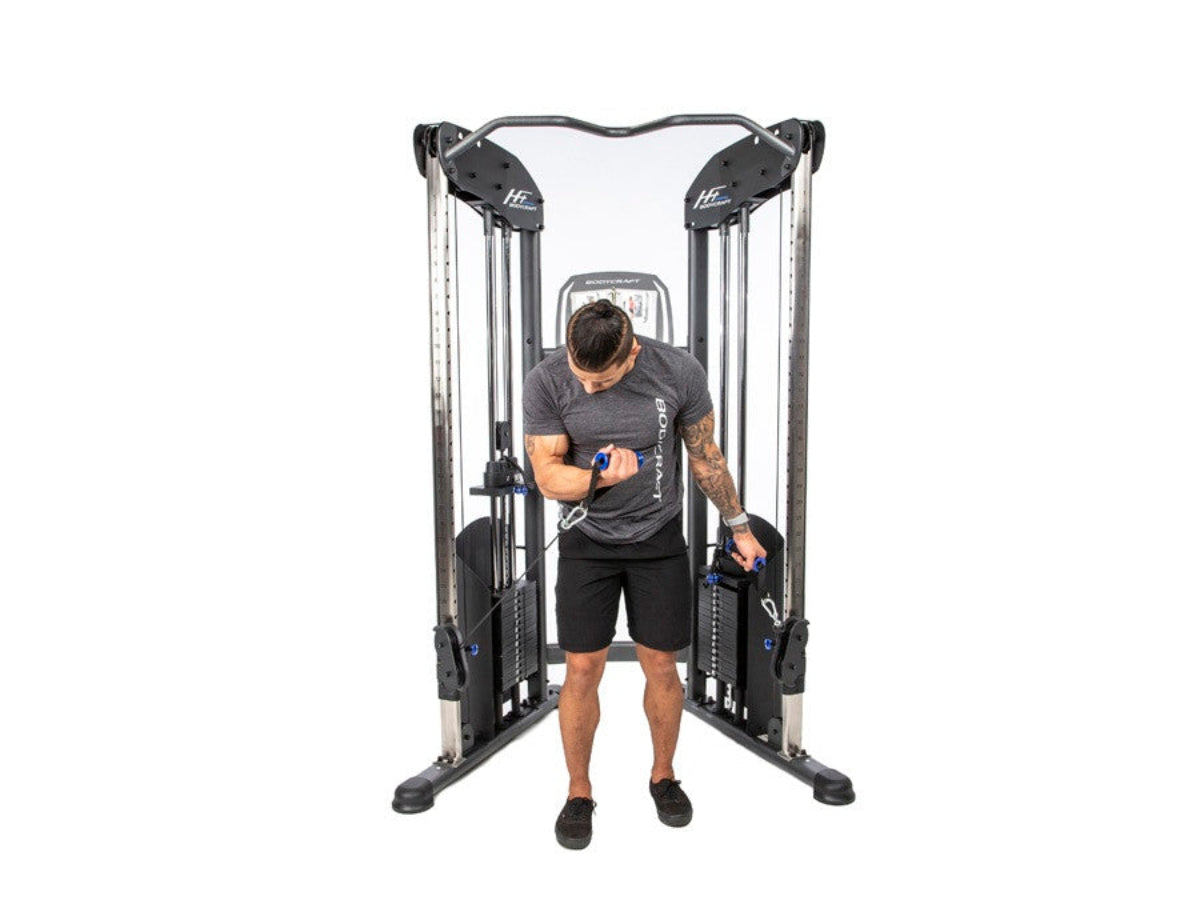
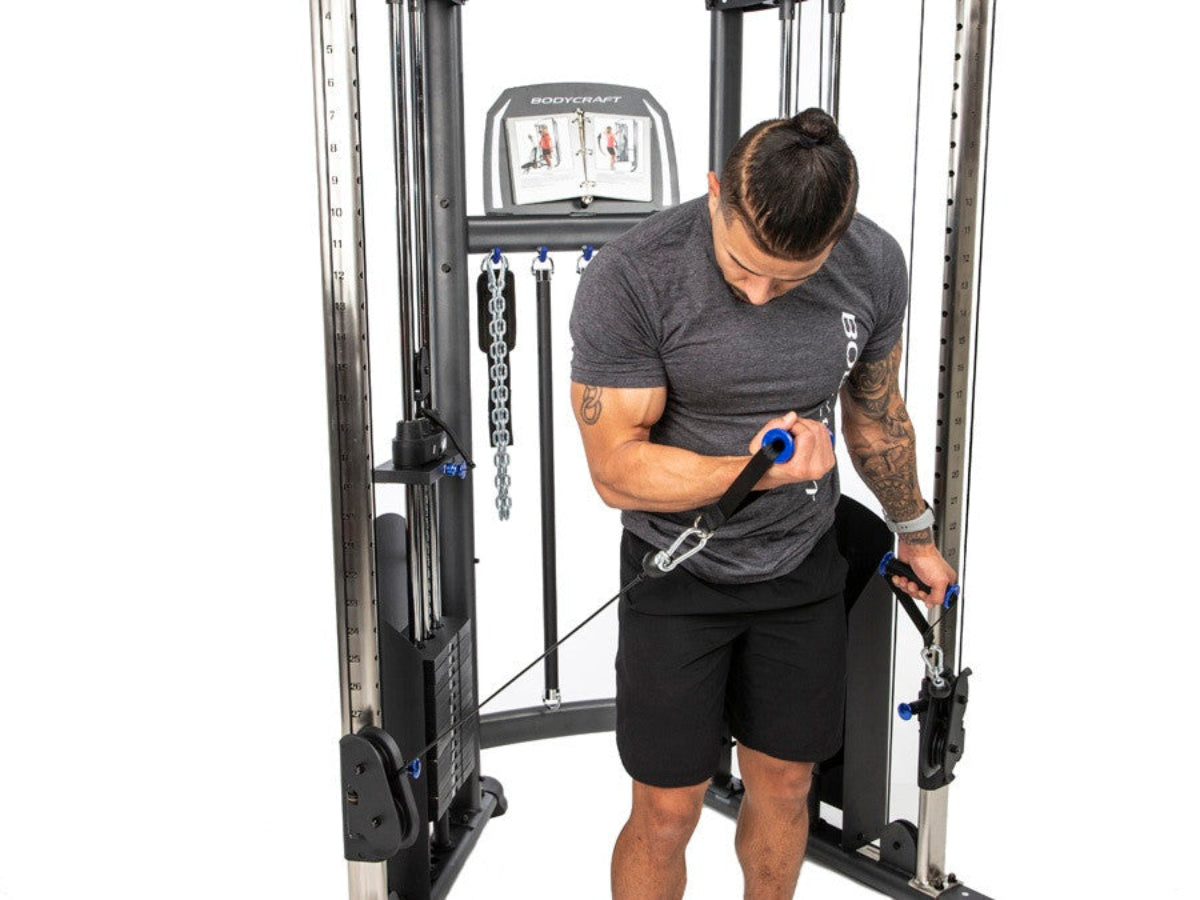
BodyCraft HFT PRO Functional Trainer
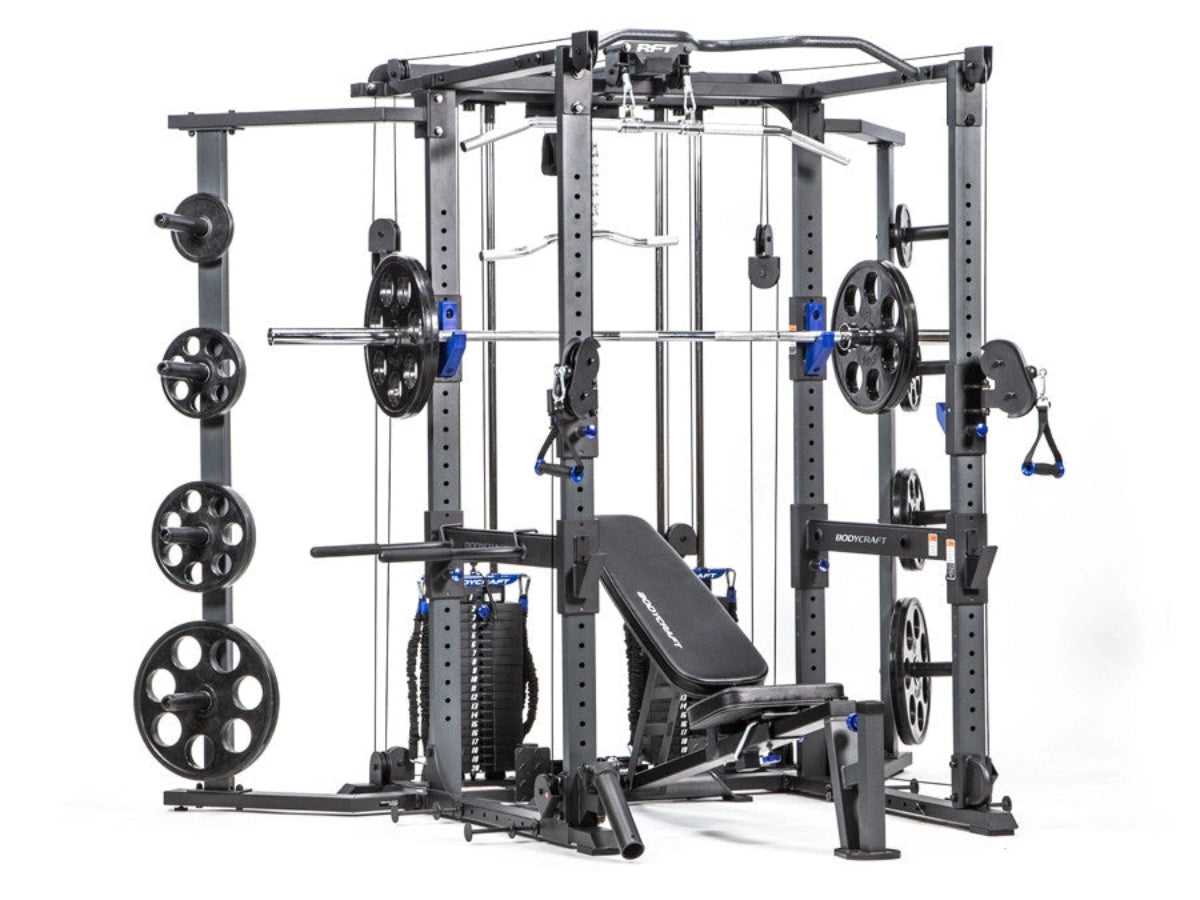
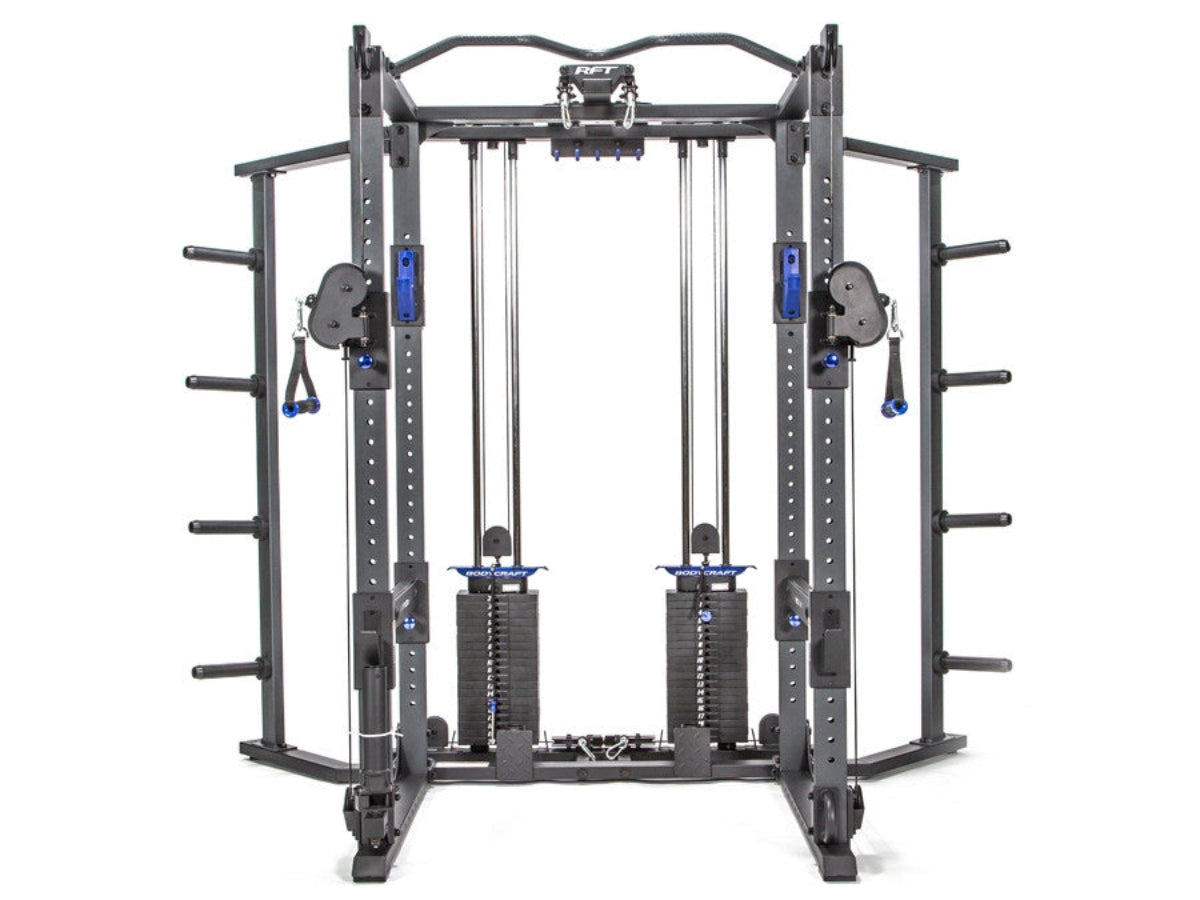
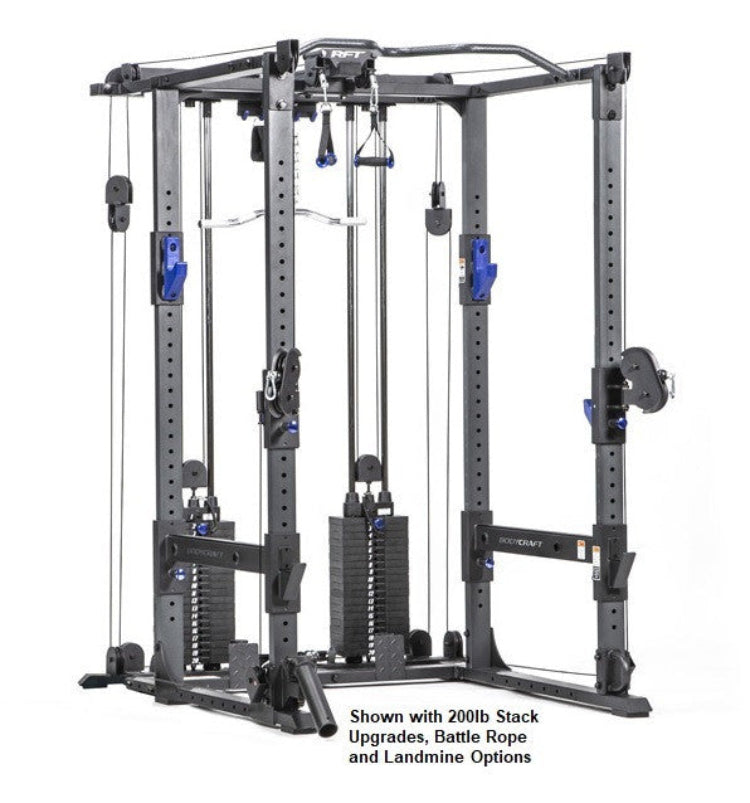

BodyCraft RFT PRO Rack Functional Trainer
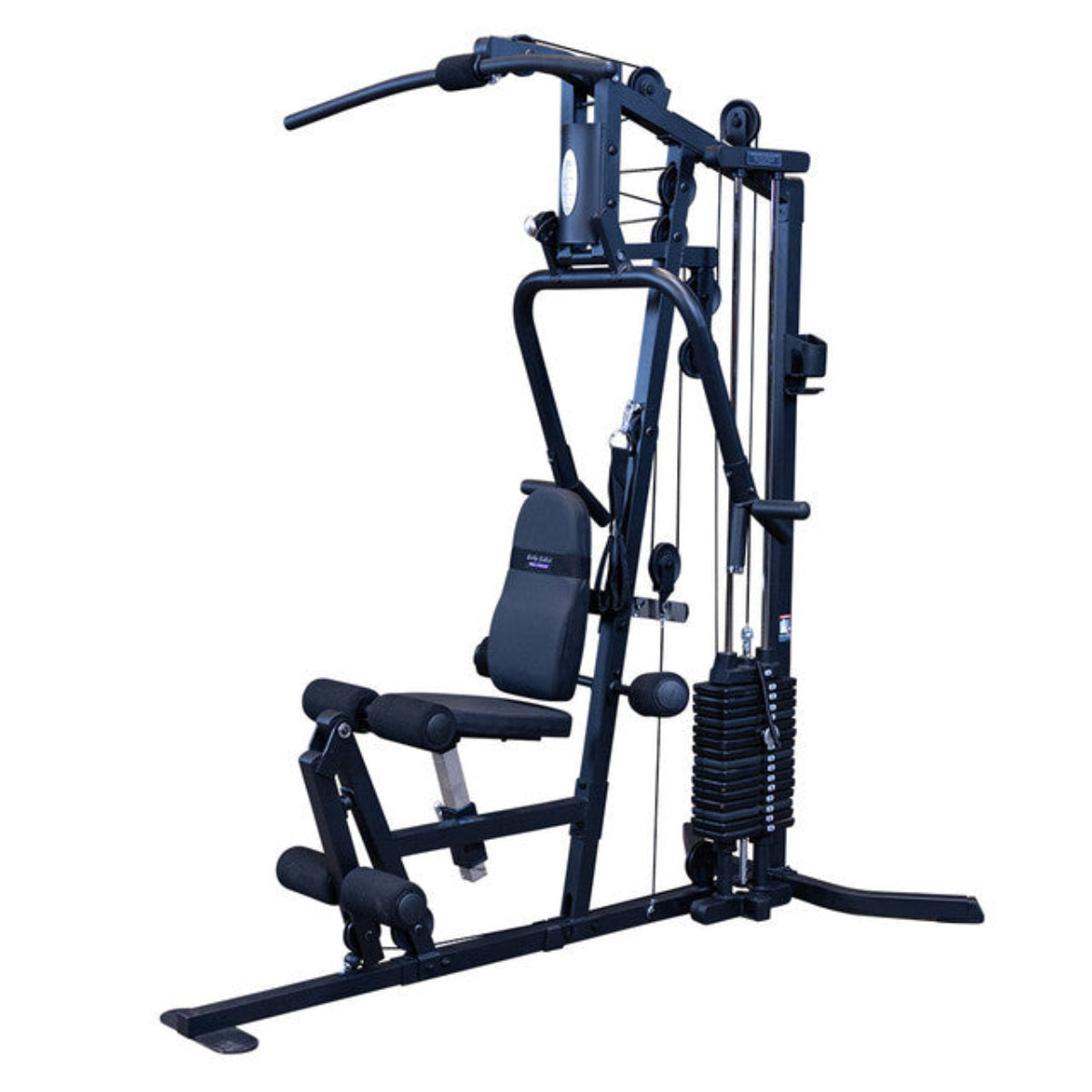
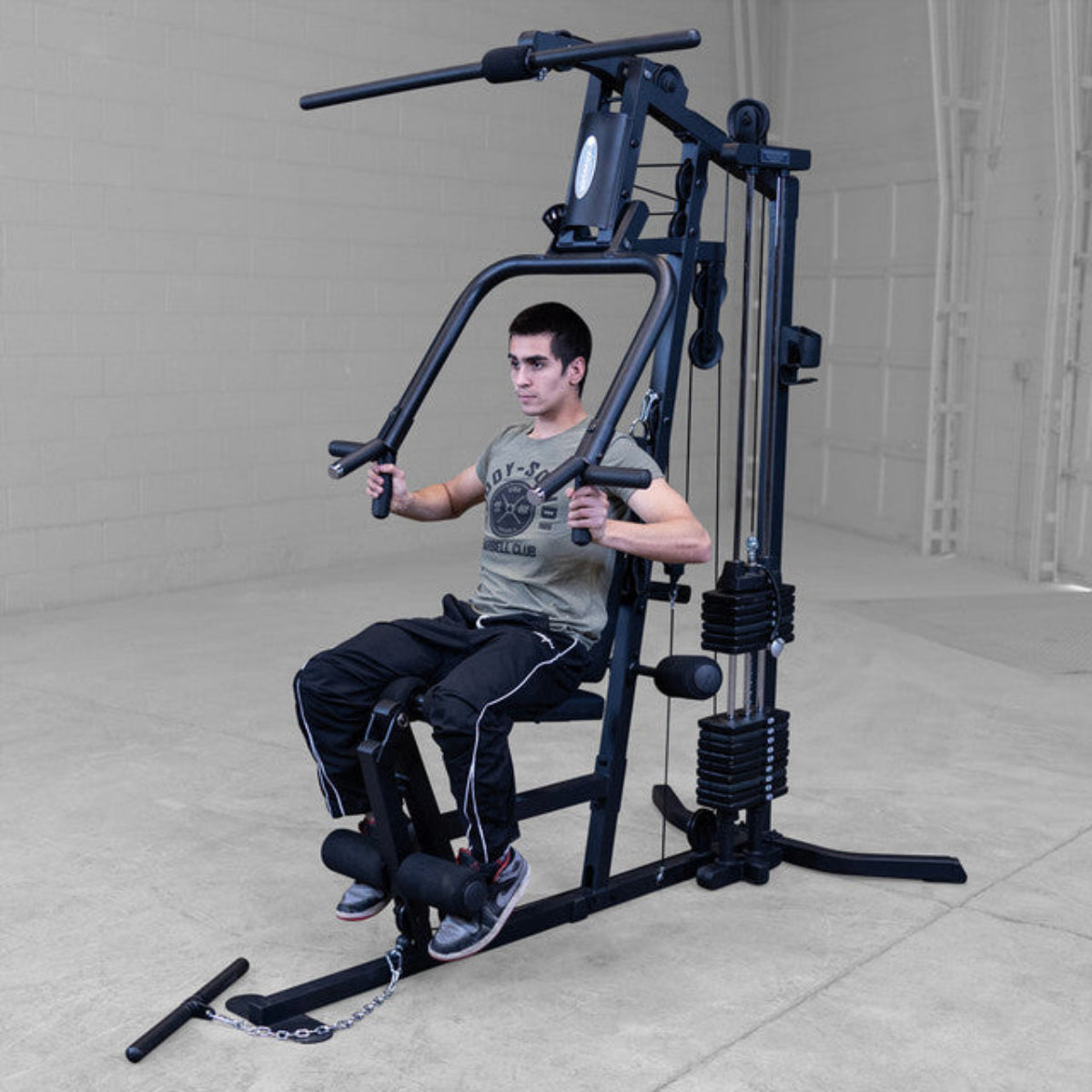
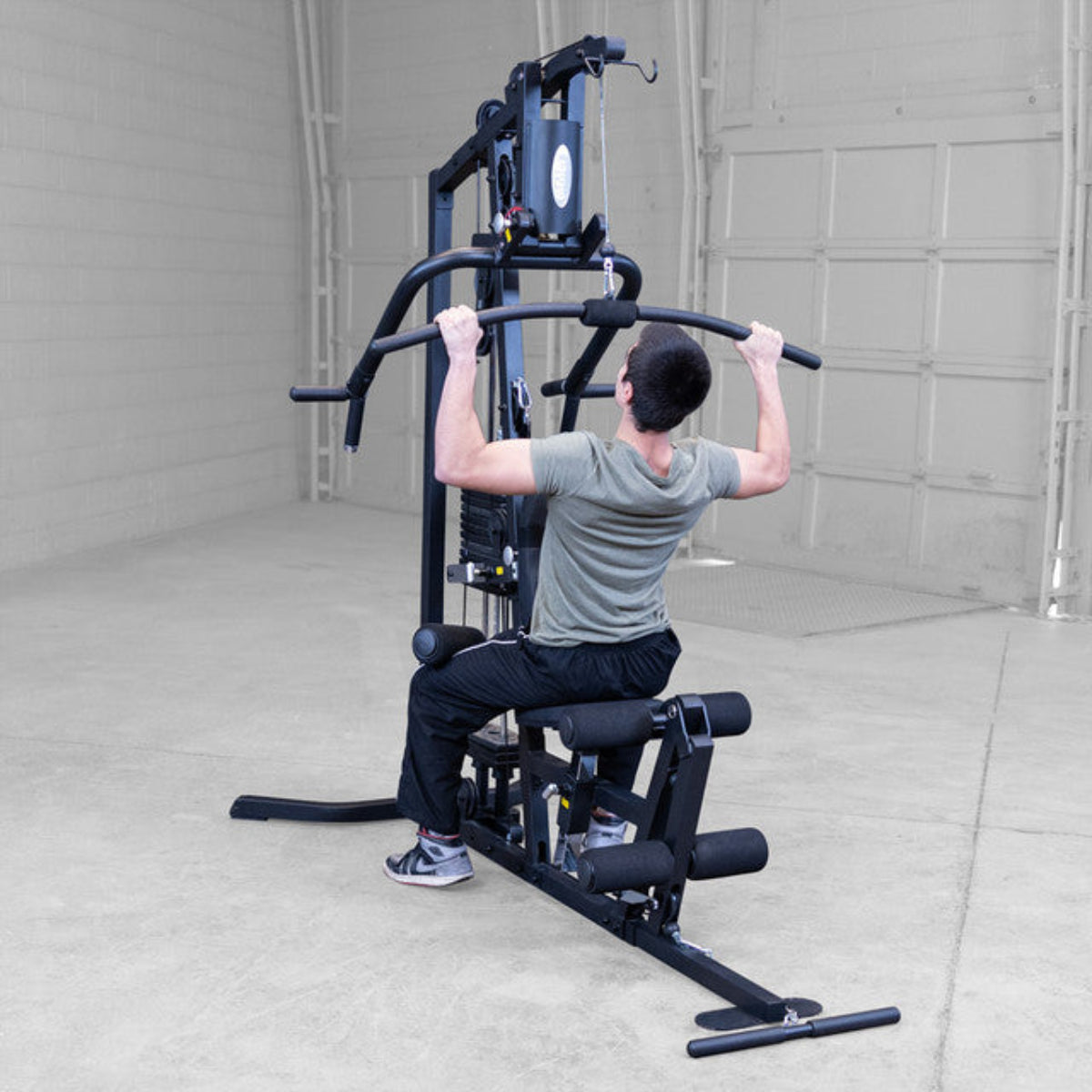
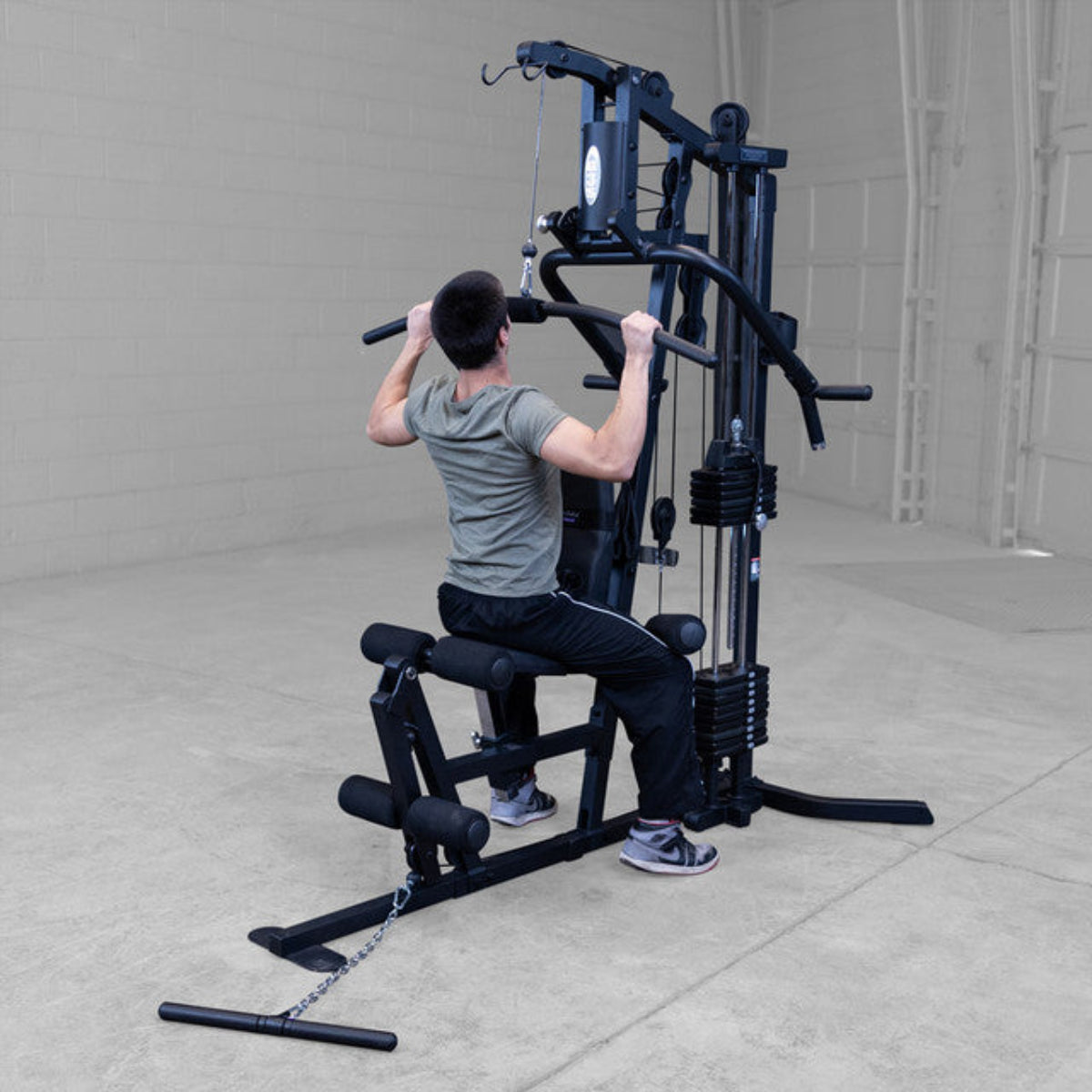
Body-Solid G3B Multi Station Gym


Who All-in-One Home Gyms Are Best For
All-in-One Home Gyms are well suited for beginners, busy professionals, and households with multiple users who want structured strength training at home. They are also popular with individuals who value safety and convenience, as the guided movement paths help reduce improper form. These systems are commonly used in home gyms, apartments, and light commercial or wellness spaces where space and versatility are key considerations.
Key Benefits of Full-Body Home Gym Systems
The primary benefit of an all-in-one home gym is exercise variety. A single machine can support upper-body, lower-body, and core movements such as presses, rows, pulldowns, leg extensions, curls, and functional exercises. Adjustable resistance levels allow users to scale workouts over time, making these systems suitable for long-term strength development.
Integrated resistance systems—such as weight stacks, selectorized plates, or digital resistance—provide smooth, controlled motion that reduces joint stress compared to free weights. Compact frames and vertical designs help maximize floor efficiency while maintaining stability. Many models also include quick-adjust components that make switching between exercises efficient and intuitive.
Common Use Cases and Training Environments
All-in-One Home Gyms are commonly used for total-body strength routines, circuit training, and general fitness programs. They are ideal for users who prefer guided workouts or who want to maintain consistent training without frequent setup changes. These systems are also effective for rehabilitation-focused strength work and functional movement training when used at moderate resistance levels.
Types and Design Variations
This category includes traditional selectorized home gyms, modular multi-station systems, and modern all-in-one trainers that combine strength and functional training. Some models emphasize compact, single-tower designs, while others feature dual arms or multiple workout zones for greater exercise variety. Advanced systems may incorporate smart resistance, digital tracking, or app-based programming to support structured training.
Why Choose The Fitness Outlet
Shoppers choose The Fitness Outlet for All-in-One Home Gyms for Full-Body Training because of our commitment to premium fitness equipment and expert curation. We focus on systems that deliver durability, smooth performance, and efficient use of space, helping customers invest in home gyms that support long-term strength, safety, and versatility.
All-in-One Home Gyms for Full-Body Training: Strength, Convenience, and Efficiency
All-in-one home gyms offer a comprehensive strength training solution in a single, space-efficient system. Designed to support full-body workouts without the need for multiple machines, these systems combine resistance training, guided movement, and compact design to help users train consistently at home. For anyone seeking a versatile alternative to traditional free-weight setups or crowded gym environments, all-in-one home gyms deliver structure, safety, and efficiency.

What Is an All-in-One Home Gym?
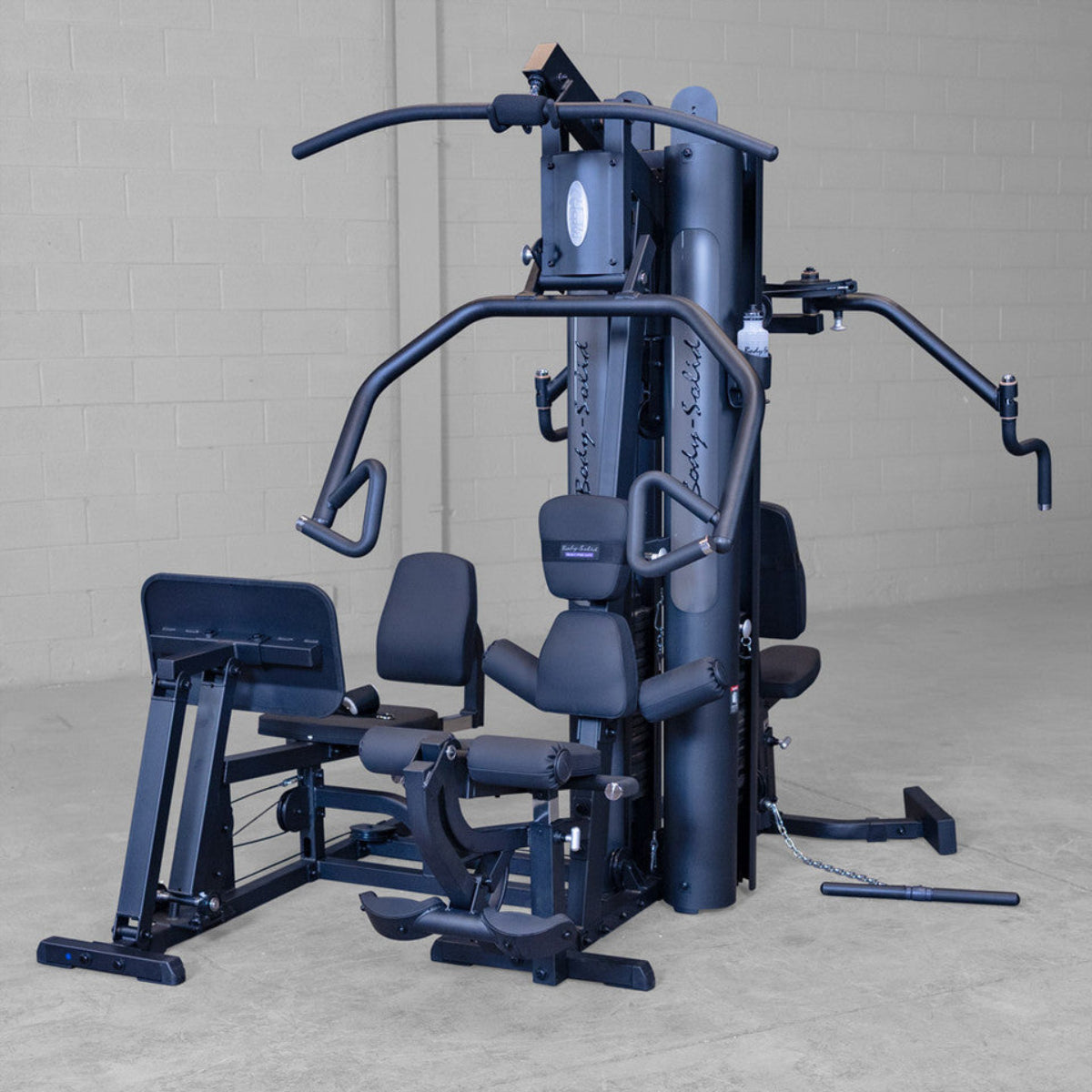
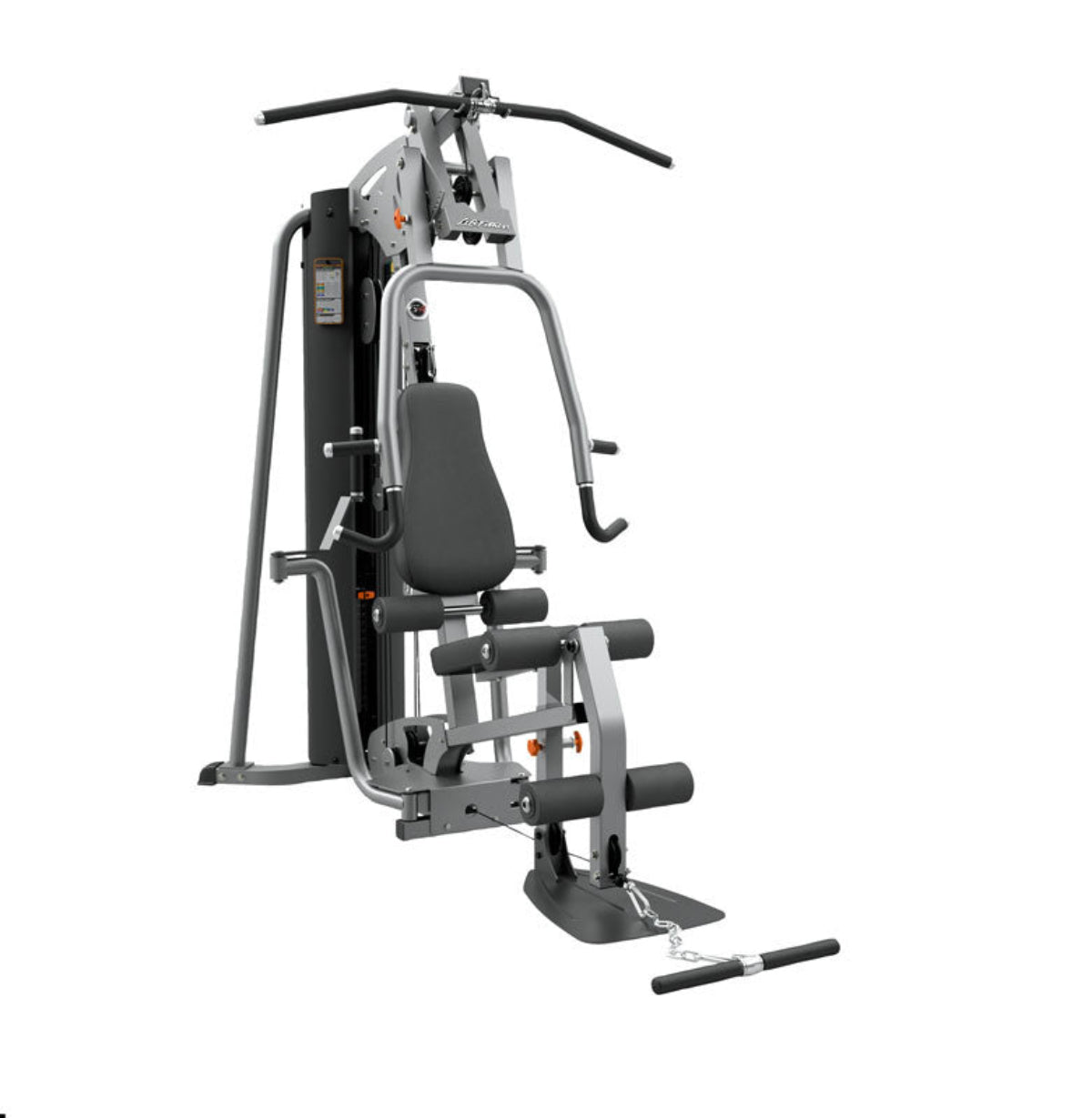
An all-in-one home gym is a multi-station or integrated strength system designed to train the entire body using a single piece of equipment. These machines typically include multiple exercise stations or adjustable arms that allow users to perform presses, rows, leg exercises, and core movements without changing equipment.
Unlike piecemeal setups, all-in-one gyms centralize strength training into a guided, organized format—making them especially appealing for home users who value simplicity and consistency.
Key Benefits of All-in-One Home Gyms
Full-Body Training in One System
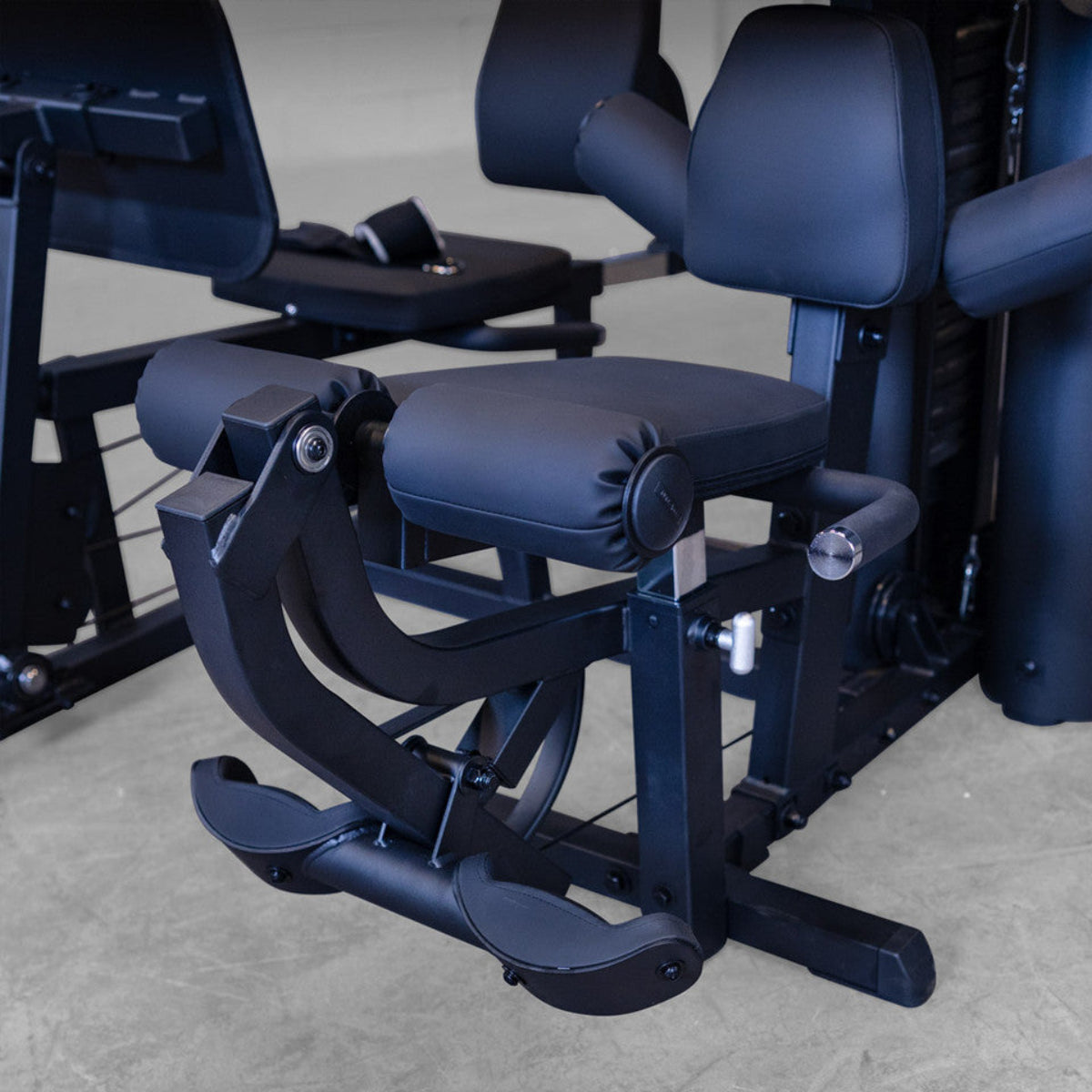
All-in-one gyms are built to target every major muscle group. Common exercises include chest presses, lat pulldowns, seated rows, leg extensions, leg curls, and cable-based core movements. This makes it easy to structure balanced, full-body workouts without needing additional machines.
Space Efficiency
Instead of dedicating room to multiple benches, racks, and weight stacks, a single home gym consolidates strength training into a defined footprint. This efficiency is ideal for garages, basements, spare rooms, or apartments where space is limited.
Guided Movement and Safety
Many all-in-one gyms use fixed or semi-fixed movement paths that guide exercise form. This reduces the learning curve for beginners and enhances safety for solo training, especially when lifting heavier resistance without a spotter.
Types of All-in-One Home Gym Systems
Not all home gyms are built the same. Understanding the main system types helps match equipment to training style and experience level.
Selectorized Weight Stack Gyms
Selectorized gyms use built-in weight stacks adjusted by a selector pin. These systems are easy to use, quick to adjust, and popular with beginners and households with multiple users. They provide smooth, consistent resistance and are often quieter than plate-loaded systems.
Plate-Loaded Home Gyms
Plate-loaded gyms rely on standard weight plates rather than built-in stacks. This design allows for higher maximum resistance and appeals to experienced strength trainers who already own plates or want to progressively load heavier weights.
Functional Trainer–Style Home Gyms
Some all-in-one gyms emphasize adjustable pulleys and open cable systems. These setups support a wide range of functional and free-movement exercises, blending traditional strength training with athletic and rehabilitation-focused movements.
Resistance Types and Training Feel
The resistance mechanism plays a major role in how a home gym feels and performs.
Weight Stack Resistance
Weight stacks provide consistent, predictable resistance throughout the movement. They are easy to adjust between exercises and well-suited for circuit training and family use.
Plate-Loaded Resistance
Plate-loaded resistance offers a more traditional strength-training feel and allows for higher resistance ceilings. It also enables micro-loading by adding or removing plates as needed.
Digital and Smart Resistance (Emerging Category)
Some modern all-in-one gyms incorporate digital resistance or motorized systems. These designs offer adjustable resistance without physical weights and may include built-in programming, performance tracking, and guided workouts.
Exercise Variety and Expandability
A major advantage of all-in-one home gyms is exercise versatility.
Upper-Body and Lower-Body Coverage
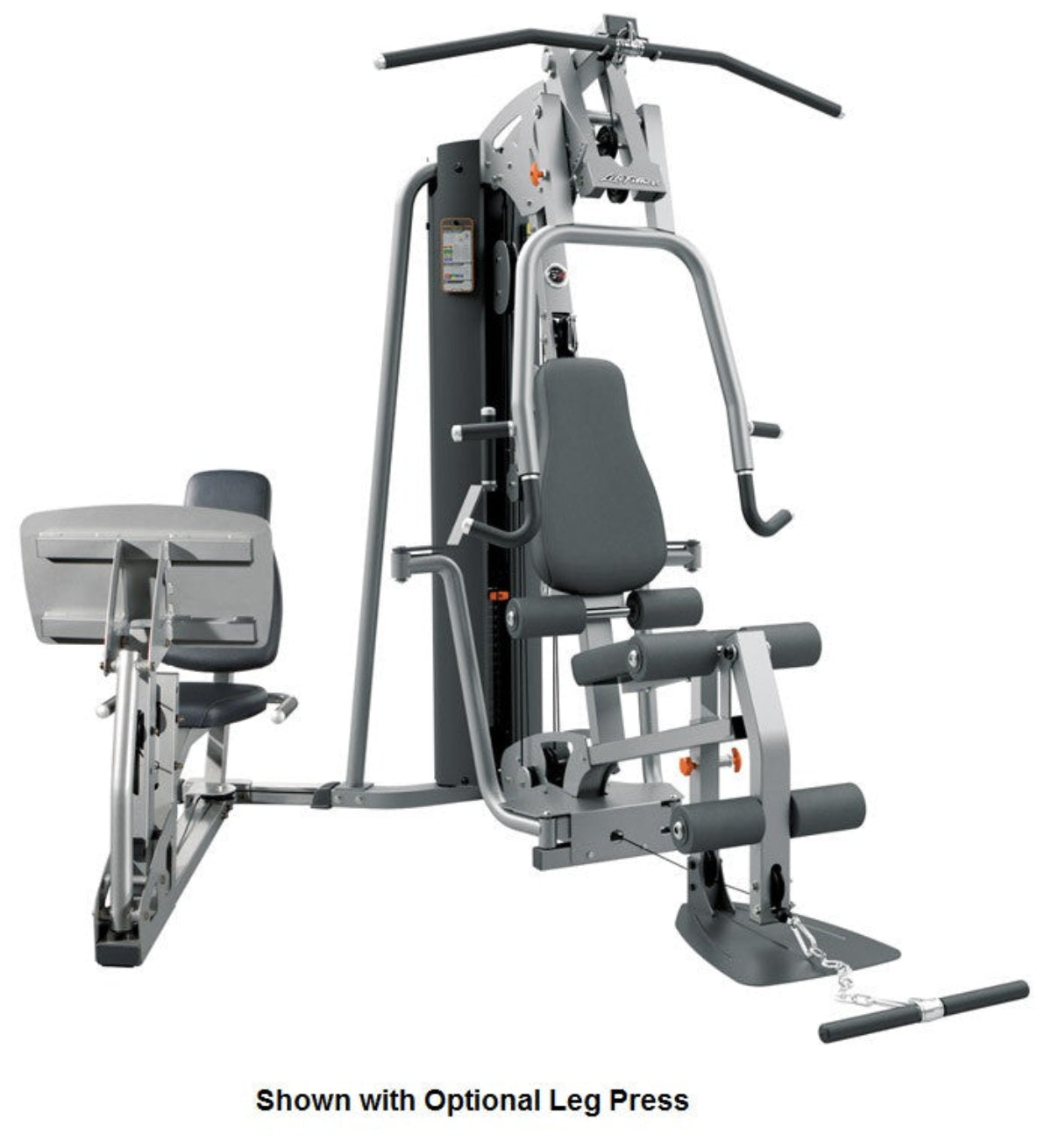
Well-designed systems allow seamless transitions between upper- and lower-body exercises. Leg presses, squats, or kickback-style movements may be integrated or added through optional attachments.
Core and Functional Training
Cable-based movements make it easy to train rotational core exercises, anti-rotation holds, and functional patterns that translate to everyday movement and athletic performance.
Optional Attachments and Upgrades
Some home gyms support add-ons such as leg press modules, additional pulleys, or heavier weight stacks. Buyers planning long-term use should consider expandability when comparing models.
Home Gym vs. Free Weights: Which Is Right?
All-in-one home gyms and free-weight setups each offer unique advantages.
-
Home gyms prioritize safety, structure, and convenience, making them ideal for beginners, busy professionals, or households with multiple users.
-
Free weights offer maximum freedom of movement and are favored by experienced lifters focusing on compound barbell lifts.
Many home users choose all-in-one gyms as a foundation, supplementing later with dumbbells or kettlebells as needed.
Noise, Maintenance, and Home-Friendly Design
Quiet Operation
Most all-in-one gyms are designed for indoor use, featuring smooth pulleys, nylon-coated cables, and enclosed weight stacks that minimize noise. This makes them suitable for shared living spaces.
Low Maintenance Requirements
Routine maintenance typically includes cable inspections, pulley checks, and light lubrication when recommended by the manufacturer. Compared to multiple standalone machines, maintaining one integrated system is often simpler.
Who Should Choose an All-in-One Home Gym?
All-in-one home gyms are particularly well-suited for:
-
Users seeking full-body strength training at home
-
Beginners looking for guided, safe workouts
-
Busy professionals prioritizing convenience
-
Households with multiple users
-
Home gym owners with limited space
They provide a structured path to consistent strength training without the complexity of larger gym setups.
FAQs
Can you build muscle with an all-in-one home gym?
Are home gyms good for beginners?
Do all-in-one gyms replace free weights?