




What Defines a High-Quality Indoor Cycling or Spin Bike?
While indoor cycling bikes may appear similar at a glance, premium models are engineered with specific components that separate them from entry-level exercise bikes. These design elements impact ride feel, durability, and overall training effectiveness.
Flywheel Weight and Placement
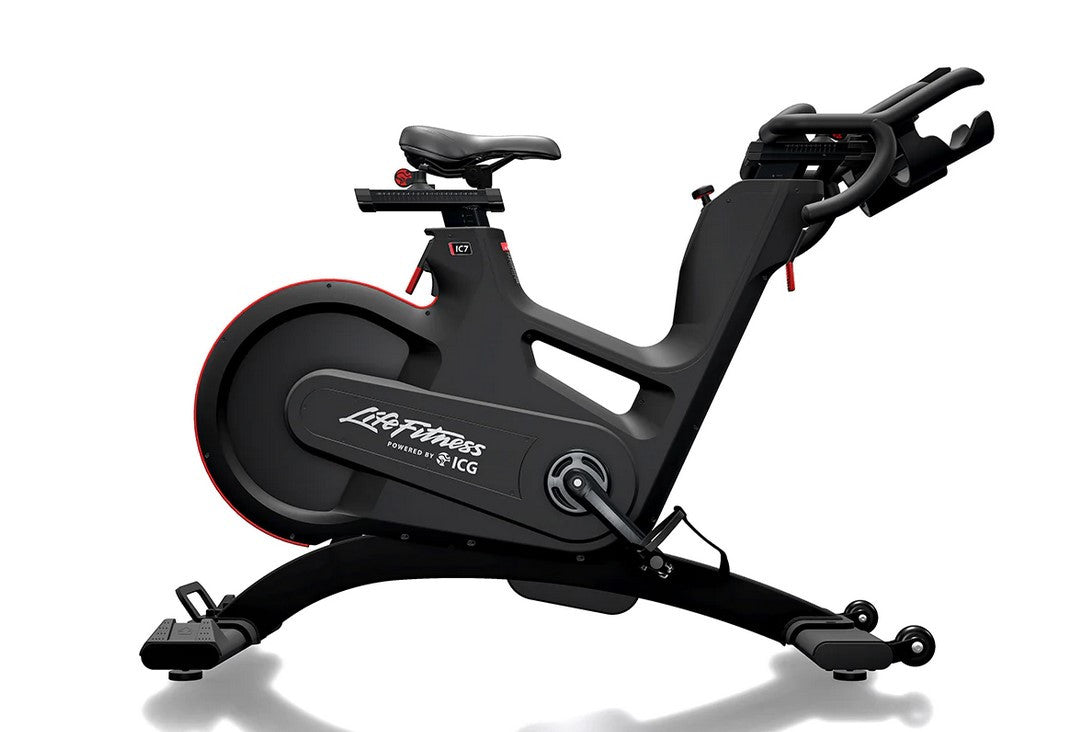
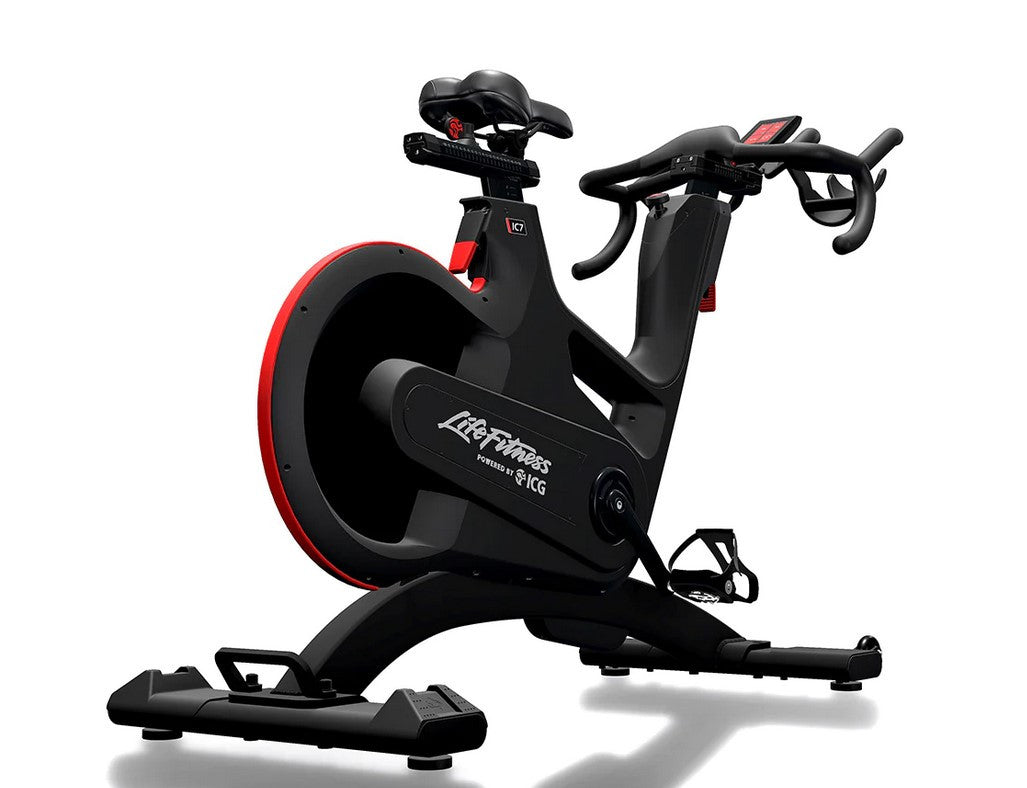
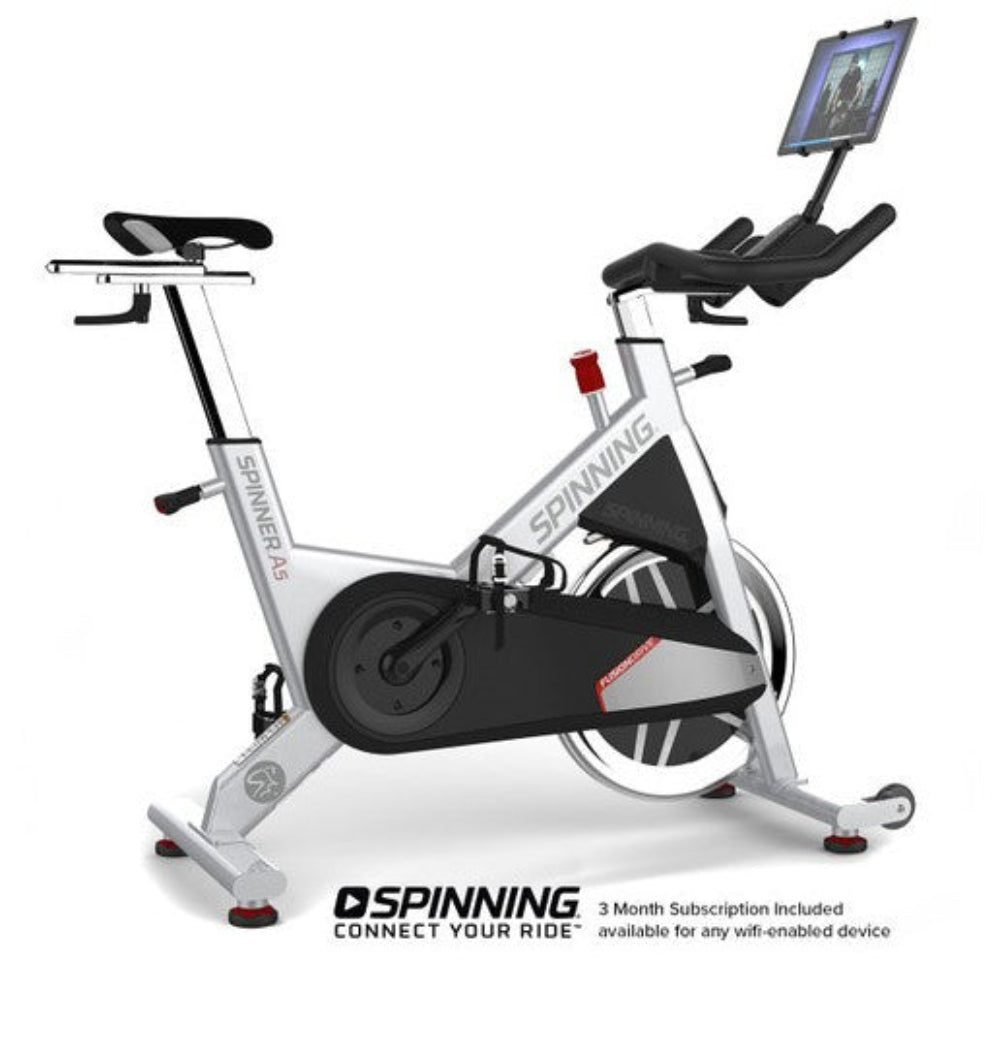
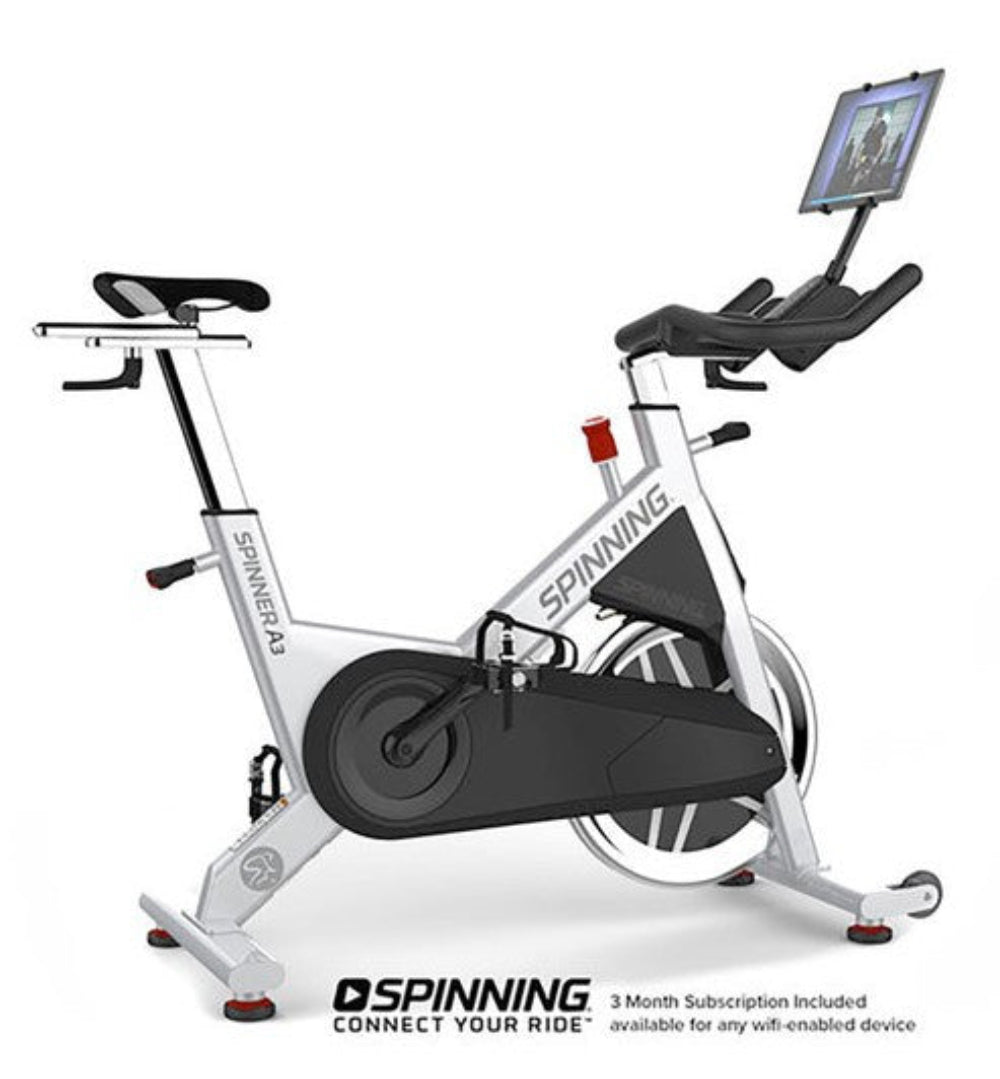
The flywheel is central to how smooth and realistic a ride feels. Heavier flywheels—typically found on commercial-grade and premium home models—create consistent momentum and reduce dead spots during pedaling. Front-mounted flywheels are common in spin-style bikes and are favored for standing climbs and interval training, while rear-mounted designs often prioritize stability and a quieter ride.
Resistance Systems: Friction vs. Magnetic
Most indoor cycling bikes use either friction resistance or magnetic resistance:
-
Friction resistance relies on adjustable pads that press against the flywheel. This system closely mimics outdoor cycling and is widely used in spin studios.
-
Magnetic resistance uses magnets to create smooth, silent resistance with minimal wear, making it ideal for home environments where quiet operation and low maintenance are priorities.
Understanding these systems helps buyers match the bike to their training style and usage environment.
Indoor Cycling Bikes vs. Traditional Exercise Bikes
Indoor cycling bikes are purpose-built for performance-focused workouts, distinguishing them from upright or recumbent exercise bikes. Spin bikes emphasize a forward-leaning riding position noted for engaging the core, glutes, and upper body during intense sessions. They are well-suited for interval training, virtual classes, and standing climbs.
Traditional exercise bikes, by contrast, prioritize comfort and steady-state cardio, often appealing to beginners or rehabilitation-focused users. Buyers seeking immersive, studio-style training typically gravitate toward indoor cycling and spin bikes for their versatility and realism.
Key Adjustability Features That Matter
Proper fit is essential for performance and injury prevention. Premium indoor cycling bikes offer extensive adjustability to accommodate riders of different heights and riding styles.
Saddle and Handlebar Adjustments
Look for bikes with both vertical and horizontal adjustments for the saddle and handlebars. This allows riders to fine-tune reach, seat height, and posture, closely replicating a road bike setup.
Pedals and Foot Retention
Many high-end models include dual-sided pedals compatible with standard athletic shoes on one side and cycling cleats on the other. Secure foot retention improves power transfer and stability during high-cadence intervals.
Smart Connectivity and Training Integration
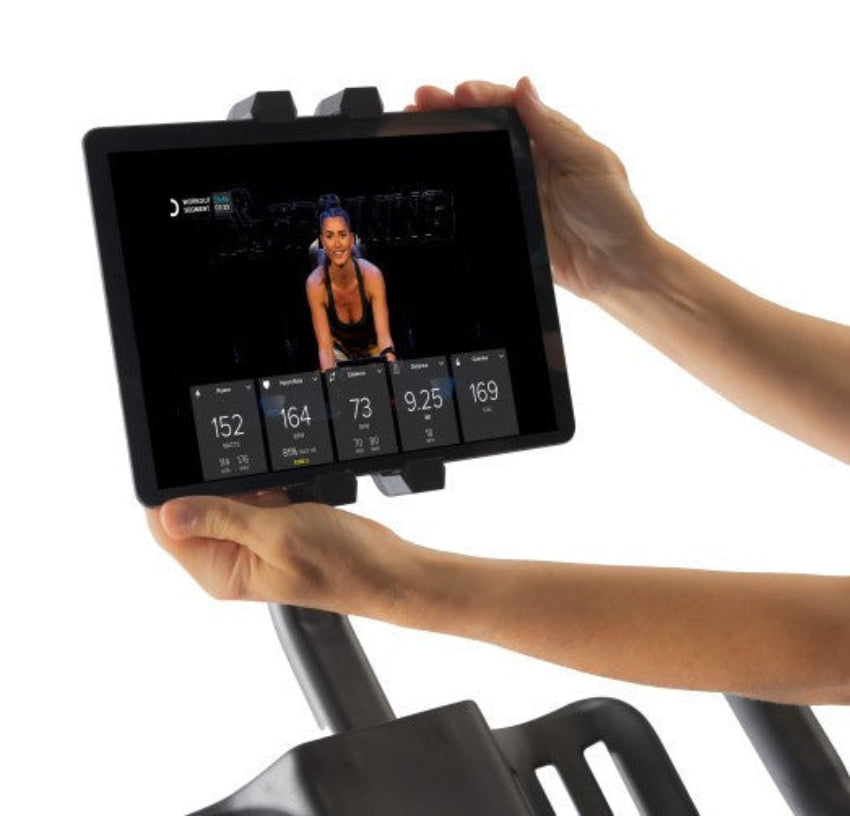
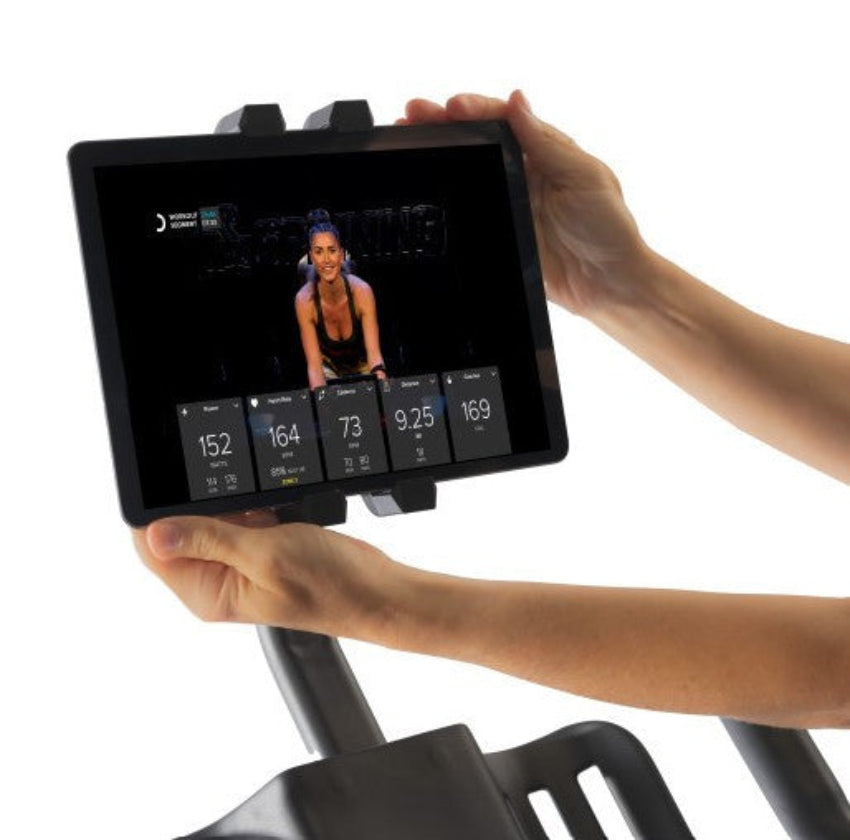
Modern indoor cycling bikes increasingly support connected training ecosystems. Bluetooth and ANT+ compatibility allow bikes to pair with fitness apps, heart rate monitors, and performance tracking platforms.
Some premium bikes integrate seamlessly with virtual cycling platforms, enabling riders to participate in instructor-led classes or simulated outdoor rides. When evaluating smart features, consider whether the bike supports open compatibility or is tied to a proprietary system.
Home Use vs. Commercial and Studio Environments
Not all indoor cycling bikes are built for the same workload. Home users typically prioritize quiet operation, compact footprints, and ease of adjustment. Commercial and studio settings require reinforced frames, heavy-duty components, and corrosion-resistant finishes to withstand continuous use.
For buyers equipping a fitness facility, durability and serviceability are key considerations. Commercial-grade bikes are designed for repeated adjustments and multiple users throughout the day, making them a long-term investment.
Who Benefits Most from Indoor Cycling Training?
Indoor cycling is suitable for a wide range of users:
-
Endurance athletes seeking structured cardio sessions
-
Busy professionals looking for efficient, high-calorie workouts
-
Low-impact trainers who want joint-friendly cardio
-
Studios and trainers delivering group cycling classes
Because resistance and intensity are fully adjustable, indoor cycling bikes scale easily from beginner to advanced riders.
Maintenance and Longevity Considerations
Premium indoor cycling bikes are built to last, but proper maintenance ensures consistent performance. Magnetic resistance systems typically require less upkeep, while friction systems may need periodic pad replacement. Routine checks of bolts, pedals, and drive systems help maintain safety and ride quality.