


Achieve your fitness goals within your budget with our financing.
Free Delivery on Orders $599+
Fast, reliable delivery on all qualifying orders.
Price Match Guarantee
Shop confidently knowing you're getting the best deal.
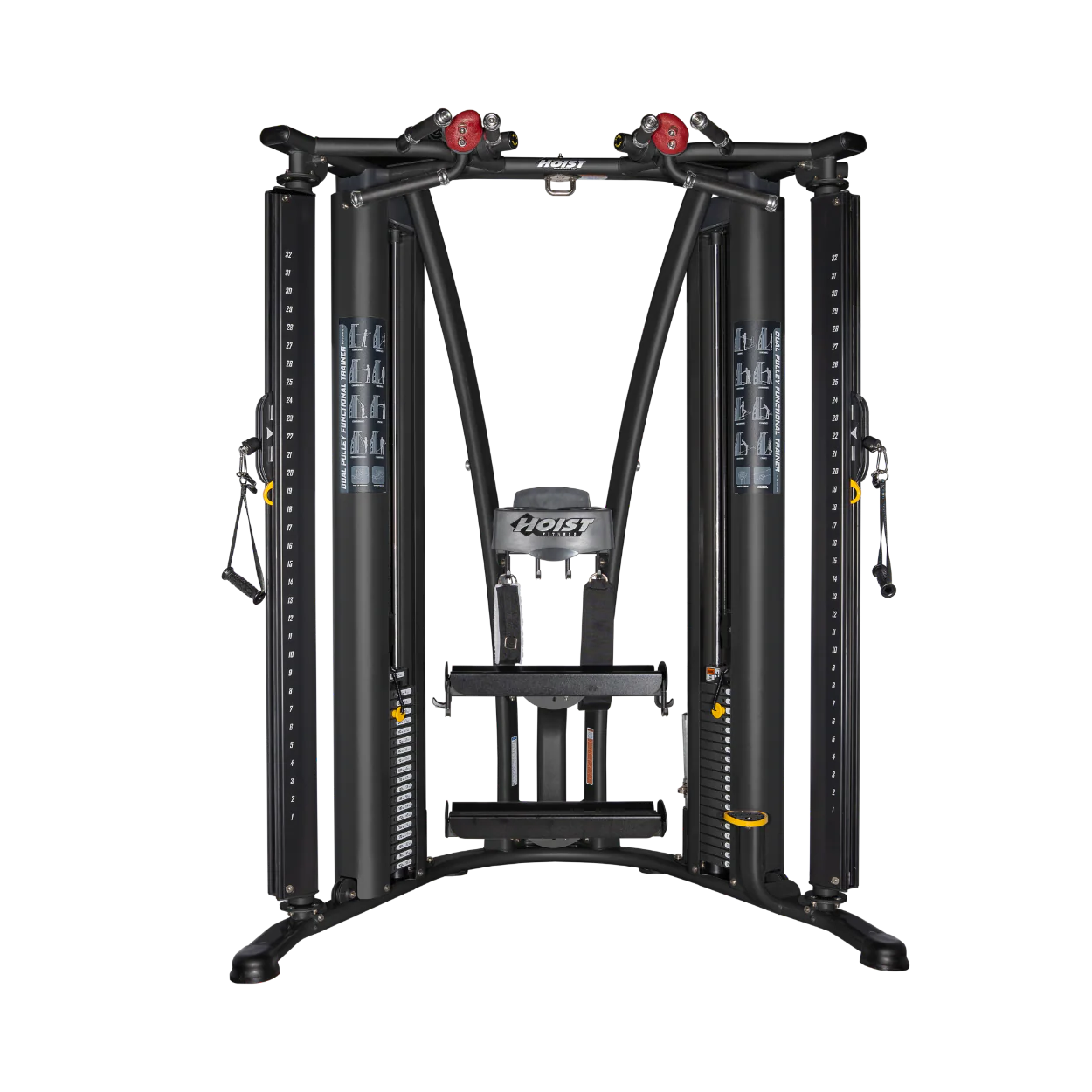
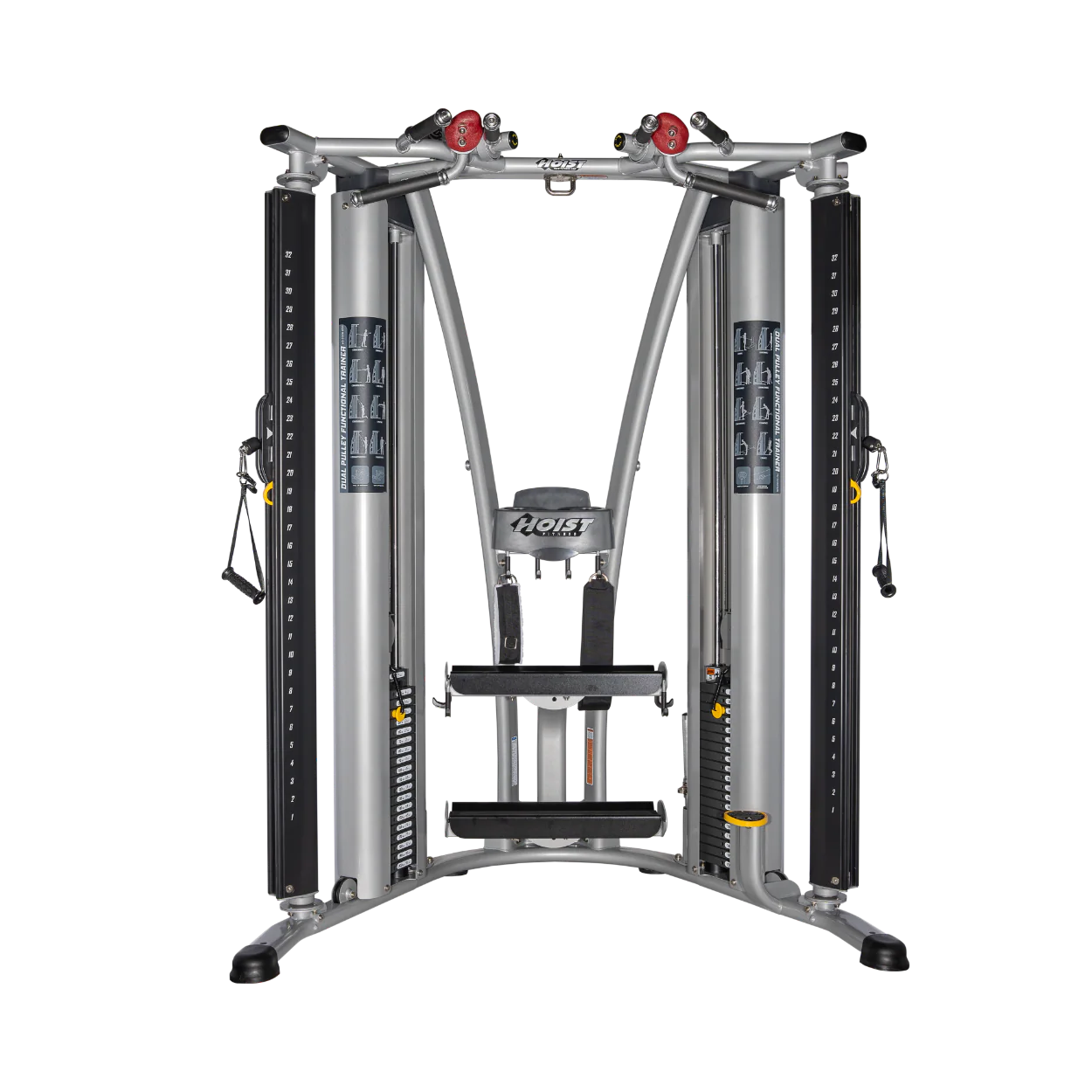
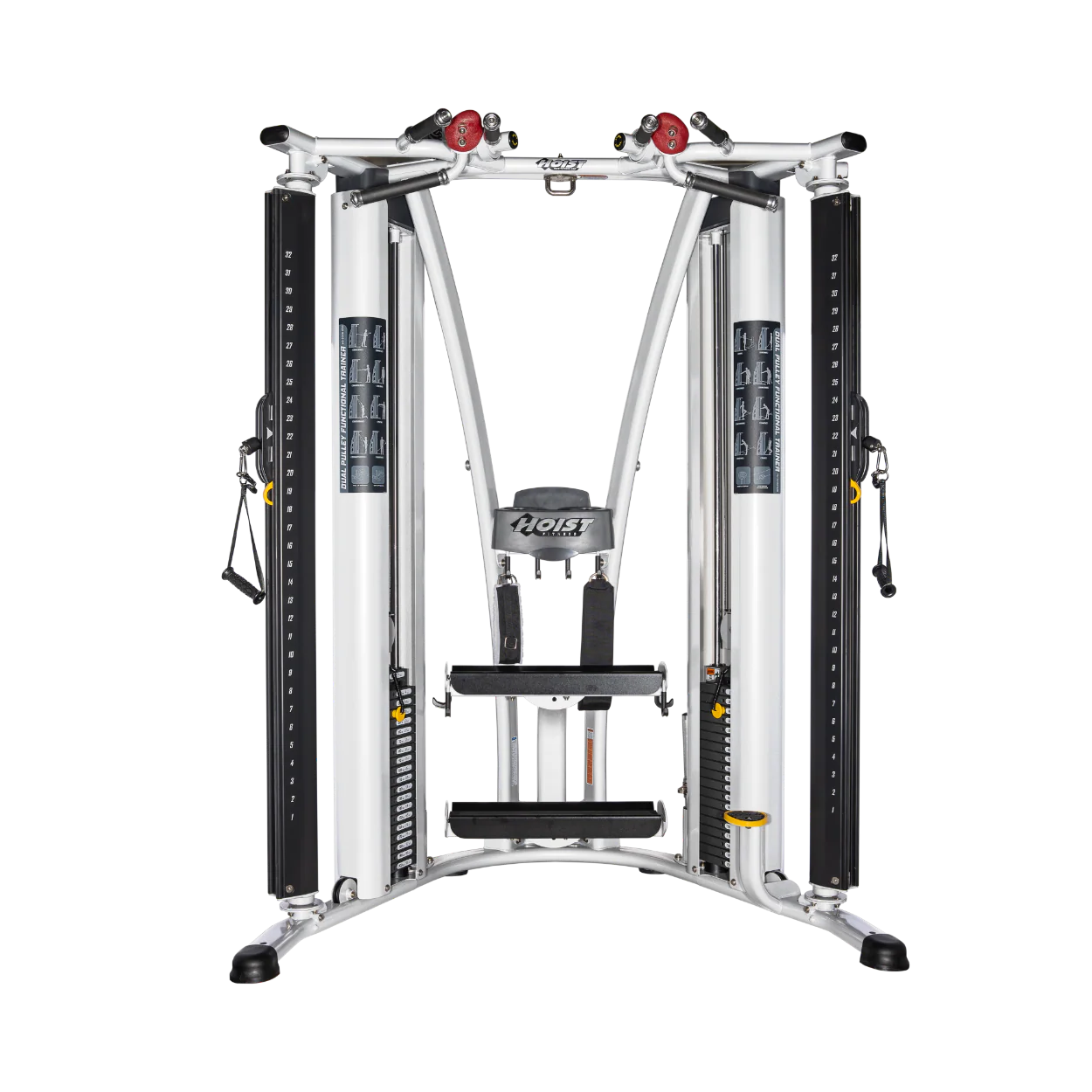
Hoist Fitness HD3000 Commercial Functional Trainer


Nautilus Instinct Dual Adjustable Pulley
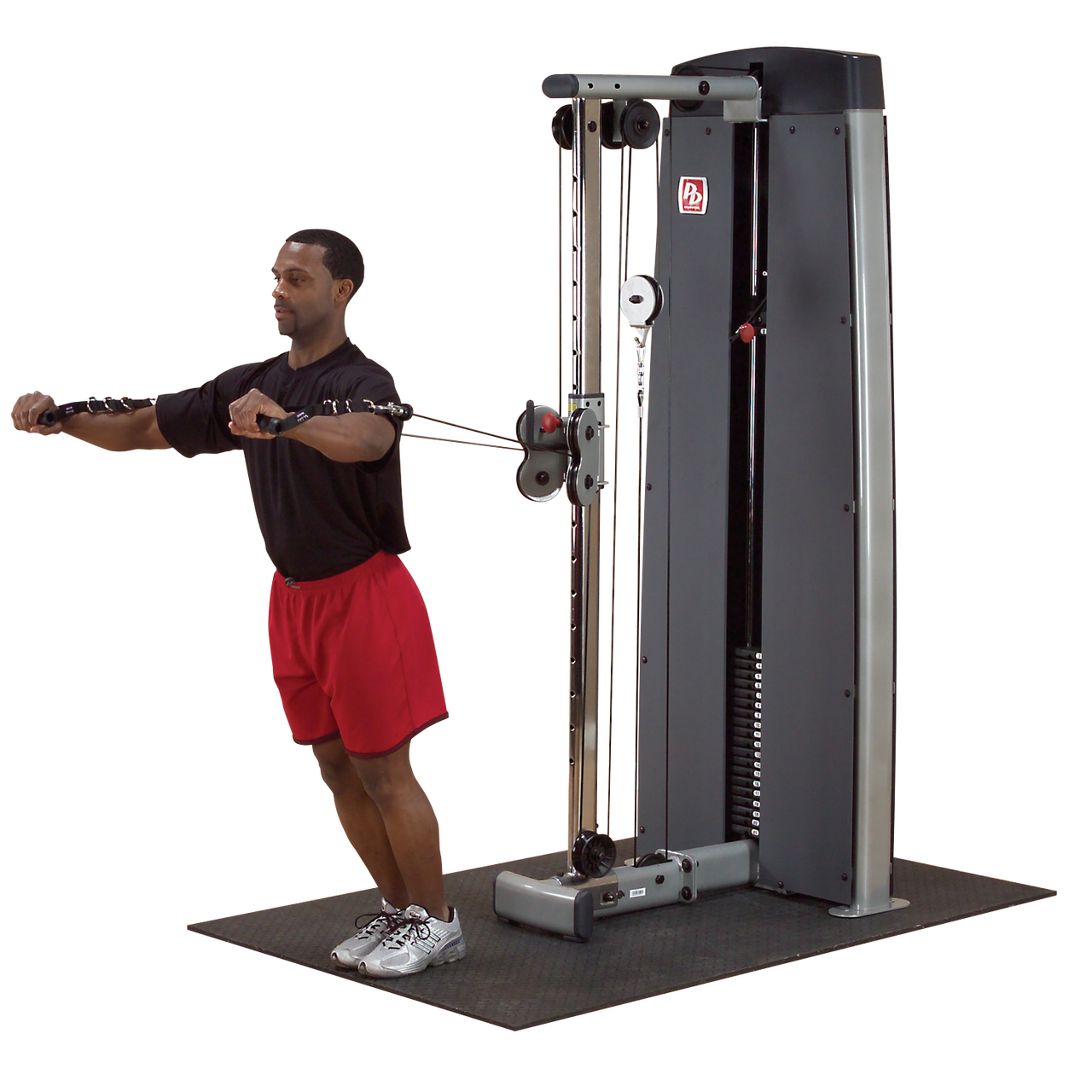
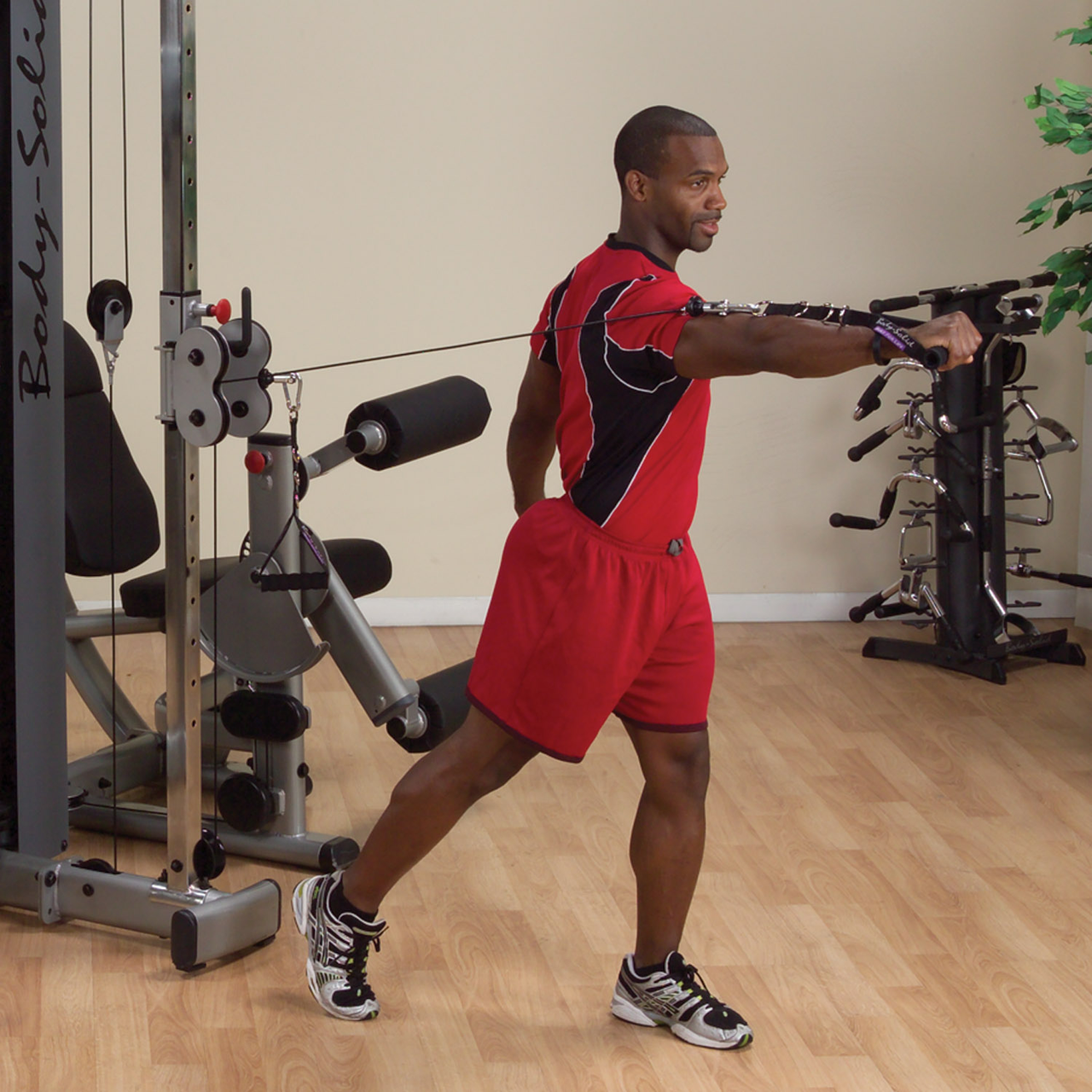
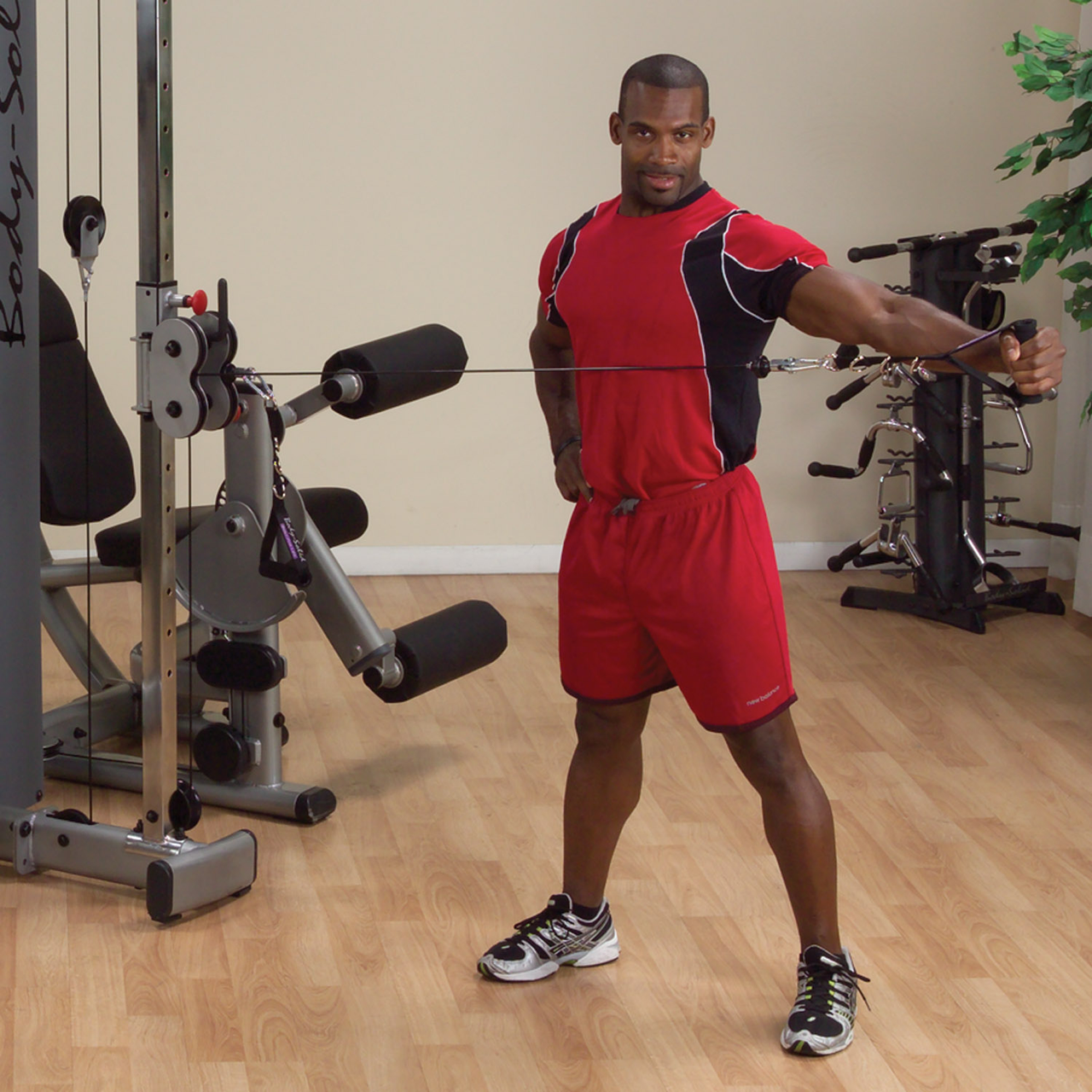
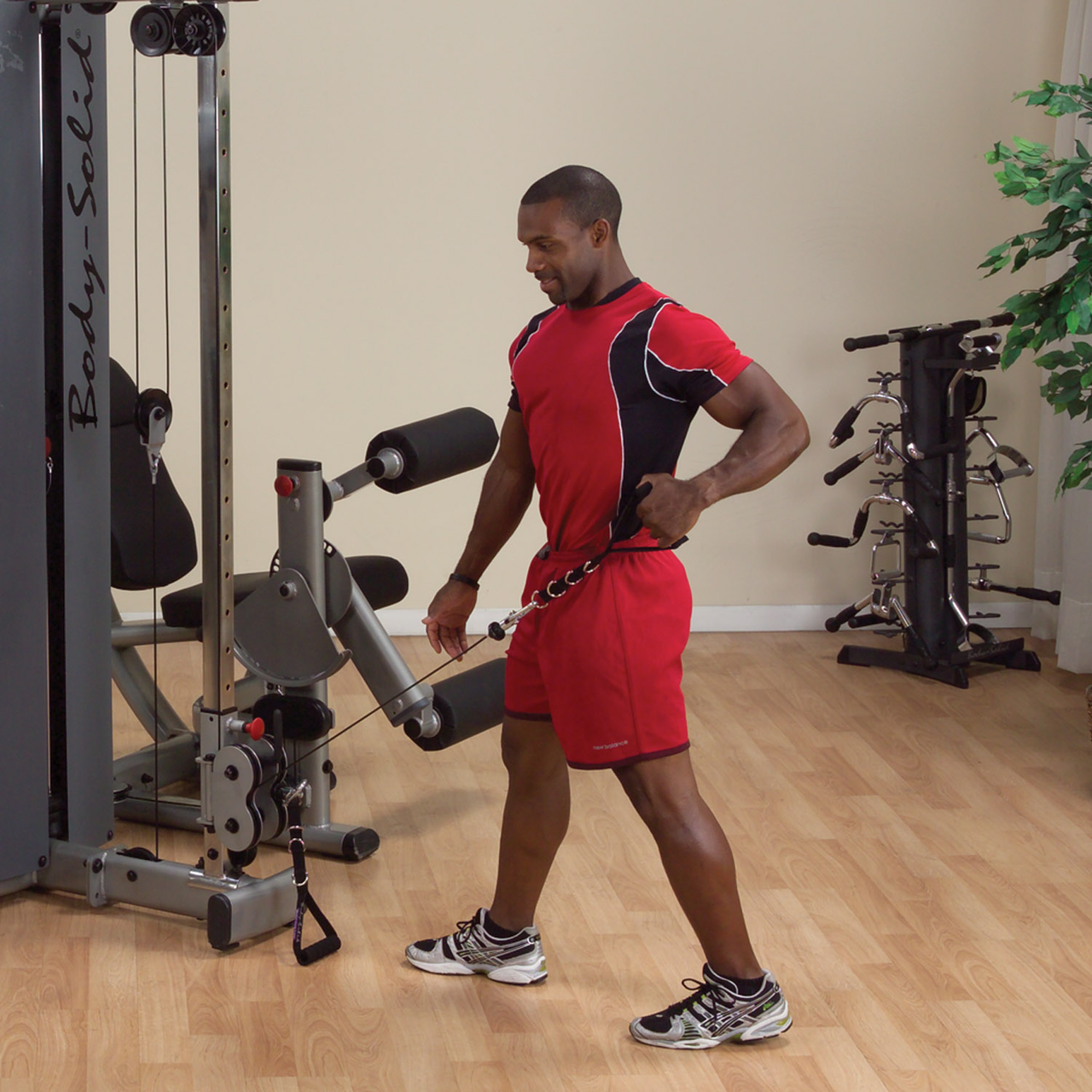
Body-Solid Pro Dual Adjustable Cable Column


Nautilus Inspiration® Dual Adjustable Pulley
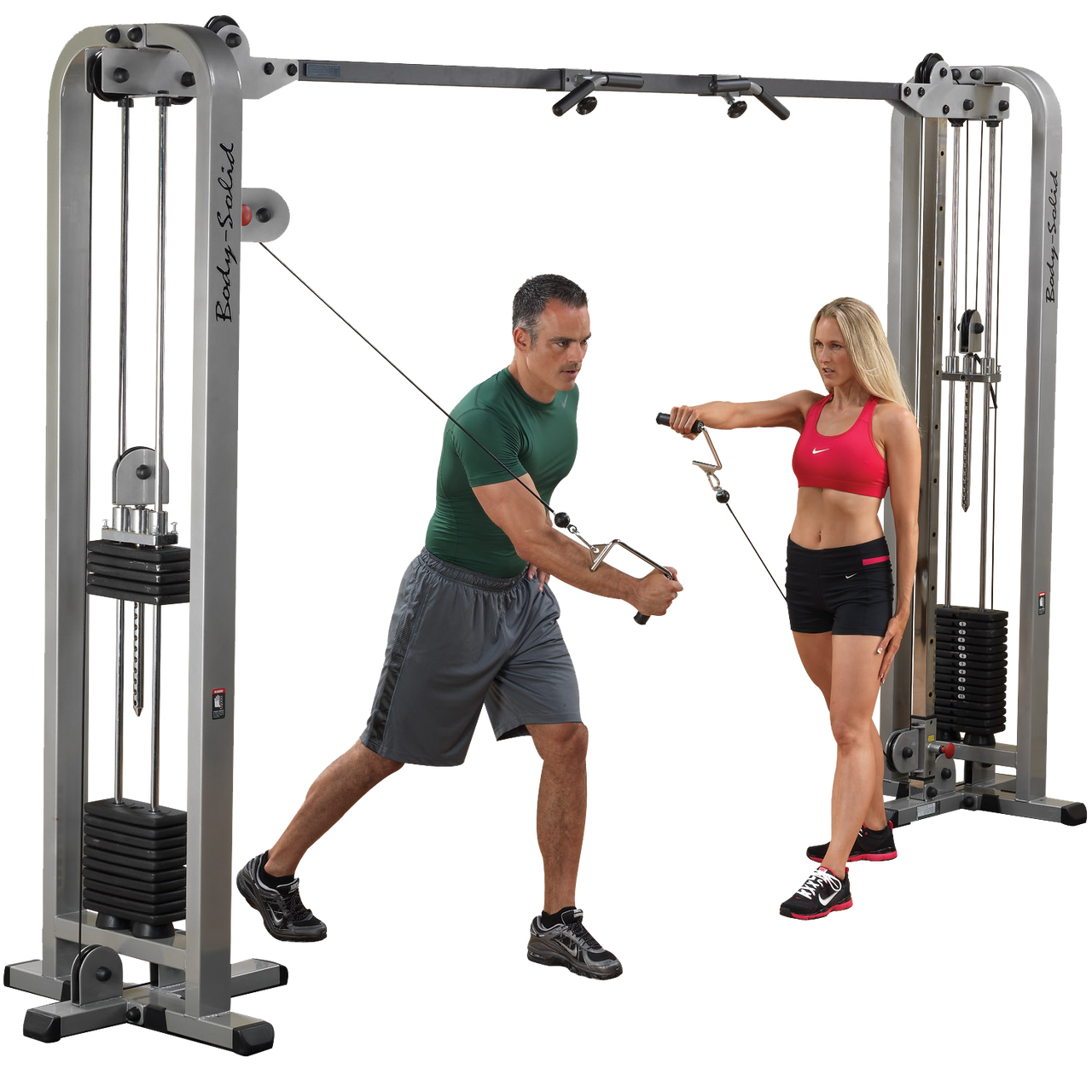
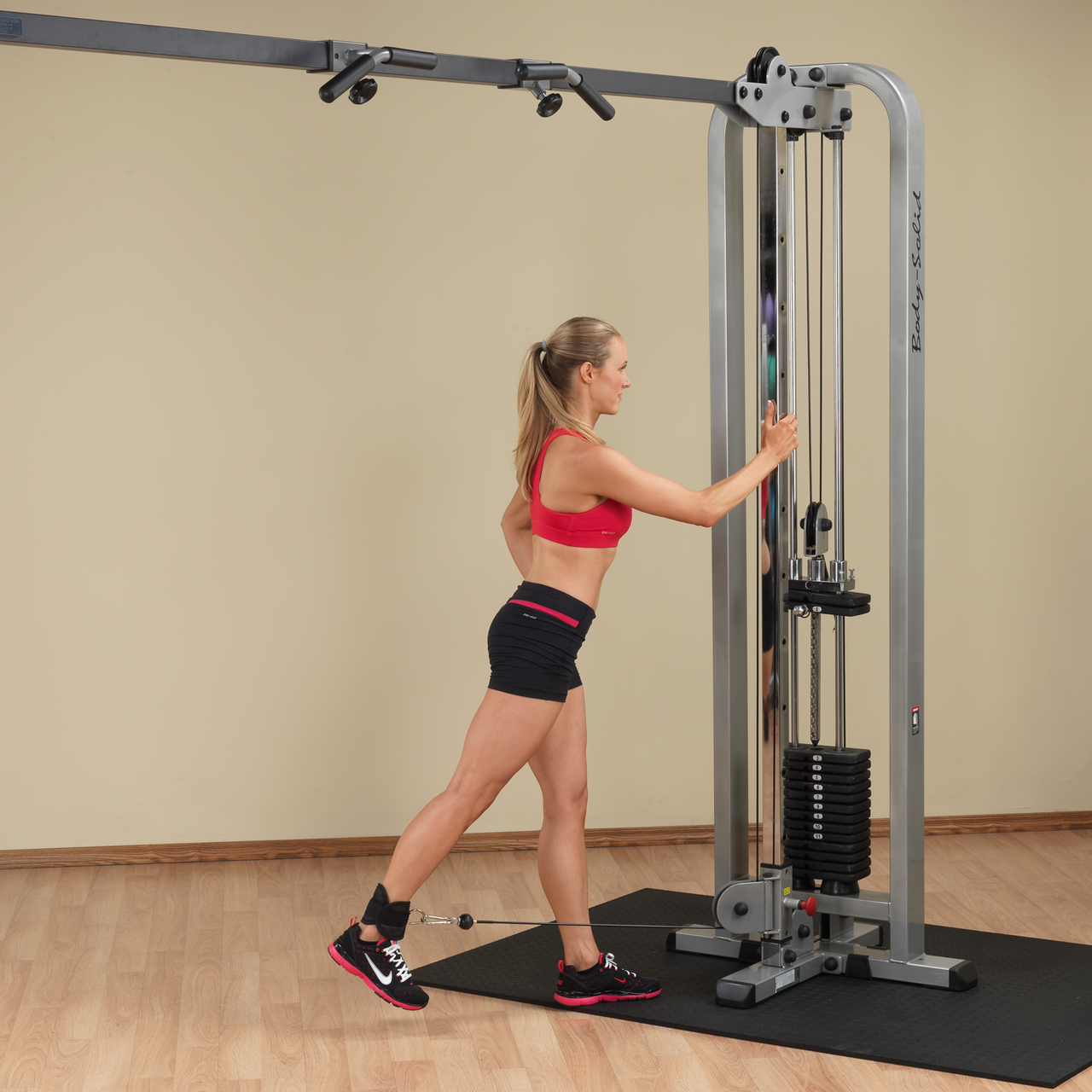
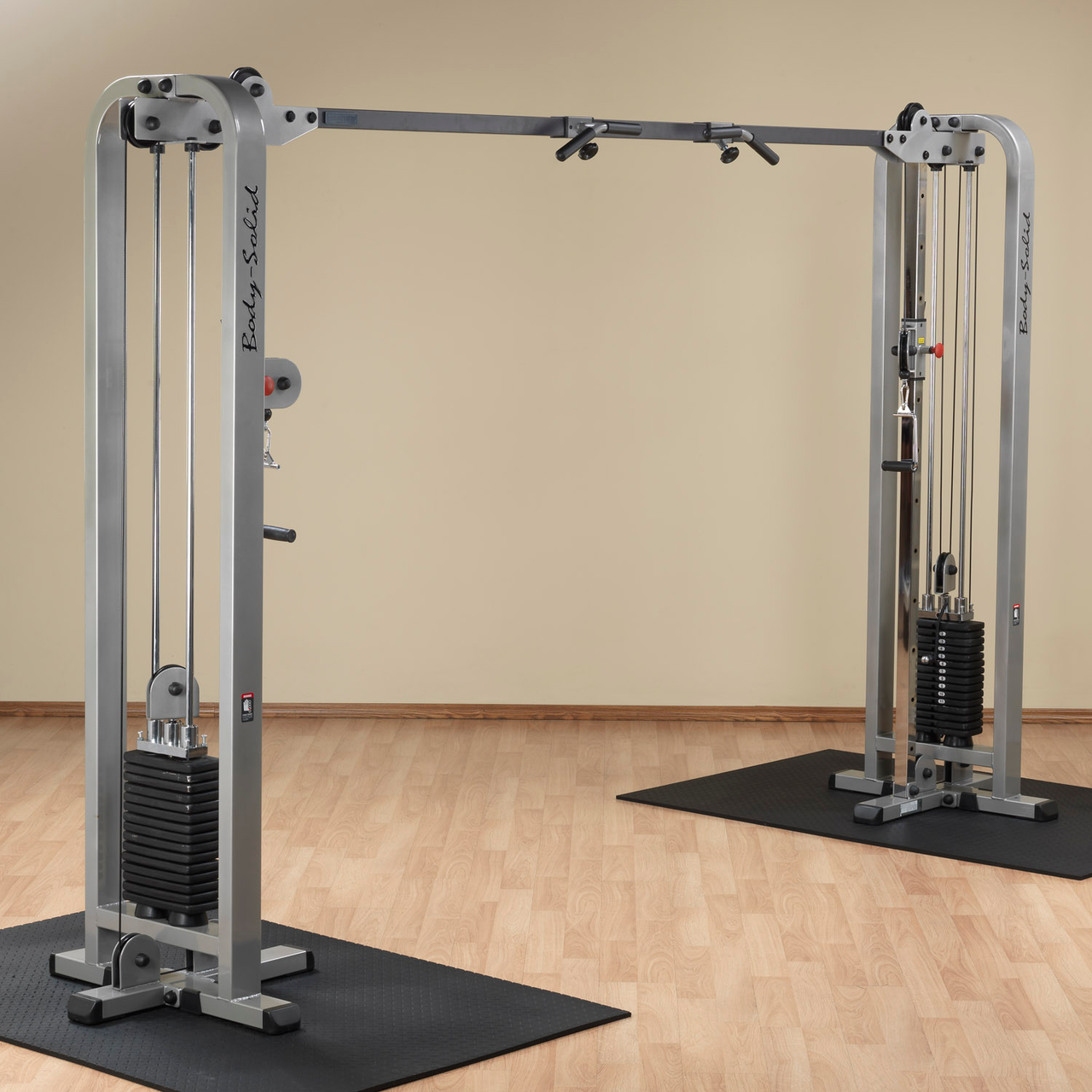
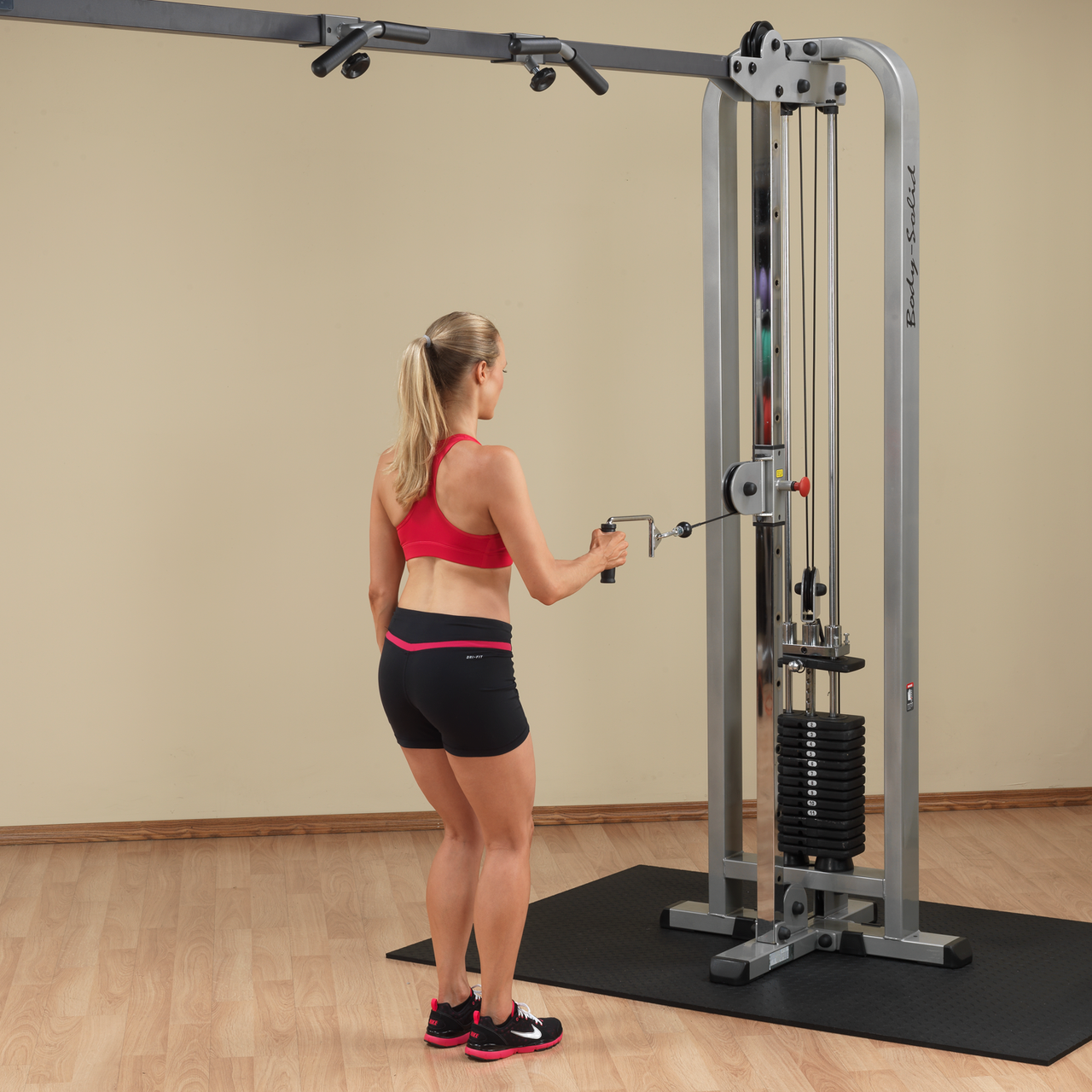
Body-Solid ProClub Line Cable Crossover - SCC1200G
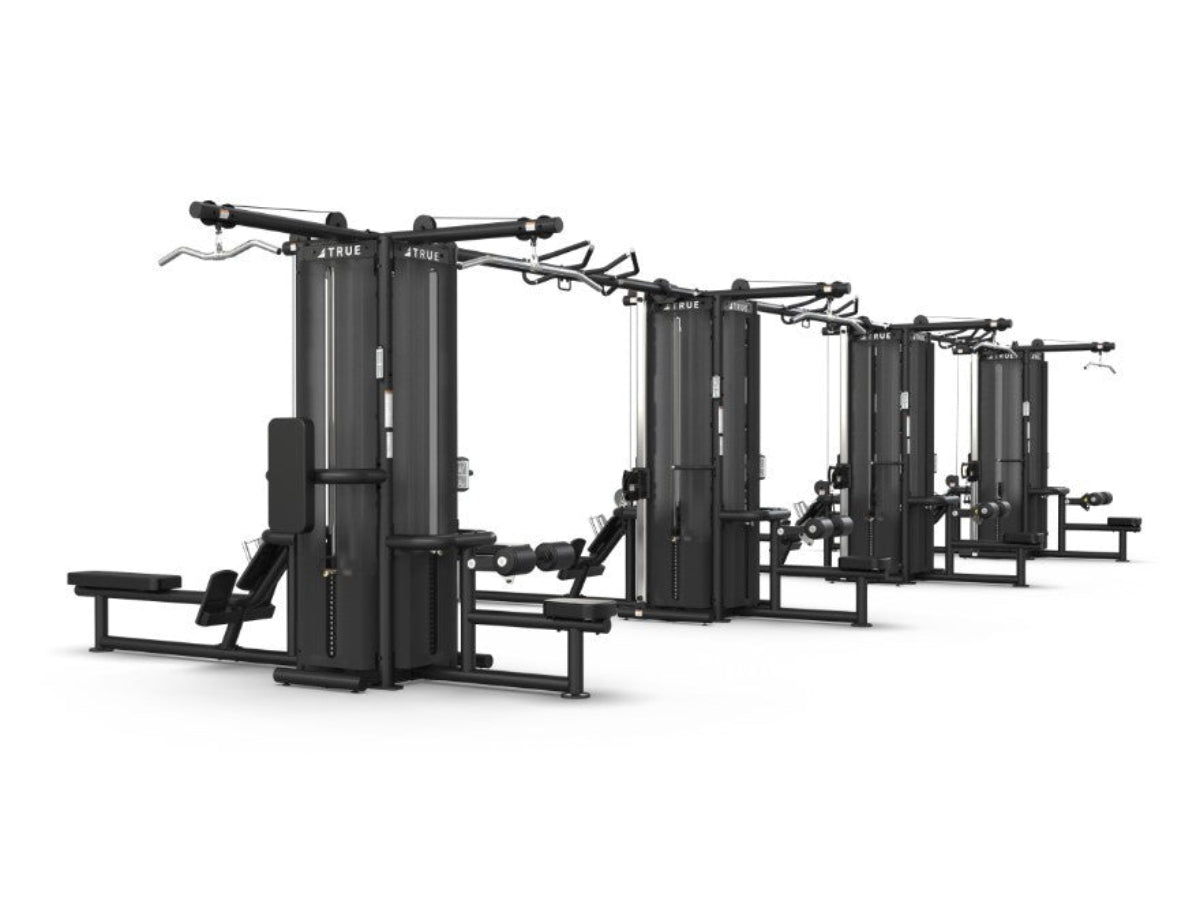


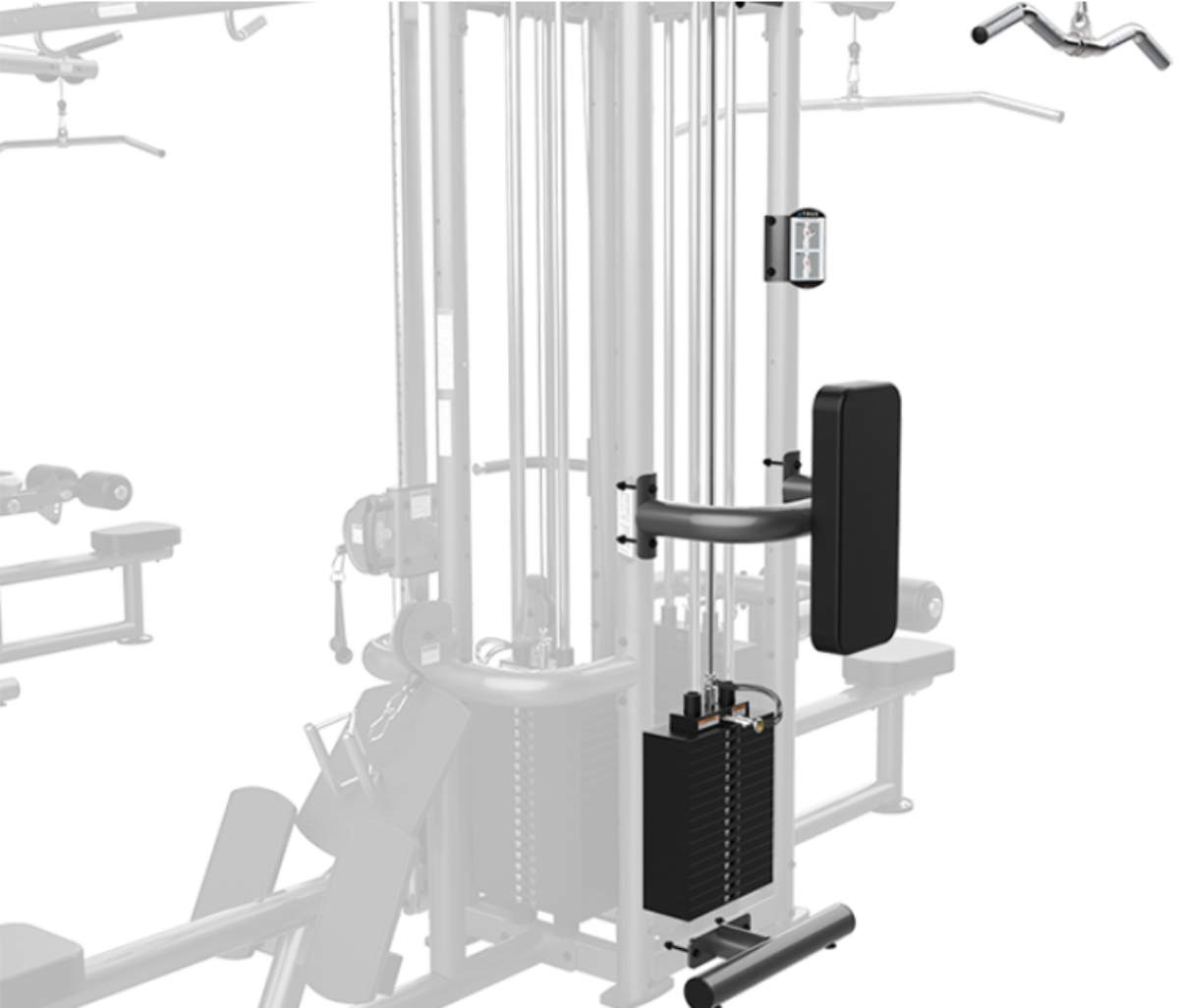
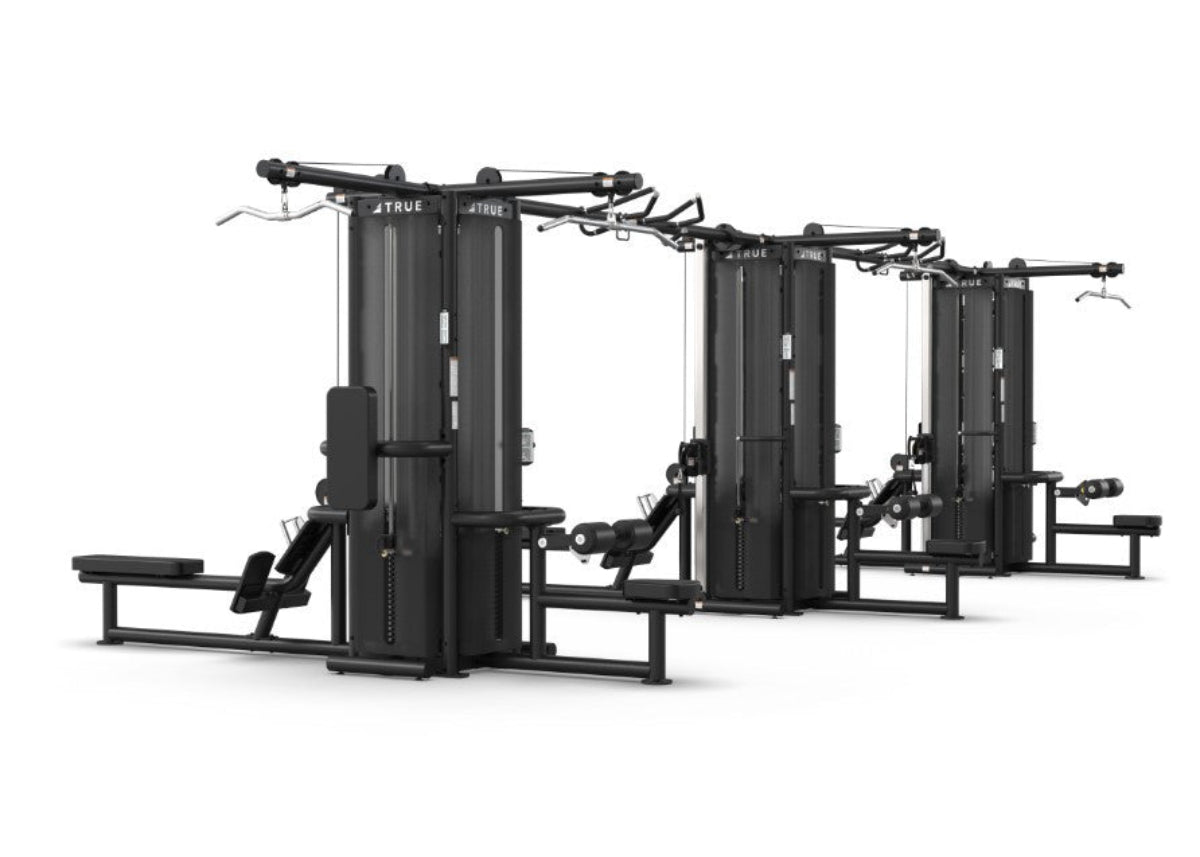
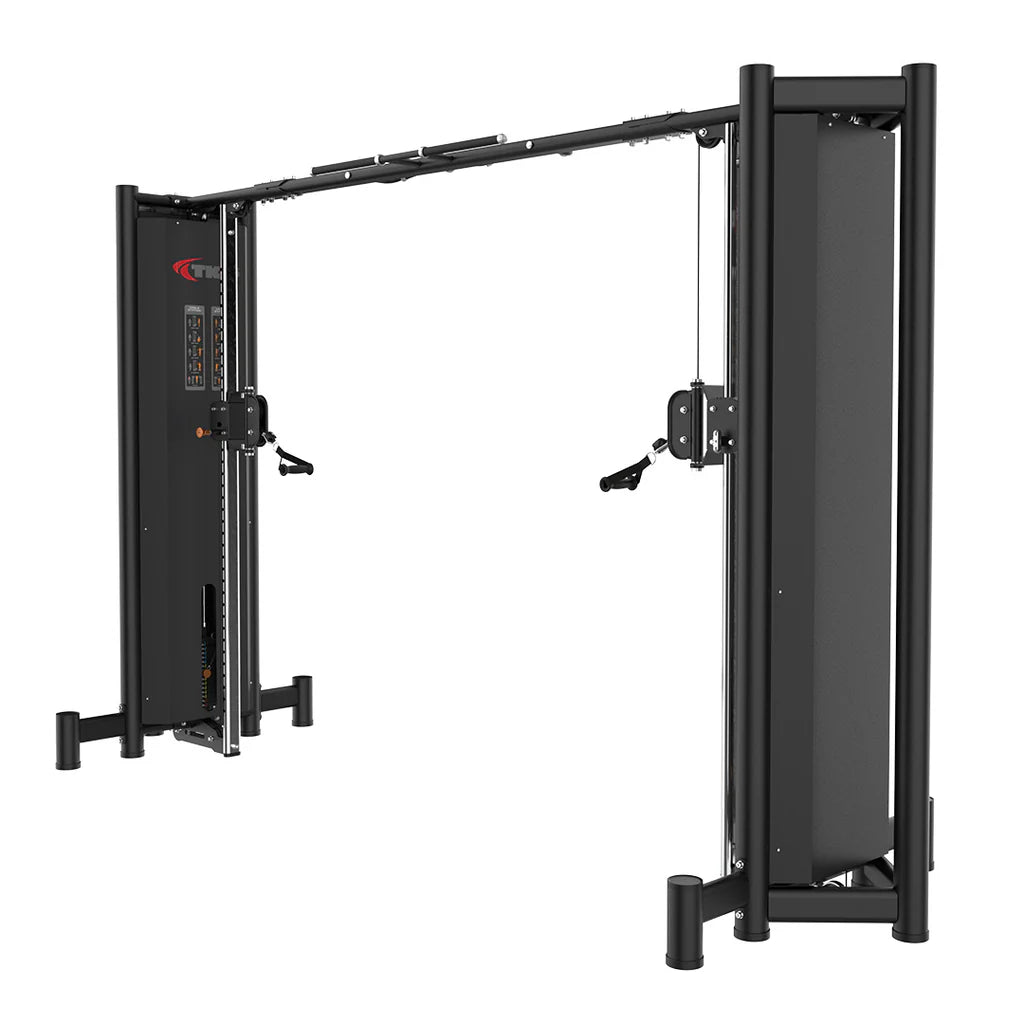
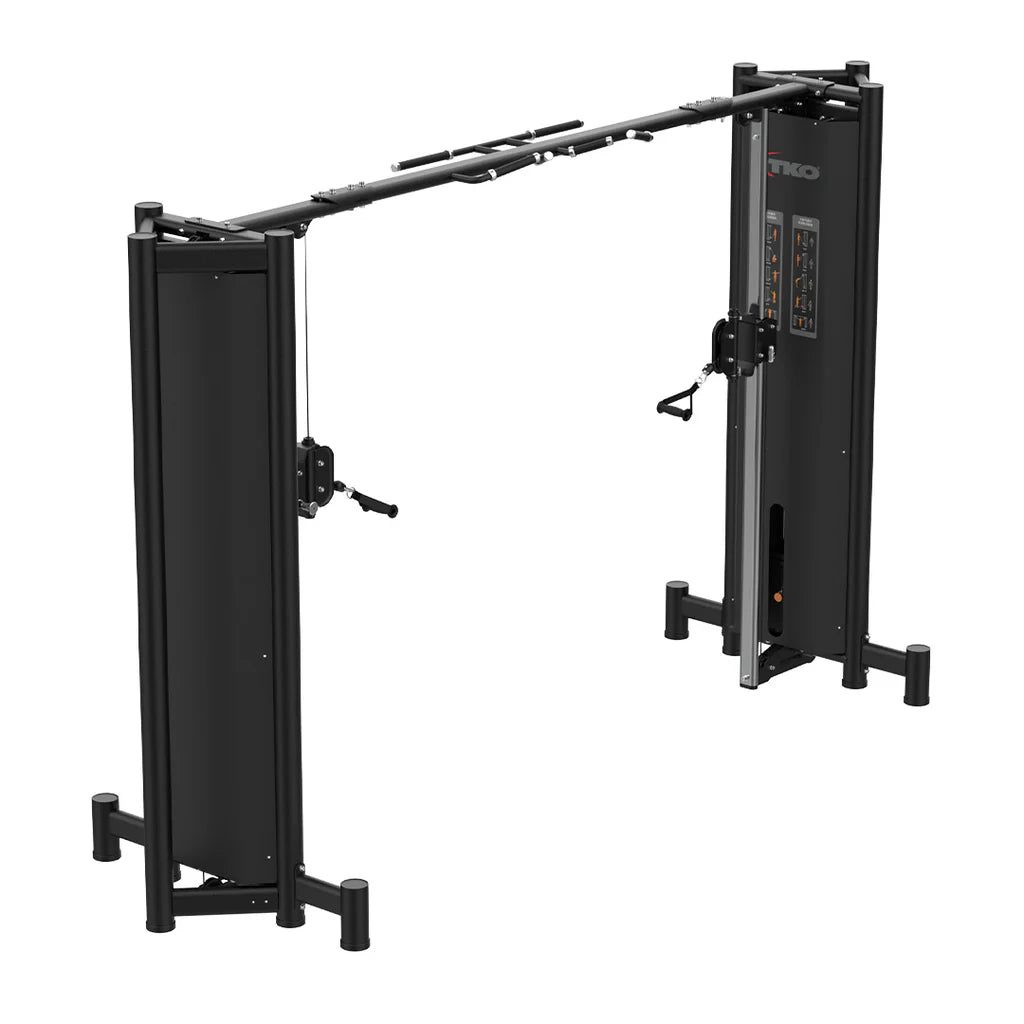
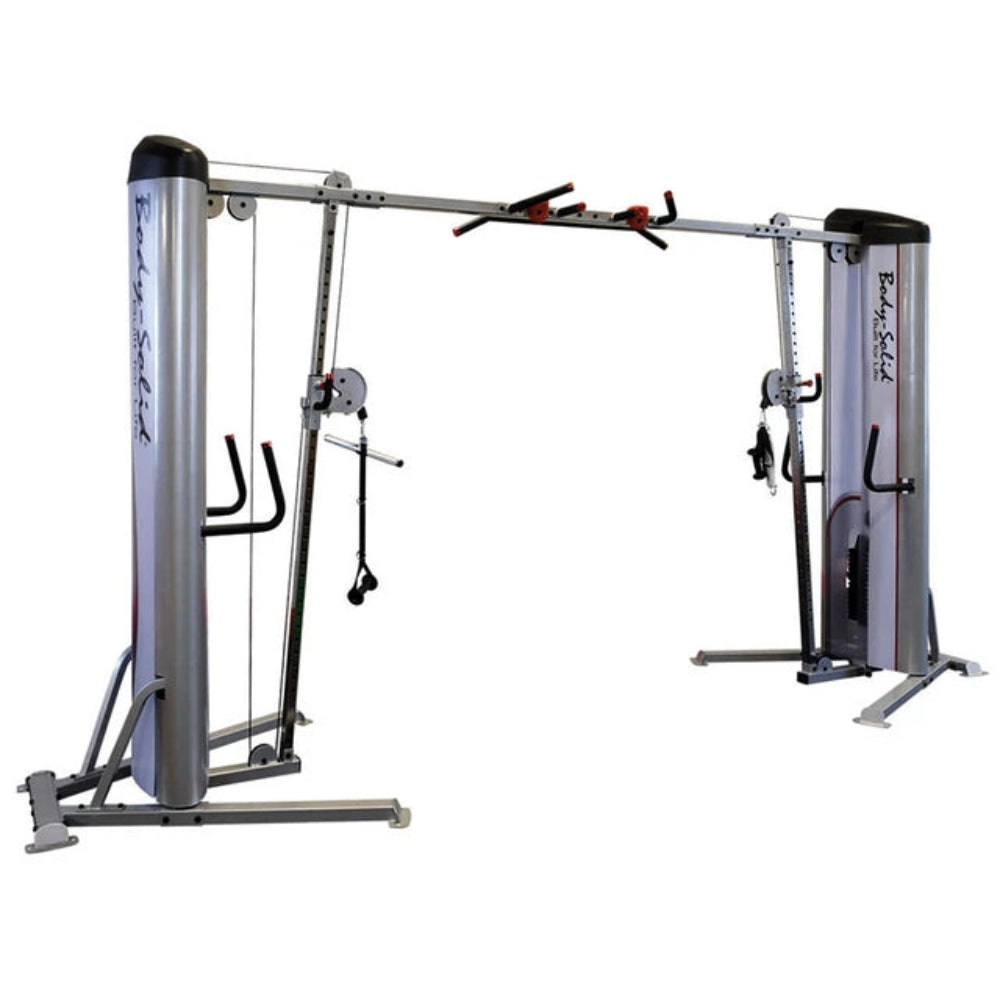
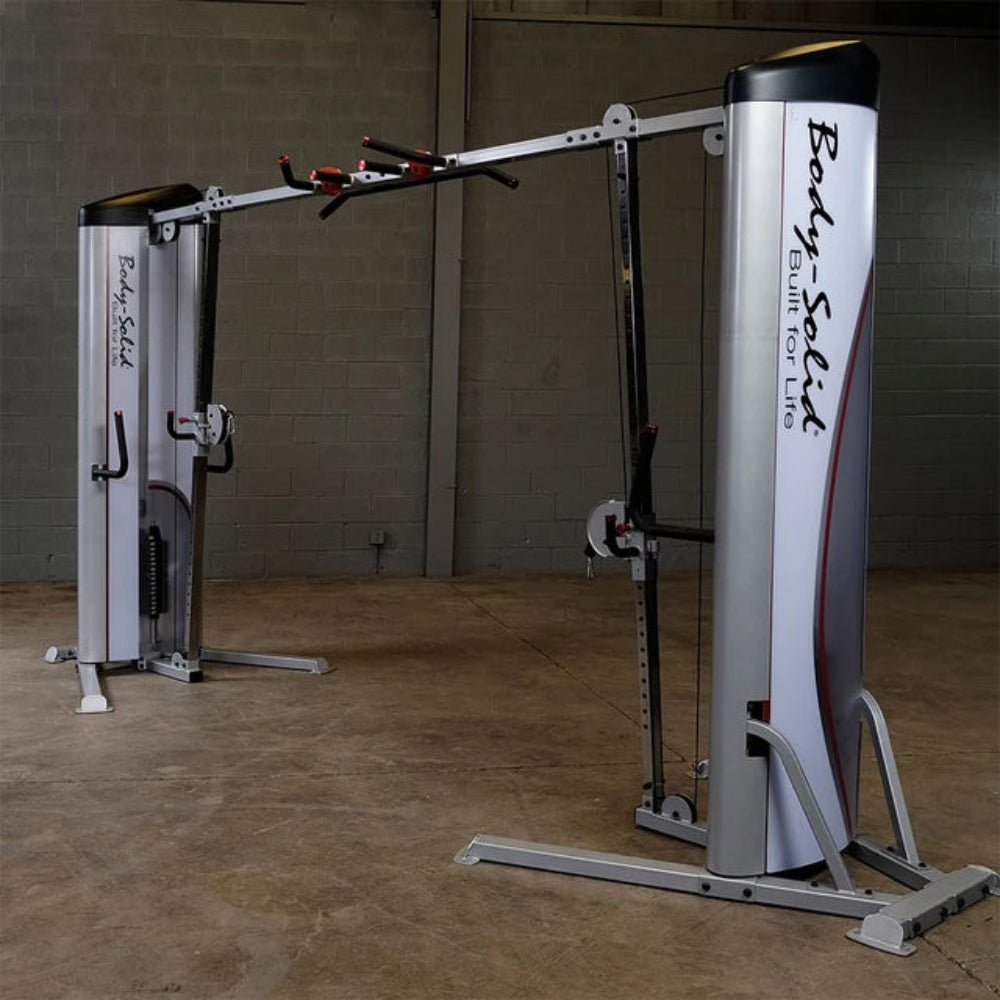
Body-Solid Pro Club Series II Cable Crossover
Versatile Strength Training in One System
Cable crossover and dual adjustable pulley (DAP) systems are foundational strength-training tools in commercial fitness facilities. Their adjustable pulley design allows users to train through natural movement patterns while maintaining constant resistance, making them suitable for both traditional strength exercises and functional training.
Built for Commercial Performance
Commercial cable systems are engineered for durability, stability, and smooth operation in high-traffic environments. Heavy-duty steel frames, reinforced cables, and precision pulleys help ensure consistent performance under frequent use. Independent weight stacks allow multiple users to train simultaneously, supporting efficient use of space in busy facilities.

Adaptable for a Wide Range of Users
One of the key advantages of cable crossover and DAP systems is their accessibility. Adjustable pulley heights and resistance levels make these machines usable for beginners, advanced athletes, and rehabilitation-focused training. This adaptability makes them a practical choice for facilities serving diverse user populations.
Space-Efficient and Scalable
Cable crossover and DAP systems provide multiple exercise options within a single footprint, helping facilities maximize training variety without overcrowding the floor. These systems integrate well into strength zones, functional training areas, and personal training spaces.
At The Fitness Outlet, we offer commercial-grade cable crossover and dual adjustable pulley systems selected for performance, reliability, and long-term value in professional fitness environments.
Who Cable Crossover & Dual Adjustable Pulley Systems Are Best For
Cable crossover and dual adjustable pulley (DAP) systems are best suited for commercial fitness facilities that serve a wide range of users and training styles. They are especially valuable in environments where versatility, accessibility, and efficient use of space are priorities.
These systems are commonly used by beginners who benefit from guided resistance, experienced lifters seeking constant tension, personal trainers working with diverse clients, and athletes performing functional or sport-specific movements. Cable systems are also widely used in rehabilitation and corrective exercise settings due to their smooth resistance and adjustable movement paths.
Key Benefits of Cable-Based Strength Training Systems
One of the primary benefits of cable crossover and DAP systems is exercise variety. A single system can support upper-body, lower-body, and core movements such as chest flys, presses, rows, pulldowns, rotations, lunges, and anti-rotation exercises.
Cable resistance provides continuous tension throughout the entire range of motion, which can improve muscle engagement compared to free weights. Adjustable pulley heights allow users to train through natural movement patterns, making cable systems effective for both traditional strength training and functional movement.
Commercial cable systems are also designed for ease of use. Quick-adjust pulleys and selectorized weight stacks make it easy to transition between exercises, supporting efficient workouts and high user throughput in busy facilities.
Common Use Cases and Training Environments
Cable crossover and dual adjustable pulley systems are used across a wide range of commercial settings, including commercial gyms, personal training studios, corporate wellness centers, multi-family housing fitness rooms, and athletic performance facilities.
They are commonly programmed for:
Total-body strength training
Functional and rotational movement patterns
Personal training and small-group sessions
Rehabilitation and post-injury strength work
Warm-ups, finishers, and accessory training
Because they accommodate multiple users and exercise types, cable systems often serve as anchor pieces in strength and functional training zones.
Cable Crossover vs. Dual Adjustable Pulley Systems
While often grouped together, cable crossovers and dual adjustable pulley systems serve slightly different training needs.
Traditional cable crossovers typically feature fixed high pulleys and are well suited for bilateral movements such as chest flys, lat pulldowns, and rows. They are staples in classic strength training environments.
Dual adjustable pulley systems offer greater flexibility, with vertically adjustable pulleys that support a broader range of functional, unilateral, and sport-specific exercises. Many commercial facilities favor DAP systems for their adaptability and ability to support multiple training styles within a single footprint.
Design Variations and System Configurations
Commercial cable systems are available in a variety of configurations to suit different facility layouts and training goals.
Some models emphasize tall uprights and wide frames for unrestricted movement, while others prioritize compact designs for smaller training spaces. Independent weight stacks allow multiple users to train simultaneously, while modular systems can integrate cable stations into larger strength equipment layouts.
Frame construction, pulley travel, and weight stack capacity all play a role in determining how a system performs in a commercial environment.
Why Cable Systems Are Essential in Modern Commercial Gyms
As training programs continue to evolve toward functional movement and versatility, cable crossover and dual adjustable pulley systems remain essential components of well-rounded commercial gyms. Their ability to support strength training, mobility work, and rehabilitation within a single system makes them invaluable for facilities serving diverse populations.
By combining durability, adaptability, and space efficiency, cable systems help commercial fitness facilities deliver effective training experiences while maximizing floor utilization.
FAQs
Should commercial facilities choose cable crossover or dual adjustable pulley systems?
Are these systems suitable for multiple users at the same time?
How often should commercial cable equipment be serviced?